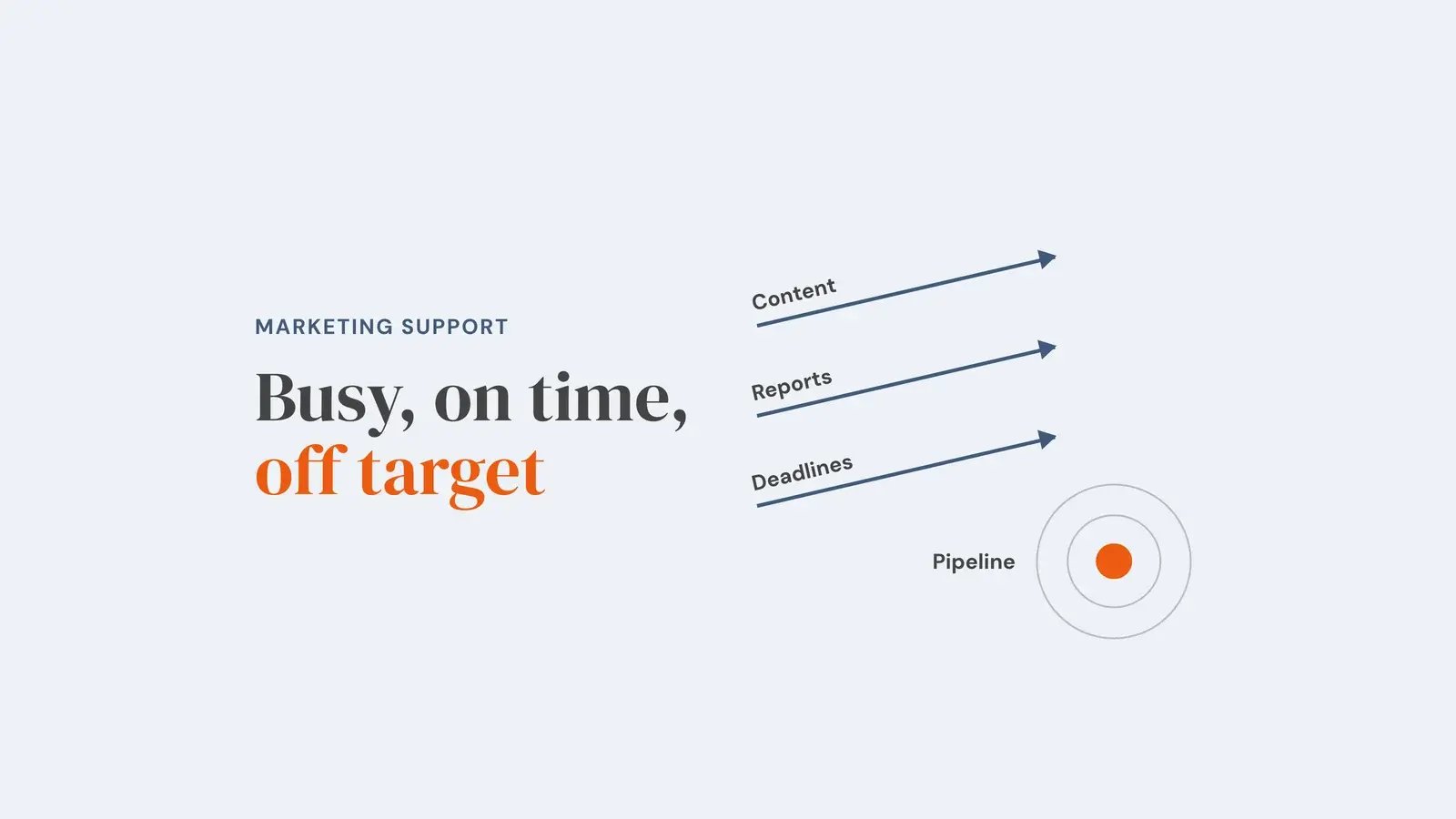


Are you spending on marketing each month and wondering what you would actually own if you stopped? Does your current model generate leads, or just generate activity?
This article is for founder-led B2B businesses questioning whether their marketing investment is building something durable. I will walk you through a practical framework for evaluating any marketing model against 7 criteria that separate compounding, owned growth from ongoing dependency. By the end, you will know what to look for, what to avoid, and what a transition looks like.
One thing to be upfront about first. I am a fractional marketing consultant who installs in-house growth systems for founder-led B2B businesses, and one of the UK's first certified coaches in the Endless Customers™ methodology, so this is a practitioner's view, not a neutral survey.
I build the kind of model I am about to describe, which is exactly why the seven criteria below are the same ones I would hold my own work to.
Key takeaways
- A dependency-reducing marketing model prioritises owned assets, compounding channels, and in-house capability over rented visibility or outsourced strategy.
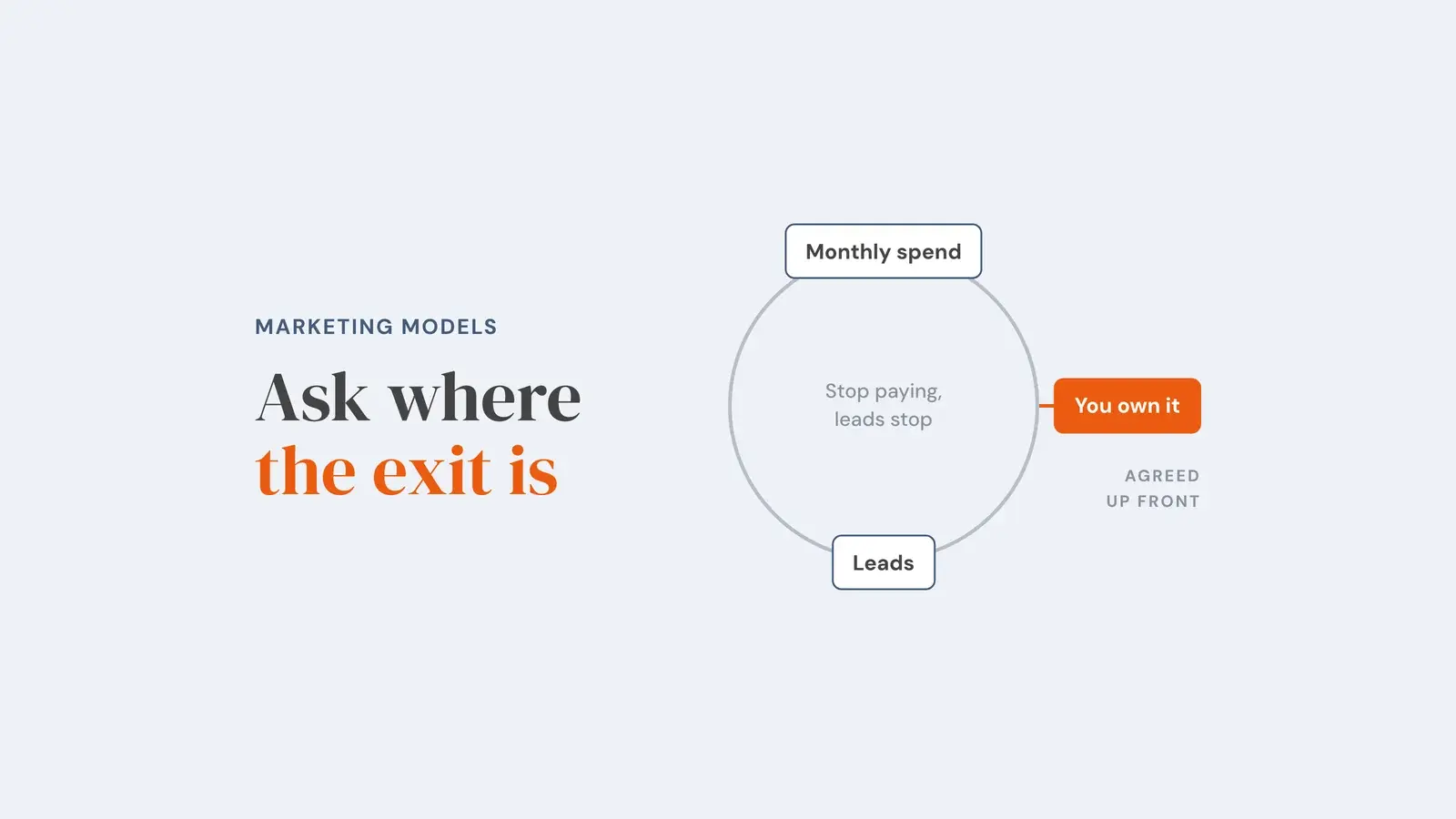
- Marketing dependency is structural: when the spend or retainer stops, the leads stop, and nothing remains.
- Seven criteria signal a genuinely independence-building model: owned-channel growth, compounding content, in-house capability, declining cost-per-lead, platform agnosticism, trust assets, and a defined path to self-sufficiency.
- Transitioning typically takes 6–18 months before compounding effects outperform paid alternatives, but what you build at the end is an asset, not an ongoing invoice.
- Reducing dependency does not mean eliminating external support; it means changing what that support is designed to build.
What is a dependency-reducing marketing model?
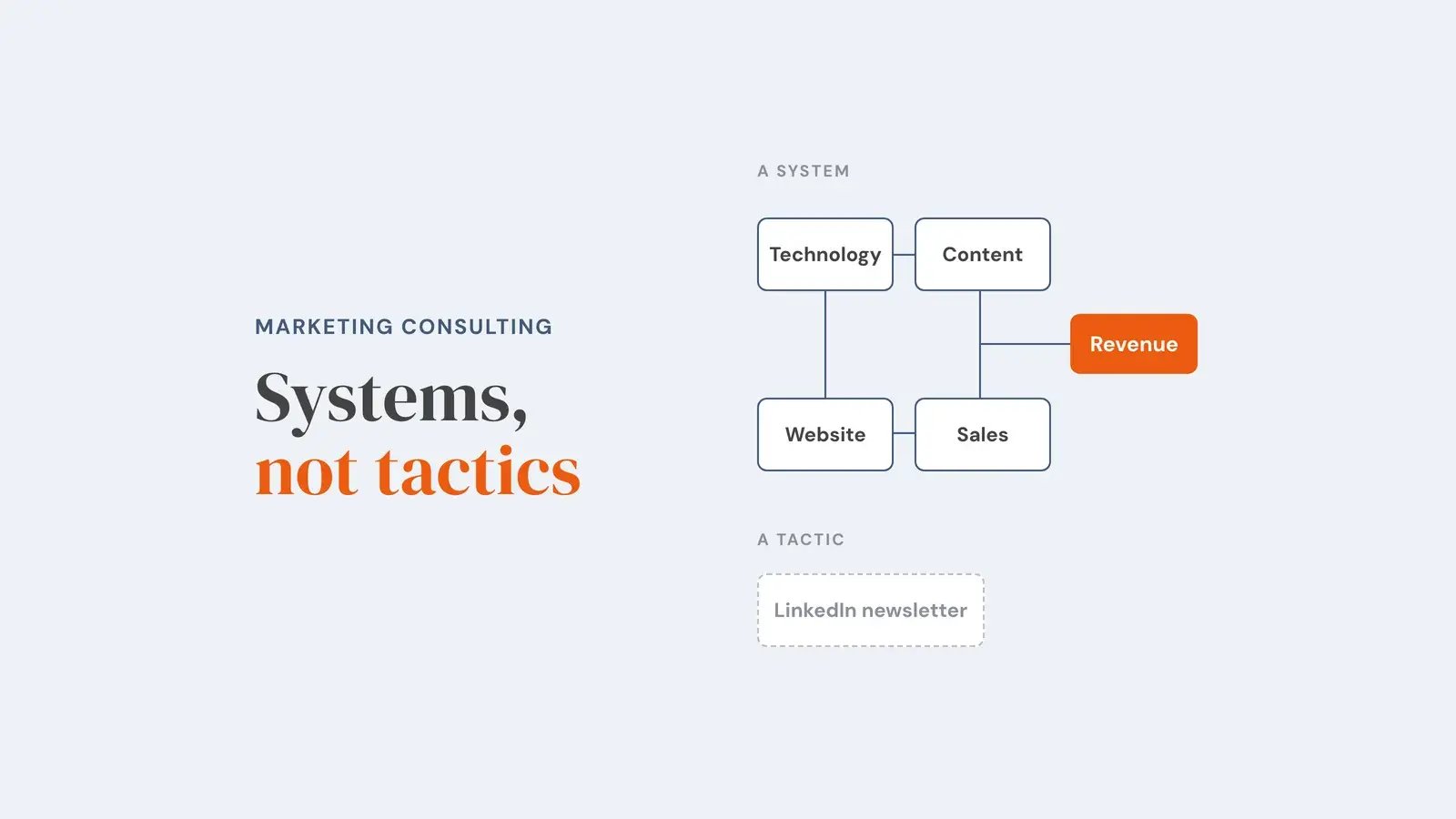
A dependency-reducing marketing model is a structured approach that prioritises owned assets, in-house capability, and compounding channels, so reach and lead generation grow over time without proportional increases in external spend.
Unlike models that rent visibility through paid ads or outsource strategy to agencies indefinitely, this approach is designed to make your business progressively less reliant on any single external provider or platform.
Two terms are worth defining here:
- Owned channels: assets your business controls, such as your website, email list, published content. Visibility does not disappear when you stop paying.
- Rented channels: paid advertising, agency-managed reach, and social platforms where results exist only while the spend does.
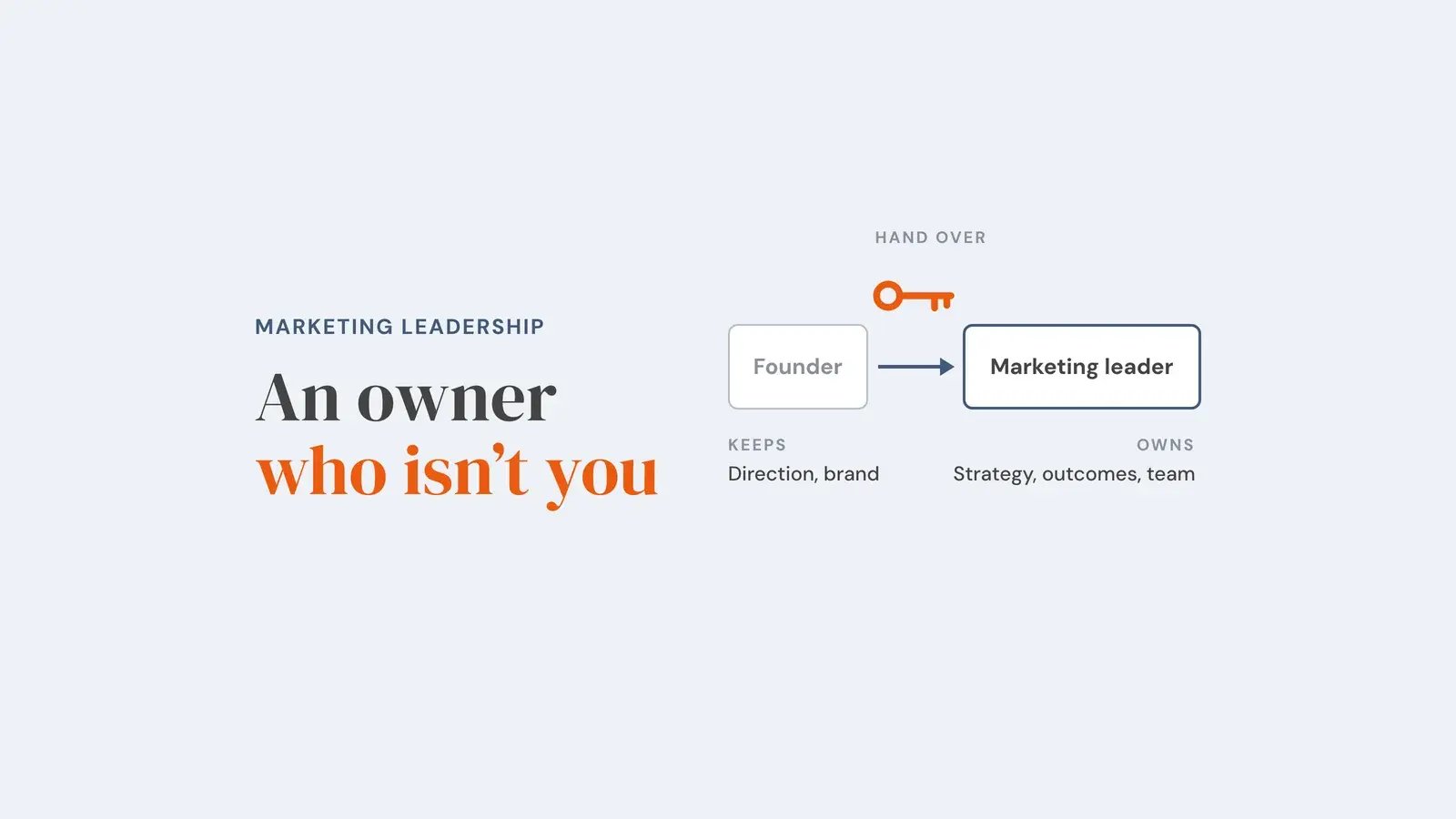
This kind of model does not exclude external support. It changes what that support is designed to build. The goal is a marketing engine your team can run and improve, without calling anyone to keep it turning.
Why marketing dependency is a costly problem
Marketing dependency occurs when a business cannot sustain or grow its lead generation without continuous external spend, the moment you stop paying, the results stop too.
This is a structural problem, not a budget one. Every pound spent functions as an operating cost with no compounding return.
Ask this: if you stopped paying your agency tomorrow, what would remain? If the honest answer is "not much", the problem is structural, not creative.
7 criteria to look for in a marketing model that builds independence
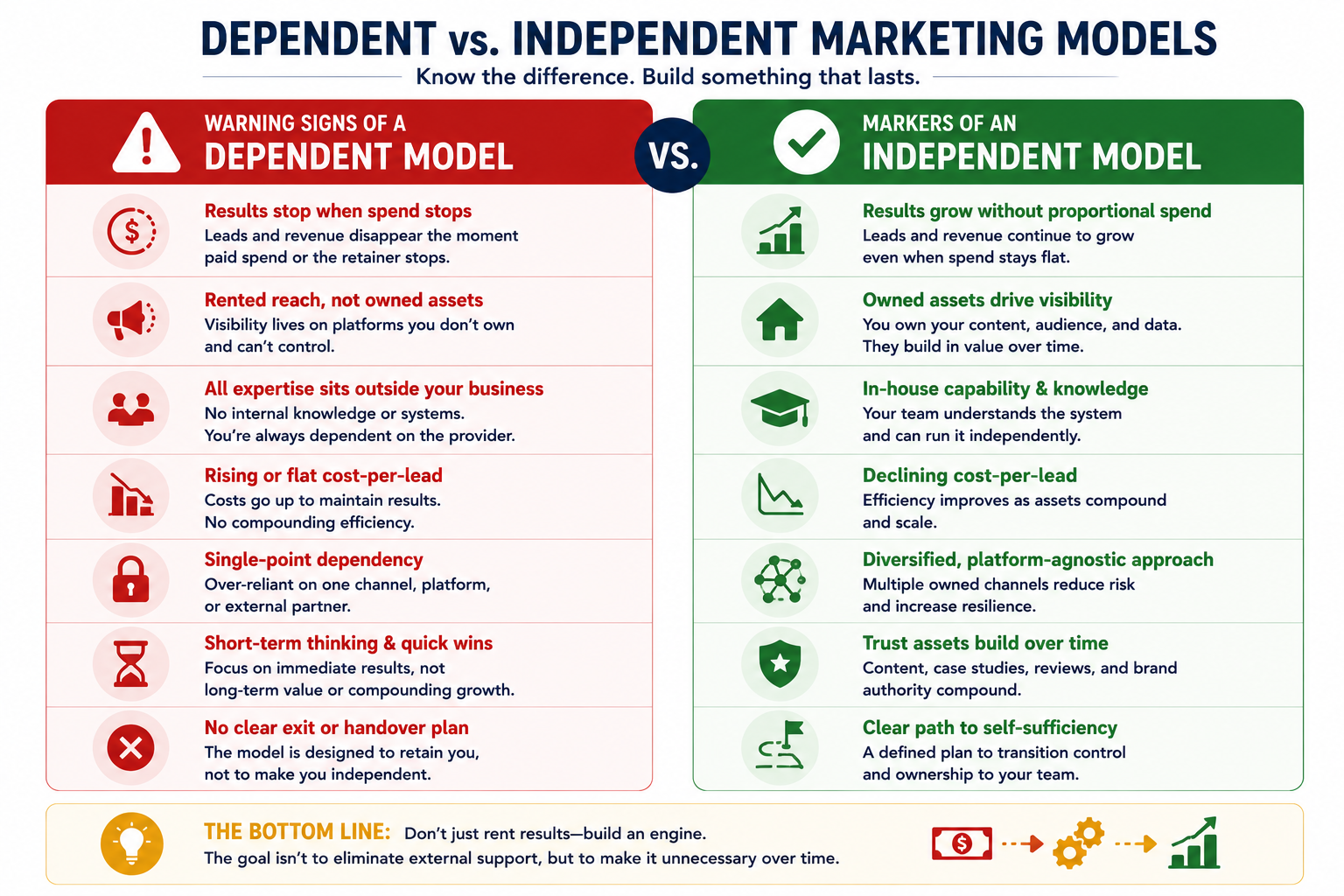
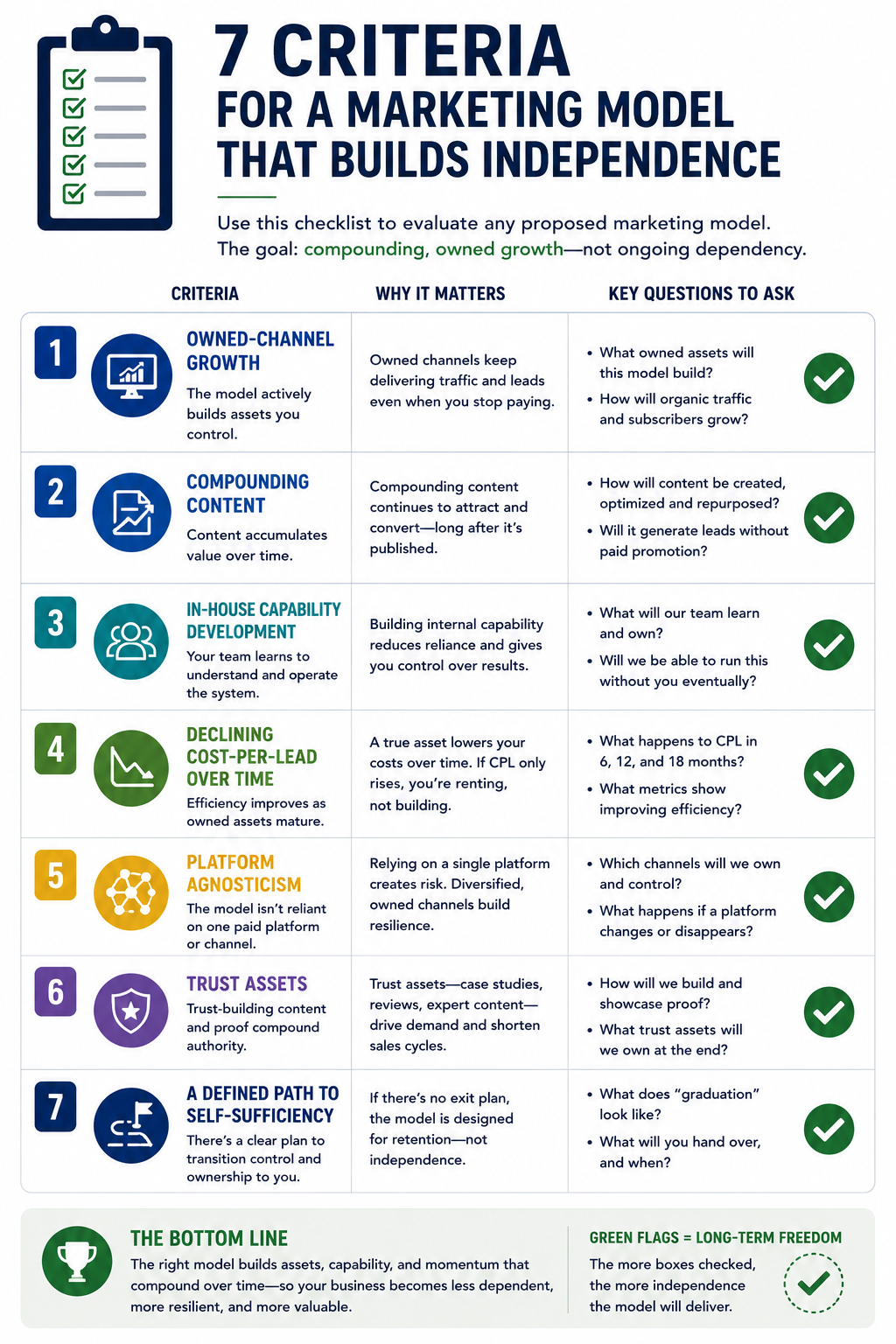
The best models for long-term independence share 7 measurable characteristics. Evaluating any model against these criteria will tell you whether you are investing in a compounding asset or funding an ongoing dependency.
- Owned-channel growth: The model actively builds assets you control: content, SEO authority, email lists. Green flag: organic traffic grows month-on-month. Red flag: all traffic is paid.
- Compounding content: Content accumulates value over time, generating leads long after it is published. Red flag: content requires constant paid promotion to perform.
- In-house capability development: Your team learns to understand and operate the growth system. Green flag: your team can explain your pipeline without calling the agency. Red flag: all marketing knowledge sits externally.
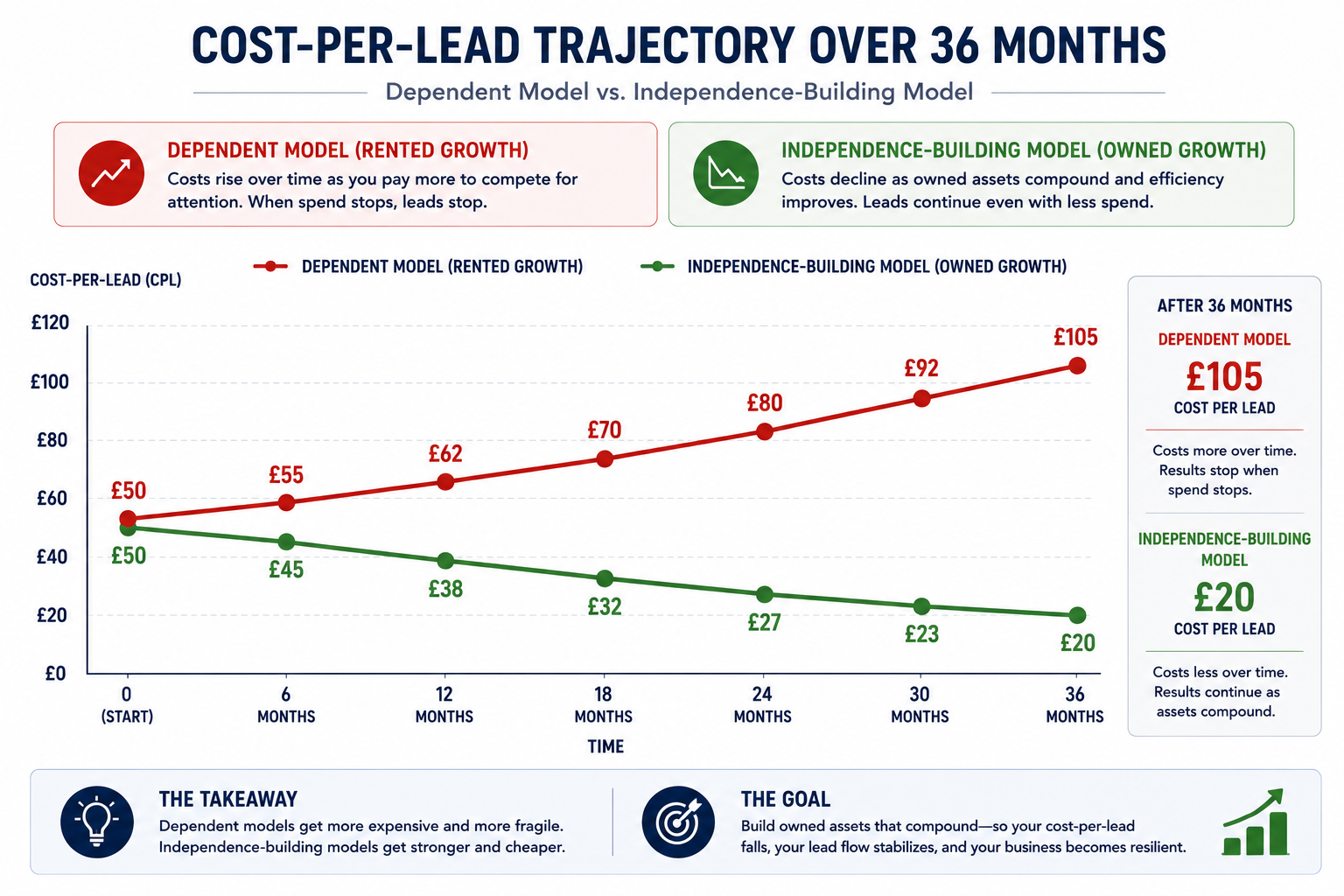
- Declining cost-per-lead over time: As owned assets mature, cost-per-lead should fall. A model where CPL only rises is renting, not building.
- Platform agnosticism: Dependency on one paid platform creates single-point fragility. Independence-building models grow across channels you own.
- Trust assets: Case studies, reviews, transparent pricing, and published expertise compound authority. These are structural assets, not campaigns.
- A defined path to self-sufficiency: If there is no exit point where external support becomes unnecessary, the model is designed for retention, not independence. Ask what graduation looks like before you sign.
Dependent vs. independent marketing models compared
Dependent models, built around paid advertising, outsourced content, and agency-managed strategy, deliver fast results but reset to zero when investment pauses, whereas independent models trade short-term speed for long-term compounding returns.
Neither is universally wrong. But the structural trade-offs matter depending on your stage.
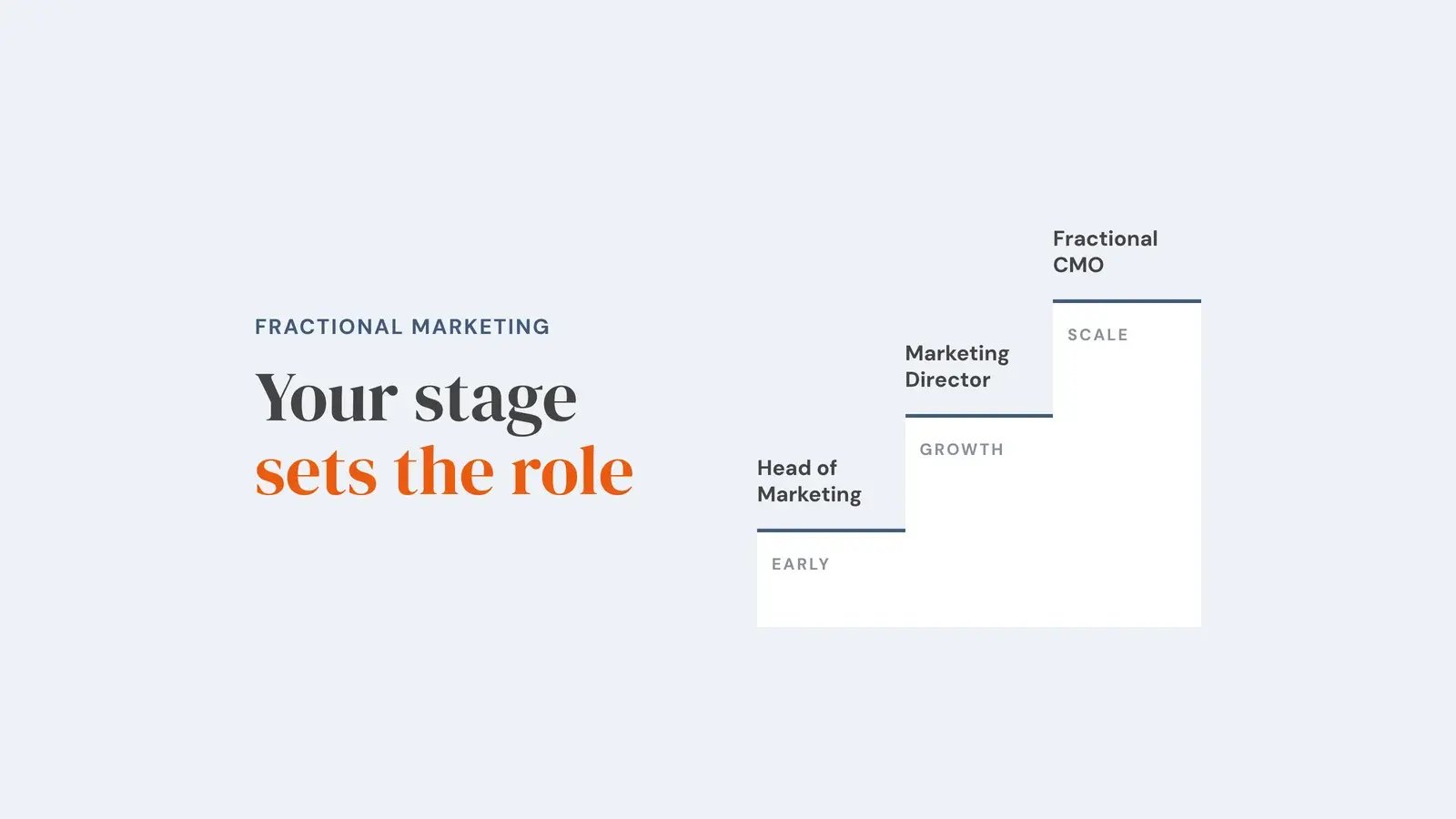
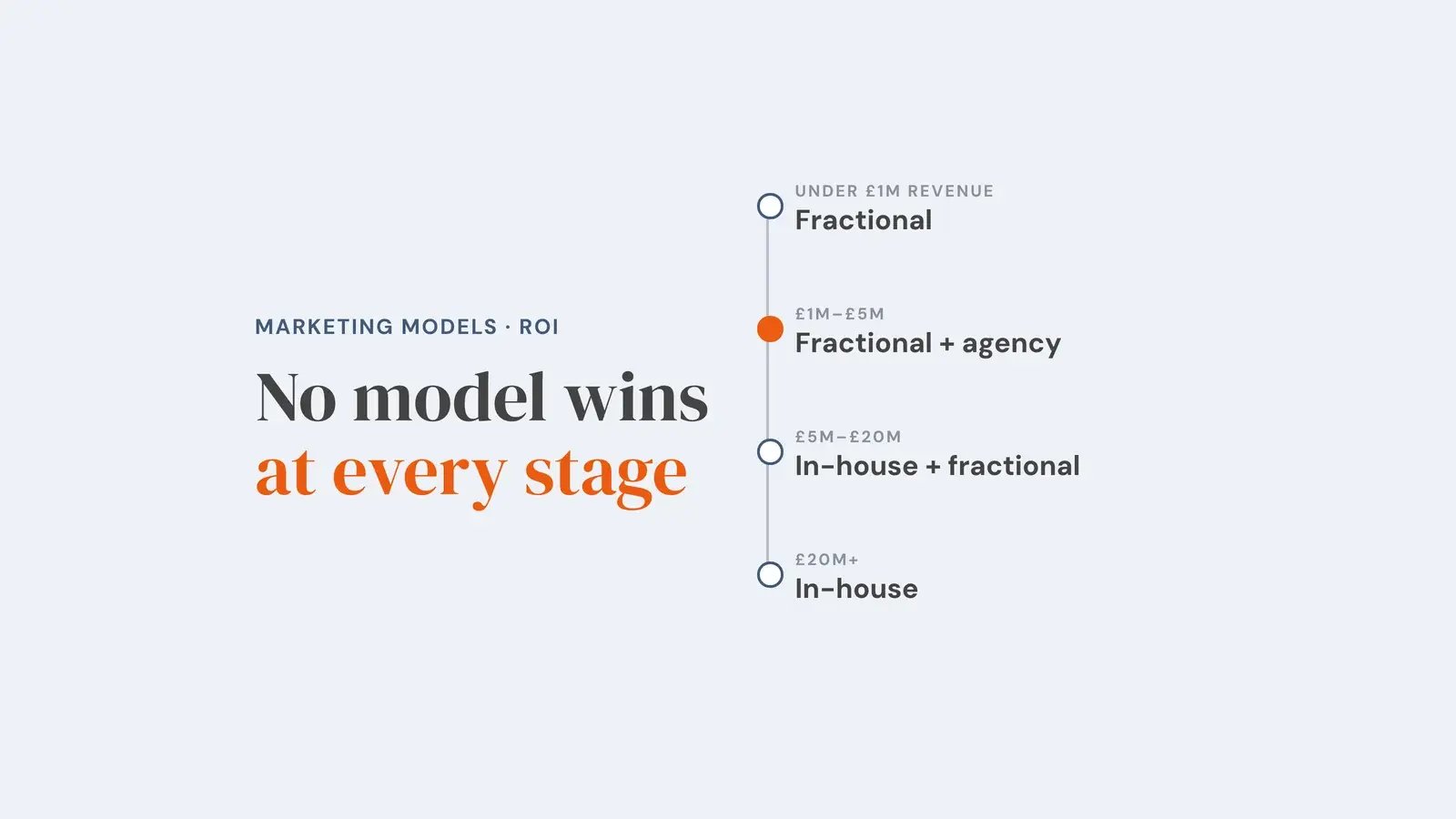
For an early-stage business that needs pipeline this quarter and has neither the team capacity nor the runway to build owned channels yet, renting is often the correct call; paid reach buys time that building cannot.
The same is true if you are validating a new market or product and need fast signal more than durable assets. Dependency only becomes the problem when it is permanent by default rather than chosen for a reason.
Most founder-led businesses reach a point where renting indefinitely becomes the greater structural risk, not a cost they cannot afford, but a fragility they can no longer justify.
What does it cost to shift to a less dependent marketing model?
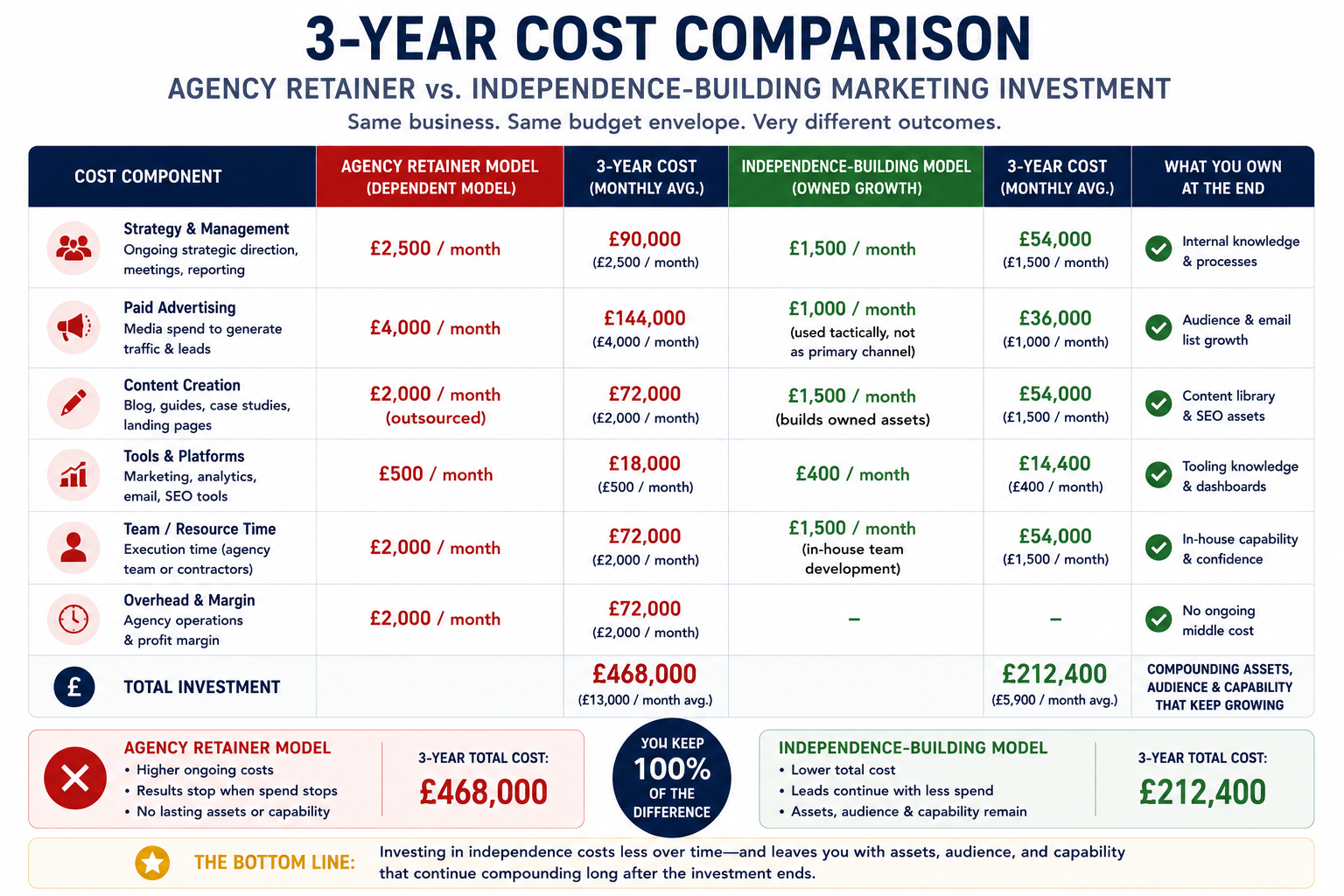
Before the numbers, a note on scope. These figures apply to founder-led B2B businesses generating £500,000–£20m ($670,000–$26.8m) in revenue, compared over a 36-month horizon, from the perspective of a founder or senior marketing decision-maker.
Transitioning to a less dependent model typically requires a 6–18 month investment period before compounding effects begin to reduce cost-per-lead. This is an estimate based on typical client timelines; individual results depend on starting point, team capability, and content pace.
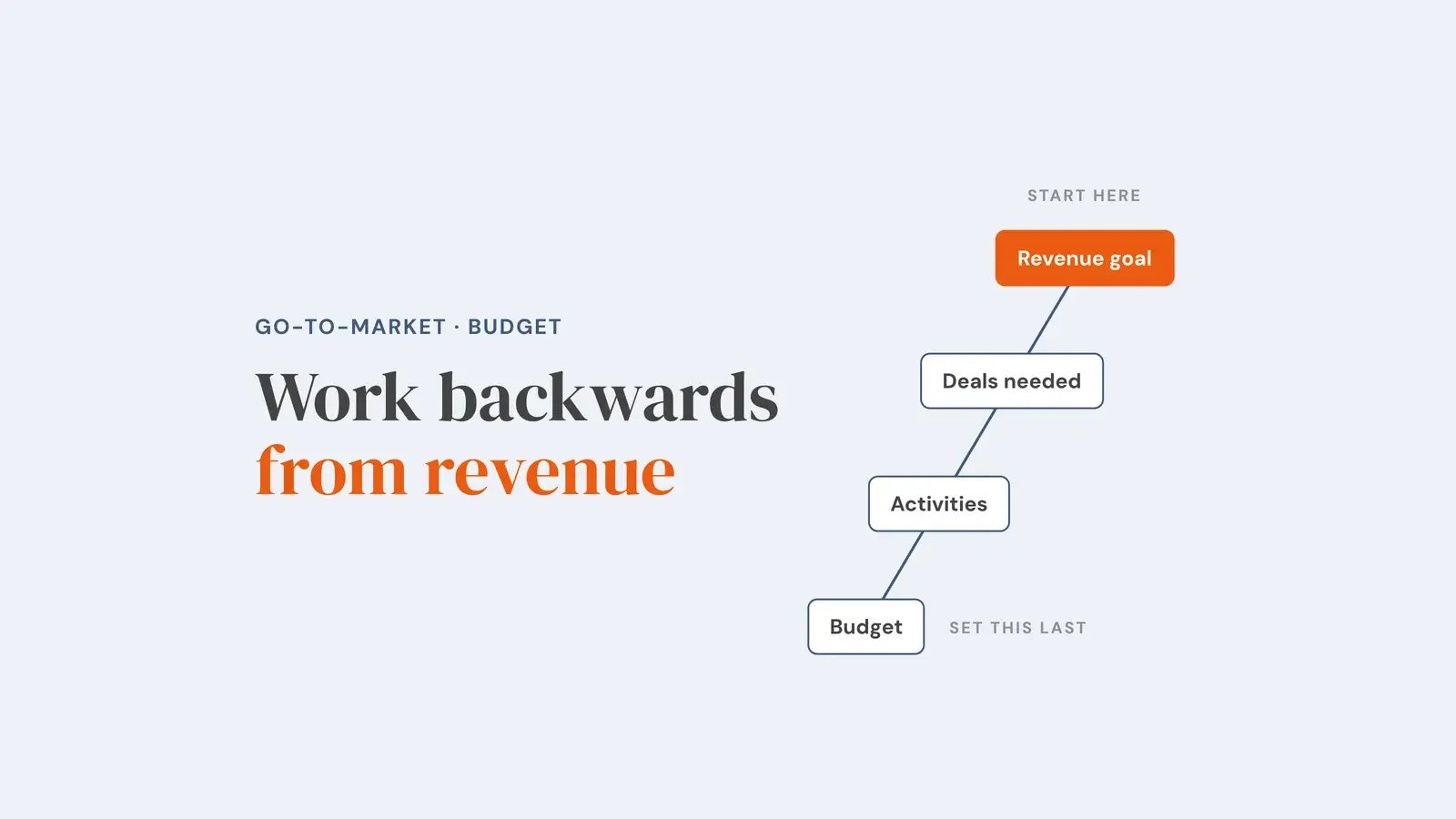
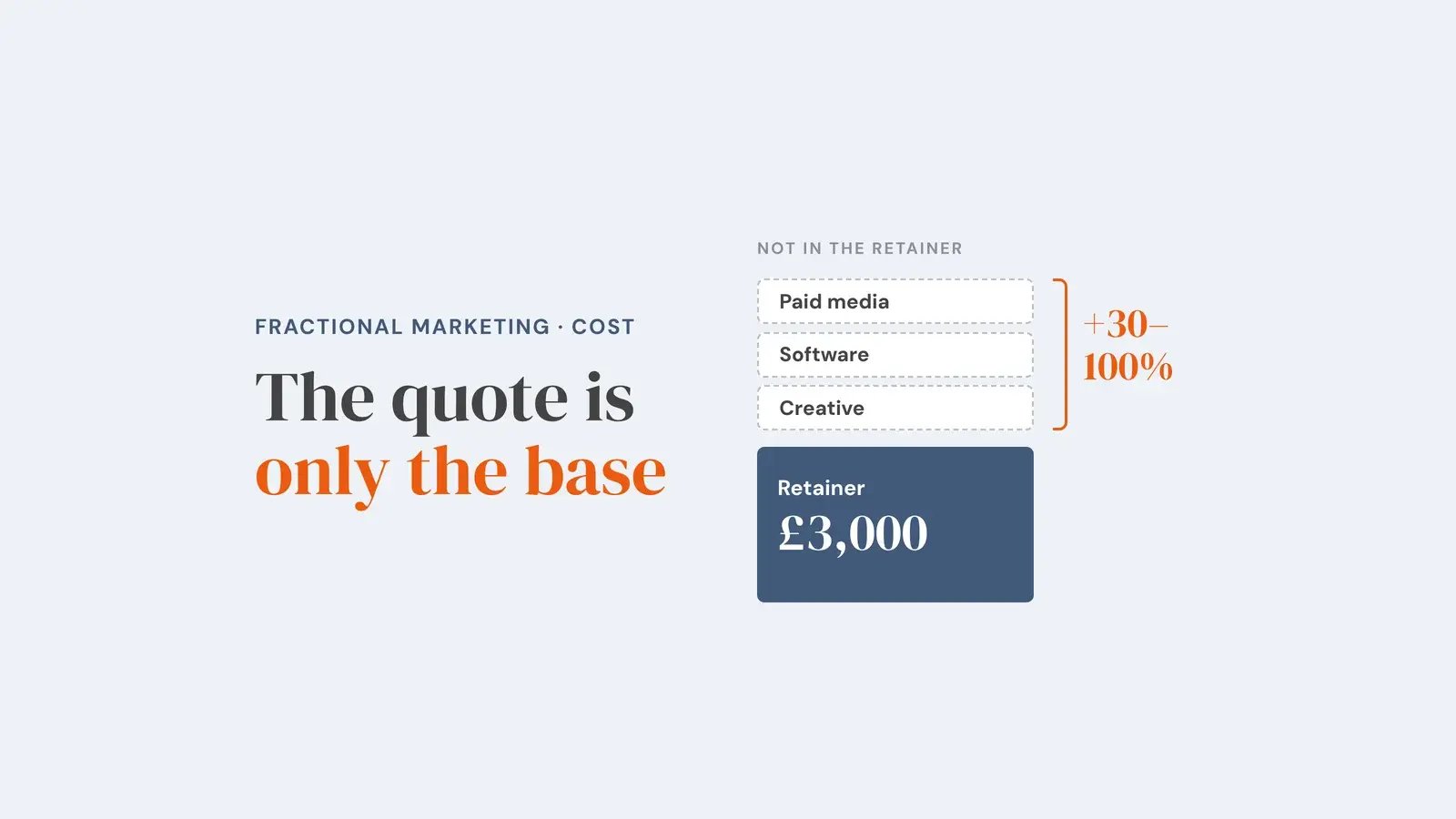
These figures cover content, strategic leadership, technology, and capability training. For comparison, a traditional agency retainer at £5,000 ($6,700)/month costs £180,000 ($241,000) over three years — with nothing owned at the end.
A simple formula: Current monthly marketing spend x 36 = your three-year cost. Now ask what you will own at the end of it.
Related reading: How Much Does It Cost to Work with Me? Pricing Guide
How to evaluate your current model and transition toward independence
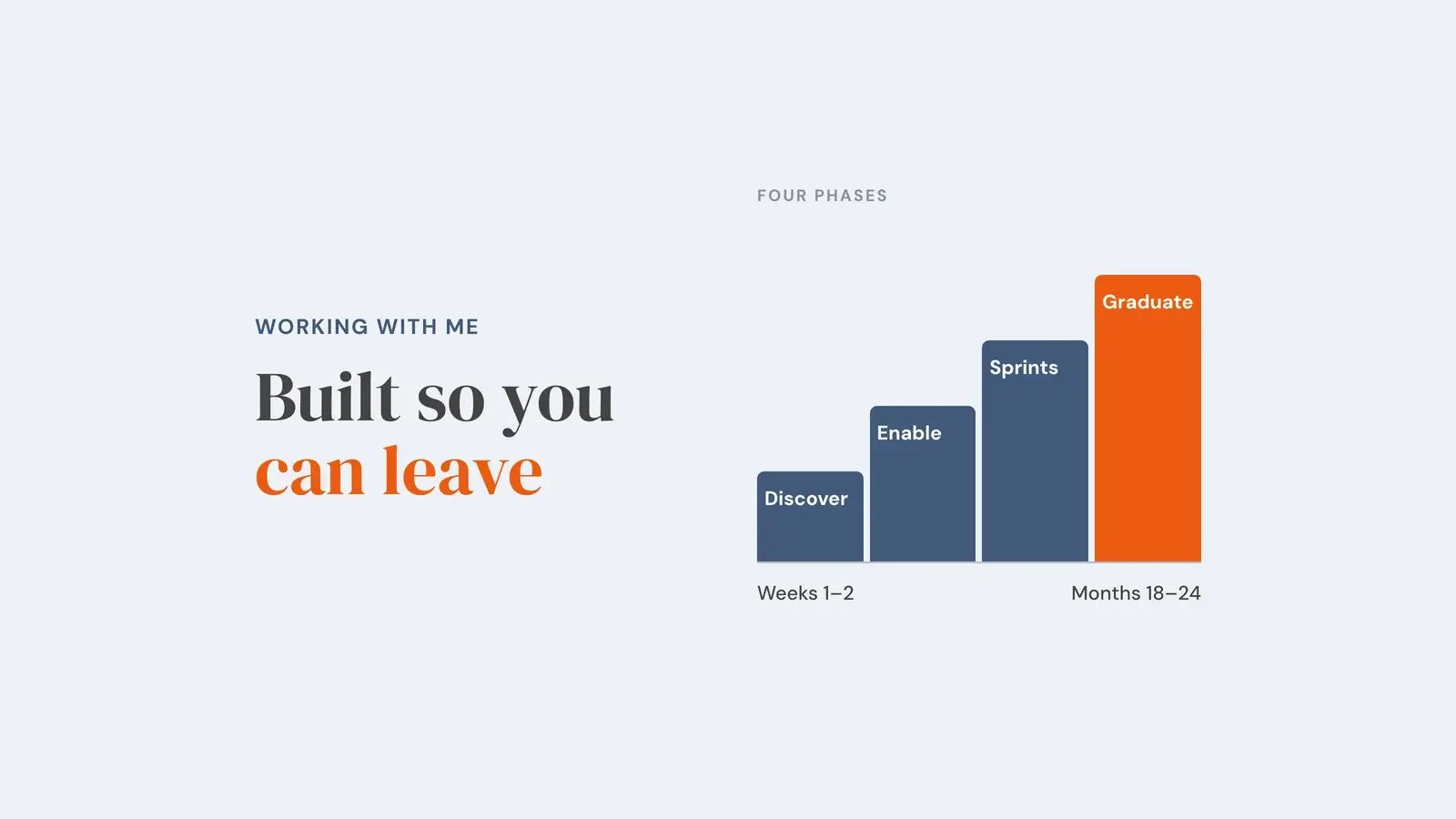
Evaluating and transitioning to a less dependent model follows 5 steps: audit dependency exposure, define independence benchmarks, select compounding channels, build internal capability, and agree a structured handover.
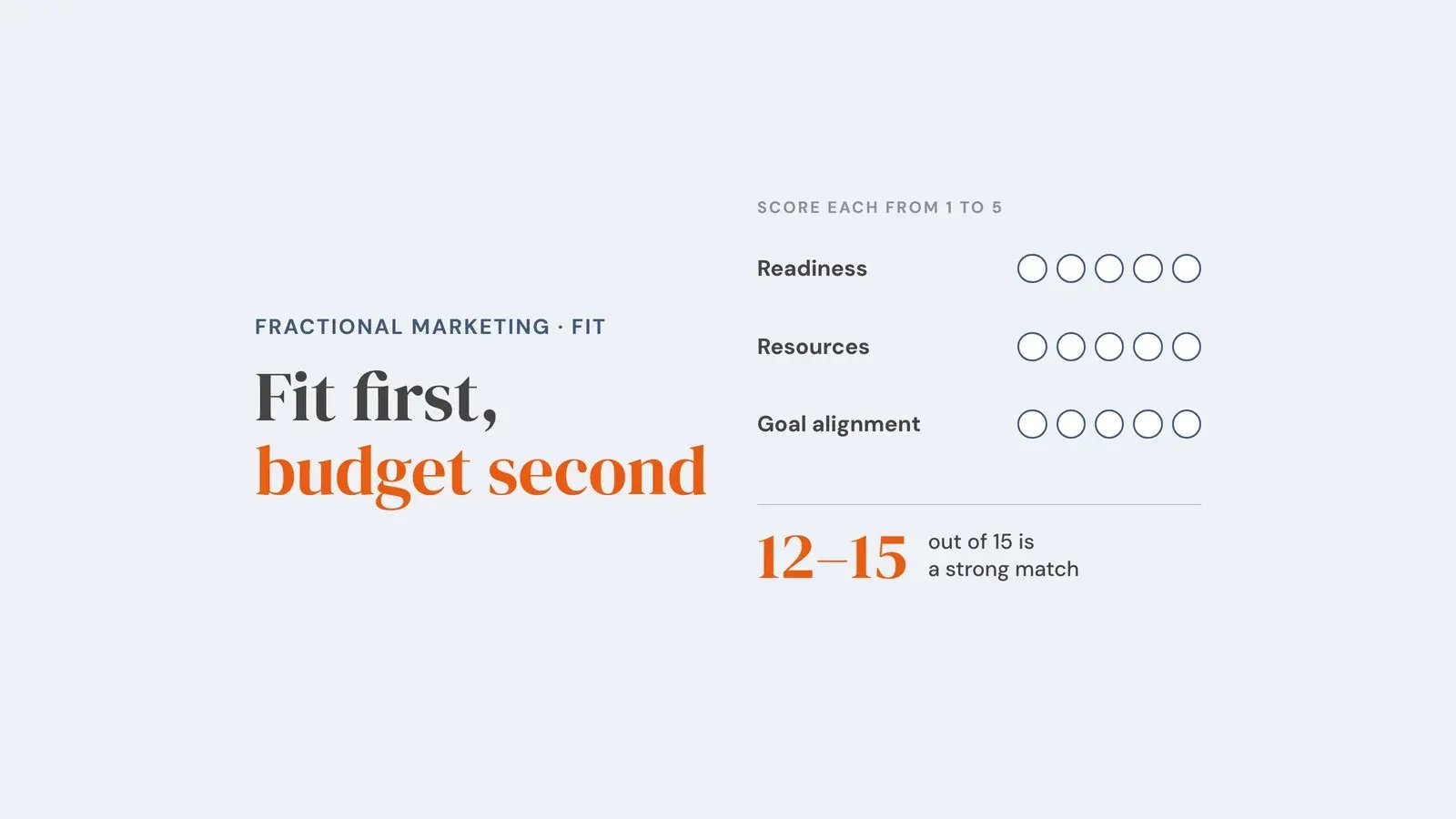
- Audit your current dependency: Score yourself against the 7 criteria above. Where you score zero is where structural fragility sits. Common mistake: switching tactics without fixing the underlying structure first.
- Define independence benchmarks: Set measurable targets: organic traffic share, email list size, owned-channel lead percentage. Metric to track: % of leads from owned vs. paid channels.
- Select channels that compound: Prioritise SEO content, answer-engine-optimised articles (structured so AI tools cite your brand), and email. Common mistake: maintaining full paid spend while trying to build owned channels, owned channels never get the investment they need.
- Build internal capability in parallel: Train your team on every system as it is installed. Ownership transfers through practice, not handover documents.
- Agree a handover timeline upfront: Define when external support reduces and what triggers that reduction. Common mistake: open-ended retainers with no defined graduation point.
This process works best as a 12-month programme, not a campaign switch. Compounding channels require sustained effort before they outperform paid alternatives.
Related reading: What Makes My Marketing Consulting Approach Different: A Framework-Driven Strategy Guide
Frequently asked questions
Can I still use paid ads in an independence-building model?
Yes. Paid advertising still has a role, particularly for fast pipeline support or messaging validation. The difference is intent: paid ads should support owned-channel growth, not substitute for it. The goal is declining reliance, not an abrupt stop.
How do I know if my current agency is building dependency or independence?
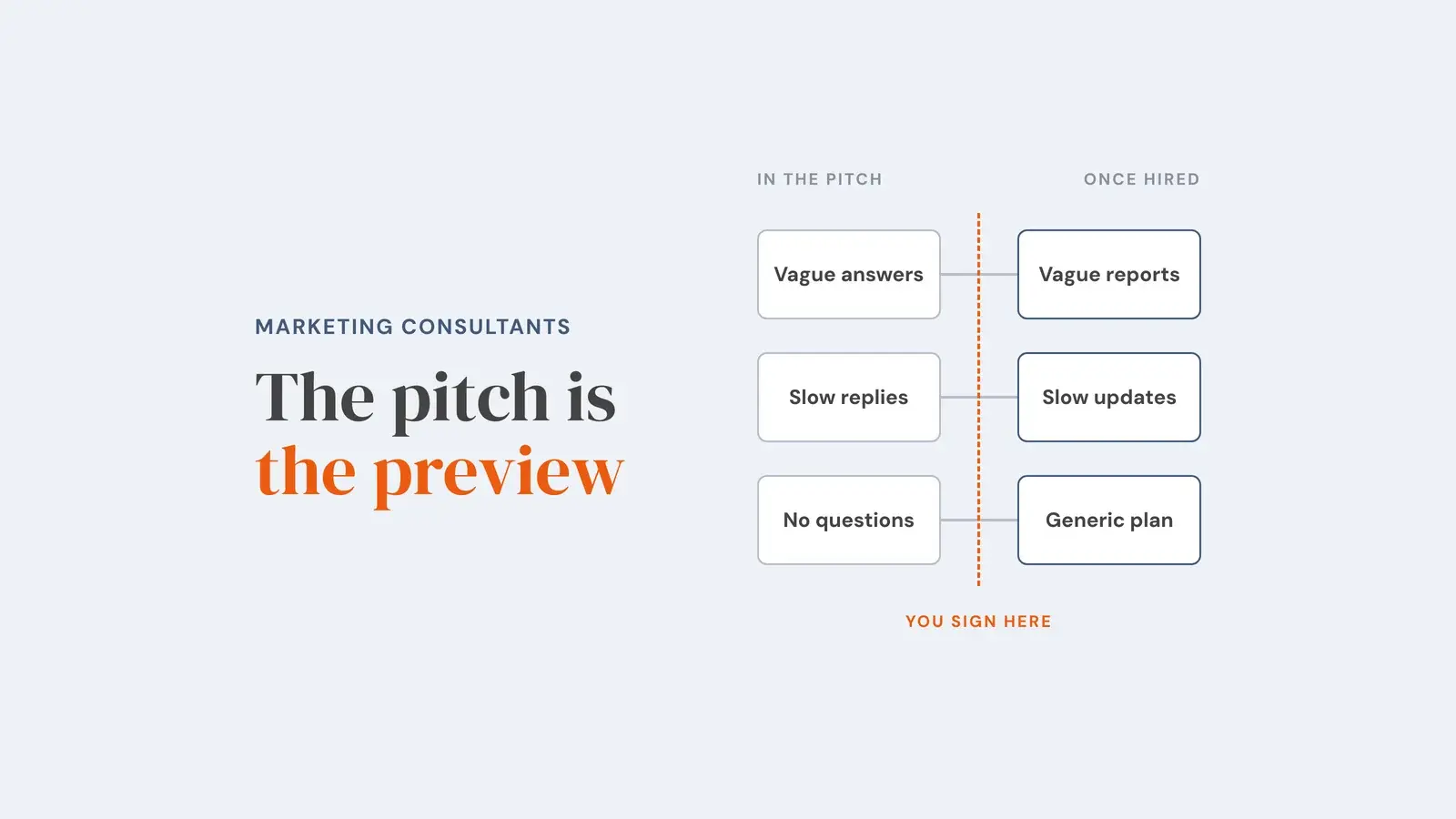
Ask three questions: What do we own if we stop working together? What capability does our team now have that it did not before? Can you show us a declining cost-per-lead trend? Vague answers are the answer.
What channels compound best over time?
SEO-optimised editorial content, answer-engine-optimised articles, owned email lists, and trust assets, such as case studies, transparent pricing, published expertise, compound most reliably.
External resource: Google Search Quality Evaluator Guidelines on E-E-A-T
What is the single biggest mistake businesses make when reducing dependency?
Keeping full paid spend running while attempting to build owned channels on the side. Owned channels never receive the investment they need, and the dependency continues by default.
Conclusion
You have been spending on marketing that resets every time a payment stops. You now have a framework: 7 criteria, a cost model, a direct comparison, and a 5-step process, to evaluate any marketing model against the only question that matters: what will you own at the end of it?
How to take action now
- Score your current model against the 7 criteria in this article
- Calculate your 3-year spend and ask what you will own at the end of it
- Identify which channels in your mix compound and which reset
- Set one measurable independence target for the next 12 months
When you are ready for an outside view, your single clearest next step is a structured assessment of where your dependency actually sits. That is what I built the 90-Minute Marketing Triage™ to do; one session that surfaces what is structurally broken and what to fix first.
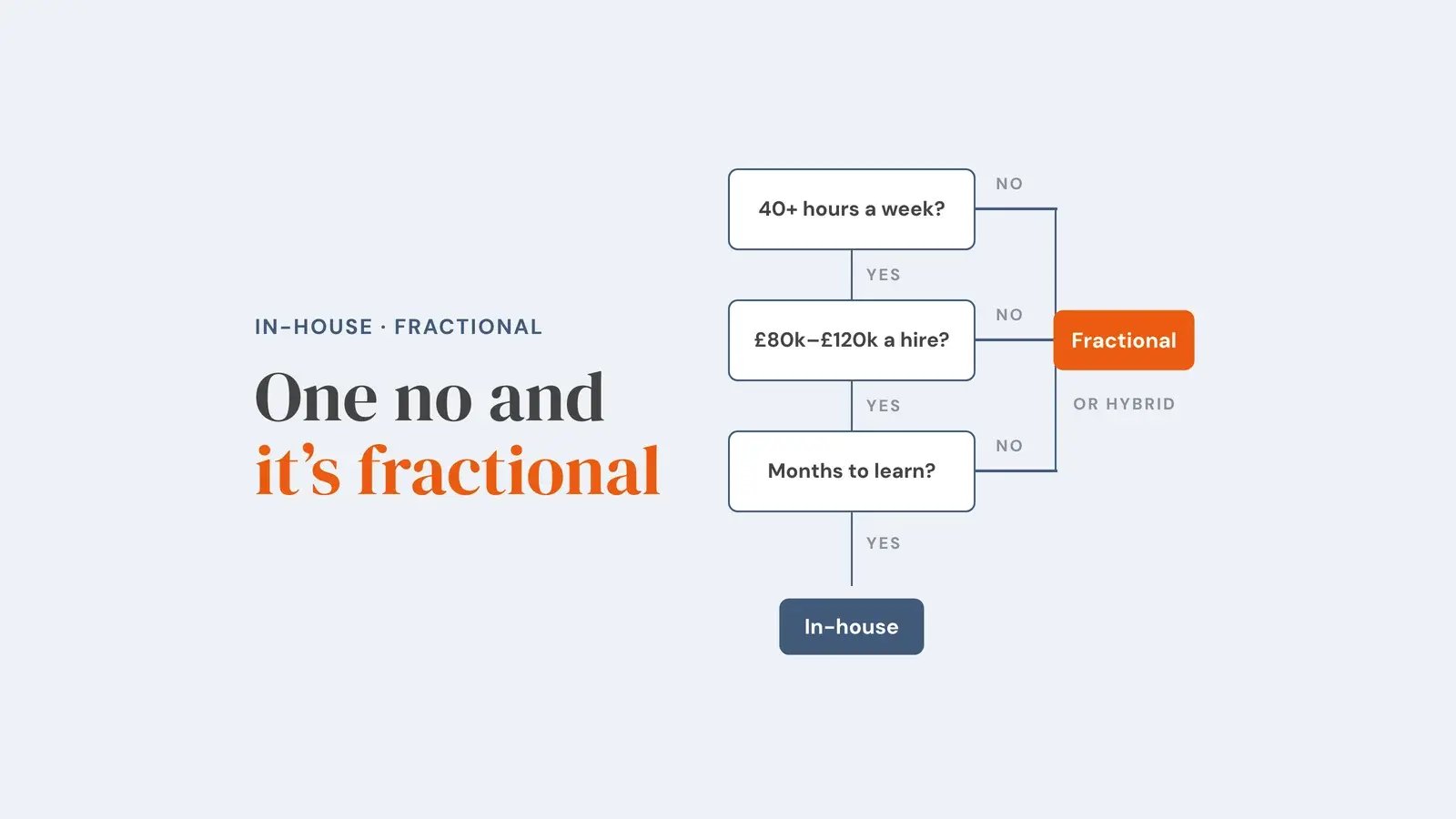
Related reading: Fractional CMO vs Internal Head of Marketing: Which Option Reduces Founder Dependency Faster?

Pricing disclaimer: All GBP–USD price conversions are rounded estimates and correct at the time of publishing. Exchange rates fluctuate and figures should be treated as indicative only.