
Why do you need three discovery calls just to learn a marketing agency costs more than your entire quarterly budget?
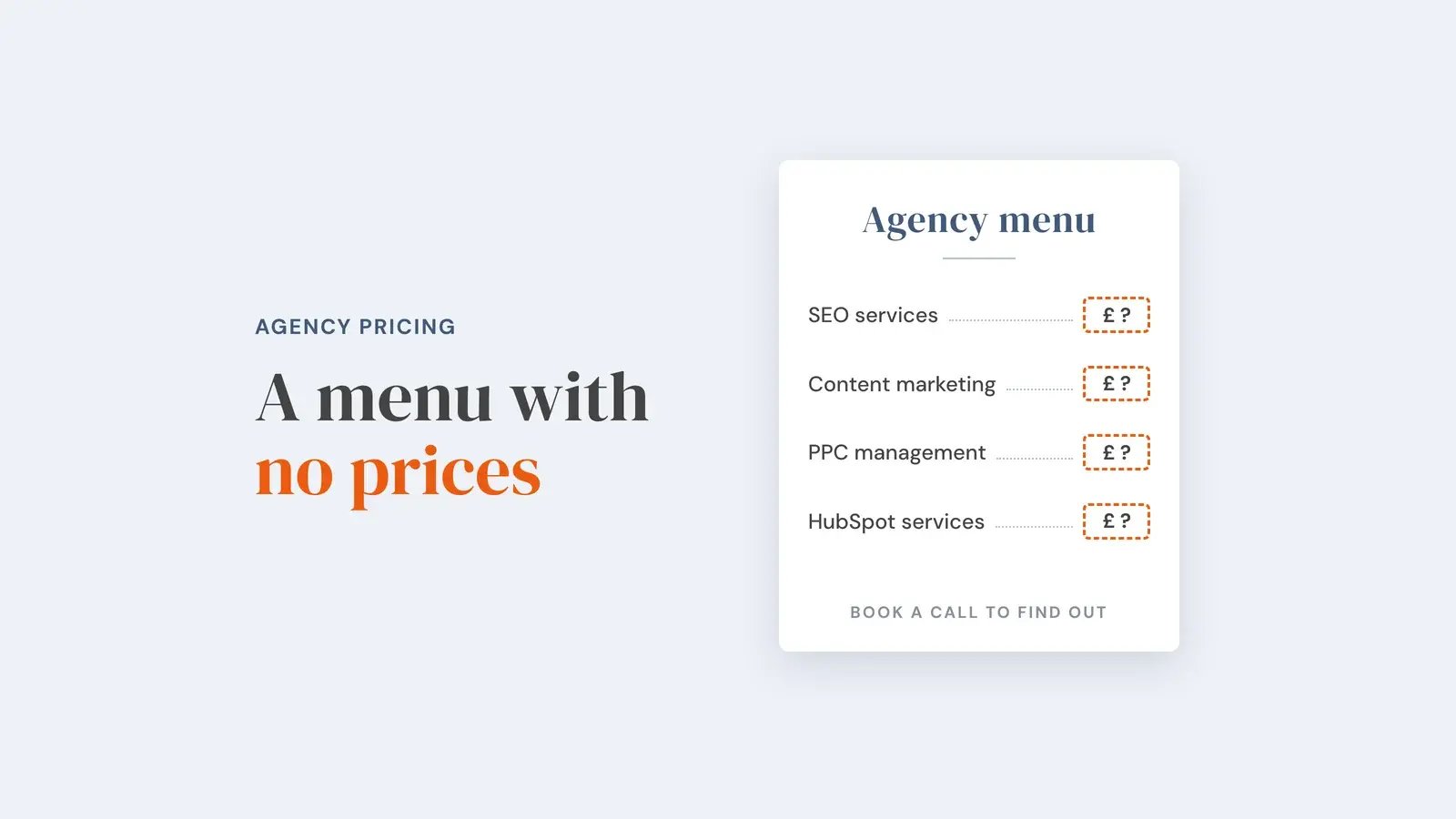
Would you trust a restaurant that refused to show you the price of anything on the menu?
This article exposes the real reasons agencies hide their pricing, what that secrecy costs your business, and how the rare transparent agencies build better client relationships. You'll learn what agencies actually charge, how to navigate price opacity, and how to evaluate marketing partners with confidence before wasting hours in discovery calls.
What is price transparency in marketing agencies?
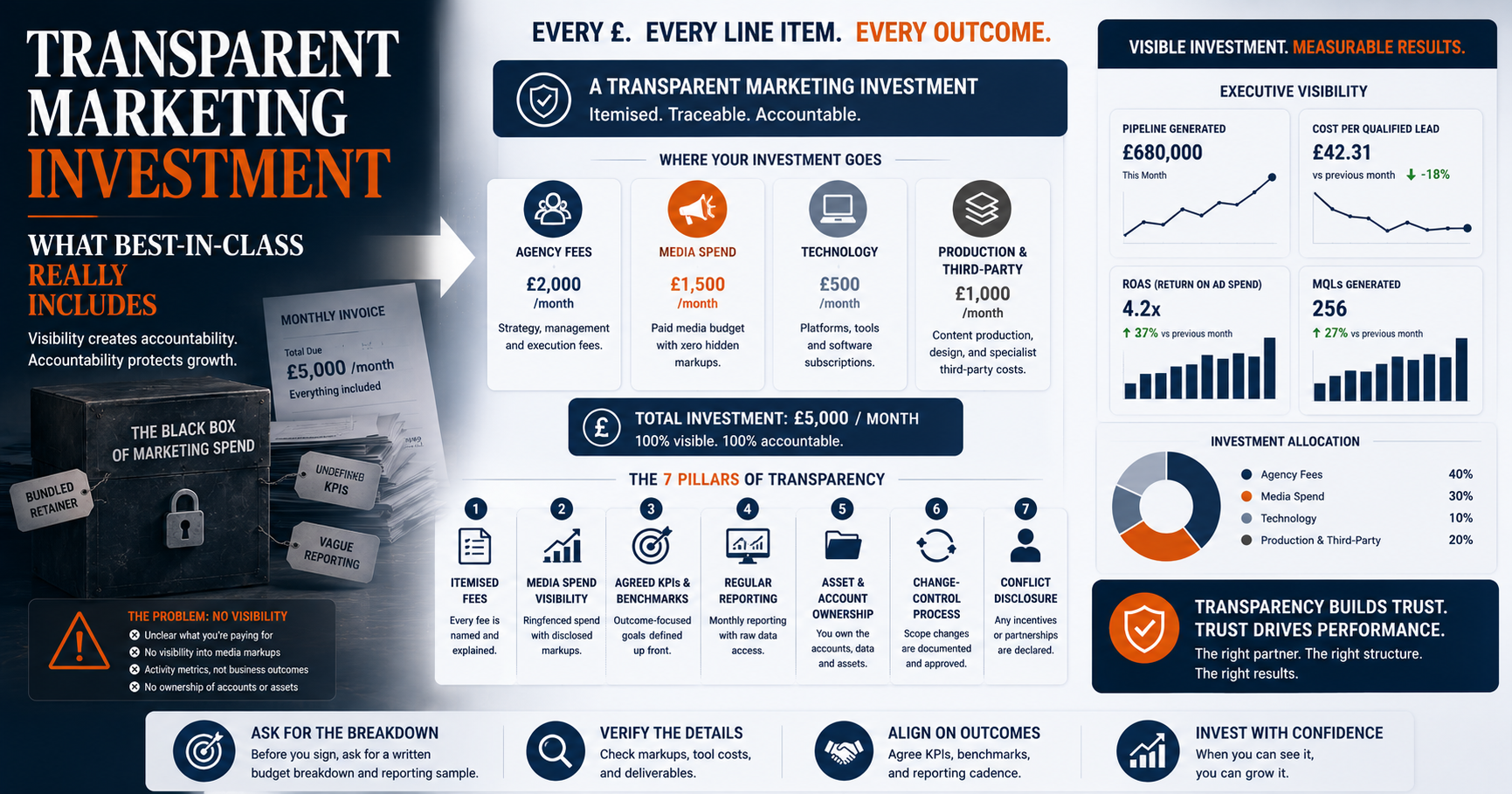
Price transparency means openly publishing service rates, pricing models, and cost structures before prospects enter your sales process.
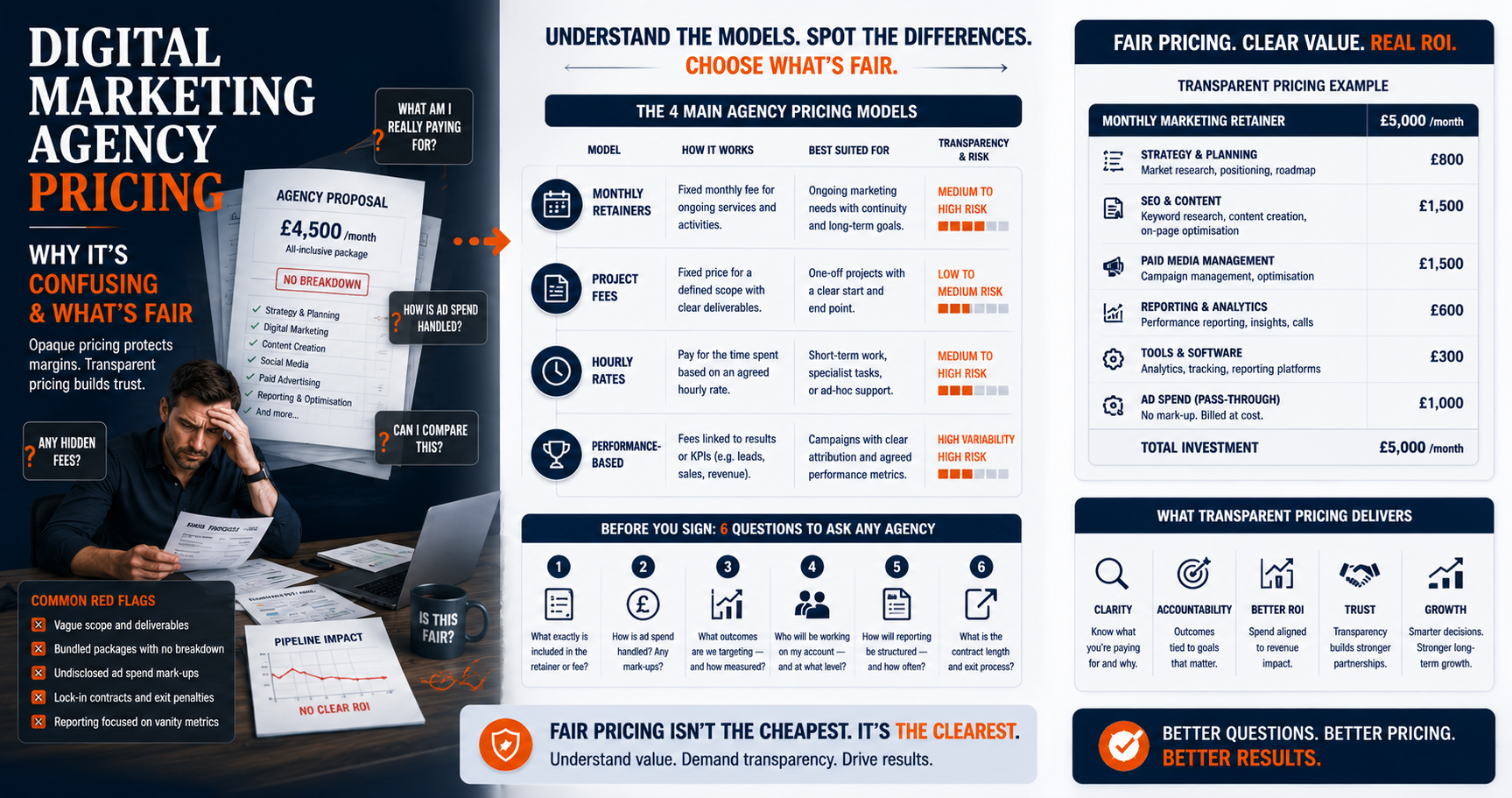
Unlike shops where you see prices on the shelf, most marketing agencies keep their rates hidden. You can't browse their website and understand whether they charge £2,000 ($2,500) or £20,000 ($25,000) per month.
This isn't an accident. It's a deliberate strategy.
When I publish my pricing openly, ranging from £1,250 ($1,563) to £5,000 ($6,250) per month depending on the service, potential clients immediately know whether we're a good fit. No wasted discovery calls. No awkward budget reveals three meetings in.
True transparency doesn't mean listing every possible service combination. It means giving people enough information to self-qualify before they contact you.
How much do marketing agencies actually charge?
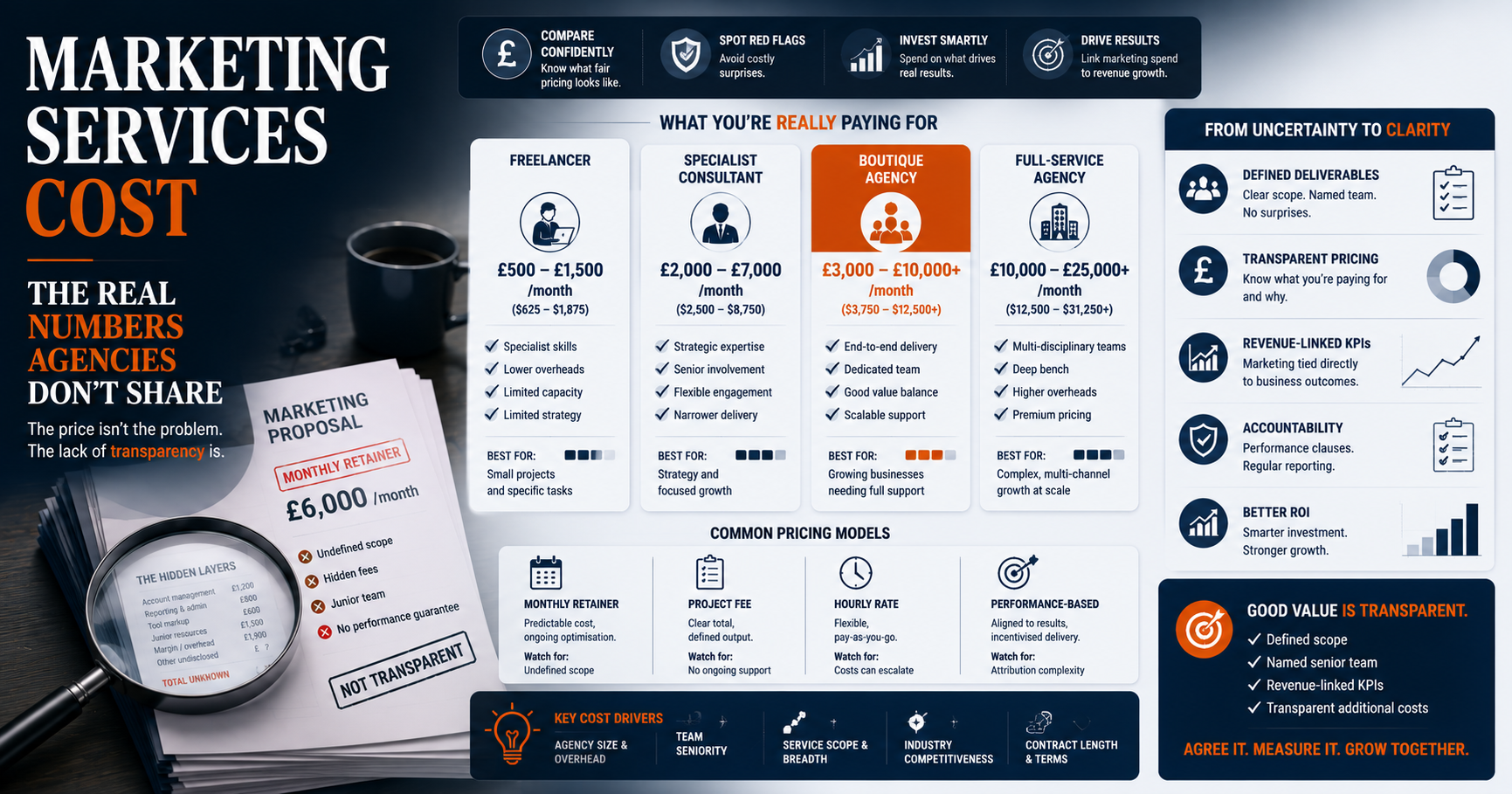
Marketing agencies typically charge between £1,000 ($1,250) and £20,000+ ($25,000+) per month depending on scope, with hourly rates ranging from £100 ($125) to £300+ ($375+) for different expertise levels.
Here's what you'll actually find across the market:
| Service Type | Typical Monthly Cost | USD Equivalent | Common Model |
|---|---|---|---|
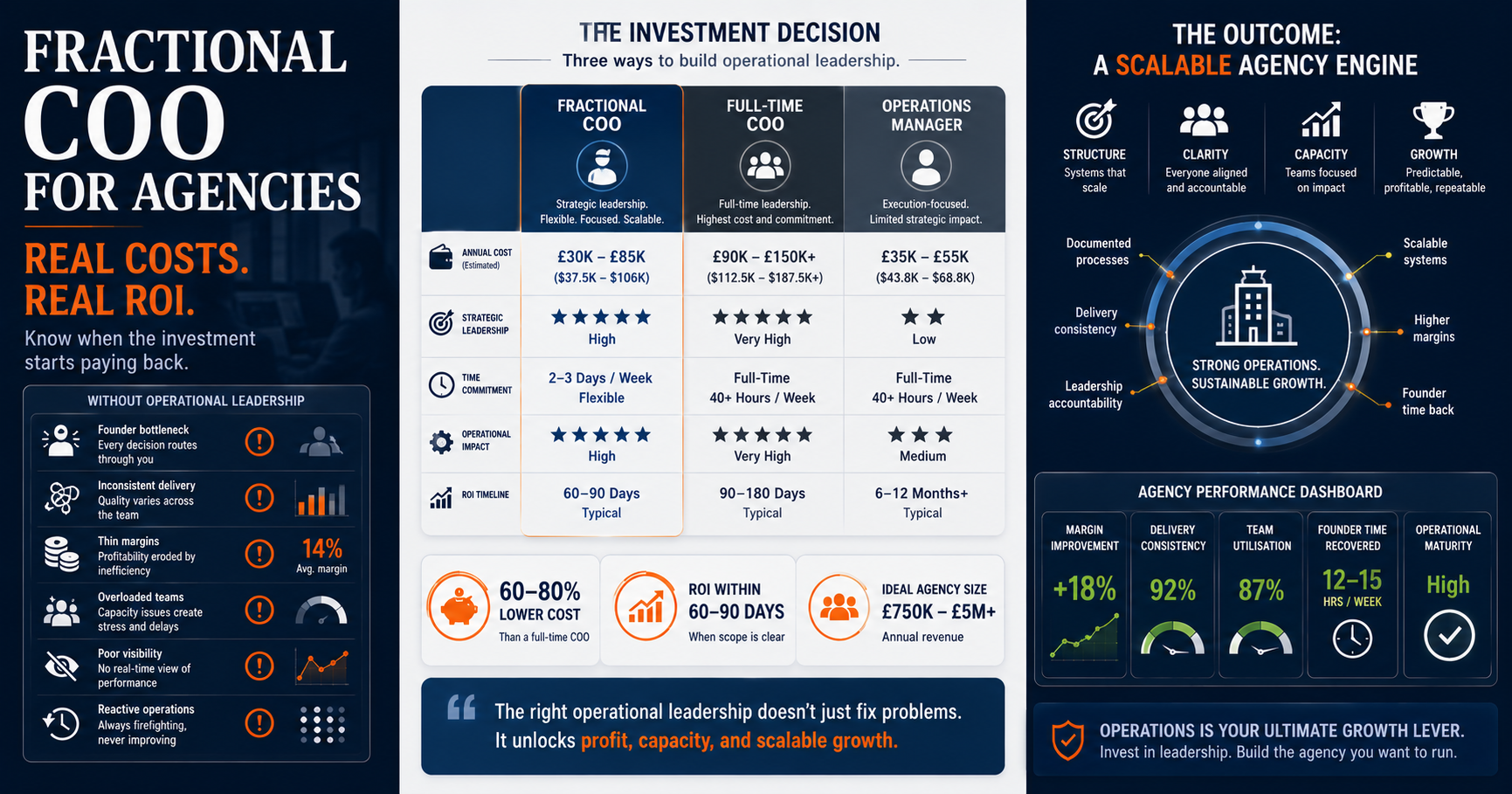
| Fractional Marketing Director | £1,500 - £4,000 | $1,875 - $5,000 | Day-rate retainer |
| Full Marketing Management | £3,000 - £10,000+ | $3,750 - $12,500+ | Monthly retainer |
| Content Marketing | £2,000 - £6,000 | $2,500 - $7,500 | Retainer or project |
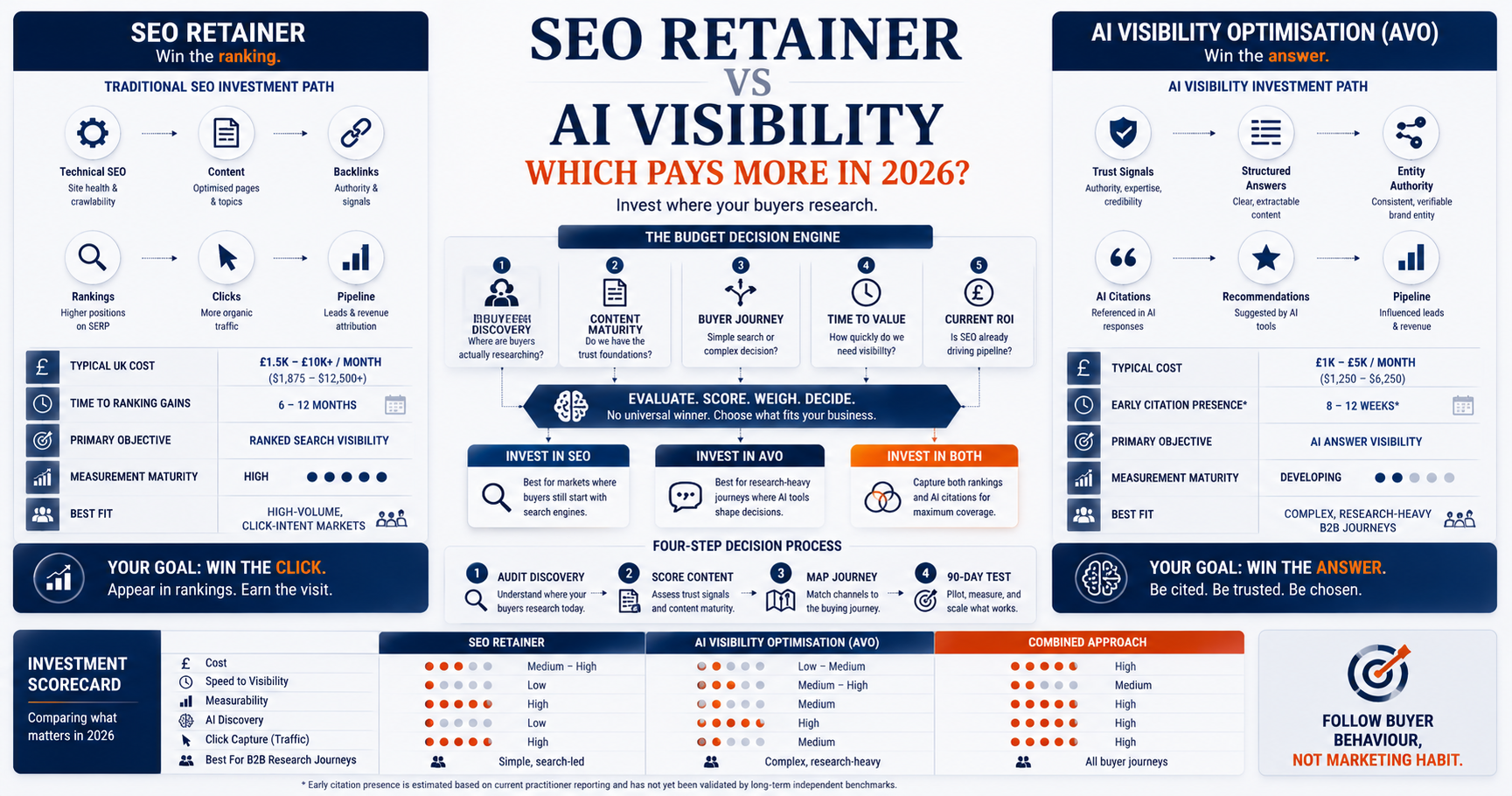
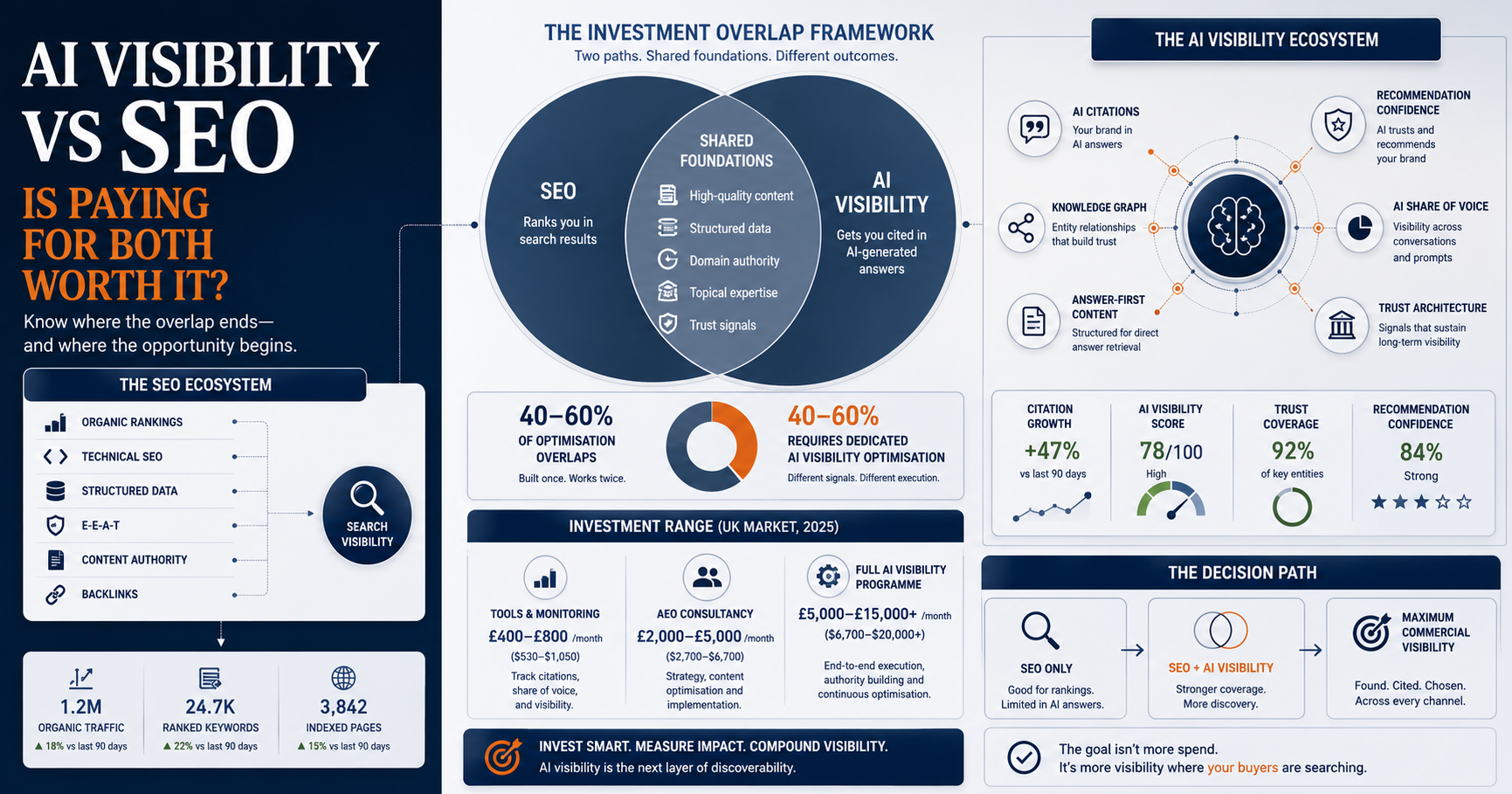
| SEO Services | £1,000 - £5,000 | $1,250 - $6,250 | Monthly retainer |
| PPC Management | £500 - £3,000 + ad spend | $625 - $3,750 + ad spend | % of spend or flat fee |
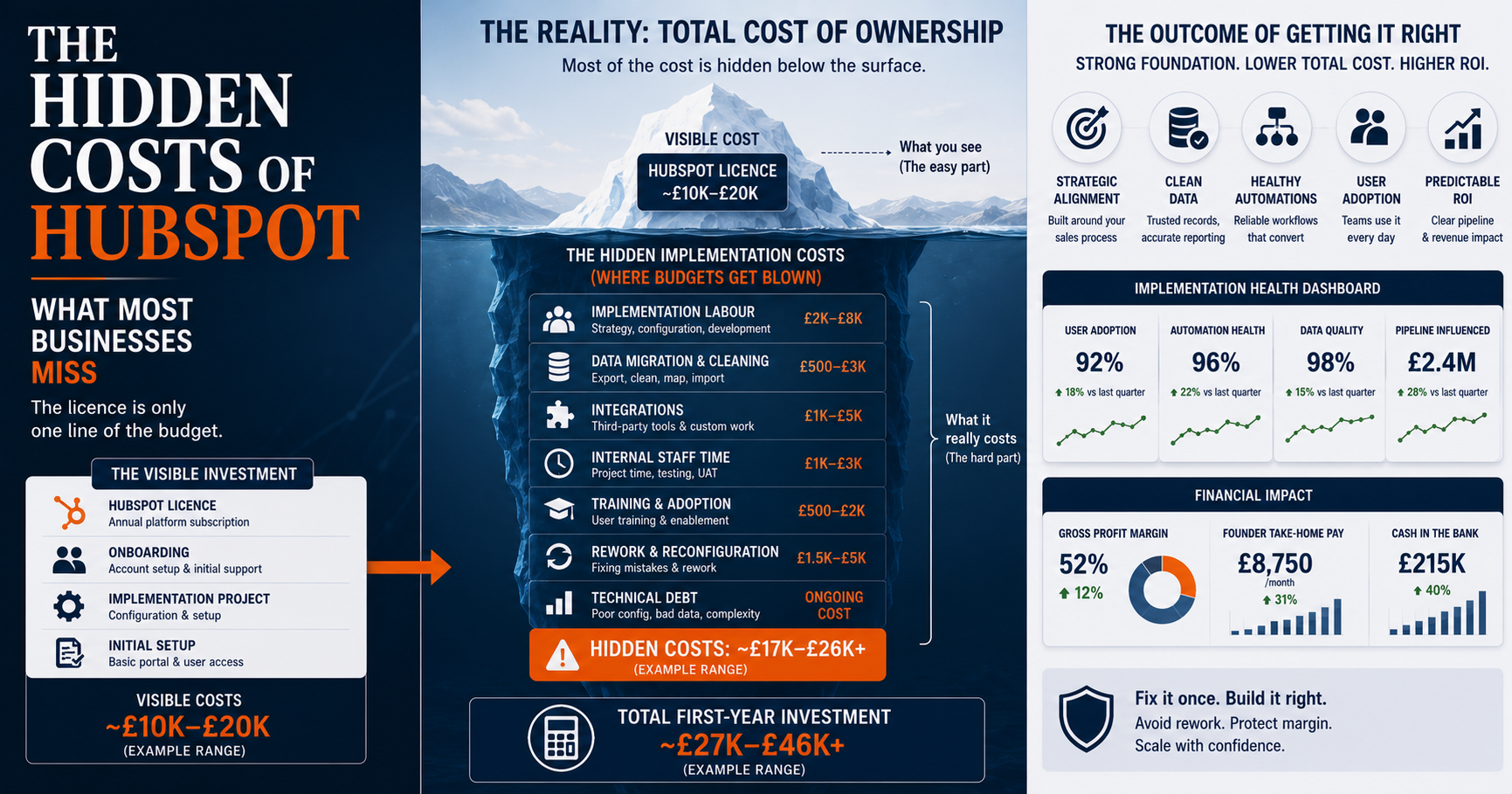
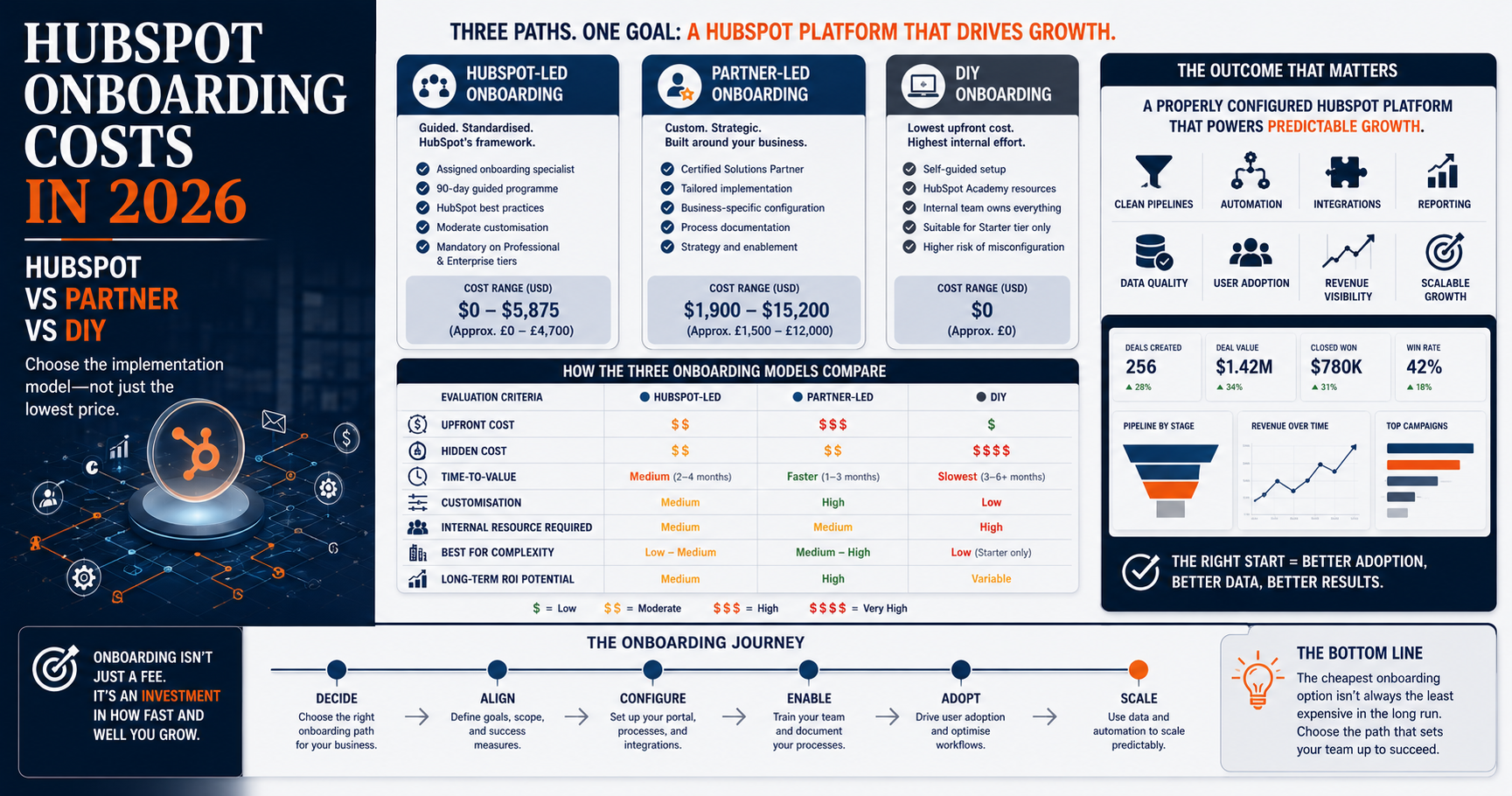
| HubSpot Services | £1,250 - £3,000 | $1,563 - $3,750 | Hourly packages |
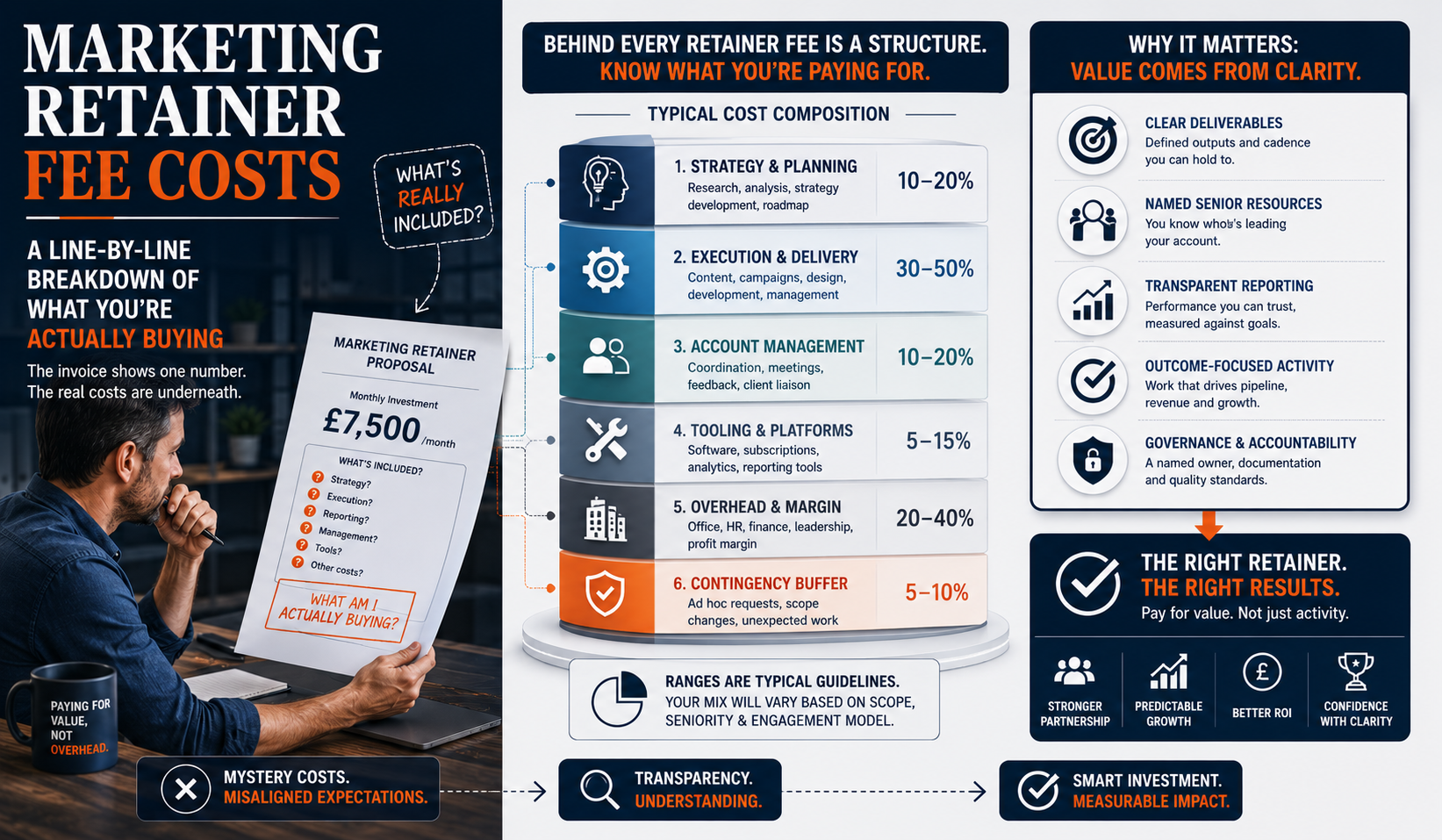
Retainer-based engagements are the most common model, though project fees, performance-based pricing, and hourly billing also exist across the industry.
Most agencies prefer monthly retainers because they provide predictable revenue. You might prefer projects because they feel less risky. The truth is somewhere in between: good work takes sustained effort, but you shouldn't be locked into contracts that don't deliver.
External resource: The Price Isn't Right; Why agencies should change the way they price, by IPA
Why most agencies refuse to publish their pricing
Agencies avoid publishing rates primarily because they want to qualify leads, anchor prices to value during sales conversations, and maintain flexibility to charge different clients different amounts.
Let me be honest about what's actually happening:
They want control of the conversation. When you don't know the price, you're more likely to book a call. Once you're on that call, a skilled salesperson can frame value before revealing cost.
They charge different rates to different people. Some agencies price based on what they think you can afford rather than what the work actually costs them. Published pricing would expose this inconsistency.
They're afraid of competitors. If other agencies see their rates, they might undercut them or use that information against them.
This opacity serves the agency's negotiating position but creates frustration and distrust among buyers who simply want a ballpark figure.
When I decided to publish my pricing, other marketers warned me I'd lose business. The opposite happened. I attracted better-fit clients who respected the transparency. This is based on my agency's experience, and while not every firm will agree, I've found transparency leads to better outcomes for both parties.
What are the real costs of marketing agency opacity?
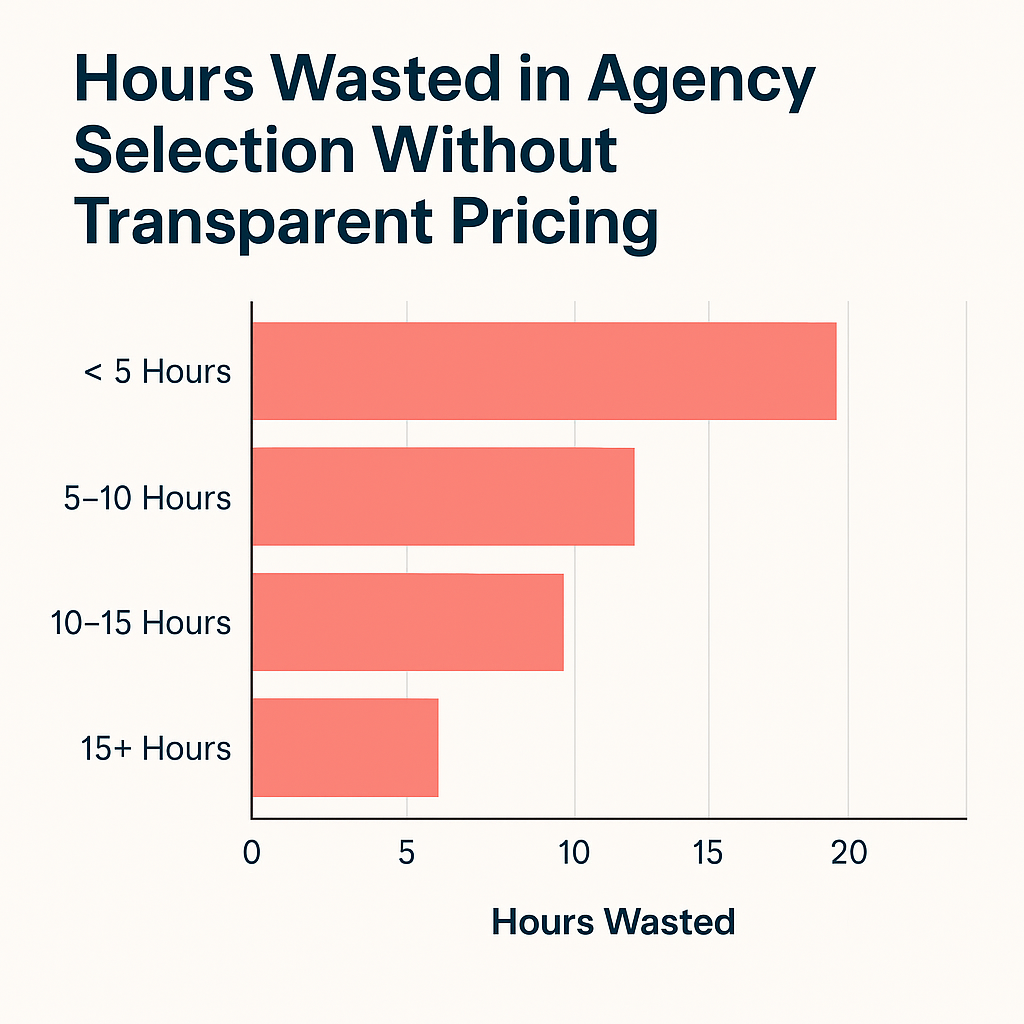
Hidden pricing forces businesses to waste 10-15 hours on discovery calls and proposals just to learn they can't afford an agency's services.
Think about what that time represents:
Your time spent researching agencies, filling out contact forms, attending discovery calls, answering the same questions repeatedly, and reviewing proposals that eventually reveal unaffordable prices.
Delayed decisions while you wait for quotes, compare vague proposals, and try to understand what you're actually getting for the money.
Budget mismatches that waste everyone's time when the agency's minimum is triple your budget, but you only discover this after three meetings.
This lack of transparency also creates power imbalances between buyer and seller. It creates budget mismatches that waste time on both sides. And it creates selection bias that favours the most aggressive salespeople over the most qualified specialists.
The agency that gets your business might just be the one with the slickest sales process, not the best expertise for your needs.
The business case for publishing your agency rates
All of this wasted time could be avoided, and that's where transparent pricing becomes a powerful differentiator.
Here's what actually happens when you're upfront about pricing:
Better-quality conversations. When someone contacts me knowing my Fractional Marketing Director services start at £1,800 ($2,250) per month, we skip straight to discussing whether the service fits their needs.
Faster decisions. Transparent pricing cuts weeks from the sales cycle. Prospects who can afford you move forward quickly. Those who can't don't waste your time.
Competitive advantage. In a market where everyone hides their prices, being transparent makes you stand out. It signals confidence in your value.
Price transparency acts as a powerful pre-qualifier that attracts the right clients while building brand authority and differentiating from competitors.
I've found that publishing pricing doesn't scare away clients, but instead attracts the ones who value clarity and builds trust before we ever speak.
What prevents agencies from being transparent about costs?
Beyond strategic sales concerns, agencies fear that published rates will trigger client renegotiations, attract price-shopping competitors, and expose uncomfortable profit margins.
Fear, not strategy, is often the real reason agencies avoid publishing pricing.
The fears are real:
Existing clients might ask for discounts if they see you're now advertising lower rates or different packages than what they're paying.
Competitors will use it against you. They'll undercut your published rates or position themselves as "premium alternatives" if your prices are lower.
Inconsistent pricing across your roster becomes visible. If you've charged different clients wildly different amounts for similar work, published pricing exposes that inconsistency.
Many agency owners also struggle with inconsistent pricing across their client roster and worry that transparency will reveal these disparities publicly.
The solution isn't to hide pricing forever. It's to develop consistent, defensible pricing that you're confident explaining to anyone who asks.
How to vet a marketing agency without published pricing
When agencies won't share pricing upfront, ask directly for a range during initial outreach and judge how they respond to this reasonable request.
Here's exactly what to do:
In your first email or contact form, state your budget range. Something like: "We have £3,000-£5,000 ($3,750-$6,250) per month allocated for marketing support. Does this align with your typical engagement size?"
Ask for a ballpark in the first conversation. You don't need an exact quote, but any reputable agency should be able to say "Our projects typically range from X to Y."
Watch how they react. Do they answer directly? Or do they deflect with phrases like "every client is different" and insist on more discovery before discussing budget?
Red flags include refusal to provide any guidance, pressure to book calls before discussing budgets, or claims that 'every project is too unique to estimate.'
If an agency won't give you any pricing indication after you've shared information about your business and needs, that's a warning sign about how they'll treat you as a client.
Should your business demand price transparency from agencies?
Yes, because businesses have every right to understand approximate costs before investing time in sales processes, and agencies that refuse this basic courtesy may not respect your time throughout the engagement.
You're not being difficult by asking for pricing early. You're being smart.
Your time has value. Spending hours in discovery calls before learning the price doesn't serve you.
Transparency signals respect. An agency that won't give you ballpark pricing is either disorganised in their pricing structure or deliberately keeping you in the dark.
Budget alignment matters. There's no point building a relationship with an agency you can't afford. Better to know that in email one than meeting three.
Establishing budget expectations upfront isn't just efficient; it's a litmus test for whether an agency views the relationship as a partnership or a sales conquest.
The best agency relationships start with mutual respect and clear communication. If that's missing before you're even a client, it won't magically appear after you sign a contract.
Conclusion
Now you know why agencies hide pricing; they want control of the conversation, they charge inconsistently, and they fear competitor scrutiny.
You came here frustrated by the time-wasting dance of pricing opacity. You've learned what agencies actually charge, the real cost of hidden pricing, and how to evaluate agencies that won't be upfront.
Your next step is to approach agency selection differently. Ask for ballpark pricing in your first contact. Judge agencies by how they respond to reasonable budget questions. Choose partners who respect your time enough to be upfront about costs.
I publish my pricing openly because transparency builds the trust needed for successful partnerships. Whether you need hands-on marketing support, strategic guidance, or team training, you'll know the investment before we ever speak.
Ready to work with someone who's transparent about pricing and committed to your growth?