

Key Takeaways
- A best-in-class marketing partner in 2026 combines strategic thinking, transparent pricing and reporting, and fluency with AI tools to deliver measurable business outcomes rather than just deliverables.
- Top-tier agencies typically charge £3,800–£38,000 ($5,000–$50,000) per month for retainer work, with project fees ranging from £11,500–£150,000 ($15,000–$200,000) depending on scope.
- Elite partners distinguish themselves through seven core practices: radical transparency, AI integration, strategic leadership, outcome-based measurement, educational collaboration, platform fluency, and honest communication about what won't work.
- Traditional agencies operate on opacity and campaign-centric thinking, while modern partners prioritise transparent dashboards, AI-augmented workflows, and business-outcome alignment.
- Red flags include refusal to share specific past performance data, contracts longer than six months with steep early-termination fees, and sales pitches focused on their awards rather than your business outcomes.
Choosing a marketing partner shouldn't feel like a gamble.
But when every agency claims to be "strategic," "data-driven," and "results-focused," how do you actually tell which ones deliver?
This article is for business leaders and marketing directors who need to evaluate marketing agencies and strategic partners without wasting months or tens of thousands of pounds on the wrong choice. You'll learn the specific traits that separate best-in-class partners from those who overpromise and underdeliver, plus a practical framework for making your decision faster.
What makes a marketing partner 'best-in-class' in 2025?
A best-in-class marketing partner treats your business goals as their own, operating with full transparency, strategic leadership, and accountability for measurable outcomes, not just deliverables.
The bar has shifted.
A decade ago, "best-in-class" meant creative awards, big-name clients, and impressive pitch decks. Today, it means something different: agencies that build your capability rather than dependency.
The distinction isn't about retainer size or office location. It's about whether the partner operates like an extension of your team or like a vendor protecting their own revenue stream.
How do the best marketing agencies price their services?
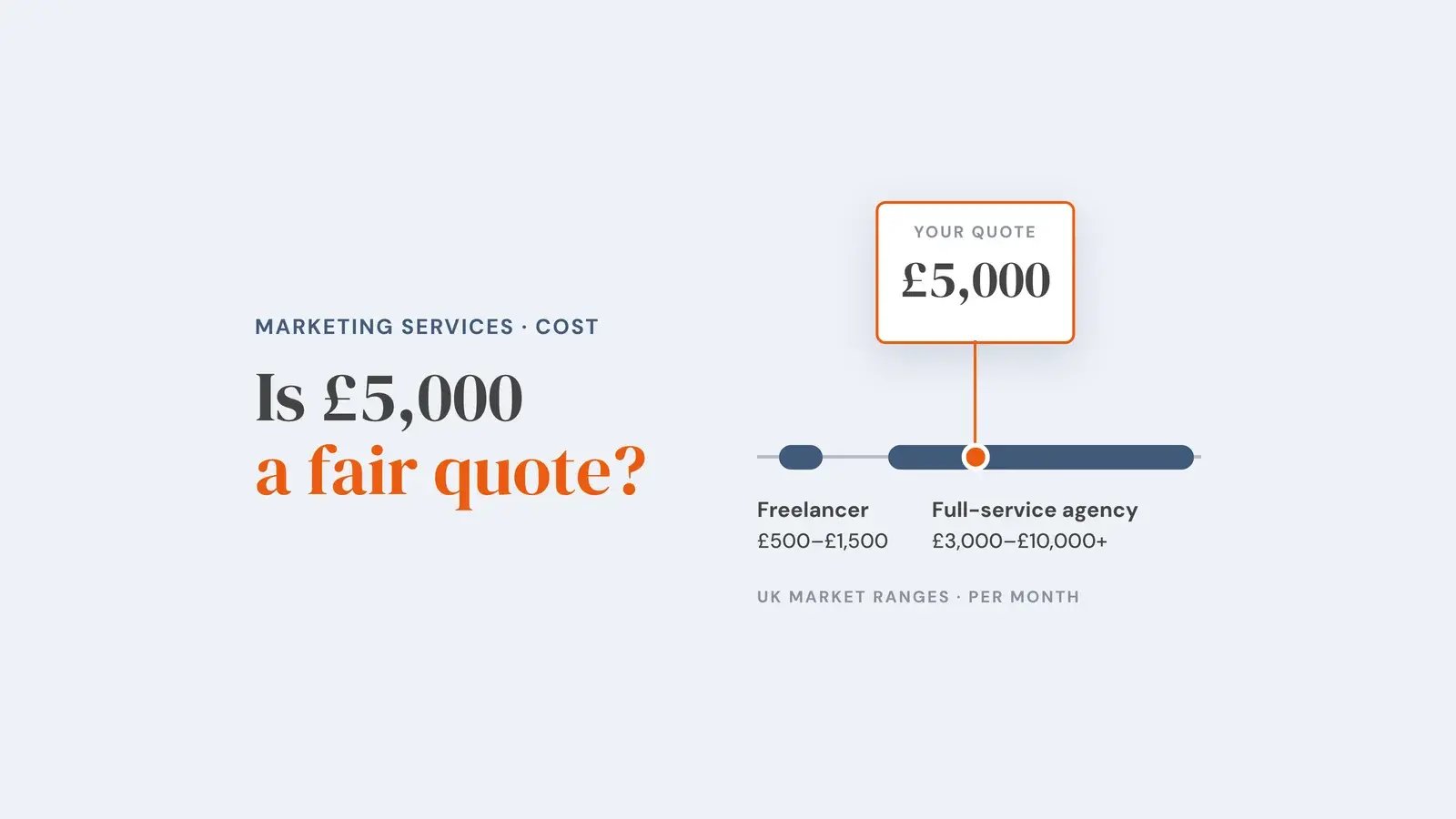
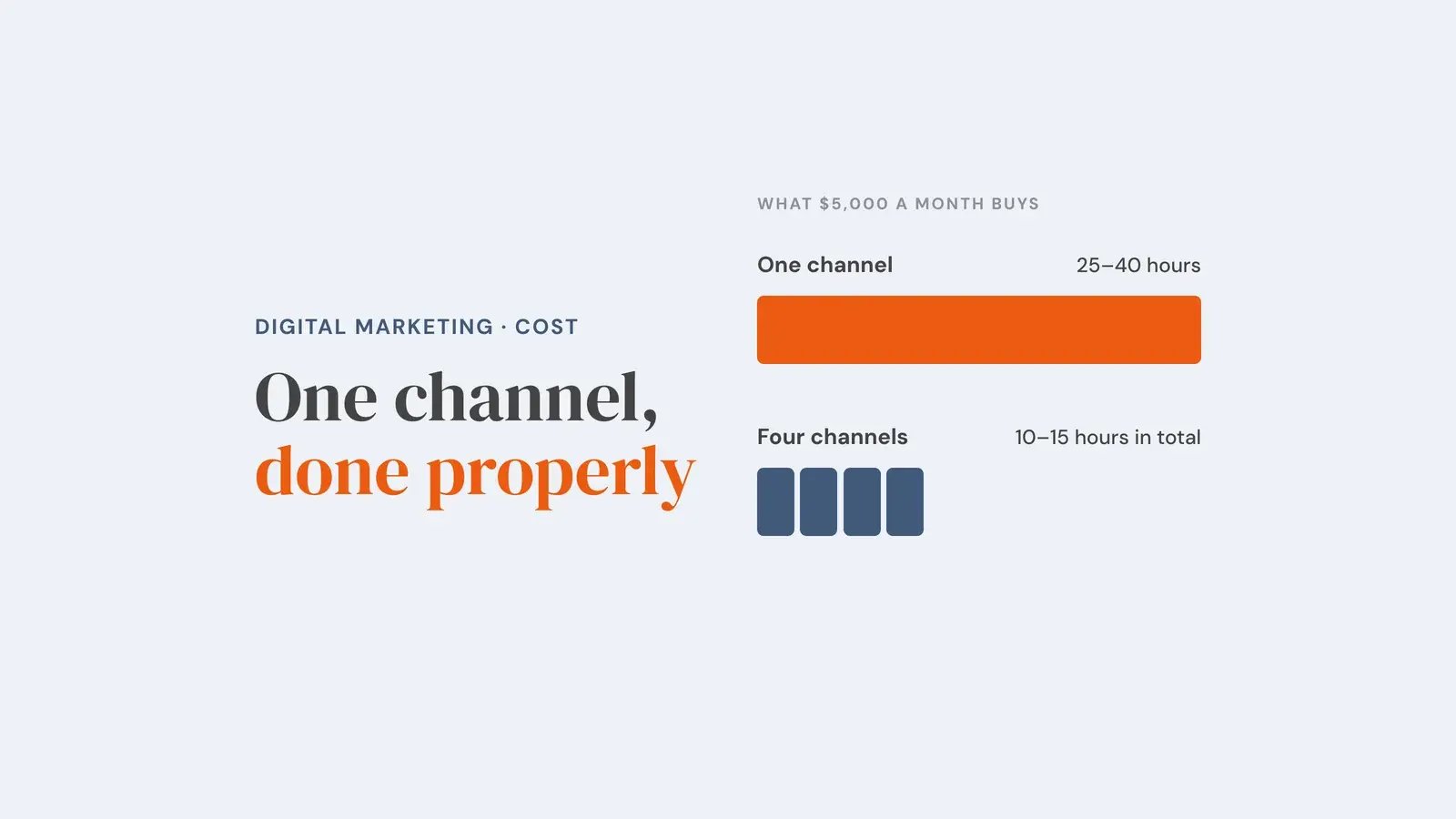
Top-tier marketing partners typically use value-based or performance-hybrid pricing models, with monthly retainers ranging from £3,800–£38,000 ($5,000–$50,000) depending on scope, or project fees from £11,500–£150,000 ($15,000–$200,000) for defined initiatives.
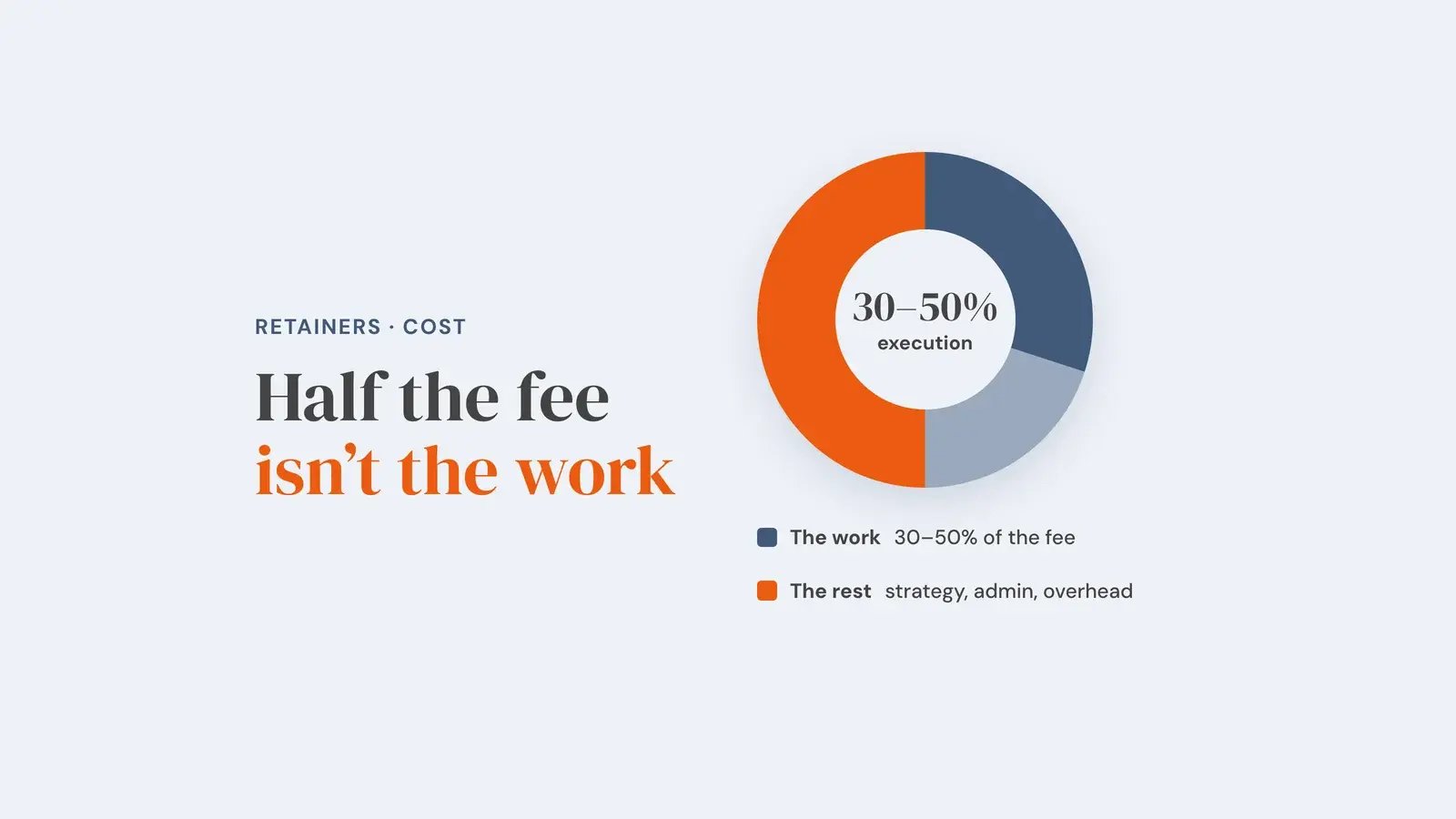
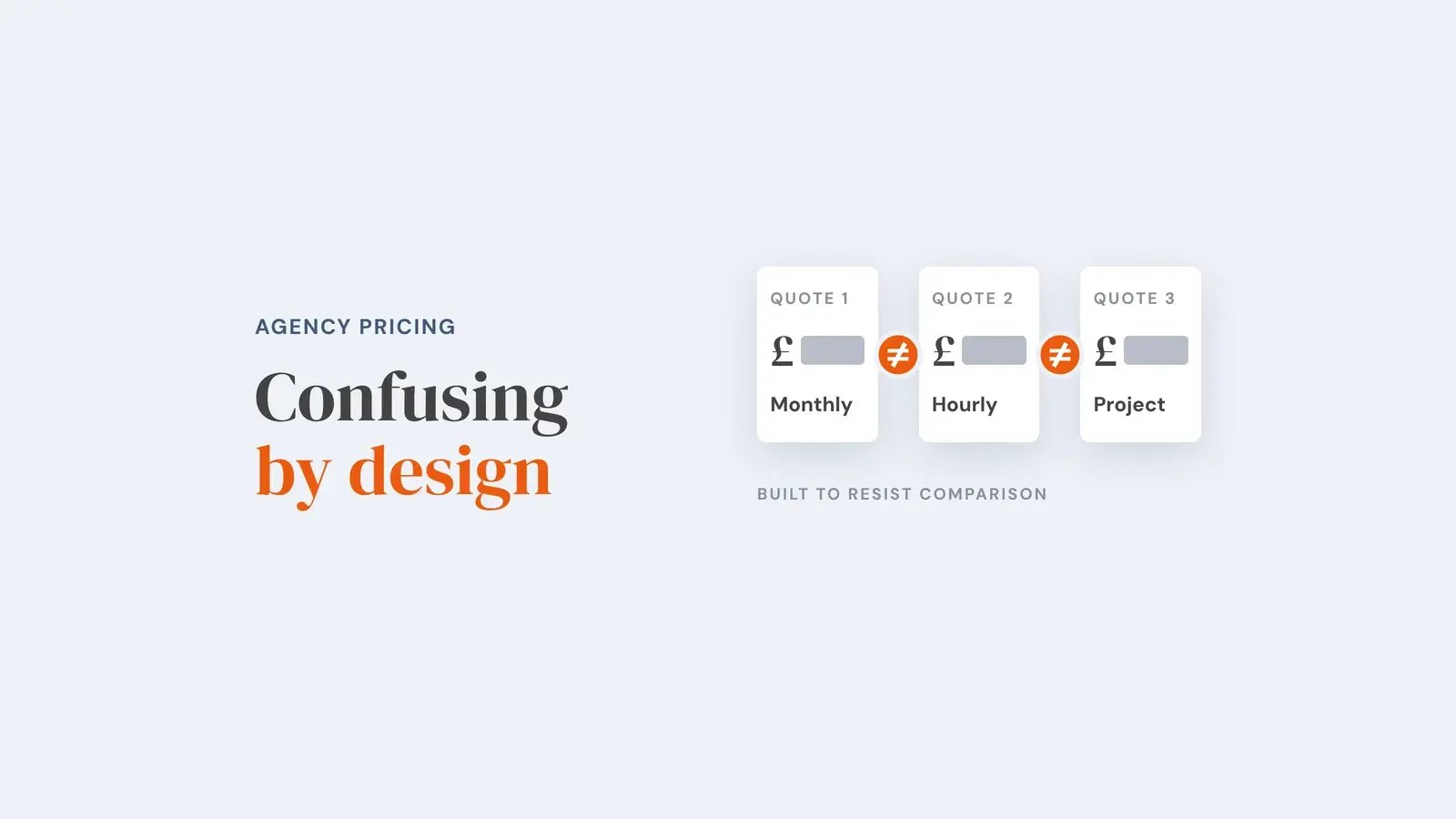
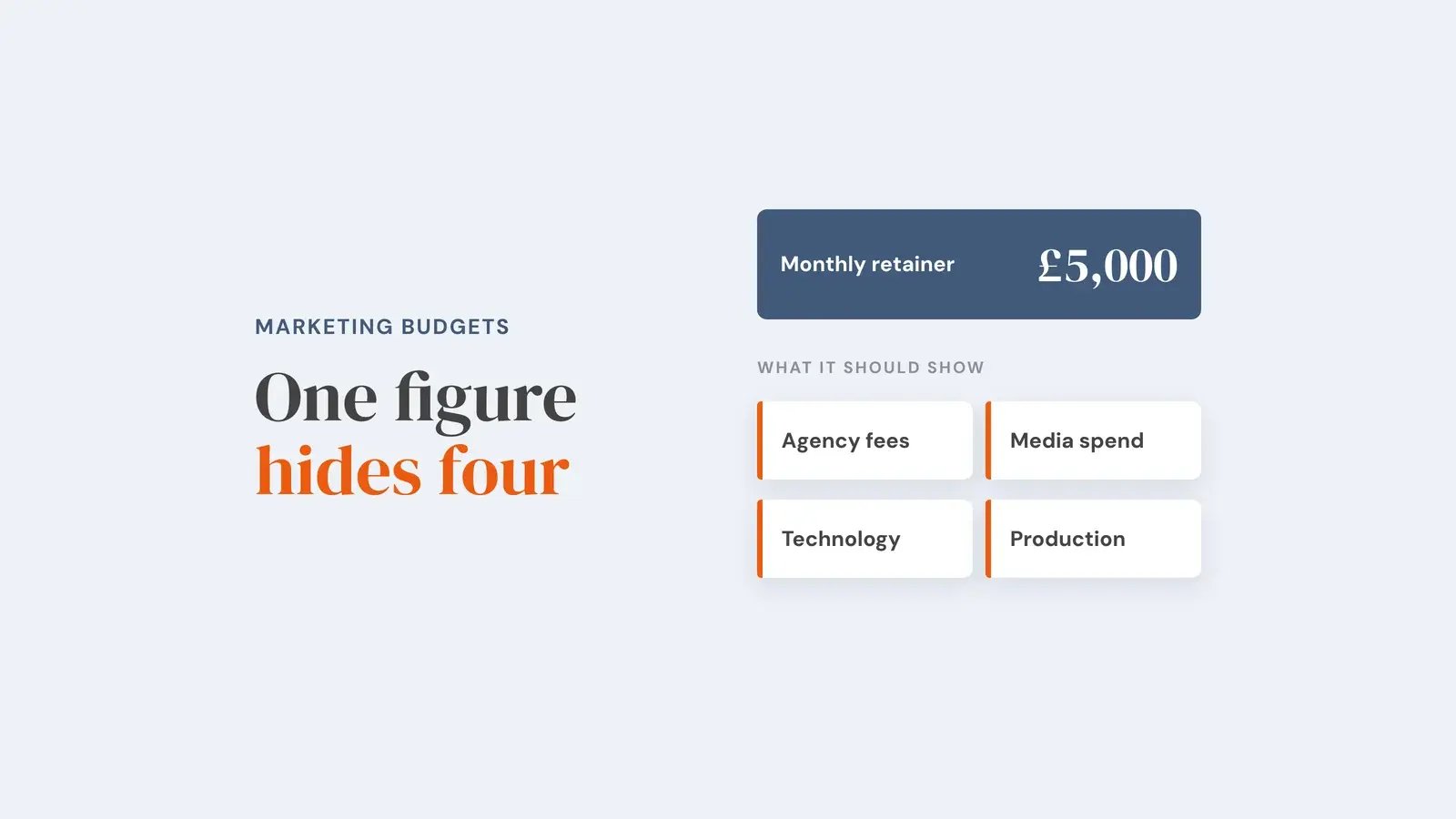
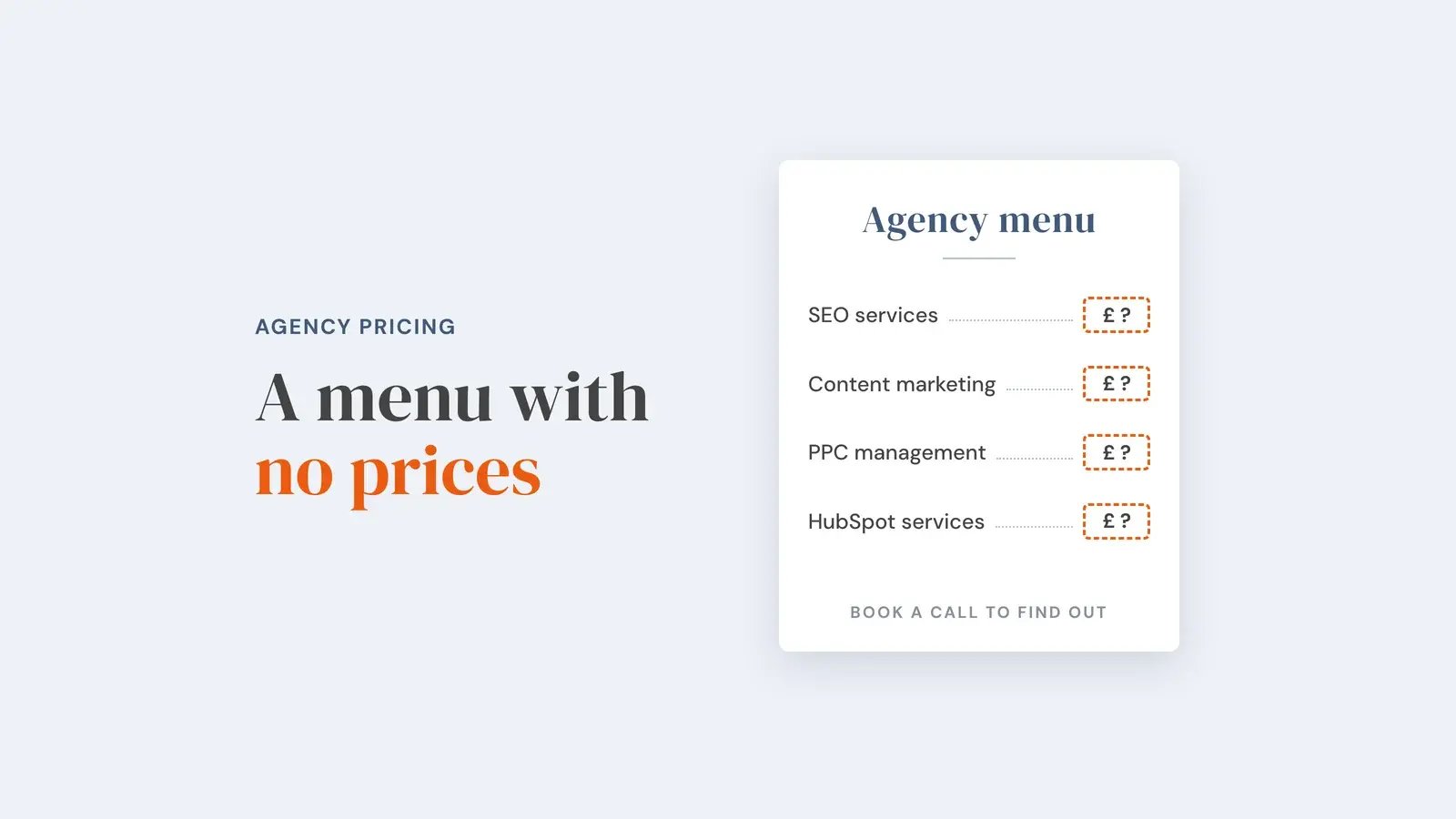
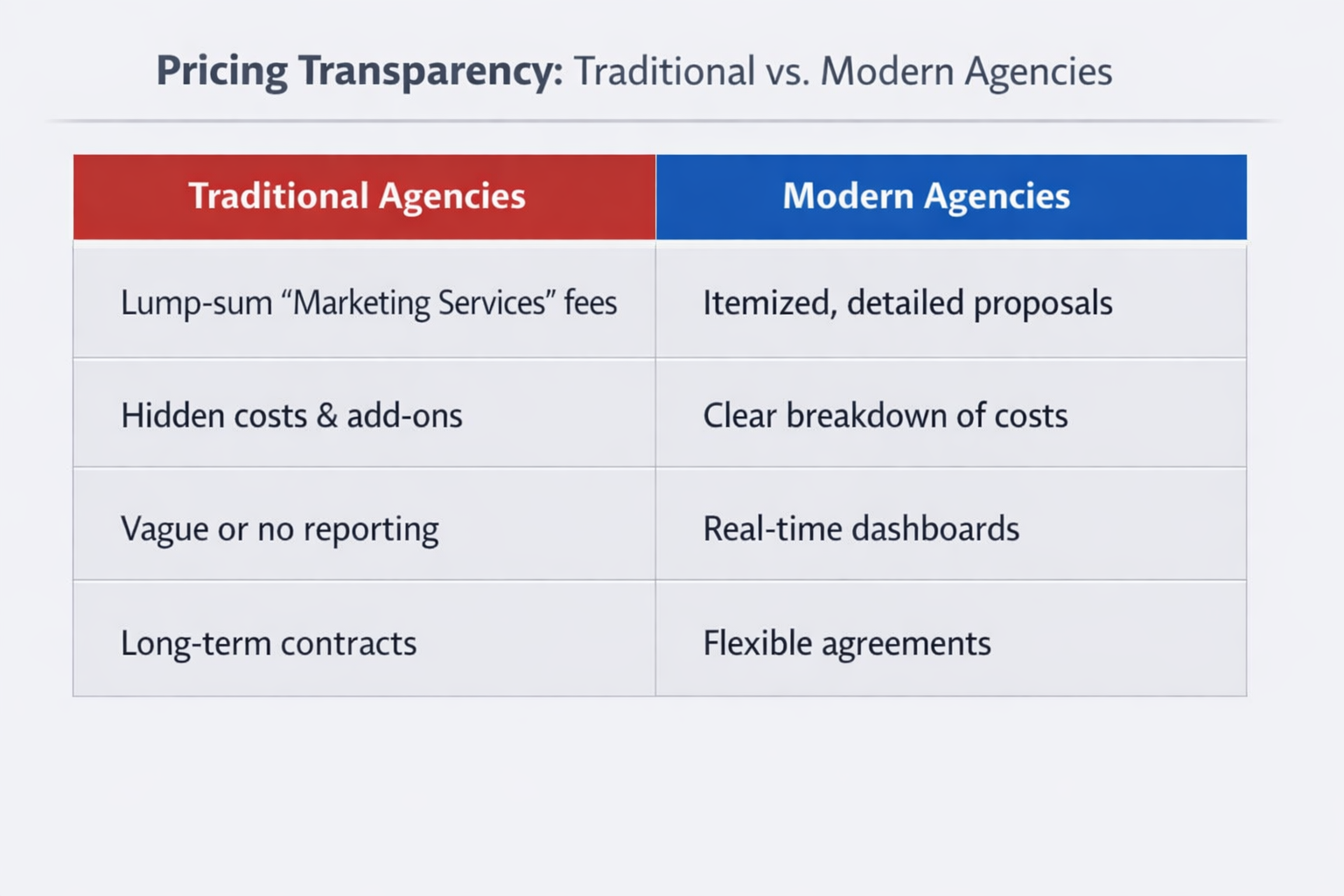
The best agencies provide itemised proposals that break down strategy, execution, tools, and reporting costs separately, avoiding vague 'marketing services' line items that hide what you're actually paying for.
Pricing models used by top agencies
Different pricing structures suit different needs:
| Pricing Model | Typical Range (Monthly) | Best For |
|---|---|---|
| Monthly Retainer | £3,800–£38,000 ($5,000–$50,000) | Ongoing strategic support and execution |
| Project-Based | £11,500–£150,000 ($15,000–$200,000) total | Defined campaigns or website builds |
| Performance-Hybrid | £1,900–£7,600 ($2,500–$10,000) base + % of results | High-growth businesses with clear conversion metrics |
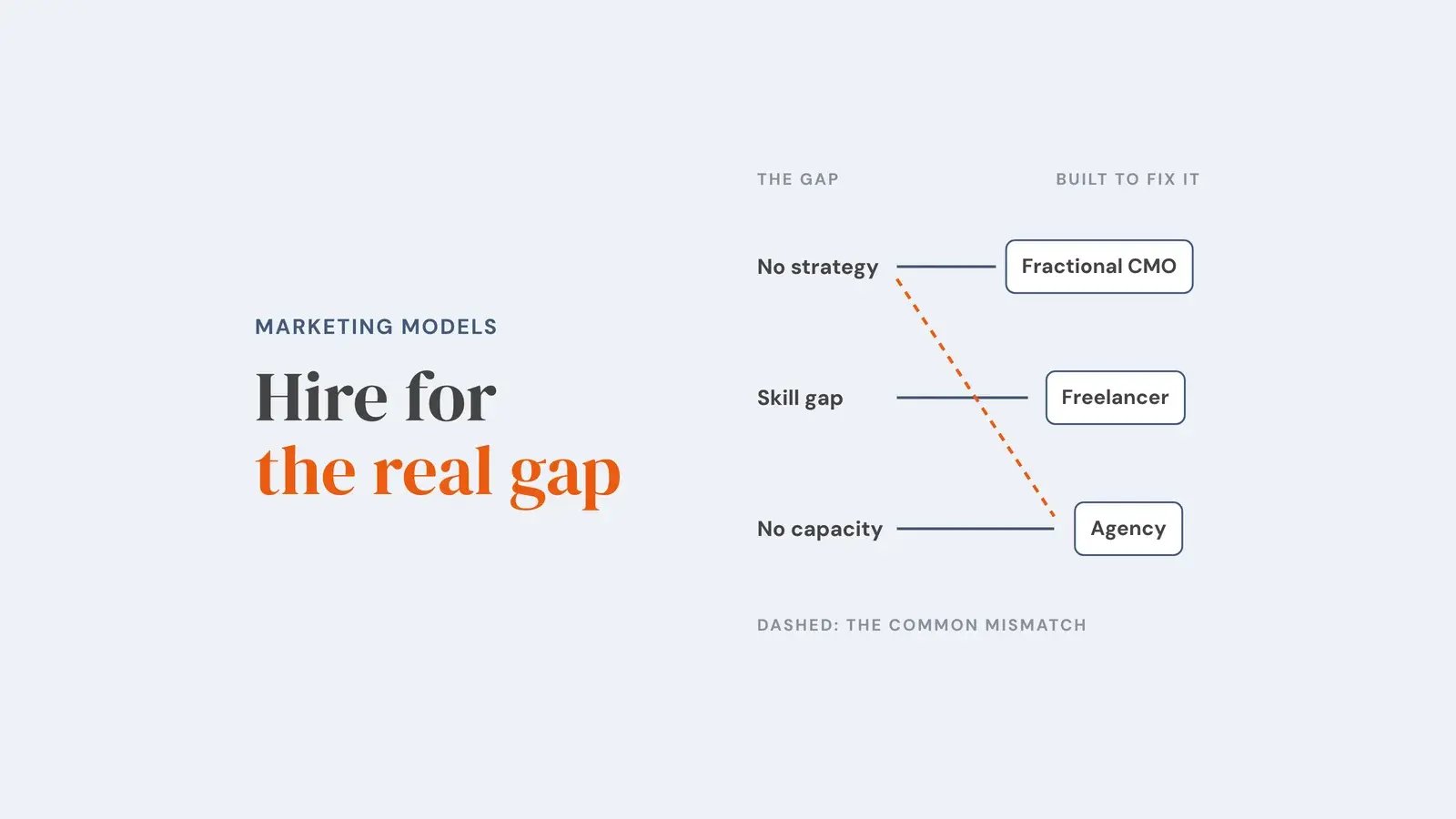
| Fractional Leadership | £3,600–£11,500 ($4,700–$15,000) | Strategic guidance without full agency execution |
What's included vs. what costs extra
Best-in-class partners make this crystal clear upfront. Strategy, reporting, and regular reviews should be included. Most charge extra for paid media spend, specialised design work, or third-party tool subscriptions.
If an agency can't explain their pricing structure on one page, that's a warning sign.
7 things the best marketing partners do differently
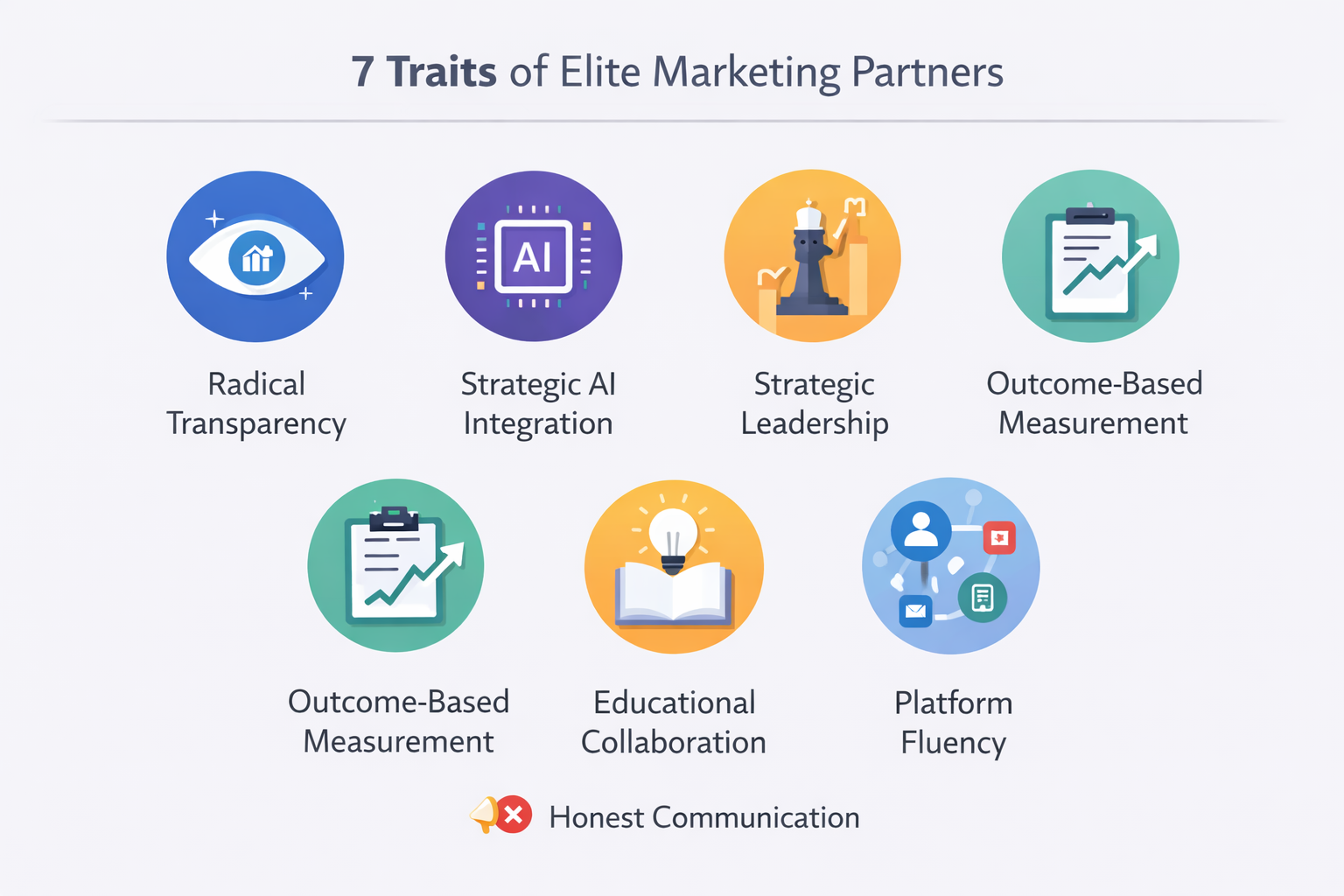
Elite marketing partners distinguish themselves through seven core practices: radical transparency, AI integration, strategic leadership, outcome-based measurement, educational collaboration, platform fluency, and honest communication about what won't work.
These are fundamental operating principles that separate agencies building your business from those just executing tasks.
1. They show you everything
No black-box reporting. You get real-time dashboard access, and they explain what the numbers actually mean for your business. Transparency extends to their processes, team changes, and when things aren't working.
2. They use AI strategically, not as theatre
They integrate AI tools for research, content ideation, and attribution forecasting, and they optimise your campaigns for AI search engines like Perplexity and ChatGPT, not just traditional Google.
3. They lead with strategy, not tactics
Before recommending any channels or campaigns, they audit your business model, buyer journey, and competitive position. Execution follows strategy, not the reverse.
4. They measure outcomes, not vanity metrics
Website visits and social engagement don't pay your bills. Best partners track metrics that matter: qualified leads, pipeline velocity, customer acquisition cost, and revenue attribution.
5. They educate your team
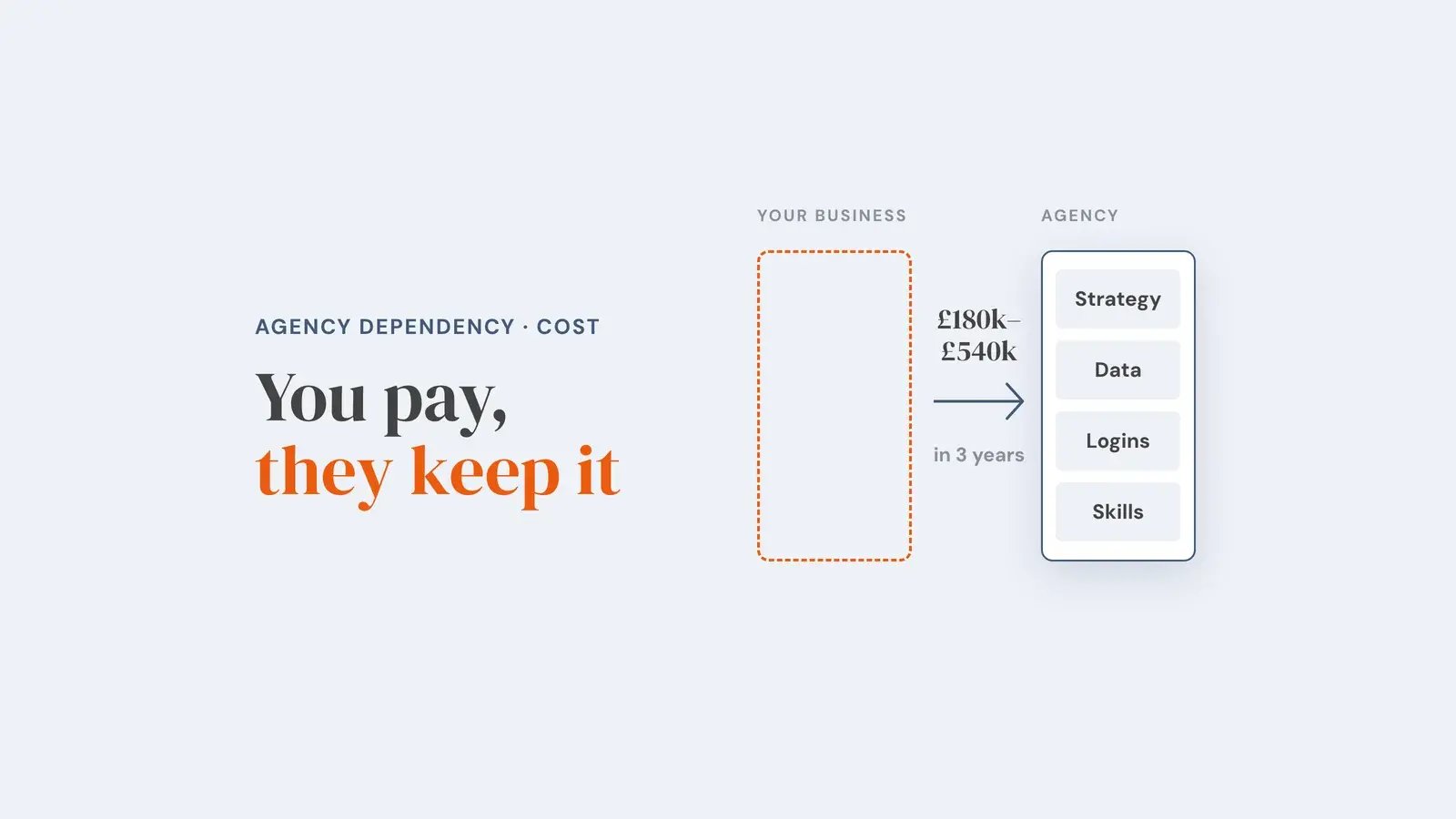
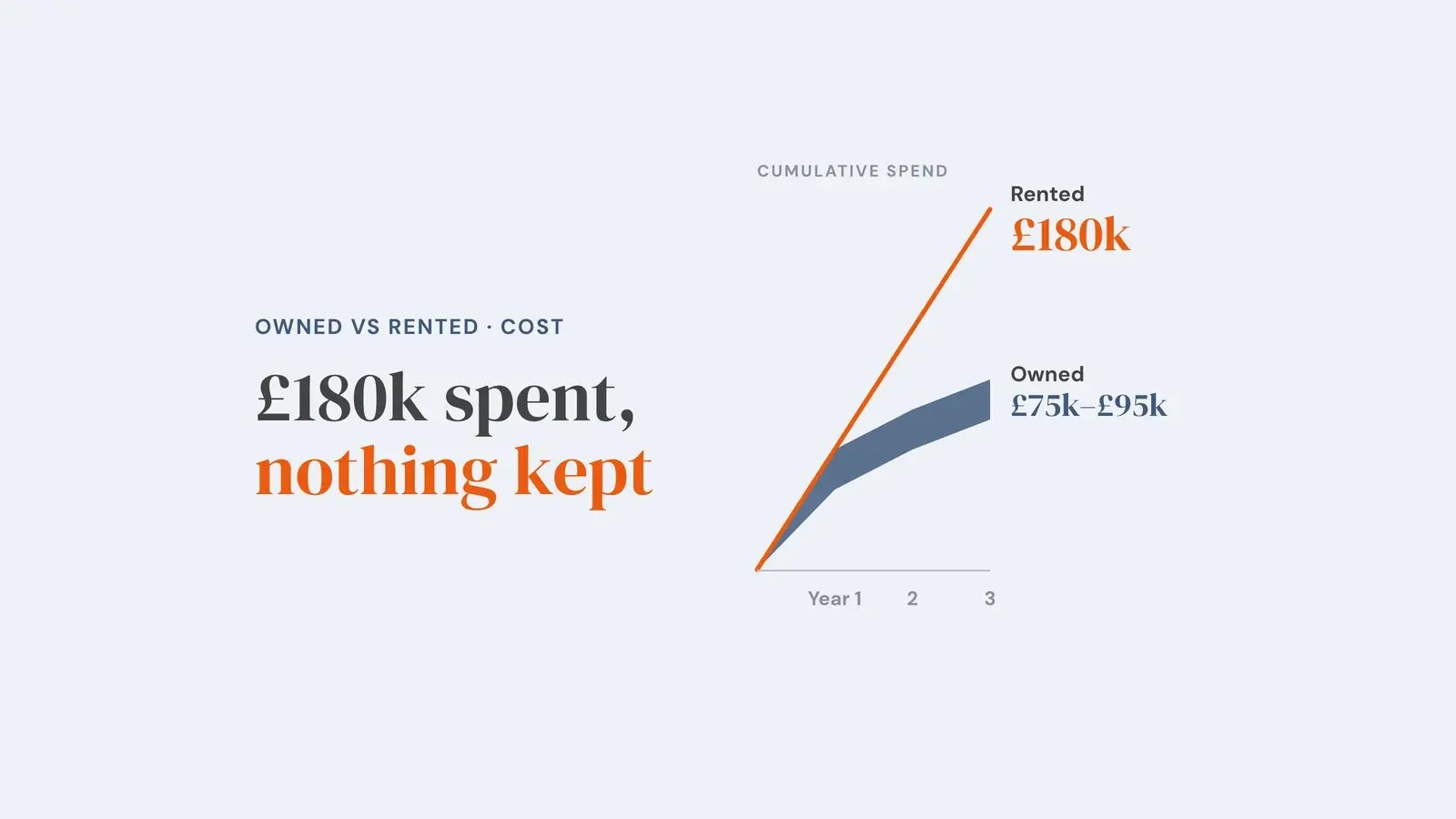
They document processes, train your internal staff, and transfer knowledge rather than hoard it. When the engagement ends, your capability remains.
6. They master the platforms you actually use
Whether it's HubSpot, Salesforce, or another system, they know how to configure, optimise, and extract value from your existing tech stack rather than pushing their preferred tools.
7. They tell you what won't work
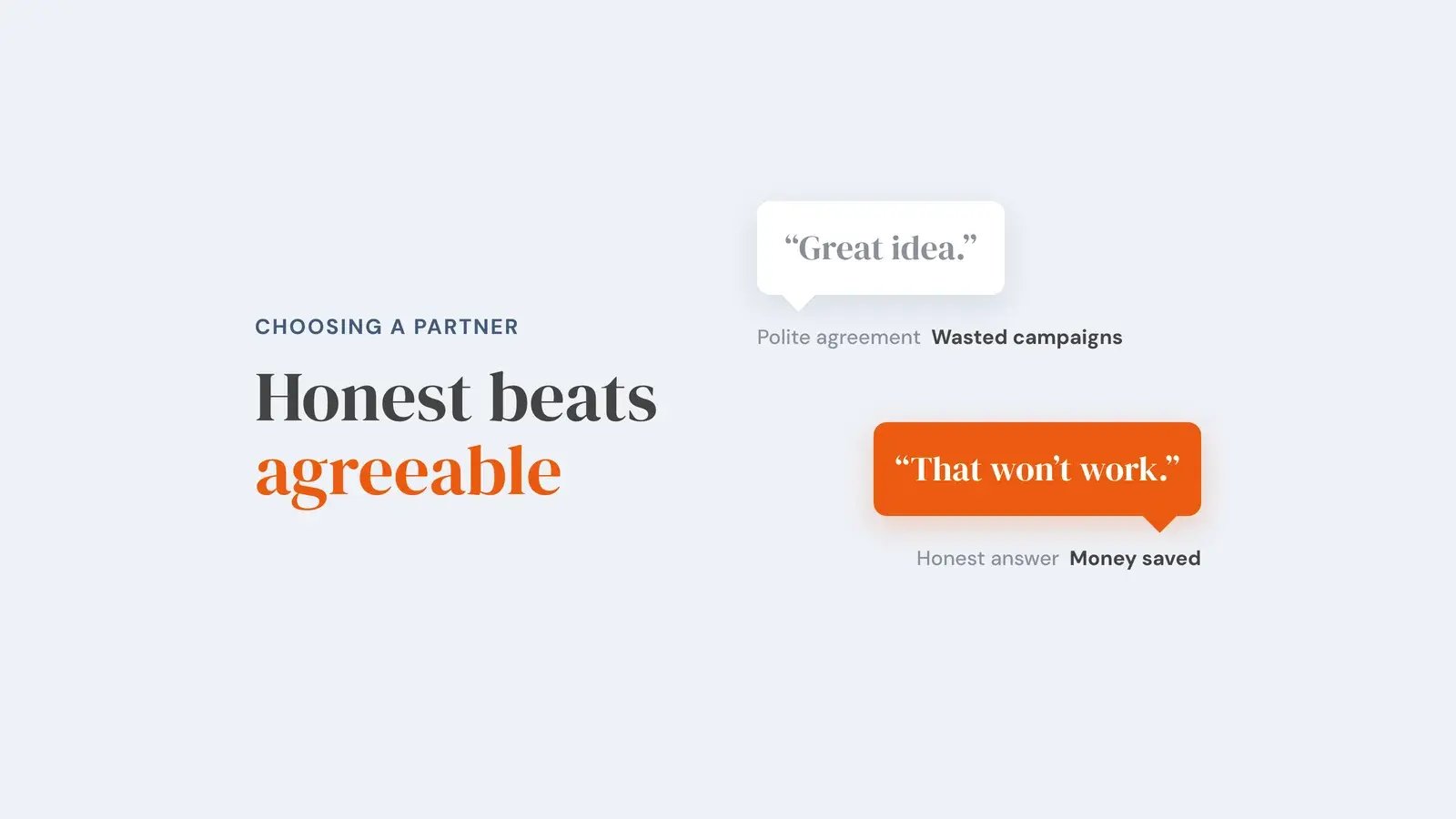
When they think your idea will fail, they say so and explain why. Honesty about what to avoid saves more money than polite agreement that leads to wasted campaigns.
Traditional marketing agencies vs. modern strategic partners: What's the difference?
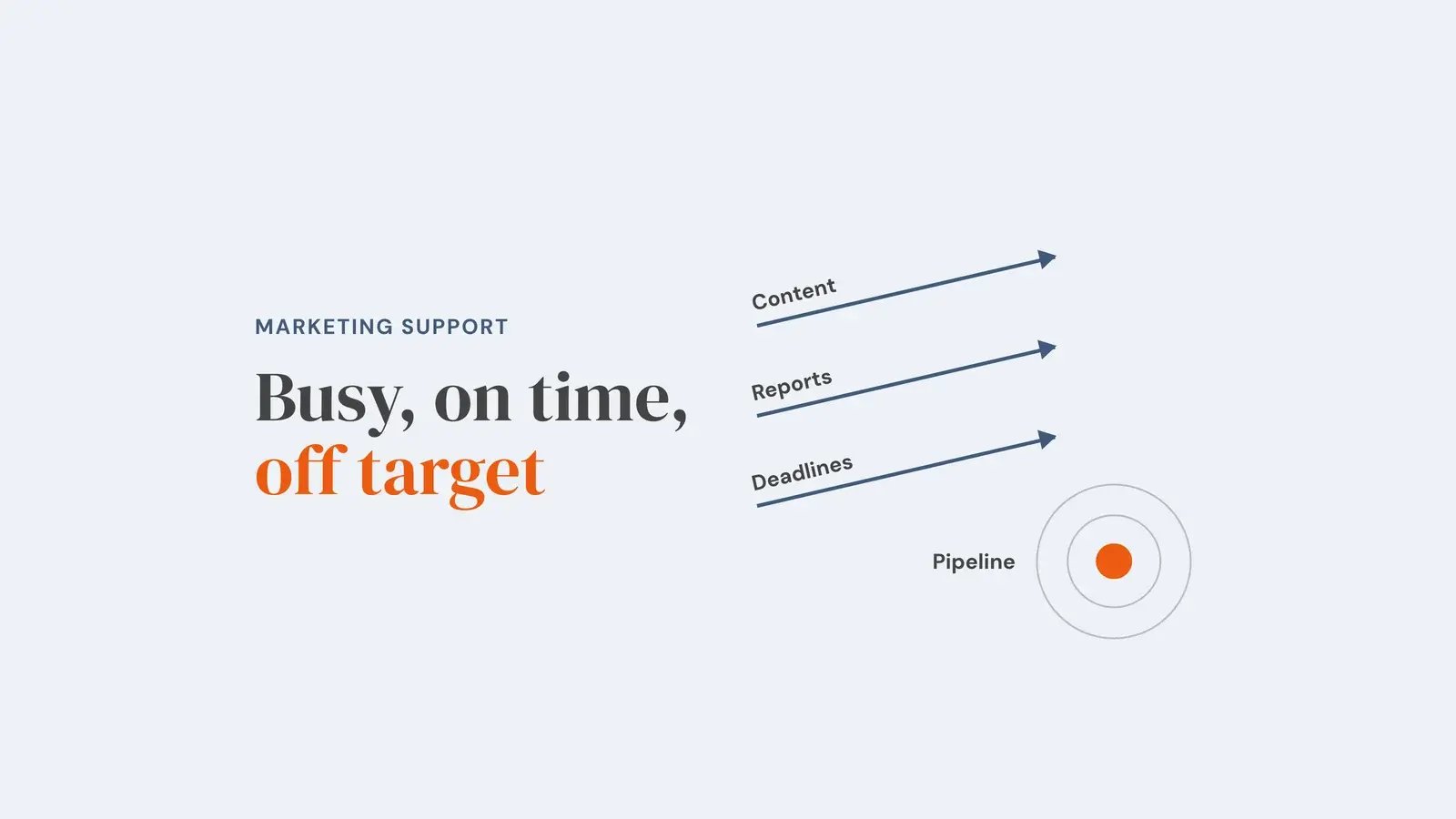
Traditional agencies typically operate on opacity (black-box reporting), manual execution, and campaign-centric thinking, while modern partners prioritise transparent dashboards, AI-augmented workflows, and business-outcome alignment.
The shift isn't about new vs. old companies; it's about whether the agency model is built around client dependency or client capability.
| Dimension | Traditional Agency | Modern Strategic Partner |
|---|---|---|
| Reporting | Monthly PDF reports, limited access | Real-time shared dashboards |
| AI Usage | Minimal or just buzzwords | Integrated into workflows and optimisation |
| Success Metrics | Impressions, clicks, engagement | Pipeline, revenue, CAC |
| Pricing | Black-box retainers | Itemised, transparent breakdowns |
| Contract Terms | 12+ months, steep exit fees | 3–6 months, flexible terms |
| Knowledge Transfer | Stays with agency | Documented and shared with your team |
| Client Relationship | Vendor providing services | Extension of your team |
| When Things Fail | Blame channels or budget | Honest debrief and course correction |
What problems do even good marketing agencies still have?
Even best-in-class marketing partners face challenges including scope creep, misalignment on success timelines, over-reliance on paid channels, and difficulty integrating with internal teams who feel threatened or bypassed.
Being realistic about these helps you prepare:
- Scope creep: "Quick questions" and "small requests" add up fast, blurring the boundary between contracted work and extras.
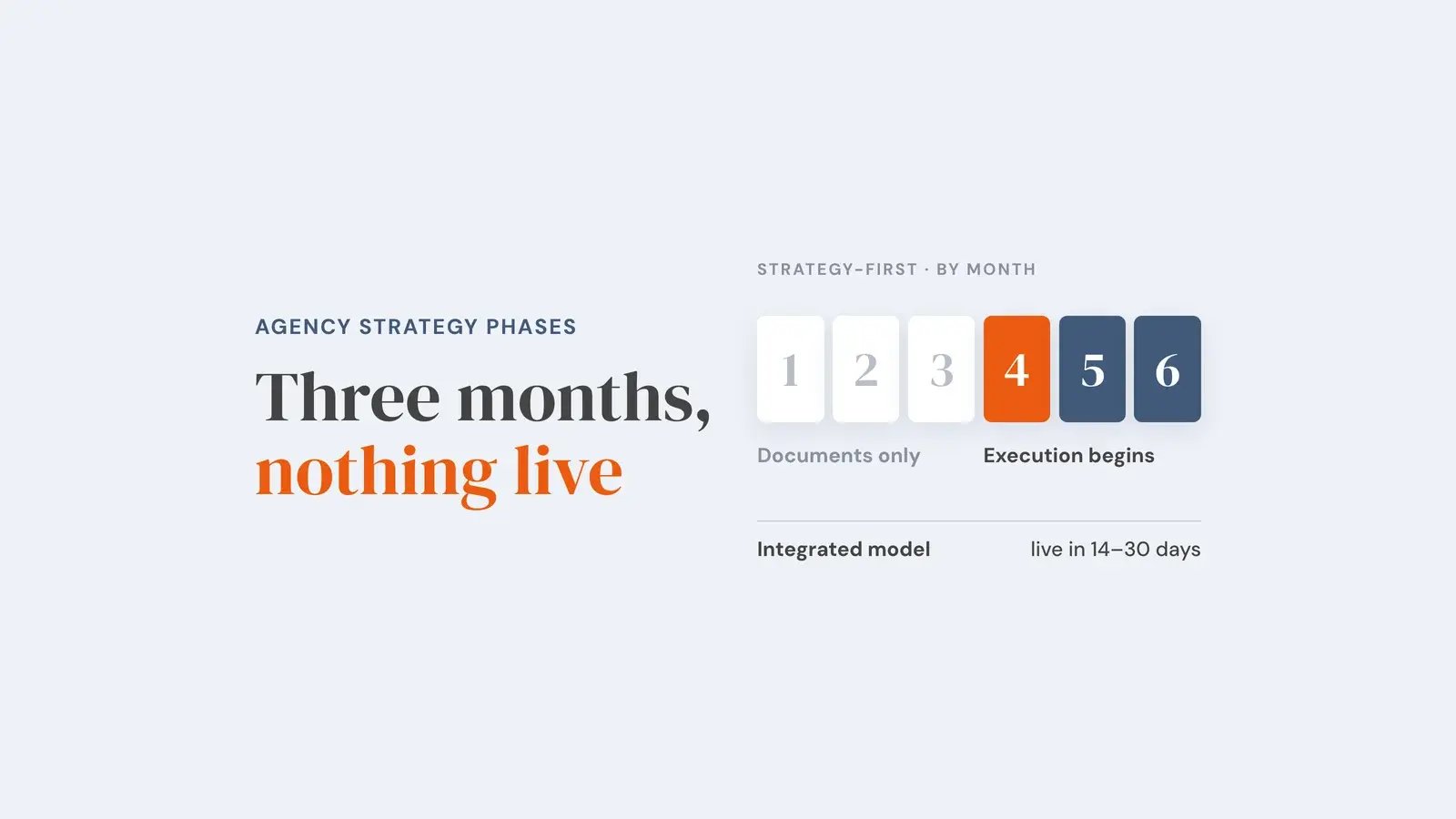
- Timeline misalignment: You want results in 90 days; they know brand-building takes 12–18 months.
- Paid channel bias: Many agencies push paid ads because results are faster and easier to show, even when organic or owned channels would serve you better long-term.
- Internal resistance: Your team may feel threatened by external expertise, creating friction that slows implementation.
- Talent turnover: Agency account managers and strategists leave, disrupting relationships and forcing you to re-explain your business.
- AI overpromising: Tools that sound transformative in the pitch often deliver incremental improvements, not revolutions.
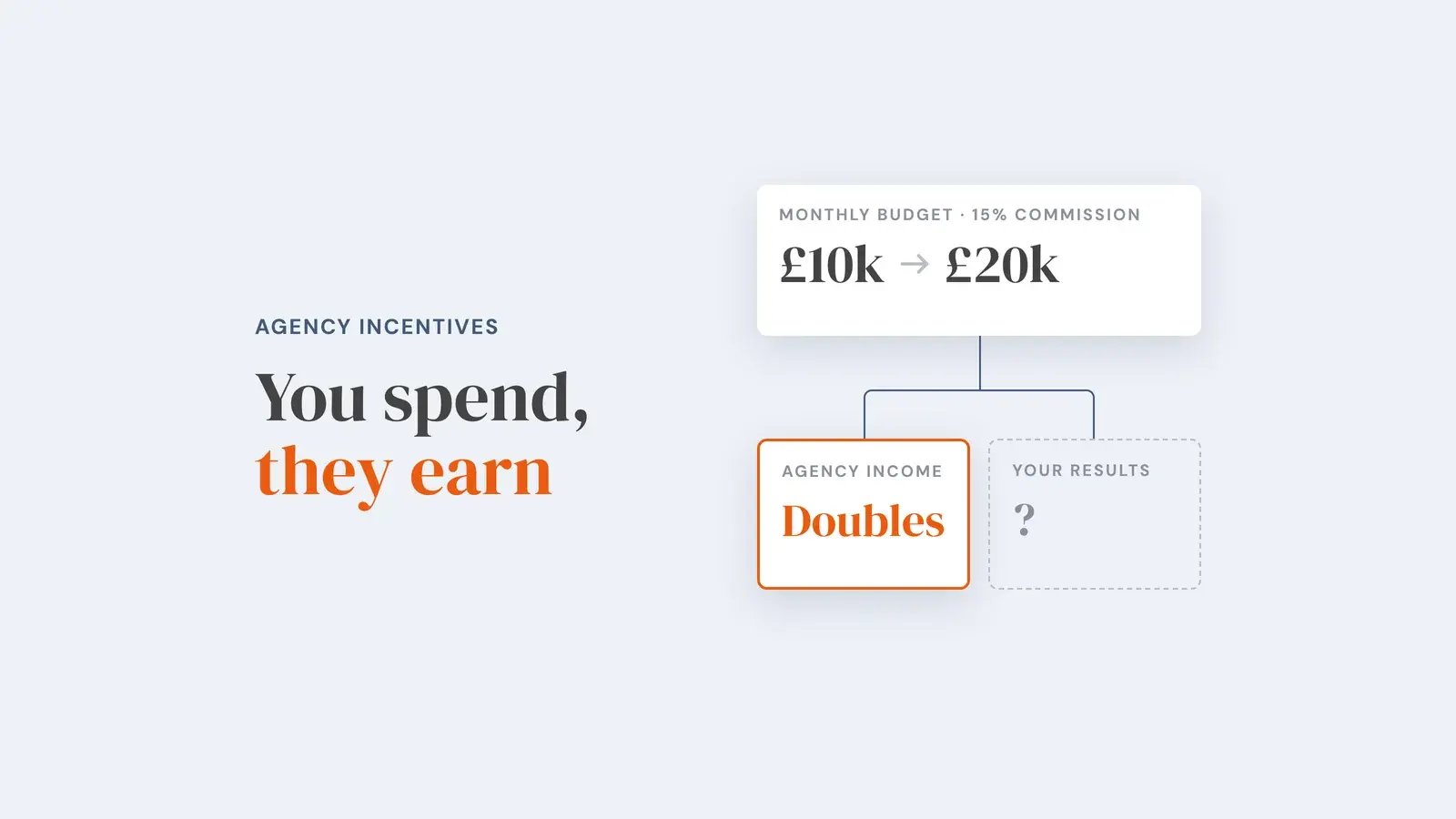
- Revenue tension: What's best for you (building independence) sometimes conflicts with what's best for their monthly retainer.
Acknowledging these realities doesn't mean accepting them—it means knowing what to watch for.
How to evaluate and choose a best-in-class marketing partner
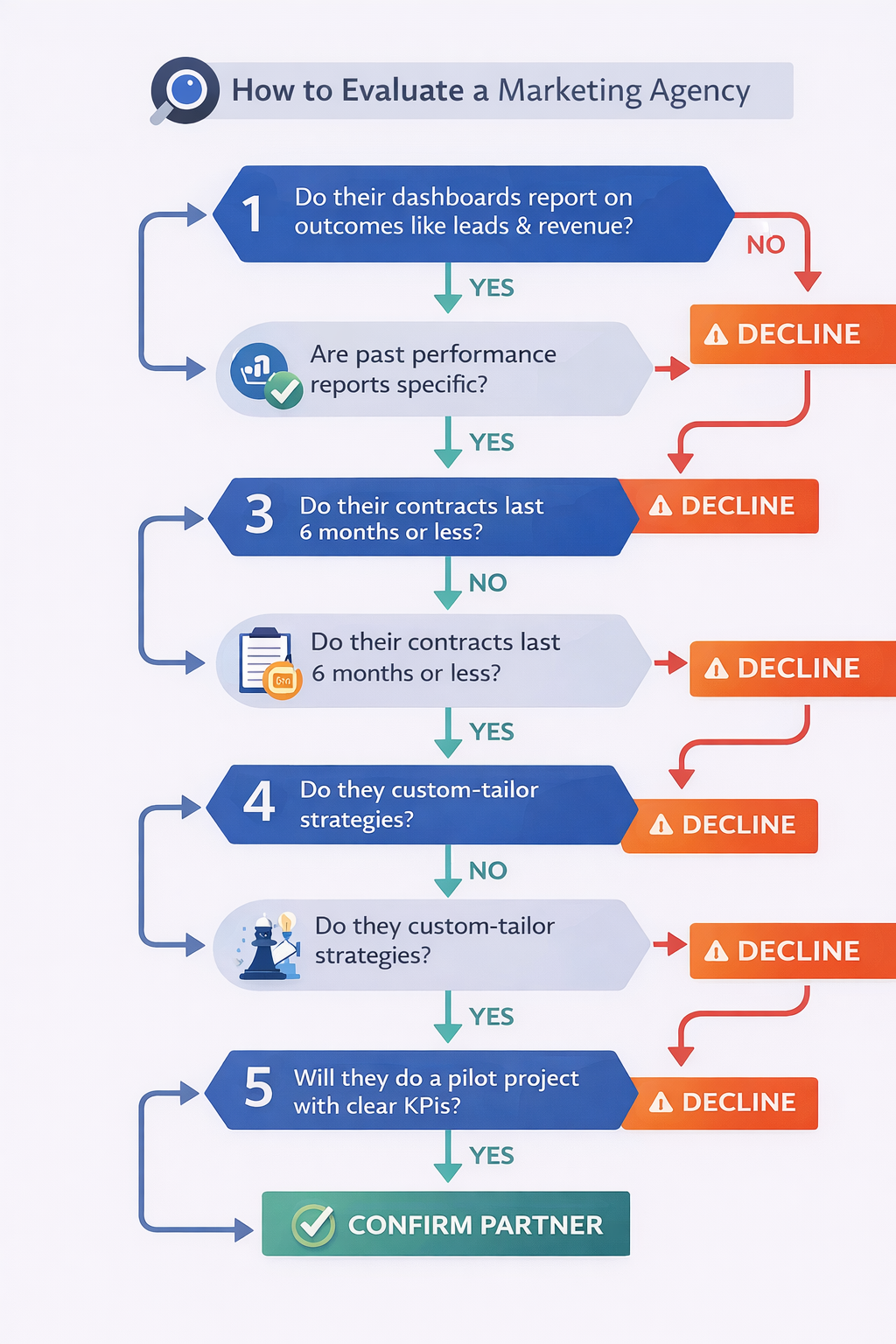
Evaluate potential marketing partners using a five-step framework: audit their transparency during the sales process, request case studies with specific metrics, assess their AI and platform literacy, clarify who will actually do the work, and insist on pilot projects or phased engagements before long-term commits.
The agencies that resist any of these steps, especially transparency around team composition or pilot arrangements, are often the ones that underdeliver once the contract is signed.
Step 1: Audit transparency during sales
Do they ask hard questions about your business model, competitors, and past marketing failures? Or do they just pitch their services? How they sell tells you how they'll work.
Step 2: Request case studies with specific metrics
Don't accept vague "increased leads by 200%" claims. Ask for specifics: what was the starting point, time period, cost, and what happened after the campaign ended?
Step 3: Assess AI and platform fluency
Ask how they use AI in their workflows and how they'd optimise your presence for AI search. Ask about the specific platforms your business uses (HubSpot, Salesforce, etc.) and request examples.
Step 4: Clarify who does the work
Will the senior strategist you're meeting actually work on your account, or is that person just for sales? Get names, roles, and CVs for your proposed team.
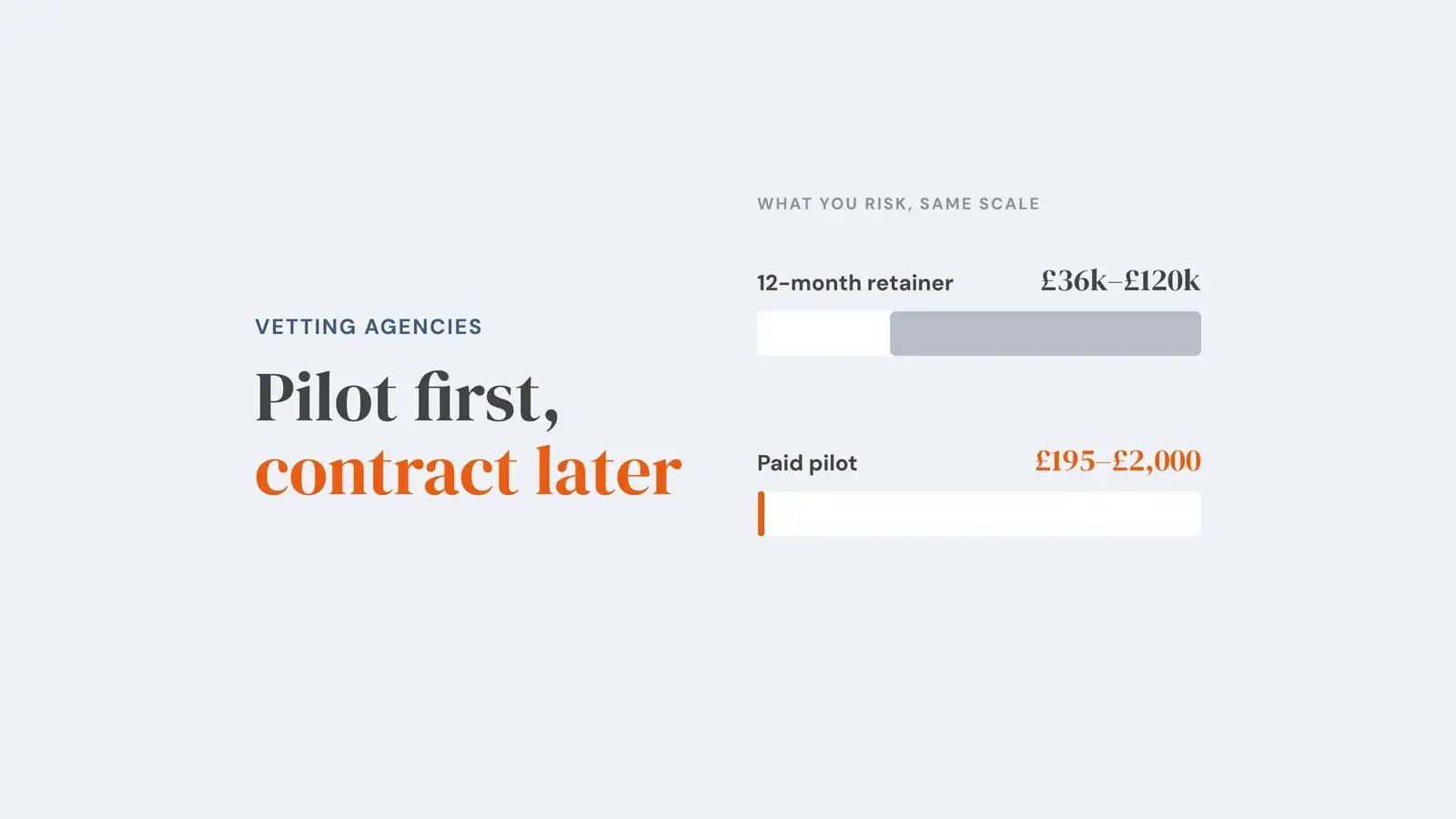
Step 5: Insist on pilot projects or phased engagements
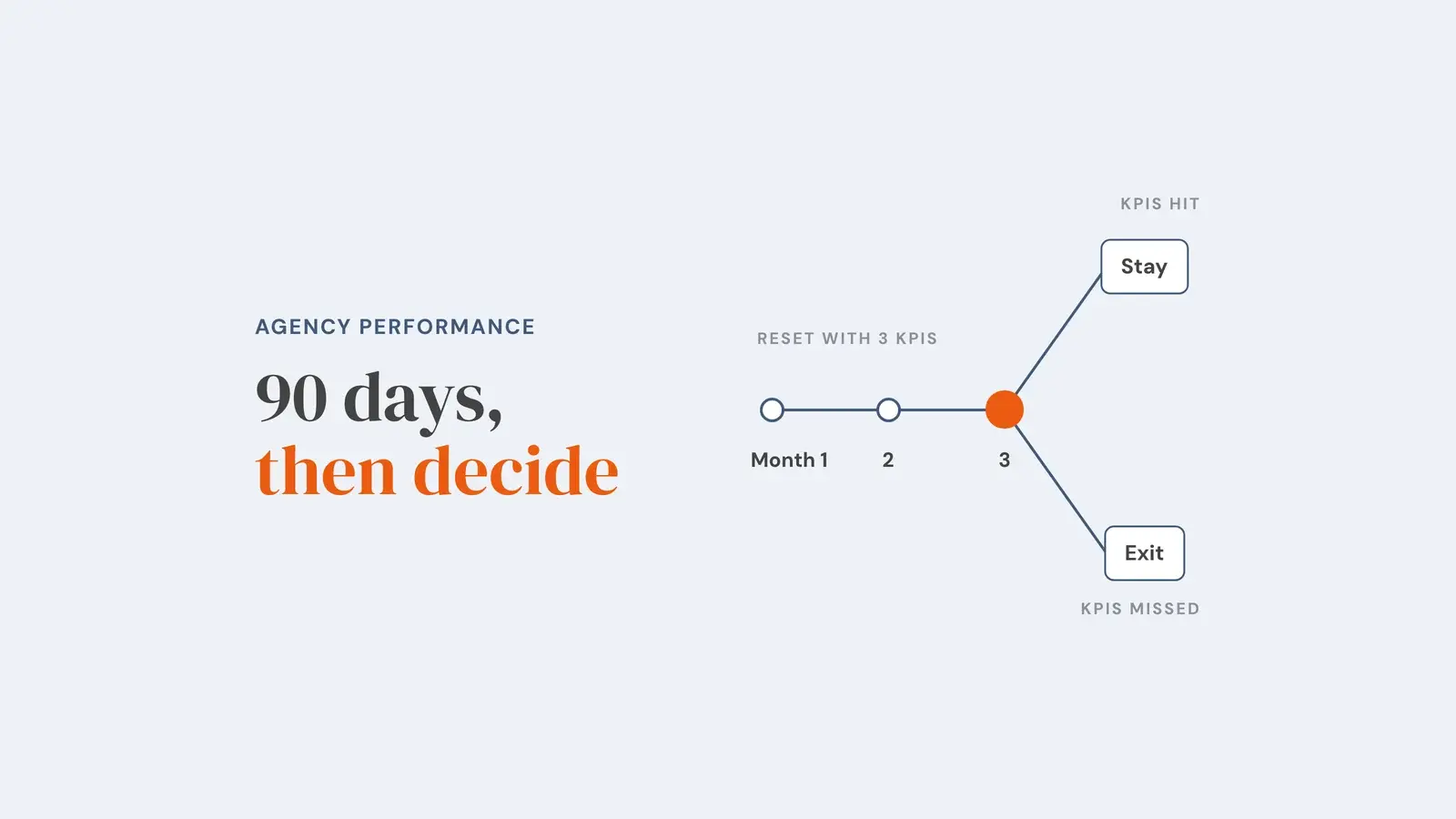
Start with a defined three-month project before committing to a 12-month retainer. The best agencies welcome this because they're confident in their work.
What does AI fluency actually mean for a marketing agency in 2025?
AI fluency for marketing agencies means using large language models for research and content ideation, employing AI-powered analytics for attribution and forecasting, and designing campaigns optimised for AI search engines like Perplexity and ChatGPT, not just traditional Google.
It also means being transparent about what AI does and doesn't do in your campaigns, avoiding the 'AI-washing' trap where agencies rebrand existing services with AI buzzwords but change nothing substantive.
Specific AI use cases to look for:
- Using AI for competitive research, buyer persona development, and content gap analysis.
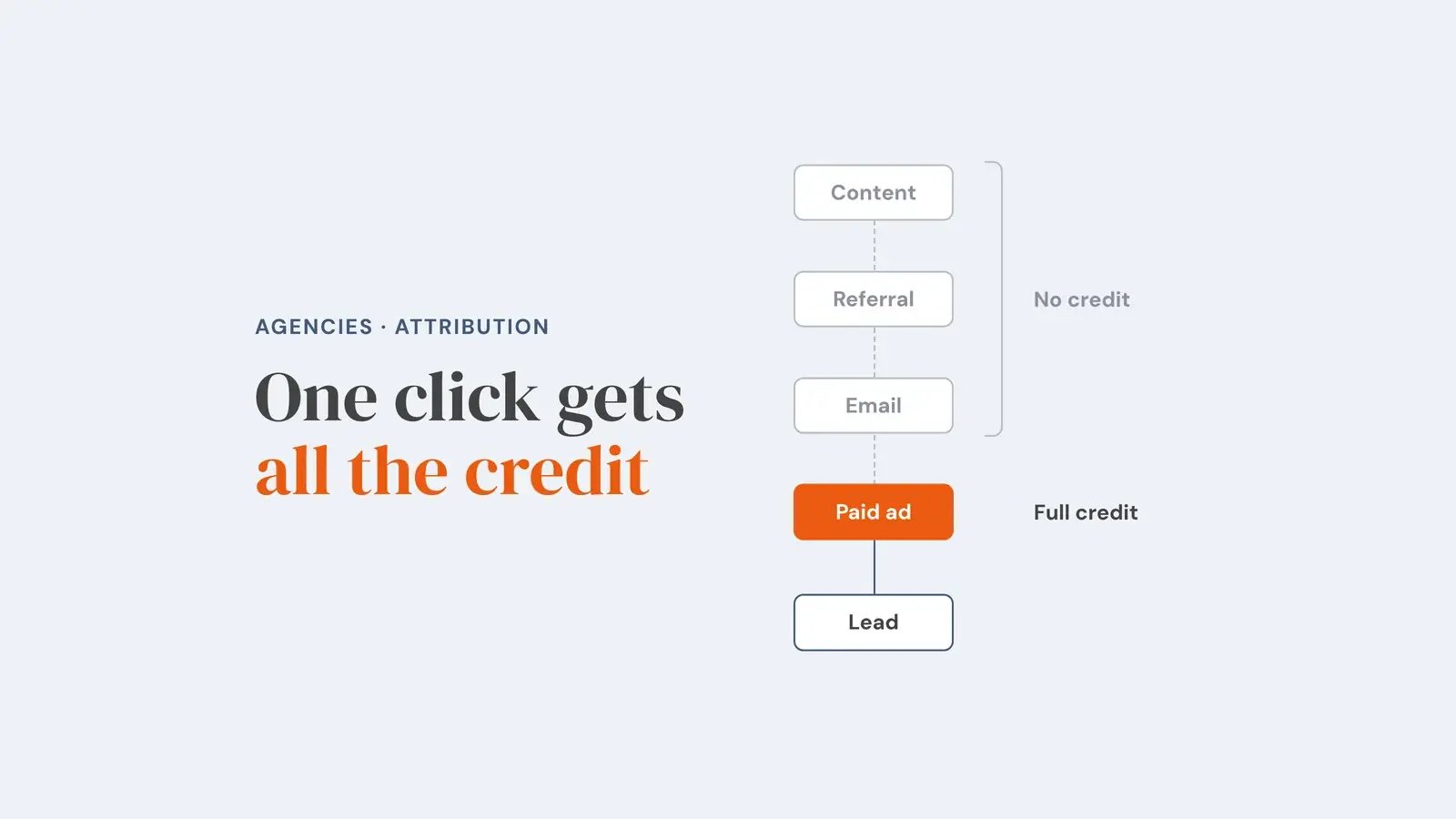
- Employing AI-powered attribution models that track customer journeys across multiple touchpoints.
- Creating content structured for AI extraction (featured snippets, answer boxes, AI citations).
- Automating reporting and anomaly detection to spot problems faster.
- Testing creative variants and messaging through AI-assisted A/B frameworks.
If they can't explain exactly which AI tools they use and what tasks those tools handle, they're not fluent, they're performing.
Red flags that a marketing agency isn't actually best-in-class
Warning signs include refusal to share specific past performance data, contracts longer than six months with steep early-termination fees, no clear point of contact or team roster, and sales pitches focused on their awards rather than your business outcomes.
Other red flags to watch for:
- They don't ask hard questions about your business model, competitors, or what hasn't worked before.
- They promise specific rankings or lead volumes without understanding your market or buying cycle.
- They can't explain their pricing in a single-page breakdown.
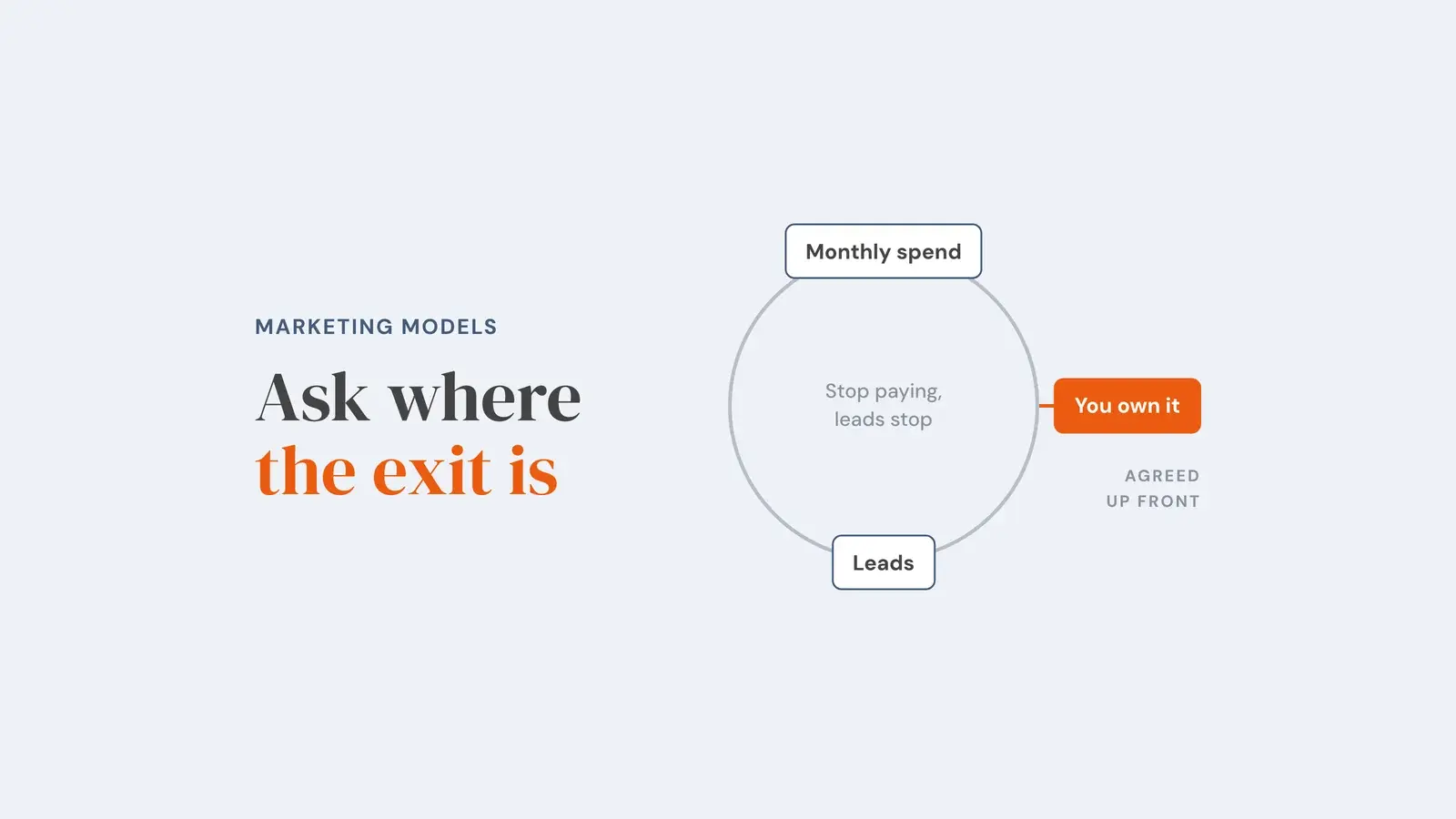
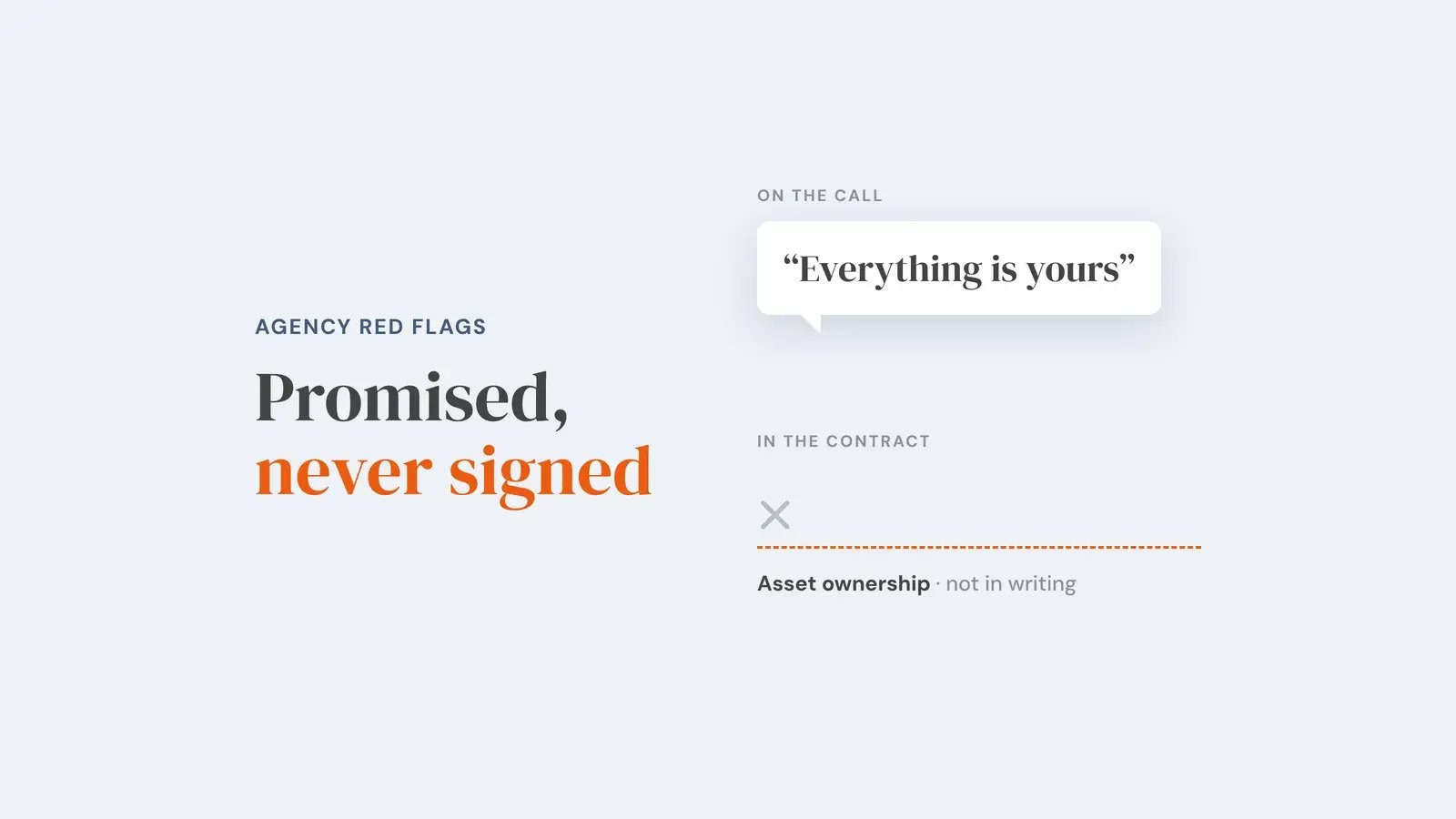
- They require proprietary tools or platforms you don't own and can't export data from.
- Their case studies feature businesses nothing like yours (wrong size, sector, or market).
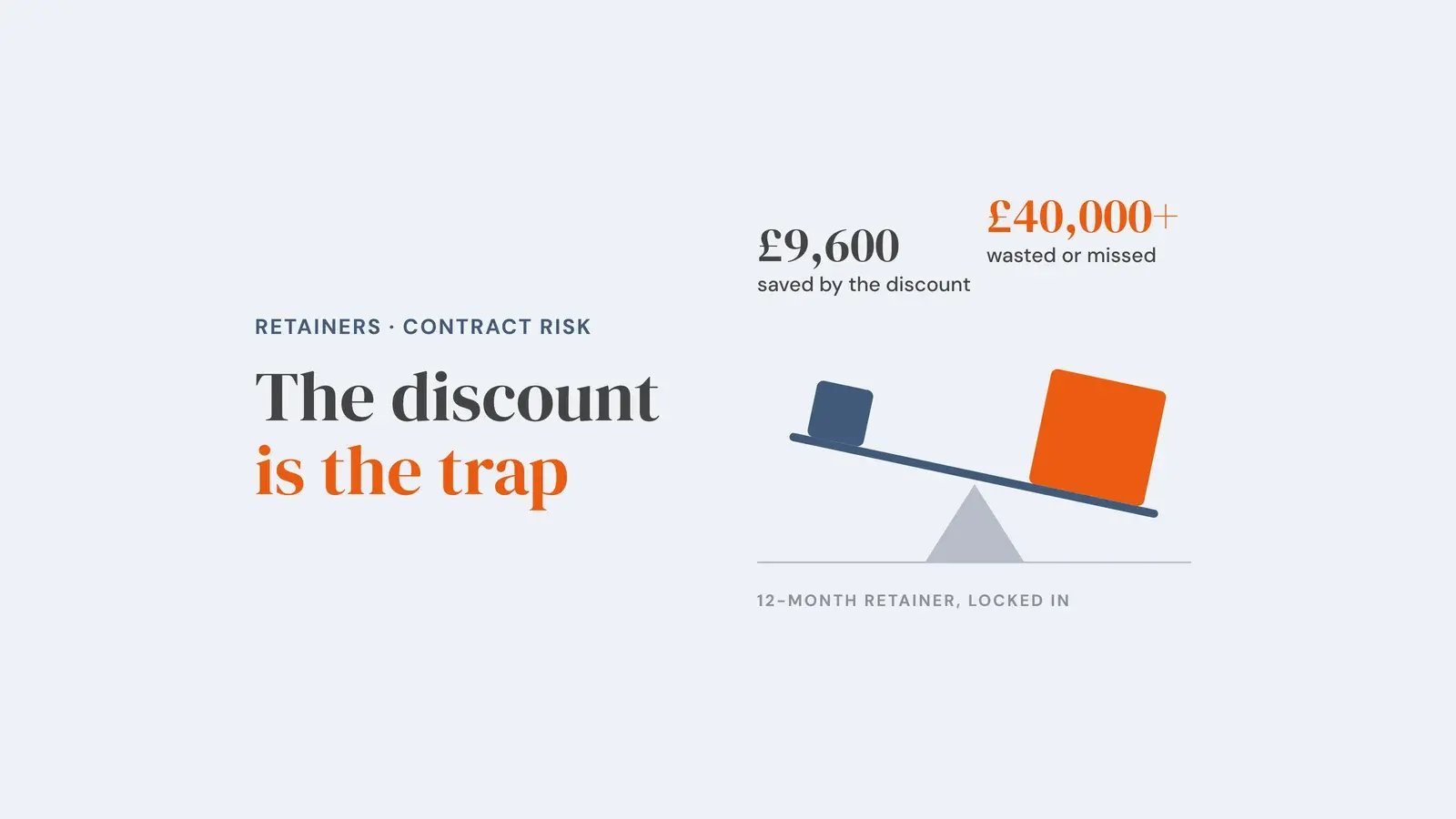
- They push 12+ month contracts with termination clauses that cost 50–100% of remaining fees.
- They can't describe what success looks like in your business's terms (revenue, pipeline, CAC), only in marketing metrics.
- No one on their proposed team has worked in your industry or with your platform before.
- They resist giving you direct access to campaign dashboards or analytics.
- Their contract includes vague "marketing services" line items without deliverable specifics.
Trust your instincts. If something feels unclear or evasive during the sales process, it won't improve after you sign.
Frequently asked questions about choosing the best marketing partner
These are the most common questions business leaders ask when evaluating marketing agencies and strategic partners. Each answer is designed to help you make a more informed decision faster.
Should I hire a specialised agency or a full-service partner?
Specialised agencies (SEO-only, PPC-only) excel at depth but create coordination problems if you need integrated campaigns. Full-service partners simplify management but may lack cutting-edge expertise in niche areas. Choose based on your internal capability: if your team can coordinate multiple specialists, go specialised. If not, choose full-service with proven results in your priority channels.
How long does it take to see results from a top marketing agency?
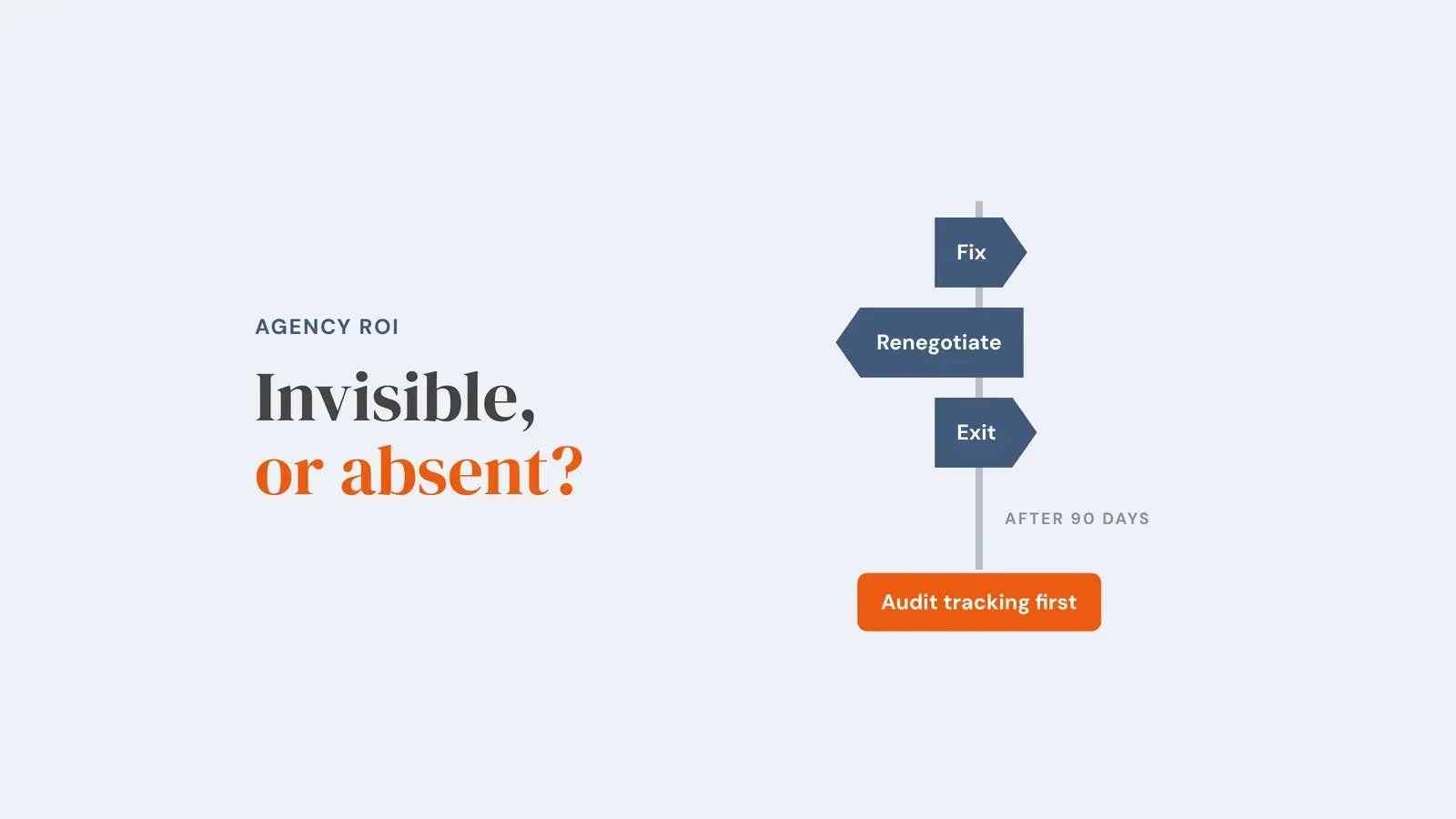
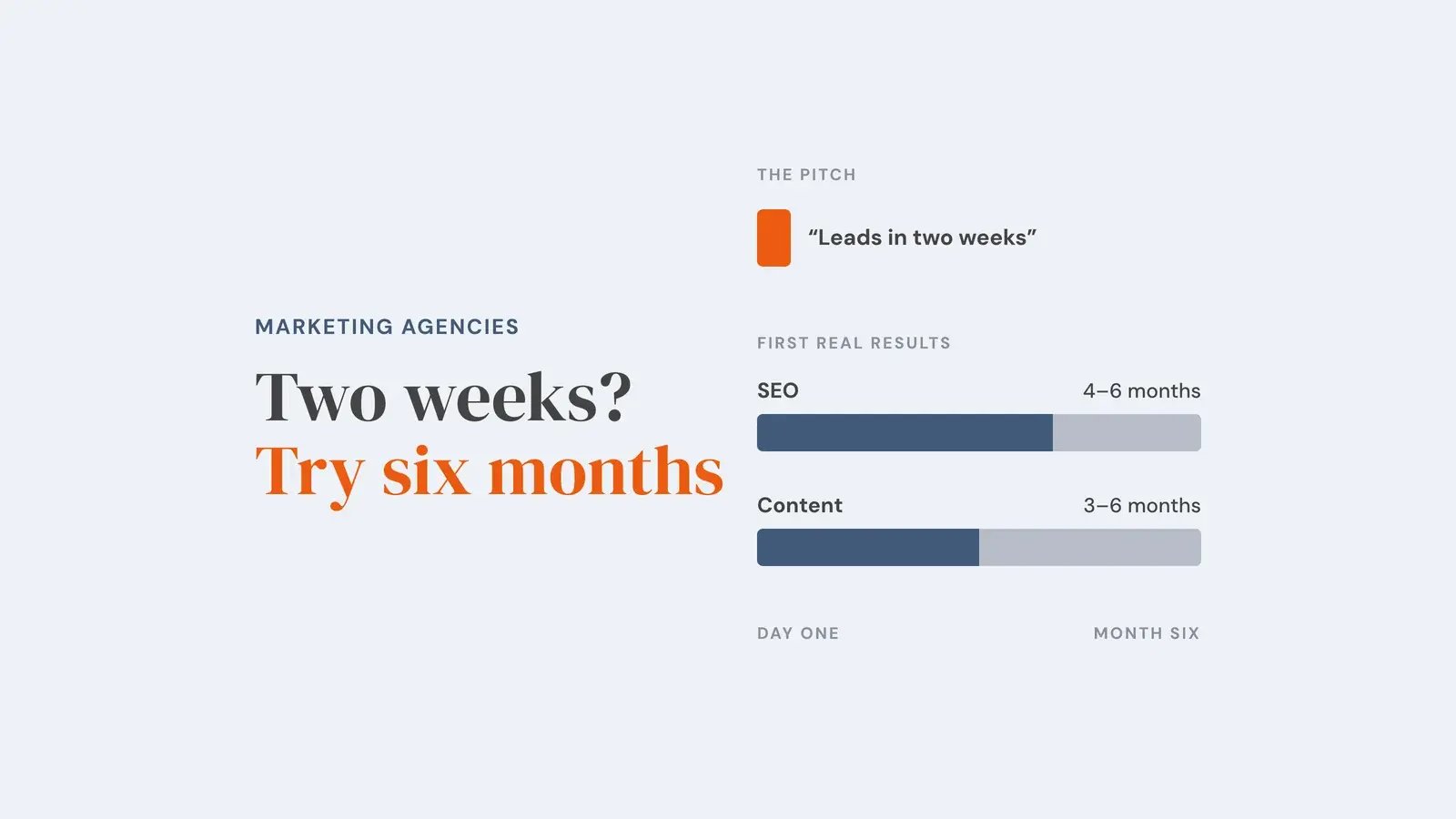
Most best-in-class agencies deliver measurable improvements within 90 days, better reporting, clearer strategy, initial campaign data, but meaningful revenue impact typically takes 6–12 months. Anyone promising transformative results in 30 days is either working with paid ads exclusively or overselling. Brand-building and organic channel growth require patience.
Do the best agencies require long-term contracts?
Not usually. The best agencies offer 3–6 month initial engagements with renewal options, because they're confident you'll want to continue. Long contracts with steep exit penalties signal either cash flow problems or awareness that clients frequently leave unsatisfied.
What's a reasonable marketing budget to attract best-in-class partners?
Most top-tier agencies require minimum monthly budgets of £3,000–£5,000 ($4,000–$6,500) to make the relationship worthwhile for both sides. Below that threshold, you're better served by fractional specialists or consultants who focus on knowledge transfer rather than execution. My services, for example, start from £500 per month for training-focused programmes where your team does the work [insert link to pricing page].
Can a great marketing partner work with our in-house team?
Absolutely, and the best ones insist on it. They treat your internal marketers as collaborators, not obstacles. Look for agencies that document processes, run training sessions, and celebrate when your team becomes self-sufficient. If an agency seems threatened by your internal capability, they're building dependency, not partnership.
Conclusion
You've seen what separates best-in-class marketing partners from those who overpromise and underdeliver.
The difference isn't about size, awards, or retainer cost; it's about transparency, strategic thinking, AI fluency, and whether they build your capability or their recurring revenue. You now have a framework for evaluating agencies, spotting red flags, and asking the questions that reveal who's actually worth your investment.
The right partner will welcome your scrutiny, answer every question directly, and propose a pilot engagement to prove their value. Anyone who doesn't isn't confident in what they deliver.
How to take action now
- Use the five-step evaluation framework to audit agencies you're currently considering.
- Request itemised pricing breakdowns and case studies with specific metrics from your shortlist.
- Ask about their AI usage, platform expertise, and knowledge transfer approach in your first meetings.
- Insist on meeting the actual team who'd work on your account, not just the salesperson.
- Start with a 3-month pilot project before committing to long-term contracts.
If you're tired of agencies that hoard knowledge and create dependency, my services take a different approach. I help you build internal marketing capability through hands-on fractional leadership, strategic guidance, or comprehensive training programmes, depending on what you need. The goal is always making your team self-sufficient, not creating endless retainers.

About the Author
I'm Tom Wardman, and I help business leaders build marketing engines their teams actually own. Over the past decade, I've worked with companies across sectors to develop strategic marketing capability, implement systems like HubSpot, and train internal teams to operate independently. My approach combines hands-on execution with knowledge transfer, whether through Fractional CMO guidance, done-for-you marketing leadership, or comprehensive training programmes. The goal is always the same: building your capability, not your dependency on external help.
Pricing disclaimer: All GBP–USD price conversions are rounded estimates and correct at the time of publishing. Exchange rates fluctuate and figures should be treated as indicative only.