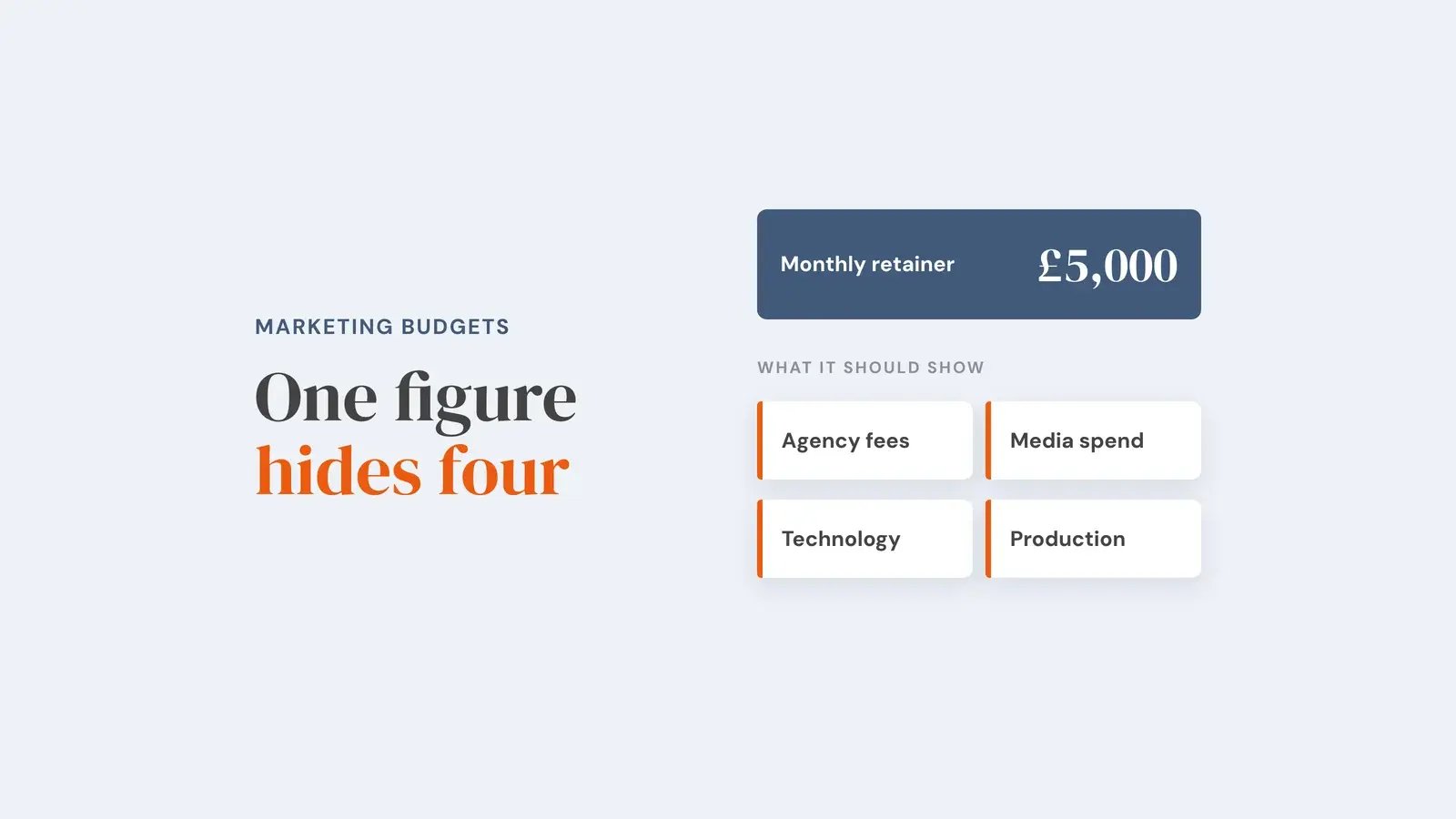


Does every marketing agency quote feel like a number pulled from thin air? Do you have no reliable benchmark to judge whether £5,000 ($6,250) a month is fair, generous, or simply eye-watering for what is on the table?
By the end of this article, you will have real benchmarks, a practical budget framework, and a clear way to assess whether any proposal you receive is genuinely good value. You will find typical cost ranges broken down by service type, provider, and pricing model, along with a step-by-step framework for setting your own budget and identifying overpricing before it becomes expensive.
This article is written for founders and marketing leads at B2B businesses making an agency, freelancer, or consultant decision.
Key takeaways
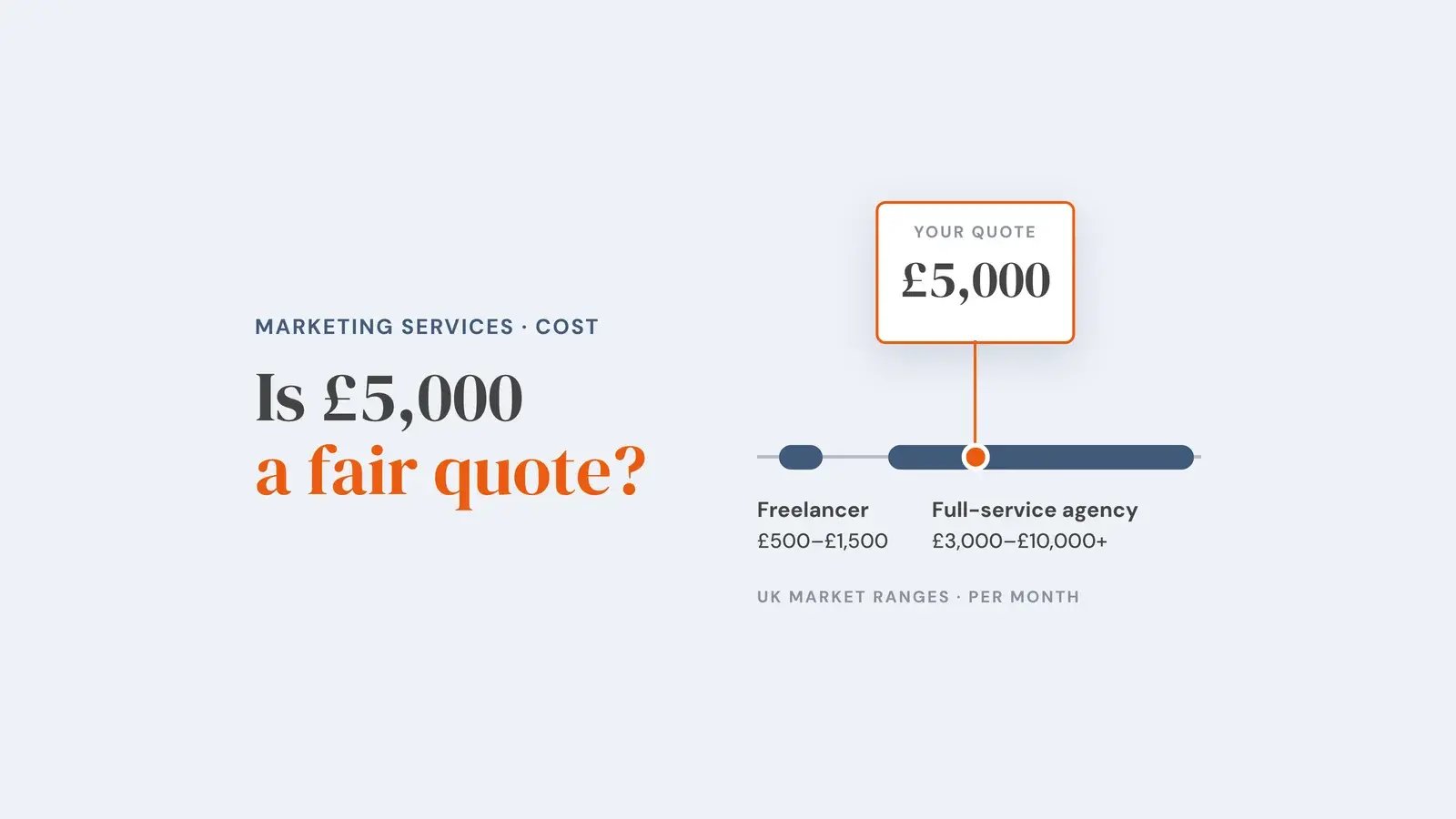
- In the UK, marketing services typically cost £500–£1,500/month ($625–$1,875/month) from a freelancer, £3,000–£10,000+/month ($3,750–$12,500+/month) from a full-service agency, and £2,000–£7,000/month ($2,500–$8,750/month) from a specialist consultant.
- Five factors drive pricing most strongly: agency size and overhead, team seniority, service scope, industry competitiveness, and contract length.
- Freelancers are the cheapest per task but rarely offer strategic depth. A full in-house team often costs more than an agency once salaries, benefits, tools, and management overhead are counted.
- Common red flags include undefined deliverables, junior teams billed at senior rates, and lock-in contracts with no performance clauses.
- Good value means defined scope, named senior contacts, revenue-linked KPIs, and transparent additional costs, agreed before you sign.
What are marketing services?
Marketing services are professional activities delivered by agencies, freelancers, or consultants, including SEO, paid advertising, content creation, social media management, and brand strategy, to help businesses attract and convert customers.
The term covers a wide spectrum. At one end: single-channel execution, such as running Google Ads. At the other: full-funnel, multi-channel strategy, aligning sales and marketing, building content systems, and reporting on revenue attribution. Pricing varies dramatically depending on which end of that spectrum you are buying, and who is delivering it.
[Insert clean visual table with service icons — alt text: "Table showing six marketing service categories, typical inclusions, and common pricing models for UK buyers in 2026"]
How much do marketing services actually cost?
NOTE: The figures below apply primarily to the UK market, with USD equivalents in brackets throughout. All price ranges reflect 2026 market conditions.
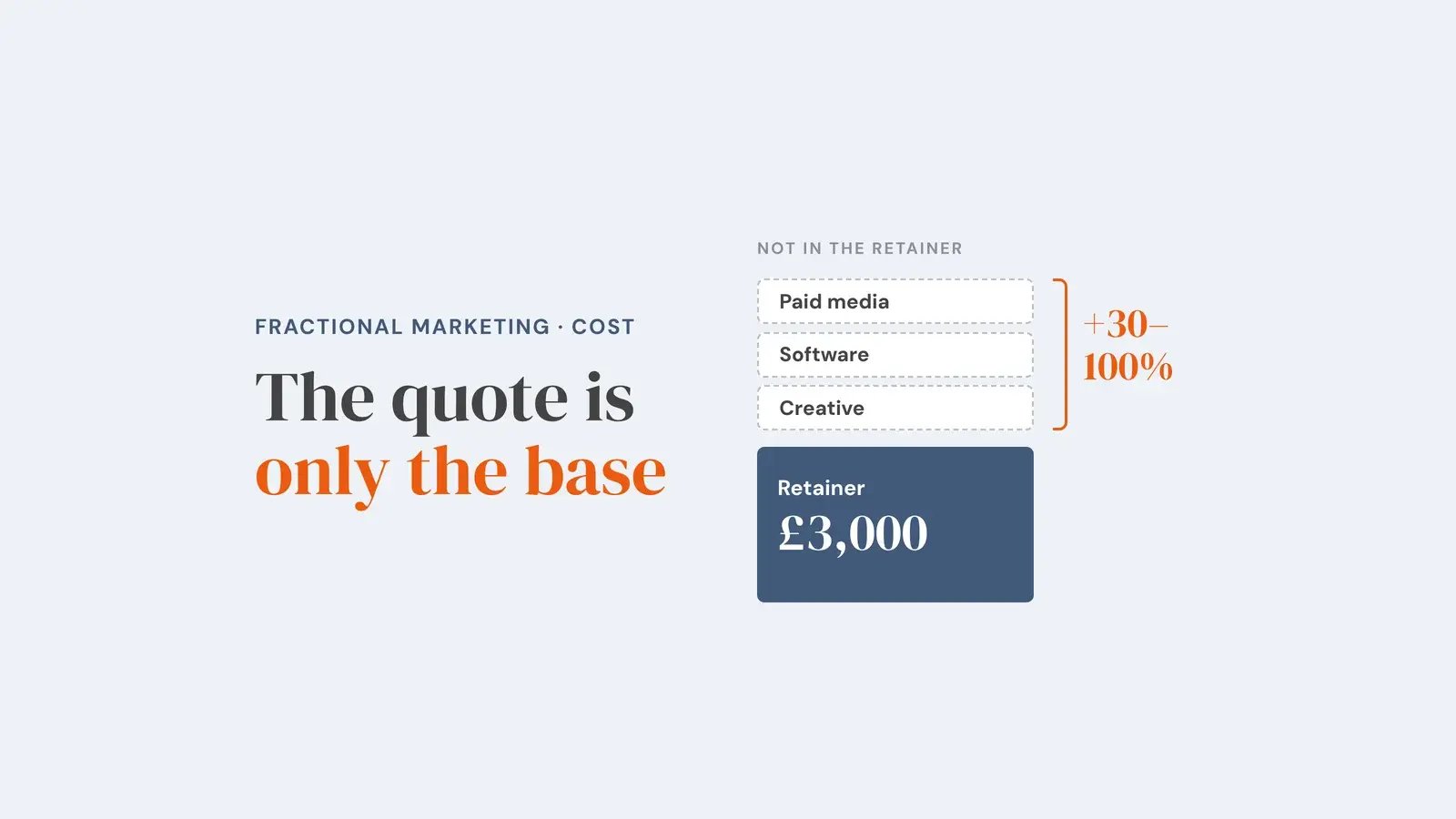
Marketing services in the UK typically range from £500–£1,500/month ($625–$1,875/month) for basic freelance support to £10,000–£25,000+/month ($12,500–$31,250+/month) for a full-service agency retainer covering strategy, content, paid media, and reporting.
The wide range reflects genuine differences in team seniority, service depth, and agency overhead, not just what appears on the proposal.
These are estimated UK market ranges for 2026, based on direct market observation and published agency rate data. Treat as indicative benchmarks. No single authoritative industry pricing report currently covers all service types; figures should be verified against live proposals in your sector.
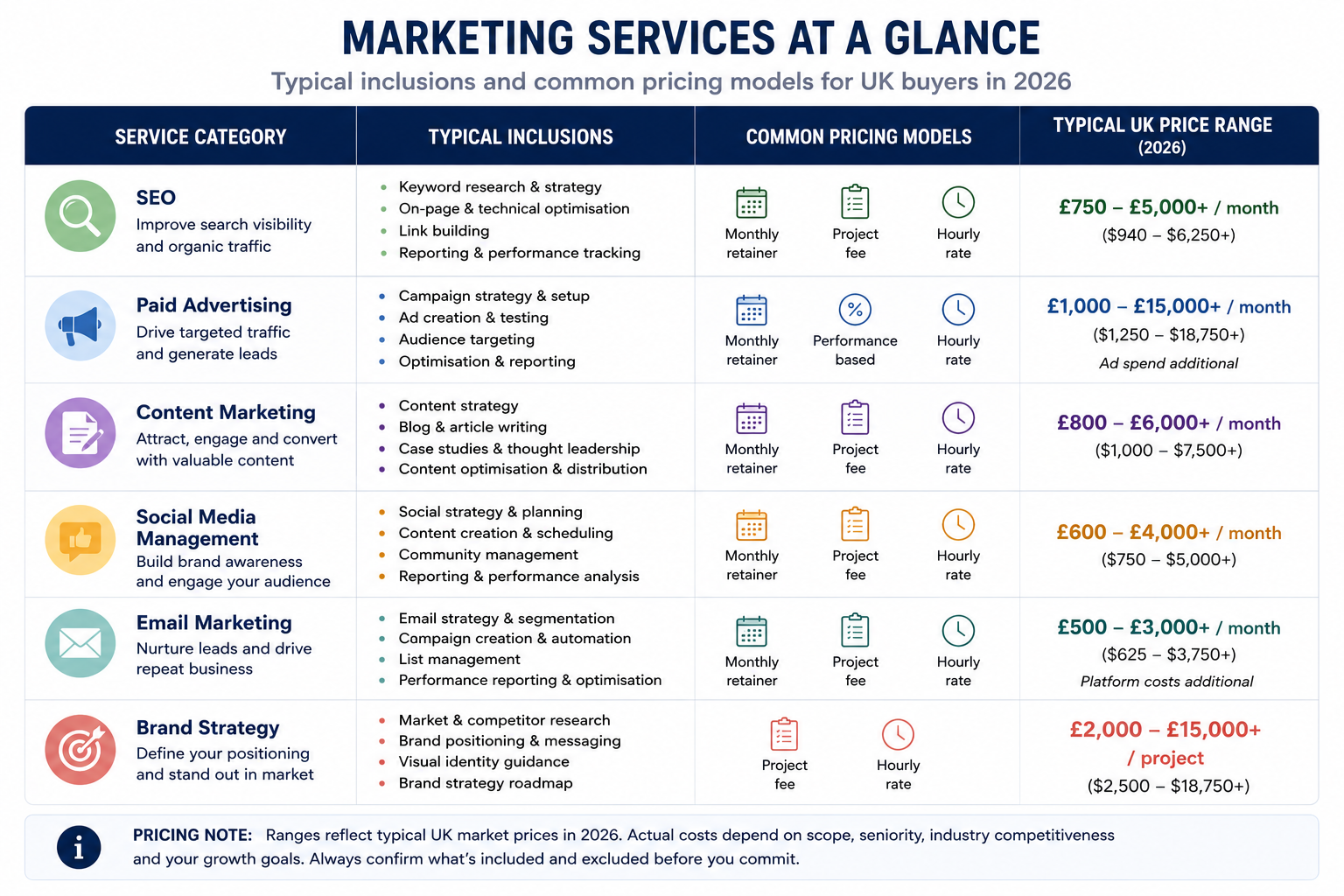
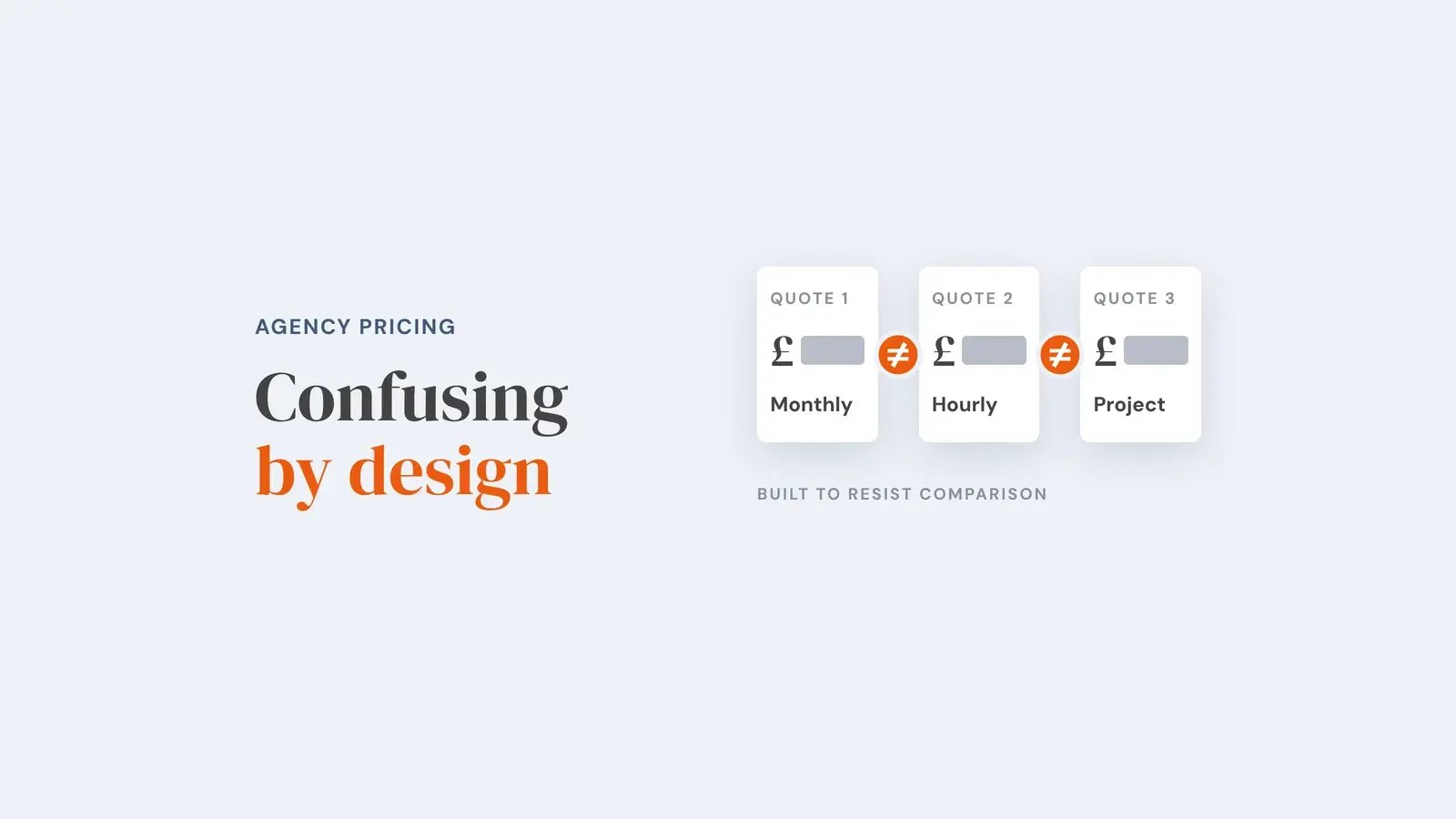
The pricing model matters as much as the headline number. The four most common structures each involve different trade-offs:
| Model | What it offers | What to watch for |
|---|---|---|
| Monthly retainer | Predictable cost, ongoing optimisation | Scope is often undefined; hard to hold to account |
| Project fee | Clear total, defined output | No ongoing optimisation included |
| Hourly rate | Flexible, pay-as-you-go | Difficult to forecast; costs can escalate |
| Performance-based | Incentives aligned to results | Attribution is complex across a full marketing programme |
What drives the price of marketing services?
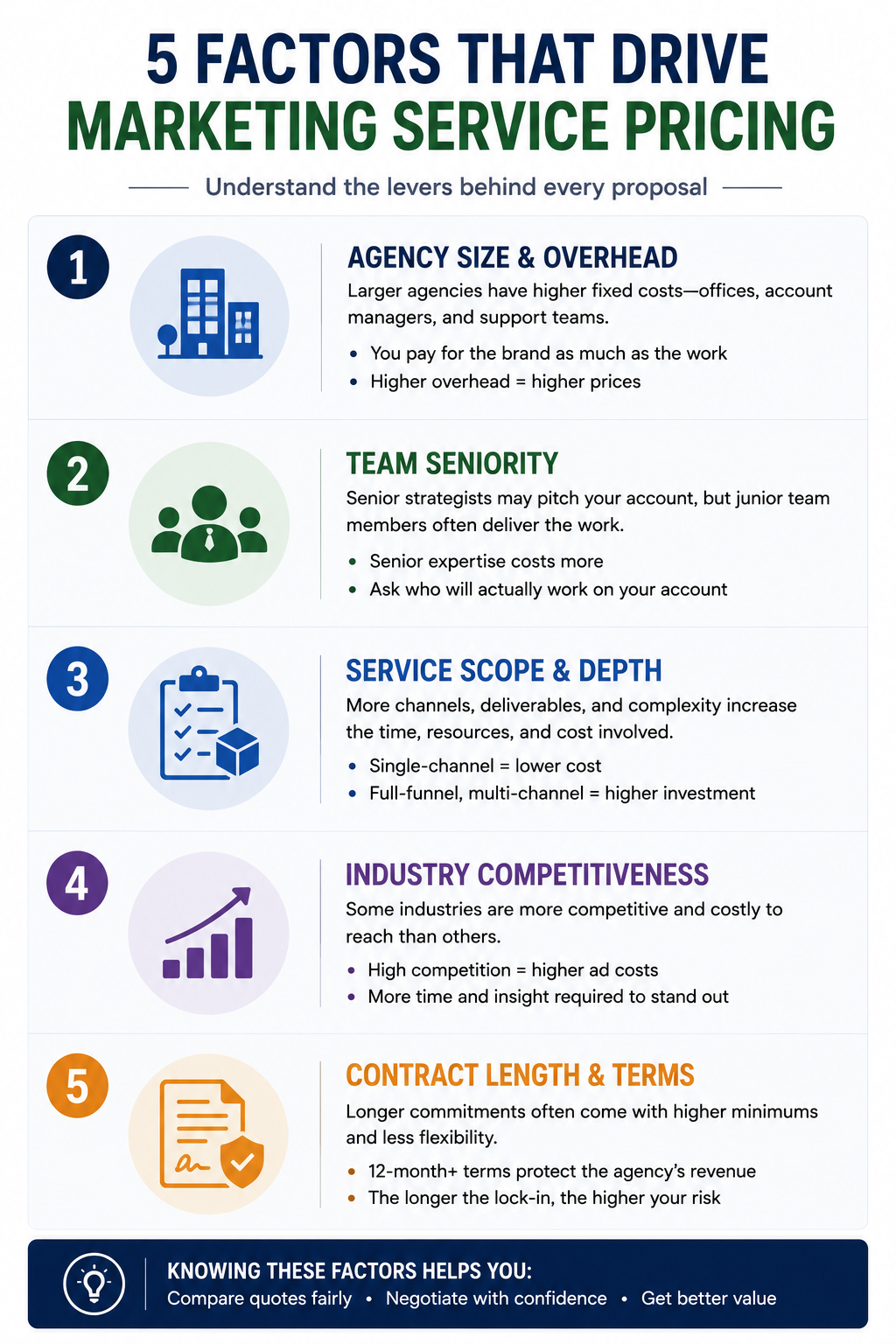
Five factors most strongly determine marketing service pricing: agency size and overhead, the seniority of the team assigned to your account, the breadth of services included, the competitiveness of your industry, and the contract length and terms.
Understanding these levers lets you challenge proposals intelligently, and distinguish genuine value from inflated pricing.
Agency size and overhead: Larger agencies carry higher fixed costs: offices, account managers, and junior delivery teams. You pay for the brand as much as the work.
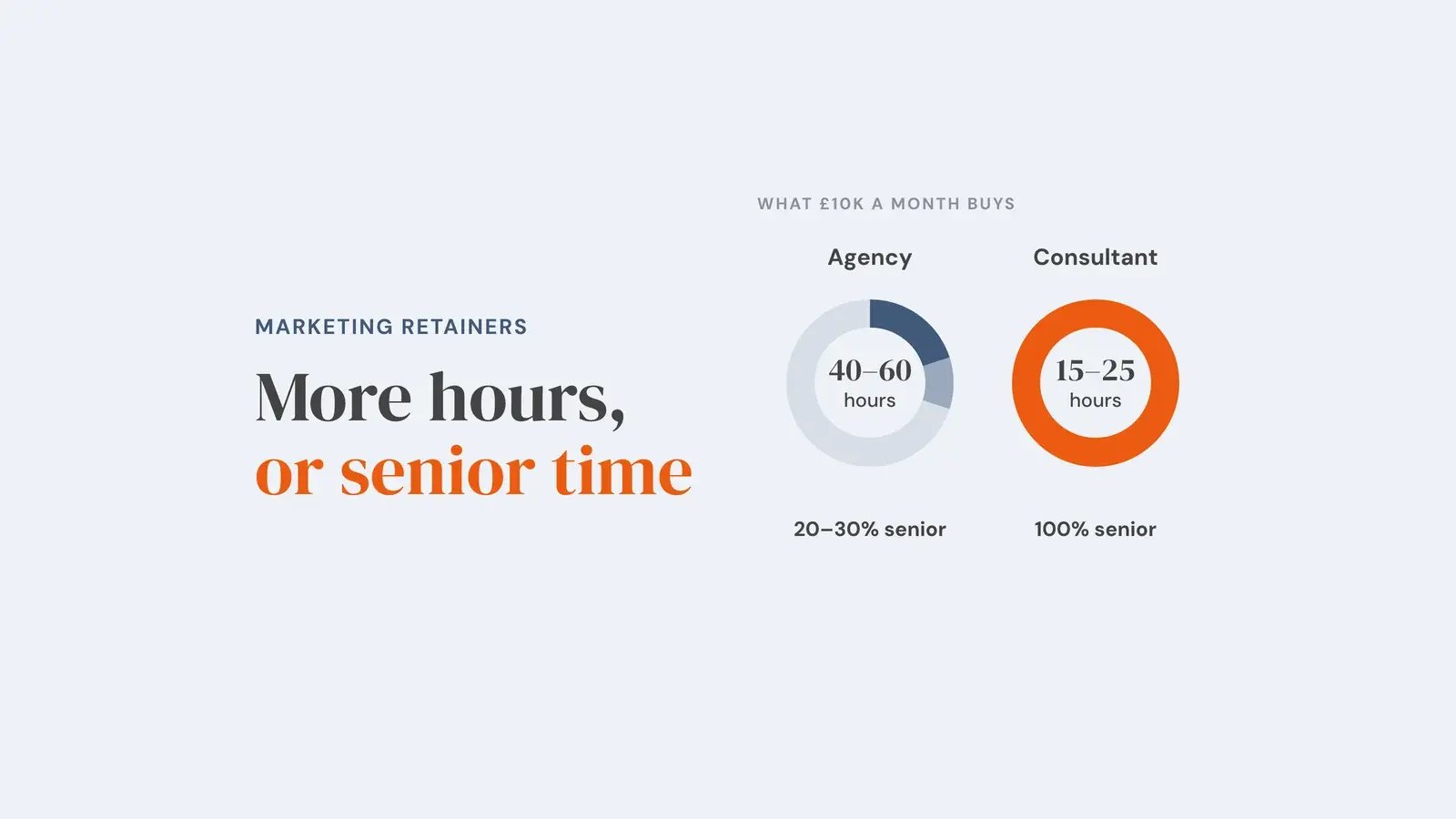
Team seniority: Many agencies pitch senior strategists and deliver junior executives. Ask who will actually work on your account before signing.
Service breadth: Single-channel retainers cost far less than multi-channel programmes. Bundled services increase total cost but do not always improve results proportionally.
Industry competitiveness: Sectors like SaaS, finance, and legal cost more to market in. Agencies factor this into their rates.
Contract length: A 12-month minimum term protects the agency's revenue. The longer the lock-in, the higher the risk to you if performance disappoints.
Agency vs. freelancer vs. in-house: which costs less overall?
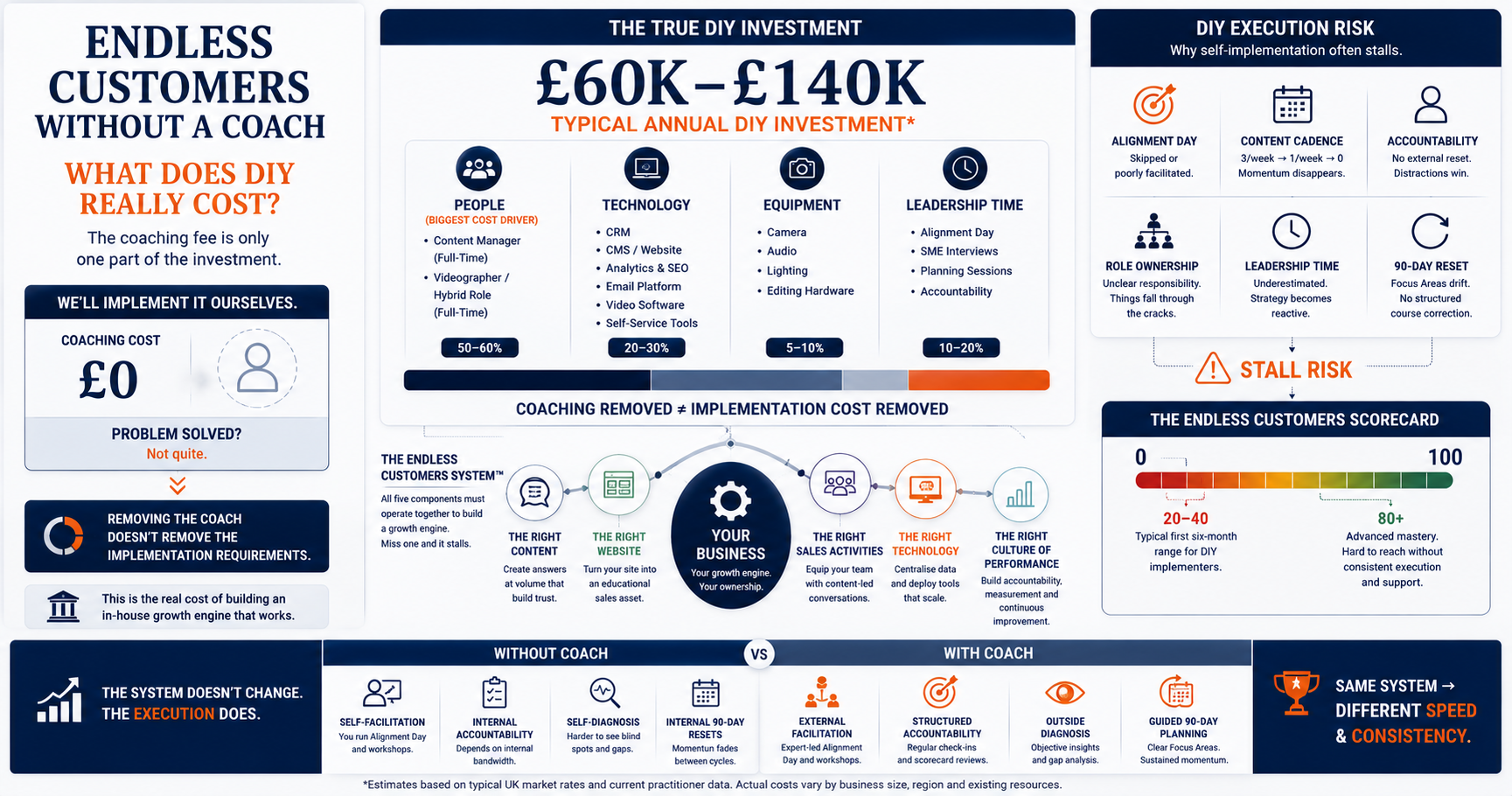
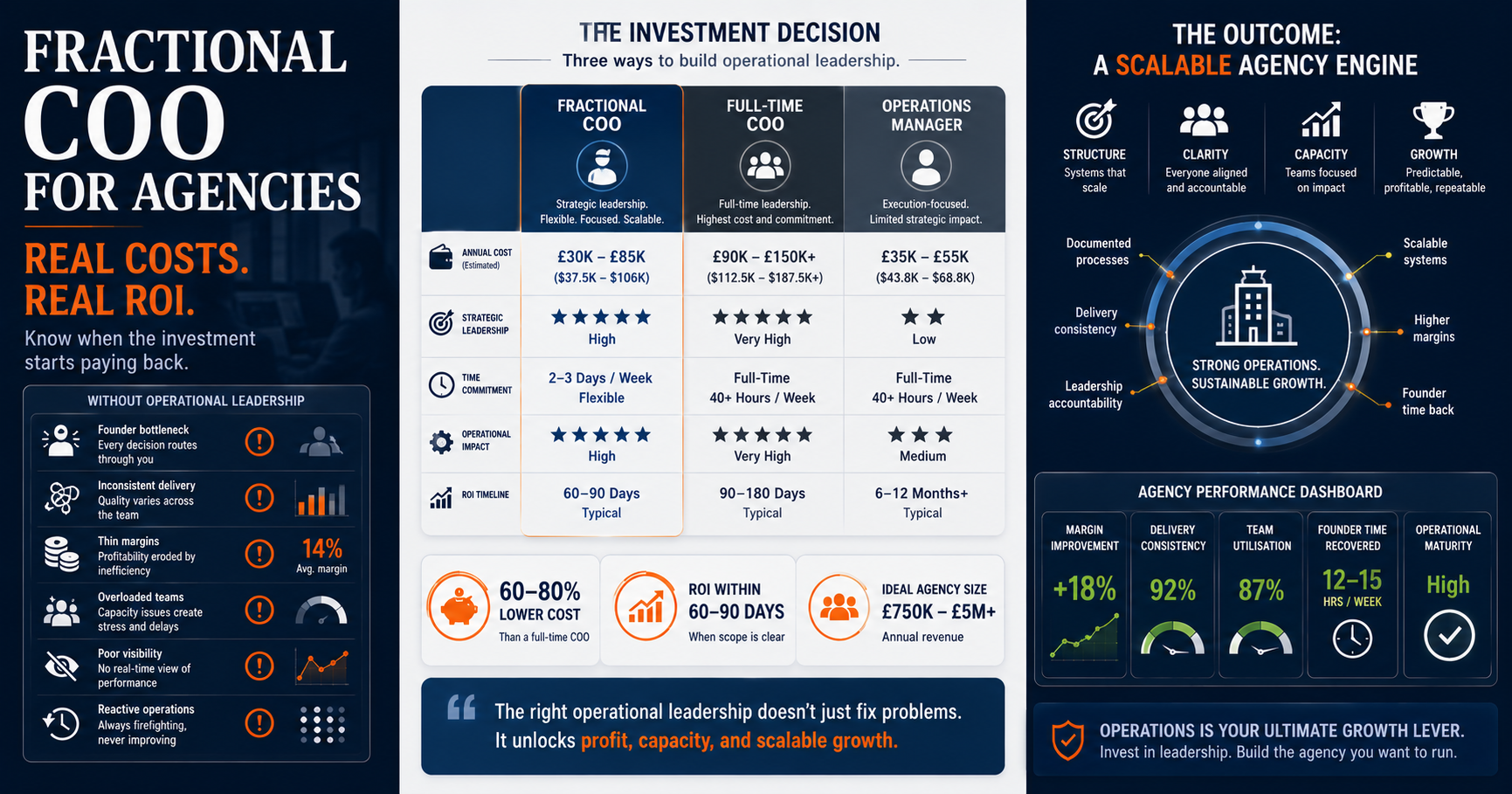
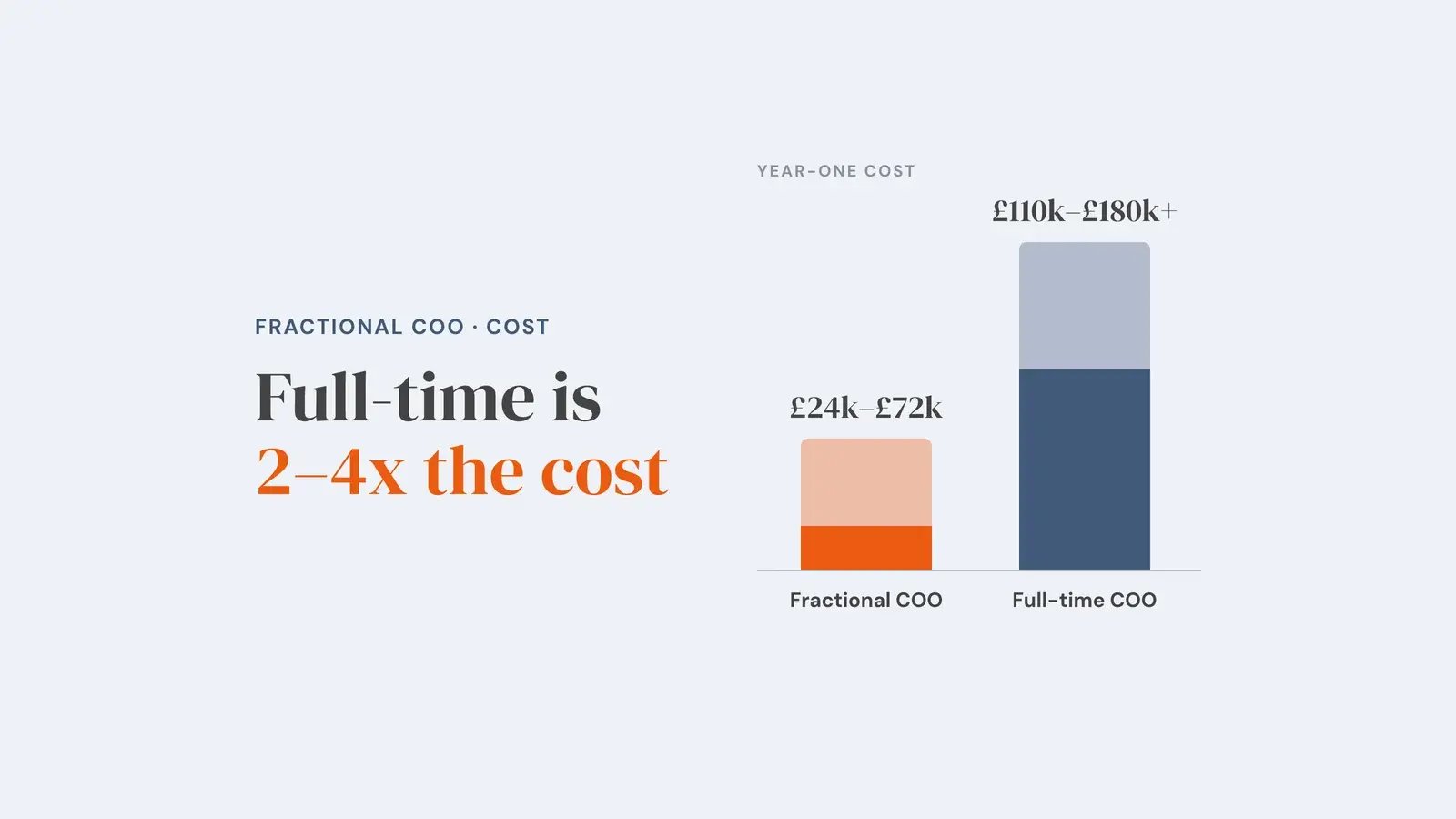
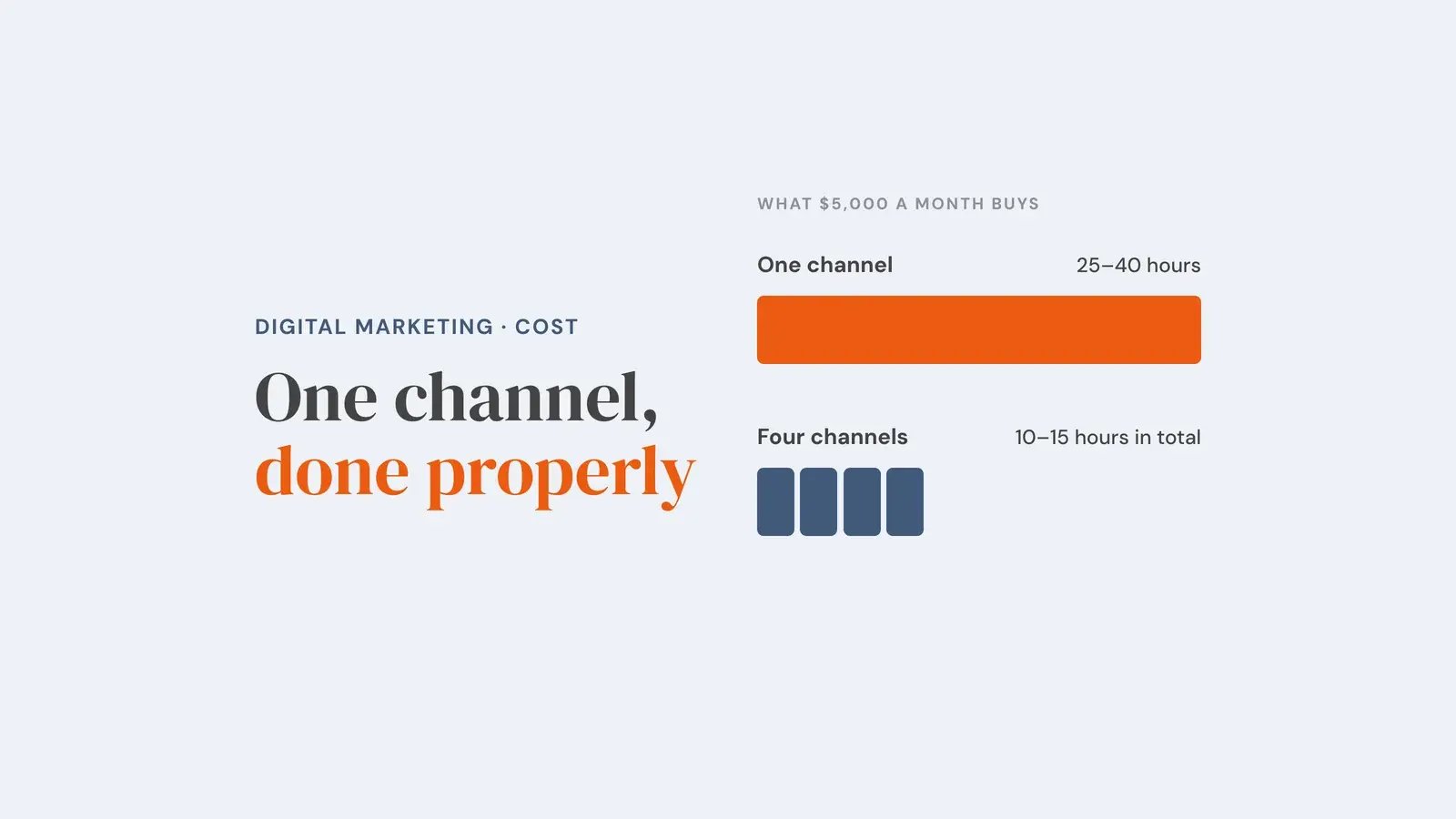
Freelancers are typically the lowest-cost option per task, but a full in-house team often costs more than an agency retainer once salaries, benefits, tools, and management overhead are factored in.
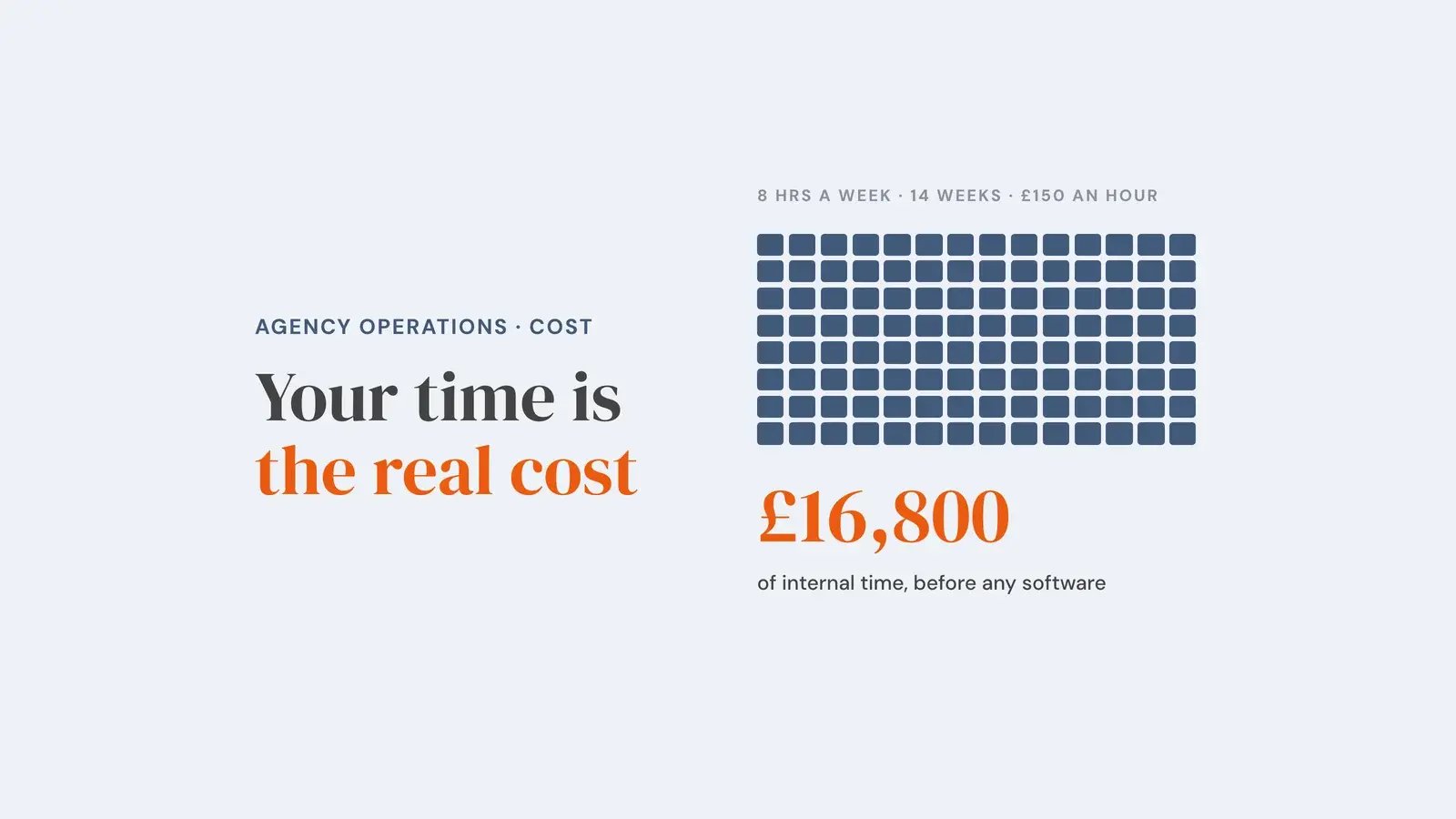
A common assumption, that hiring in-house is always cheaper, is frequently wrong. A UK mid-level marketing manager costs £35,000–£55,000/year ($43,750–$68,750/year) in salary alone. Factor in employer National Insurance contributions, pension, software licences, and management time, and the all-in annual cost reaches £50,000–£75,000 ($62,500–$93,750).
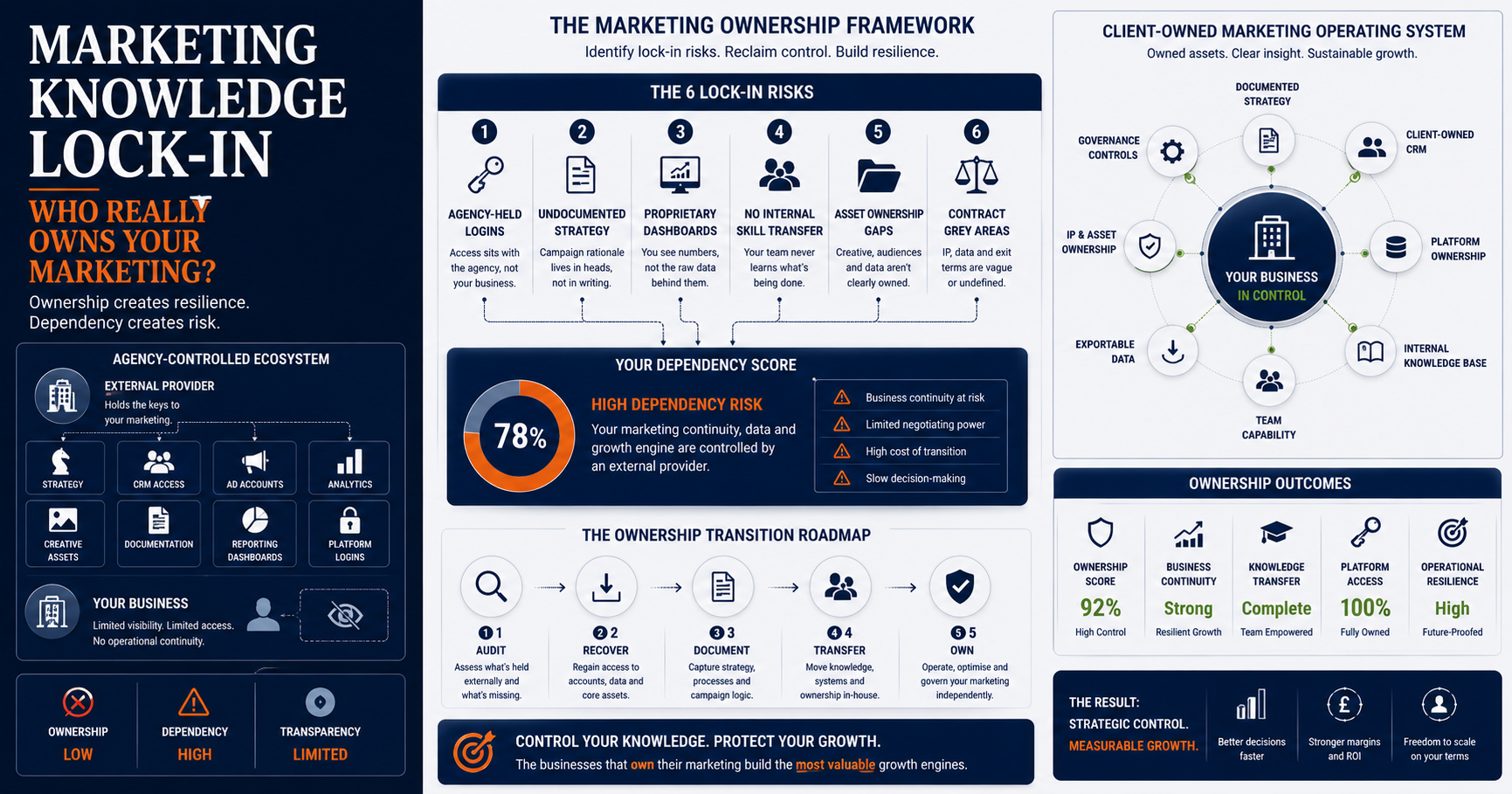
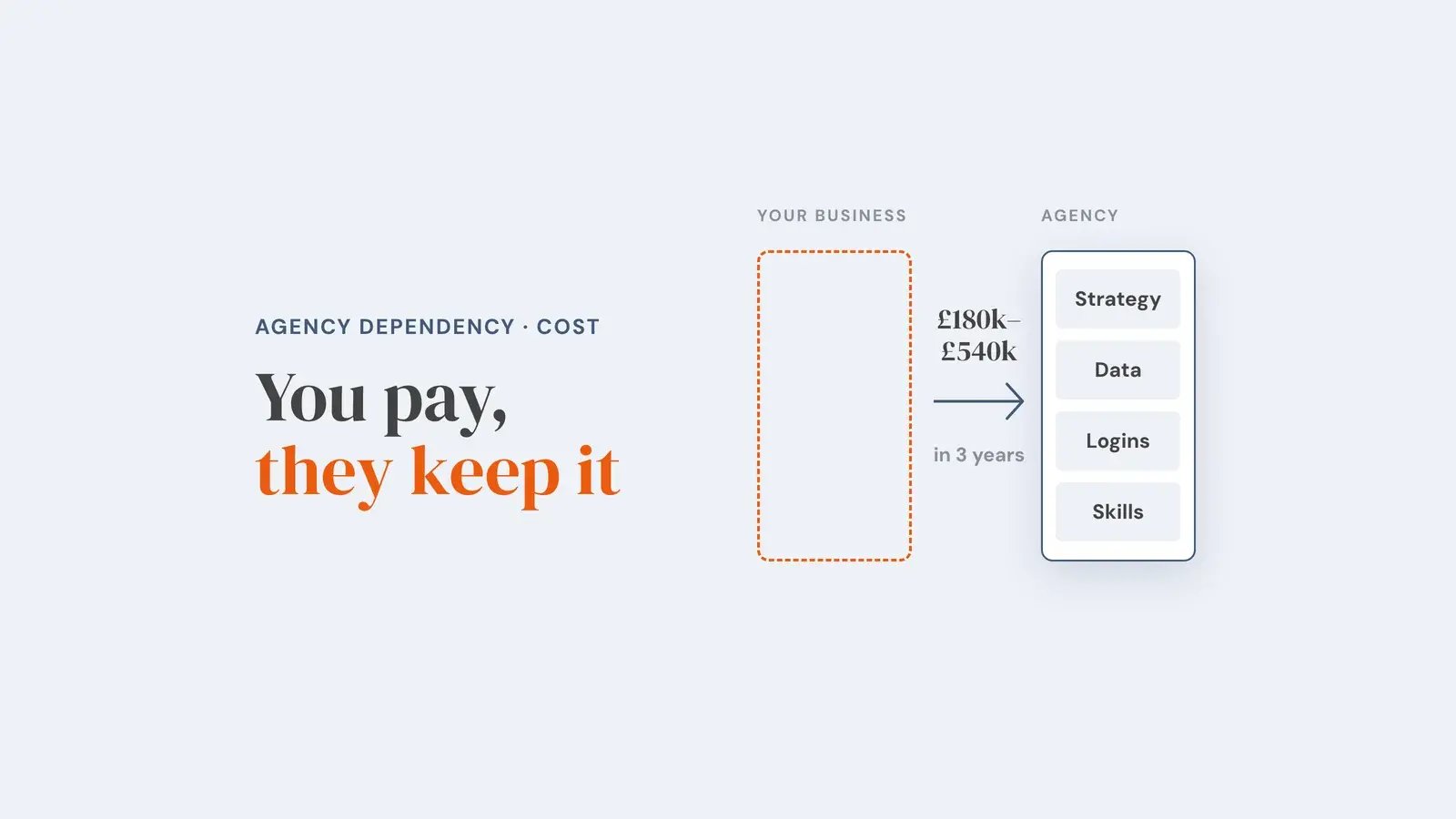
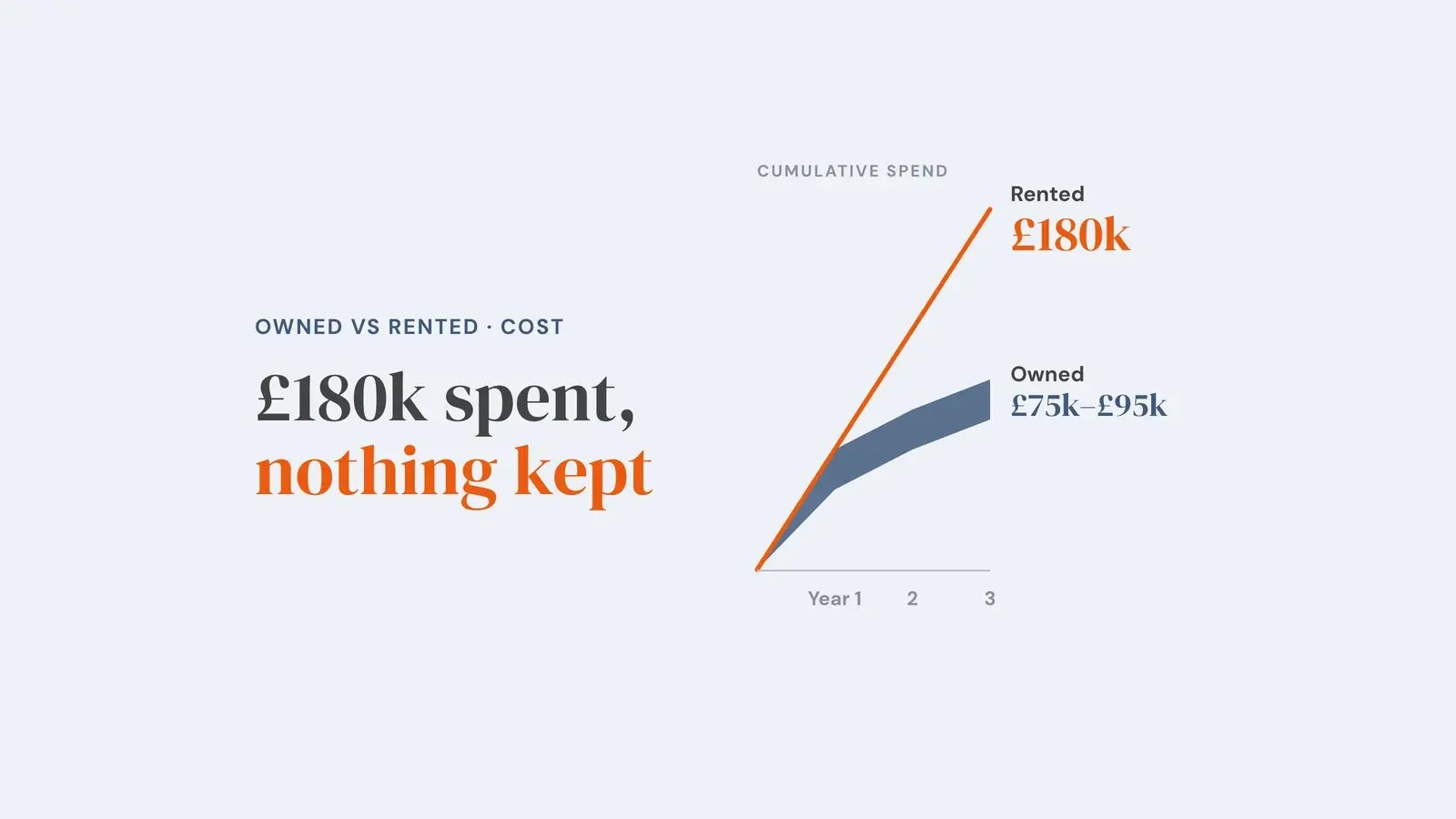
An agency retainer at £5,000/month ($6,250/month) over three years costs £180,000 ($225,000). Whether that represents good value depends entirely on what you own at the end, the systems, the data, the institutional knowledge, or whether it disappears the moment you stop paying.
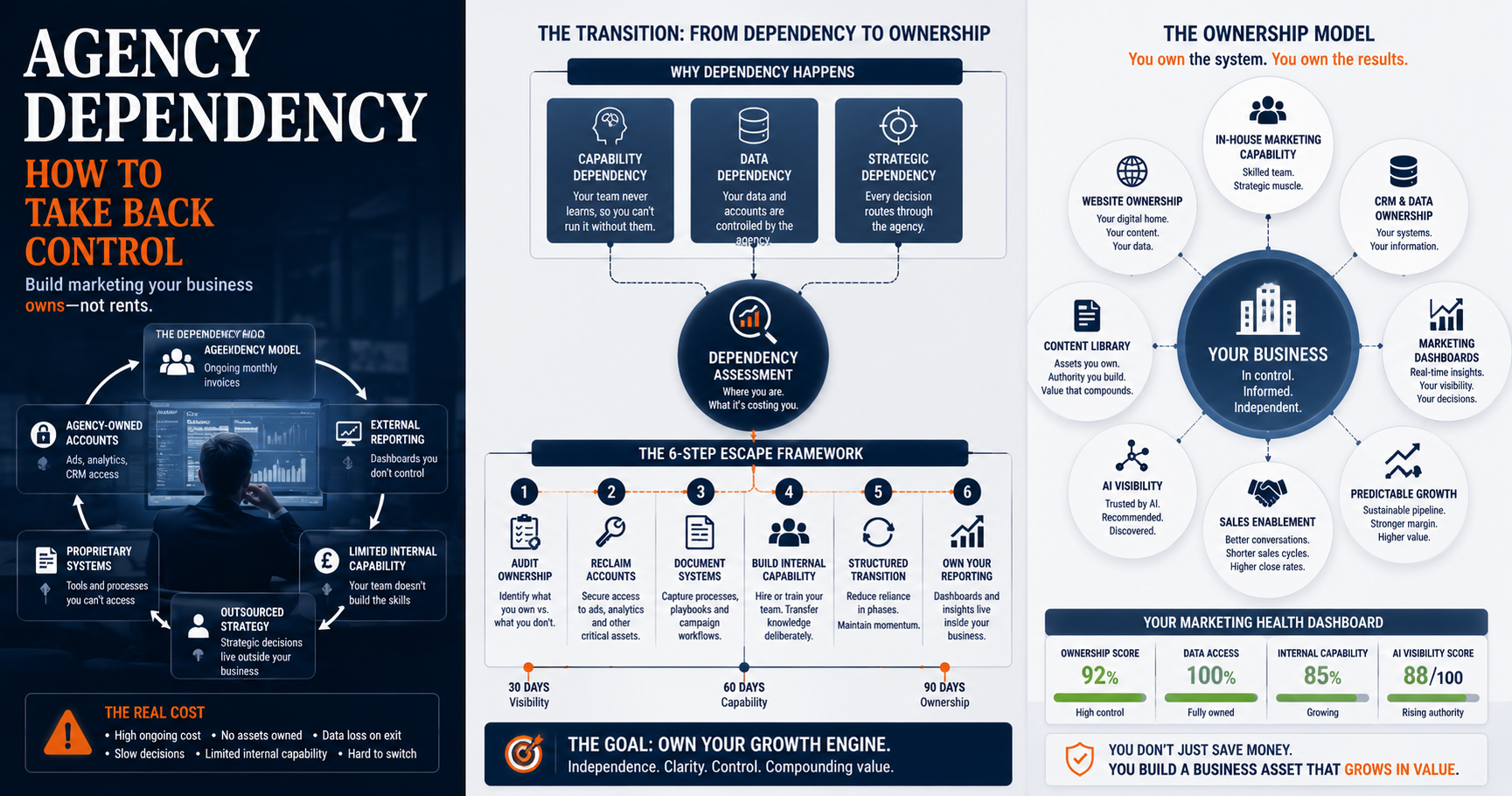
The right choice depends less on headline cost and more on what you retain when the engagement ends.
Red flags in marketing service pricing to watch out for
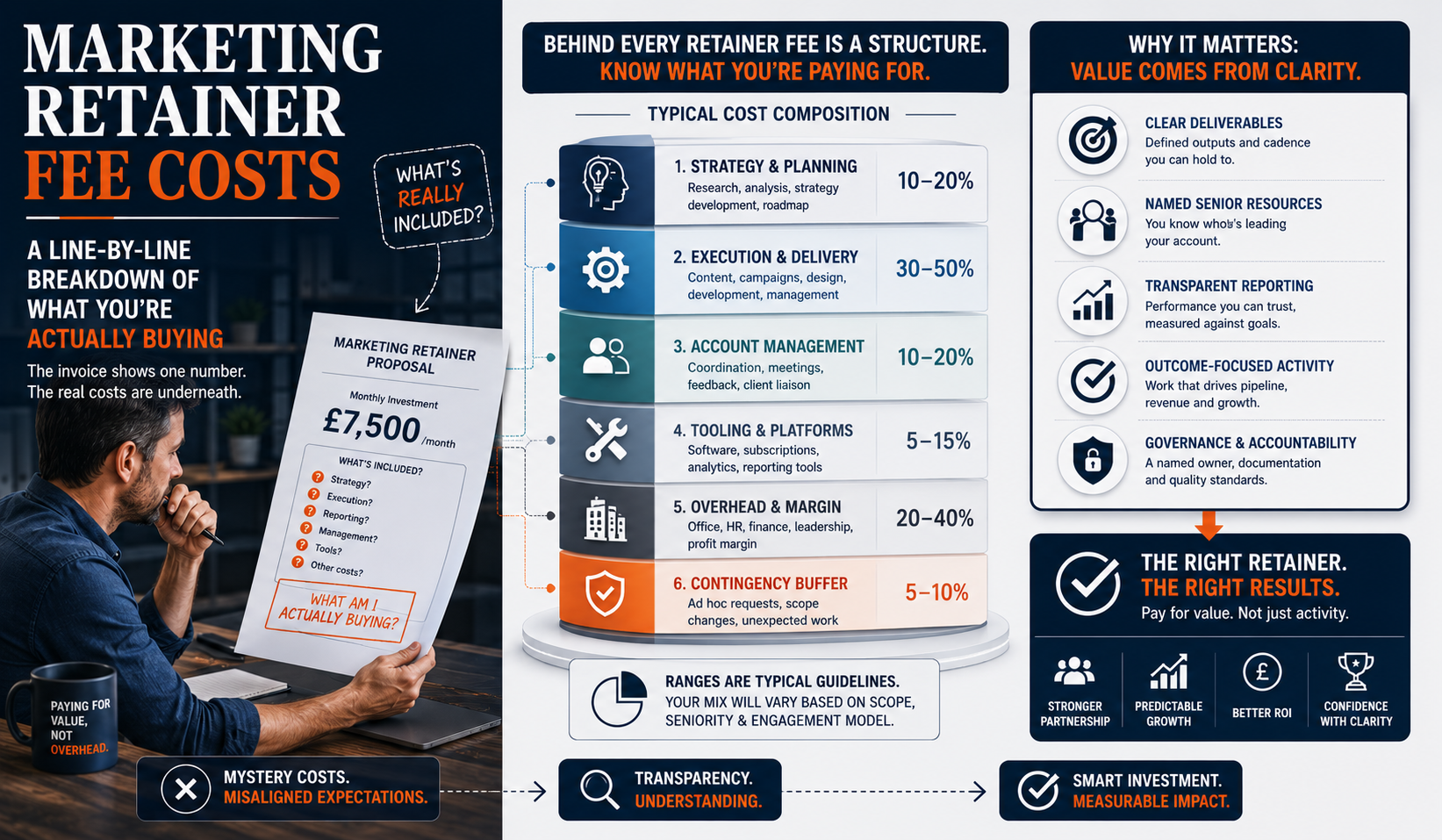
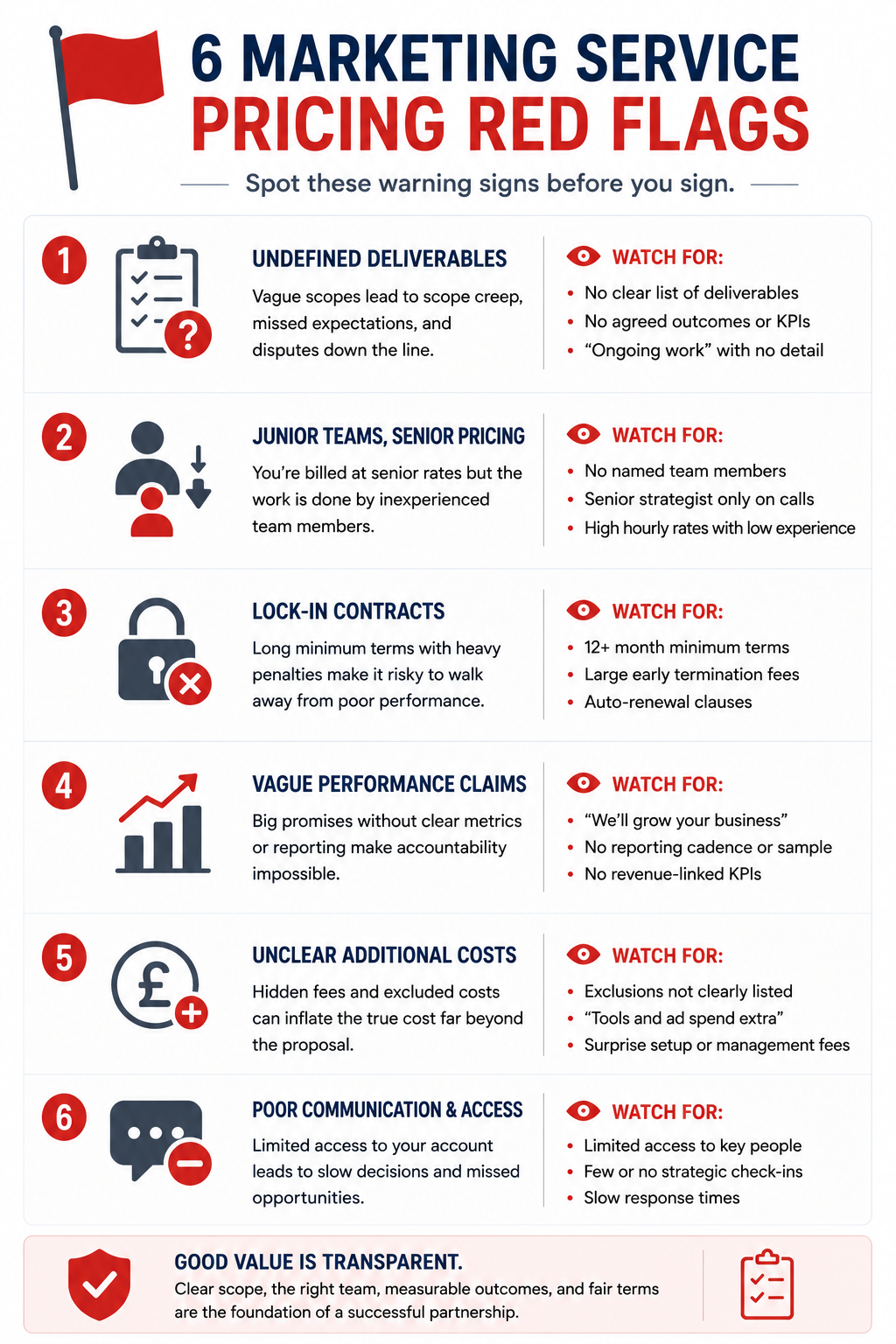
The most common pricing problems buyers encounter include opaque retainer structures with undefined deliverables, junior-heavy teams billed at senior rates, and long lock-in contracts with no performance clauses.
These issues are widespread, not because every agency is dishonest, but because the industry lacks standardised pricing transparency, which consistently disadvantages buyers. They are not unique to agencies, either: freelancers and consultants are equally capable of vague scoping and poor accountability. The warning signs are the same regardless of provider type.
Watch out for:
-
No defined deliverable list: "Ongoing marketing support" is not a scope. If it is not documented, it cannot be held to account. This applies whether you are engaging an agency, a freelancer, or a consultant.
-
Senior pitch, junior delivery: Ask to meet the people who will actually work on your account before signing, not just the account director who presented.
-
12-month minimum with no break clause: This protects provider revenue, not your outcomes.
-
Strategy billed separately from execution: This inflates total cost and typically delays meaningful results.
-
Vanity metrics as performance proof: If reporting does not connect to pipeline or revenue, question what it is concealing.
-
Setup fees with no documented output: Onboarding should produce a documented plan. If it covers internal admin, it is not justified.
What does good value in marketing services look like?
Good value means a clearly scoped deliverable list, named senior contacts on your account, defined KPIs with a regular reporting cadence, and pricing tied to commercial outcomes, not hours worked.
The best providers are transparent about what is included, what is not, and what additional costs may arise before you sign. If you cannot get clear answers to the questions below before a contract is raised, that absence is your answer.
Use these 7 criteria to assess any proposal:
- Is there a specific deliverable list — not a description of activities?
- Do you know who will work on your account by name and seniority level?
- Are KPIs tied to pipeline or revenue — not just traffic or follower growth?
- Is the pricing model explained clearly, with no vague add-ons?
- Can you exit if defined performance targets are not met?
- Does the provider transfer knowledge to your team, or retain it themselves?
- Is there a clear statement of what you own when the engagement ends?
How to budget for marketing services: a step-by-step framework
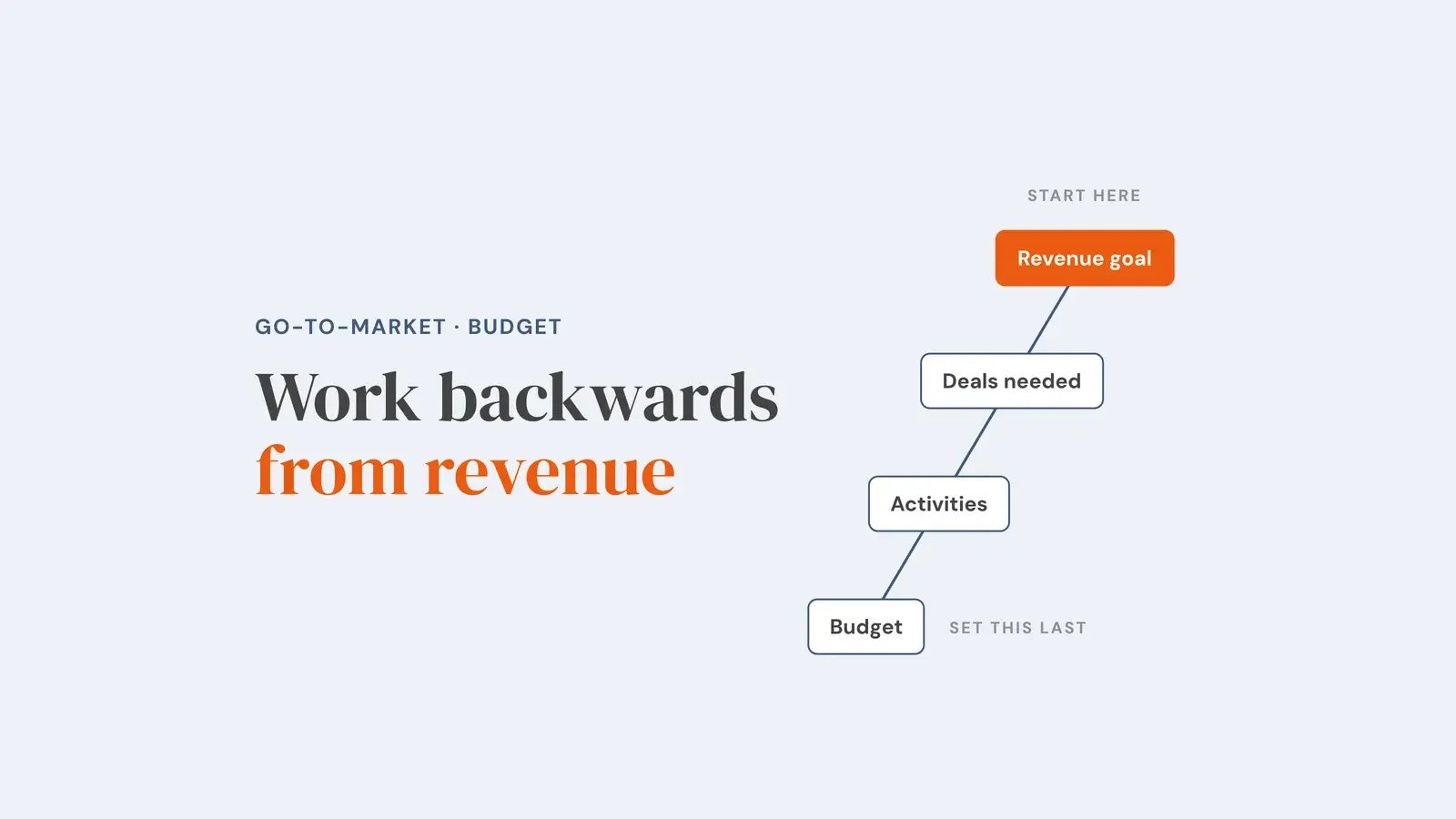
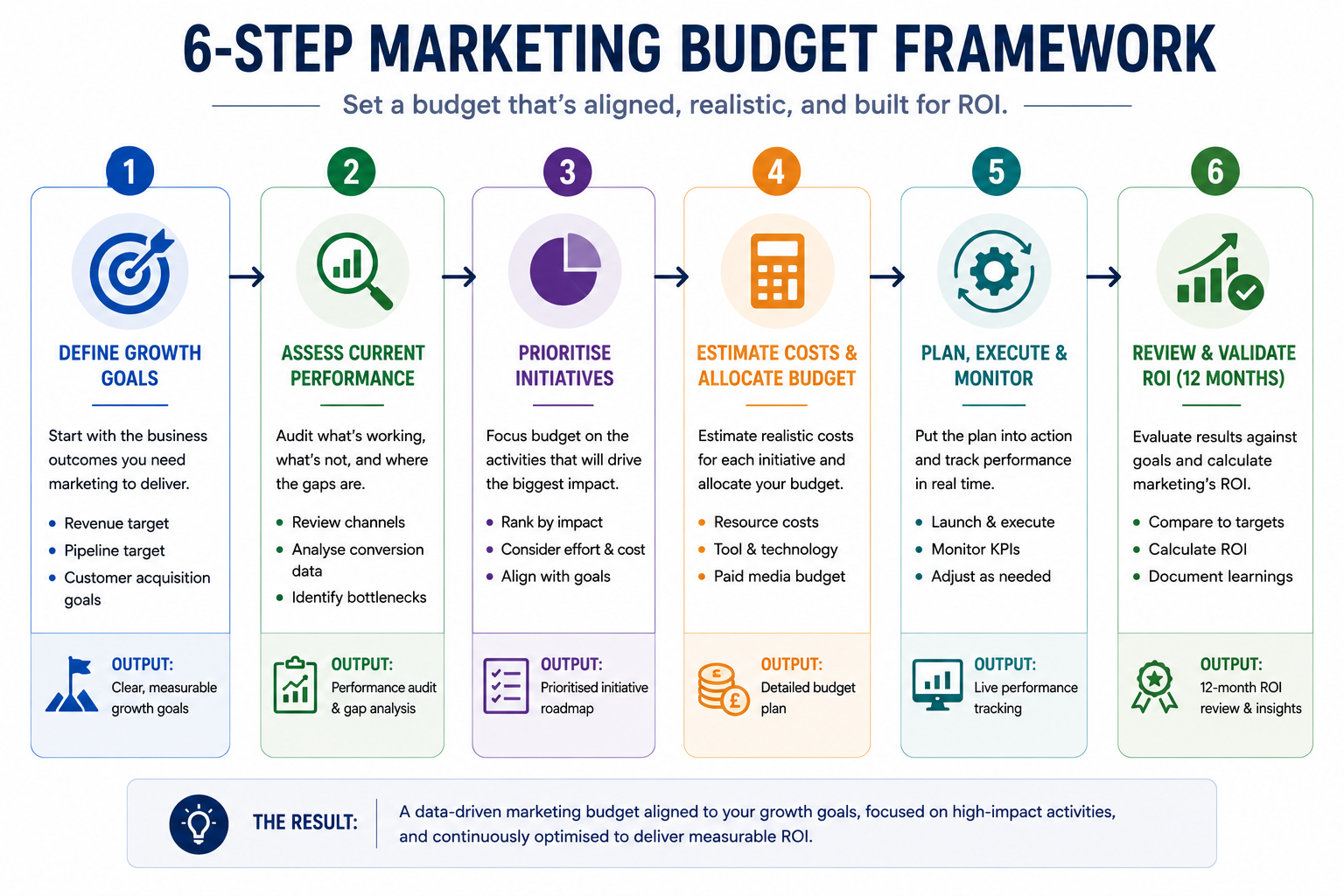
Start by defining the outcomes you need to buy, such as leads, pipeline, revenue attribution, before setting a budget, not after.
Working backwards from outcomes produces a budget that is realistic for providers to price against and defensible to your leadership team. Assigning an arbitrary percentage of revenue produces neither.
- Define your growth goal: e.g. 40 qualified leads per month, £1.5m ($1,875,000) new pipeline in 12 months
- Identify your cost per acquisition: what does one new customer currently cost you to win?
- Map the channels required: which services align with how your buyers actually research and decide?
- Price each channel: use the ranges in this article as a starting benchmark
- Add tools and one-off setup costs: CRM licensing, website work, any required technical setup
- Validate against 12-month ROI: if a £3,000/month ($3,750/month) investment produces £15,000/month ($18,750/month) in qualified pipeline, the numbers hold
Simple formula
Monthly marketing budget = (Annual revenue target ÷ average deal value) x average cost per acquisition ÷ 12
Example: Target £600,000/year ($750,000/year) in new revenue. Average deal value: £30,000 ($37,500). Cost per acquisition: £3,000 ($3,750). Minimum monthly budget: £5,000/month ($6,250/month).
Frequently asked questions about marketing service costs
The questions below address the specific pricing concerns buyers most commonly raise before signing a contract. Each answer is intentionally concise; the relevant section above covers each topic in fuller detail.
Is a percentage of ad spend a fair way to price paid media management?
It is common, but not always fair. Most agencies charge 10–20% of monthly ad spend, meaning their fee rises as your spend rises, regardless of whether performance improves. A flat retainer or a hybrid model (flat fee plus a small performance percentage) better aligns incentives between agency and client.
Should I pay a setup or onboarding fee?
Only if there is a clearly documented output, such as an audit, strategy document, or account architecture. If the fee covers the provider's internal admin and familiarisation time, it is not justified. Ask to see what the setup fee produces in writing.
How do I know if I am being overcharged?
Use the price ranges in this article to benchmark. If a boutique agency is quoting £8,000/month ($10,000/month) for a single-channel service without explaining team seniority and deliverables in writing, that is worth challenging directly.
Can I negotiate marketing service pricing?
Yes. Contract length, scope, reporting cadence, and included hours are all negotiable. Shorter commitments often cost slightly more per month, but they reduce your risk significantly if performance disappoints.
What is a reasonable minimum budget to start with a marketing agency?
A meaningful engagement with a boutique agency typically starts at £1,500–£3,000/month ($1,875–$3,750/month). Below that, you are more likely to receive template-based, low-touch delivery than genuine strategic input.
Conclusion
The next agency quote you receive shouldn't feel like a number pulled from thin air.
You now have real benchmarks, a budget framework built on outcomes rather than guesswork, and a clear set of criteria to assess whether any proposal represents genuine value, before you commit to anything.
The pricing problem in marketing is structural. Providers have no incentive to publish transparent rates. Buyers have historically had no benchmarks to push back with. That changes when you know what the market actually charges, and what you should own at the end of any engagement.
How to take action now
- Benchmark any current or incoming proposals against the service-by-service ranges in this article
- Apply the 7-point good value criteria before signing any retainer or project contract
- Use the backwards budgeting formula to set what you should spend before approaching any provider
- Run every proposal against the 6 red flag checklist
If you want an honest structural view of whether your current marketing investment is set up correctly, book a 90-Minute Marketing Triage™ for a diagnosis before spend.
Explore the In-House Growth Engine™, structured marketing support with transparent pricing, no lock-in, and a system your team owns at the end.

About the author
Tom Wardman is a fractional marketing consultant and Growth Independence Architect™ working with founder-led B2B companies. He helps businesses replace agency dependency with in-house growth systems their teams own and control. He is one of the UK's first five certified Endless Customers™ coaches, trained directly under Marcus Sheridan, and the author of Build a Trusted Brand. His services are built around one outcome: a growth system that stays inside your business long after his involvement ends.
Pricing disclaimer: All GBP–USD price conversions use a rate of £1 = $1.25 and are rounded estimates correct at the time of publishing. Exchange rates fluctuate and figures should be treated as indicative only.