

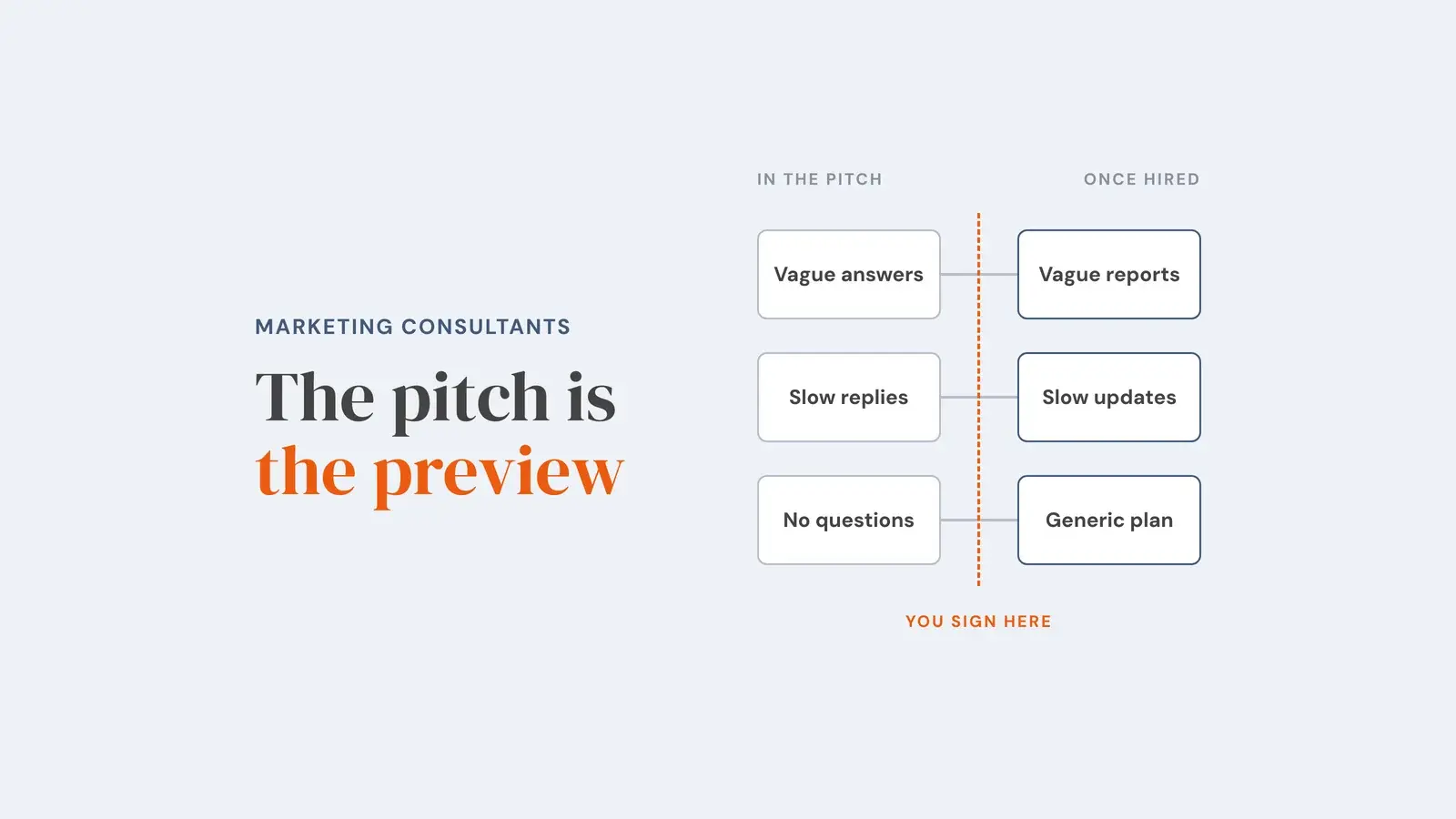
Have you ever hired a marketing consultant who promised big results, but delivered vague reports and excuses?
Or worse, are you trying to choose one right now and worried about making a costly mistake?
In this article, I'll walk you through the real issues businesses face with consultants, including cost traps, miscommunication, and misaligned goals. I'll also show you exactly how to avoid each one. You'll get a breakdown of red flags to watch for, what questions to ask before signing a contract, and how a proven approach solves each of these problems before they start.
Why most businesses struggle with marketing consultants (and how to fix it)
Businesses struggle when hiring marketing consultants primarily because expectations, deliverables, and success metrics are rarely defined clearly from the start.
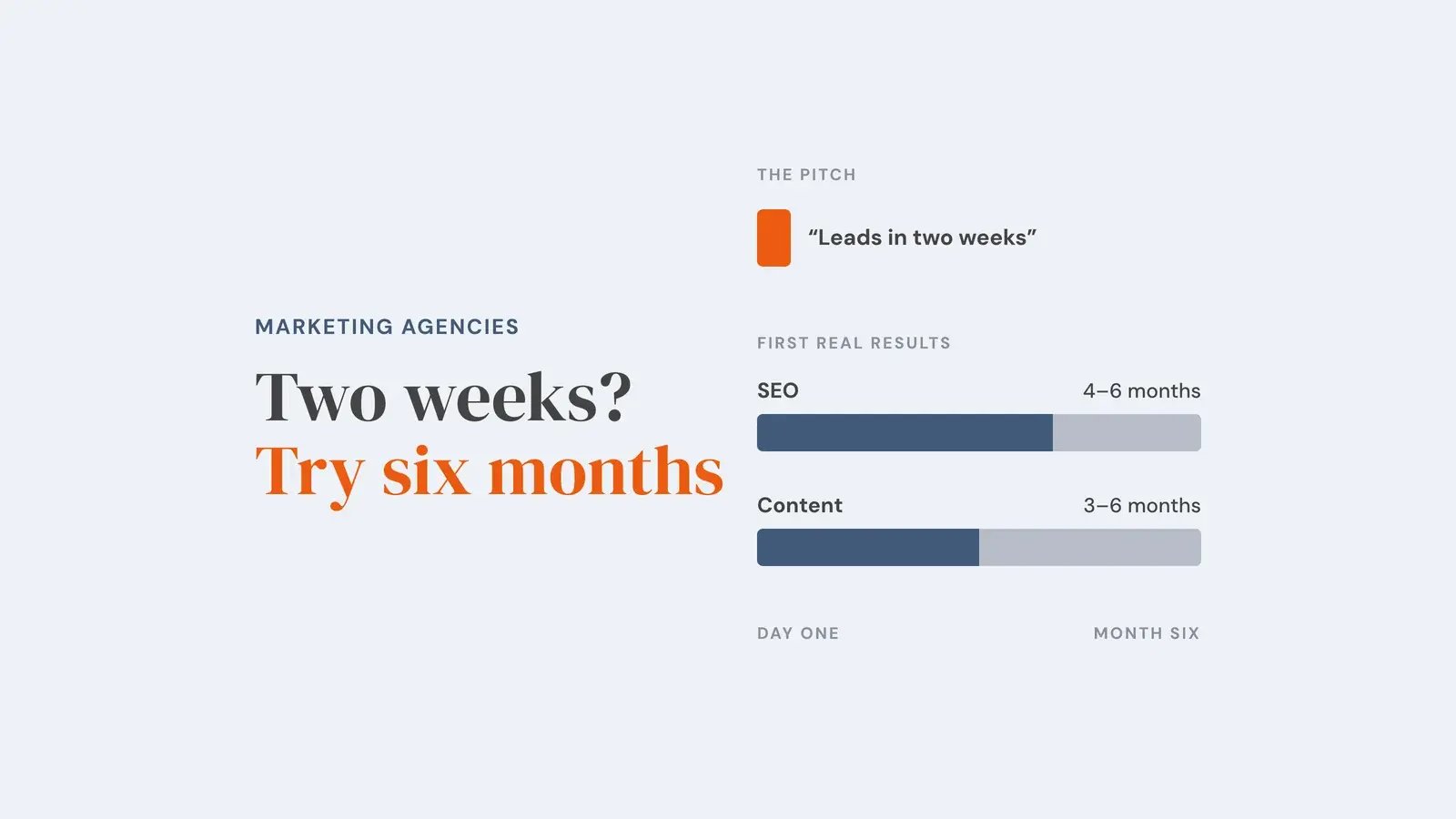
The problem gets worse because marketing results take time. You can't always see the impact in week one or even month one.
When consultants and clients don't agree on what "success" looks like, frustration builds on both sides. The consultant thinks they're delivering strategy while you're expecting leads and sales.
This disconnect happens most often when:
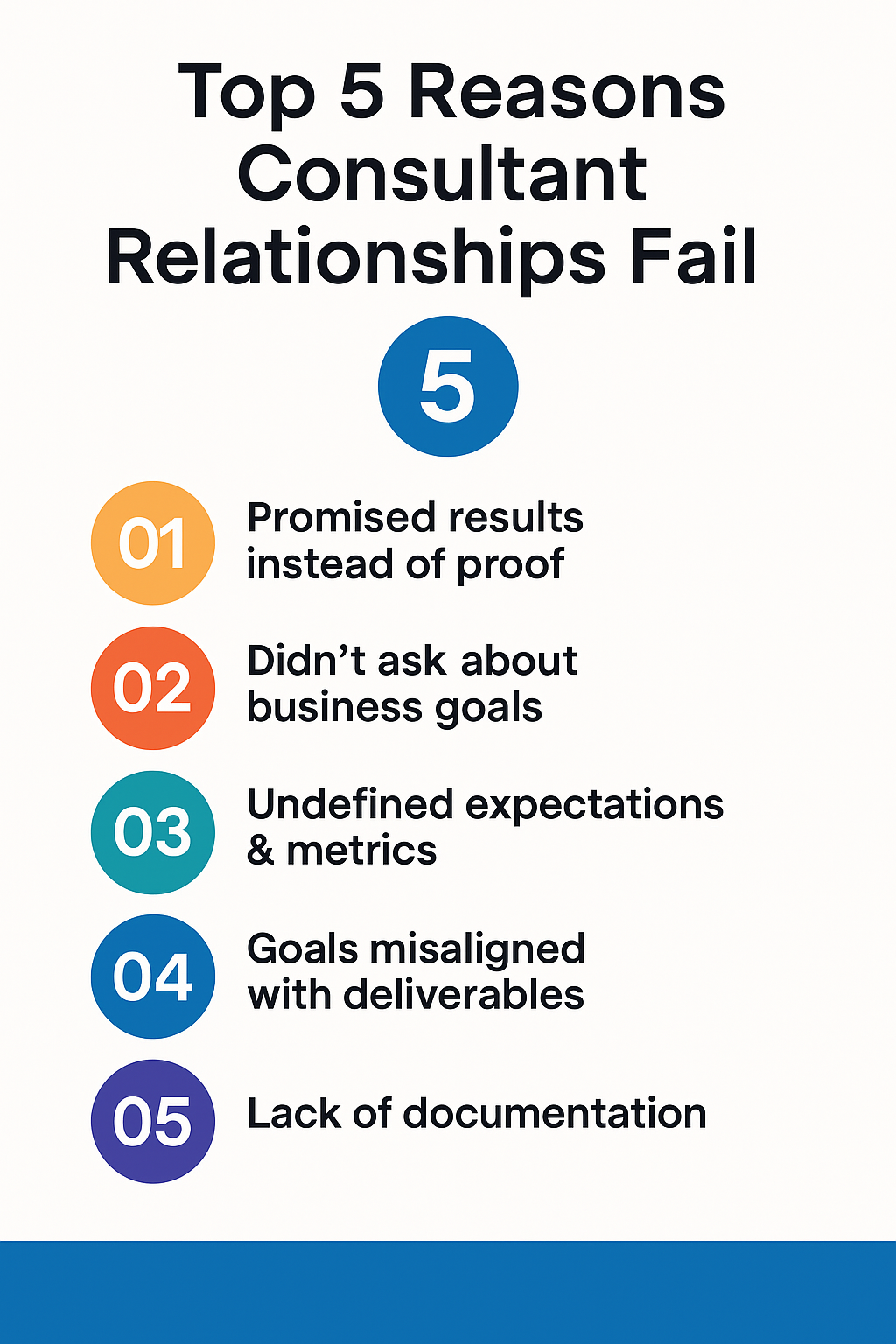
- You hire based on promises instead of proven results
- The consultant doesn't ask enough questions about your business goals
- Neither side documents what will actually be delivered
Common cost problems with marketing consultants, and how to avoid them
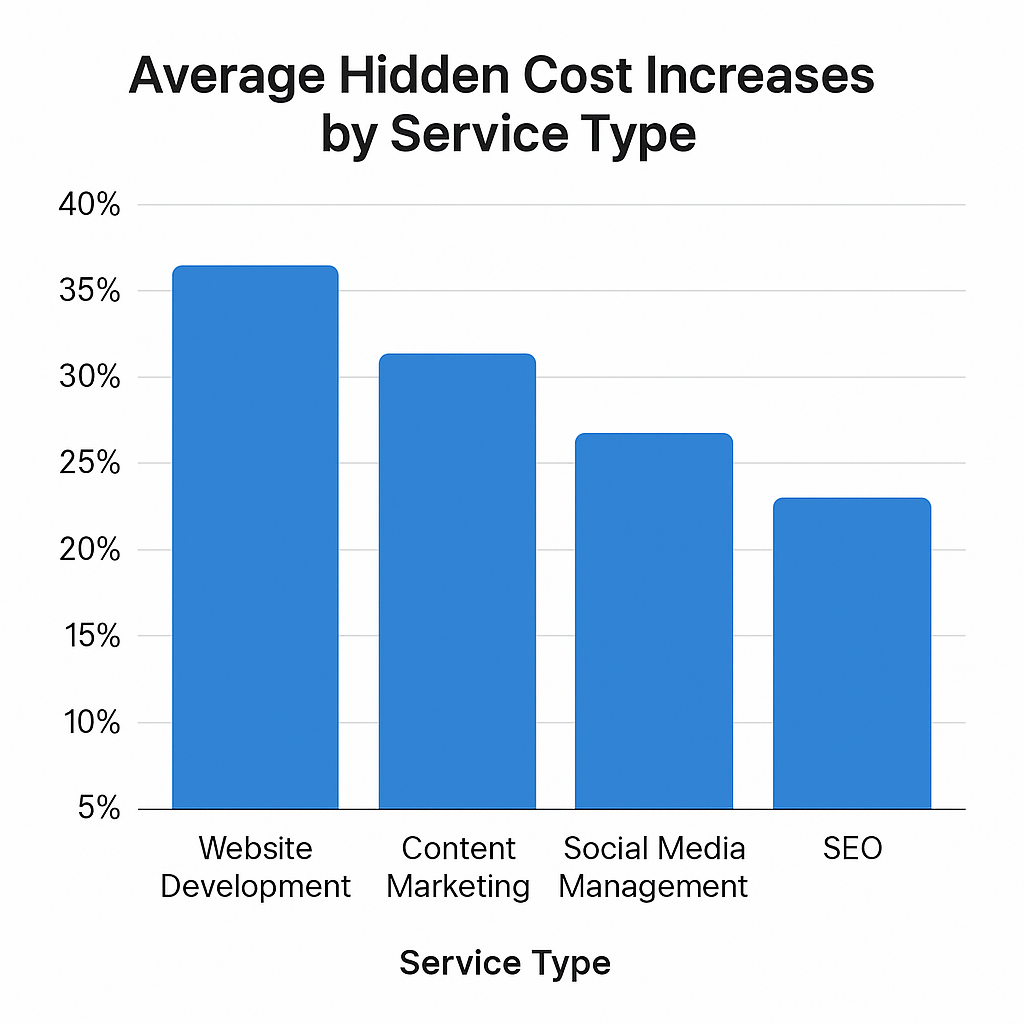
The most common cost problems include hidden fees, scope creep that doubles your budget, and paying premium prices without seeing proportional results.
Many consultants quote one price, then add charges for things you assumed were included. That "simple" website project suddenly needs paid plugins, extra revisions, and ongoing maintenance fees.
Scope creep is even more damaging. Your three-month project stretches to six months because the consultant keeps adding "necessary" work that wasn't in the original agreement.
Here's what cost problems typically look like:
| Cost Problem | What It Means | How It Affects You |
|---|---|---|
| Hidden fees | Charges for services you thought were included | Budget overruns by 30-50% |
| Scope creep | Constant additions to the original project | Timeline doubles, costs spiral |
| Premium pricing with basic delivery | Paying expert rates for junior-level work | Poor ROI, frustration |
| Retainer lock-in | Long-term contracts you can't exit | Trapped paying for poor performance |
The best approach avoids these problems by defining everything upfront. When working with a consultant, you should know exactly what's included, what success looks like, and what you'll pay—no surprises, no scope creep without your approval.
External resource: SprintLaw guide on business contracts
How unclear deliverables damage consultant-client relationships
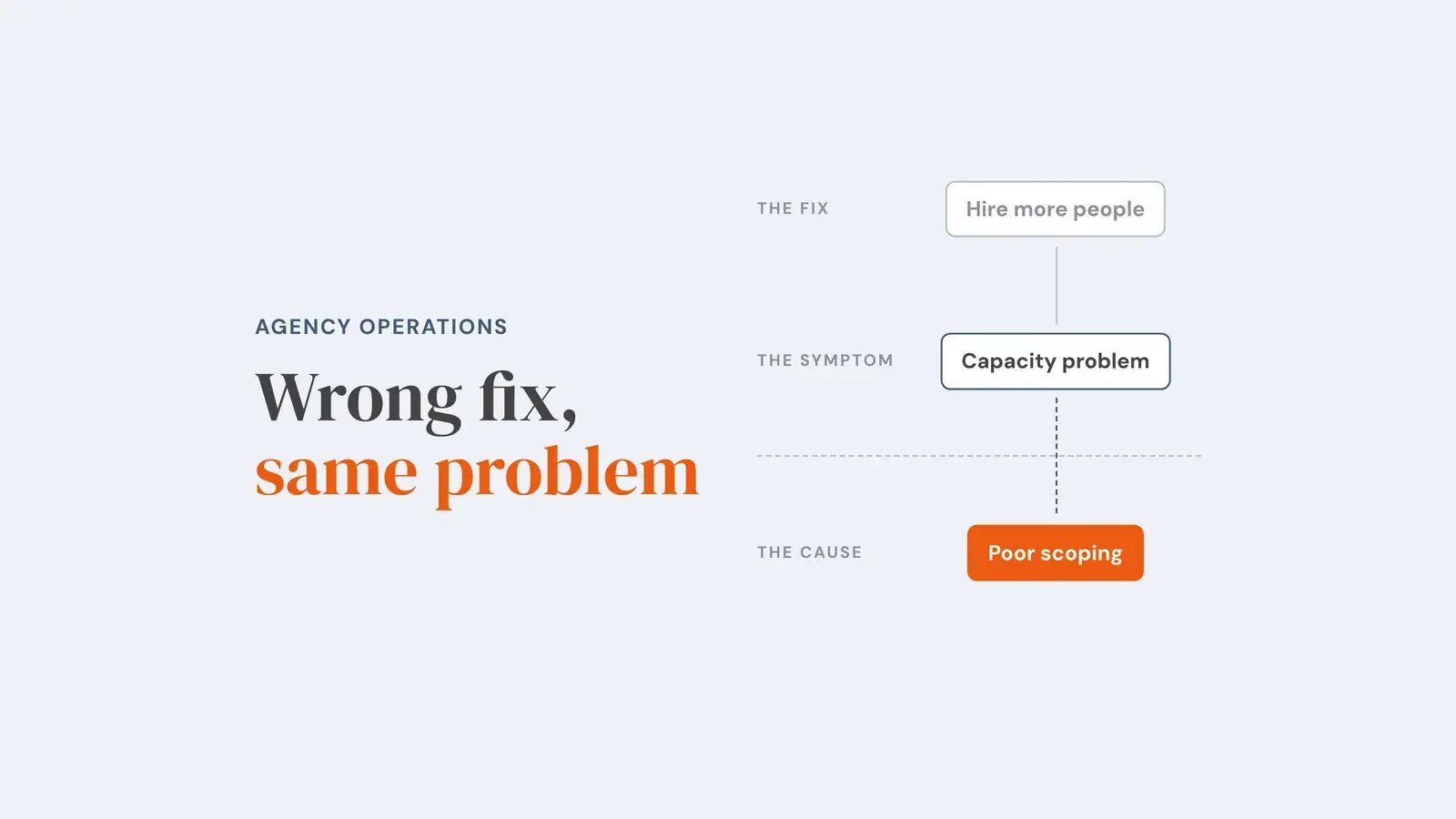
Unclear deliverables create friction because you expect tangible outcomes like new customers while the consultant believes they were hired only for strategic advice.
This misalignment wastes everyone's time. You're waiting for leads. They're delivering strategy documents. Neither side is happy, and the relationship deteriorates fast.
The damage compounds when:
- You can't point to specific deliverables in the contract
- The consultant keeps saying "these things take time"
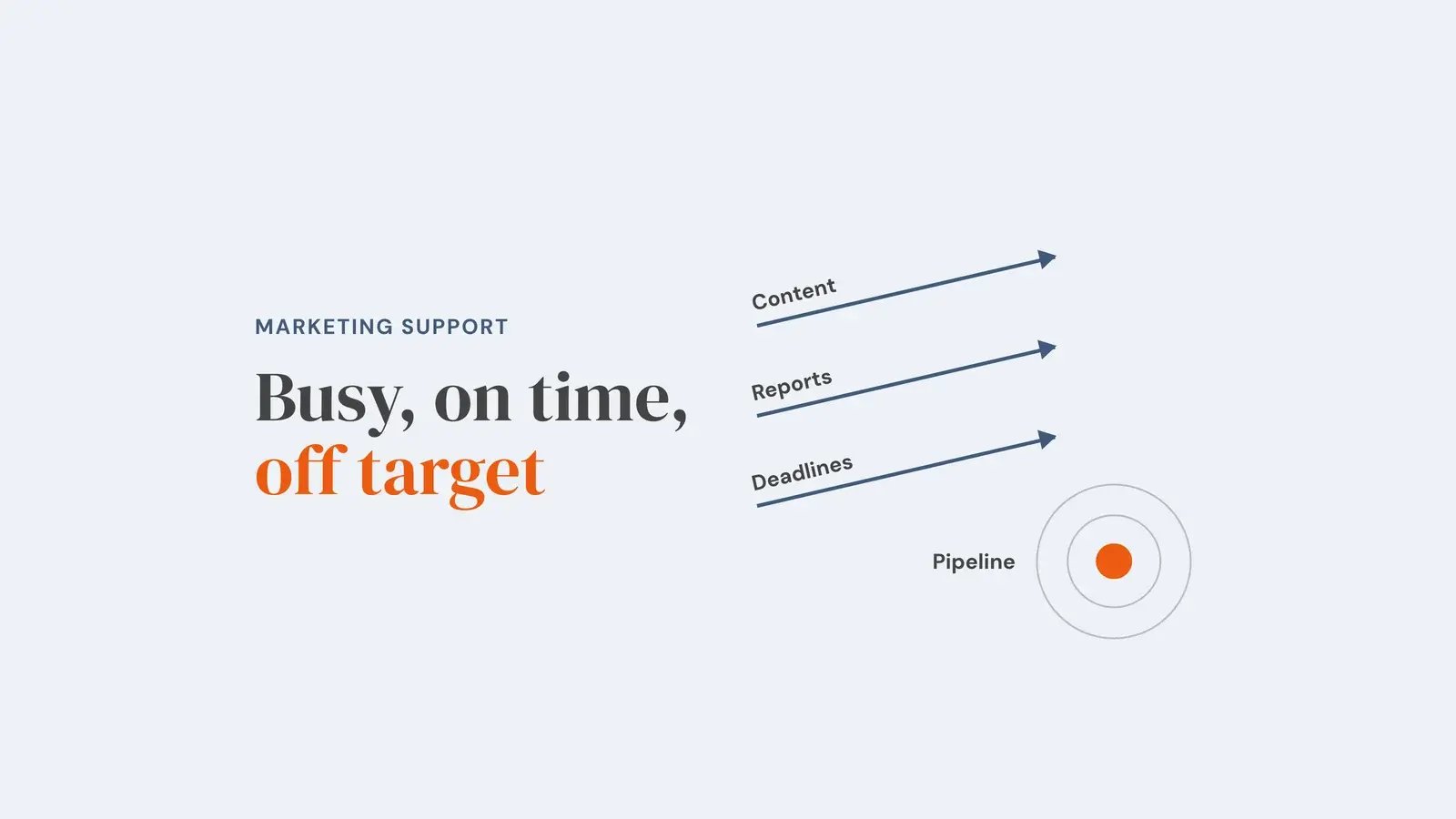
- Monthly reports show activity but not business impact
- You're paying thousands but can't explain what you're getting
This destroys otherwise good working relationships. The solution is documenting every deliverable with clear timelines and measurable outcomes before any work begins. You should always know what you're getting and when to expect it.
Why measuring marketing consultant ROI is so difficult
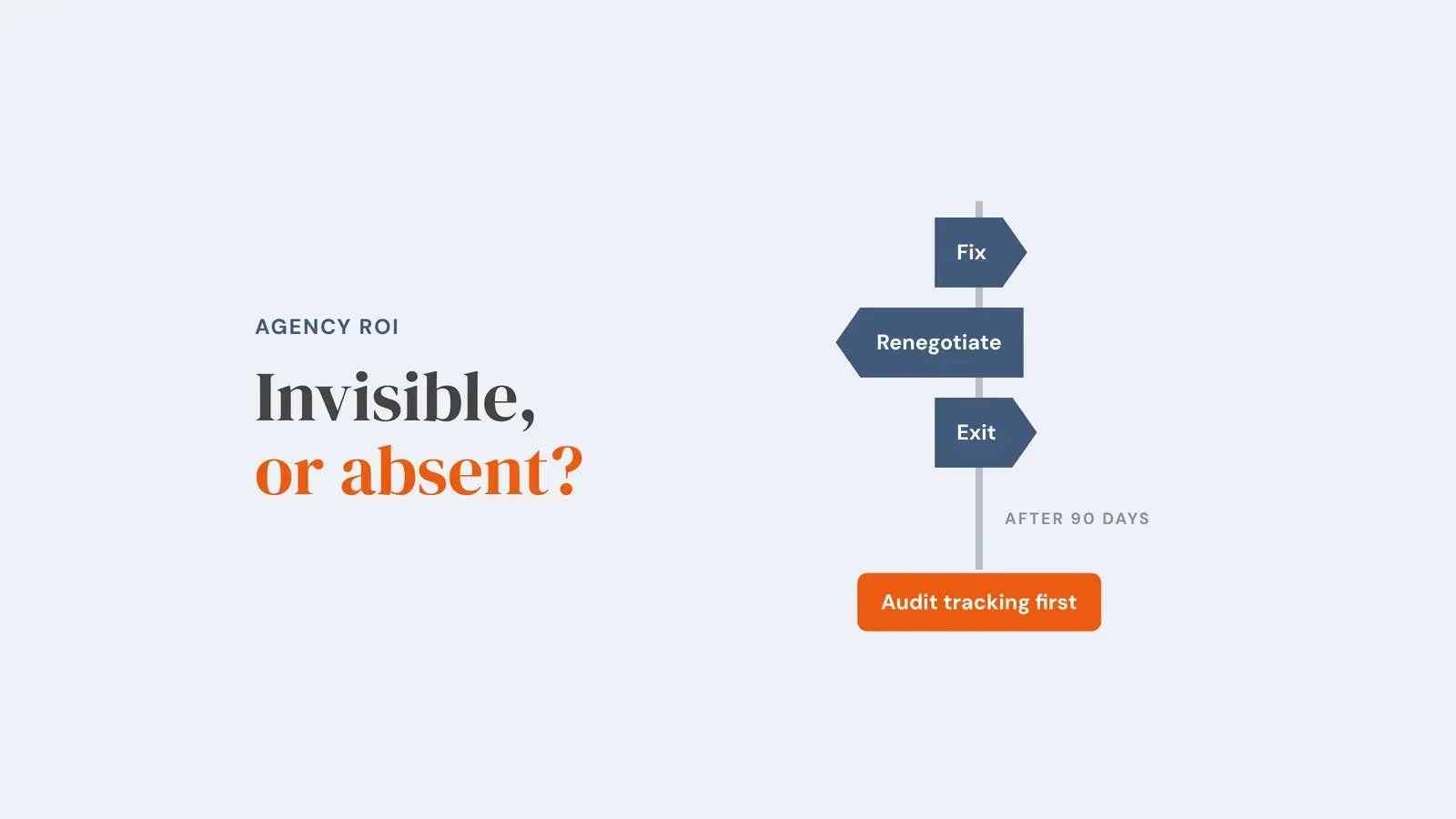
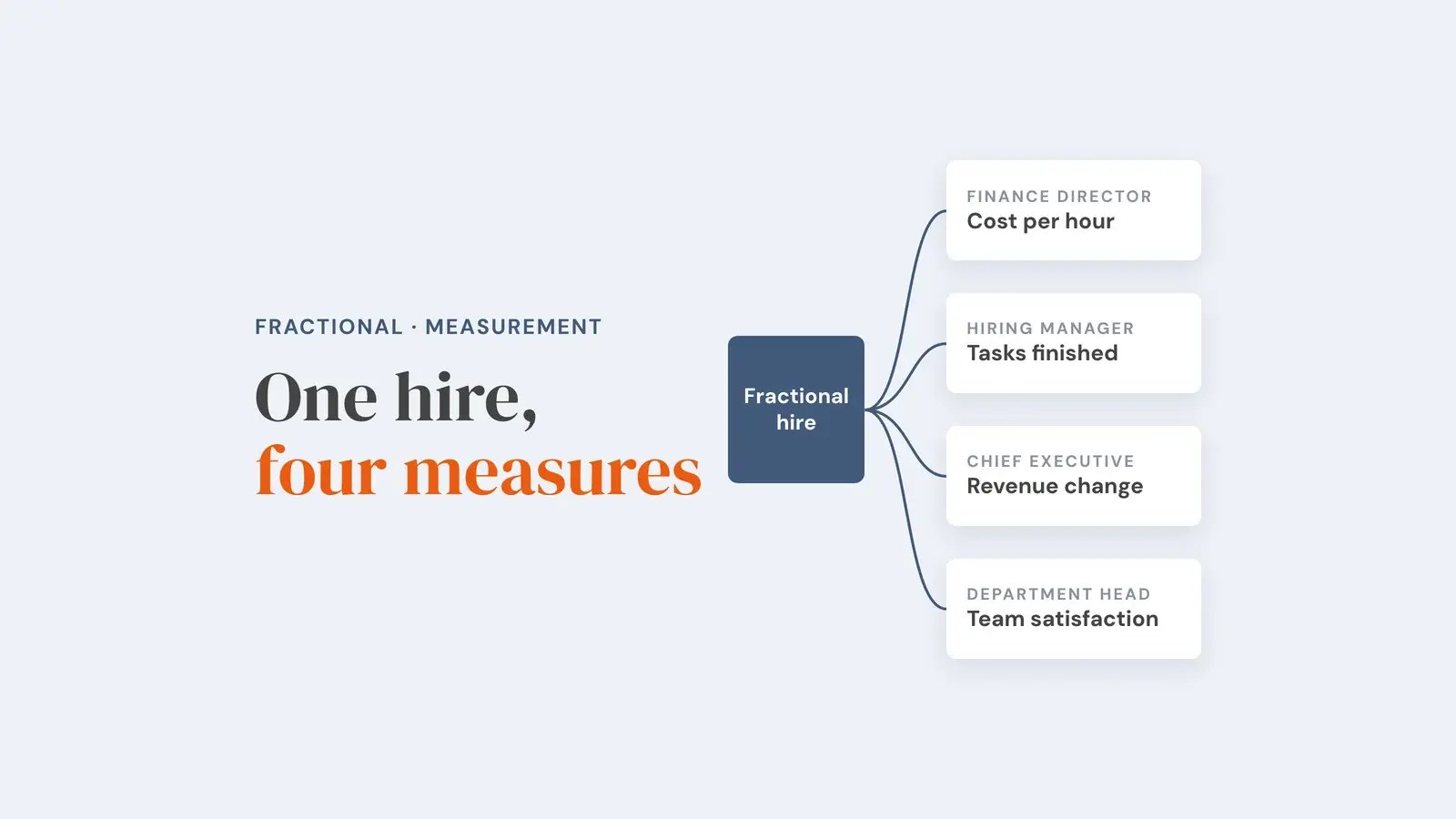
Measuring ROI is difficult because marketing results take months to materialise, attribution is complex, and many consultants focus on activities rather than business outcomes.
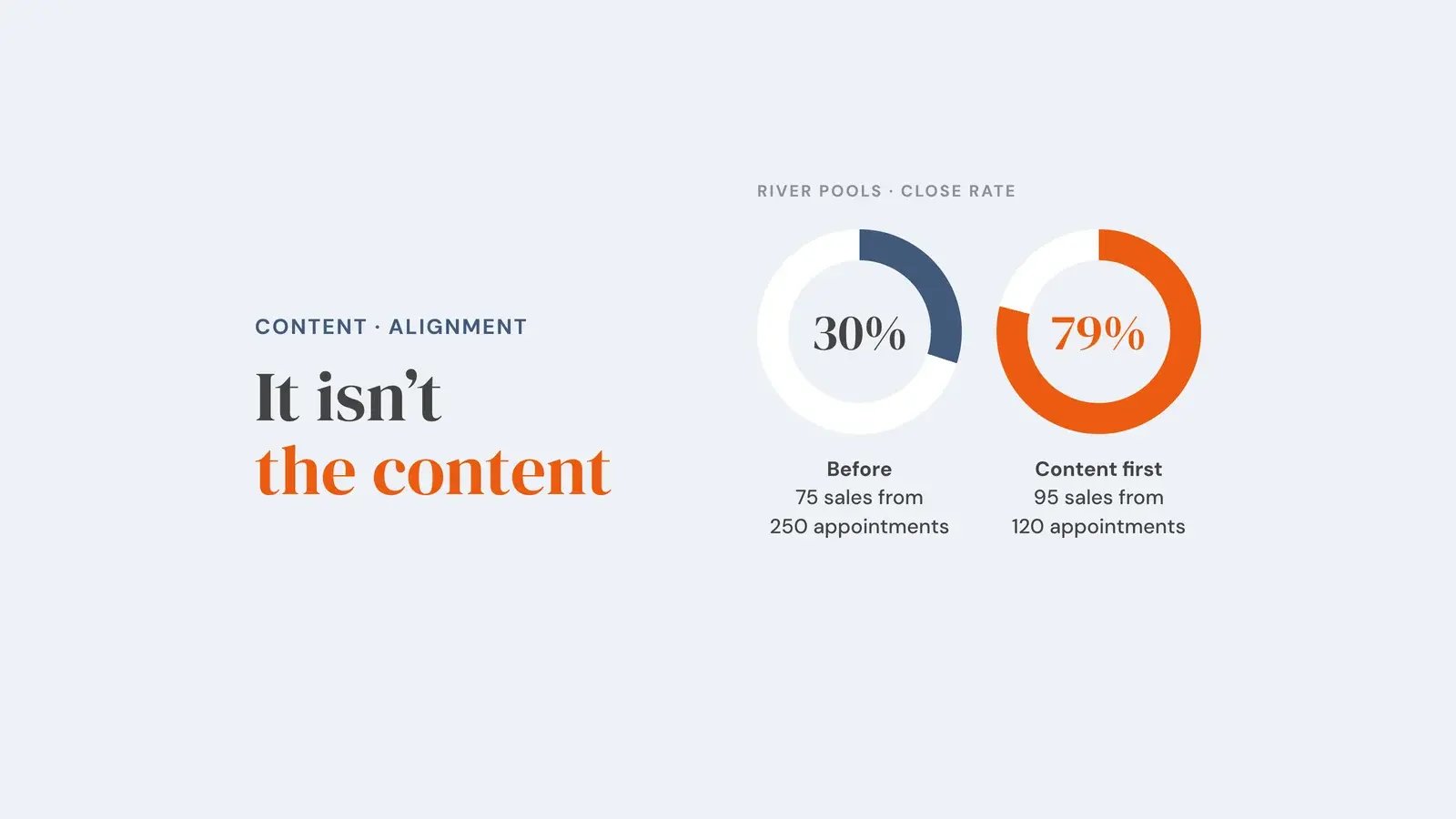
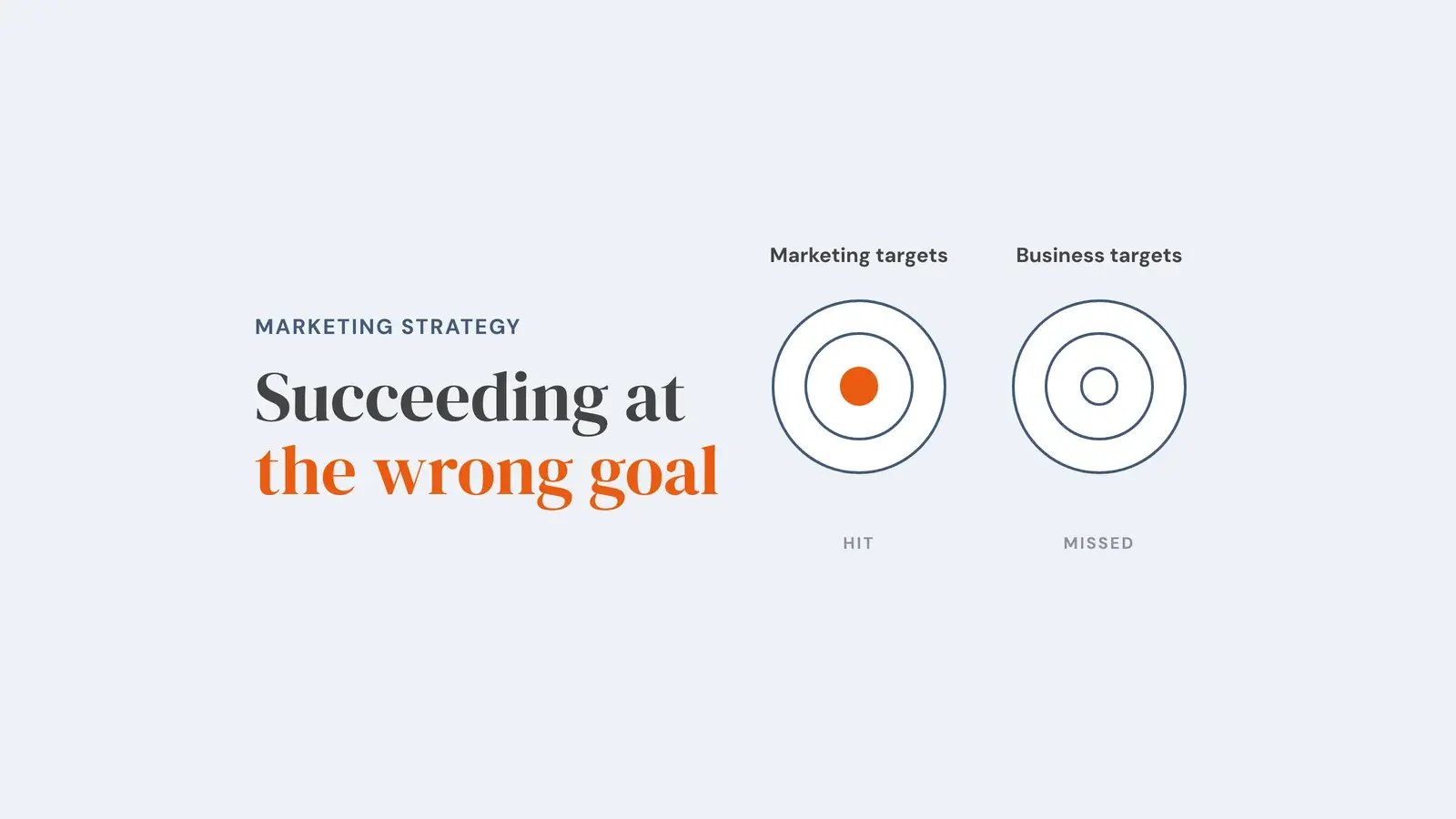
Your consultant might report impressive metrics: website traffic up 200%, social media engagement doubled, ten new blog posts published. But if enquiries and sales haven't increased, none of those numbers matter to your bottom line.
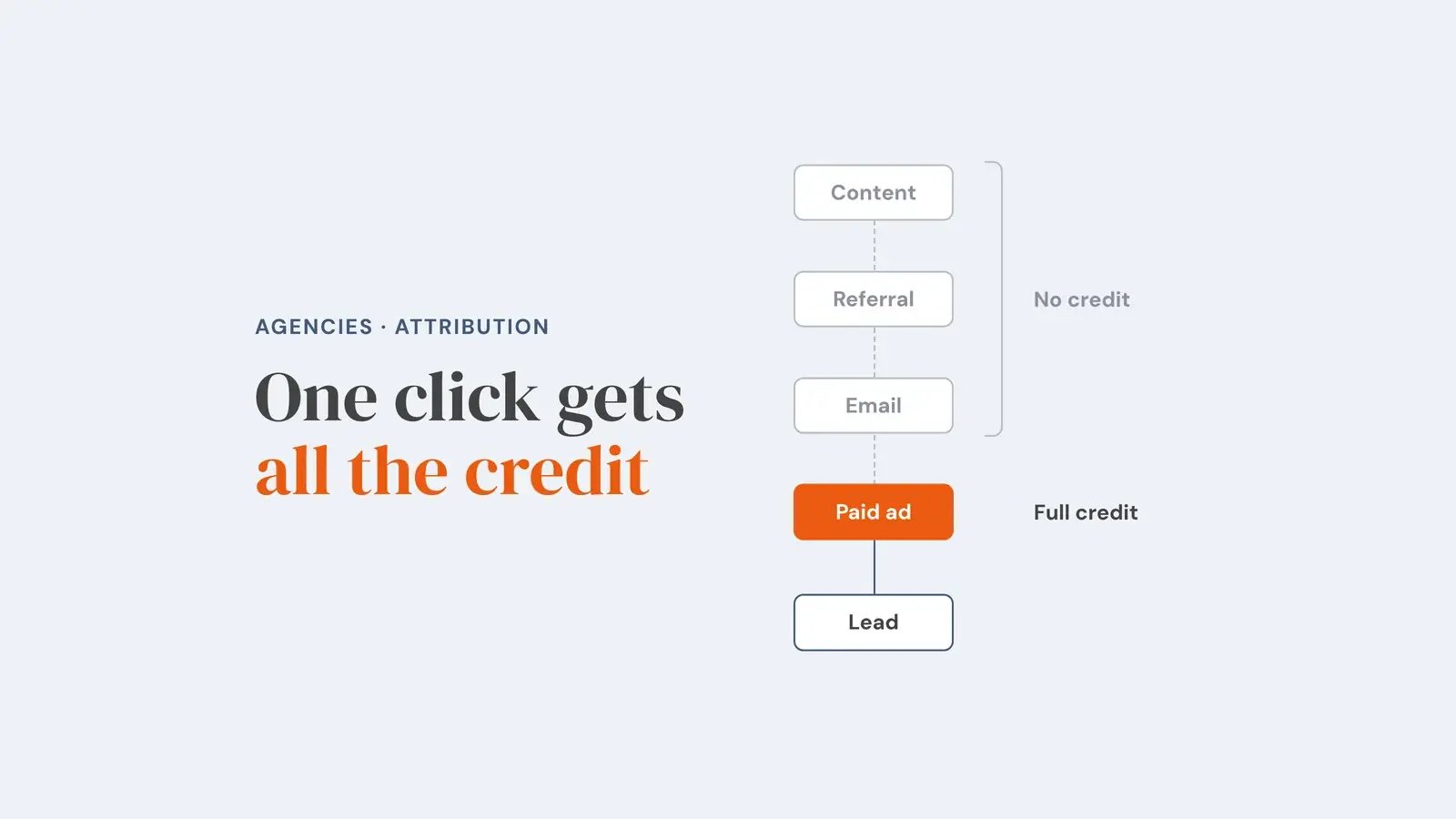
The real challenge is connecting marketing activity to revenue. Did that new customer find you through SEO, a referral, or your sales team's outreach? Most consultants can't tell you.
Smart measurement requires:
- Clear baseline metrics before the consultant starts
- Agreement on which numbers actually matter to your business
- Regular reporting that connects activity to enquiries and sales
- Honest conversations about what's working and what isn't
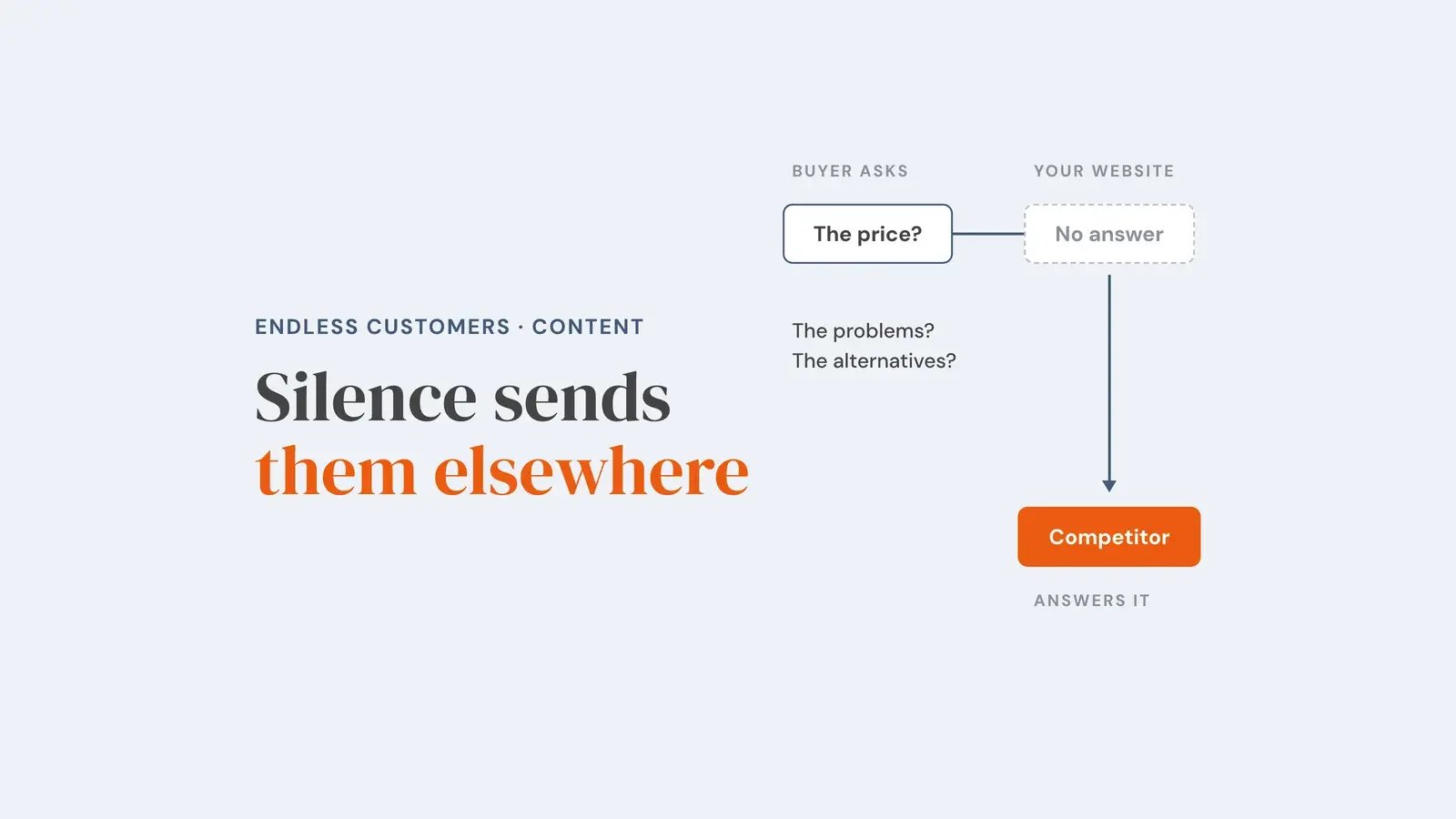
Any good system focuses on qualified leads, sales conversations, and customer acquisition, not vanity metrics that look good but don't drive growth. That's exactly why systems like the Endless Customers System™ exist: to ensure clients focus on what really matters.
More information: My Fractional Marketing Director service
What happens when a marketing consultant lacks relevant industry experience
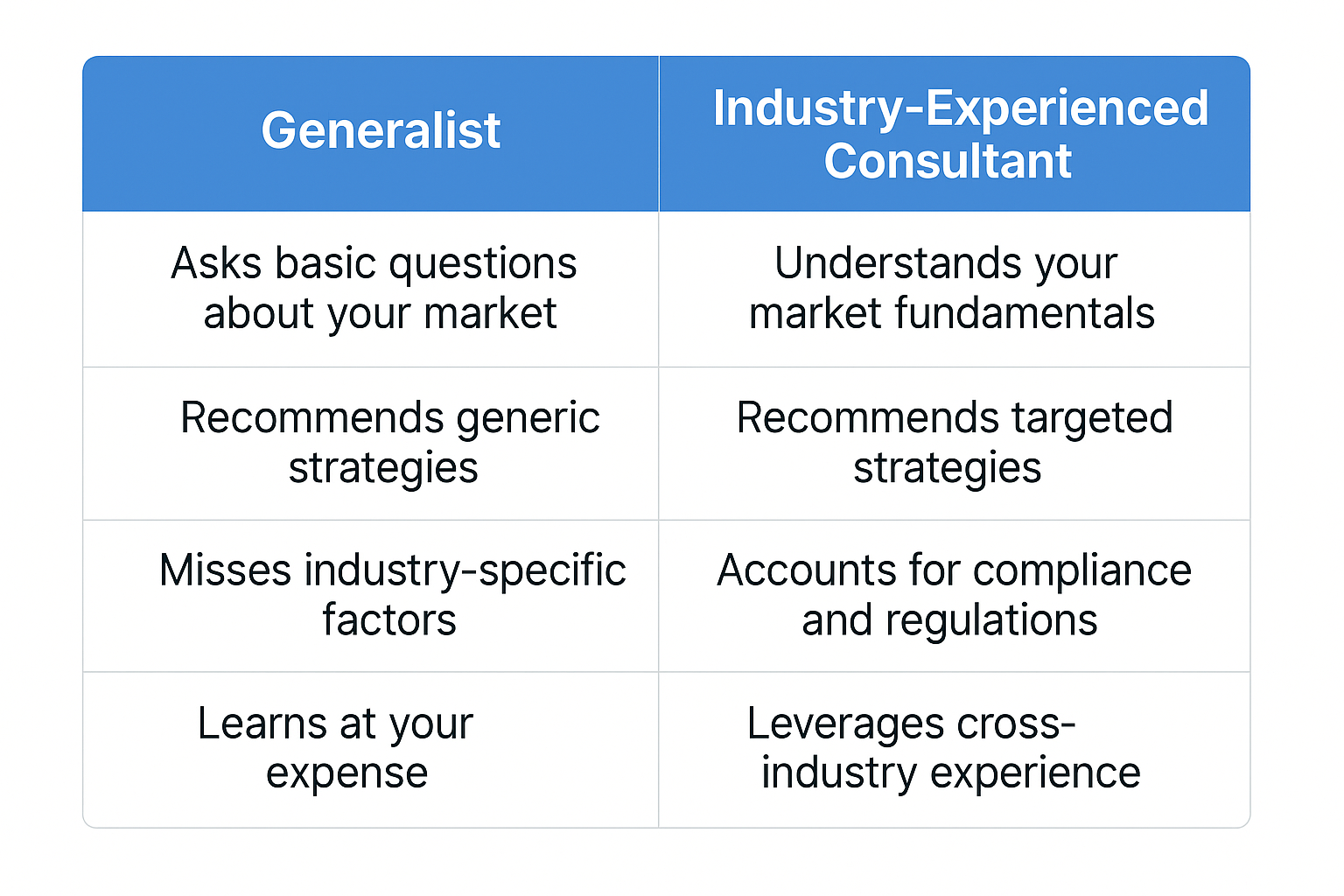
When a consultant lacks industry experience, they waste time learning basics about your market, apply generic strategies that miss the mark, and overlook opportunities specific to your sector.
Generic marketing advice rarely works. A strategy that succeeds in SaaS might fail completely in construction or professional services.
You'll spot this problem when your consultant:
- Asks basic questions that an industry expert would already know
- Suggests tactics that don't fit your buyer's journey
- Misses regulatory requirements or compliance issues
- Doesn't understand your seasonal patterns or sales cycles
Working with a consultant who has experience across multiple sectors means they can spot what works across industries while respecting the unique requirements of your market.
How communication problems derail marketing consulting projects
Communication problems derail projects when consultants use jargon-heavy language, provide inconsistent updates, or become unresponsive between scheduled meetings.
You shouldn't need a marketing degree to understand what your consultant is doing. If they can't explain their work in simple terms, that's a red flag.
Poor communication shows up as:
- Emails full of acronyms and technical terms you don't understand
- Waiting days or weeks for responses to simple questions
- Monthly check-ins where you're told everything is "on track" with no evidence
- Feeling like you're bothering them when you ask for updates
Clear communication builds trust. Updates should use plain language, regular reporting should show exactly what's happening, and you should never wonder whether your marketing is working.
Why some marketing consultants overpromise and underdeliver
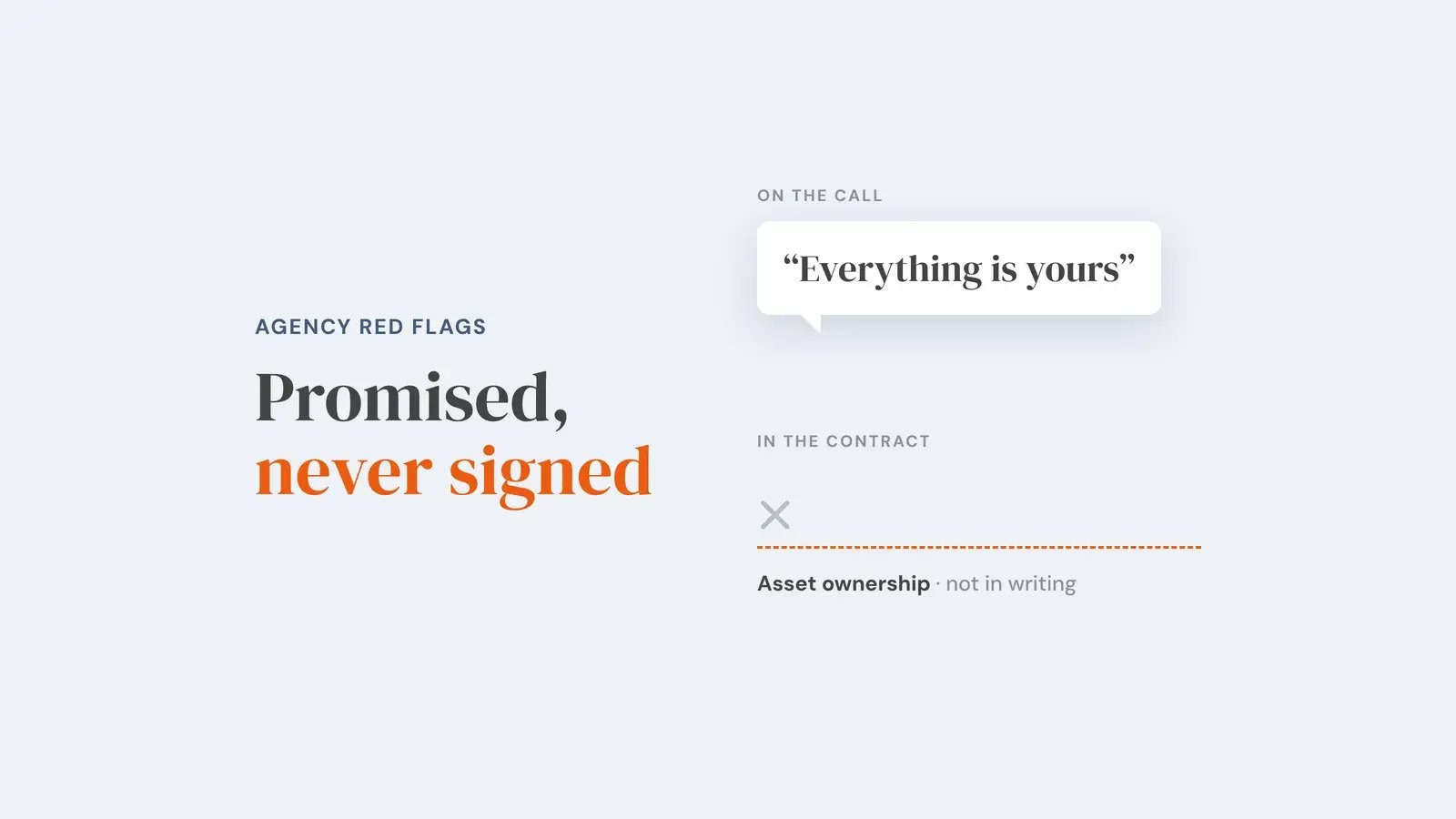
Some consultants overpromise during sales conversations to win contracts, making unrealistic guarantees about rankings, traffic, or revenue they cannot control.
If a consultant promises you'll rank number one on Google or guarantees specific revenue increases, walk away. No honest consultant can guarantee outcomes that depend on factors outside their control.
This pattern typically means the consultant is:
- Desperate for new clients and willing to say anything
- Inexperienced and doesn't understand what's realistic
- Planning to disappear before results are due
- More focused on sales than long-term relationships
A better approach tells you what's realistically achievable based on your market, resources, and timeline. It's better to set honest expectations and exceed them than promise the world and disappoint you.
The risks of hiring a consultant with the wrong specialisation
Hiring a consultant with the wrong specialisation means your SEO expert struggles with paid advertising, or your social media specialist lacks email marketing skills, forcing you to hire multiple consultants or accept mediocre results.
Marketing has become incredibly specialised. A brilliant content creator might know nothing about technical SEO. An excellent paid ads manager might struggle with building marketing systems.
The mismatch creates problems when:
- You need comprehensive marketing but hired a single-channel specialist
- The consultant doesn't admit their limitations until after you've paid
- You're forced to coordinate between multiple consultants who don't work together
- Each specialist blames the others when results don't materialise
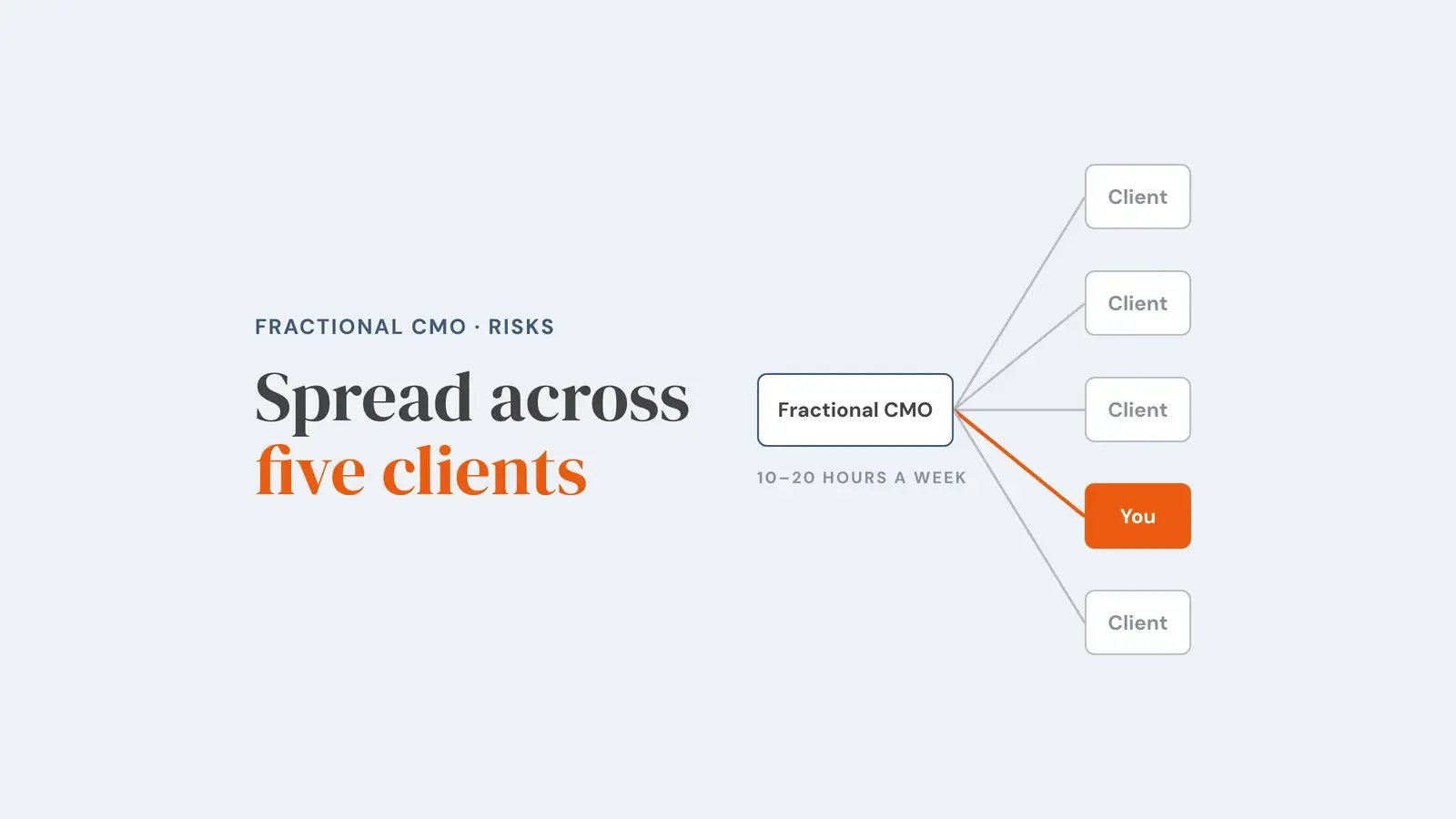
This is why businesses need different service levels depending on their needs. Whether you need full marketing support through fractional marketing leadership, strategic guidance at the executive level, or team training to build in-house capabilities, matching the right expertise to your situation is critical.
How dependency on a consultant can hurt your business long-term
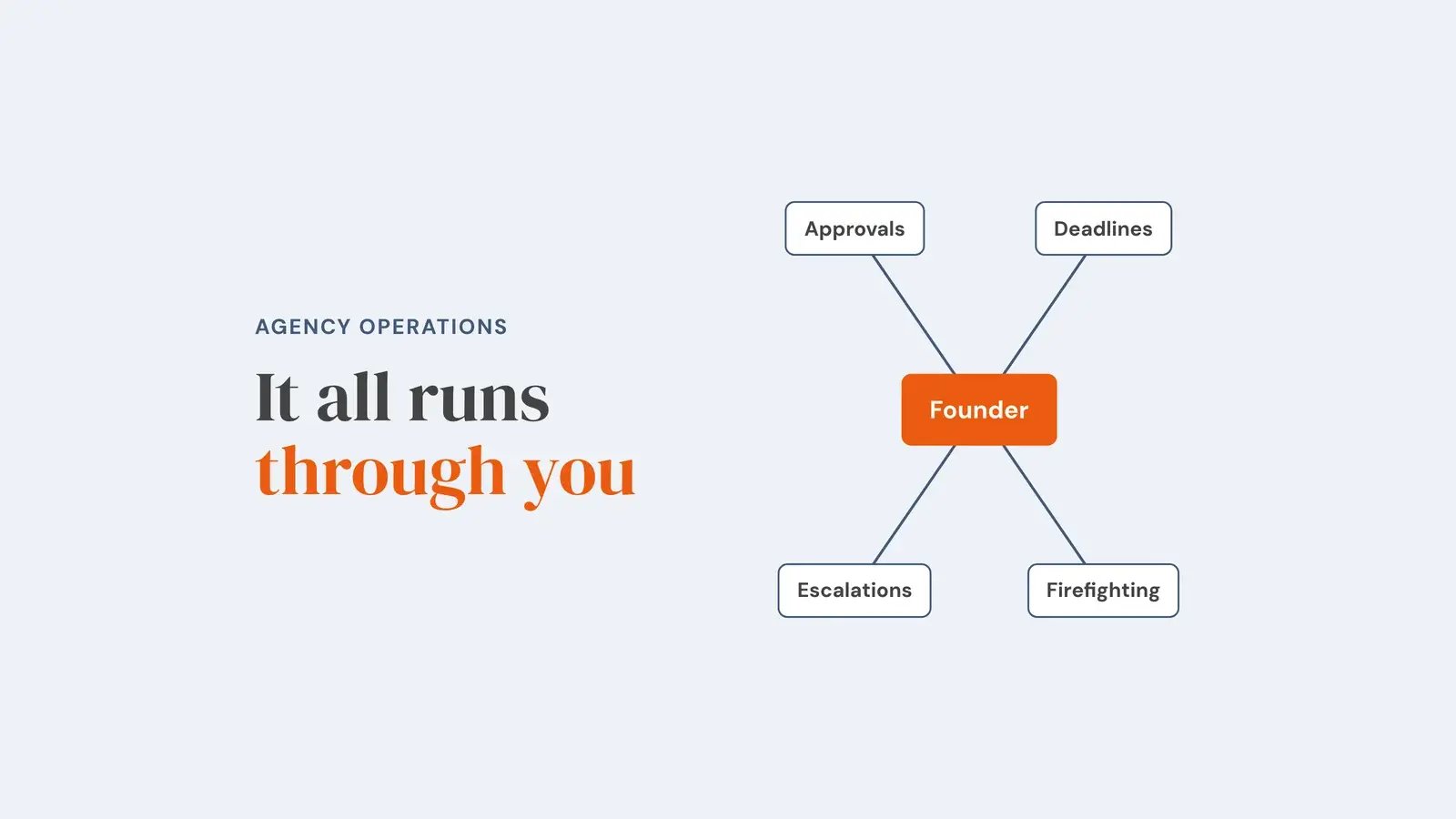
Dependency hurts your business when the consultant retains all strategic knowledge, login credentials, and vendor relationships, leaving you vulnerable if they leave or holding your marketing hostage during disputes.
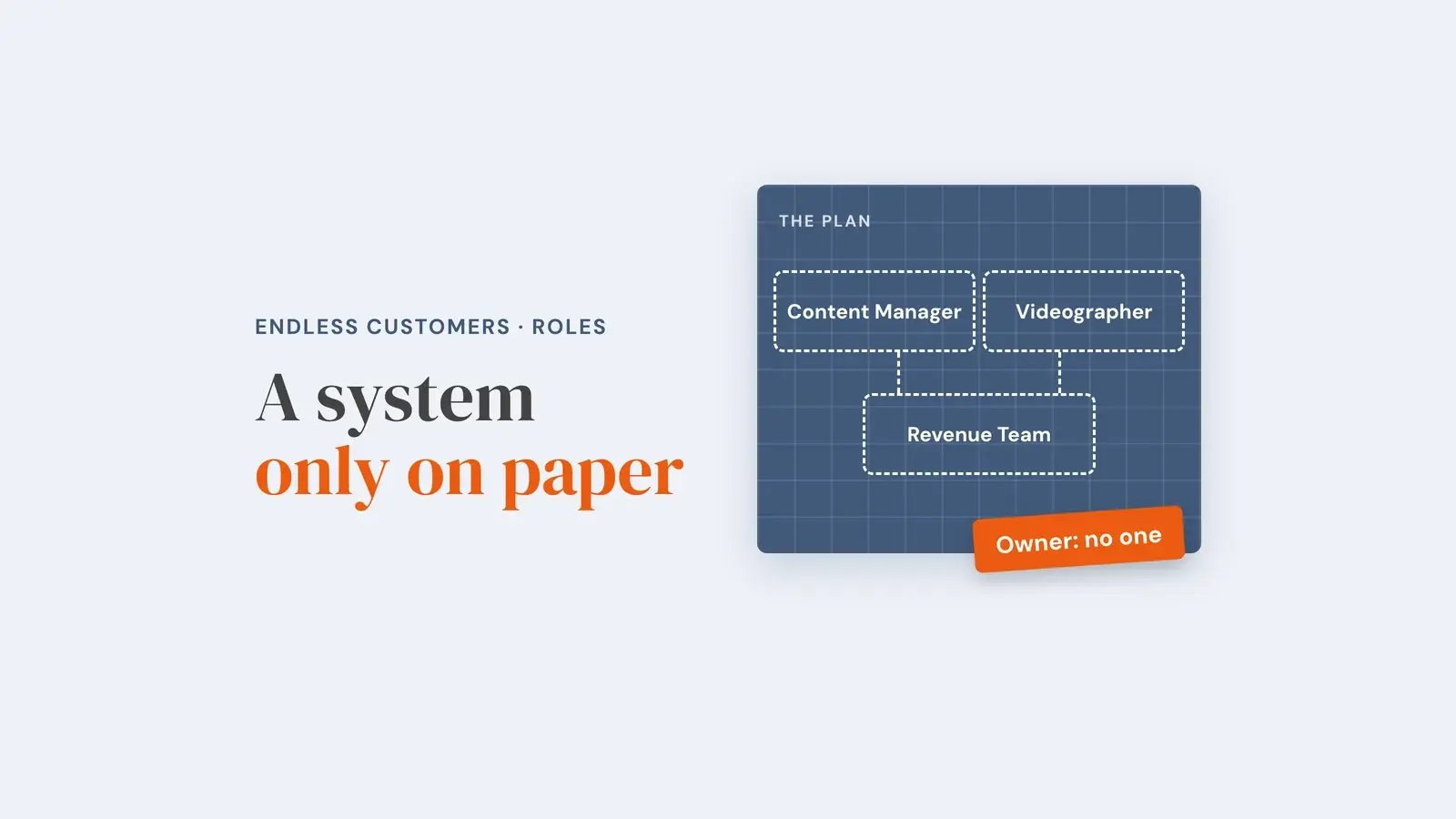
Some consultants deliberately create dependency to protect their income. They don't document their processes, refuse to train your team, or hold onto account access even after contracts end.
You'll recognise harmful dependency when:
- You can't access your own website, social accounts, or advertising platforms
- No one in your business understands how your marketing works
- The consultant is the only person with relationships to key vendors
- You're afraid to end the contract because everything will fall apart
The better philosophy is building capabilities, not dependencies. Whether executing your marketing or training your team, you should always maintain control of your accounts, understand the strategy, and be able to continue independently if needed.
Red flags to watch for when vetting marketing consultants
Critical red flags include reluctance to provide references, vague answers about methodology, pressure to sign long-term contracts immediately, and guarantees of specific rankings or revenue outcomes.
Pay attention during initial conversations. How consultants behave before you hire them predicts how they'll behave after.
Watch for these warning signs:
- No case studies or references: Every experienced consultant should have success stories to share
- Pressure tactics: "This price is only available today" or "I only have one spot left"
- Vague methodology: Can't explain clearly how they'll achieve results
- Guaranteed outcomes: Promises first-page rankings or specific revenue numbers
- No questions about your business: Doesn't ask about your goals, customers, or challenges
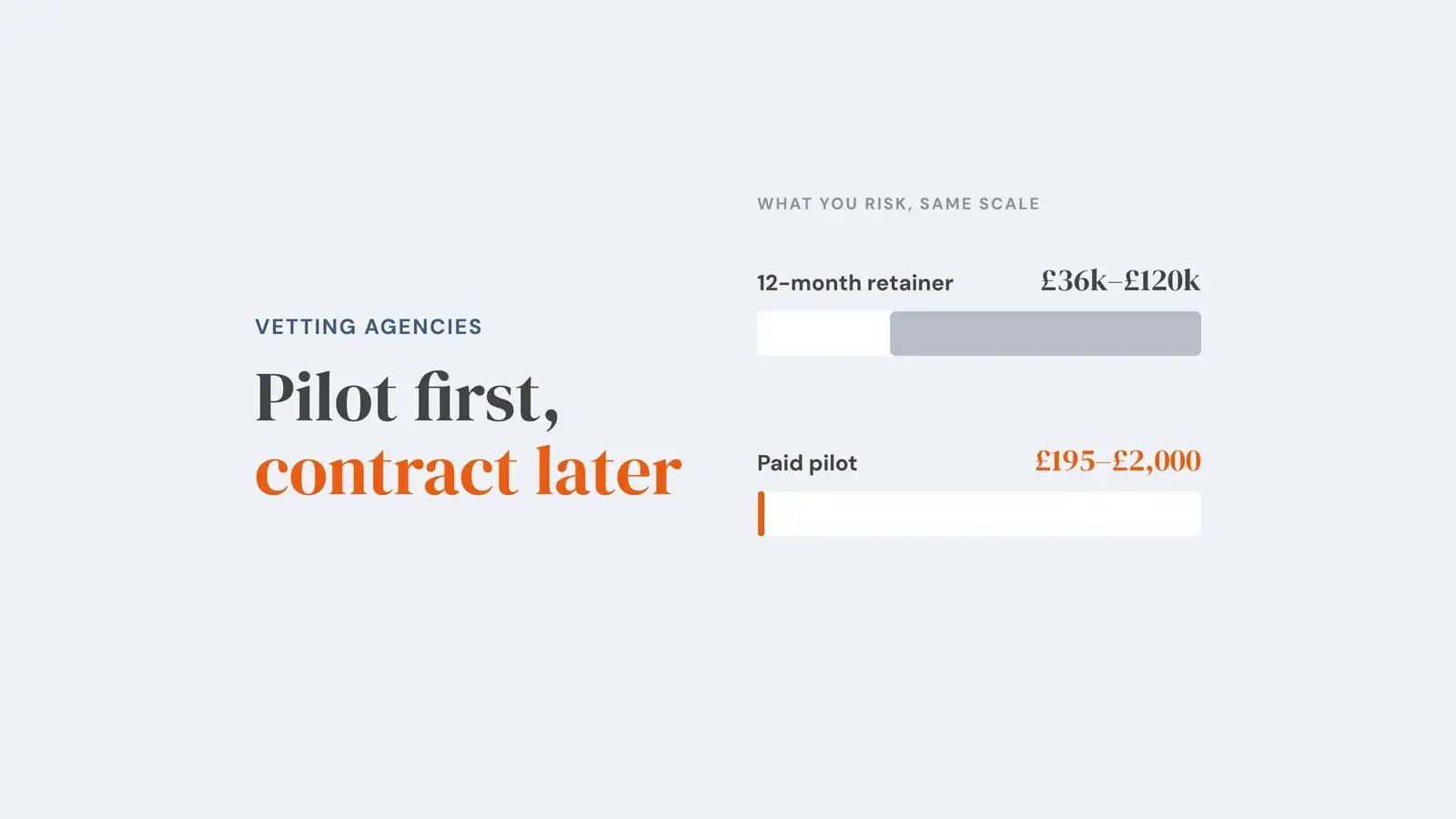
- Contract lock-in: Demands 12-month commitments before proving results
- Poor communication: Takes days to respond or uses confusing jargon
Business owners who ignored these warning signs consistently report worse outcomes than those who took time to vet thoroughly, interview past clients, and start with smaller pilot projects.
Don't be burned by the wrong consultant
Hiring the wrong marketing consultant can cost your business time, money, and trust. But now you understand how to spot the red flags, avoid common traps, and choose a consultant with the right expertise.
If you're ready to stop guessing and start seeing consistent results, book a free consultation now to see what a better marketing relationship looks like.