

If your agency stopped work tomorrow, what would still function? Could your team explain your marketing strategy without opening a supplier's deck?
Those two questions separate businesses that own their growth from businesses that rent it, and the gap is structural rather than a skills problem. I have worked in-house, inside agencies, and alongside founder-led businesses from professional services to manufacturing, and the pattern repeats.
This article defines self-sufficient marketing, gives you seven signs that tell you whether you have it, and the sequence for building it.
Key takeaways
- Self-sufficient marketing sets direction, produces work, and improves performance without depending on the founder or an external agency.
- The seven signs: named internal ownership, documented strategy, an operating rhythm, repeatable content systems, internal skill depth, honest measurement, and the ability to decline work.
- Across the businesses I work with, agency retainers typically run £3,000–£10,000 per month (roughly $3,800–$12,700), and most of that capability does not transfer when the retainer ends.
- Building self-sufficiency takes roughly 90 days: diagnose ownership, document the system, then transfer execution.
- External help stops being useful when it holds the thinking rather than the capacity.
What is self-sufficient marketing?
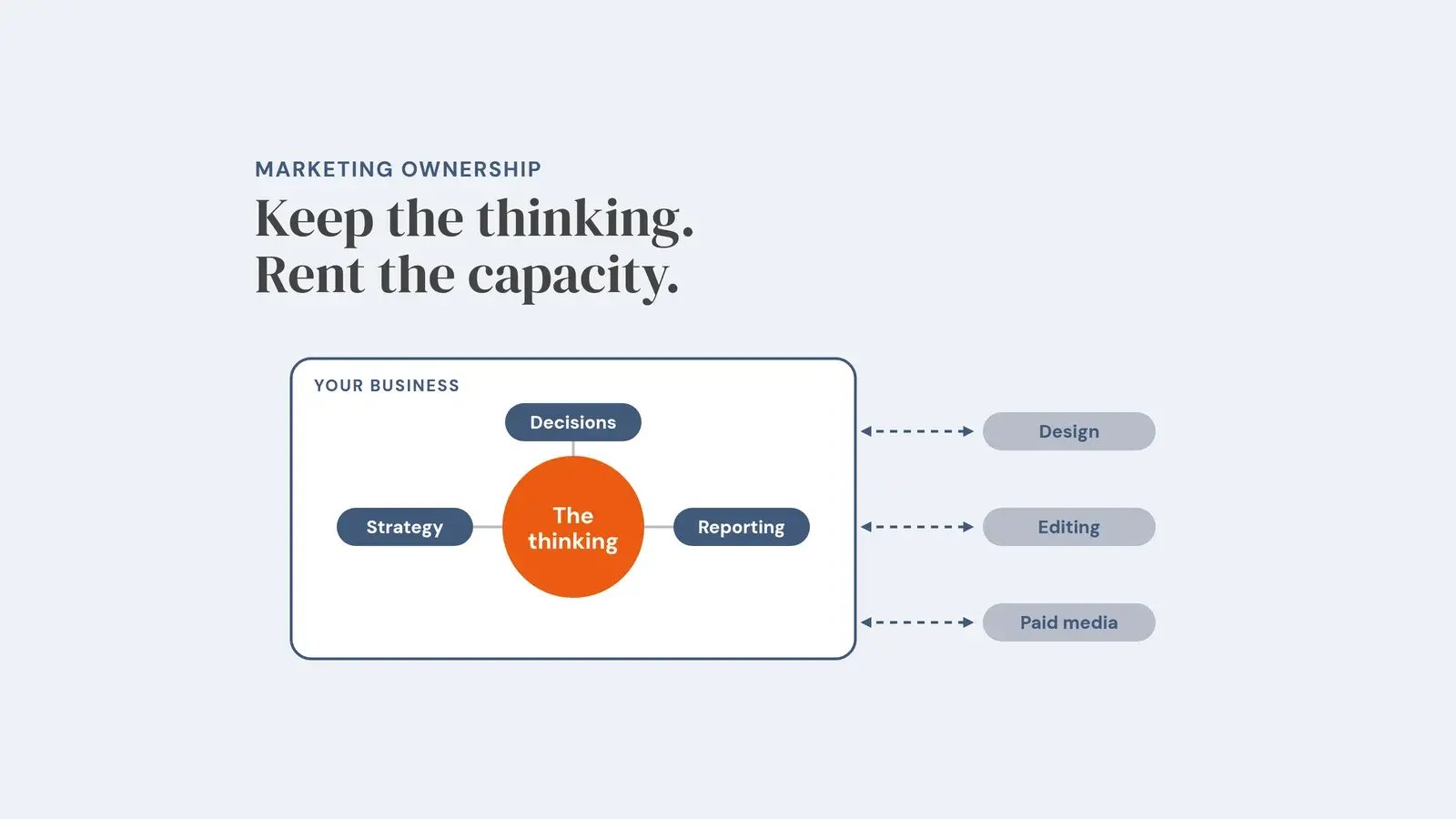
Self-sufficient marketing is a marketing function that sets its own direction, produces its own work, and improves its own performance without depending on the founder or an outside agency to keep it moving. It is not the absence of external help. It is the absence of external dependency.
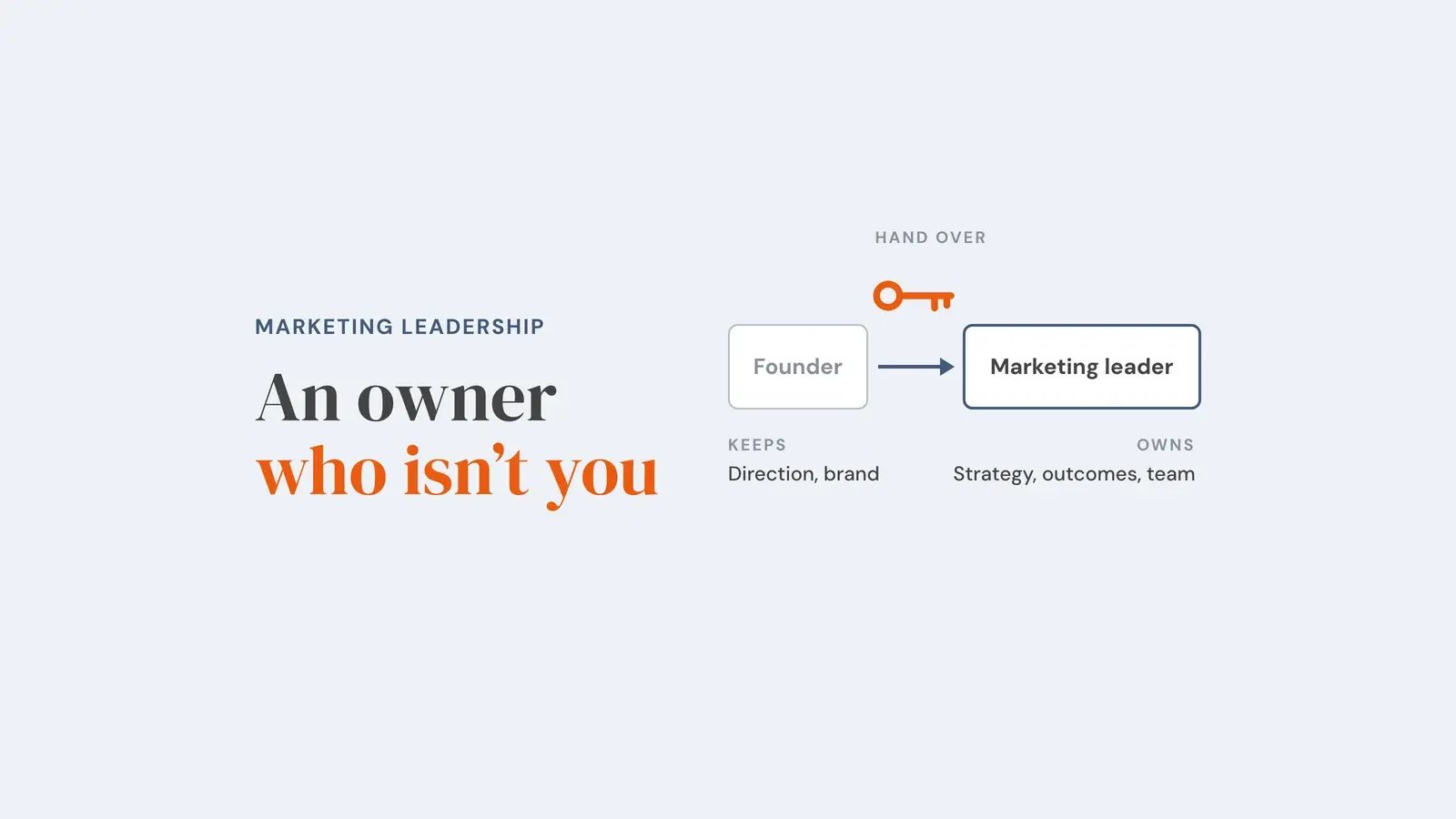
A self-sufficient function can still hire a designer or an editor. The distinction is where judgement lives. In a self-sufficient business, the thinking is internal and the capacity is flexible. In a dependent business, both sit outside.
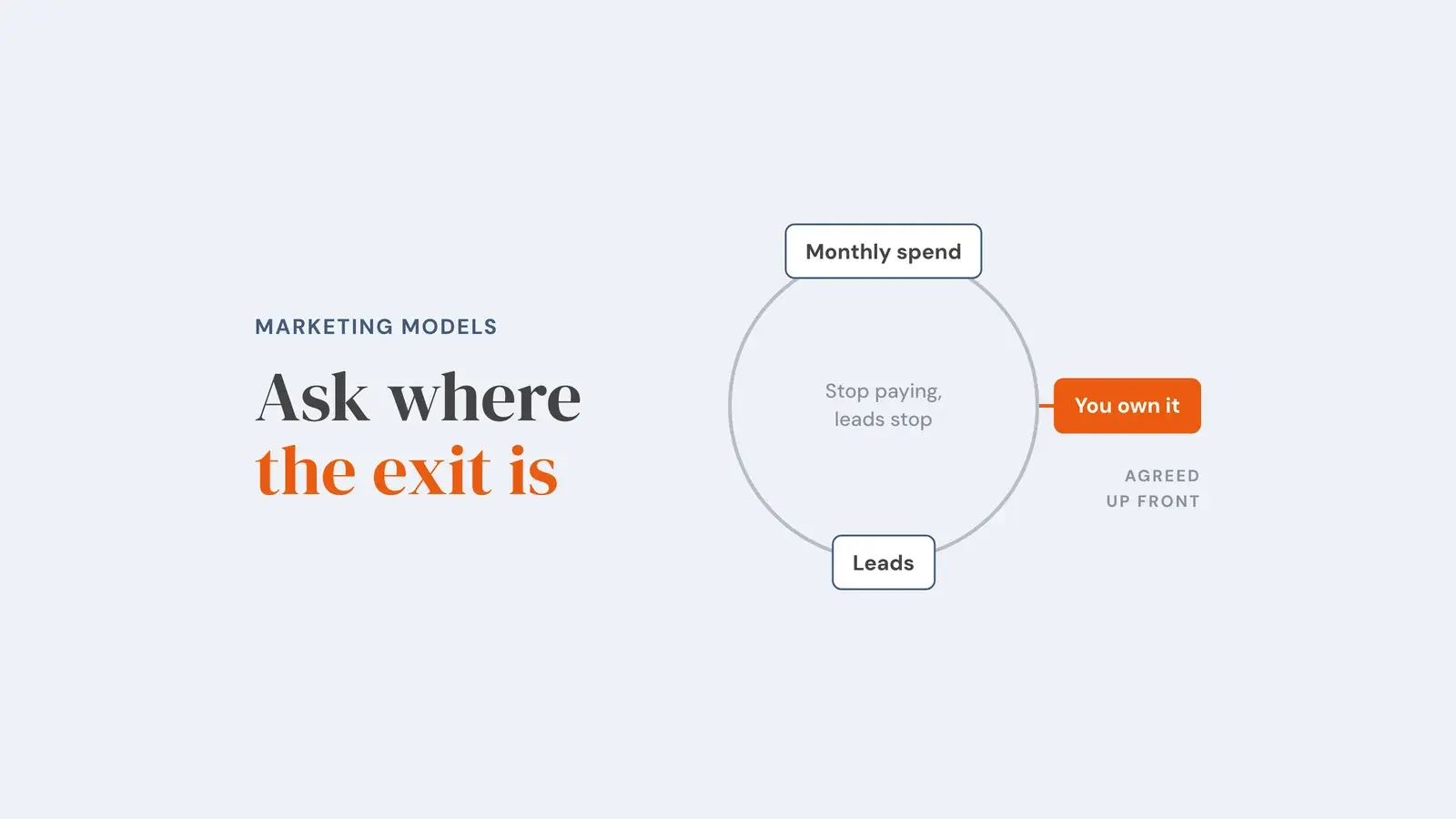
One test settles it quickly: Ask your current partner for the documentation behind your strategy and reporting. A partner building your capability sends it the same day. A partner building dependency offers to walk you through it instead.
Why self-sufficiency matters more than monthly output
A marketing function is only worth what it keeps producing after the person driving it steps away. Output tells you what happened last month. Self-sufficiency tells you what will still happen in a year. Businesses that buy delivery rent activity; businesses that build capability own an asset that compounds.
Buyer behaviour makes this more pressing. Gartner's research on the B2B buying journey found that buyers spend only around 17% of the buying journey meeting potential suppliers, so your content carries the early stages on its own. Content that stops when a retainer ends leaves that stage empty.
The 7 signs your marketing function is self-sufficient
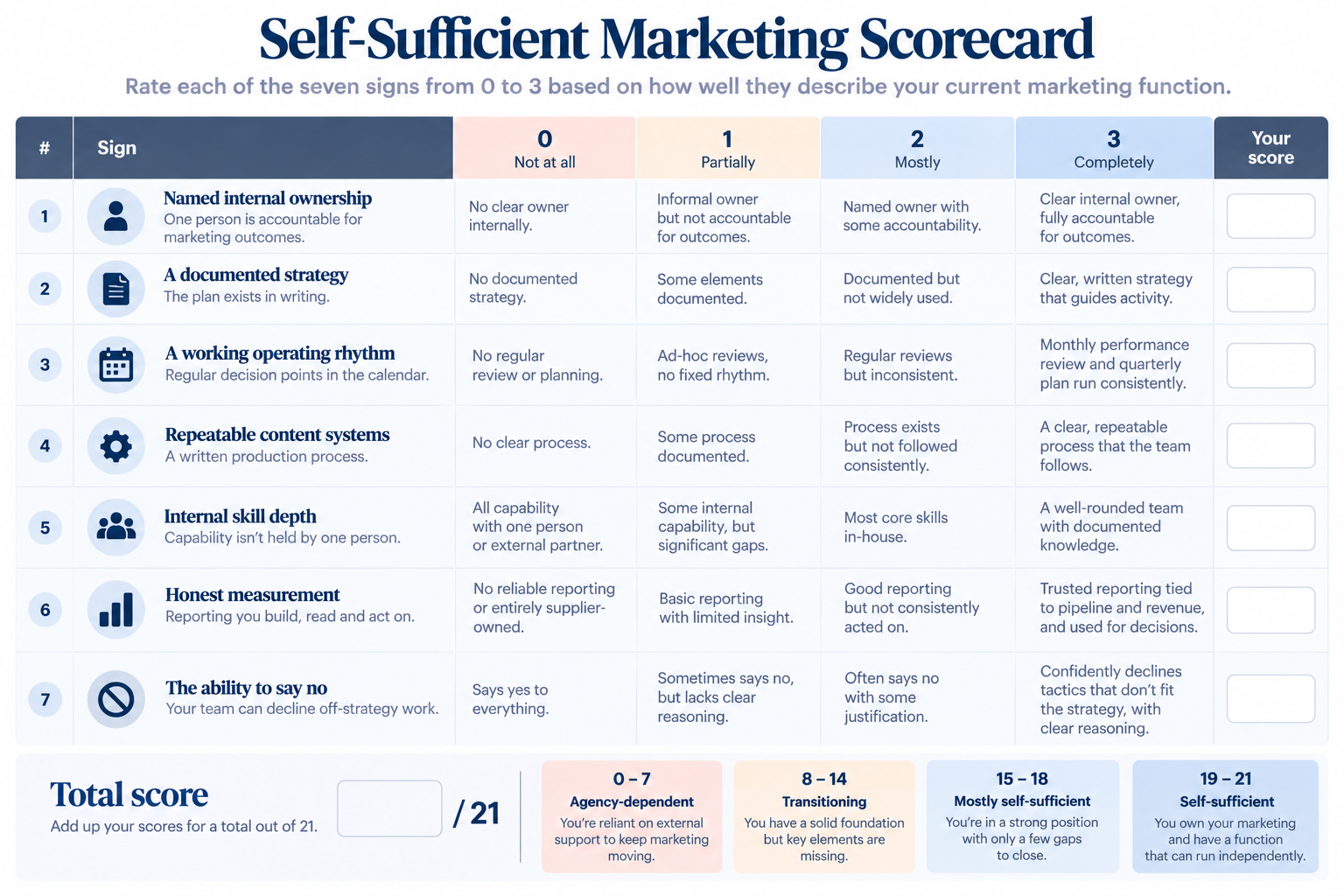
A self-sufficient marketing function shows seven signs: named internal ownership, a documented strategy, a working operating rhythm, repeatable content systems, internal skill depth, honest measurement, and the ability to say no.
Most businesses have two or three and assume the rest follow. They rarely do.
- Named internal ownership: One person inside the business is accountable for marketing outcomes, not for managing a supplier.
- A documented strategy: The plan exists in writing, not in the founder's head or an agency's deck.
- A working operating rhythm: Fixed decision points in the calendar: a monthly performance review and a quarterly plan that happen without external prompting.
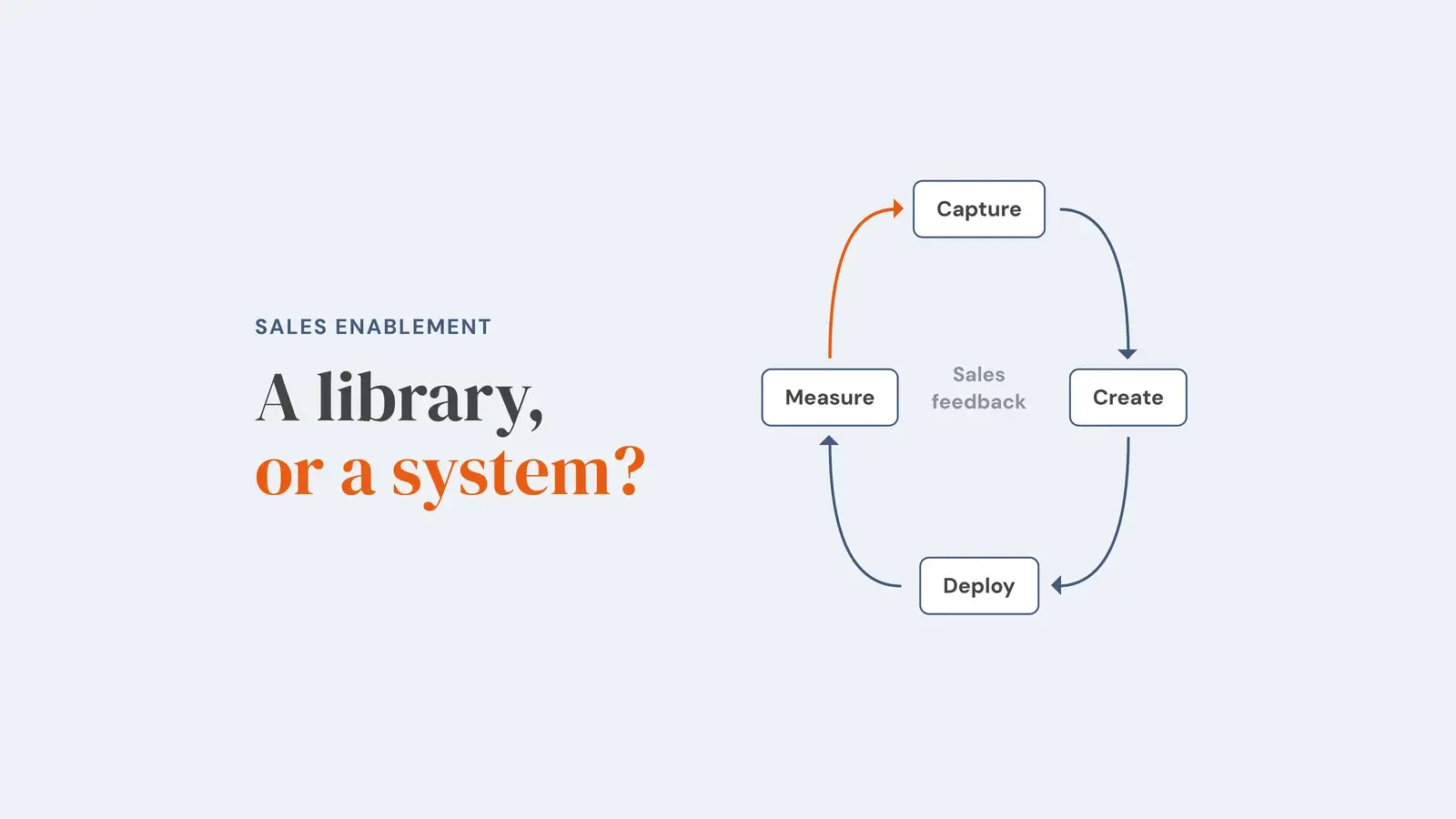
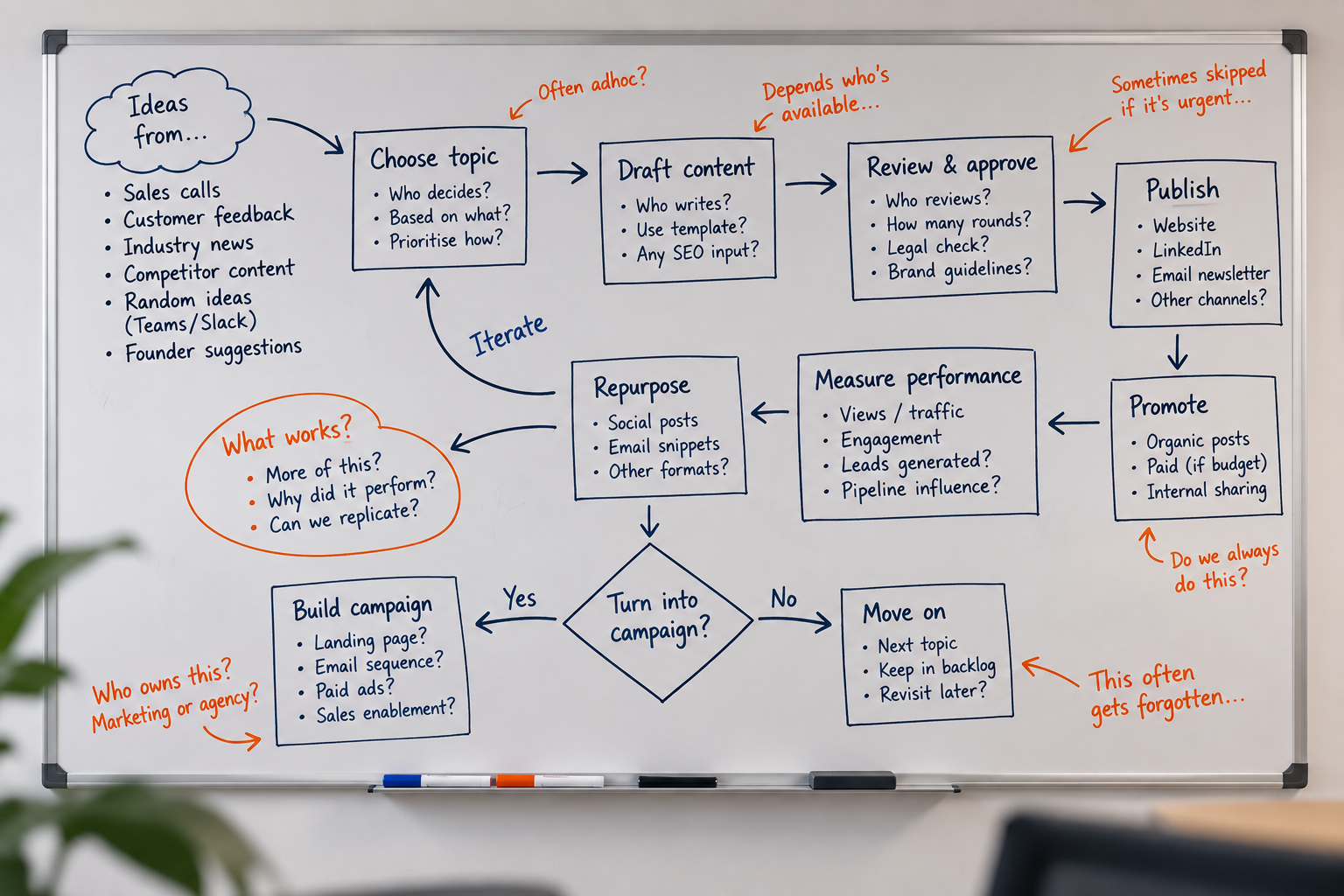
- Repeatable content systems: A written production process covering who decides the topic, who drafts, who approves, and when it publishes.
- Internal skill depth: Capability does not sit entirely with one person. A one-person function still counts, provided the documentation is strong enough for a successor to pick it up.
- Honest measurement: Reporting your team builds, reads, and acts on, tied to pipeline rather than activity.
- The ability to say no: Your team can decline a tactic that does not fit the strategy, and explain why.
Which signs businesses get wrong most often
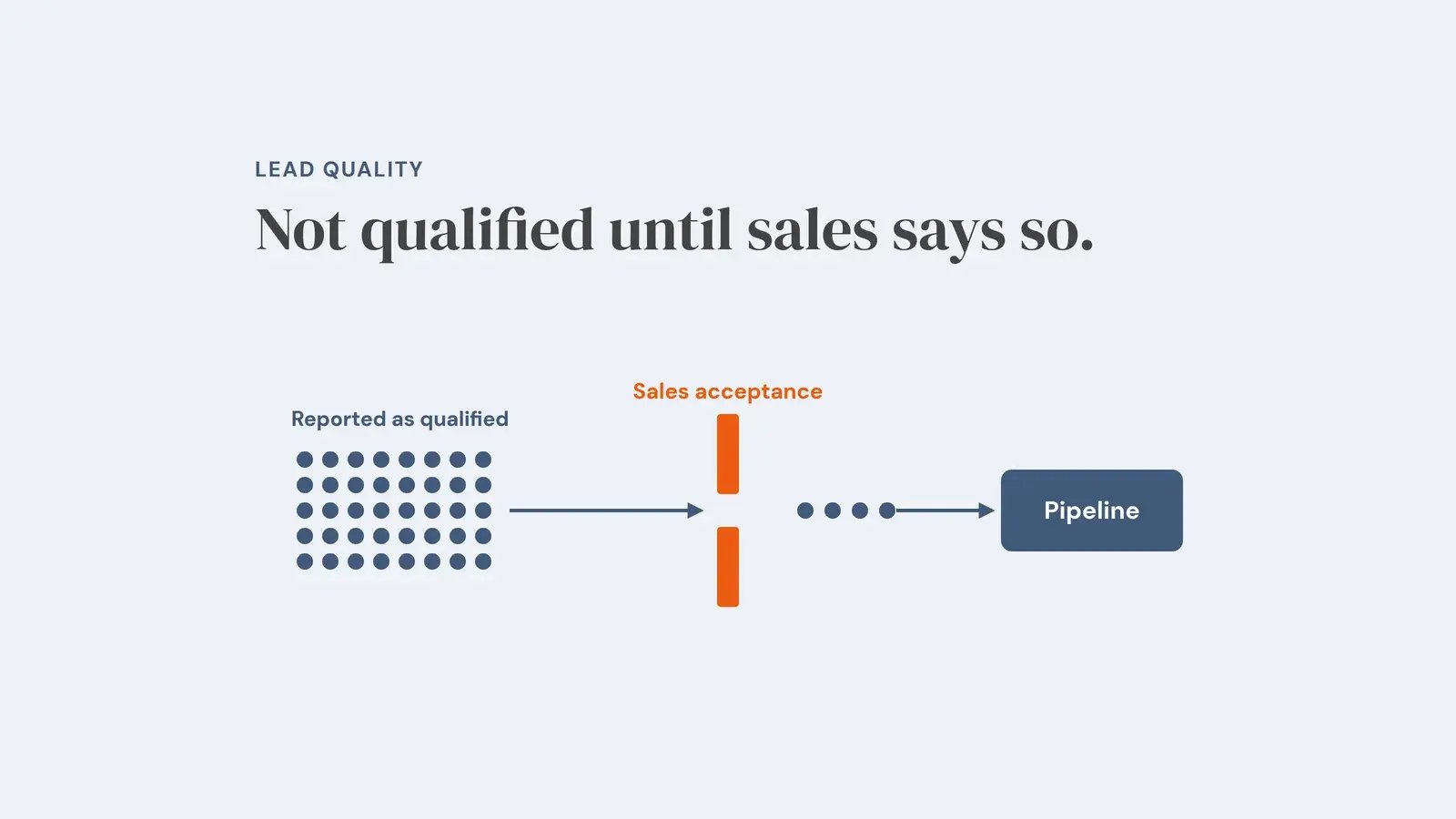
Measurement and the ability to say no are the two most commonly missing signs. Reporting is inherited from a supplier and never rebuilt, so nobody trusts it. A team without a documented strategy has no grounds to refuse anything, so it stays reactive.
Related Reading: Is Your Marketing Feeling Reactive? How to Stop Whack-a-Mole for Good
Self-sufficient vs agency-dependent marketing
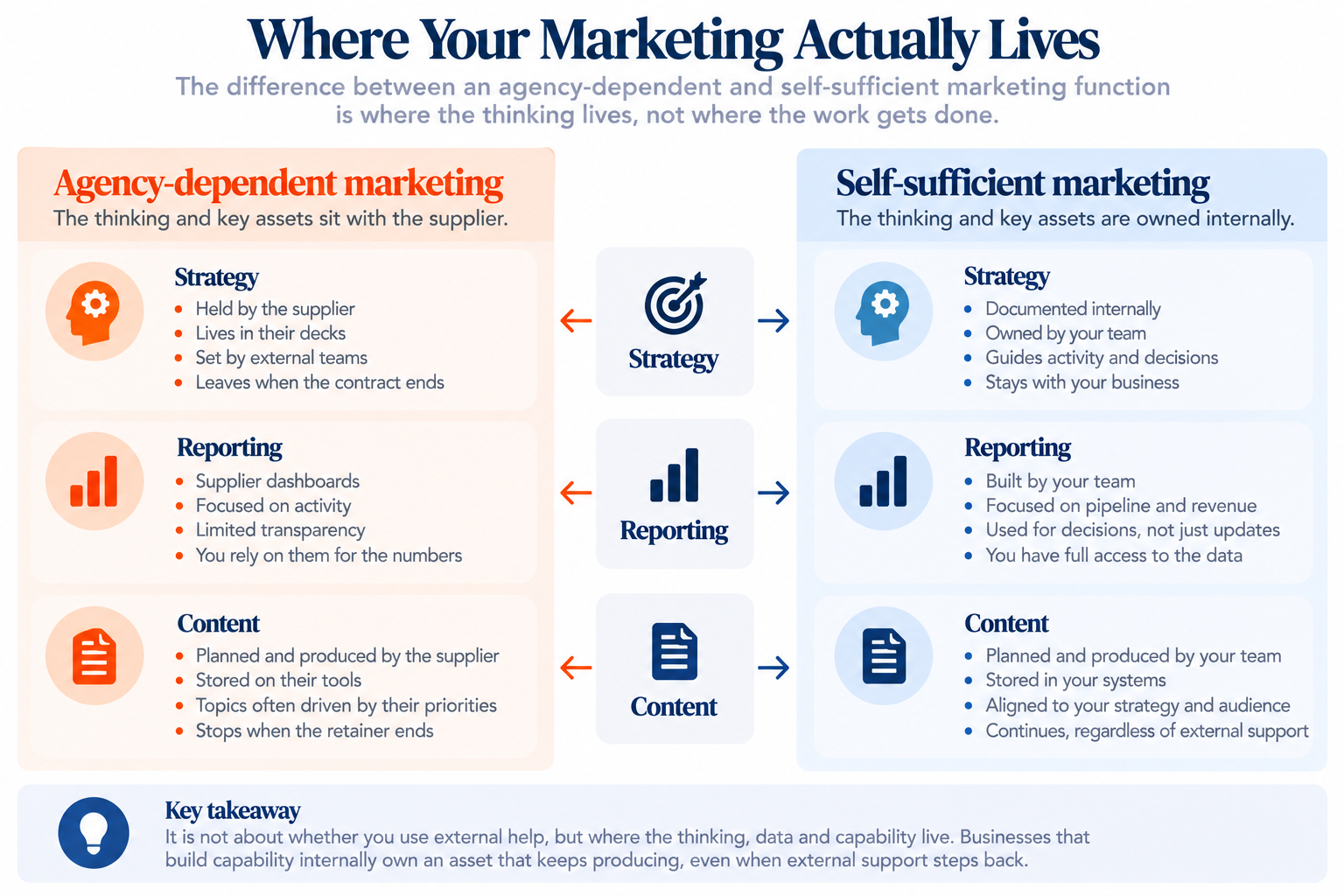
The difference between a self-sufficient and an agency-dependent function is where the thinking lives, not where the work gets done. Neither model wins outright, and the table shows where each has the advantage.
| Agency-dependent | Self-sufficient | |
|---|---|---|
| Strategy | Held by the supplier | Documented internally |
| Reporting | Supplier dashboards | Internal, pipeline-linked |
| Speed to capability | Fast: a full team from week one | Slower: skills built over months |
| Breadth of specialism | Wide, with no hiring risk | Limited to what your team can cover |
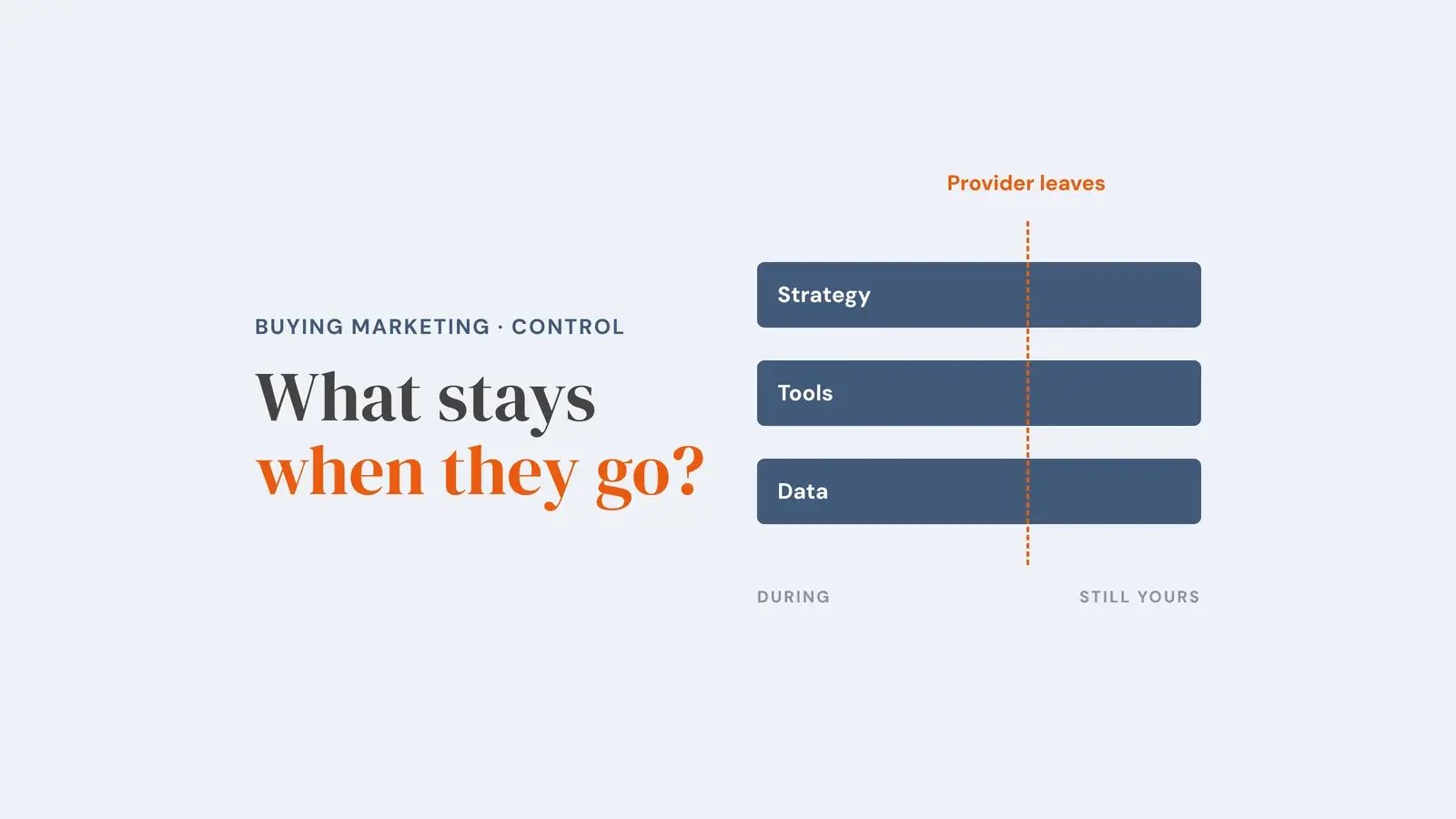
| If the partner leaves | Delivery stalls within weeks | Delivery continues |
| Monthly cost | £3,000–£10,000 ($3,800–$12,700) indefinitely | £2,000–£7,000 ($2,500–$8,900) for a defined period |
| What you own at the end | Little that transfers without the supplier | The system, the process, the capability |
What it costs to stay dependent
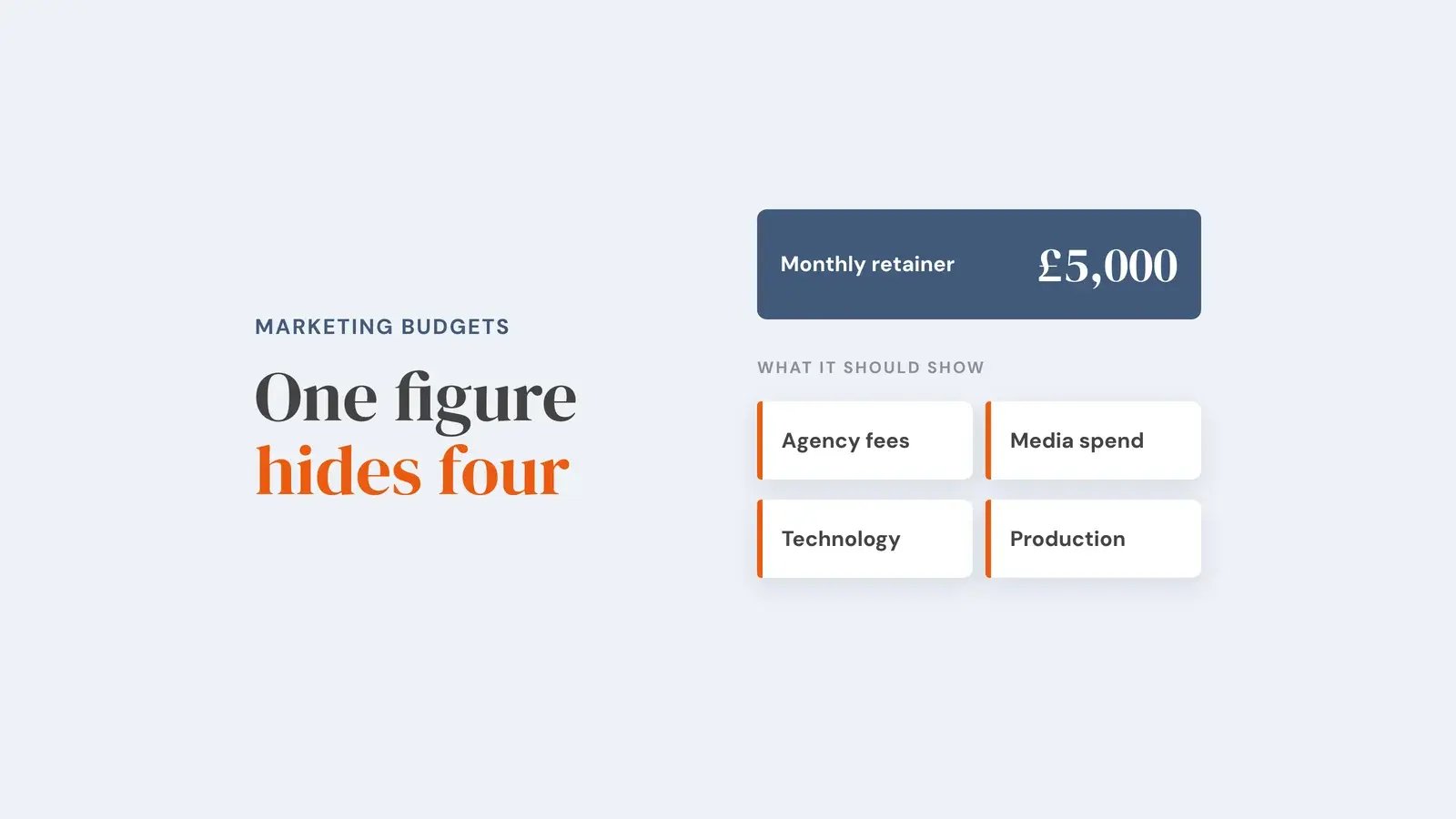
Across the founder-led businesses I work with, agency retainers typically run £3,000–£10,000 per month ($3,800–$12,700), while my own engagements run £2,000–£7,000 ($2,500–$8,900) for a defined period. Both figures come from my client work, not market research, so treat them as indicative.
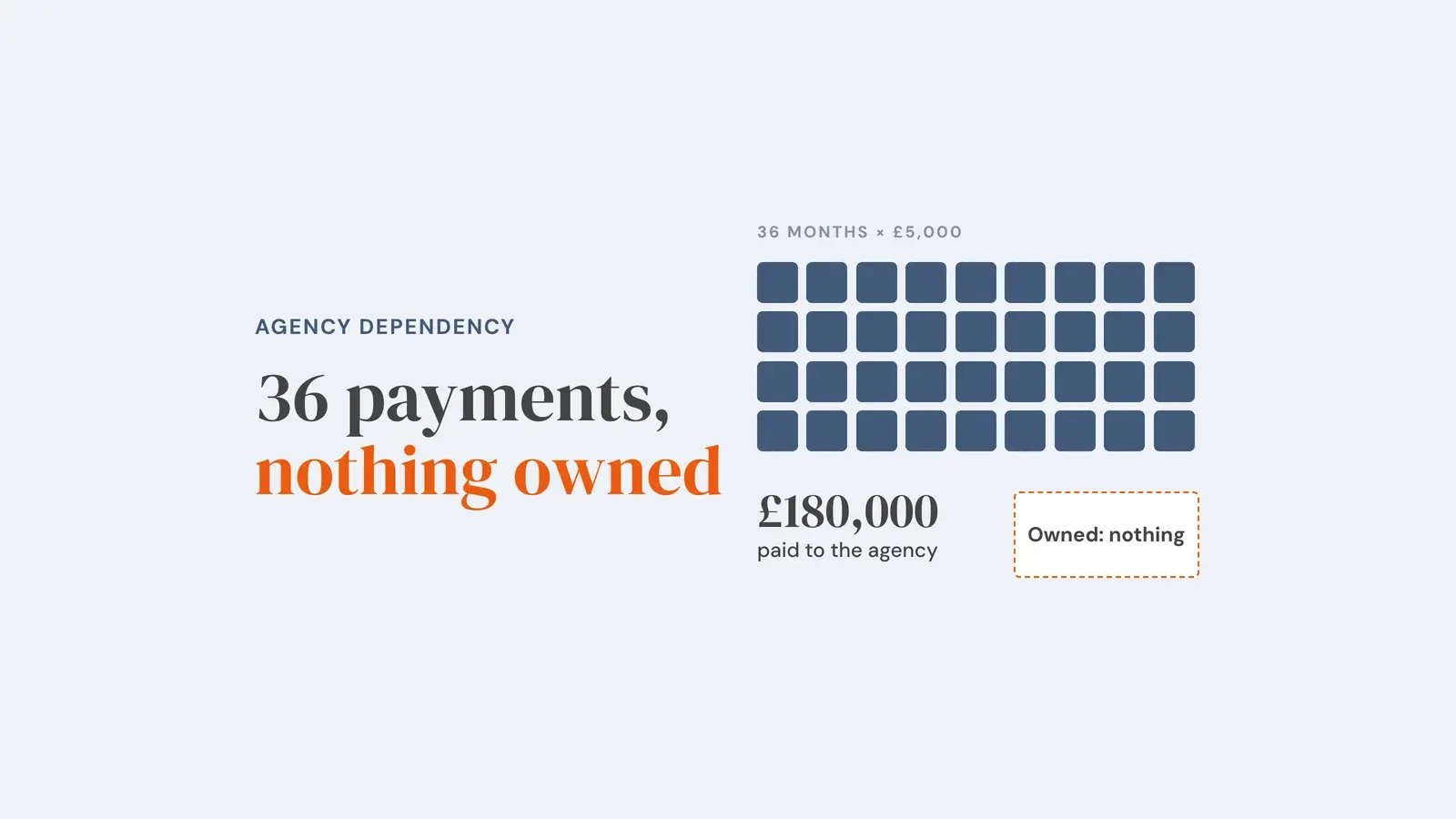
Over three years, a £5,000 per month retainer is £180,000 ($228,000), and the supplier still owns the systems. Every partner change also restarts the learning curve, and months of compounding are lost. The question is not what the retainer costs. It is what you own when it stops.
Related Reading: Fractional Marketing Costs: What You're Actually Paying For, And How To Tell If You're Overpaying
How to work out your own figure
Multiply your monthly external spend by 36, then subtract what you would keep if the relationship ended. A business paying £4,000 per month spends £144,000 over three years. If only a website and a contact list survive the handover, the transferable value is near zero.
Common problems that block self-sufficiency
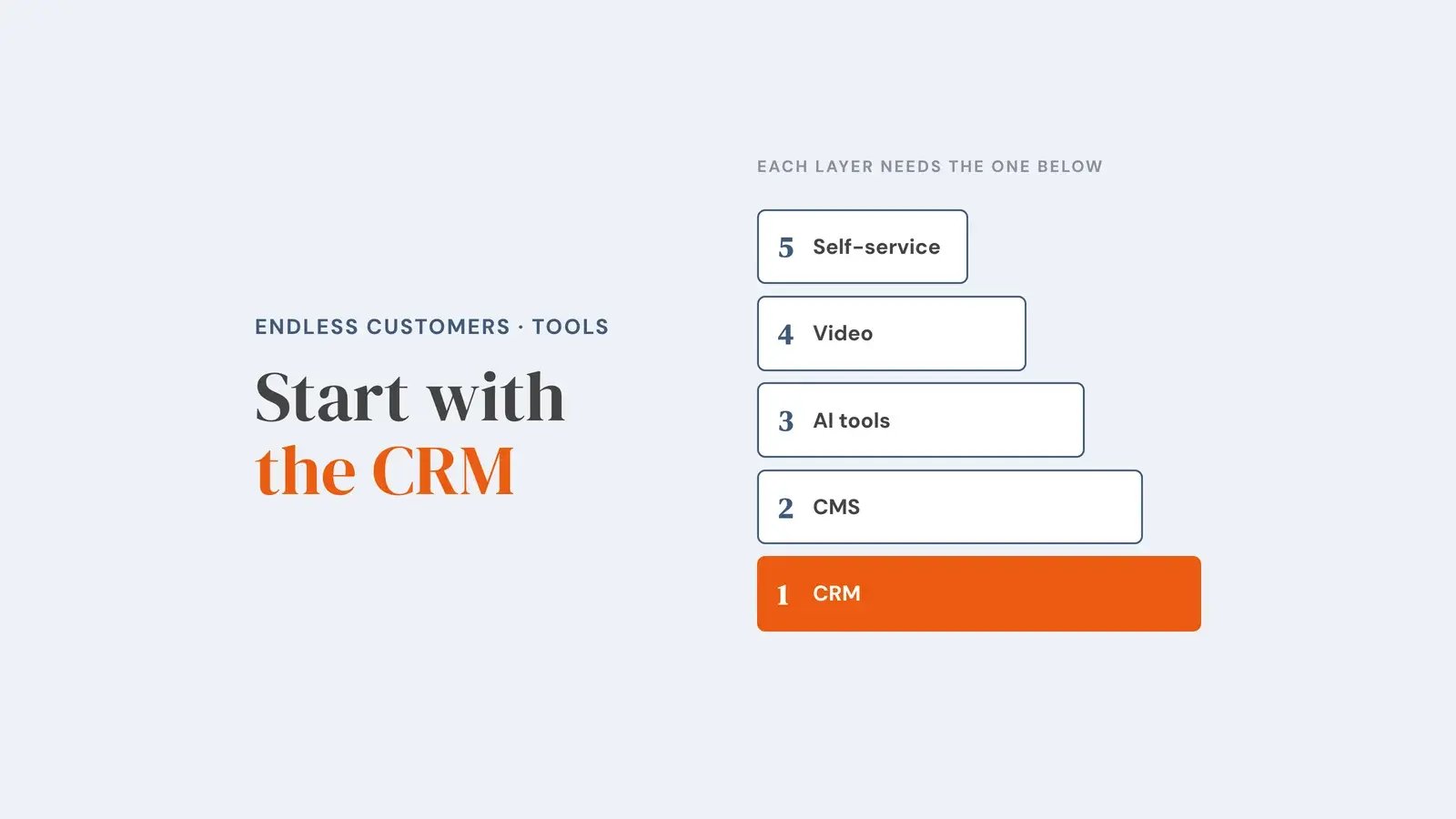
Four things reliably block self-sufficiency: no named internal owner, strategy that lives in someone's head, tools nobody has been trained on, and a partner whose commercial model rewards dependency.
Each is fixable once named honestly rather than treated as a resourcing problem. The last is rarely deliberate: retainer models are built for continuity, not handover.
Related Reading: Marketing Models That Reduce Dependency: 7 Criteria to Look For
How to build a self-sufficient marketing function in 90 days
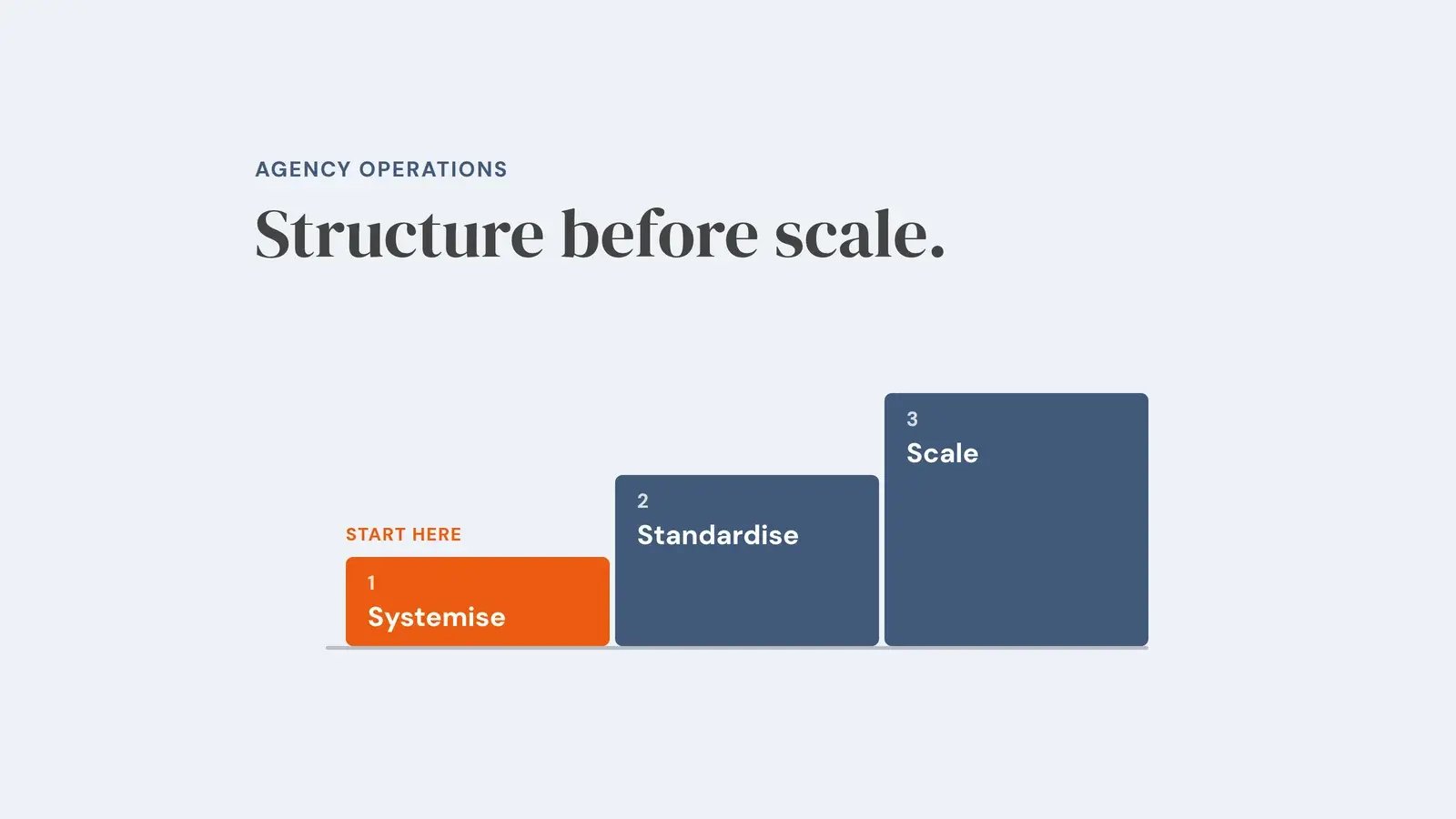
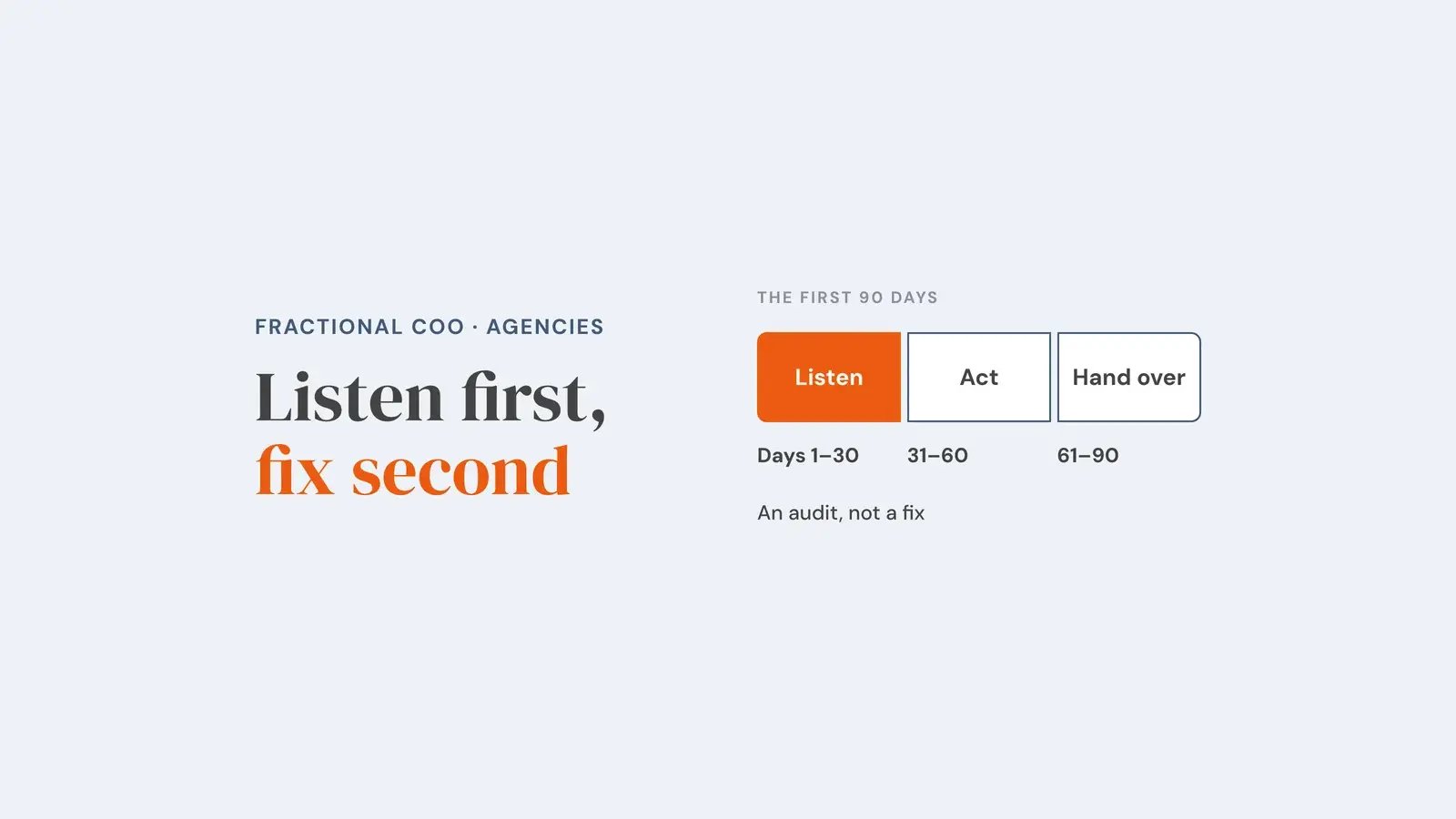
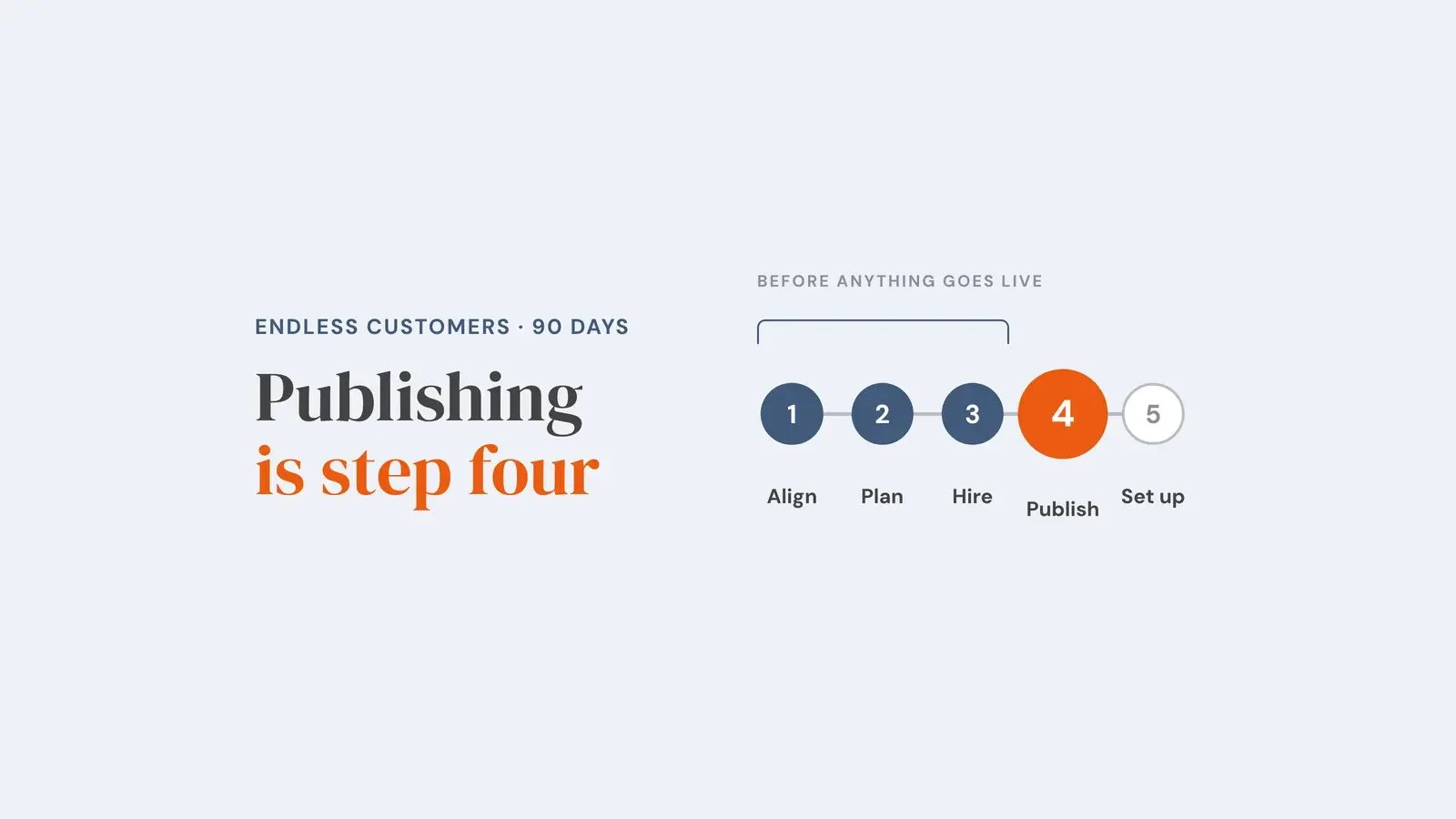
Building a self-sufficient marketing function takes roughly 90 days across three phases: diagnose what is owned, document the strategy and systems, then transfer execution with supervision before removing it.
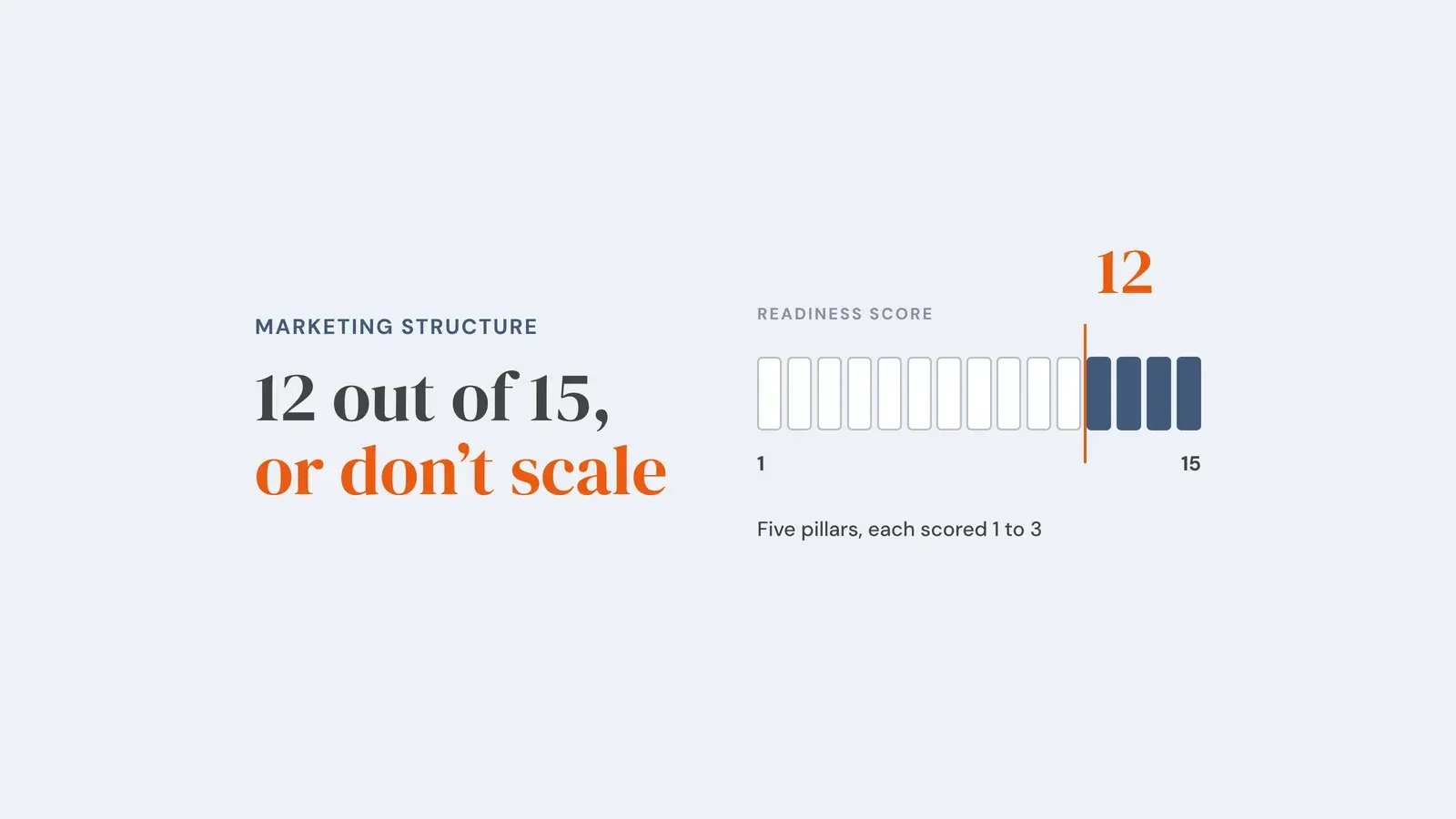
- Days 1–30: diagnose: Score the seven signs, list every task only your supplier can perform, and name the internal owner.
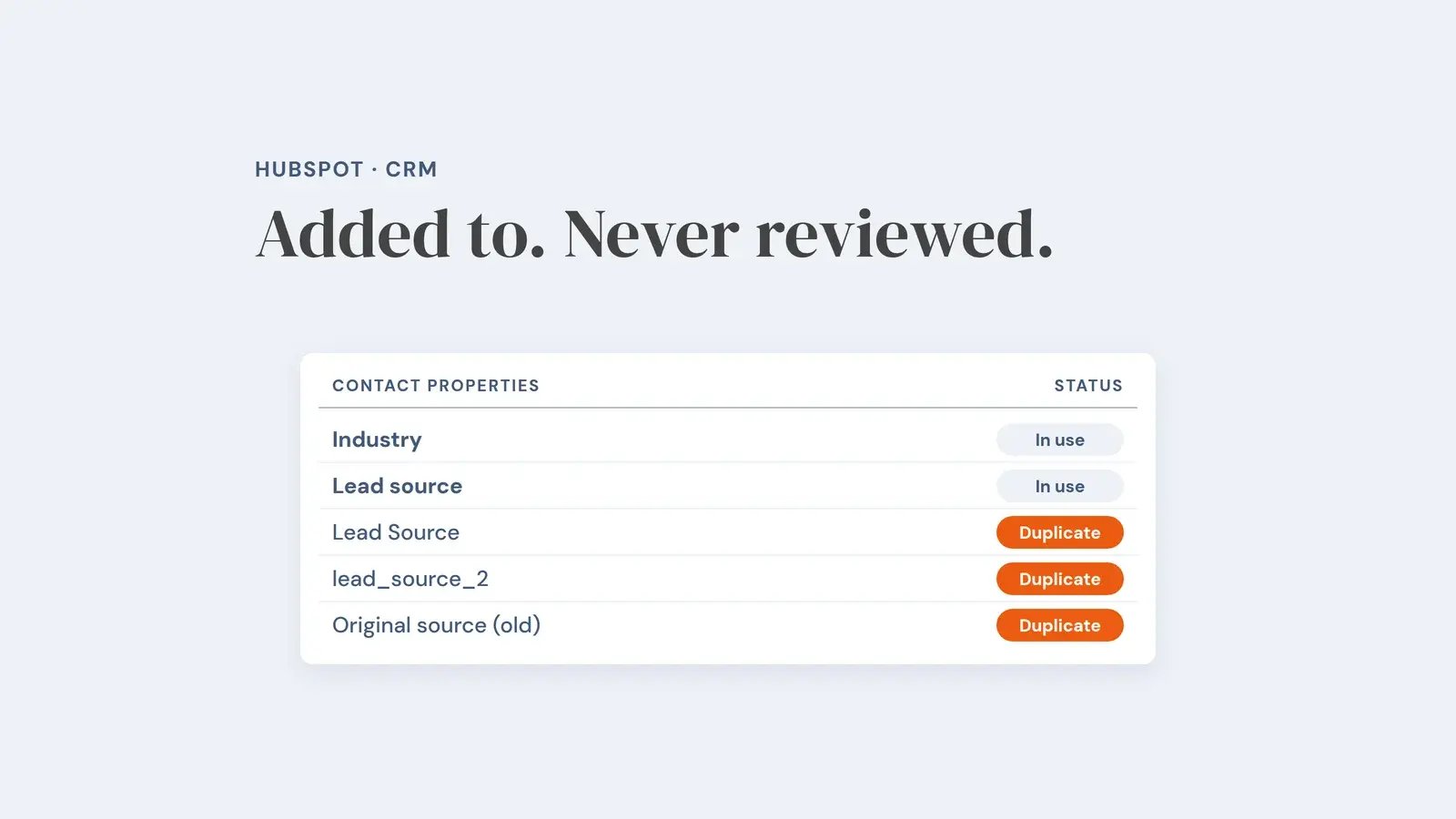
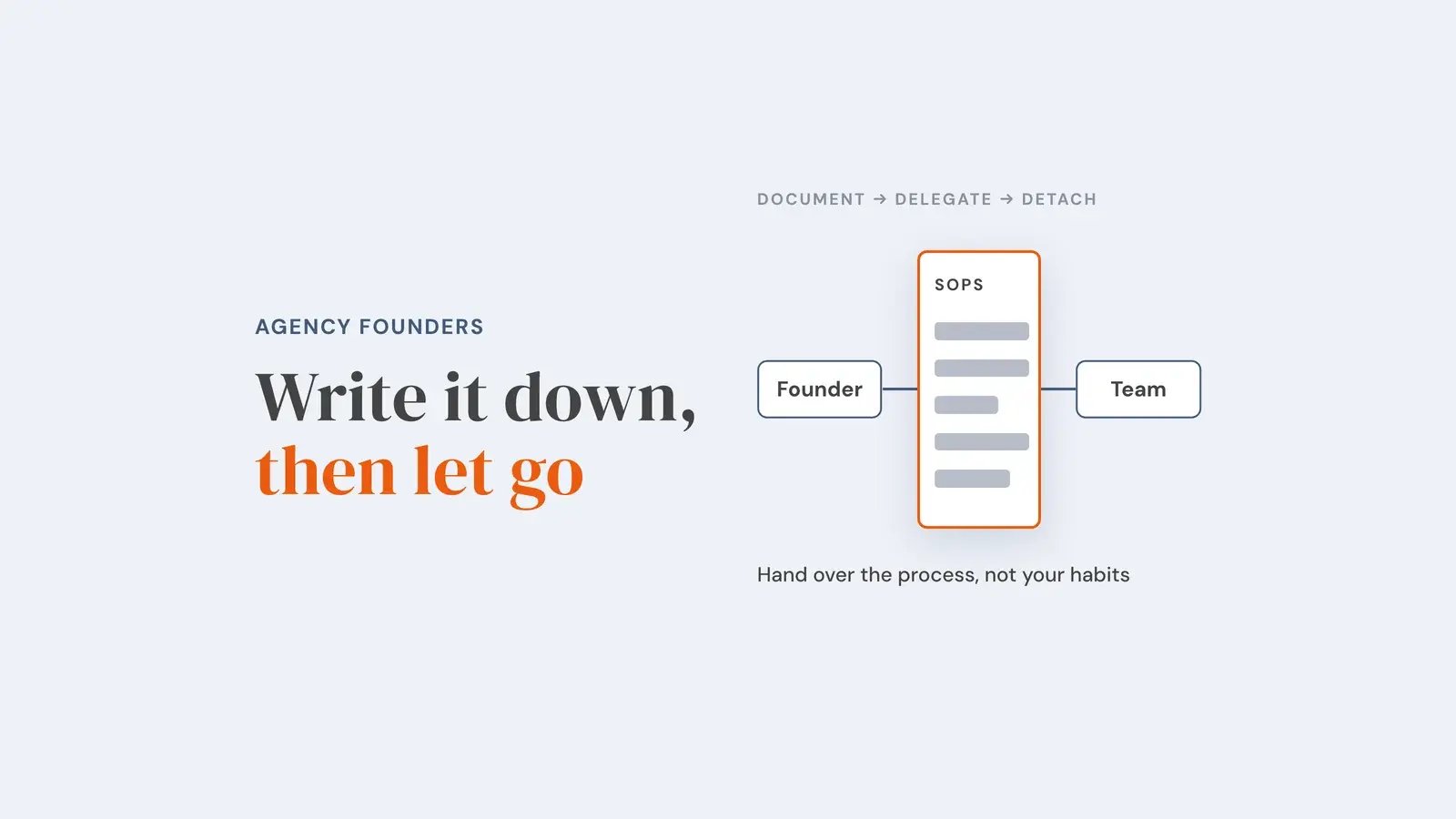
- Days 31–60: document: This phase produces five artefacts: a written strategy covering audience, positioning and priorities; a content production process with named roles and deadlines; a reporting definition sheet stating what each metric means and where it comes from; a configuration record for your CRM and website; and a decision log explaining why the approach was chosen.
- Days 61–90: transfer: Your team runs the system with supervision for one cycle, then without it.
The sequence matters. Transferring execution before documenting the system is the most common reason handovers fail. Your team inherits the work without the reasoning, and reverts to whatever it did before.
External help still makes sense throughout, and afterwards. Specialist capacity, honest challenge, and short bursts of leadership do not require handing over ownership. An editor is capacity. An advisor who reviews your quarterly plan is challenge. If your partner disappeared tomorrow and you would still know what to do next, the arrangement is healthy.
Frequently asked questions
Does self-sufficient mean doing everything in-house?
No. It means holding the strategy, reporting, and decision-making internally. Production capacity can be bought as needed.
How small can a self-sufficient marketing function be?
One capable person with a documented system and leadership support. That works, but it carries single-person risk, which is what sign 5 tests for.
How long does it take?
Roughly 90 days to transfer an existing system, and 18–24 months to build full capability from a standing start.
What does it cost to build versus keep outsourcing?
In my experience, building costs £2,000–£7,000 per month for a defined period, then stops. Outsourcing costs £3,000–£10,000 per month indefinitely.
Is an agency ever the better choice?
Yes. If you need full marketing capability running within weeks with no internal resource to build on, an agency gets you there faster and carries the hiring risk.
Where this leaves you
Whether you have outsourced for years or are building marketing internally for the first time, one question decides it: does the capability live inside your business or outside it? The tools and methods needed to run a growth system internally are accessible in a way they were not a decade ago. Renting capability is now a choice, not a necessity.
How to take action now
- Score your function against the seven signs.
- Name one internal owner for marketing outcomes, even part-time.
- Write down your content process, however rough the first version is.
- Set a date by which execution moves in-house.
Related Reading: Marketing Partner Checklist: What Founders Must Review Before Hiring

Pricing disclaimer: All GBP–USD price conversions are rounded estimates and correct at the time of publishing. Exchange rates fluctuate and figures should be treated as indicative only.