

Not sure where to actually begin with Endless Customers? Worried that without a clear structure, the first 90 days will disappear into a fog of planning, hiring debates, and half-published content?
You are not alone. Most businesses that struggle with the programme do not fail for lack of effort. They fail because they started without structure.
You will get a clear, phase-by-phase structure you can act on from day one. It is written specifically for business owners, marketing leads, and sales directors committing to the Endless Customers System™.
Here is what it covers: Alignment Day, content roles, Big 5 strategy, infrastructure setup, and exactly what success should look like by day 90.
Assumptions and scope: This guide is written for founder-led businesses in the UK and US with revenues between £1m–£10m ($1.3m–$13m). The time horizon is the first 90 days of a 24-month Endless Customers programme. Role seniority assumed is owner, marketing lead, or sales director. Costs referenced reflect 2026 market rates.
Key takeaways
- The Endless Customers first 90 days begin with Alignment Day and focus on putting people, processes, and content infrastructure in place before results can follow.
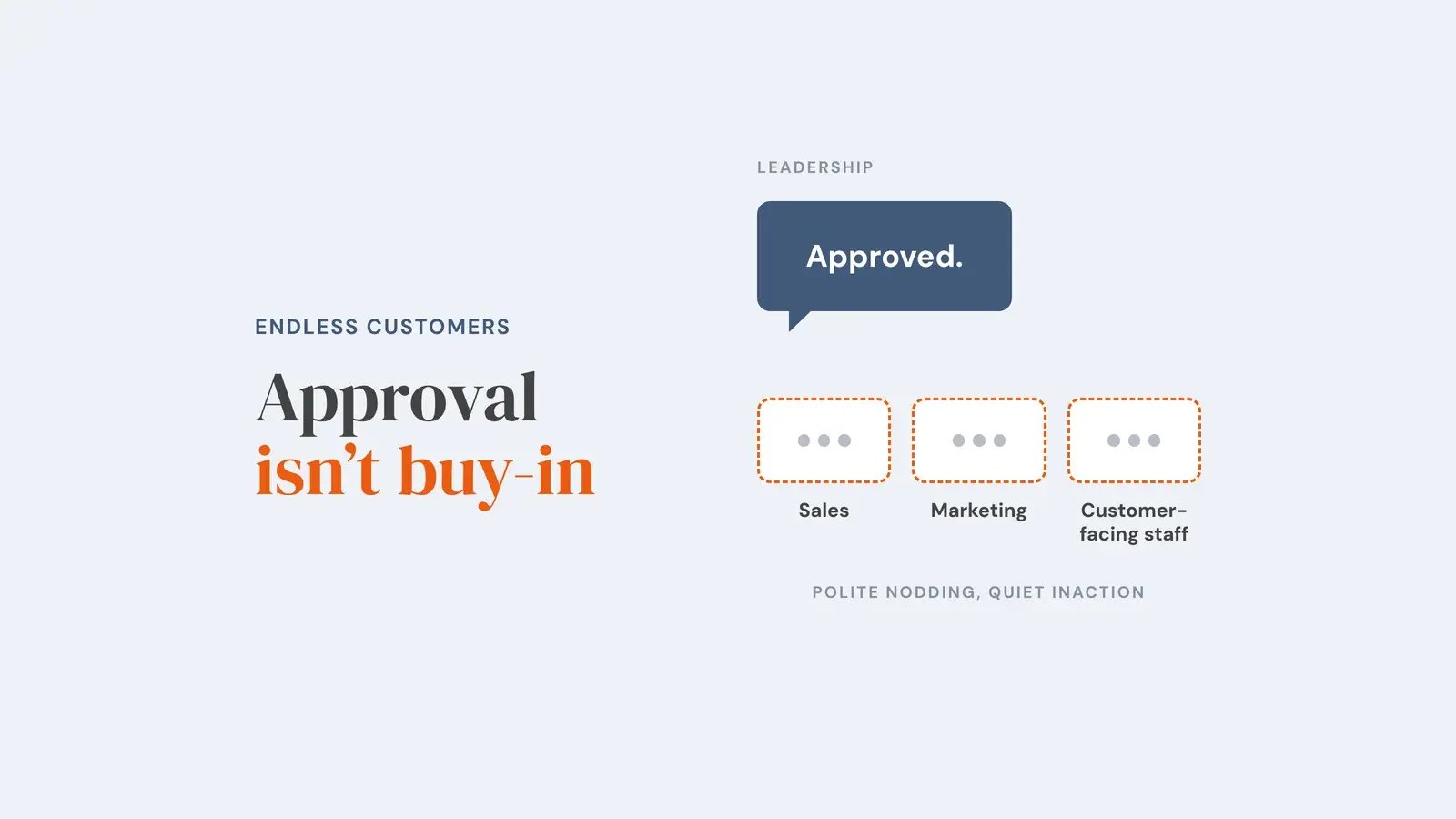
- Skipping Alignment Day is one of the most common causes of early failure; it creates silos between sales and marketing that are hard to undo.
- The first content you should publish is cost and price; it is the most immediately useful for your sales team and the most actively sought by buyers.
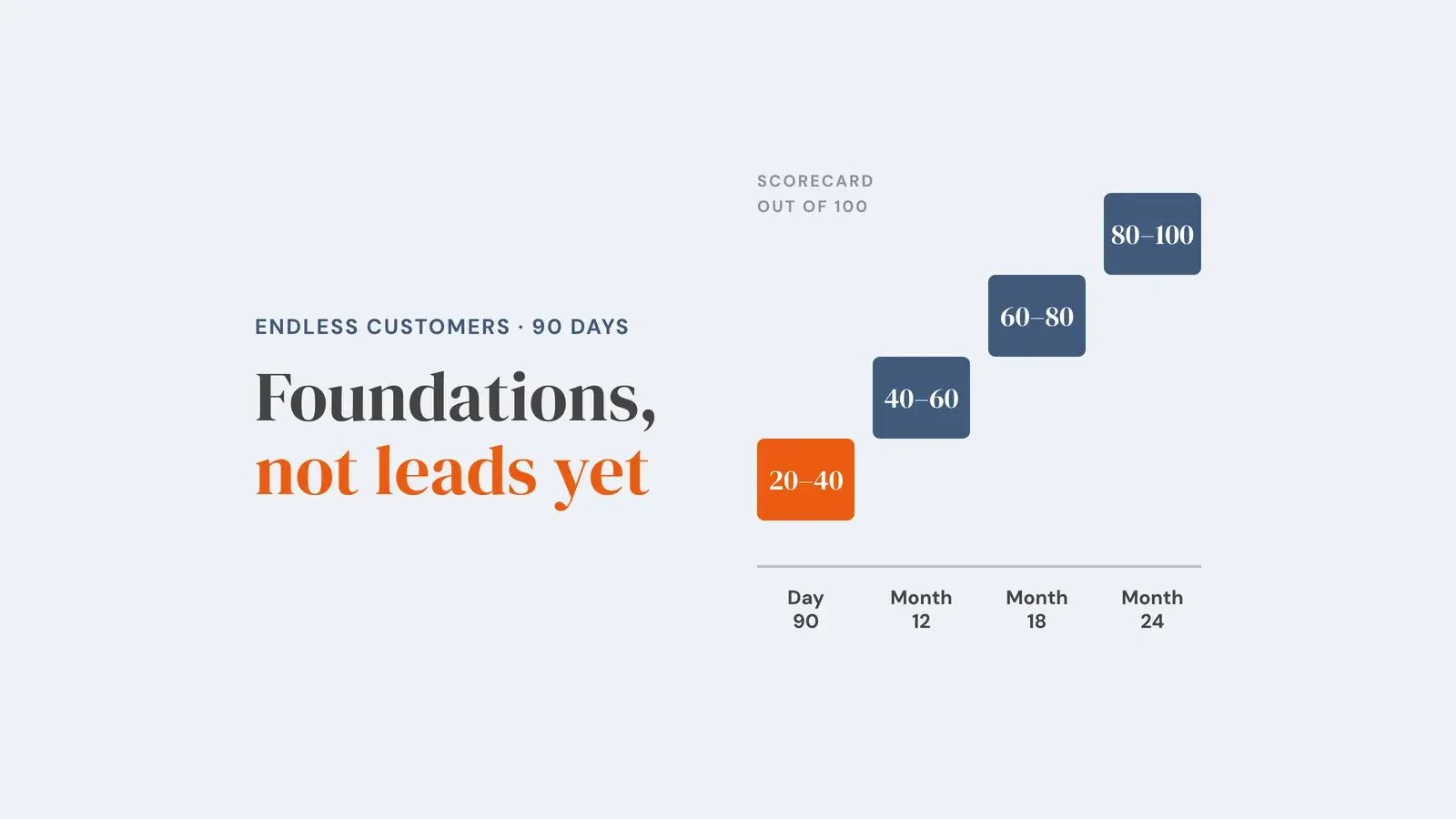
- By day 90, a well-structured implementation should produce an Endless Customers Scorecard of 20–40, with a content owner in place and at least 3 Big 5 pieces publishing per week.
- Bringing content production in-house, not outsourcing it, is the single most impactful decision you can make to succeed with Endless Customers.
What is the Endless Customers first 90 days?
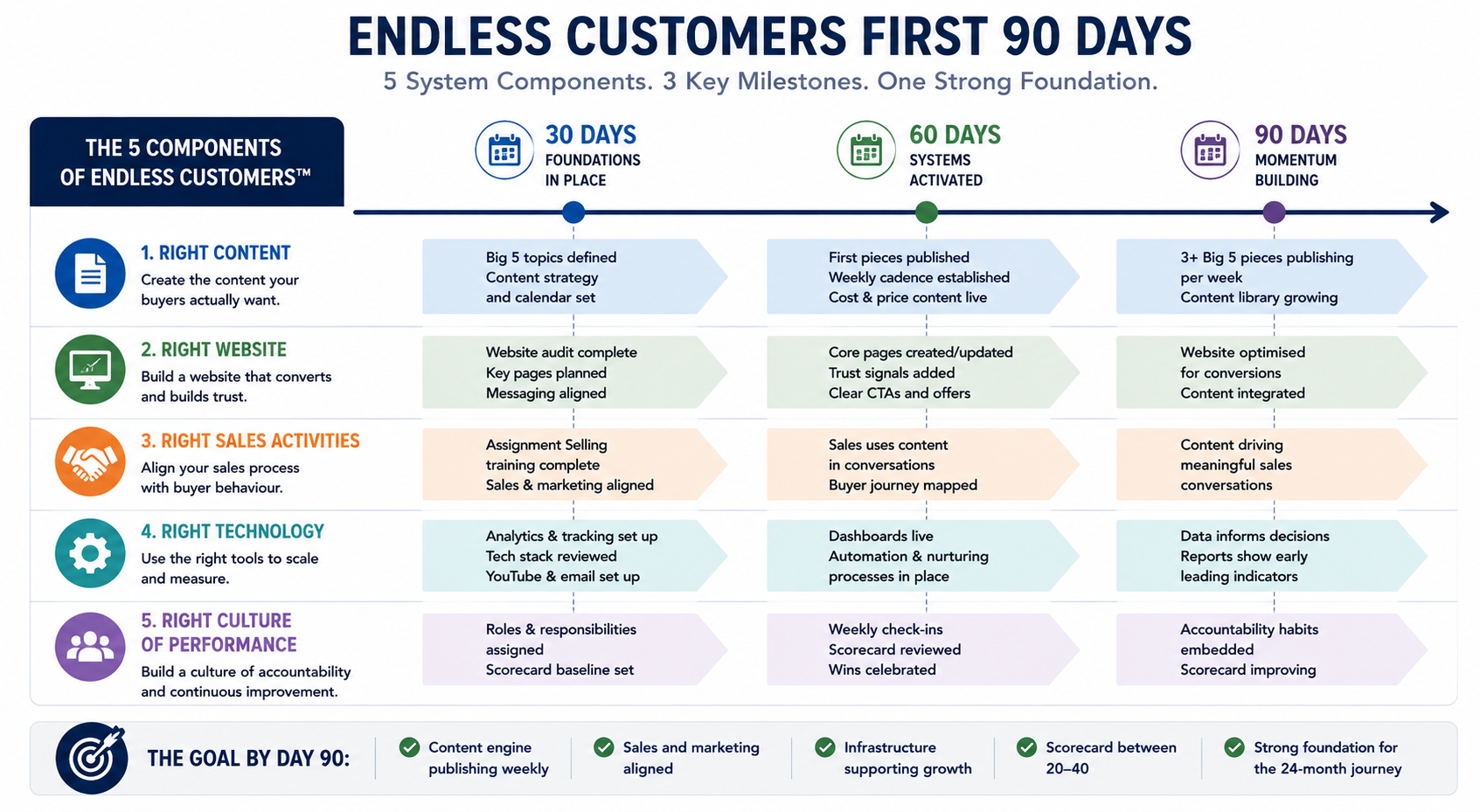
The Endless Customers first 90 days is the foundational implementation phase in which a business puts the people, processes, content, and infrastructure in place to begin building the most known and trusted brand in their market.
The phase begins with Alignment Day and ends when your content engine is running, roles are assigned, and Big 5 content is publishing on a steady weekly cadence.
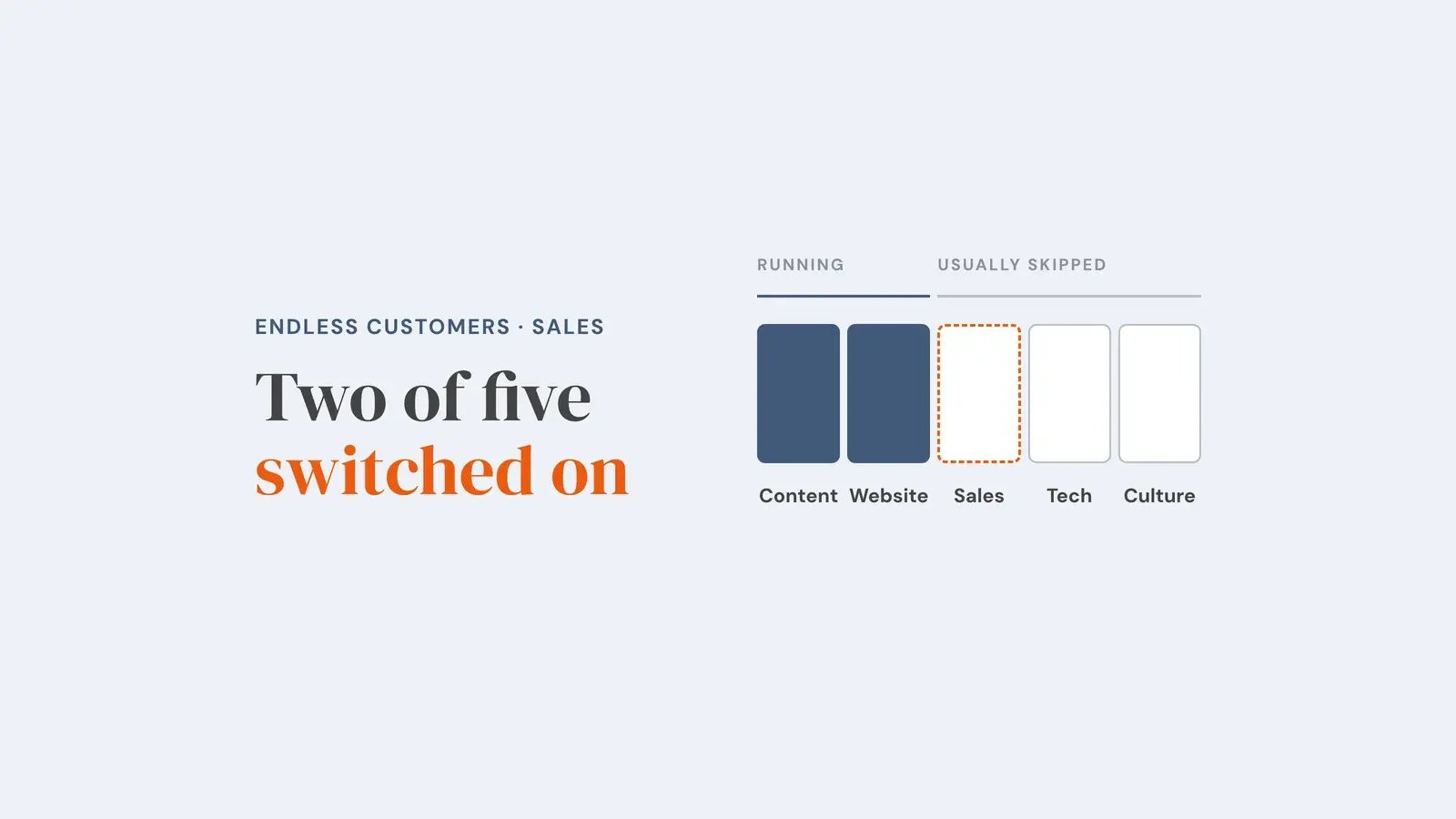
The Endless Customers System™ is built on 5 components: the right content, the right website, the right sales activities, the right technology, and the right culture of performance. The first 90 days install the foundations for all five. This phase is not about generating results. It is about building the system that produces them.
Why do the first 90 days make or break your Endless Customers journey?
The first 90 days are make-or-break because they establish every habit, role, and content process the entire 24-month programme depends on. Skip these foundations and the programme stalls before it gains momentum.
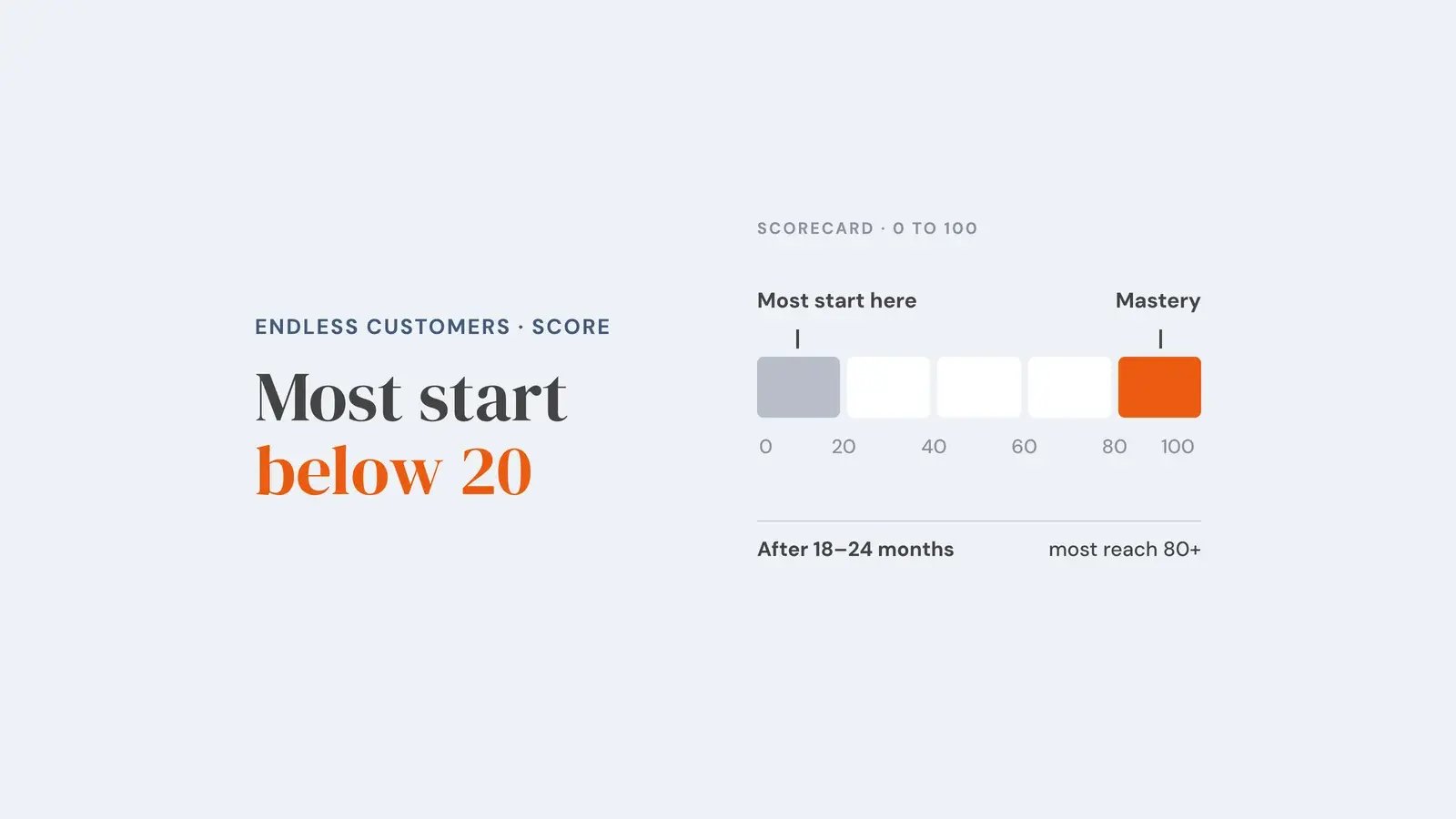
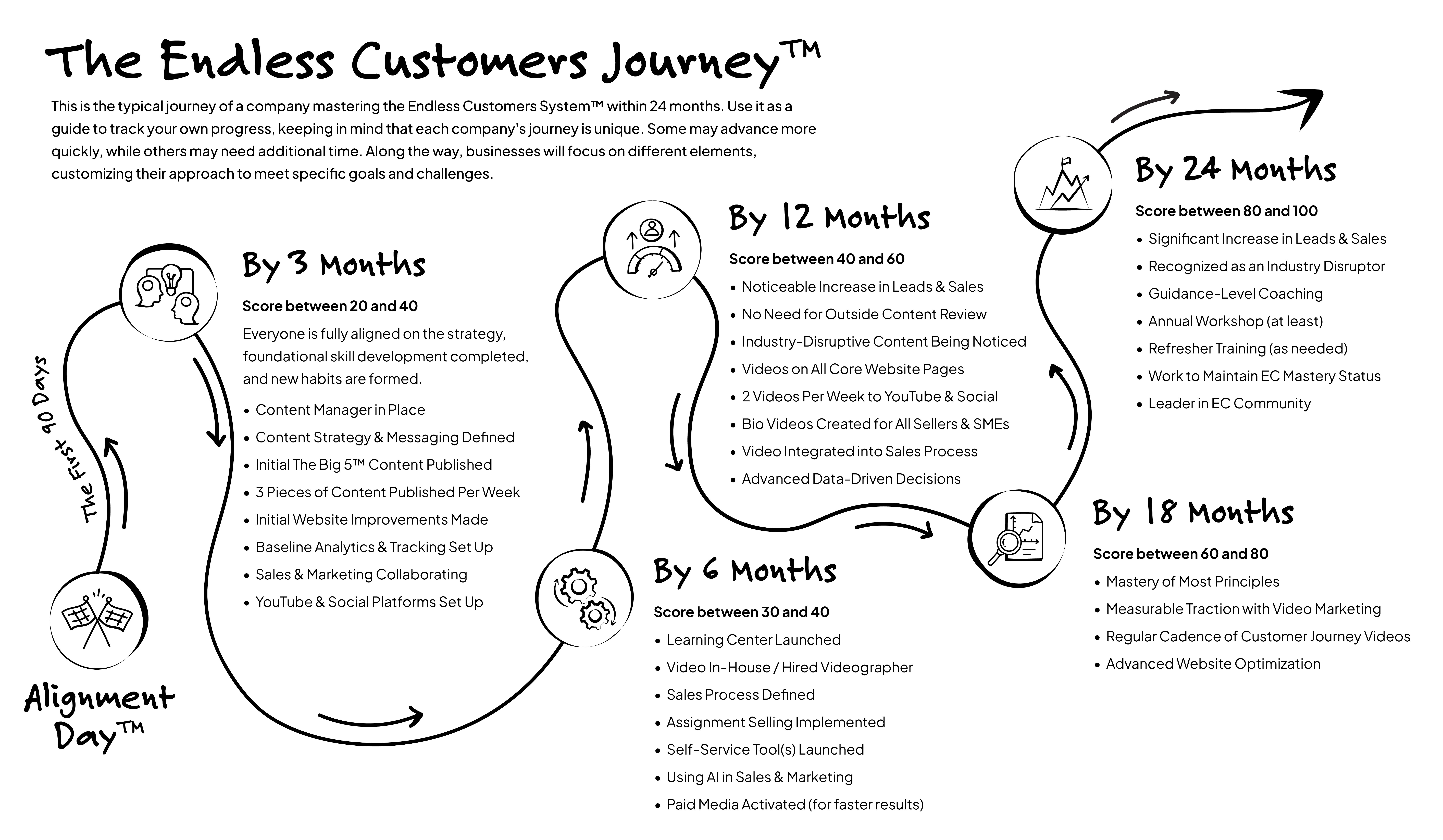
Most businesses start below 20 on the Endless Customers Scorecard. A properly structured first quarter should lift that score to 20–40, the range at which content is publishing reliably and sales and marketing are beginning to work together.
Businesses that skip Alignment Day or delay assigning a content owner reliably fail to hit the publishing cadence that drives early results, and many never fully recover. The 24-month journey to programme mastery depends entirely on what you build in this first quarter. Treat it as system installation, not a warm-up.
What is the best structure for the Endless Customers first 90 days?
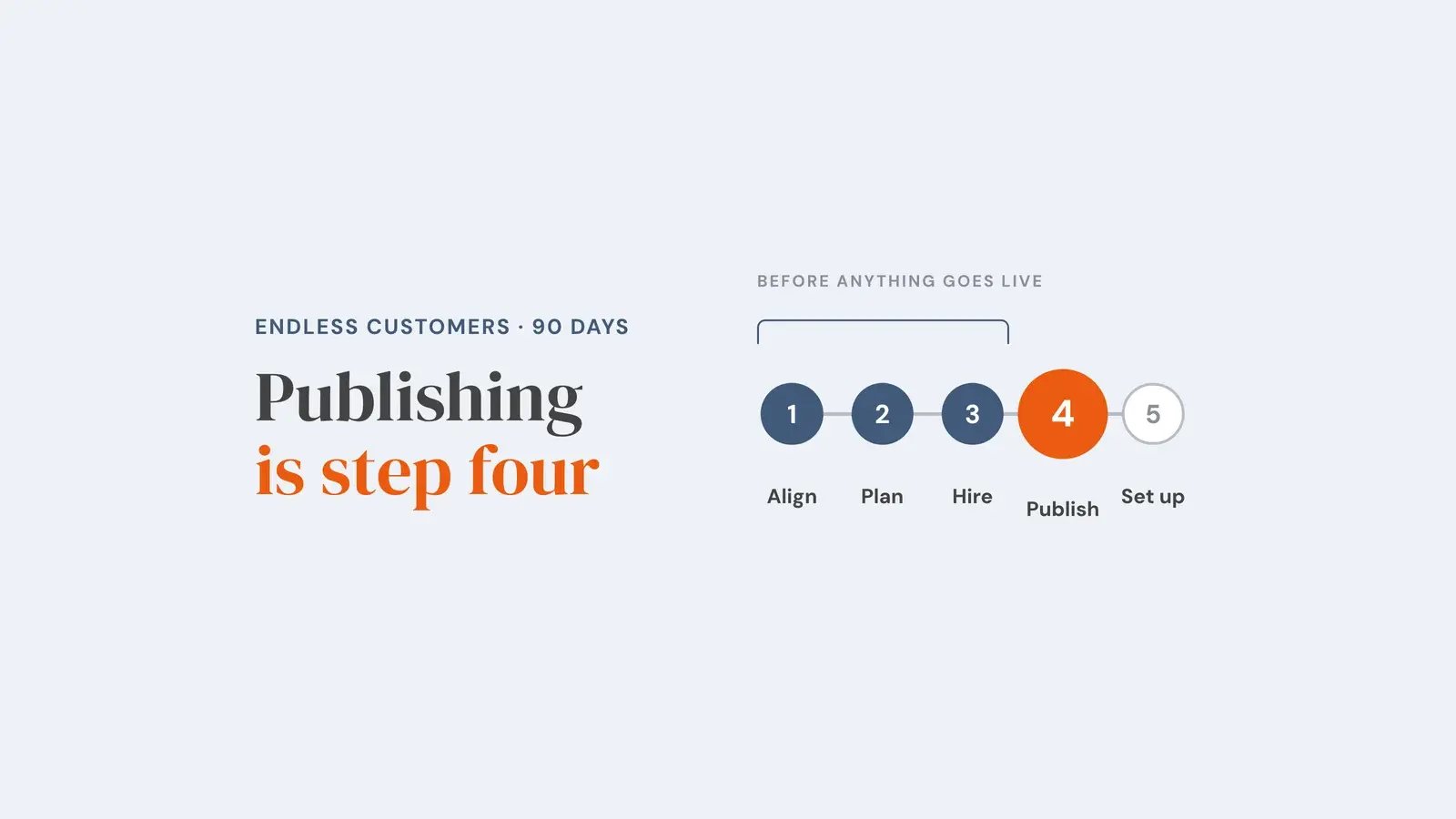
The best way to structure the first 90 days of Endless Customers is to follow five sequential phases. Each one builds directly on the one before it, and skipping even one creates a gap that widens over time.
- Run Alignment Day: unify your whole team around the strategy before publishing anything
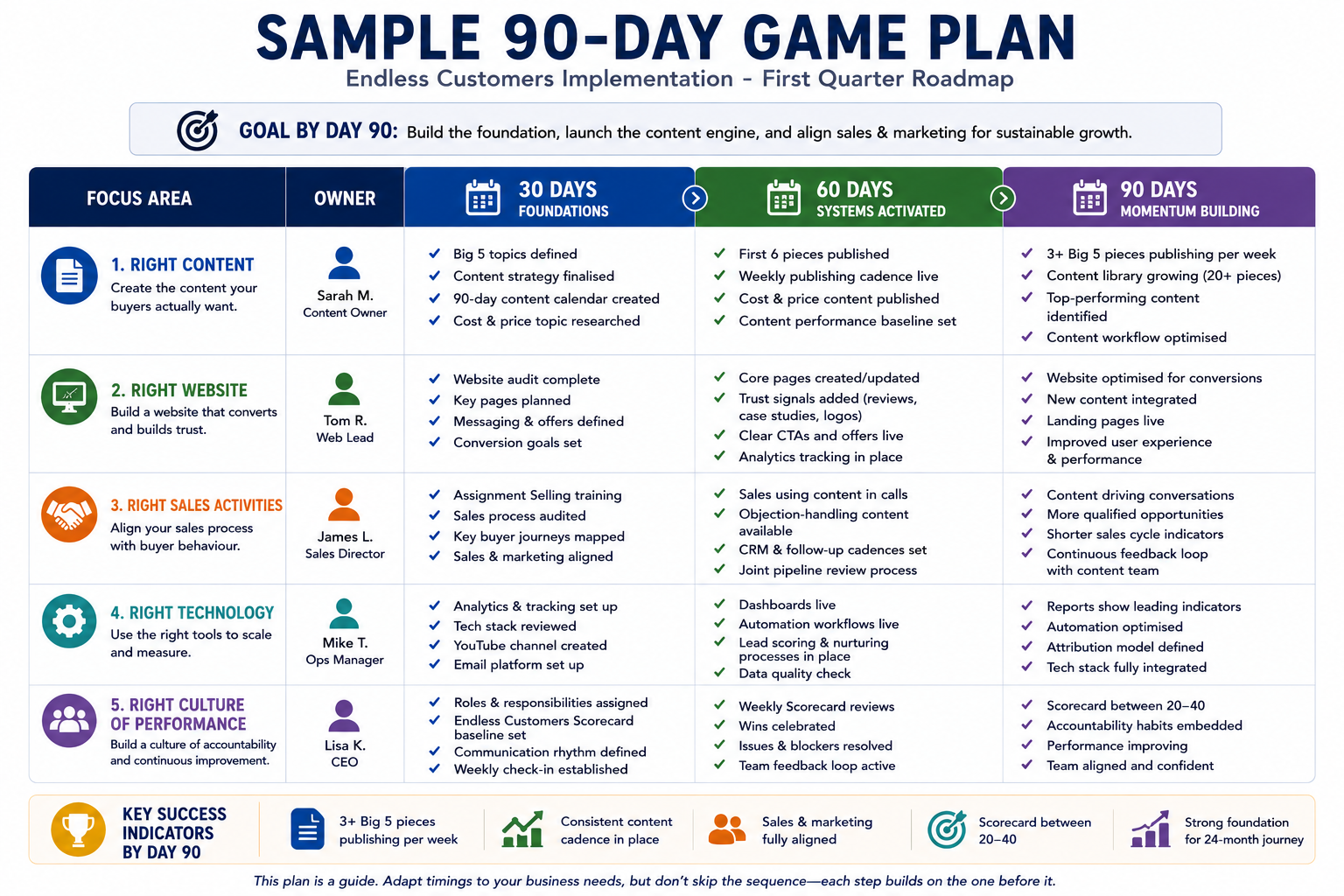
- Complete your Planning Session: identify 3–5 Focus Areas and build a 90-day Game Plan
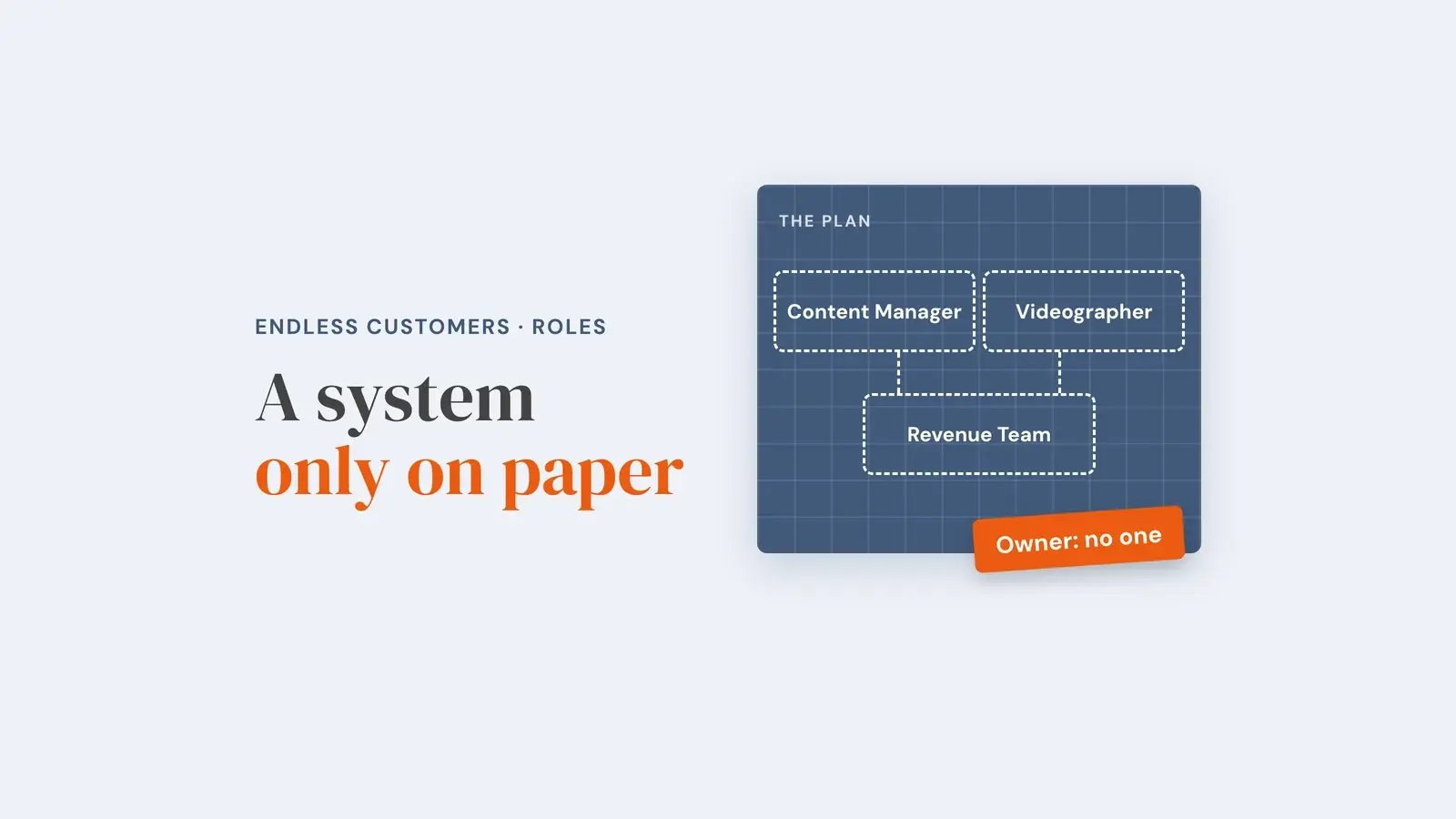
- Hire or assign your in-house content roles: put a content owner in place before production starts
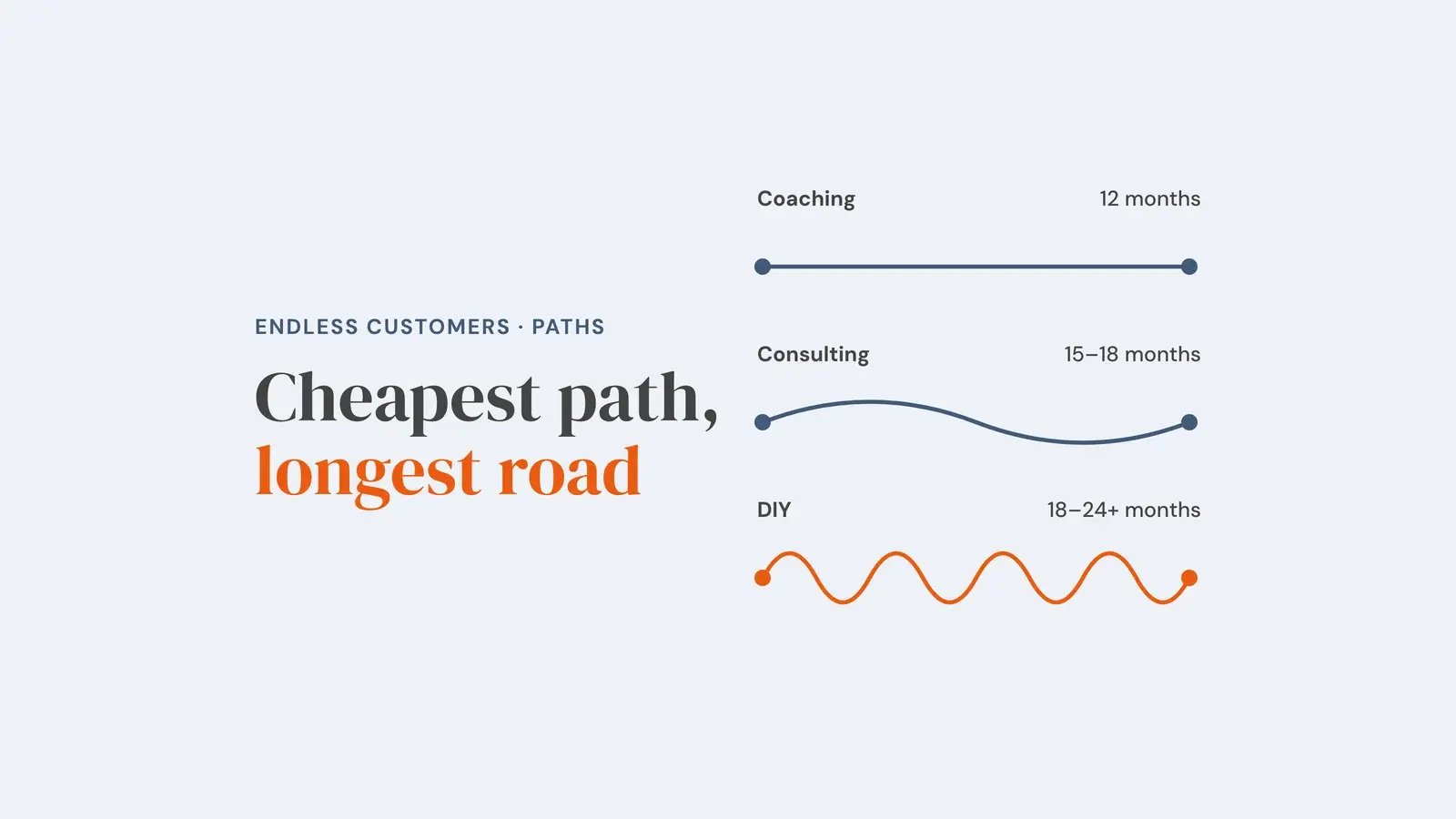
- Launch your Big 5 content strategy: start with cost and price for your core product or service
- Set up digital infrastructure and sales alignment: analytics, YouTube, website basics, and Assignment Selling
Phase 1, Alignment Day: unify your whole team before publishing anything
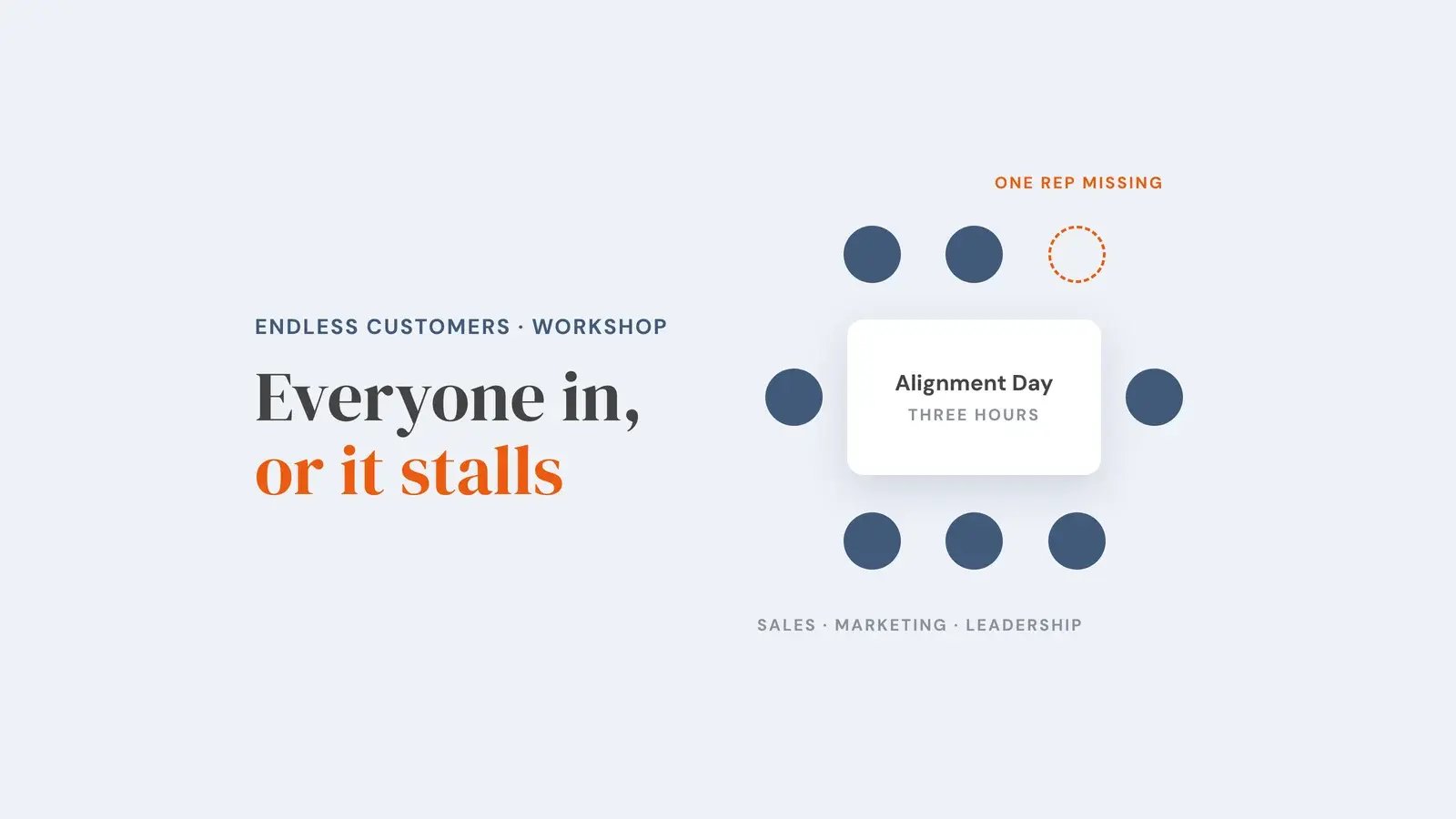
Alignment Day is a focused 3-hour training session that unifies your entire organisation around the Endless Customers strategy before a single piece of content is published. Every customer-facing team member should attend: sales, marketing, leadership, and anyone who interacts with buyers.
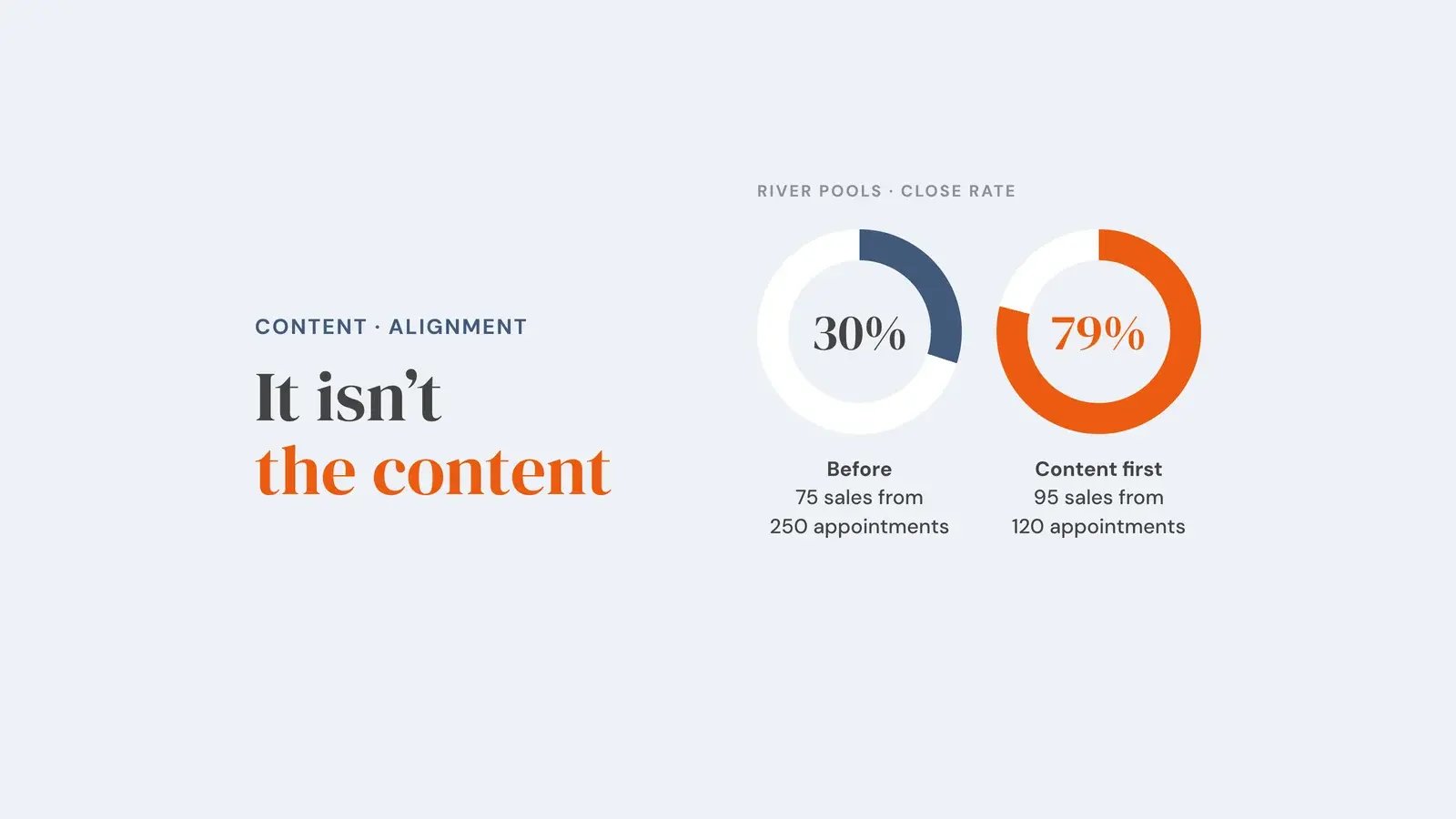
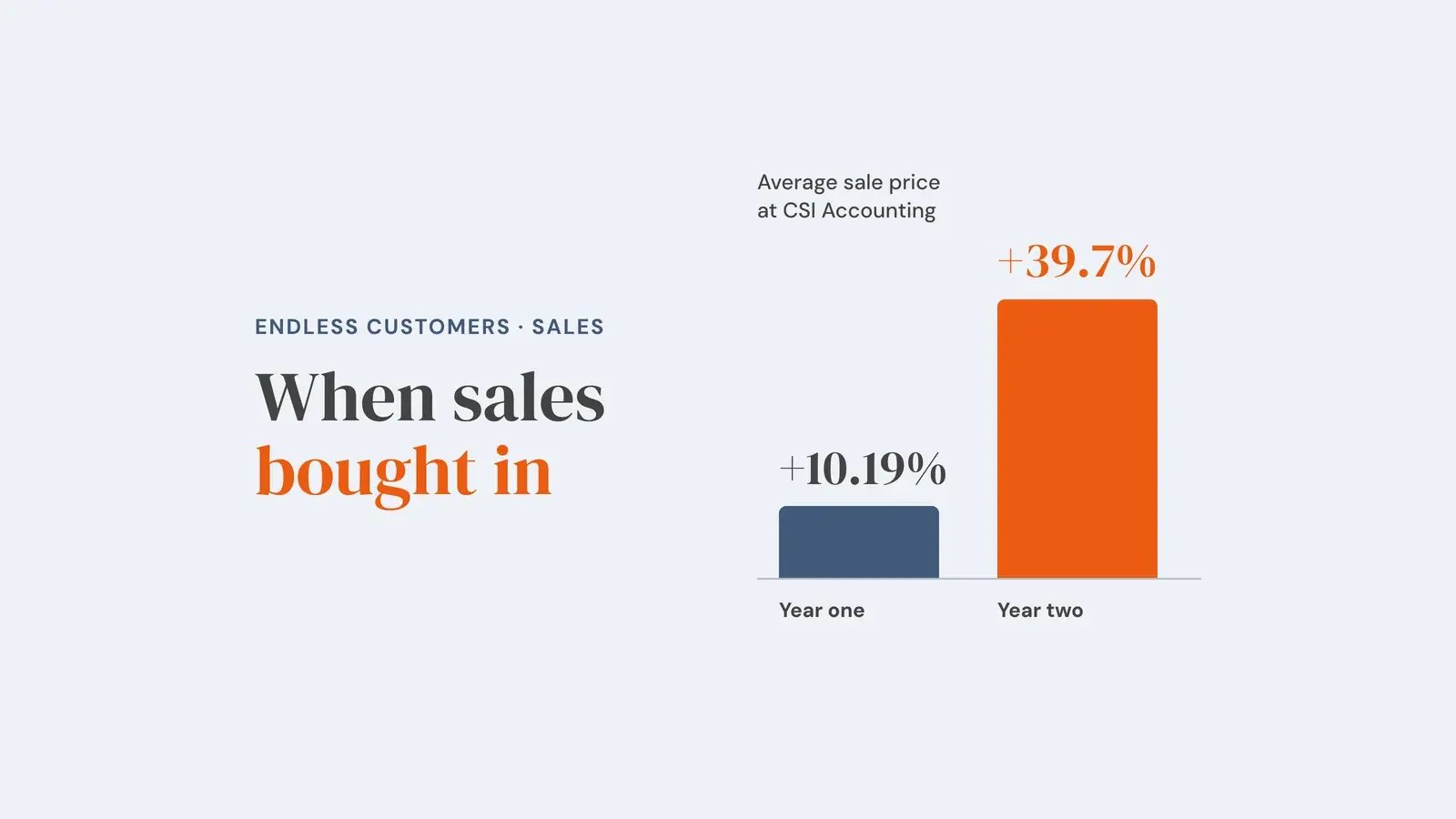
Without this step, sales and marketing work in silos, producing content that never gets used in the sales process. One IMPACT client, Patrick Accounting, described Alignment Day as "the catalyst we needed to get everyone on the same page" after months of miscommunication between teams.
What gets covered during Alignment Day:
- How buyers have changed and what that means for your sales process
- The 4 Pillars of a Known and Trusted Brand and how they apply to your business
- Brainstorming Big 5 content topics and strategies
- Defining roles and responsibilities across every customer-facing team member
Every participant leaves knowing their role. Alignment Day should be repeated annually as teams evolve.
In the interest of transparency: I deliver Alignment Day facilitation commercially through my Growth Alignment Intensive™, so I have a direct interest in recommending it. Full details and pricing are in the conclusion below.
Phase 2, The Planning Session: setting your Focus Areas and building your Game Plan
Immediately after Alignment Day, your leadership team should identify 3–5 Focus Areas (the highest-impact initiatives for the next 90 days) and build a Game Plan that assigns clear ownership and deadlines to each.
The 90-day interval is intentional. It is long enough to make meaningful progress on complex initiatives, short enough to keep urgency and accountability alive.
Phase 3: Hiring or assigning your in-house content roles
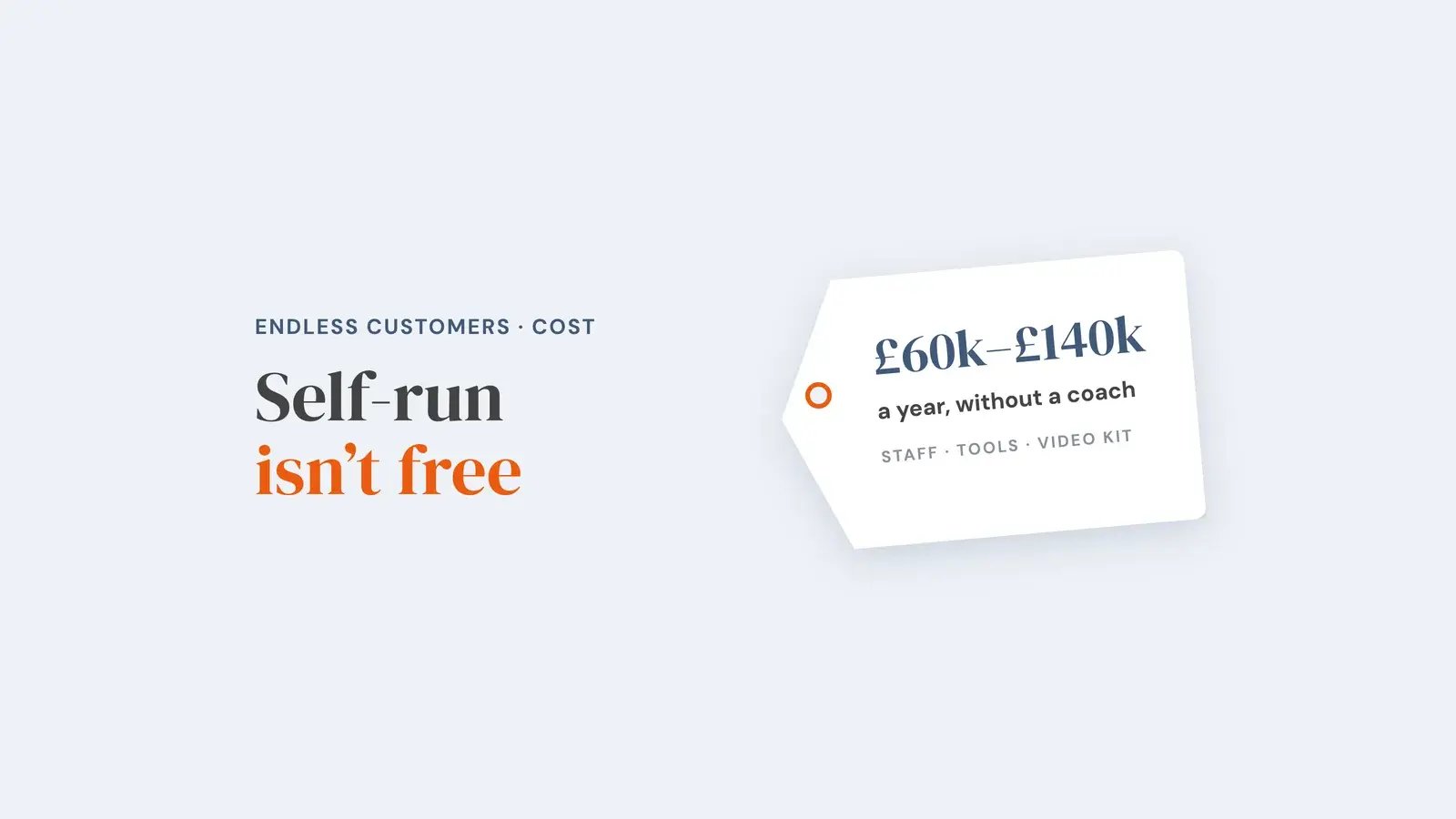
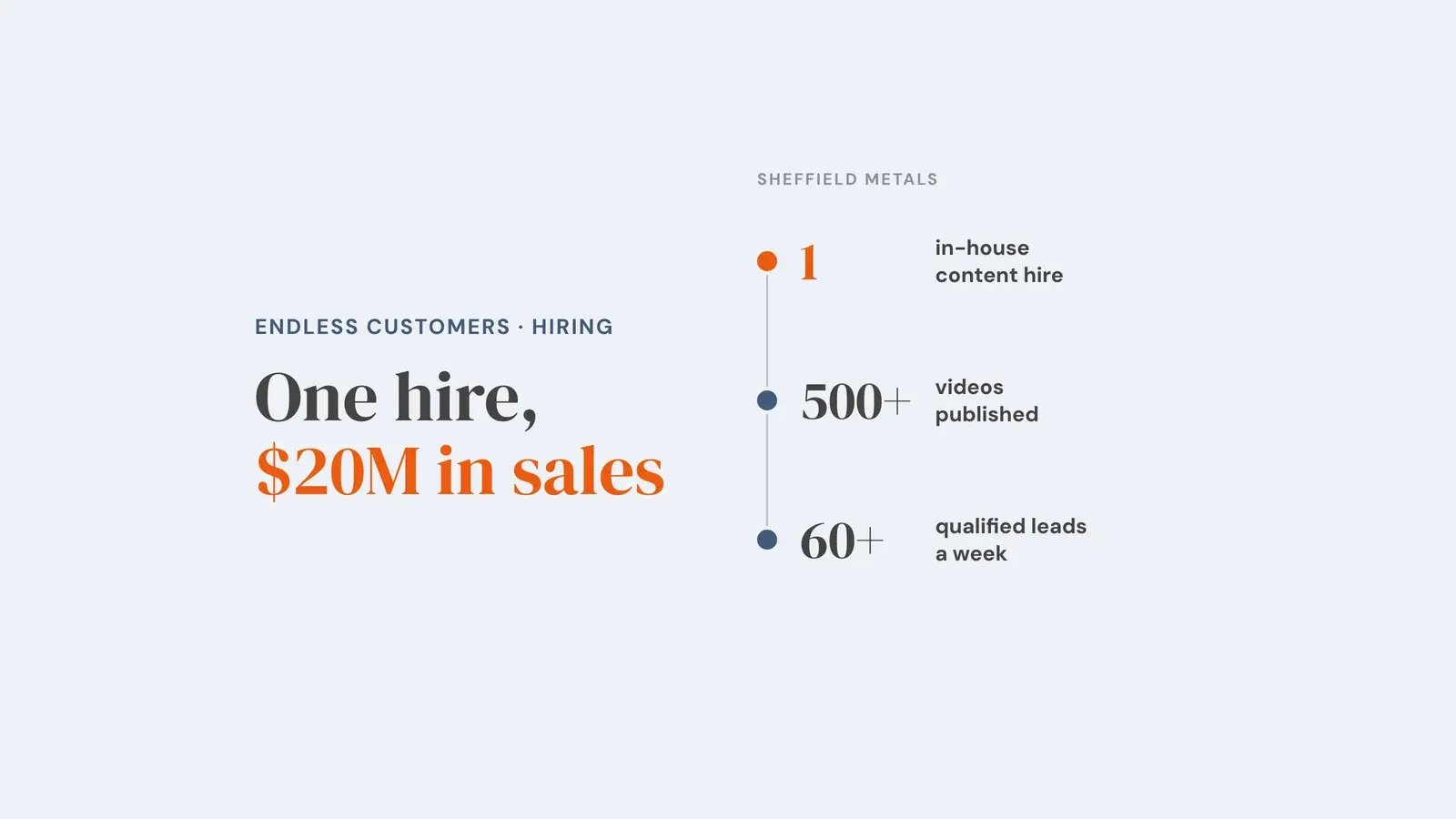
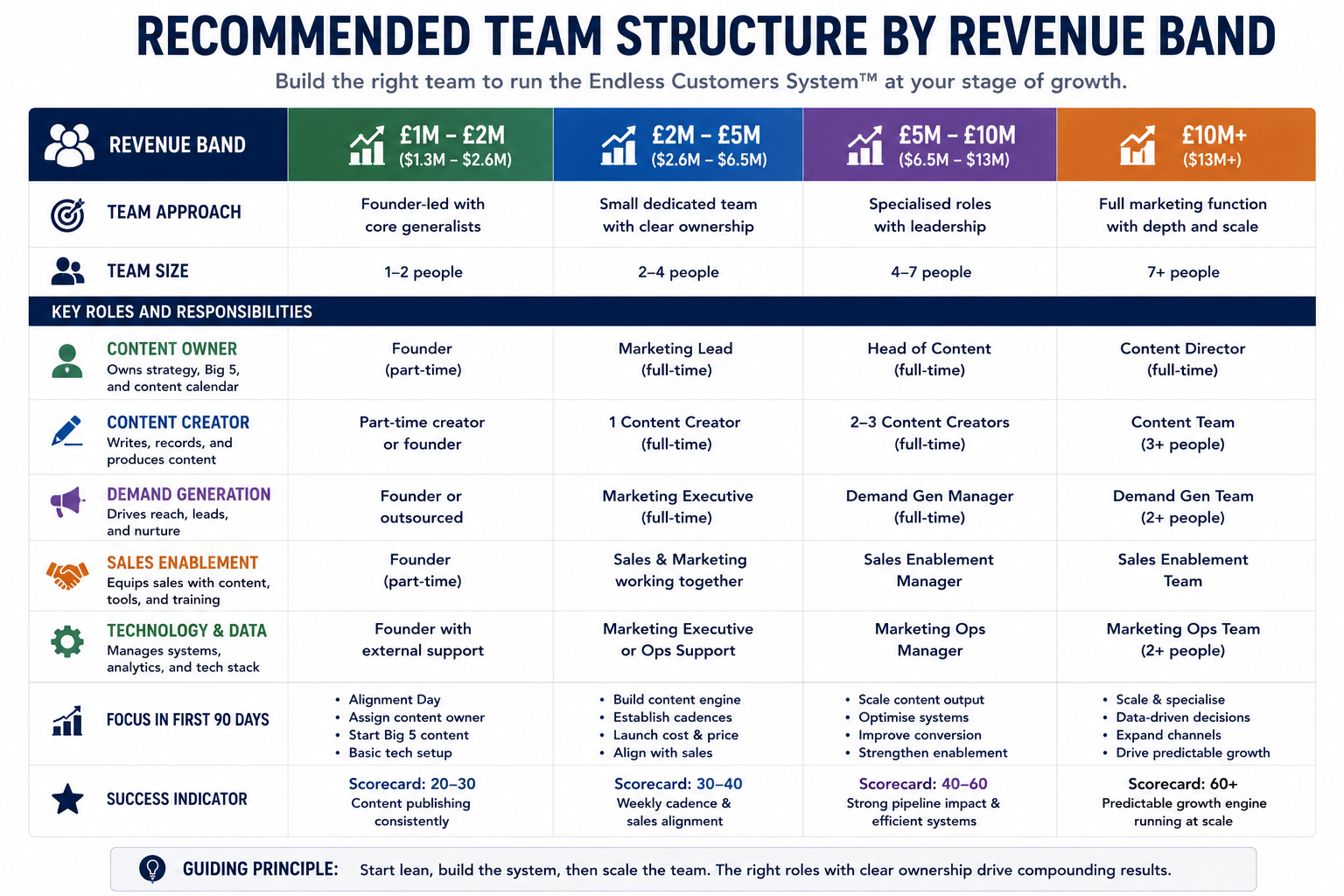
Bringing content production in-house (with at least one person fully accountable for content from start to finish) is the single most impactful staffing decision you can make to succeed with Endless Customers.
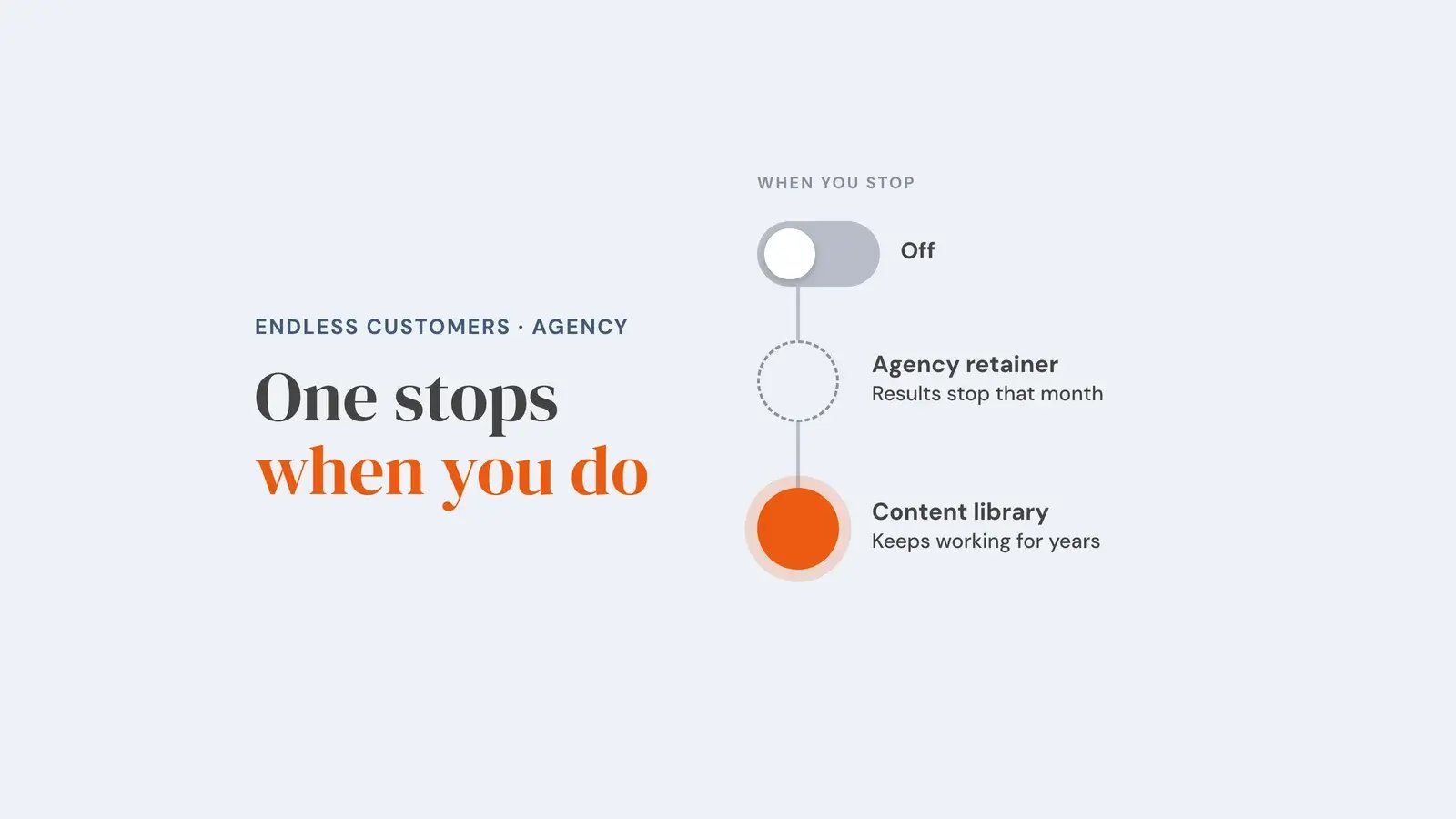
Outsourced content lacks the expertise, authenticity, and speed that only your internal team can provide.
For businesses generating £1m–£5m ($1.3m–$6.5m), a hybrid content-and-video hire is the most practical starting point. Above £5m ($6.5m), plan for two dedicated roles as soon as resources allow.
Phase 4: Launching your Big 5 content strategy the right way
The best way to launch your Big 5 content strategy in the first 90 days is to start with cost and price content for your core product or service. It is the most actively sought by buyers at the point of purchase and the most immediately useful for your sales team.
The Big 5 content types, in recommended priority order for the first 90 days:
- Cost and price: what buyers want to know before anything else
- Problems: risks, drawbacks, and who the product is not right for
- Comparisons and versus: how your offering stacks up against alternatives
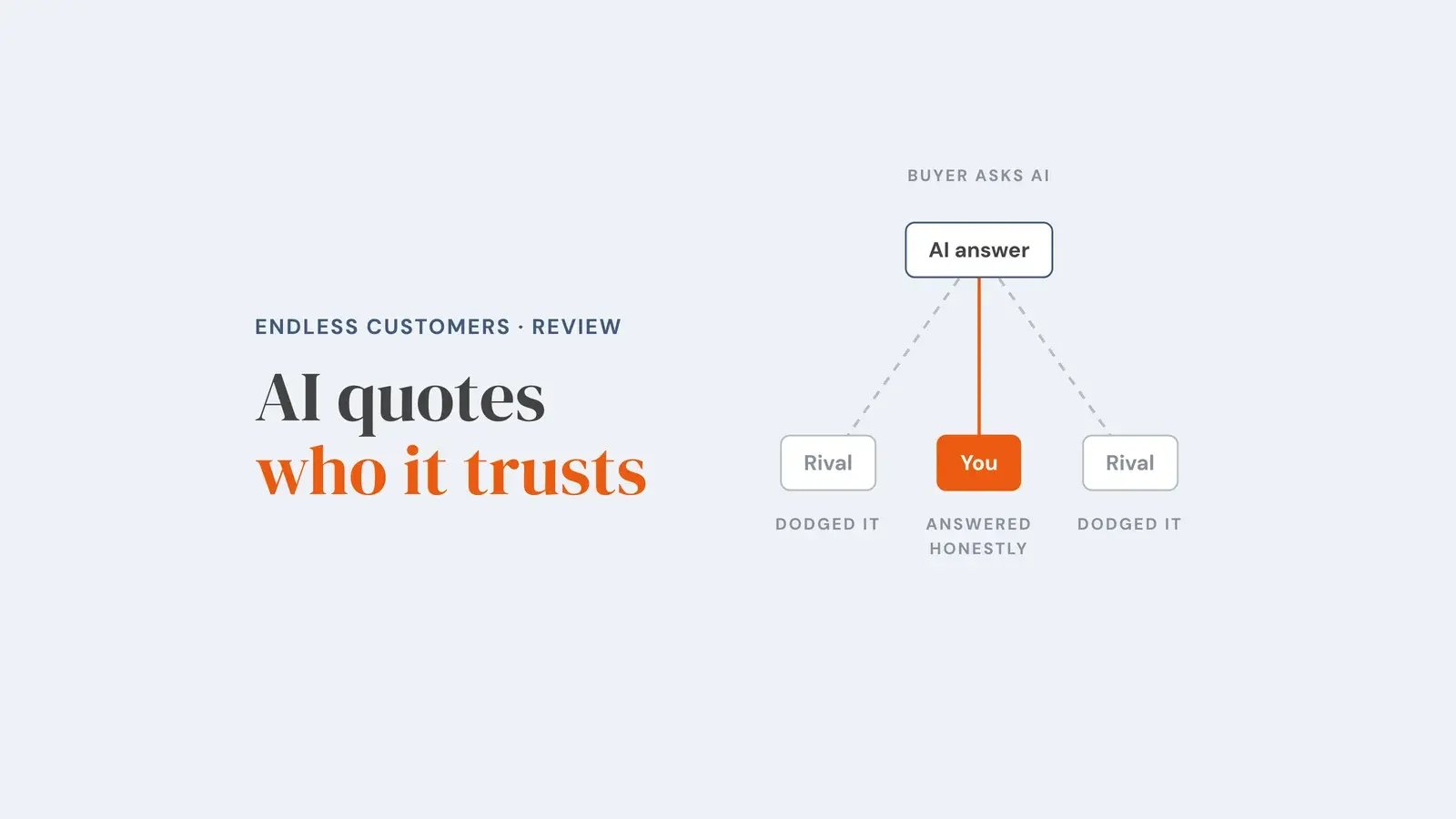
- Reviews: honest assessment of what buyers can expect
- Best in class: roundups of the best options in your category
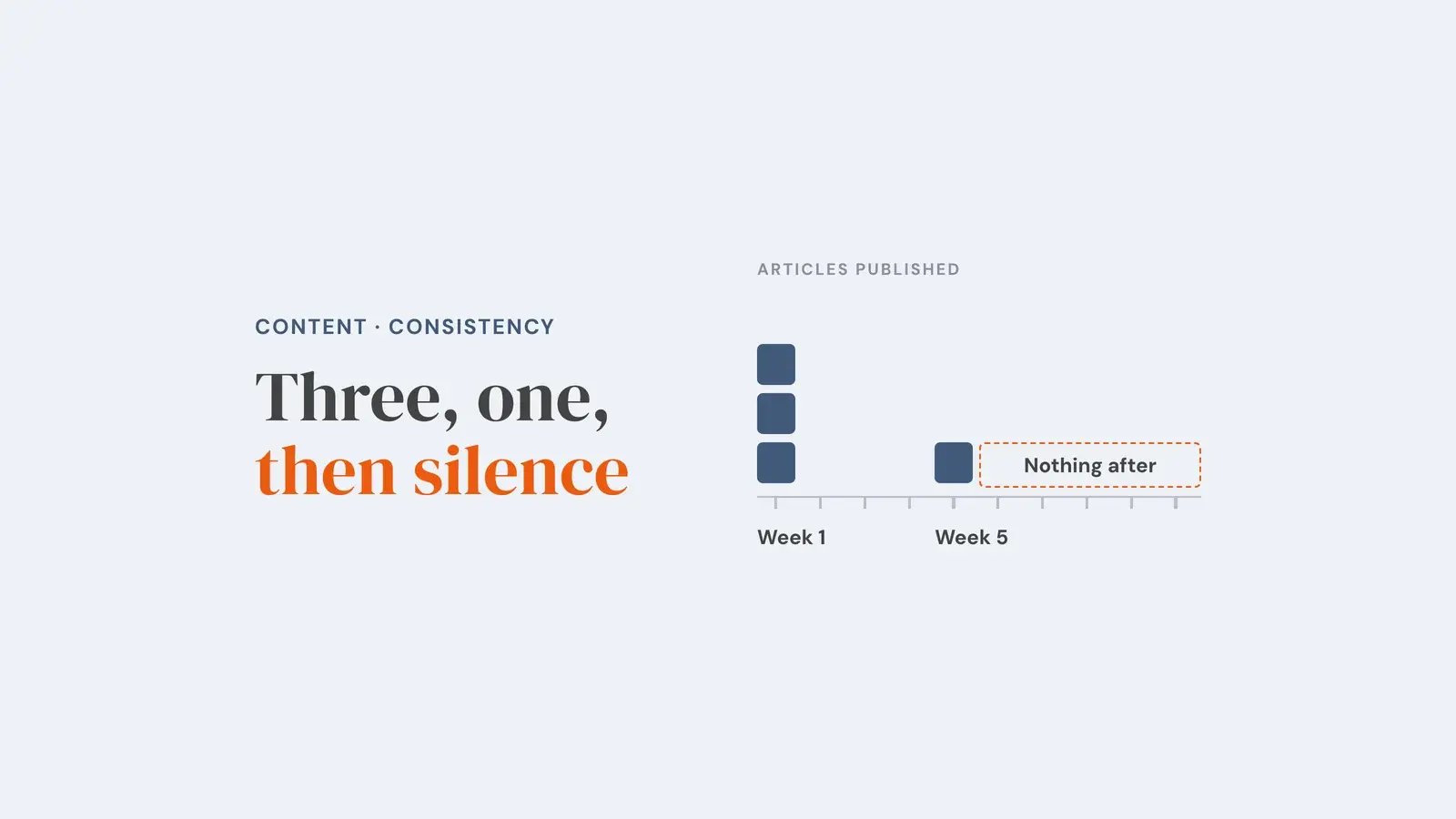
Build a backlog of 5–10 pieces before going live to protect your cadence, then commit to a minimum of 3 new pieces per week. AI tools can speed up brainstorming and drafting, but every piece must be reviewed and shaped by internal subject matter experts.
Phase 5: Digital infrastructure, website basics, and sales-marketing alignment
In the first 90 days, complete four infrastructure tasks in parallel with content creation. They ensure every piece of content can be tracked, measured, and used by your sales team.
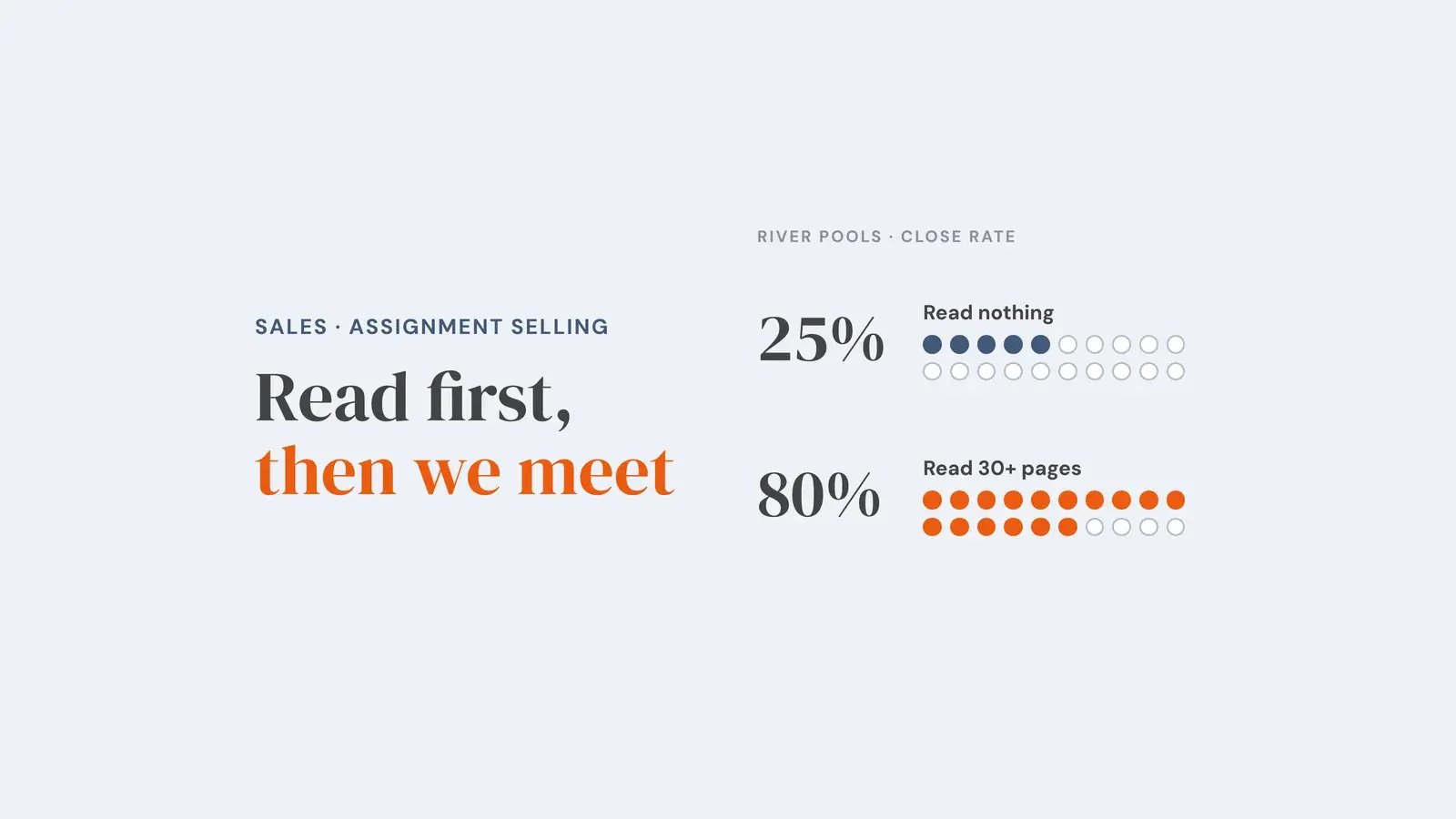
Assignment Selling (using content before every call and meeting to build trust and reduce friction) is what turns your content from a marketing asset into a direct revenue driver from day one.
First 90-day infrastructure checklist:
- Make initial improvements to core product and service pages
- Set up baseline analytics and conversion tracking
- Launch your YouTube channel and relevant social platforms
- Document your sales and marketing collaboration process, including how content is used before and during sales conversations
What does a successful first 90 days actually look like?
A company that has properly structured its Endless Customers first 90 days will have a content owner in place, at least 3 Big 5 pieces publishing per week, initial website improvements live, and baseline analytics running, with an Endless Customers Scorecard between 20 and 40.
Frequently asked questions
How long does Alignment Day take, and who needs to attend?
Alignment Day is a 3-hour training session. Your entire customer-facing organisation should attend: sales, marketing, leadership, and anyone who interacts with customers. Leaving out parts of the team creates gaps that are difficult to close later.
Do I need to hire a content manager before I start publishing?
Yes. Content production without a clear owner stalls quickly. If a full hire is not yet viable, assign an existing team member to own content full-time before you begin. Accountability matters more than headcount.
What content should I publish first?
Start with cost and price content for your most important product or service. It is the most actively sought by buyers and the most immediately useful for your sales team when they are in live conversations with prospects.
Can I outsource content creation during the first 90 days?
No. Outsourced content lacks the expertise, speed, and authenticity your internal team provides. Buyers want answers from real people inside your organisation. And so does your sales team.
What Endless Customers Scorecard score should I aim for by day 90?
A score of 20–40 is a realistic and healthy target by day 90. A score below 20 at that point means key foundations (content ownership, publishing cadence, or team alignment) are still missing.
Conclusion
You started this article without a clear picture of where to begin. Now you have five sequential phases and a scorecard to tell you whether it is working.
The businesses that reach 80+ on the EC Scorecard within 24 months are not exceptional. They are disciplined about what happens in the first quarter. The structure is the same for every company. The difference is who actually follows it.
How to take action now
- Complete Alignment Day with your full team before publishing anything
- Assign or hire a content owner before your next planning meeting
- Start your Big 5 brainstorm using your sales team's most common buyer questions
- Fill in your first Endless Customers Scorecard as a team to establish your baseline
- Book a Growth Alignment Intensive™ to have your first 90-day structure built and facilitated professionally
Related reading
-
Is Your Business Ready for Endless Customers? What It Takes to Succeed
-
What to Expect When You Commit to the Endless Customers System for 90 Days
-
Why Endless Customers Fails Without Sales Buy-In (And How to Fix It)
Ready to build your first 90 days with expert guidance? My Endless Customers™ implementation programme begins with a Growth Alignment Intensive™, which includes the full Alignment Day session for your team, a pre-workshop strategy call, sales and marketing audits, and your first 90-day Game Plan. Available virtually from £3,200 ($4,200) or in-person from £4,000 ($5,300).
Book a call to find the right starting point.

About the author
Tom Wardman is a certified Endless Customers coach and strategic marketing consultant working with founder-led businesses across the UK and US. He installs in-house growth systems that give businesses full ownership of their marketing and sales pipeline, without long-term agency dependency.
Pricing disclaimer: All GBP–USD price conversions are rounded estimates and correct at the time of publishing. Exchange rates fluctuate and figures should be treated as indicative only.
Topics: