

Does your sales team reach for your marketing content in a live deal, or do they wing it with a three-year-old pitch deck?
Are you publishing content regularly, but still hearing from prospects: "I didn't know you could do that"?
If either sounds familiar, your content may be well written but structurally disconnected from your sales process. This article explains what a sales-enabled content system actually is, what it needs to include, and how to tell whether yours is working, or whether it is just a library no one in sales uses.
This is for B2B founders, marketing leaders, and sales directors who want content to support revenue, not just search rankings. I have spent years helping founder-led B2B businesses replace content libraries no one uses with systems their sales teams actually reach for in live deals.
Key takeaways
- A sales-enabled content system is a structured library of content assets mapped to specific buyer questions, sales stages, and objections, built to support live sales conversations, not just generate traffic.
- A complete system includes seven components: a buyer question bank, stage-mapped assets, sales tools, a content repository, an assignment workflow, a sales-to-marketing feedback loop, and a measurement layer.
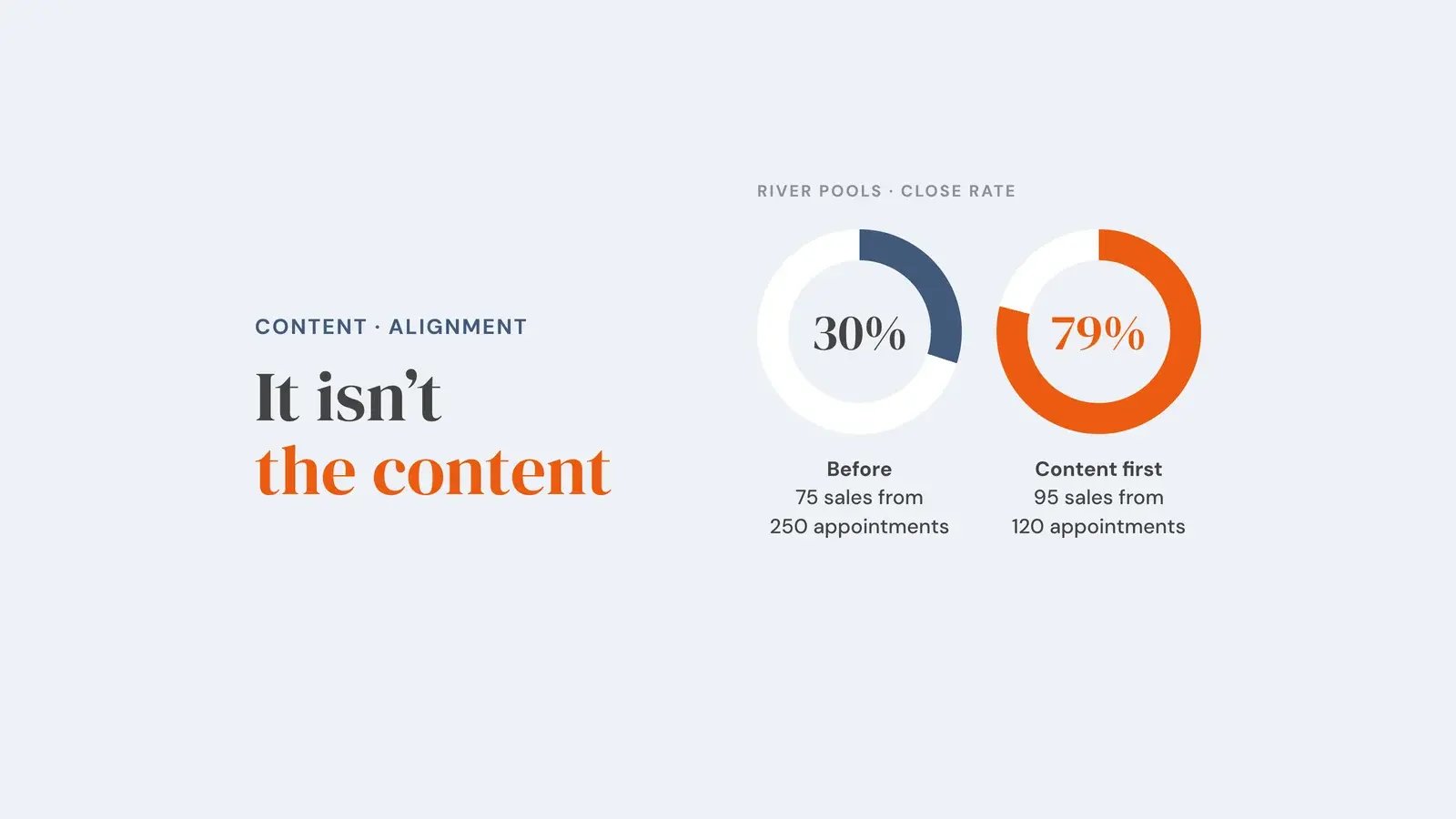
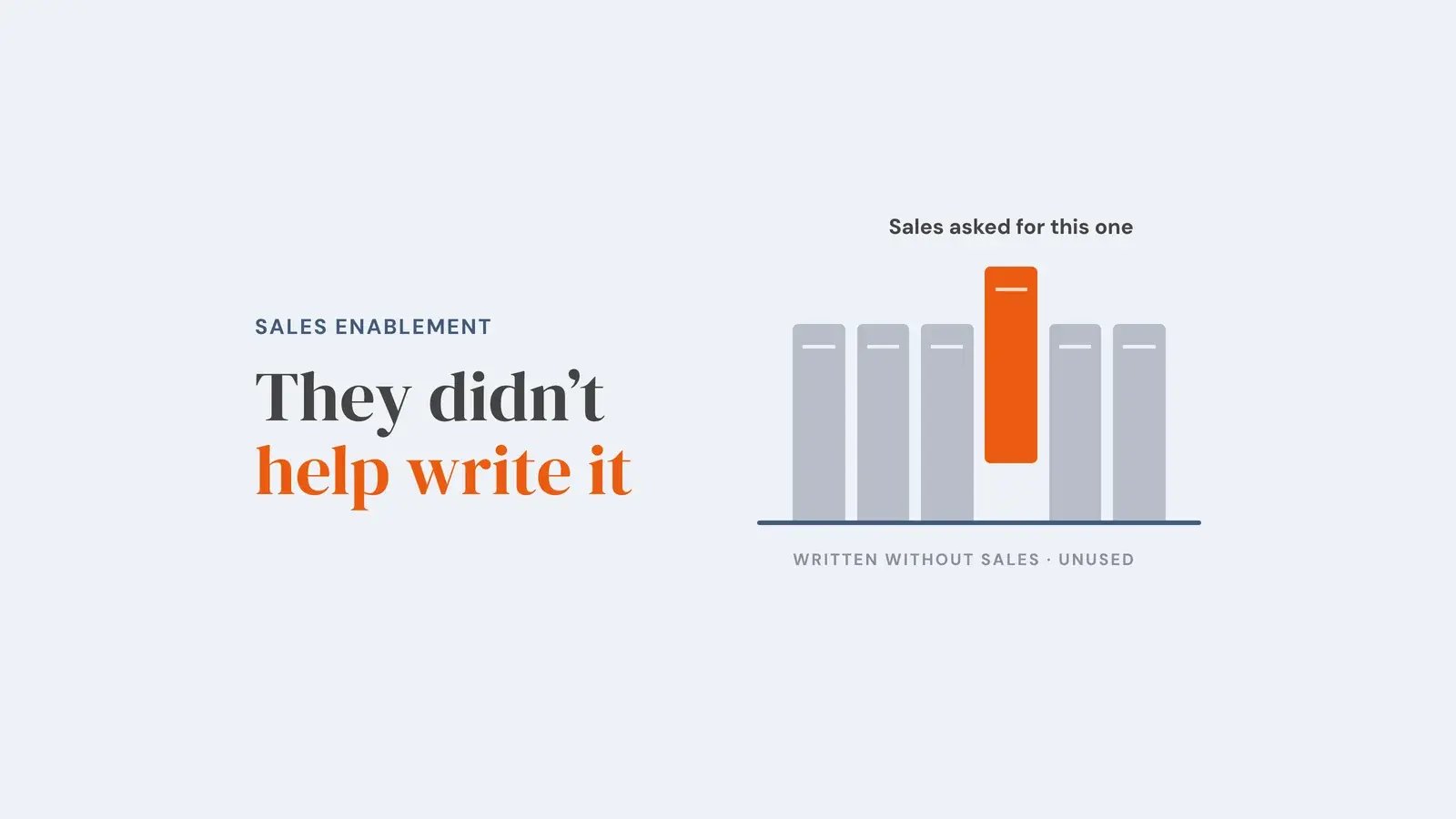
- The most common failure point: reps do not use the content because it was never built around real buyer conversations.
- Building a sales-enabled content system typically costs between £5,000 and £80,000+ ($6,250–$100,000+) depending on the build path, with ongoing costs adding 20–40% annually. (Estimate; see cost section for assumptions.)
- A content system is only truly sales-enabled when every asset links to a specific buyer question, a sales stage, and a measurable outcome.
What is a sales-enabled content system?
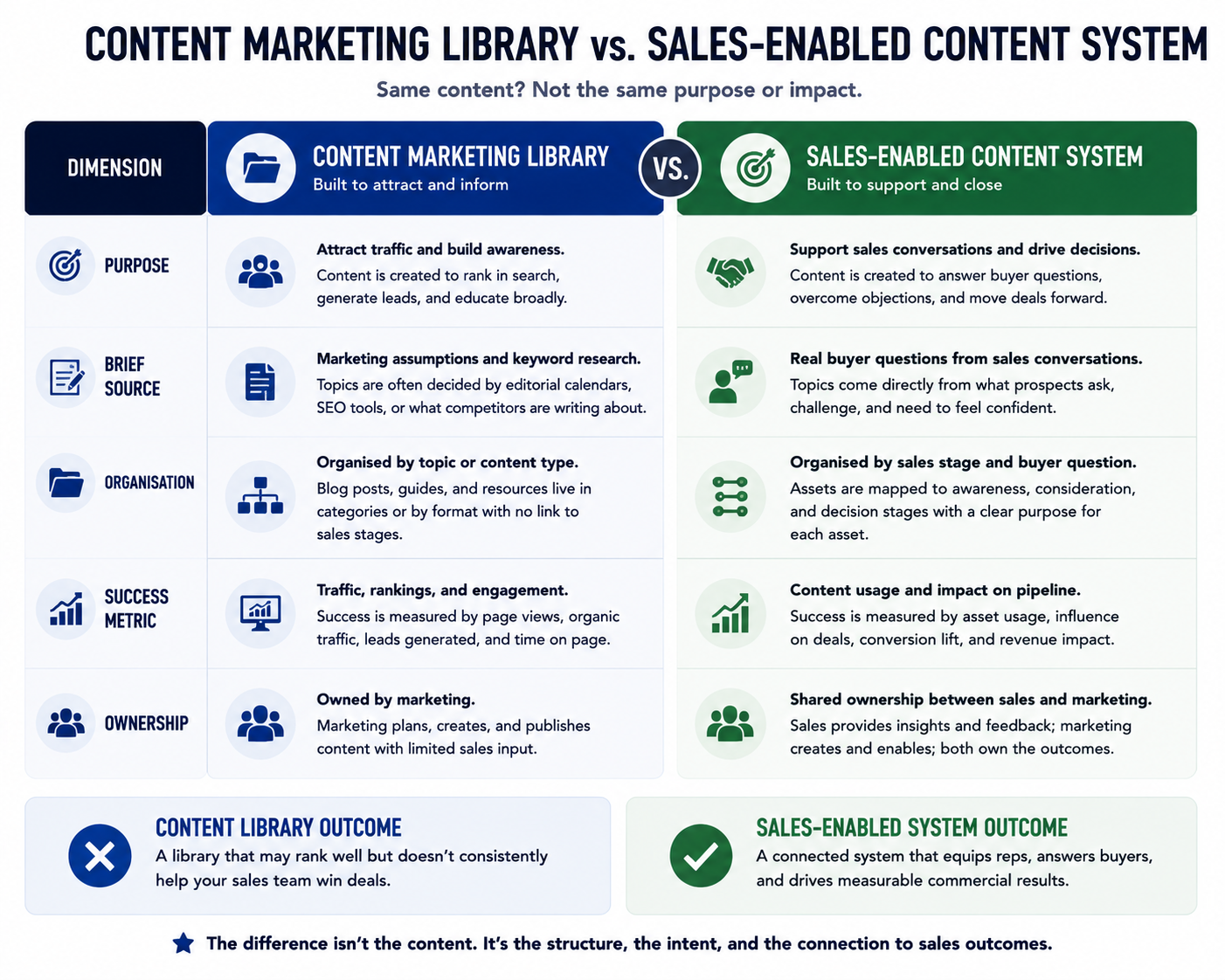
A sales-enabled content system is a structured library of buyer-facing and sales-facing content assets, mapped to specific questions, stages, and objections, that equips a sales team to educate prospects and accelerate purchasing decisions.
It is not a blog or a resource hub. Those are formats. A sales-enabled content system is architecture.
Every asset in a sales-enabled content system has a defined job: to answer a real buyer question at a specific point in the sales conversation. That distinction changes how content is briefed, built, organised, and measured.
What are the 7 core components?
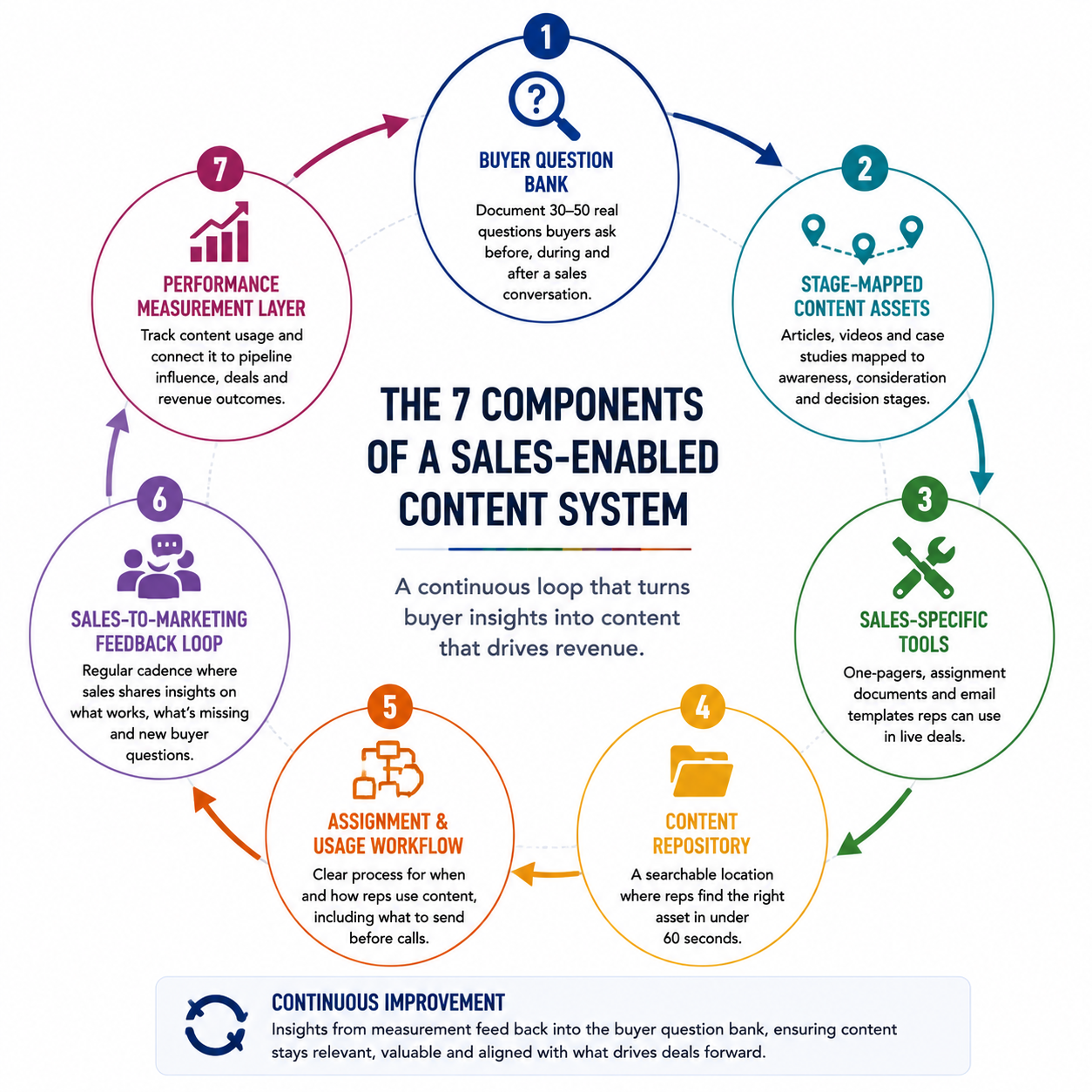
A best-in-class sales-enabled content system includes 7 core components. Missing even one, typically the feedback loop or measurement layer, causes the system to drift back into content production for its own sake.
- Buyer question bank: A documented list of 30–50 real questions buyers ask before, during, and after a sales conversation. This is the brief for everything else.
- Stage-mapped content assets: Articles, videos, and case studies assigned to awareness, consideration, or decision stages.
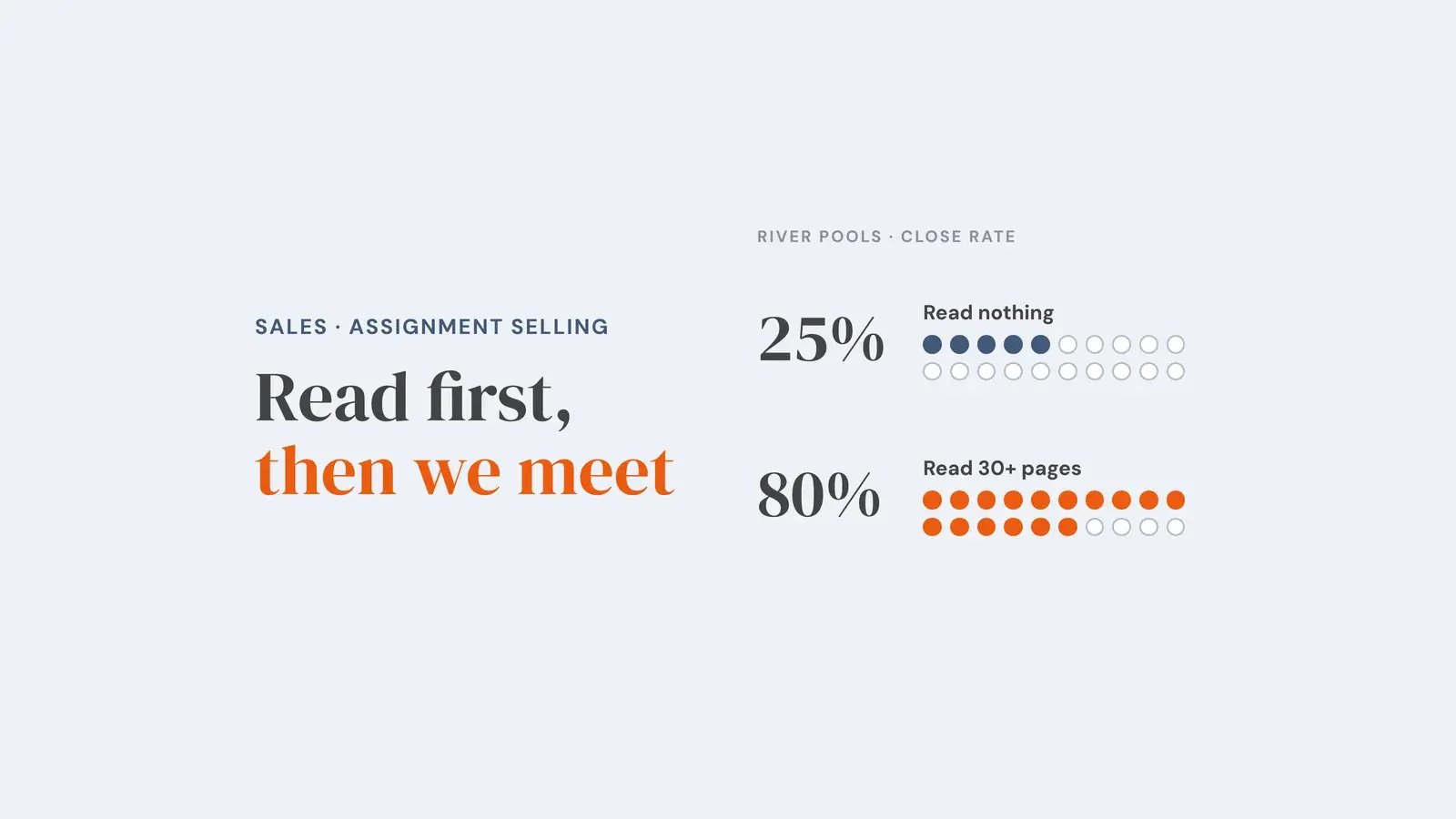
- Sales-specific tools: One-pagers, assignment selling documents, and email templates reps can deploy in live deals.
- Content repository: A searchable location (CRM, shared drive, or enablement platform) where reps find the right asset in under 60 seconds.
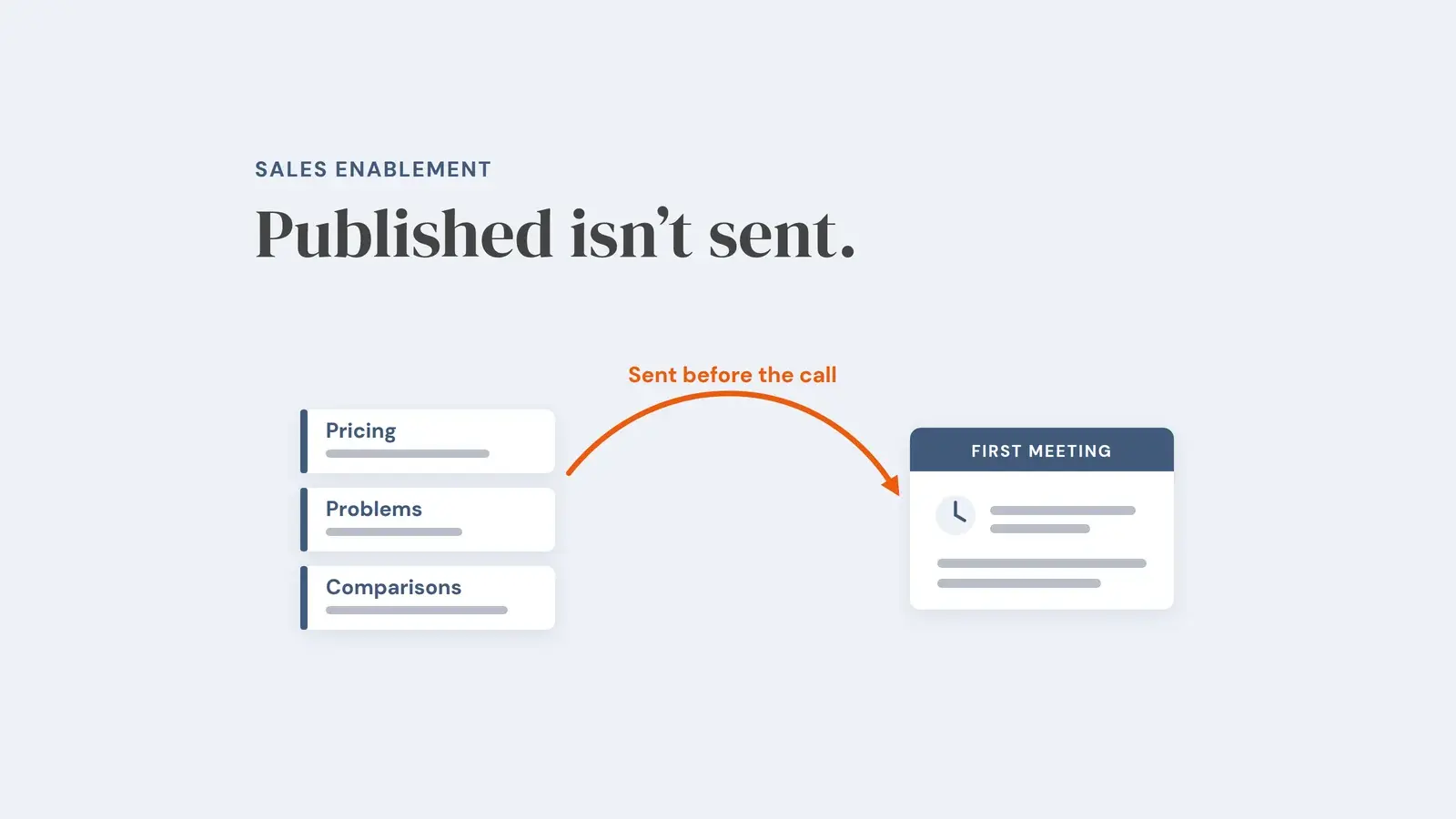
- Assignment and usage workflow: A documented process defining when and how reps use content, including what to send before a call to pre-educate prospects.
- Sales-to-marketing feedback loop: A regular cadence where sales reports what content influenced decisions and what questions are still unanswered.
- Performance measurement layer: Tracking that connects content usage to pipeline outcomes, not just page views.
Each component serves a distinct function. The system only works when all 7 are active and connected.
How does a sales-enabled content system work?
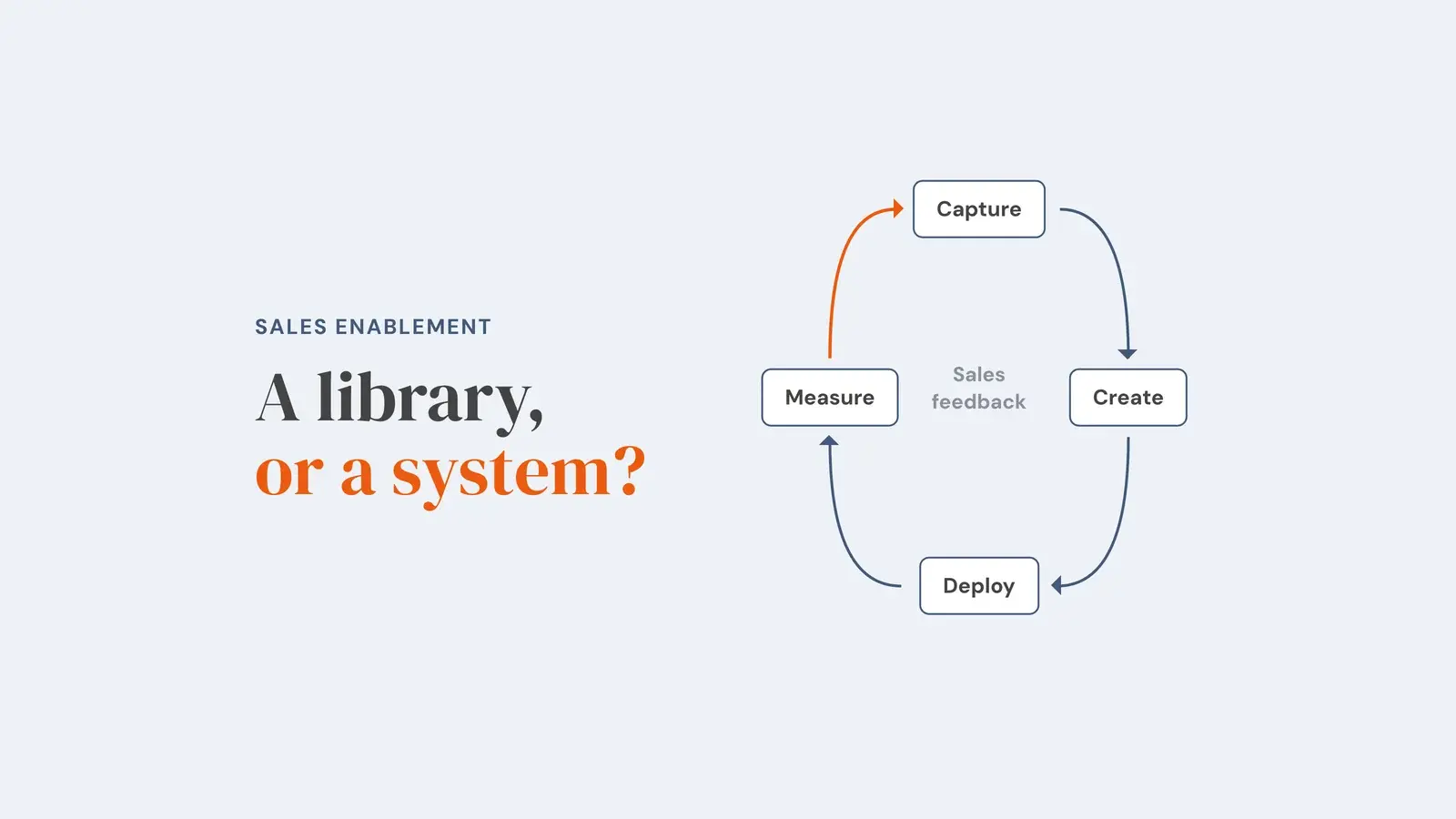
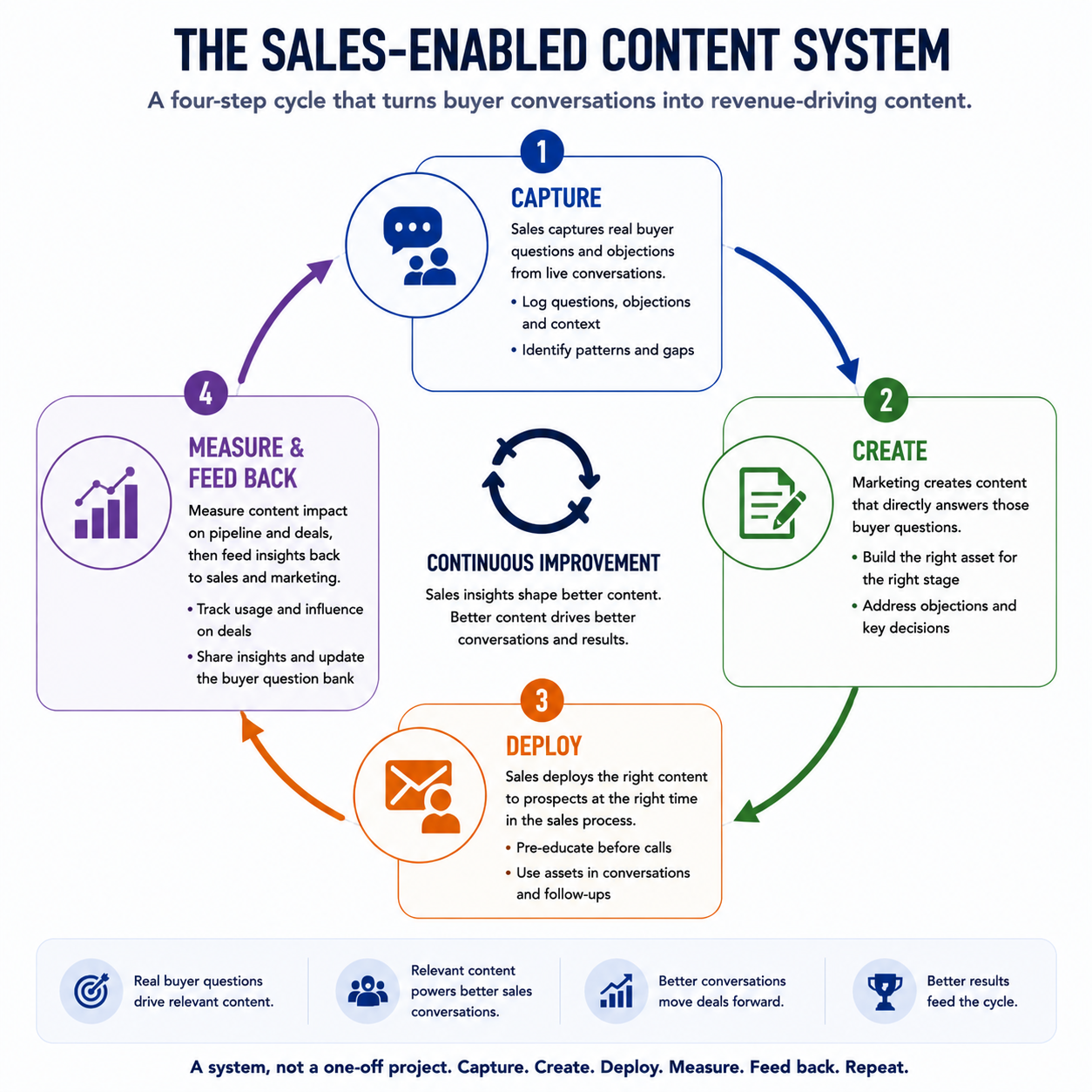
A sales-enabled content system connects 3 flows: buyer questions come in from sales conversations, content answers those questions, and assets are routed back to reps at the stage and in the format they need.
The cycle runs in 4 steps:
- Capture: Sales logs real buyer questions and objections from live deals.
- Create: Marketing builds content that directly answers those questions.
- Deploy: Reps assign specific content to prospects before and during calls.
- Measure and feed back: Performance is reviewed and insights return to step one.
The system is cyclical, not linear, sales insights continuously improve content creation, and content performance data continuously sharpens sales conversations.
What does it cost to build a sales-enabled content system?
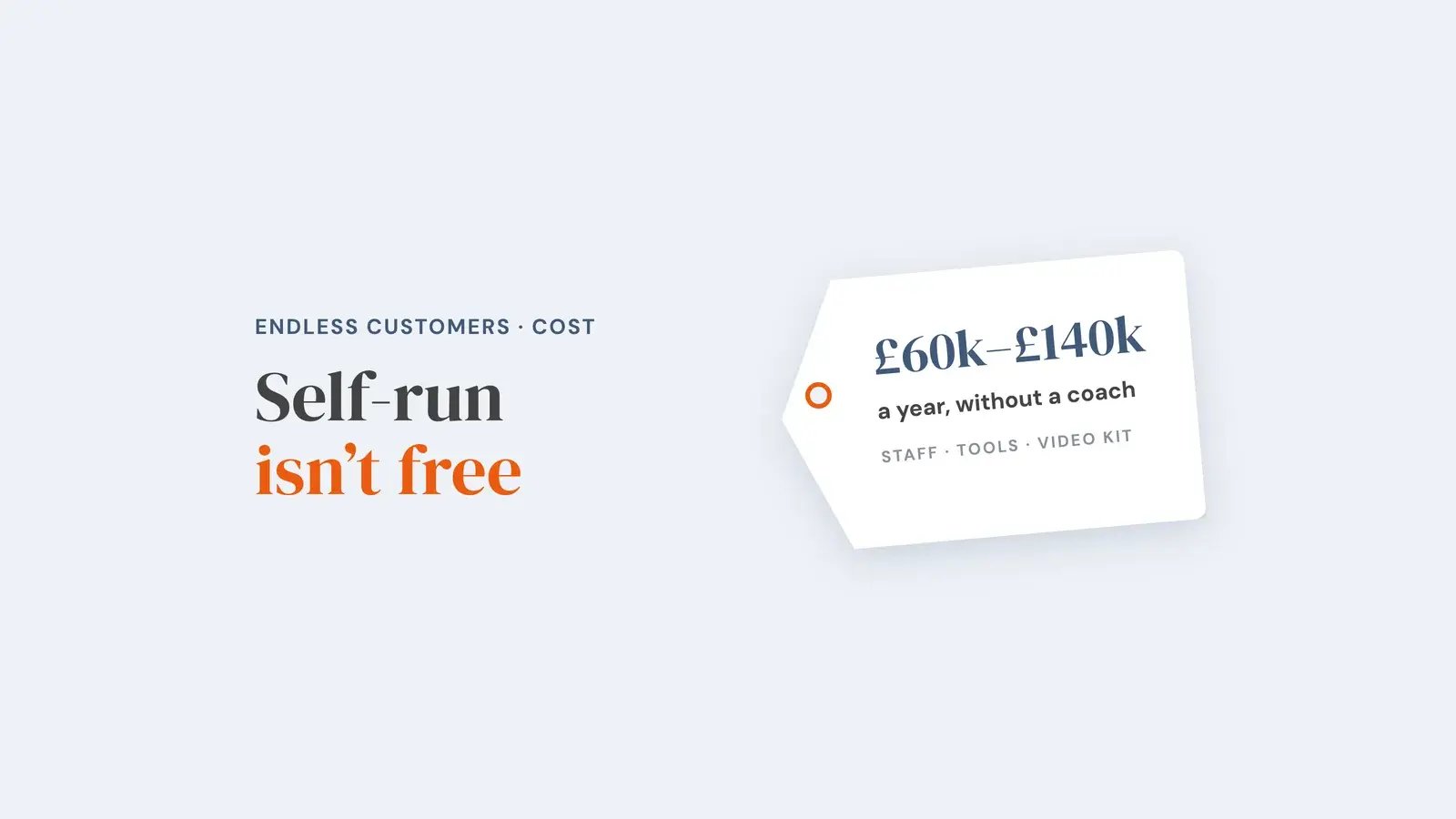
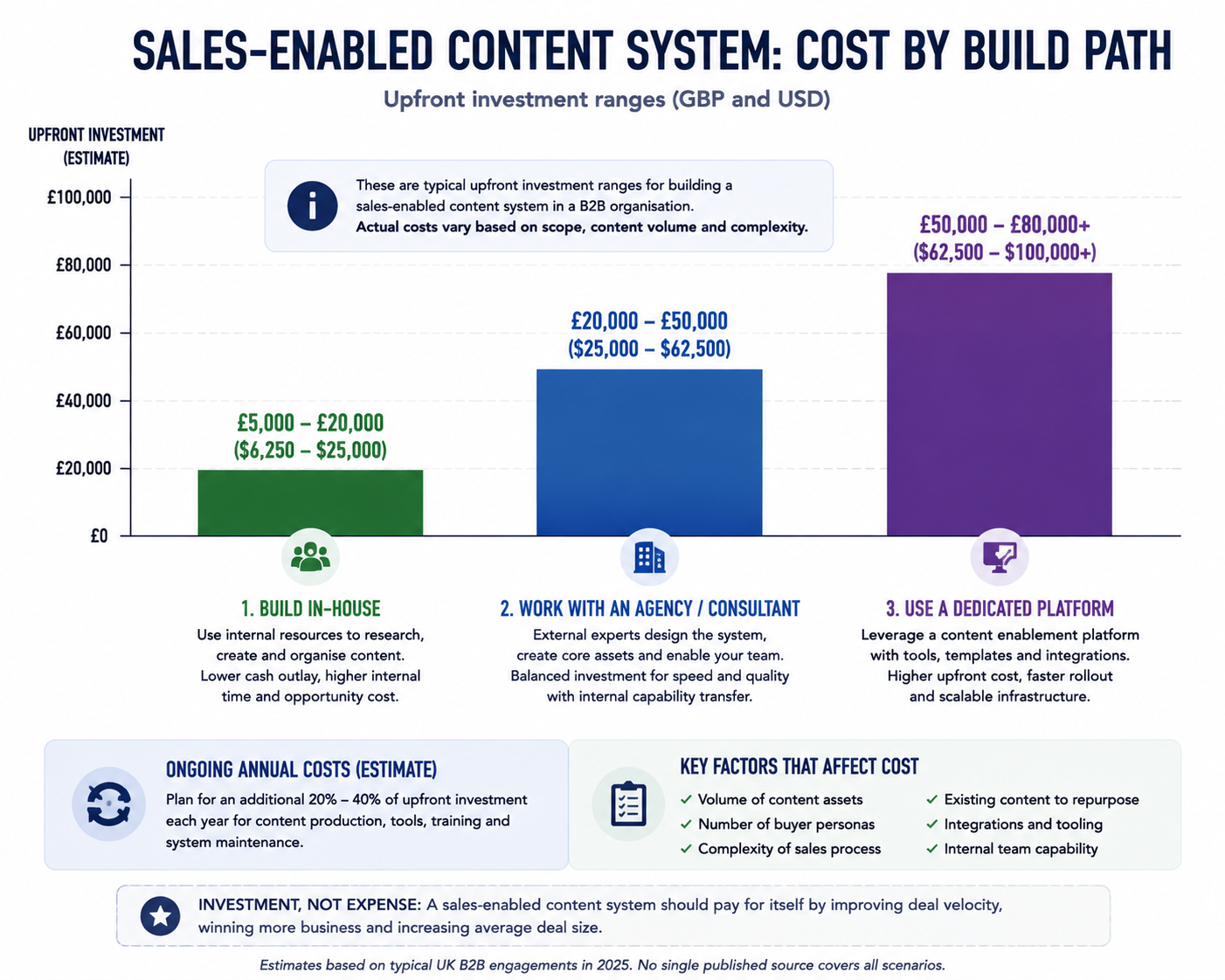
Building a sales-enabled content system typically costs between £5,000 and £80,000+ ($6,250–$100,000+) depending on whether you build in-house, use an agency, or adopt a dedicated enablement platform, with ongoing production and maintenance adding 20–40% annually.
These figures are estimates based on typical UK B2B engagements in 2026. No single published source covers this range fully; treat them as directional benchmarks.
The biggest hidden cost is not technology or content production; it is the internal time required to run buyer question discovery and maintain the sales-to-marketing feedback loop.
Simple cost formula
Annual system cost = Upfront build cost + (Monthly content production × 12) + Platform fees
Example: £10,000 ($12,500) build + £2,000/month ($2,500/month) content + £500/month ($625/month) platform = £34,000 ($42,500) in year one
What are the most common problems, and how do you fix them?
The most common problem with sales-enabled content systems is that reps do not use the content, typically because assets were not built around real buyer questions, cannot be found quickly, or are not formatted for a sales conversation.
- Content briefed from keywords, not conversations. Fix: Run a buyer question discovery session with your top 3–5 sales performers before writing a single word.
- Reps cannot find assets fast enough. Fix: Build one tagged repository in your CRM with a consistent naming convention.
- No feedback loop between sales and marketing. Fix: Add a 30-minute monthly sync where sales reports which content influenced deals.
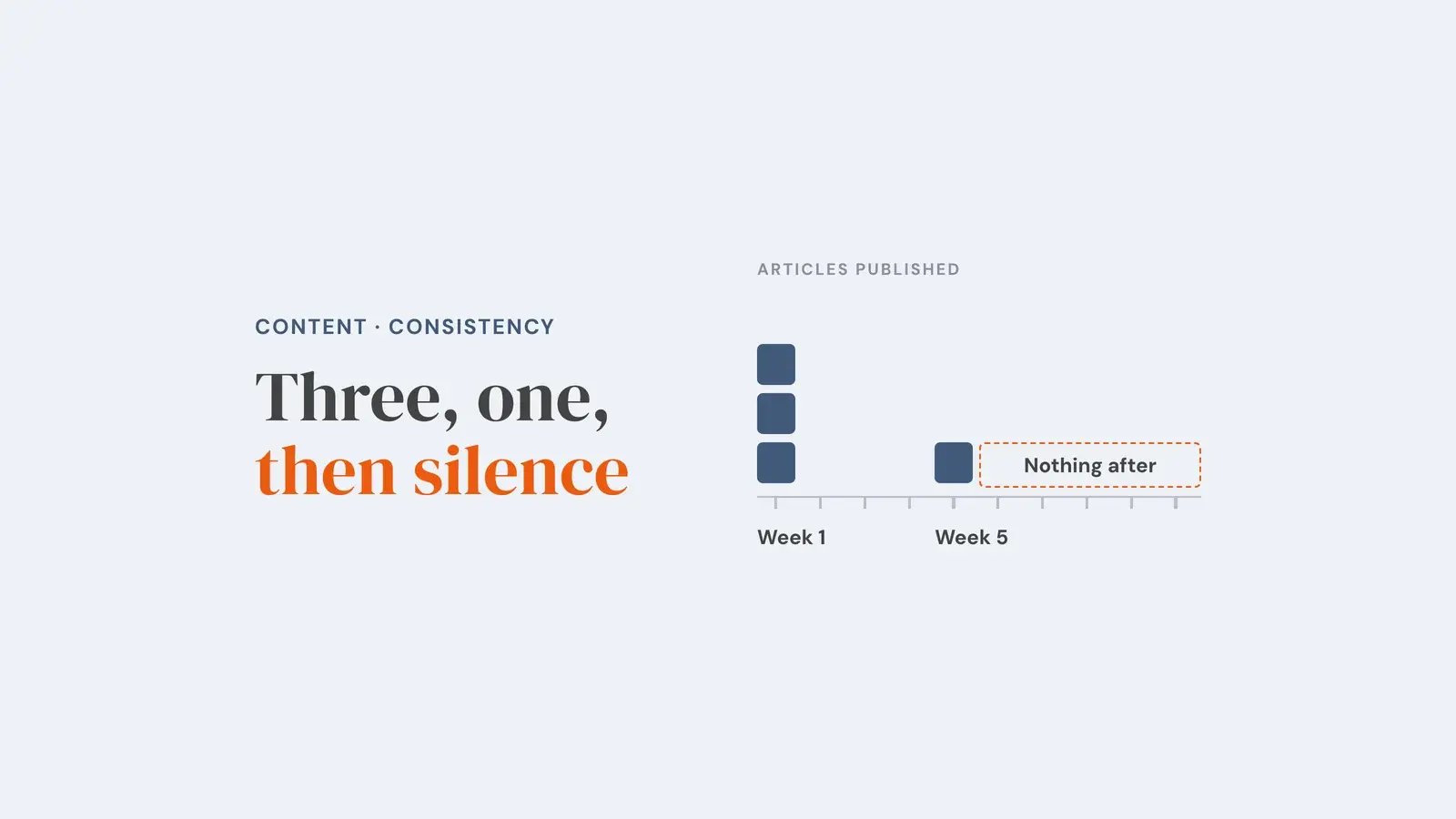
- Content goes stale without a review process. Fix: Set a 6-month review cycle and assign ownership per asset.
- Performance measured in traffic, not pipeline. Fix: Track content influence at the deal level inside your CRM.
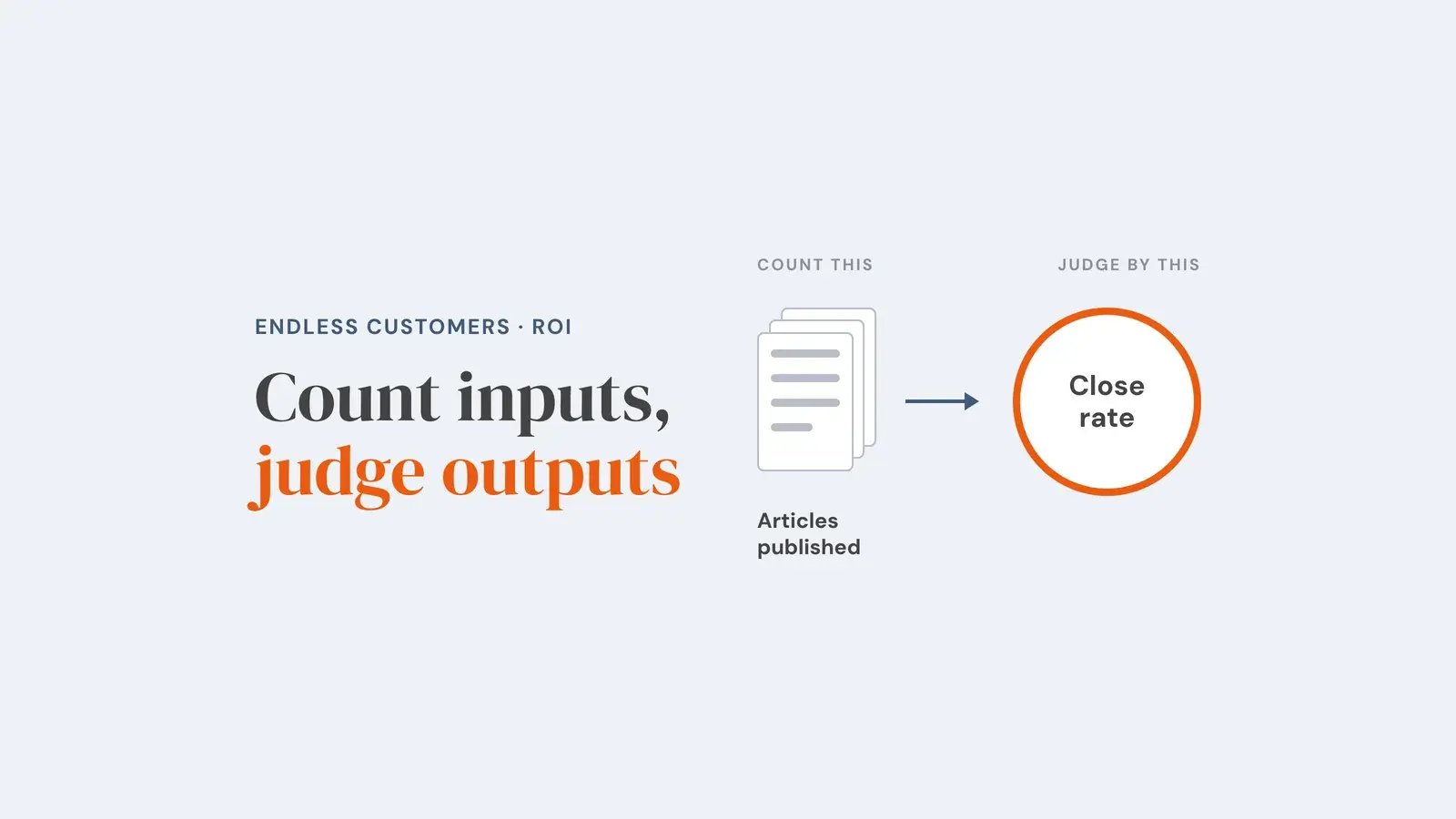
Vanity metrics such as page views, downloads, social shares, are not a signal that your content system is working. Pipeline influence is.
Related Reading: IMPACT's guide to Assignment Selling, a practical reference on deploying content strategically in sales conversations.
How do you audit and build your own system?
A content system is truly sales-enabled when every asset can be linked to a specific buyer question, a specific sales stage, and a measurable outcome; if you cannot answer all three for a given piece of content, it does not belong to a sales-enabled system.
Run this 8-point audit:
- Can you name the buyer question each piece of content answers?
- Is every asset tagged to a sales stage in your CRM or repository?
- Can a rep find the right asset in under 60 seconds?
- Do you track which assets are deployed in live deals?
- Is there a documented process for how reps use content?
- Does marketing receive regular buyer question input from sales?
- Is content performance measured in pipeline terms, not traffic?
- Has all content been reviewed in the last 6 months?
Score: 7–8 = well-structured system. 4–6 = partial system with addressable gaps. Under 4 = a content library, not a sales-enabled system.
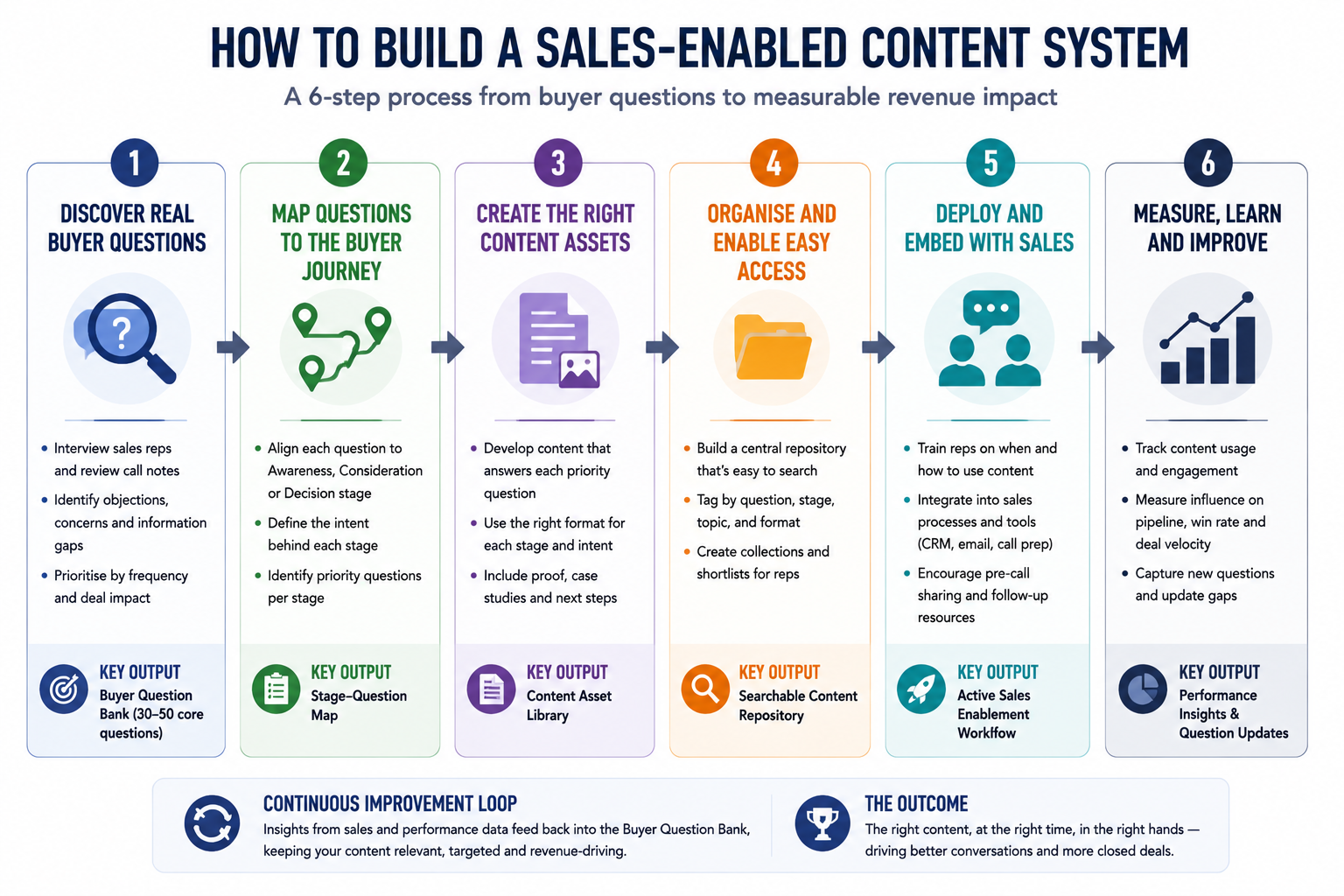
To build from scratch, follow these 6 steps:
- Run a structured buyer question discovery session with your sales team, not a keyword report.
- Rank questions by sales frequency and deal influence. Focus on the top 30–50.
- Map each question to a buyer stage: awareness, consideration, or decision.
- Build or repurpose content to answer each question directly.
- Organise assets in a tagged CRM repository or shared drive.
- Install the feedback loop and measurement layer before calling the system complete.
Frequently asked questions
A sales-enabled content system is not the same as a sales enablement platform; the system is the strategic framework and content assets, while the platform is just the software used to store and distribute them.
Do I need special software?
No. Many organisations build effective sales-enabled content systems using a shared drive, a CRM, and a consistent tagging convention. Technology is optional. Structure is not.
Who owns the system: marketing or sales?
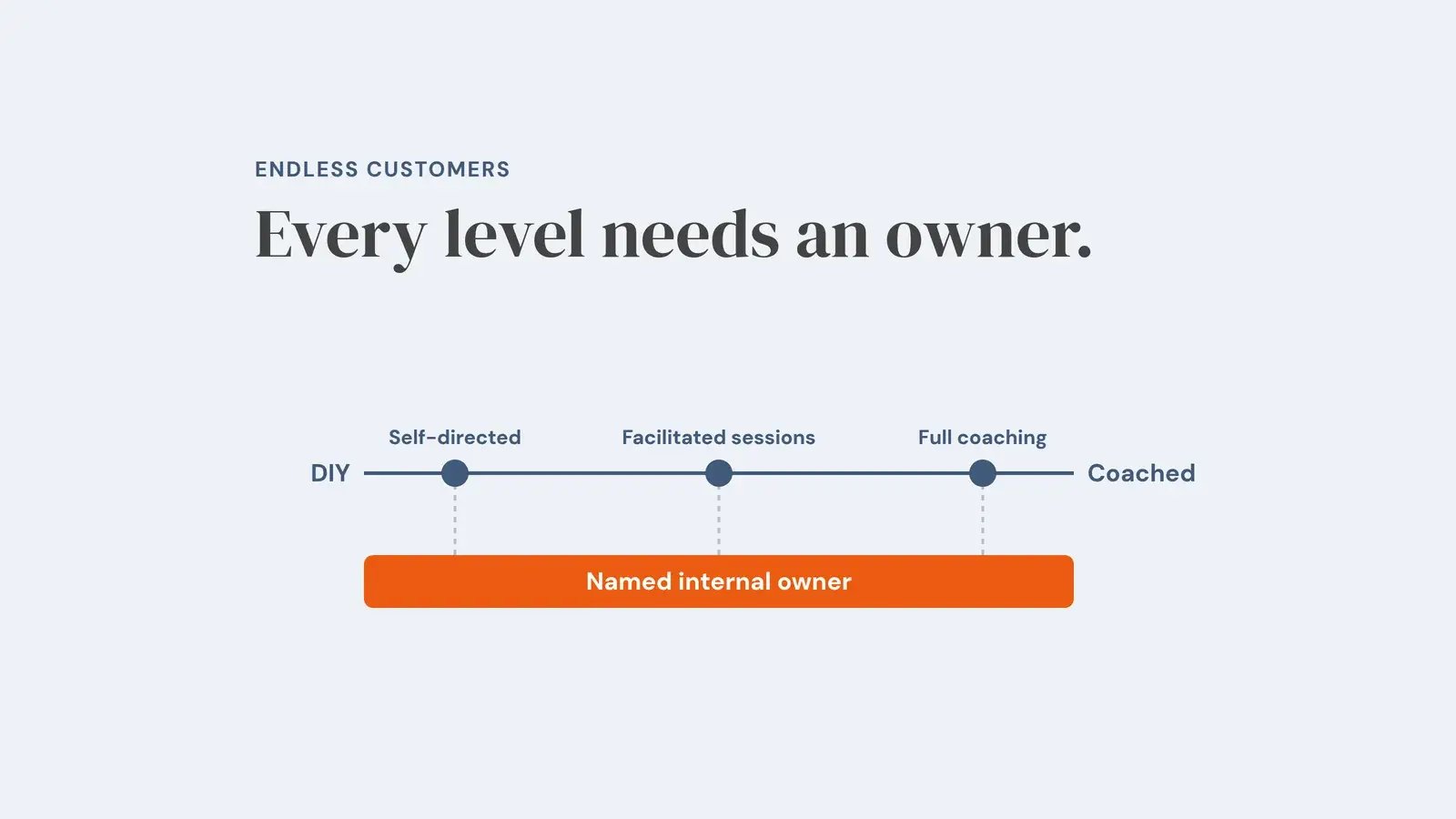
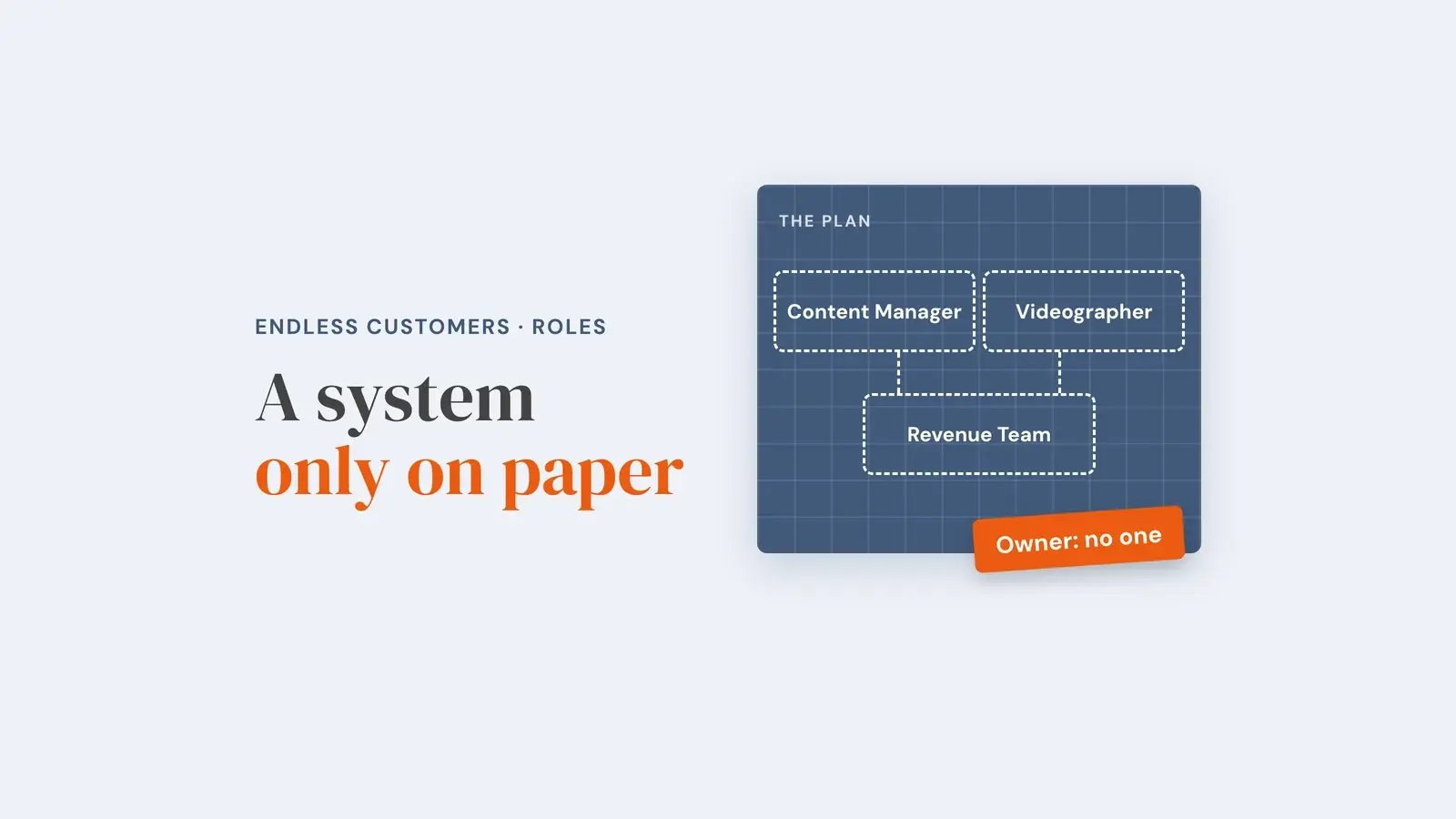
Both. Marketing owns production and organisation. Sales owns deployment and feedback. Neither can run it alone.
How long does it take to build?
A minimum viable version, being question bank, 20 assets, basic repository, takes 8–12 weeks. A fully mature system takes 6–12 months.
What is the minimum viable version?
A documented buyer question bank, 15–20 content assets mapped to your top questions, and a tagged location in your CRM where reps can find them without having to ask.
What should you do next?
You now have a clear picture of what a sales-enabled content system is, what it needs to contain, and where most content systems fail.
Most B2B businesses have fragments of one, a few blog posts, a case study, a pitch deck, but not the structure that connects them to live sales conversations. That structural gap is where deals slow down and content budgets go to waste.
How to take action now
- Run the 8-point audit against your current content setup
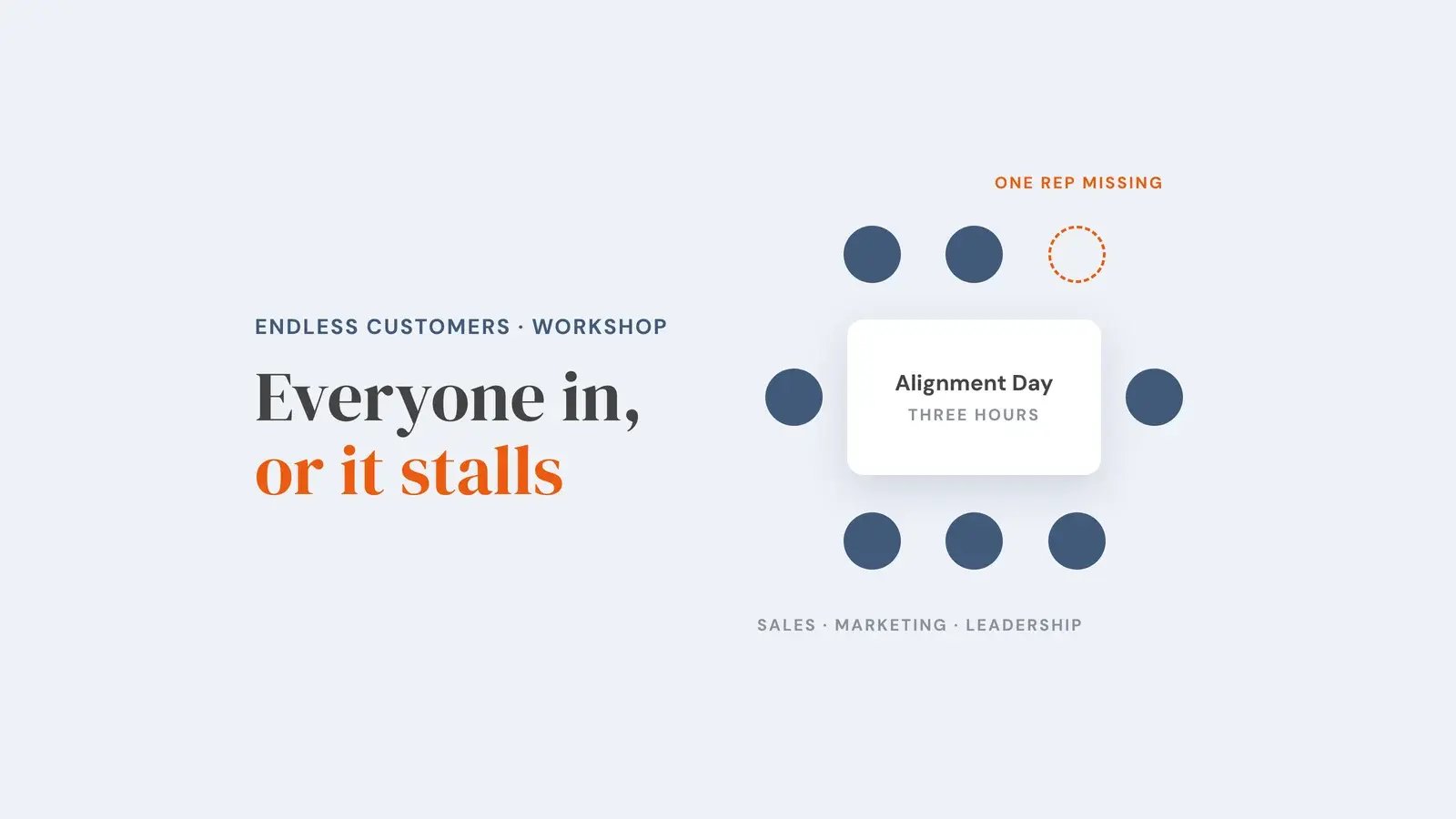
- Book a session with your top 3 sales performers to capture your first buyer question bank
- Check whether your assets are tagged by sales stage in your CRM
- Identify the feedback loop you are missing and add it before producing another piece of content
Book a 90-Minute Marketing Triage™ to get a clear diagnosis of your current system and where the structural gaps sit.
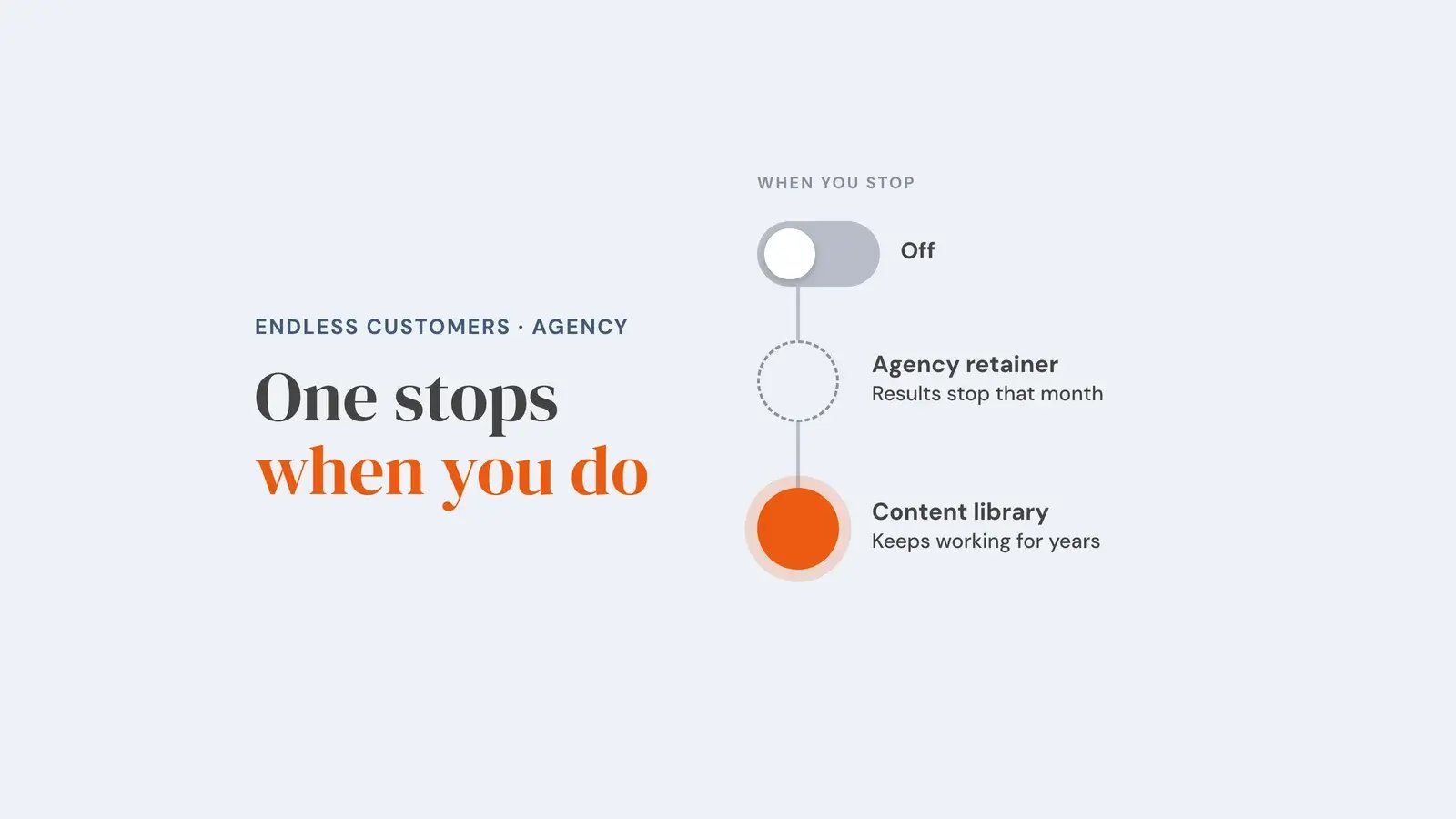
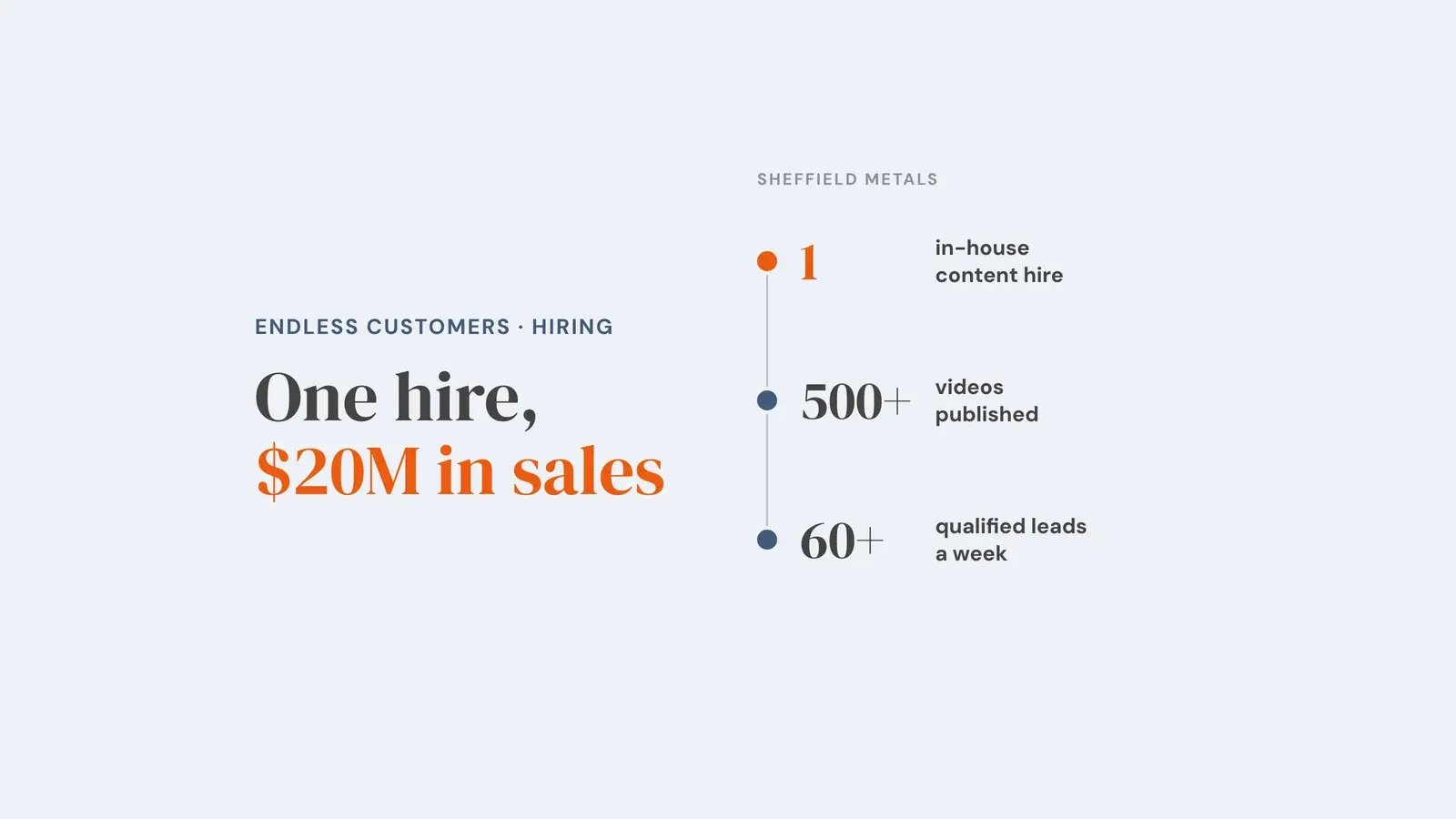
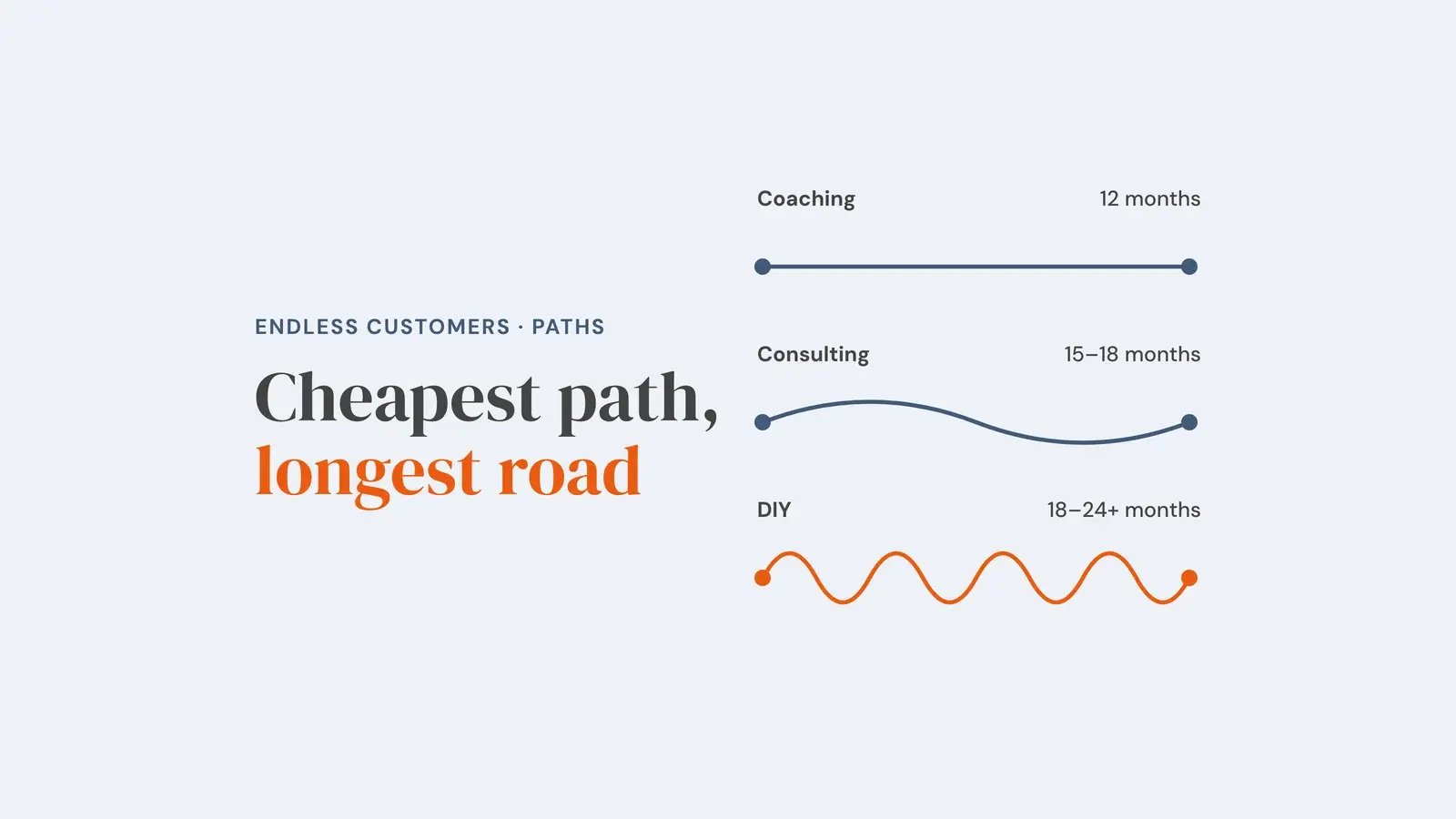
Ready to build a sales-enabled content system your team owns? My Endless Customers™ Implementation programme transfers full content and sales enablement capability in-house over 18–24 months, including buyer question discovery, content system architecture, and the feedback loops that make it self-sustaining.
Related reading
If you're not sure where your content strategy lost its direction in the first place, read Directionless Marketing: Why It Happens & How to Fix It. And if your team keeps reacting to fires instead of following a system, Is Your Marketing Feeling Reactive? How to Stop Whack-a-Mole for Good covers why that happens and how to stop it.

Pricing disclaimer: All GBP–USD price conversions are rounded estimates and correct at the time of publishing. Exchange rates fluctuate and figures should be treated as indicative only.