

Do you have a marketing strategy sitting in a folder somewhere, but your pipeline still feels unpredictable? Do you run campaigns and produce content, yet struggle to explain why some months work and others simply don't?
If so, the problem is probably not effort. It is not even talent. It is a structural gap between your strategy and how it gets executed.
Most founder-led B2B businesses have fragments of both a strategy and a system, but without deliberately connecting them, neither delivers consistent results. This article will help you understand the difference, diagnose which gap you are filling, and leave with a clear starting point for connecting the two in your business.
Key takeaways
- A marketing strategy is a documented plan; a marketing system is the operational infrastructure that executes it; they are distinct things, not the same thing.
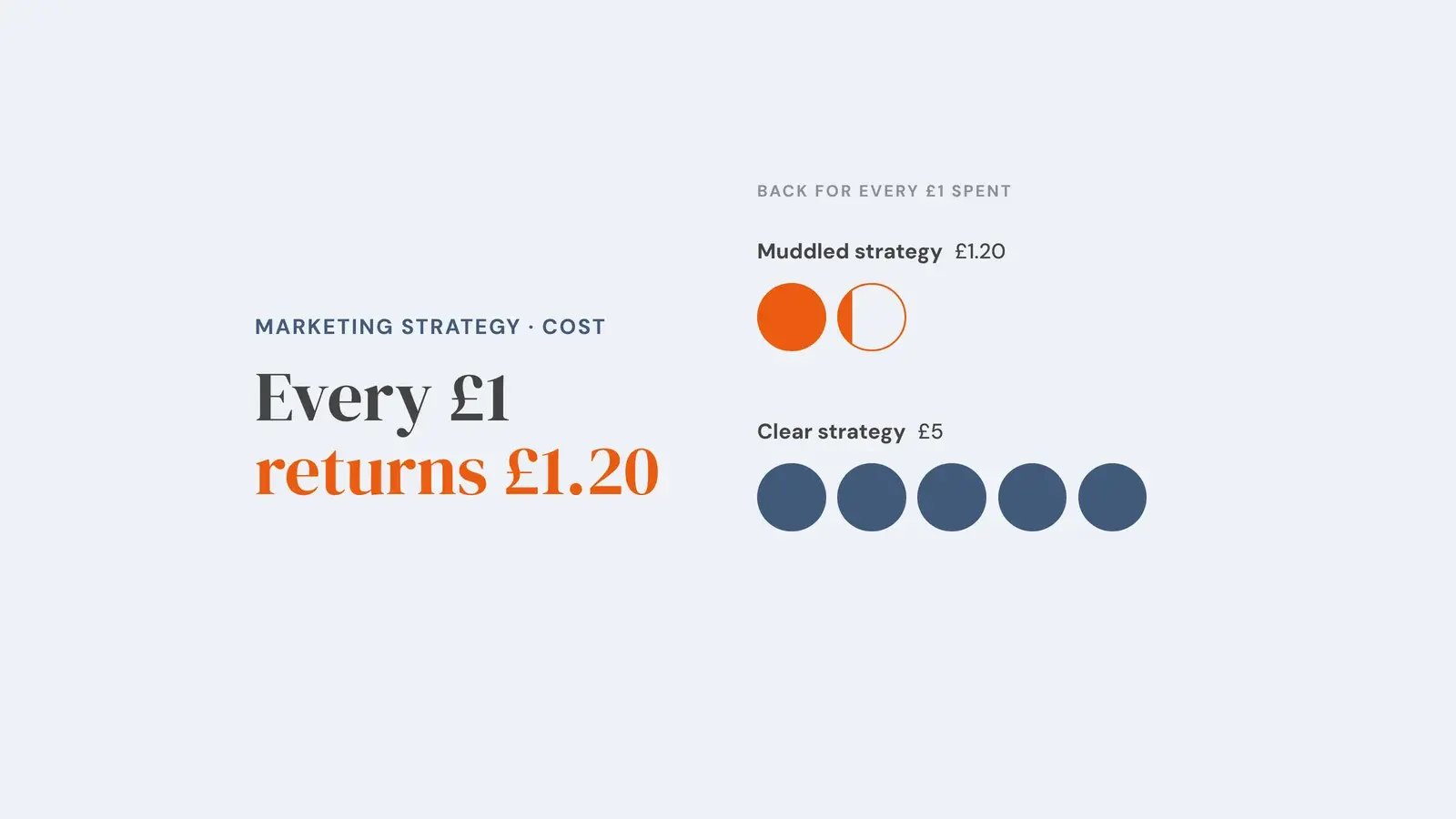
- Businesses that combine both consistently outperform those relying on either in isolation. Research published in Harvard Business Review found companies deliver on average only 63% of the financial performance their strategies promise, which is the cost of a strategy without the means to execute it.
- A marketing strategy typically costs £2,000–£25,000+ ($2,500–$31,250+) to develop; a marketing system costs £1,000–£15,000+ ($1,250–$18,750+) per month to run.
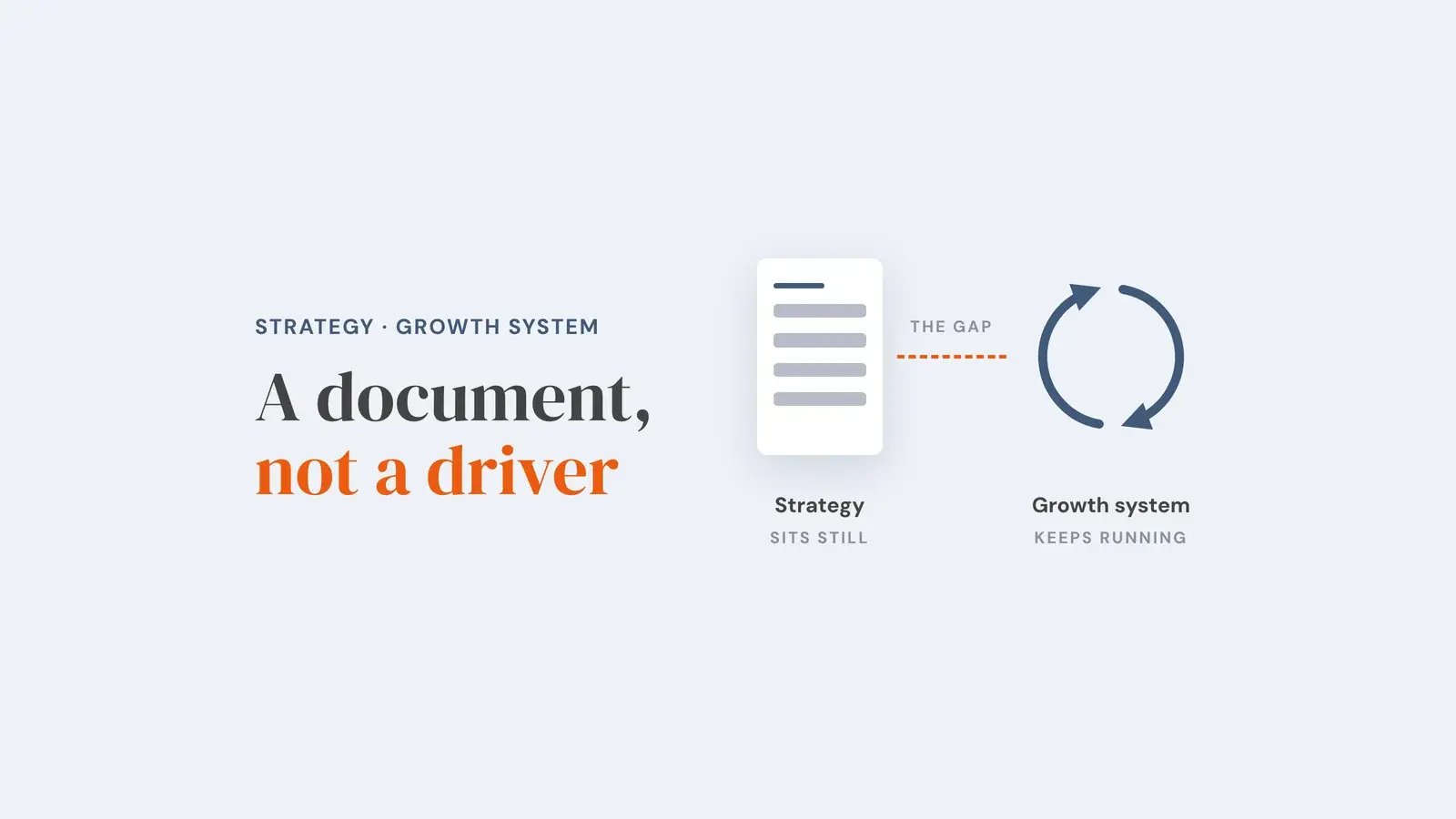
- The most common failure: a solid strategy with no system behind it, a document rather than a driver.
- Your starting point depends on your stage. No clear direction? Start with strategy. Validated positioning but inconsistent results? Build the system.
What is a marketing strategy, and what is a marketing system?
A marketing strategy is a documented plan that defines your target audience, positioning, channels, and goals; it tells you where to go and why, but it does not move you there on its own.
Think of it as the architectural blueprint. It answers: who are you talking to, what do you stand for, and why should buyers choose you?
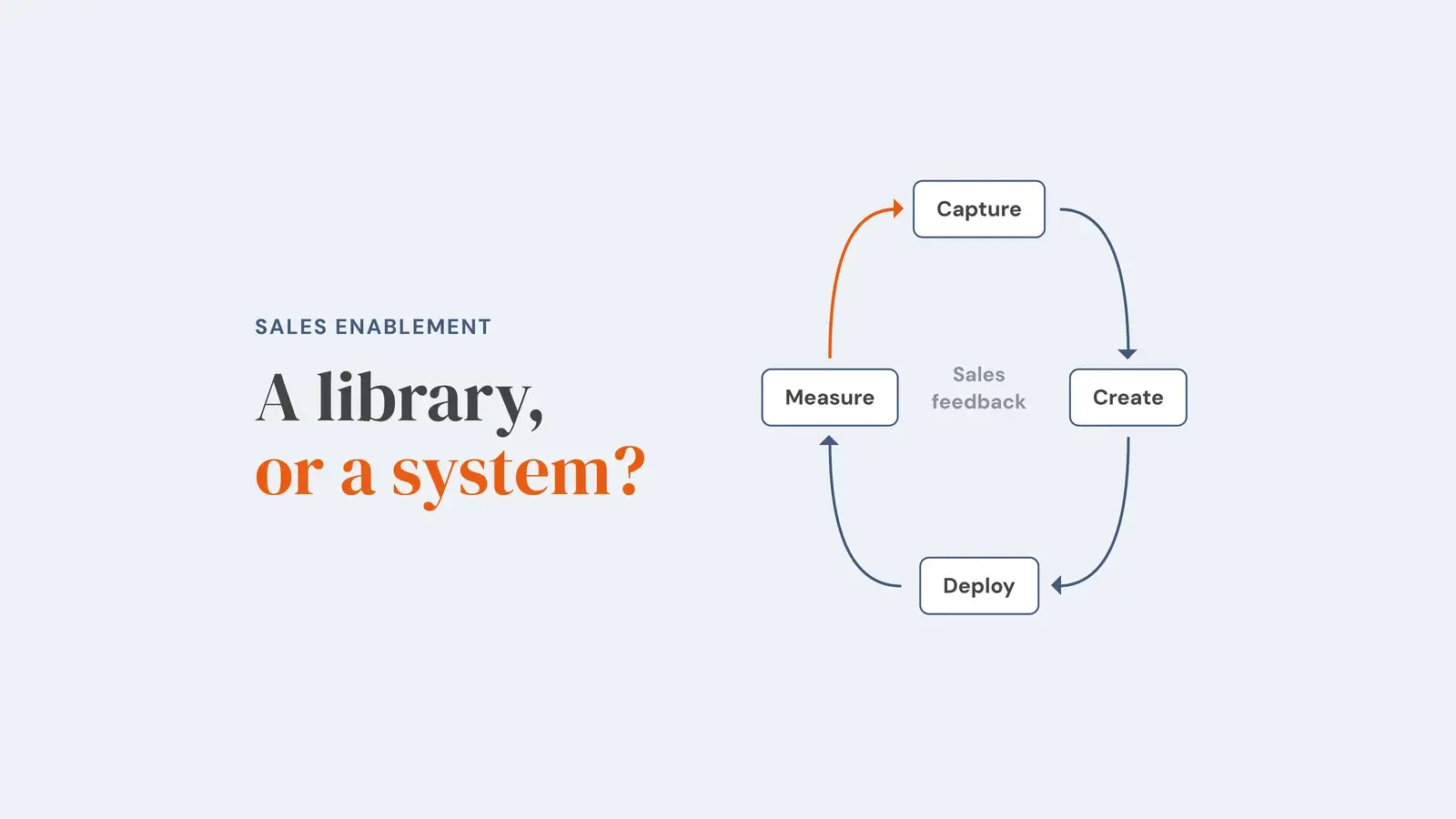
A marketing system is the repeatable set of processes, tools, and feedback loops that executes that strategy consistently, producing results that build over time.
If strategy is the blueprint, the marketing system is the factory built to it. It generates leads, nurtures prospects, and converts customers whether you are in the room or not.
Most businesses have fragments of both. Very few have them deliberately connected.

How does each approach actually work?
A marketing strategy works by establishing the decisions that guide all activity. A marketing system turns those decisions into automated, repeating actions that generate pipeline.
Marketing strategy: inputs → outputs
- Market research: defined ideal client and positioning
- Channel selection: prioritised content and campaign plan
- Goal-setting: KPIs and success metrics
Marketing system: inputs → outputs
- Content production: trust-building articles, video, and tools
- CRM and automation: lead capture, nurture, and pipeline visibility
- Feedback loops: performance data that improves future activity
The critical distinction: without your attention, a strategy sits still. A marketing system keeps running.
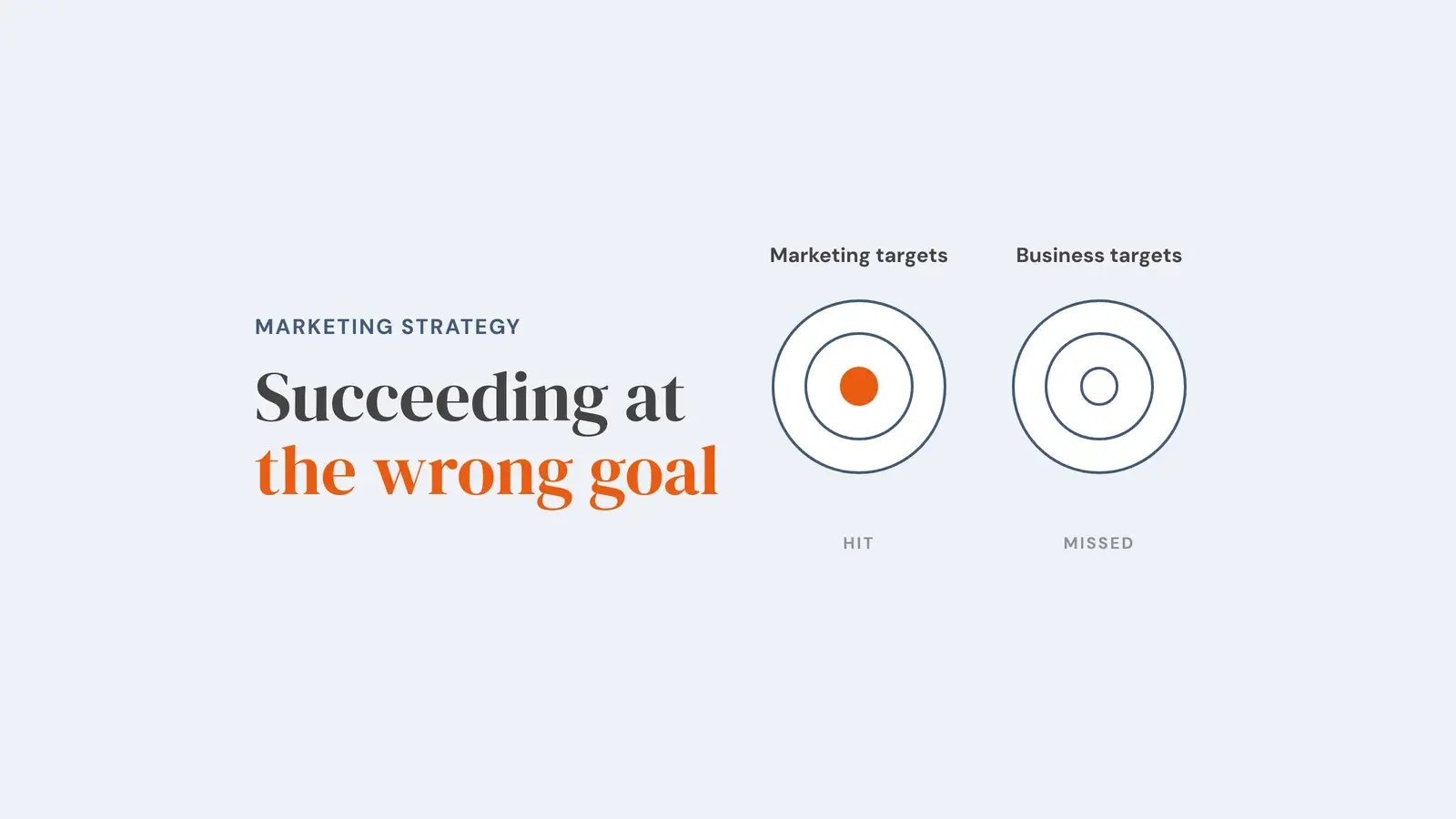
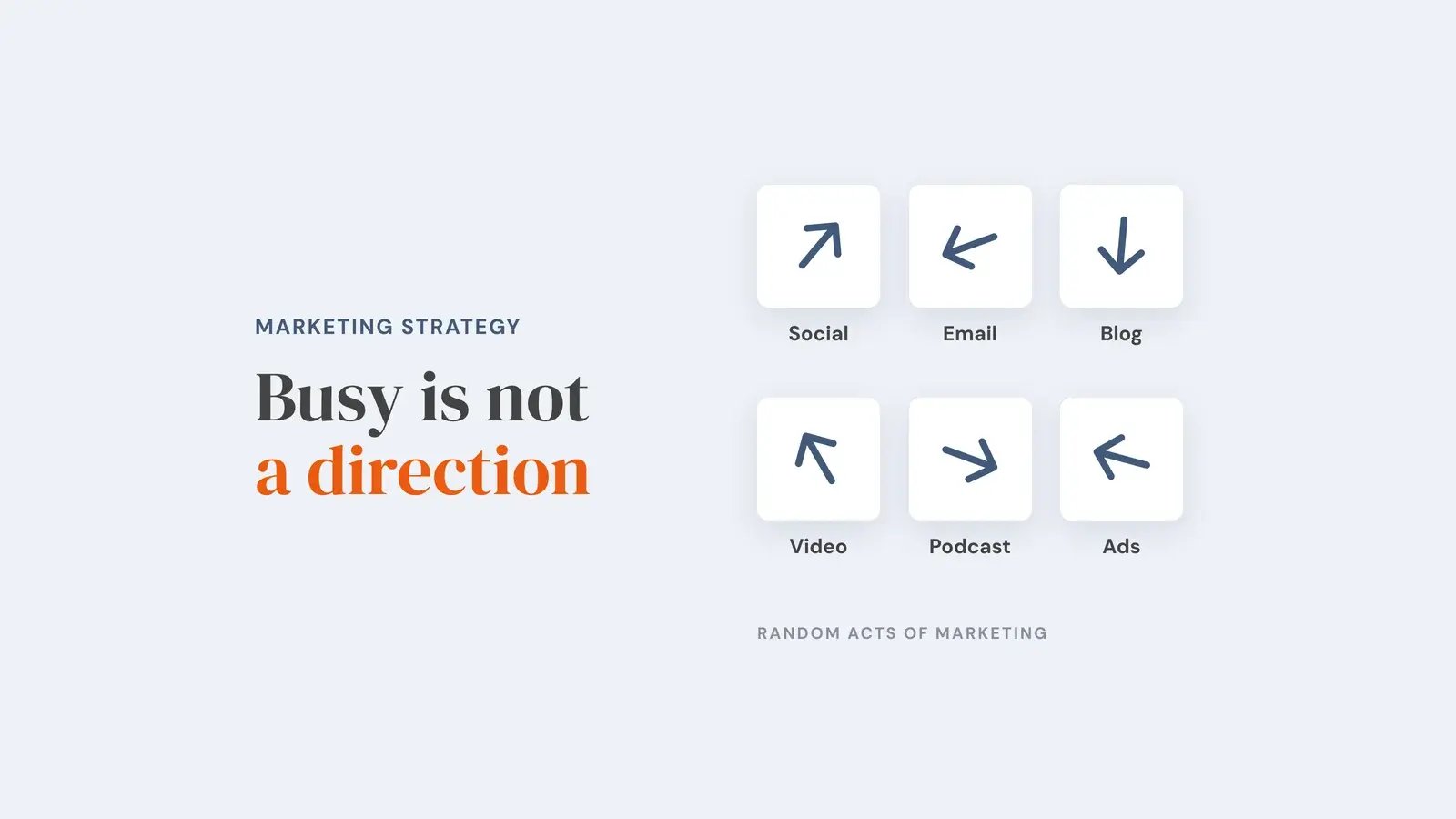
It is worth noting that both gaps are equally damaging. A strategy without a system becomes a document rather than a driver. A system without a strategy generates activity without direction, filling your pipeline with the wrong people, producing content for the wrong audience, and reporting metrics against no agreed definition of success.
Marketing system vs. marketing strategy: key differences at a glance
The fundamental difference is that a strategy is a plan or document, while a marketing system is a living operational infrastructure; one sets intention, the other creates repeatable output.

What does it cost to build each?
A marketing strategy typically costs between £2,000 and £25,000+ ($2,500–$31,250+) to develop, depending on whether you use an agency, a consultant, or an internal team, largely a one-off or periodic investment.
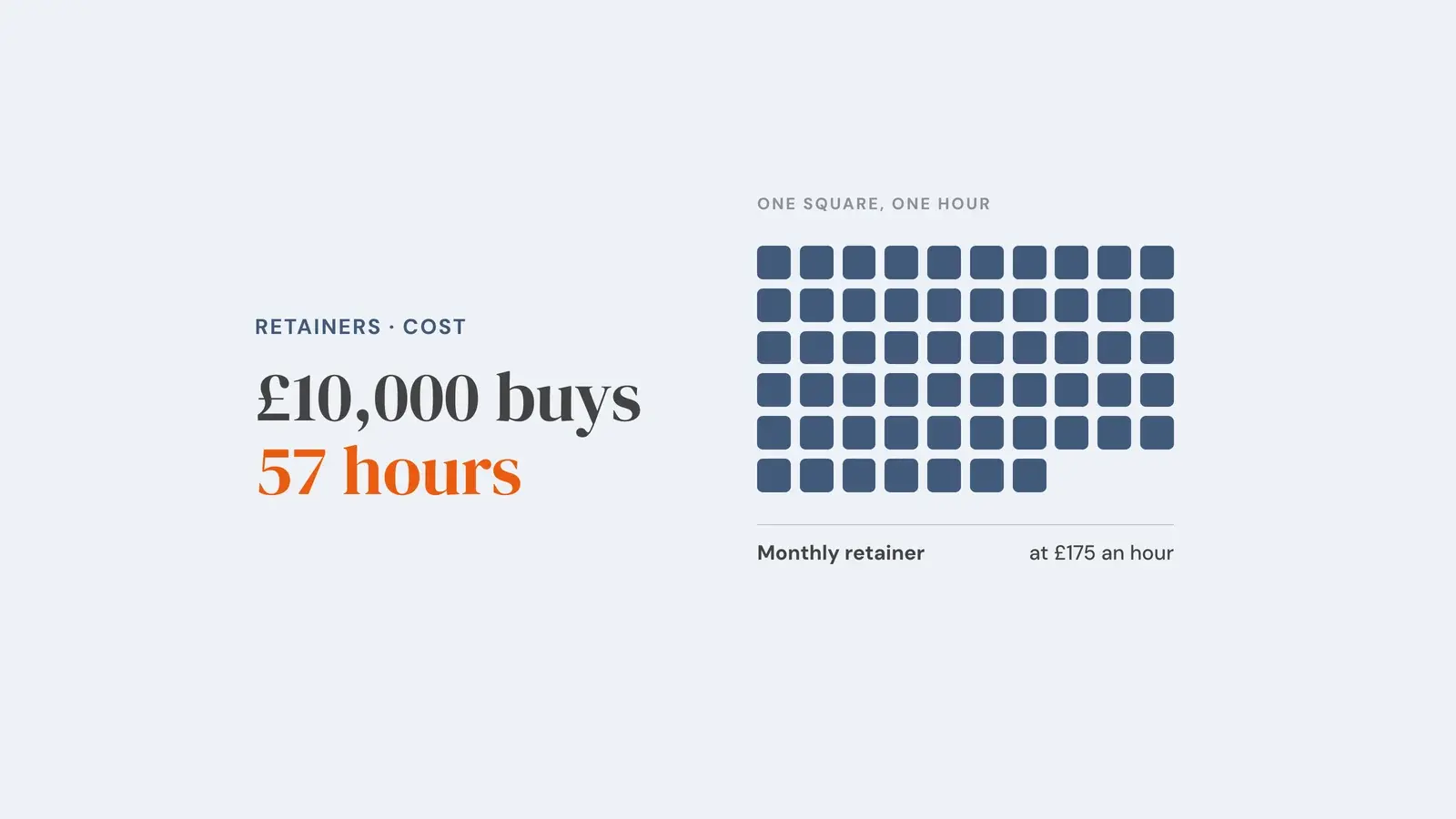
A marketing system carries an ongoing operational cost. Most B2B businesses running a structured marketing system spend £1,000–£15,000+ ($1,250–$18,750+) per month, covering tools, content production, automation, and the people required to run and refine it.
A simple estimate: if your marketing system costs £3,000 ($3,750) per month (£36,000 ($45,000) per year) and generates six additional deals at £10,000 ($12,500) each, the return is £60,000 ($75,000), a £24,000 ($30,000) net gain before results begin to build.
Cost figures are market-rate estimates for UK-based B2B businesses in 2026. Actual costs vary by scope, team size, and level of support required.

What happens when you have a strategy but no marketing system?
The biggest problem with a marketing strategy alone is that without a system to execute it, even the most thorough plan produces no measurable results; it becomes a document rather than a driver.
Common failure modes; strategy without a system:
- Activity driven by whoever shouts loudest that week
- No documented processes or repeatable workflows
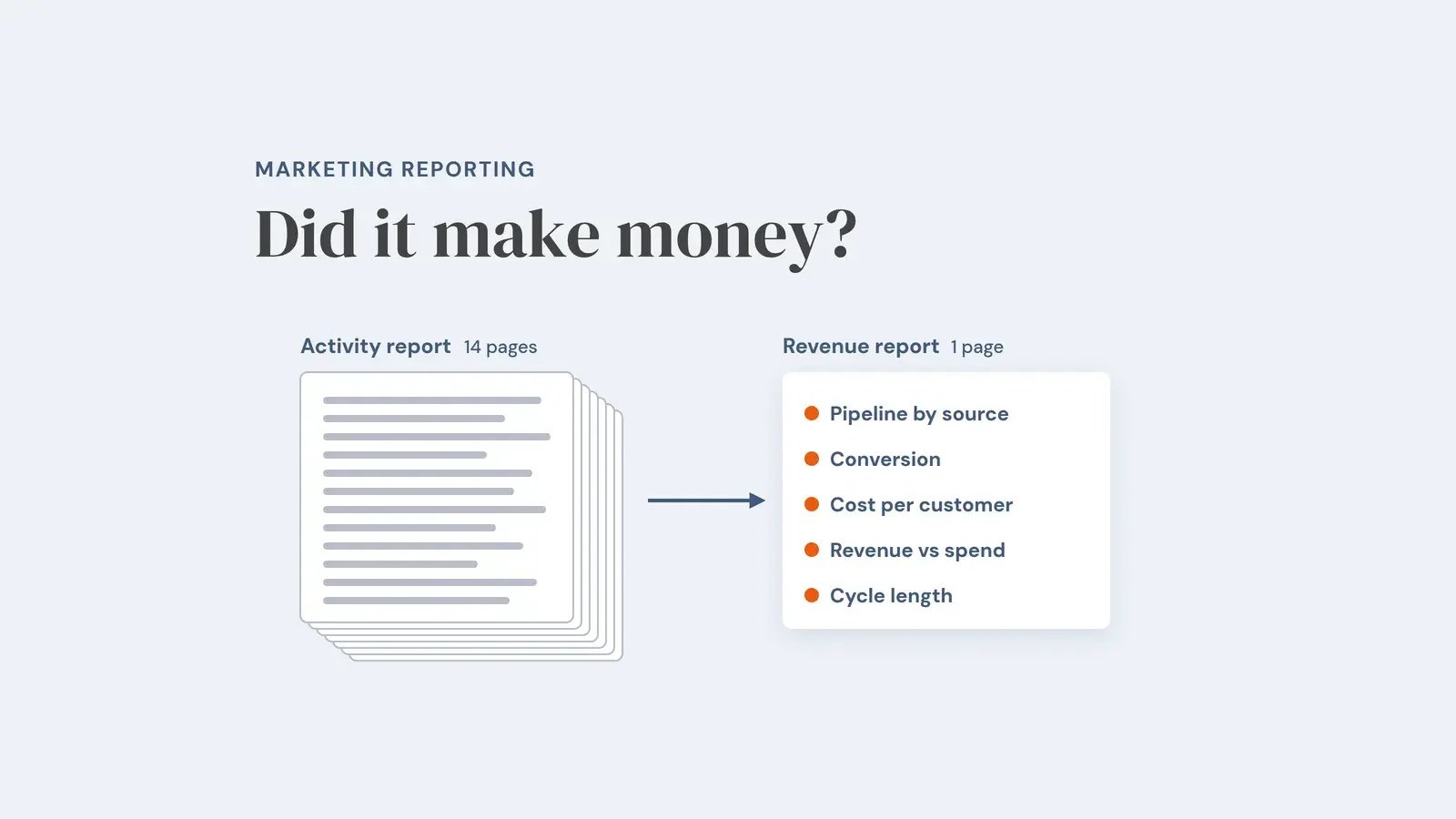
- No feedback loop to tell you what is actually working. Forrester's 2024 marketing survey found 64% of B2B marketing leaders said their organisation did not trust its measurement to make decisions.
What happens when you build a system without a clear strategy?
The biggest problem with a marketing system built without strategic direction is that it generates activity without direction: content is produced, campaigns run, and a pipeline fills, with the wrong people.
Common failure modes; system without a strategy:
- Content produced with no clear audience or positioning
- High volume, low conversion
- Metrics reported, but no agreed definition of success
Which approach delivers better results, and for whom?
Businesses that combine a clearly defined marketing strategy with a systematised way of executing it consistently outperform those relying on either in isolation, but the right starting point depends on your stage.
- Pre-revenue or early-stage: Start with strategy. Direction is unclear; building a system now means building the wrong thing.
- Growing business with unclear positioning: Strategy first. A system built on weak positioning compounds the wrong message.
- Established B2B business, validated positioning, inconsistent results: You need a marketing system. The direction is set; execution is the gap.
- Scaling business with a marketing team: Both in parallel — strategy reviewed quarterly, system refined continuously.
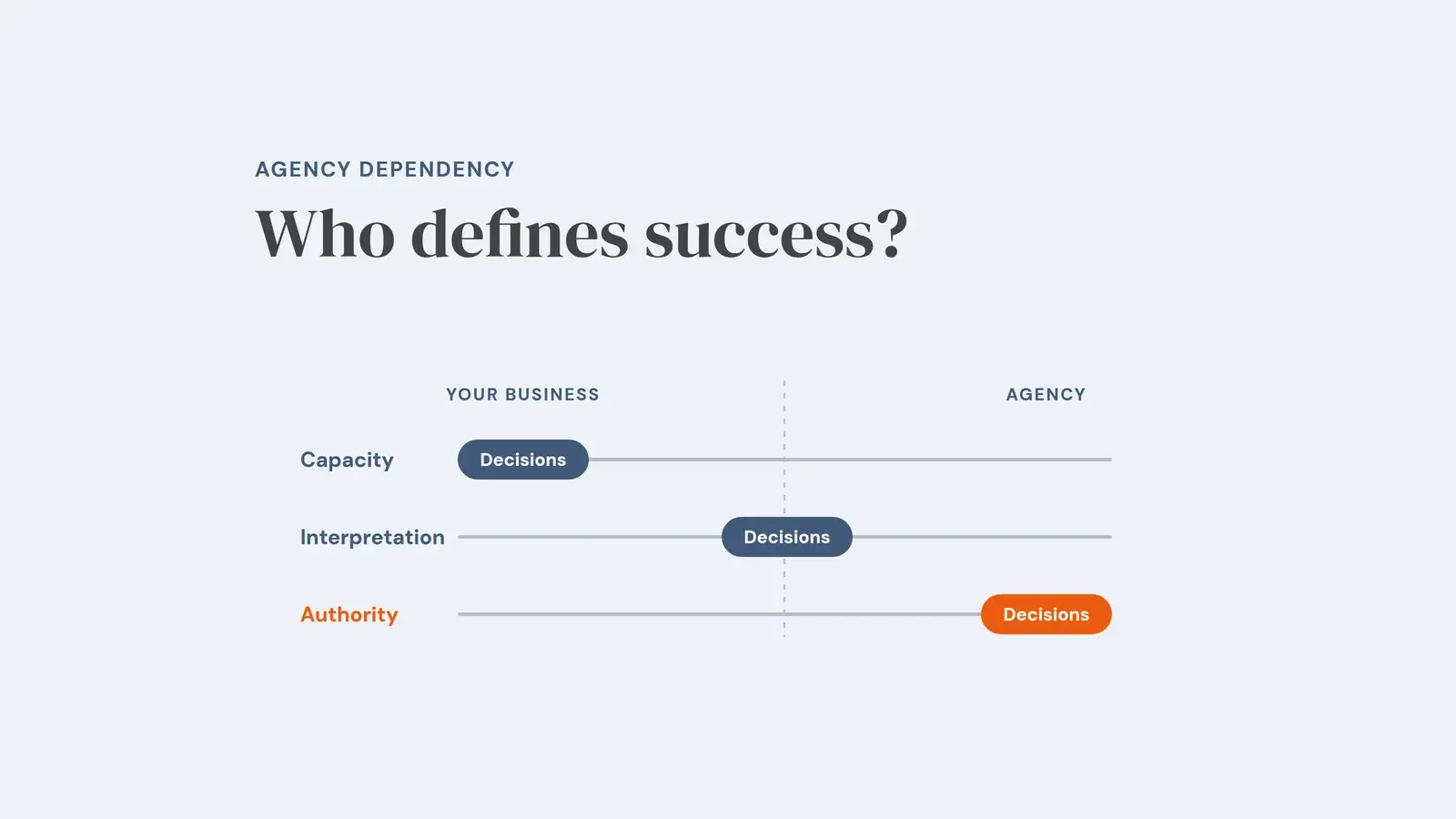
- Business reliant on an agency: Ask honestly whether the agency owns your marketing system or you do. See: Agency Dependency: The True 3-Year Cost to Your Business
What is the difference between a marketing system and a sales funnel?
A sales funnel is a single, linear path. A marketing system is the wider infrastructure that feeds, operates, and refines multiple funnels simultaneously.
A funnel describes a buyer journey. A marketing system is the factory that powers it.
If you are building a marketing system, you are not replacing your funnels; you are putting in place what makes them run reliably, with or without your direct involvement.
How to build a marketing system on top of your marketing strategy
The right approach treats your marketing strategy as the foundation and the marketing system as the structure built on top, every component of the system should trace back to a strategic decision already made.
- Audit your existing strategy: Does it clearly define your ideal client, positioning, and channels? If not, start there.
- Map the customer journey: Awareness, consideration, decision. Define what a good buyer experience looks like at each stage.
- Assign content and touchpoints to each stage: What does a buyer need to know to move forward? What builds trust?
- Select and connect your tools: CRM, email automation, content management. They need to communicate with each other.
- Build measurement loops: Define the metrics that tell you the system is working, not just active.
- Set a review cadence: Monthly performance check; quarterly strategy review.

Frequently asked questions
Can I have a marketing system without a marketing strategy?
Technically yes, but you should not build one without it. Without strategic grounding, a marketing system executes in the wrong direction. You attract poor-fit leads, fill a CRM with contacts that will not convert, and produce content for the wrong audience. Strategy is the prerequisite, not an optional extra. Forrester's research on CRM projects found most failures come from a poorly defined strategy and weak change management, not from the software.
How long does a marketing system take to produce results?
Most businesses see early indicators, such as traffic, leads, pipeline movement, within 60–90 days of consistent execution. Results that build on themselves typically become visible at the 6–12 month mark. External reference: HubSpot's State of Marketing Report for benchmark data on B2B lead generation timelines
Conclusion
You came here with a real question: is the problem your strategy, your system, or the gap between them?
For most founder-led businesses, it is the gap. A strategy was written and filed. Activity kept running. But the two were never structurally connected, so results stayed unpredictable.
Plug the gap deliberately. Strategy sets the direction. A marketing system turns that direction into daily, repeatable output. Together, they produce what neither can build alone: predictable revenue from marketing you own.
How to take action now
- Start with a diagnosis: the Marketing Diagnostic & Priorities (fixed £1,500, 2–4 weeks) tells you whether the gap is strategy, system or both.
- Audit your current strategy: does it clearly define your ideal client, positioning, and channels?
- Map where your customer journey currently breaks down: the how-to section above gives you the structure.
- Use the 6-step framework above to start connecting strategy to execution.
Recommended reading: Agency vs. In-House vs. Fractional: Which Marketing Model Wins on ROI?

Pricing disclaimer: All GBP–USD price conversions are rounded estimates and correct at the time of publishing. Exchange rates fluctuate and figures should be treated as indicative only.