

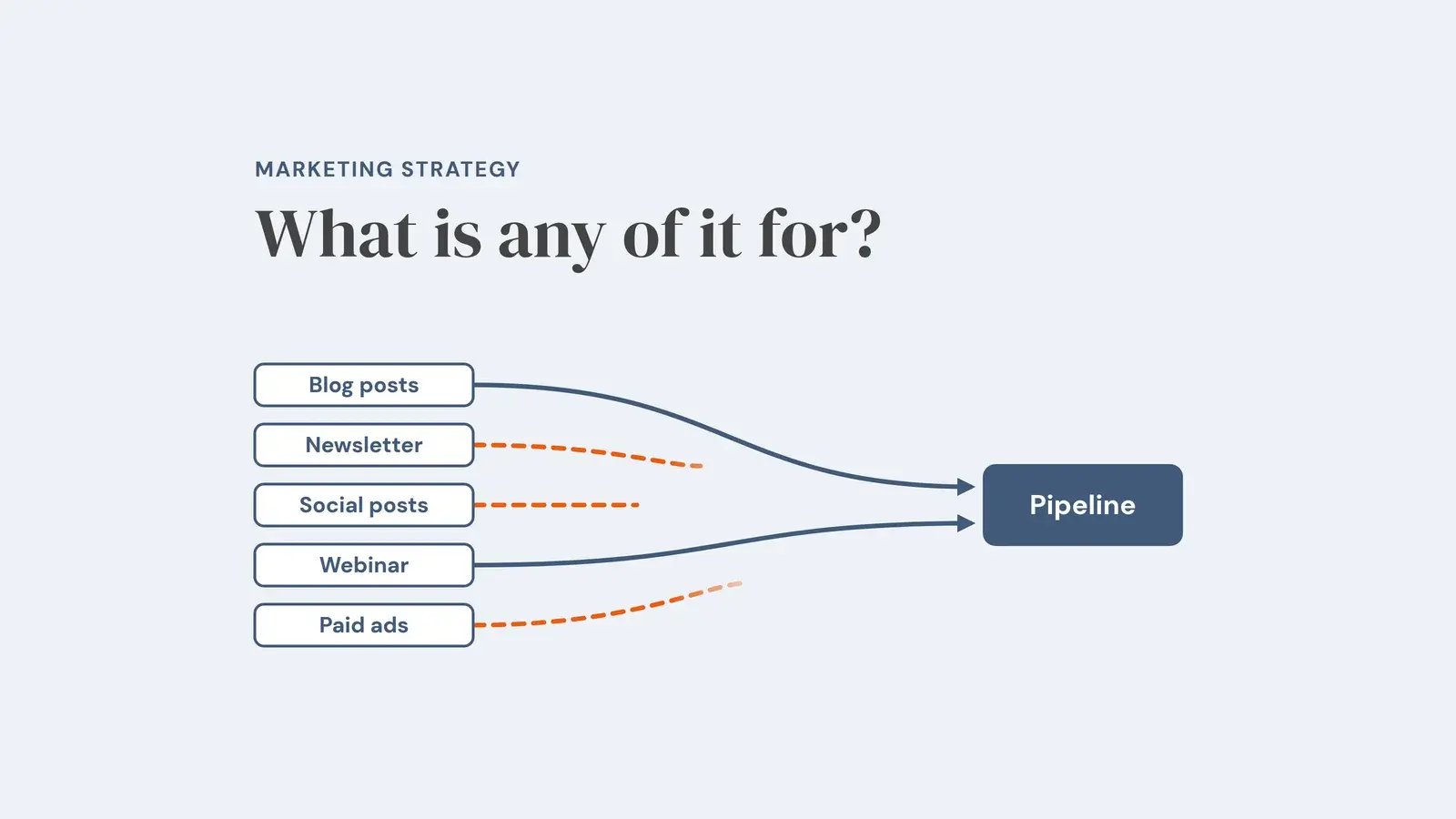
Does your marketing look productive but your pipeline tell a different story? Are you producing content, running campaigns, and sitting through reviews, only to struggle naming a single deal any of it directly drove?
I have spent years working inside agencies and alongside founder-led B2B businesses, and this pattern is almost never a talent problem. It is a structural one. The work is getting done. Nobody can explain what it is for.
This article shows you how to identify whether your business is caught in the busy marketing trap, how to calculate what it is actually costing you, a six-step framework for moving from activity to outcomes, and the five criteria any marketing arrangement should meet before you fund another month of it.
Key takeaways
- Busy marketing is any marketing activity, whether content, campaigns or reports, that generates visible output but is not tied to a defined audience, strategic objective, or measurable business outcome.
- There is no reliable published benchmark for how much marketing spend is wasted. The number that matters is your own, and you can calculate it in five minutes using the formula in this article.
- The most damaging costs are not line items on an invoice. They are the accumulating losses of team time, talent, and revenue opportunities never pursued.
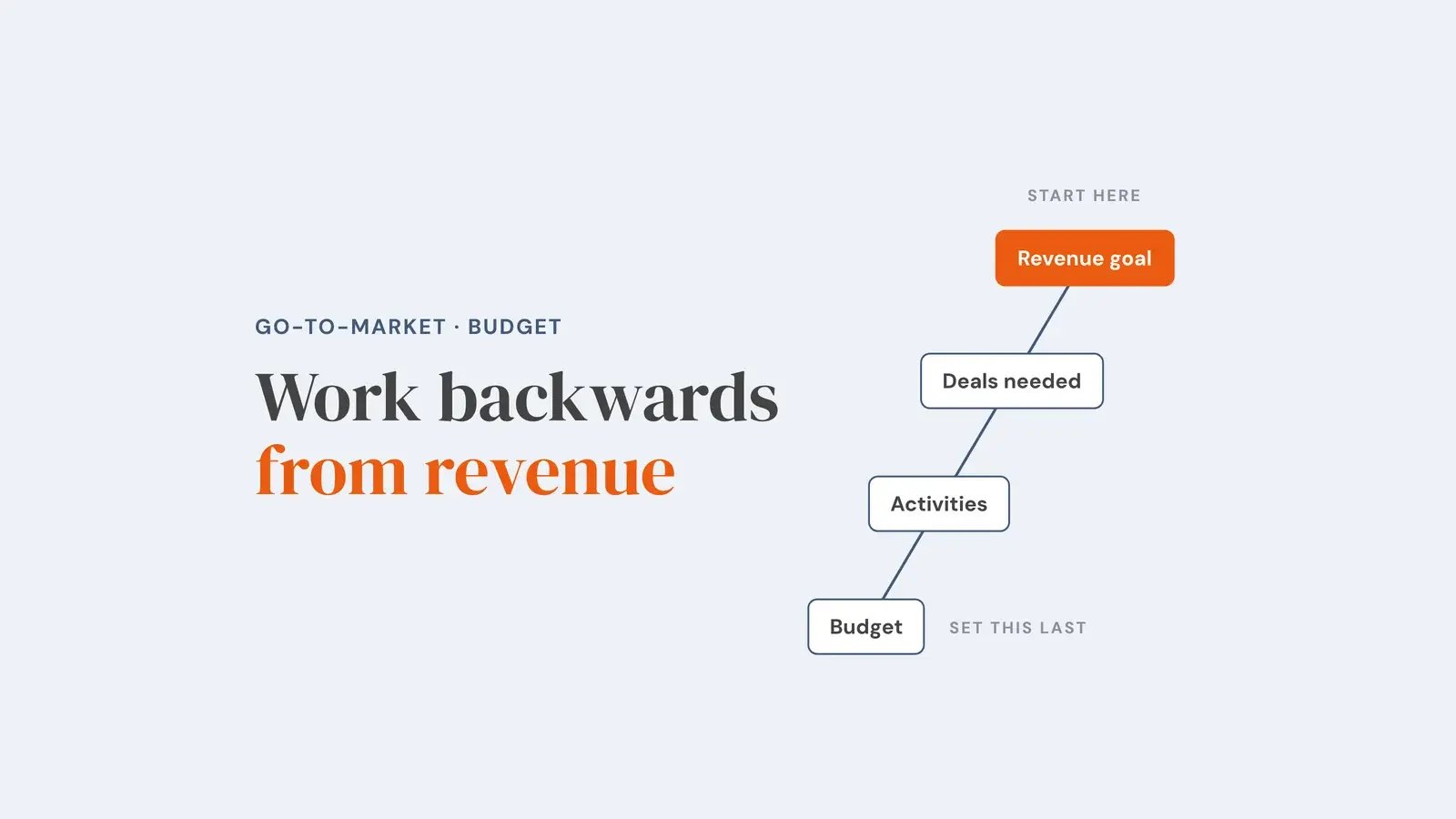
- Strategic marketing starts with a defined outcome and works backwards. Busy marketing starts with activity and hopes an outcome follows.
- Fixing the problem does not require more marketing. It requires a clear audit of what exists and a decision about what stays.
What is busy marketing and why does it lack clarity?
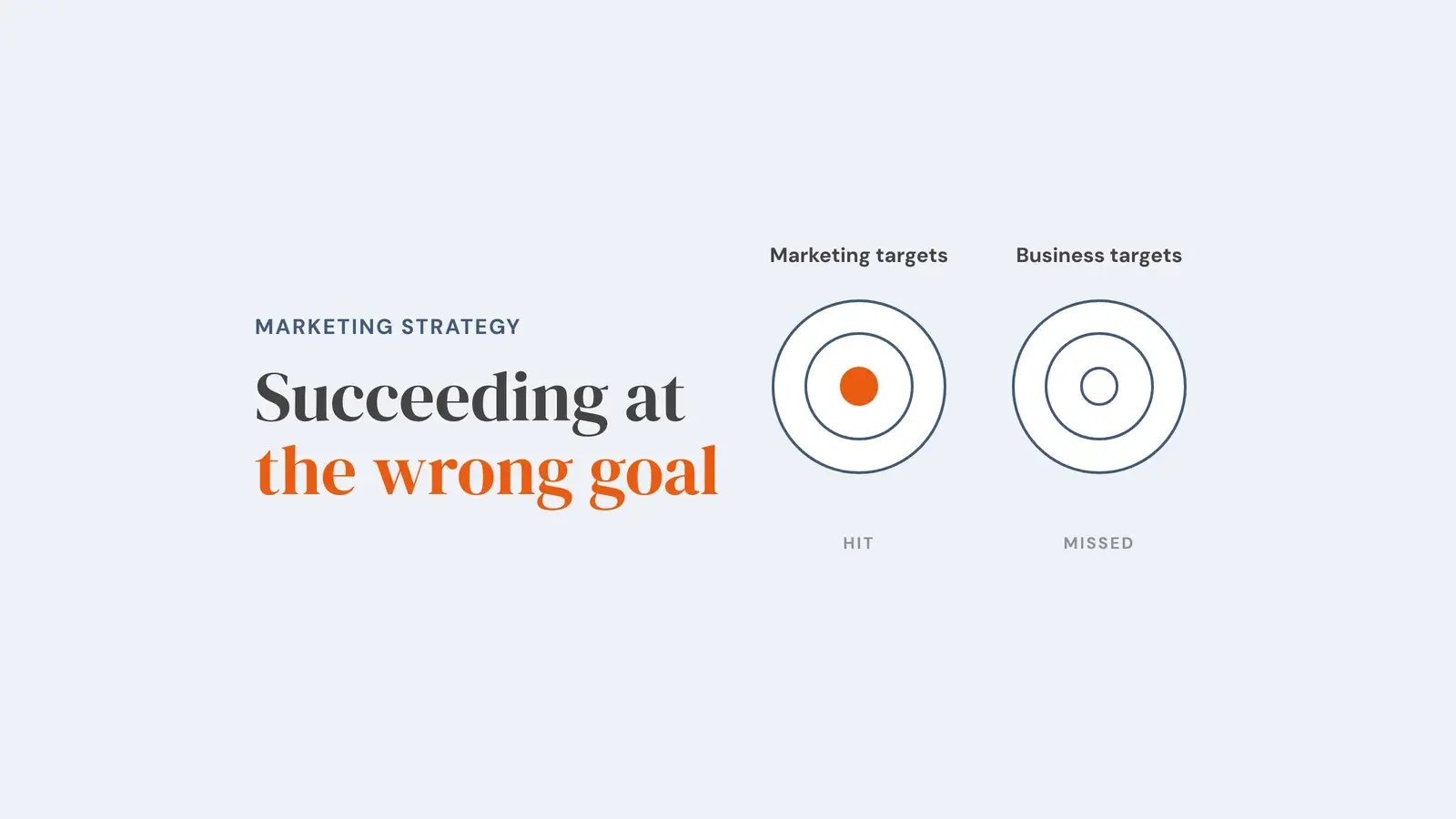
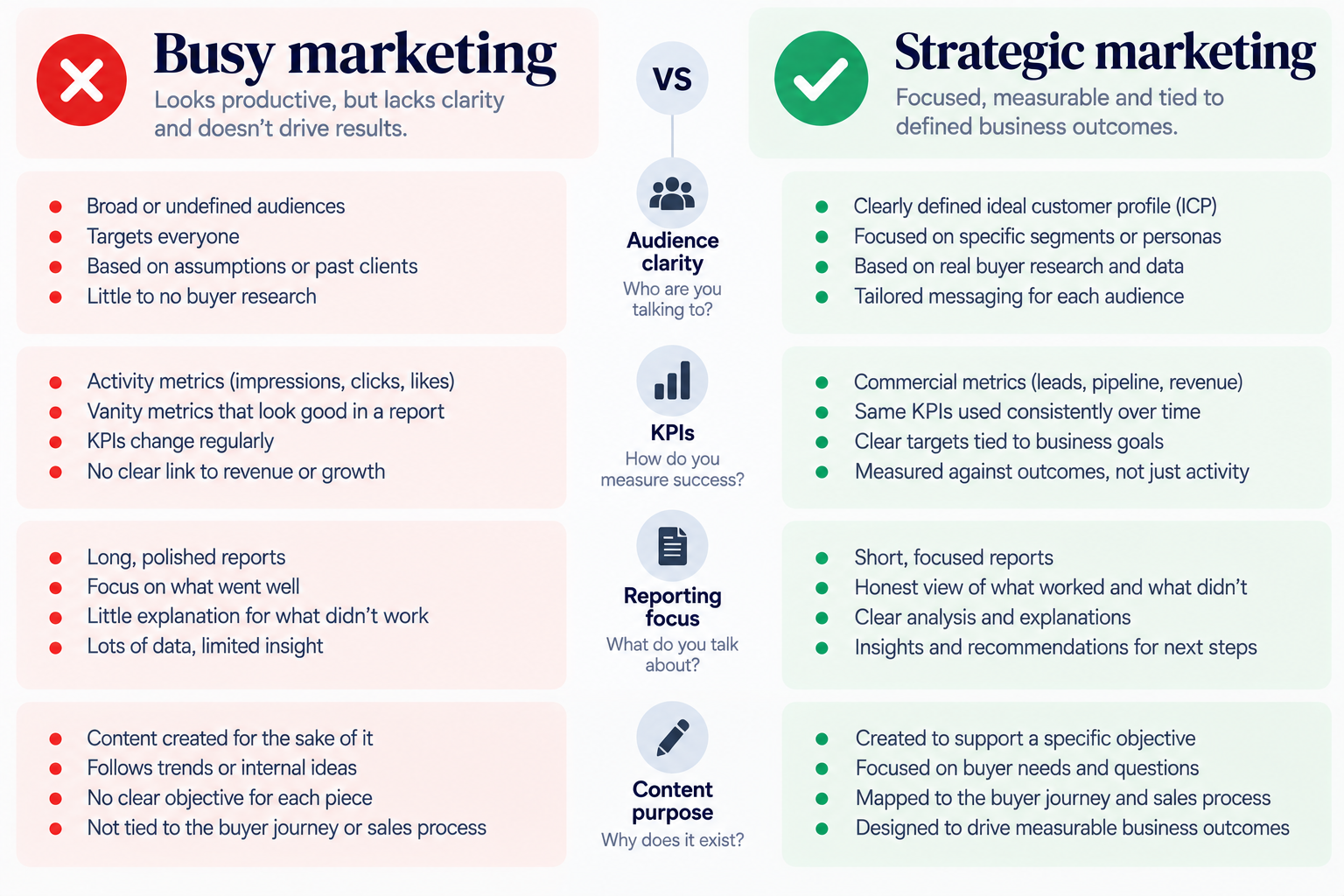
Marketing becomes busy rather than strategic at the point where output stops being anchored to an objective. Posting, emailing, campaigning and reporting all continue. What disappears is the answer to why any of it is happening.
It is one of the most common and costly traps in modern marketing, and it is difficult to spot from the inside precisely because the work looks like progress. Calendars fill. Reports lengthen. The underlying strategy stays absent or undefined.
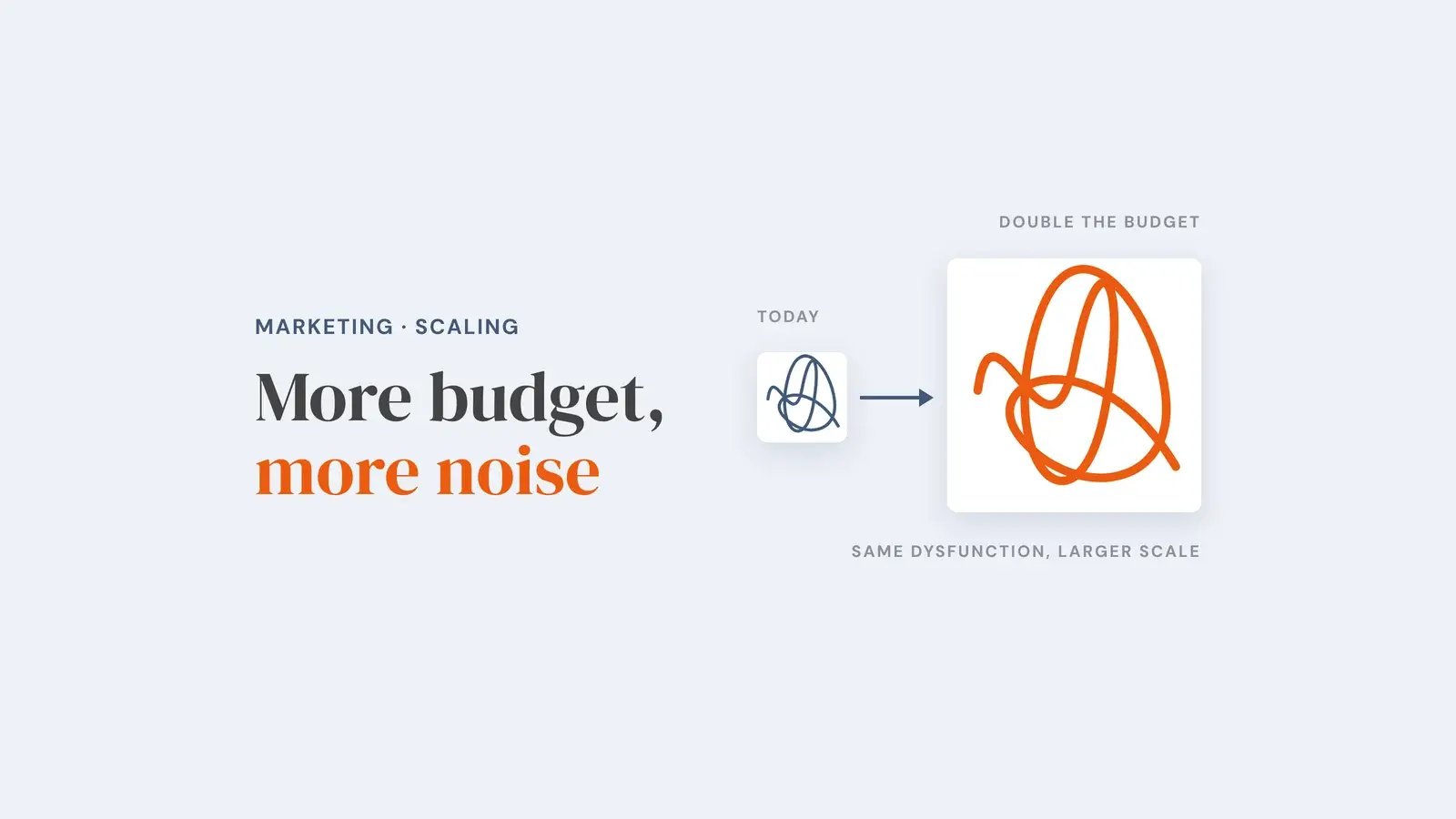
The result: full calendars, packed dashboards, and a pipeline that does not move.
How much does unfocused marketing actually cost?
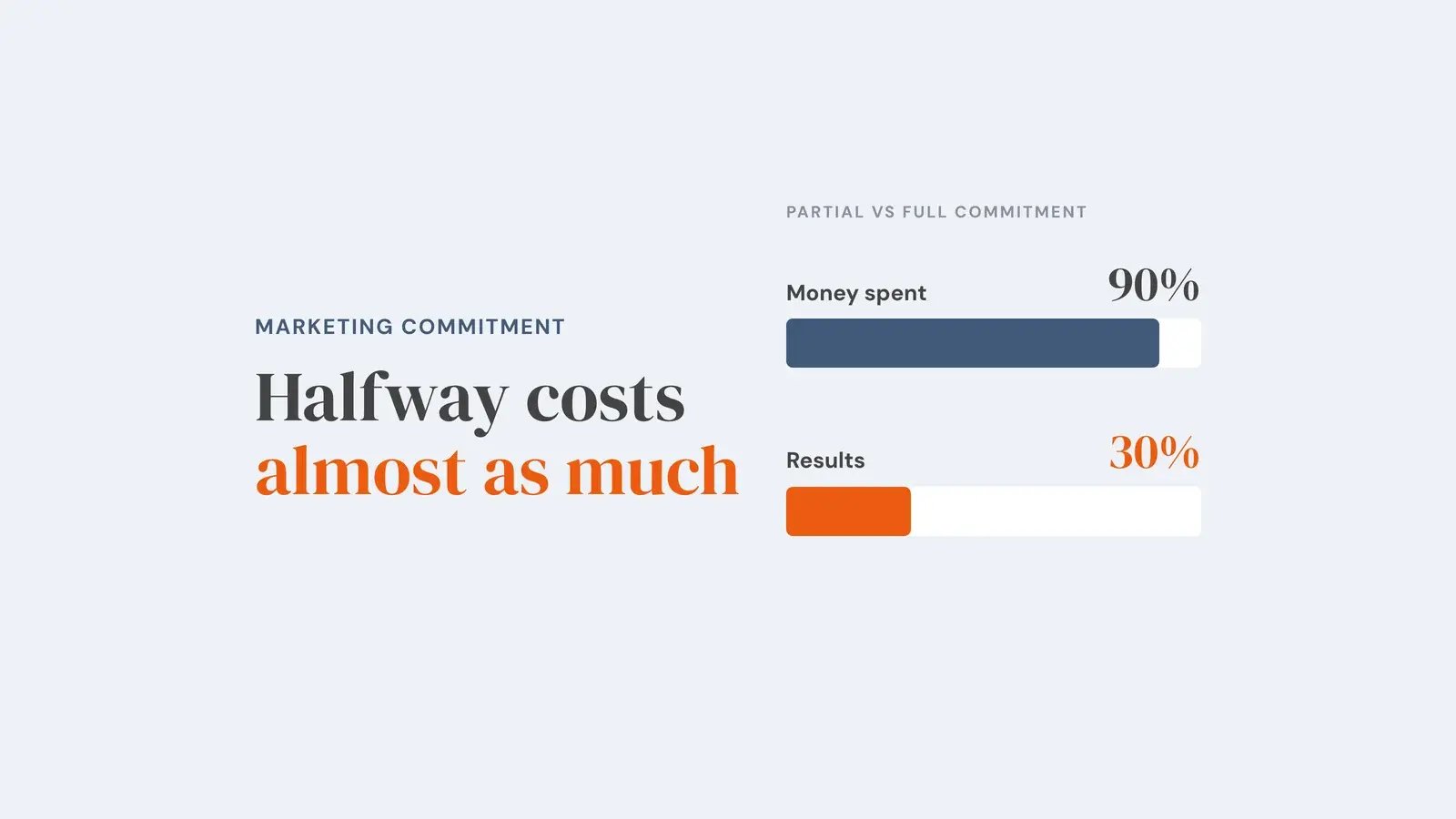
The cost of unfocused marketing is the share of your monthly spend that cannot be traced to a lead, a pipeline opportunity, or a closed deal. There is no credible published benchmark for what that share is across all businesses, and any figure claiming otherwise should be treated with suspicion. The number that matters is yours.
Here is how to calculate it:
Monthly marketing spend × % of activity with no measurable outcome = estimated monthly waste
A business spending £8,000 ($10,000) per month on marketing, with 40% of activity unlinked to any goal, is potentially losing £3,200 ($4,000) every month. That is £38,400 ($48,000) per year, or roughly the cost of the marketing hire that would have fixed the problem.
When you factor in agency retainers, internal headcount, paid media, and tools, the annual exposure for a mid-sized business is significant enough to be worth an afternoon of honest arithmetic.
Published research can tell you what businesses spend. Gartner's 2025 CMO Spend Survey puts the average marketing budget at 7.7% of company revenue, with half of respondents reporting 6% or less, though the sample is drawn largely from enterprises rather than founder-led businesses. What no survey can tell you is how much of your own spend is doing nothing. That figure only comes from the calculation above.
The hidden costs beyond budget: time, talent, and missed opportunity
The most damaging costs of busy marketing are not line items on an invoice. They are the accumulating losses of team time, decision-maker attention, and revenue-generating opportunities never pursued.
A marketing team running at full capacity on low-clarity activity has no bandwidth to test, iterate, or focus on the strategies most likely to move the business forward.
The hidden cost categories most businesses overlook:
- Talent burnout and turnover: High-volume, low-signal work drains motivation. Replacing a mid-level marketer on a £40,000 ($50,000) salary typically costs £20,000–£40,000 ($25,000–$50,000) once recruitment and onboarding are included, estimated at 50–100% of annual salary in line with standard recruitment cost benchmarks.
- Delayed decisions: Without clear data, leadership debates what is working rather than acting on it.
- Weakened brand trust: Inconsistent messaging across scattered campaigns erodes buyer confidence before the sales conversation starts.
- Poor data quality: Unfocused campaigns generate noise in your CRM, making pipeline reporting unreliable.
- Missed first-mover advantage: While your team produces content no buyer asked for, competitors are building authority in the conversations that matter.
Busy marketing vs. strategic marketing: what's the difference?
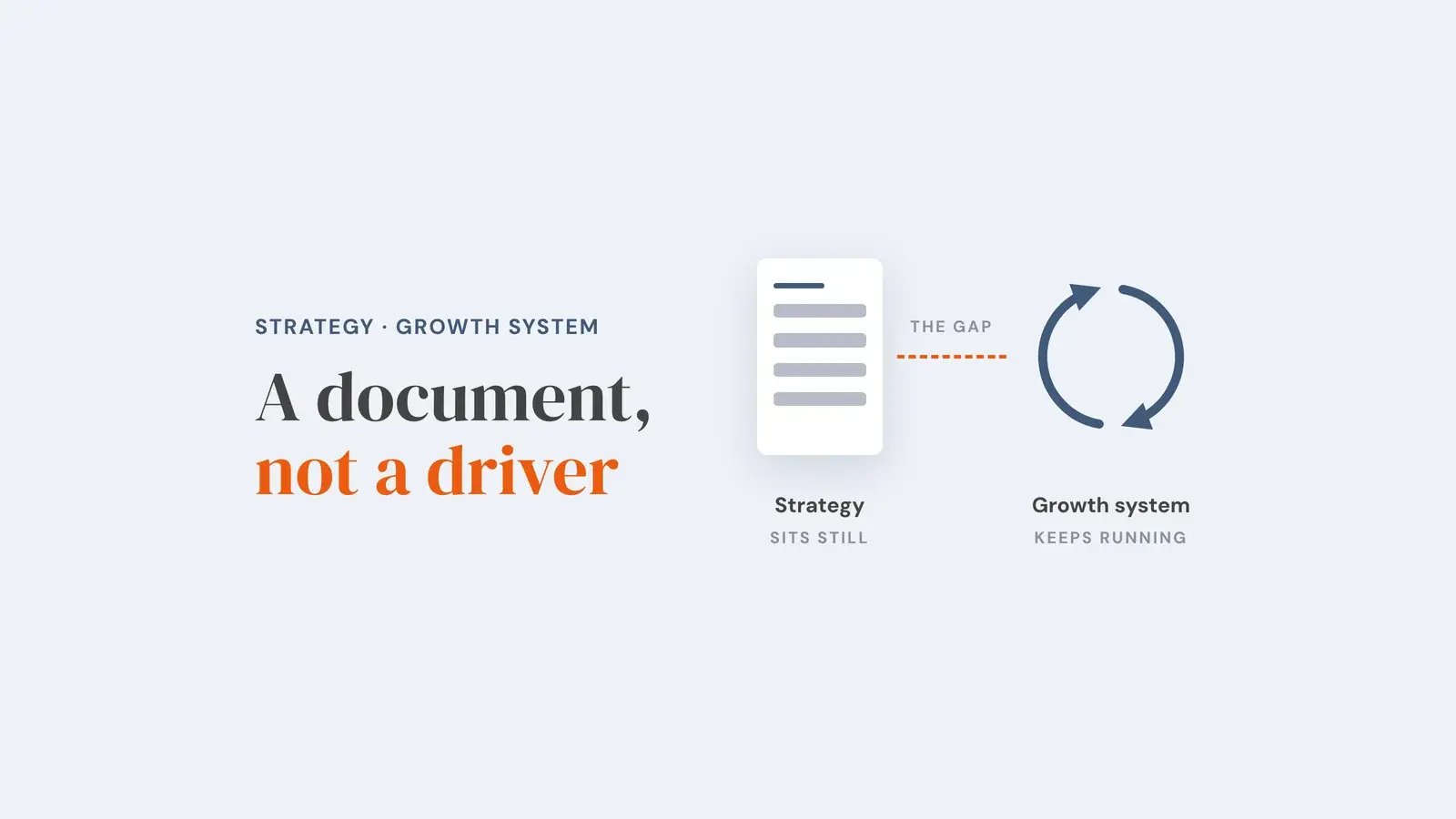
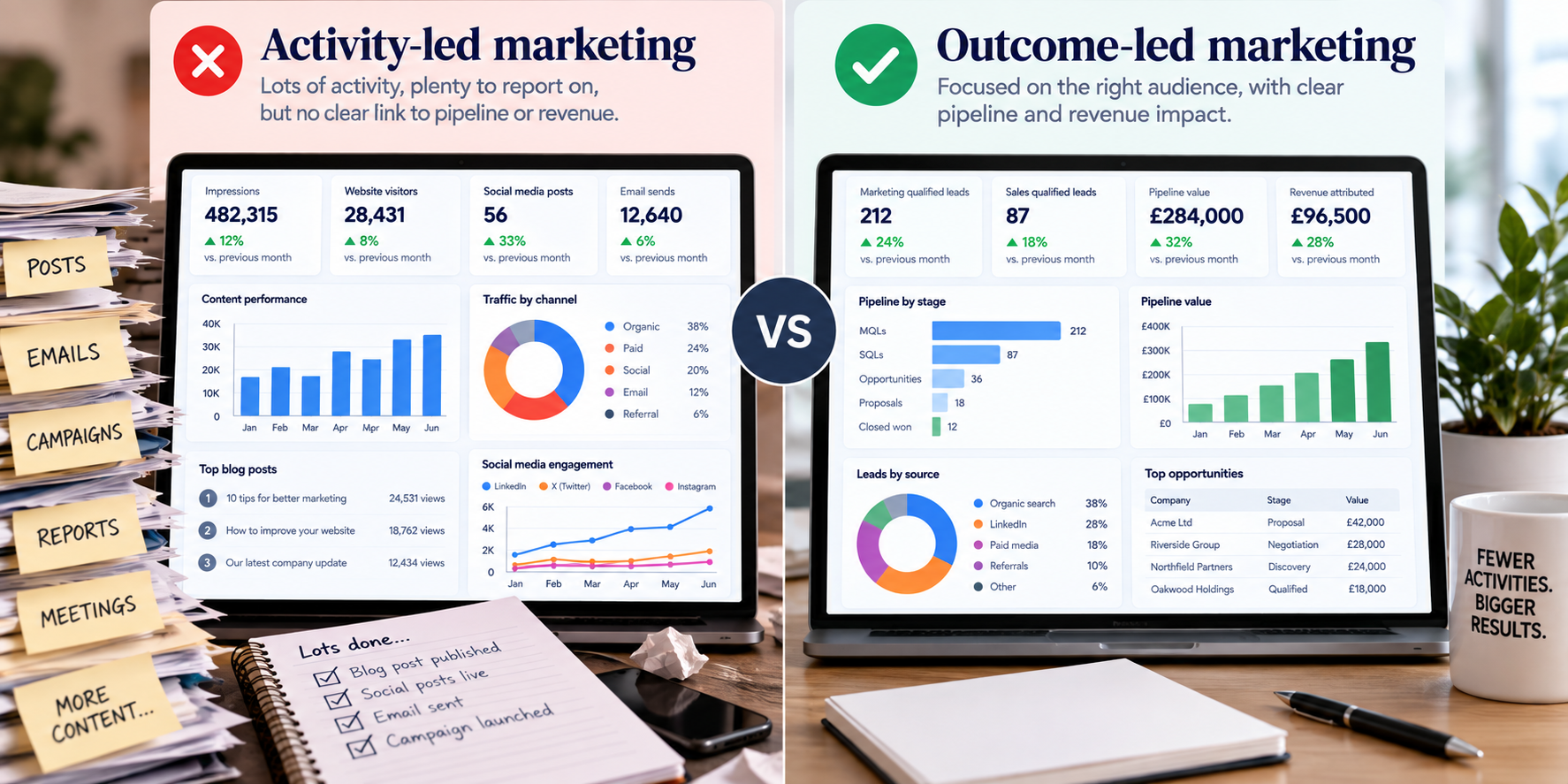
The core difference is that strategic marketing begins with a defined outcome and works backwards, while busy marketing begins with activity and hopes an outcome follows.
Strategic marketing prioritises fewer, more intentional actions. Each one is mapped to a buyer stage, a measurable goal, and a clear feedback loop. It also starts from a documented ICP, or Ideal Customer Profile: a written description of the specific buyer your business is built to serve, including their industry, role, problems, and buying behaviour. Busy marketing rarely has one, which is why its output can look impressive and still reach nobody in particular.
6 warning signs your marketing is activity, not strategy
The clearest warning sign is when your team can describe everything they have produced but cannot explain what result any of it drove.
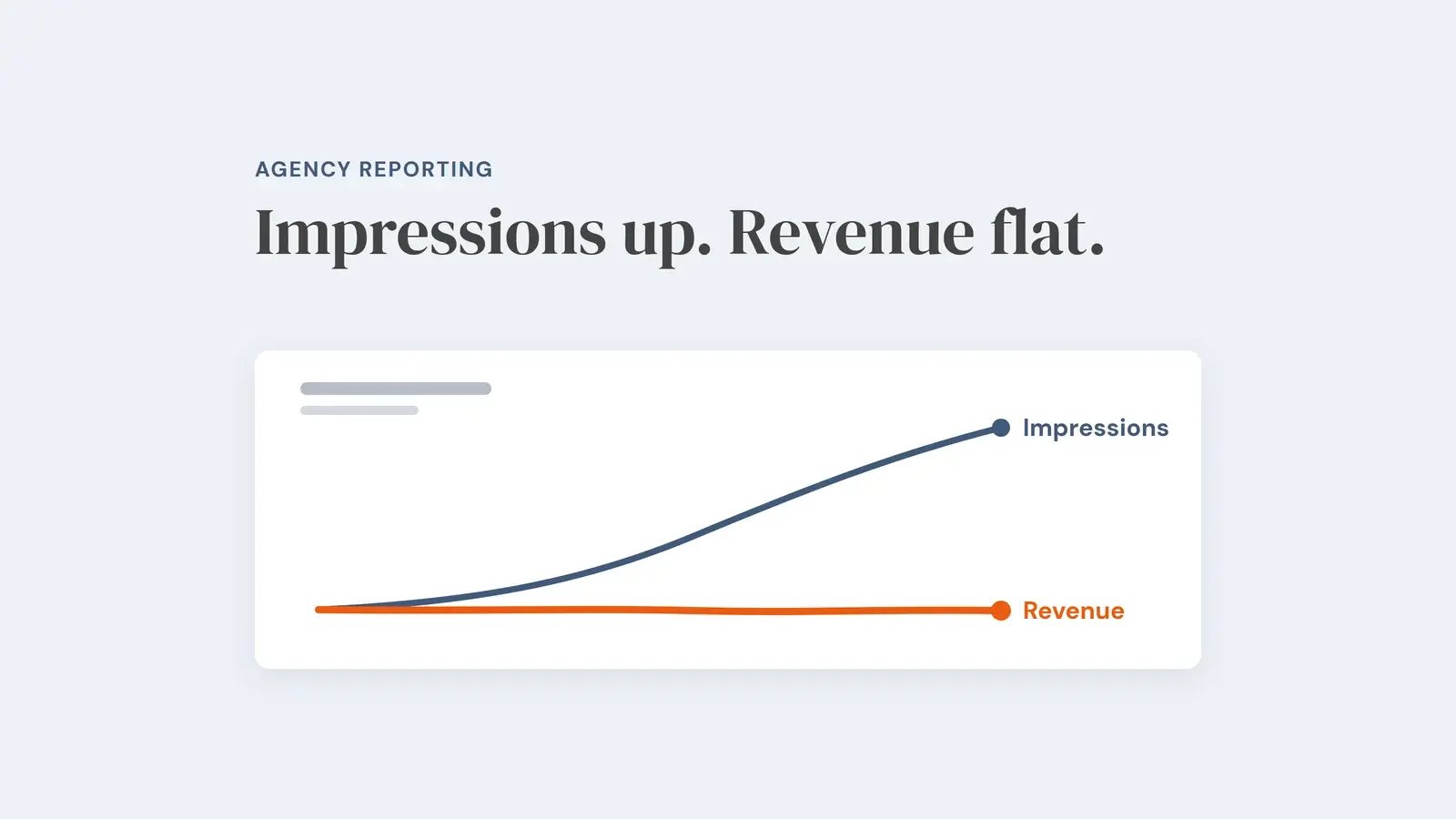
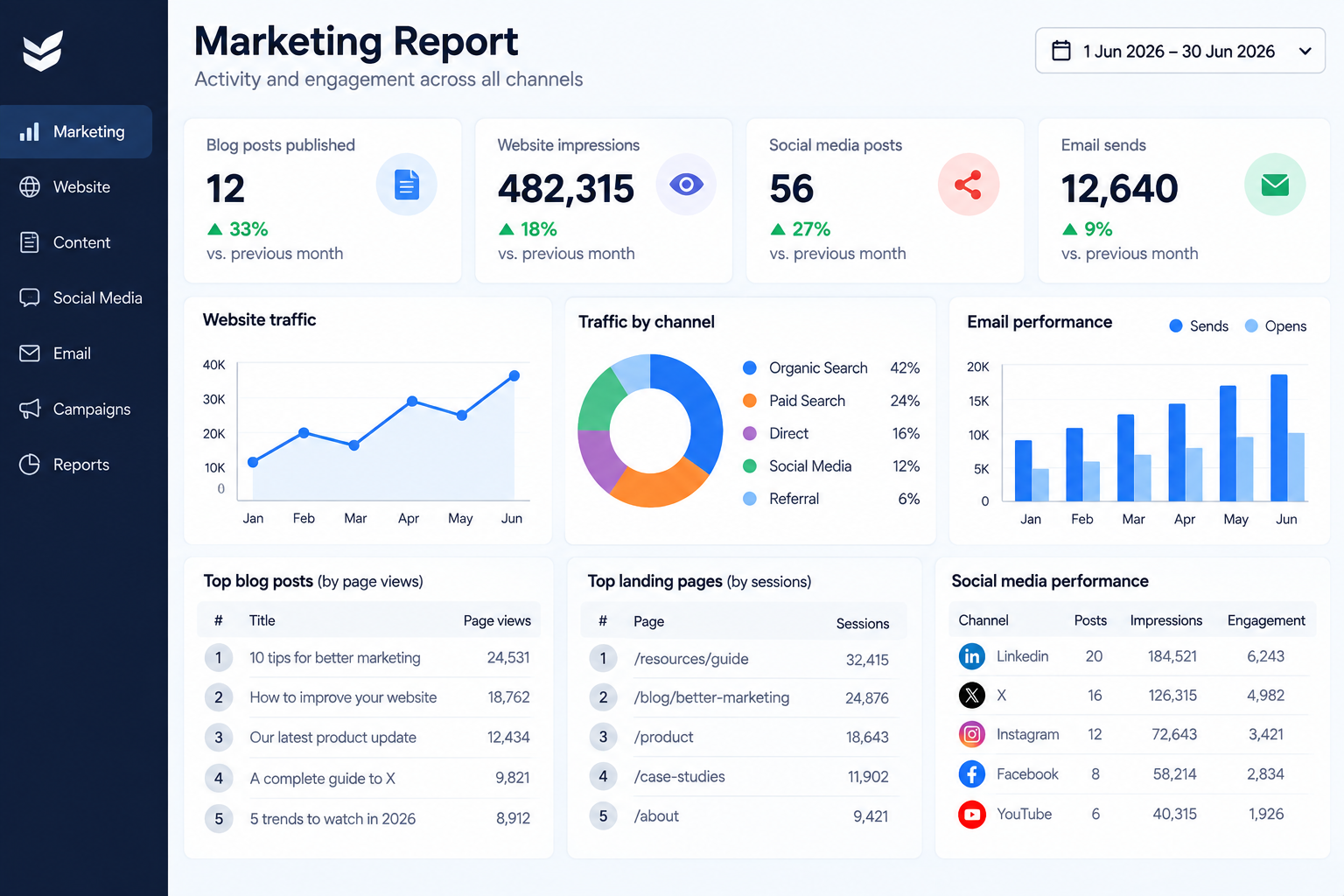
Other common indicators include dashboards full of activity metrics such as impressions, posts published and emails sent, with no conversion, pipeline, or revenue data attached.
Run through this checklist:
- You publish 3 or more pieces of content per week but cannot name a lead any of it generated.
- Your reports show impressions and reach but no pipeline contribution.
- Your agency or team rarely references conversion, only activity.
- Marketing and sales use different language to describe your ideal customer.
- New campaigns launch before previous ones have been reviewed.
- Budget conversations focus on spend volume rather than return per channel.
6 steps to shift from marketing activity to business outcomes
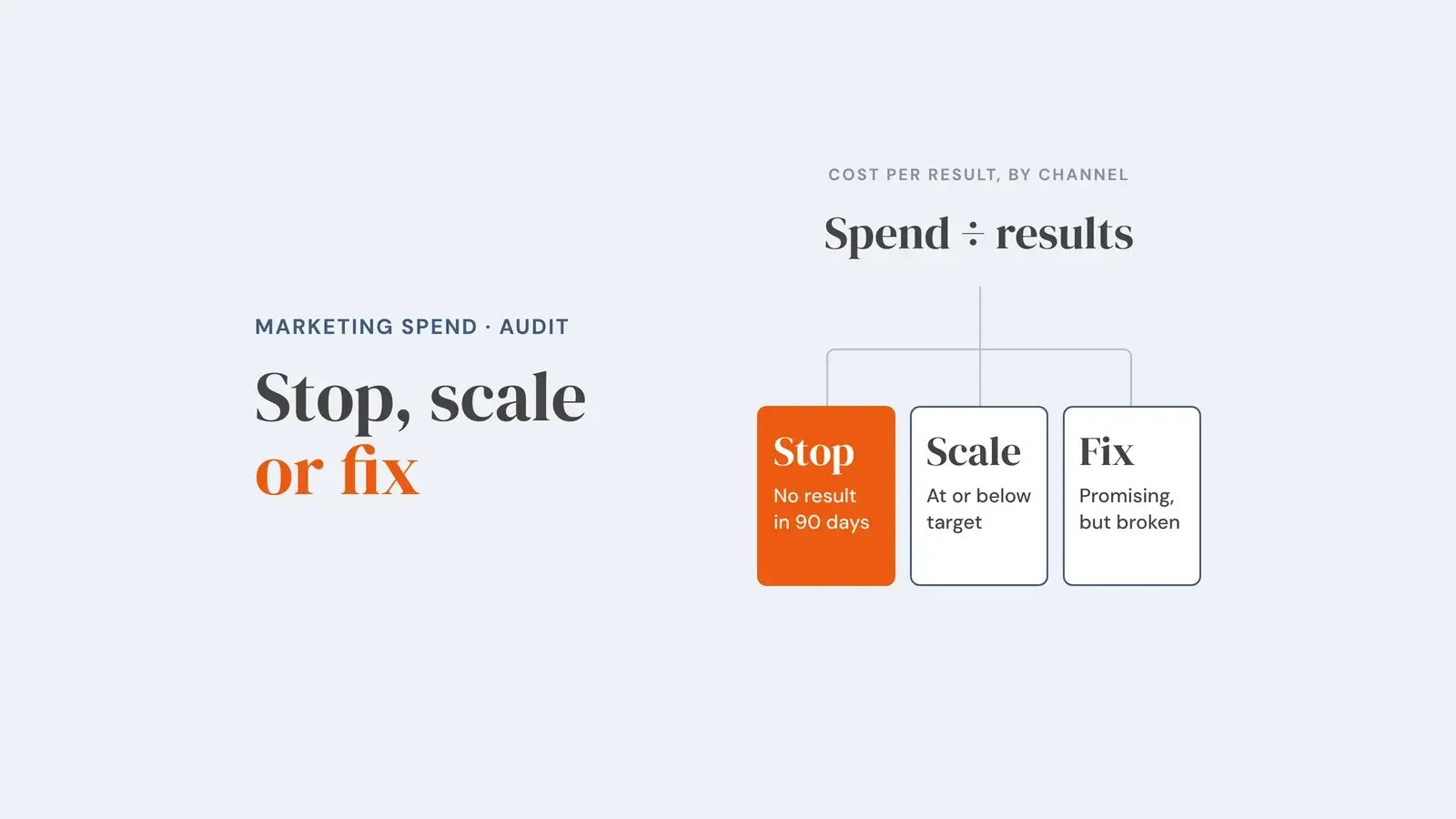
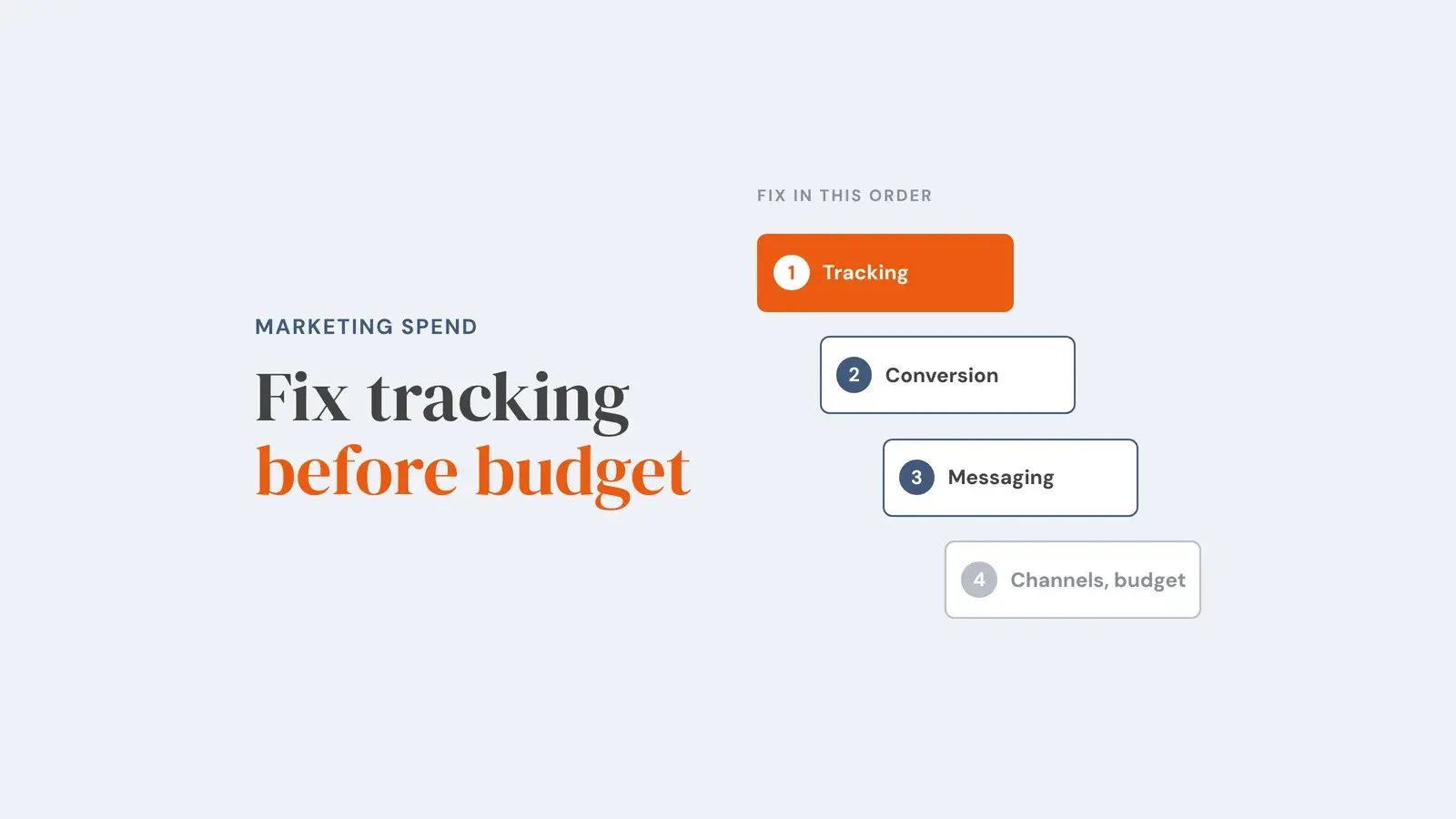
To shift from busy marketing to outcome-driven marketing, the first step is a ruthless activity audit: list everything your team is currently doing and identify the specific business outcome each item is designed to produce.
Anything that cannot be linked to a defined outcome should be paused, not optimised.
- Audit your current activity: List every marketing task your team does weekly and monthly.
- Assign an outcome to each item: Lead generation, brand trust, or retention. If you cannot assign one, flag it.
- Define your ICP clearly: Confirm in writing who you are marketing to and what decision you are helping them make.
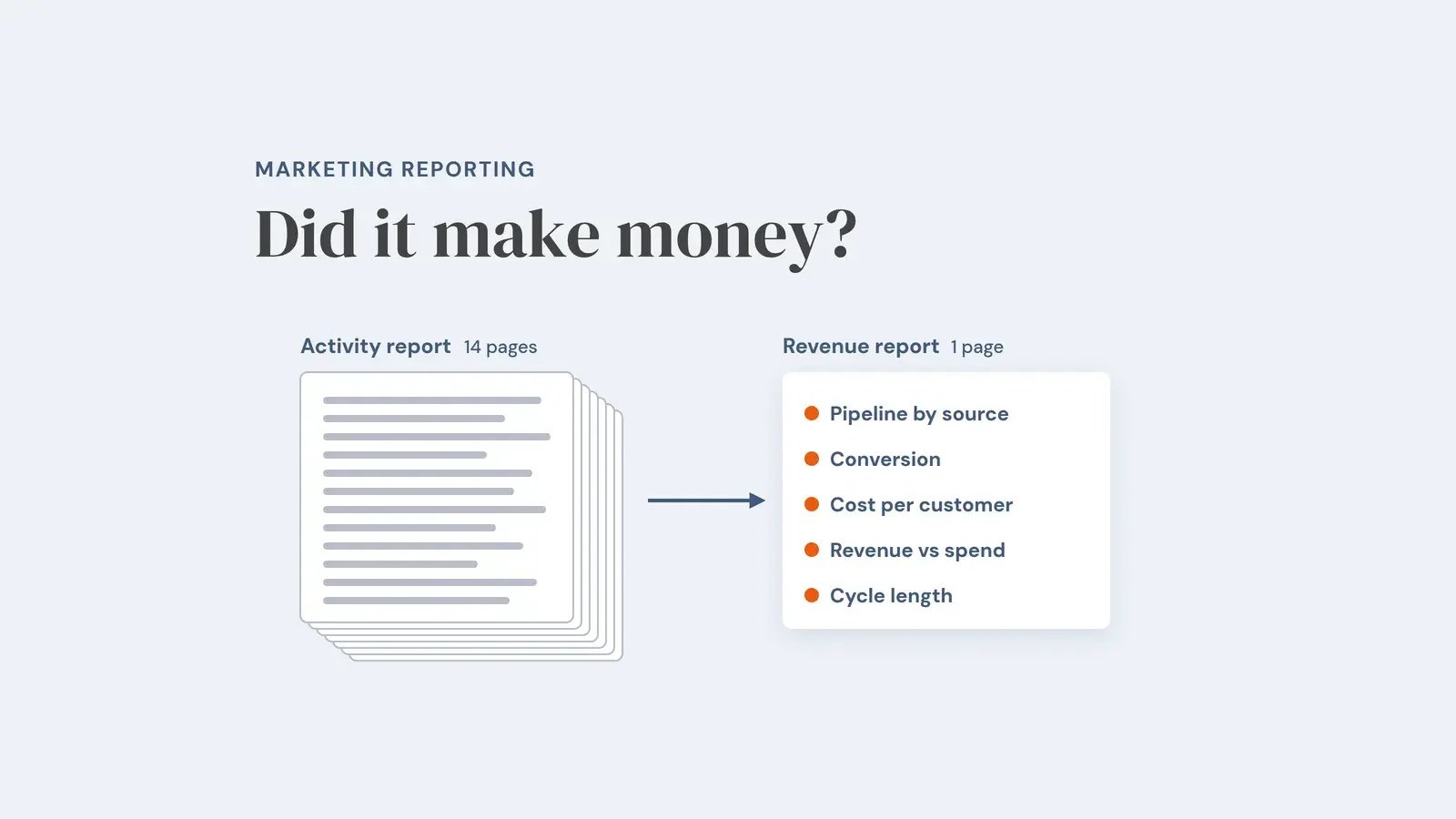
- Set outcome-led KPIs: Replace vanity metrics with pipeline contribution and revenue attribution.
- Cut or consolidate: Reduce volume to make room for depth and measurement.
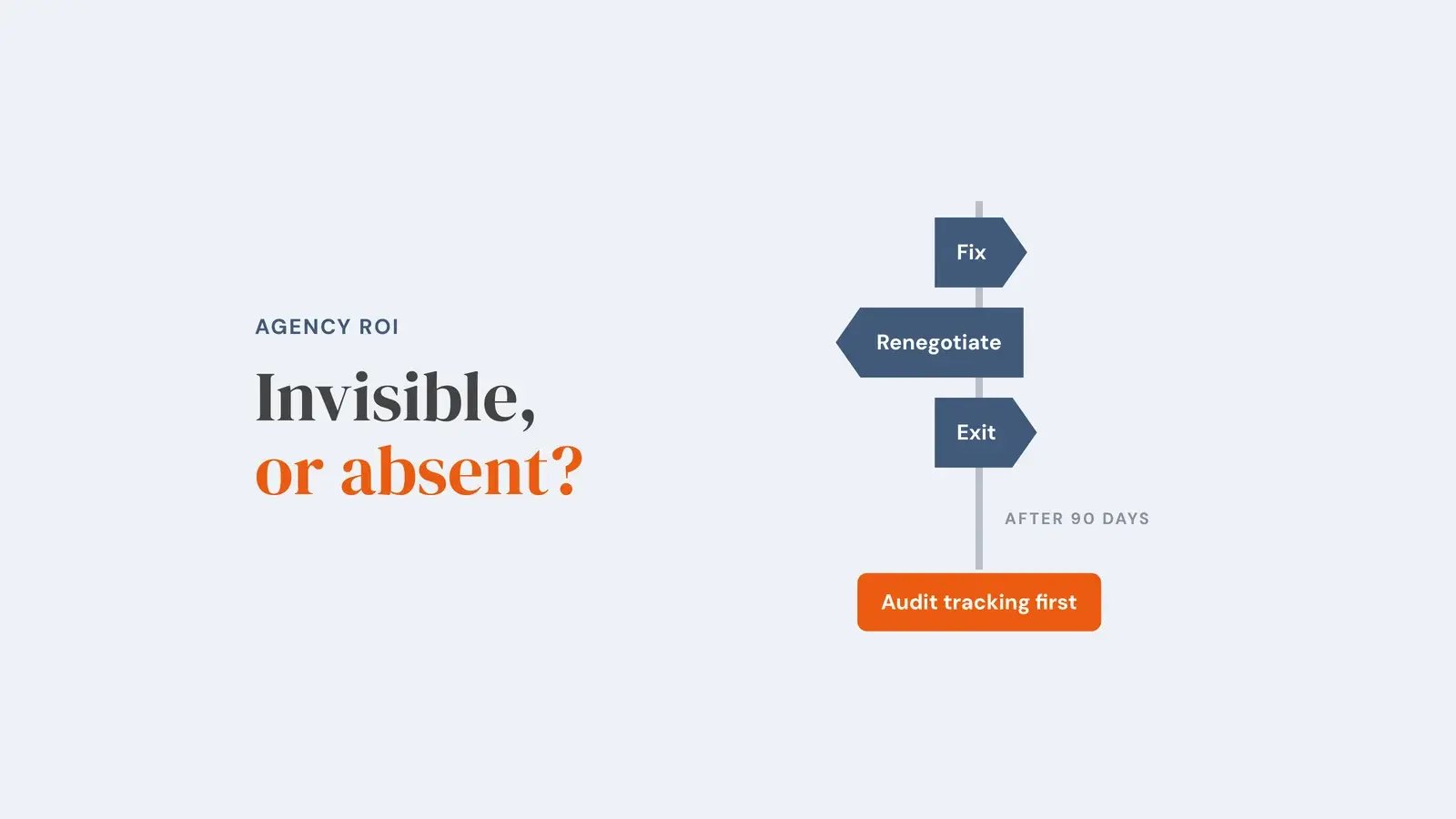
- Build a review cadence: Assess results monthly. If something is not working after 90 days, change it.
Related Reading: Directionless Marketing: Why It Happens & How to Fix It
5 criteria for choosing a marketing approach that delivers results
The best marketing approaches, whether built in-house or with an external partner, share five non-negotiable criteria: a clearly defined target audience, outcome-linked KPIs, a documented strategy, regular performance reviews, and explicit decision rights over when to change direction.
Use these as a filter before committing to any marketing activity or arrangement.
1. A clearly defined target audience
Ask to see the ICP in writing. If the answer is a sector and a company size, that is a segment, not an audience. A usable ICP names the role, the problem that triggers a search, and the language that buyer uses to describe it.
Test: could a new starter write a relevant piece of content on their first day using only this document?
2. Outcome-linked KPIs
Every metric being reported should connect to a business result within a stated timeframe. Impressions, followers and posts published are diagnostics at best. They belong in the working file, not the board pack.
Test: for each metric on the report, can someone explain what decision changes if it moves?
3. A documented strategy
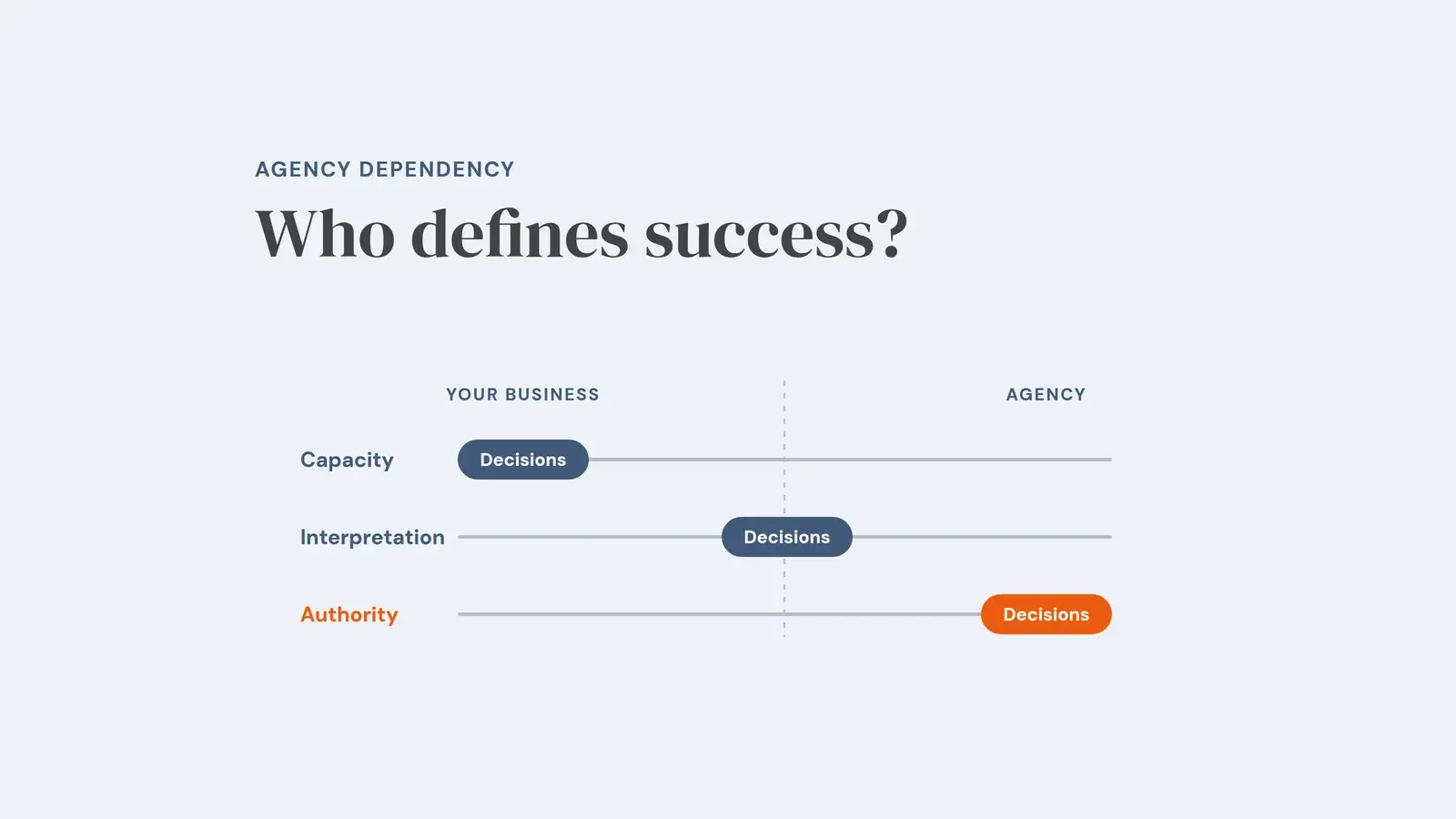
The strategy needs to exist as a document your team can read, challenge, and operate from. If it lives in one person's head, or in an agency's, it is not a strategy. It is a dependency.
Test: if the person who built it left tomorrow, could the work continue without them?
4. Regular performance reviews
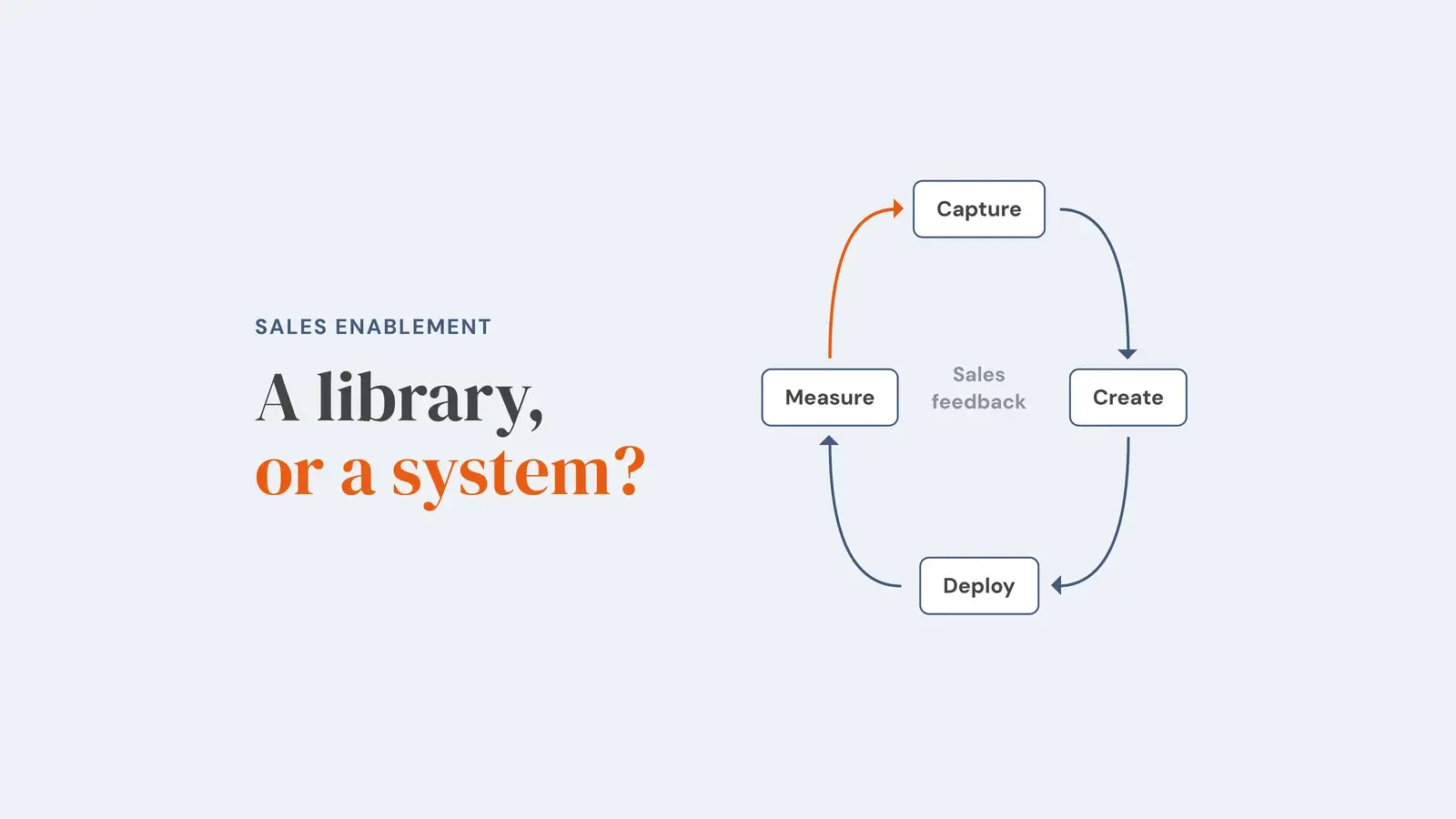
A fixed cadence, with the same metrics reviewed each time, and a standing question about what to stop. Reviews that only ever add activity are not reviews. They are planning meetings with extra steps.
Test: when did you last remove something from the plan because the review told you to?
5. Explicit decision rights over changing direction
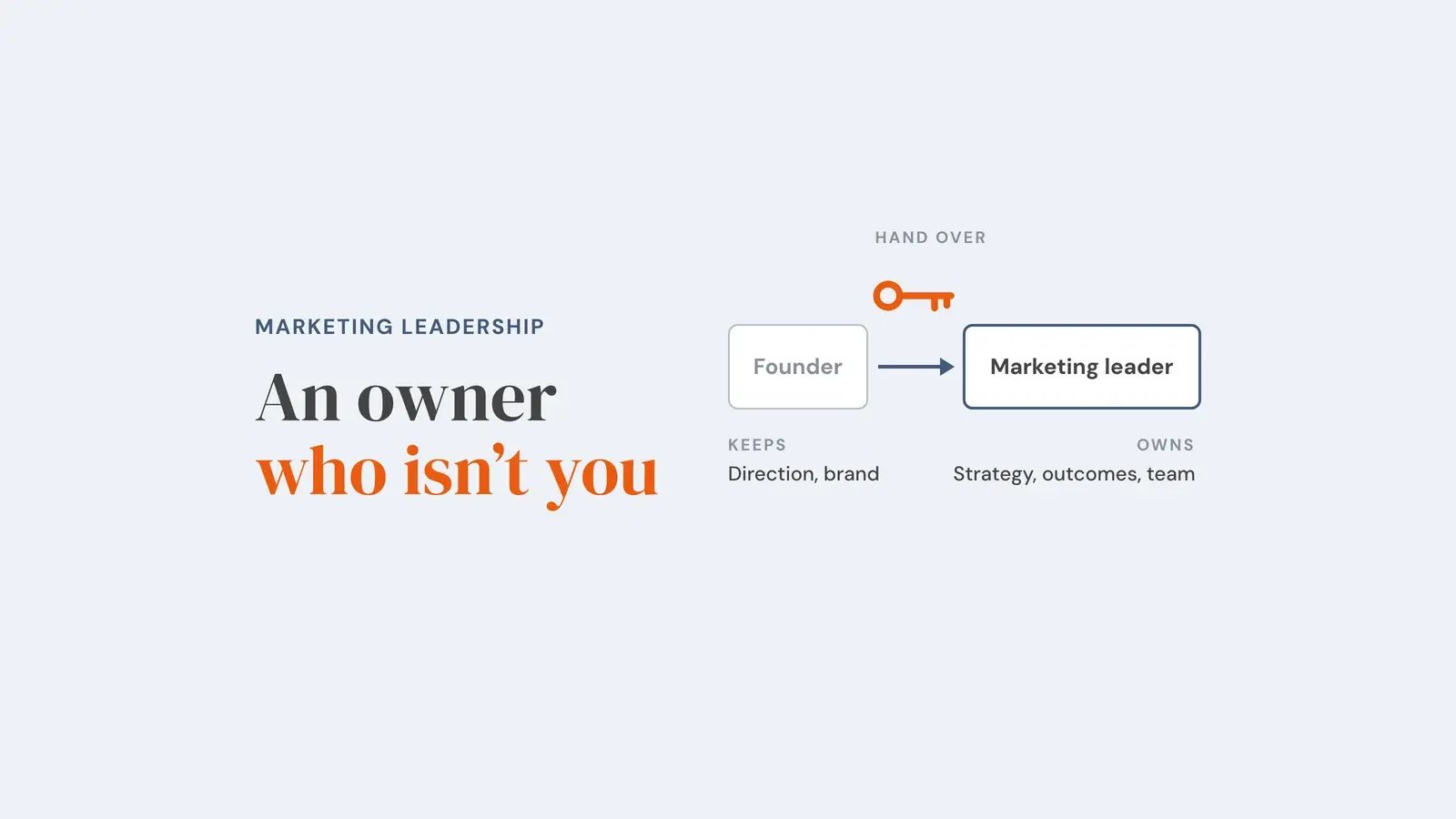
Someone must own the authority to kill an initiative, and the threshold for doing so should be agreed in advance. Without this, underperforming work continues indefinitely because no one has the standing to stop it.
Test: who can cancel a campaign, and what evidence do they need?
Any arrangement that fails two or more of these is worth restructuring before you spend another month funding it.
Related Reading: Marketing Partner Checklist: What Founders Must Review Before Hiring / Wrong Marketing Support: 7 Warning Signs Your Marketing Arrangement Is Failing Your Business
Frequently asked questions about the cost of unfocused marketing
How do I know if my marketing is wasting money?
If your team cannot connect any marketing activity directly to a lead, pipeline opportunity, or closed deal, some of your budget is almost certainly being wasted. Ask: for every £1,000 ($1,250) spent this month, which activity can you trace to revenue?
What percentage of marketing budgets are typically wasted?
There is no reliable published figure, and the ones circulating online rarely cite a methodology you can inspect. Rather than borrowing a number, calculate your own using the formula earlier in this article. The share tends to rise sharply when there is no documented strategy or defined ICP.
Is it better to do less marketing or more?
Less, done with clarity, outperforms more, done without direction. Volume is not the problem. Absence of strategy is.
How long does it take to see results from strategic marketing?
Lead quality typically starts to improve within 60–90 days of implementing a structured approach, though that is typical experience, not a promised result. Pipeline stability and durable authority typically take 6–12 months to build.
Should I fix this in-house or get external help?
I sell a diagnostic session, so weigh what follows accordingly.
If your team has the capacity and the objectivity to run the activity audit in this article themselves, do that first. You do not need me for it, and the exercise is more useful when the people doing the work reach the conclusions themselves.
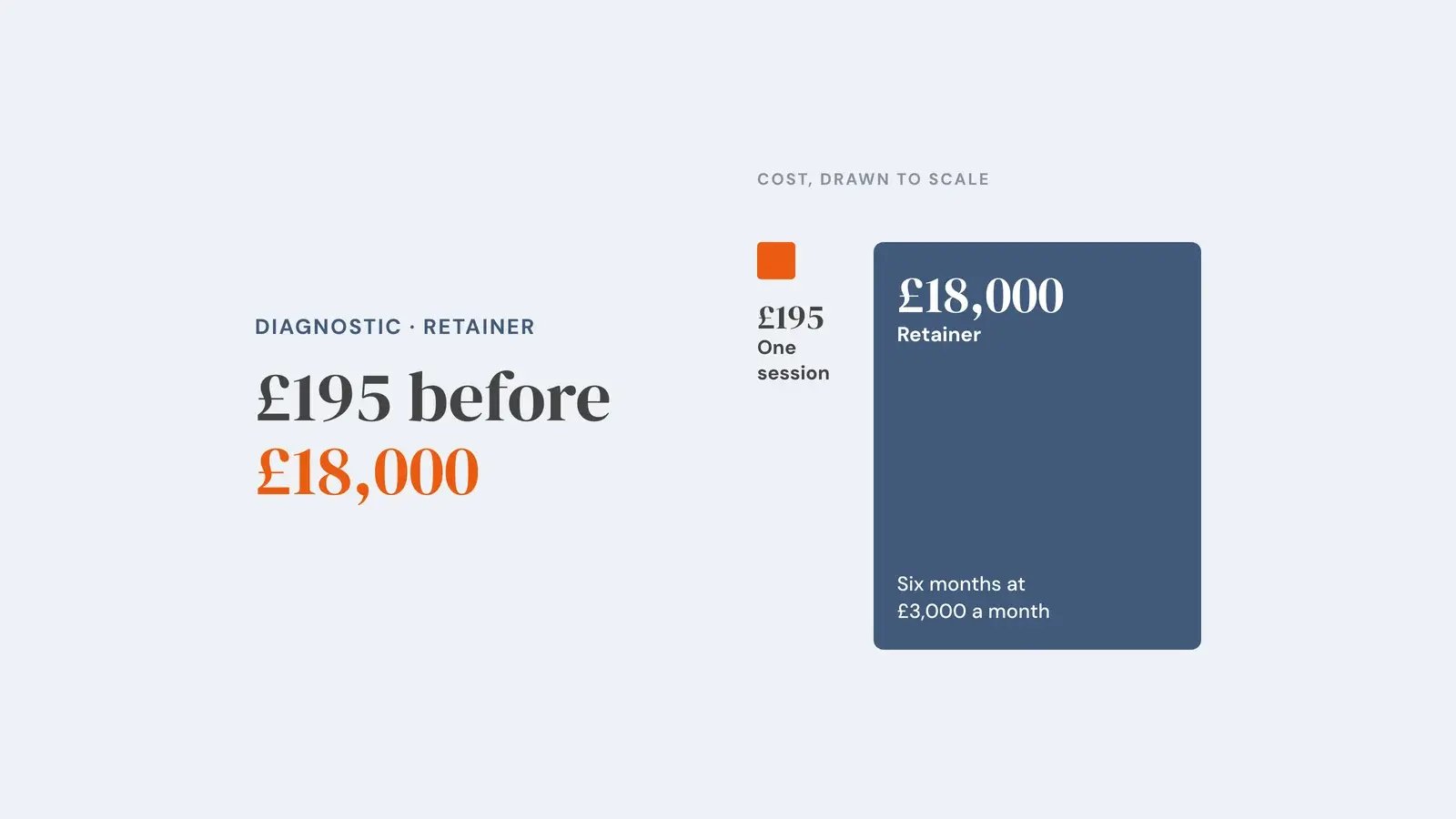
If your team lacks the bandwidth, or if the audit keeps stalling because nobody wants to name the activity that should stop, an external diagnostic is the faster starting point. My Marketing Diagnostic & Priorities is a fixed £1,500 ($2,000), 2–4 week review that tells you what to fix first, what to stop paying for and where the money should go, with a money-back guarantee if it doesn't.
Where to start fixing it
You likely started reading this recognising your own situation. The full content calendar. The busy reports. The frustration of not being able to point to what any of it actually achieved.
You now have a clear picture of what busy marketing costs, in budget, in team capacity, and in the revenue quietly lost while the activity continues. The fix is not more marketing. It is structure applied to what already exists.
Your next step is to run the six-point warning sign checklist against your current activity, then work through the five criteria to decide what stays.
If you want to understand why this pattern keeps recurring rather than how to fix this instance of it, read Directionless Marketing: Why It Happens & How to Fix It next. It covers the structural causes that sit underneath the symptoms described here.
If your marketing is producing noise rather than revenue, I can help you identify why, and install the structure that fixes it. Book a call to start the conversation.

Pricing disclaimer: All GBP–USD price conversions are rounded estimates and correct at the time of publishing. Exchange rates fluctuate and figures should be treated as indicative only.