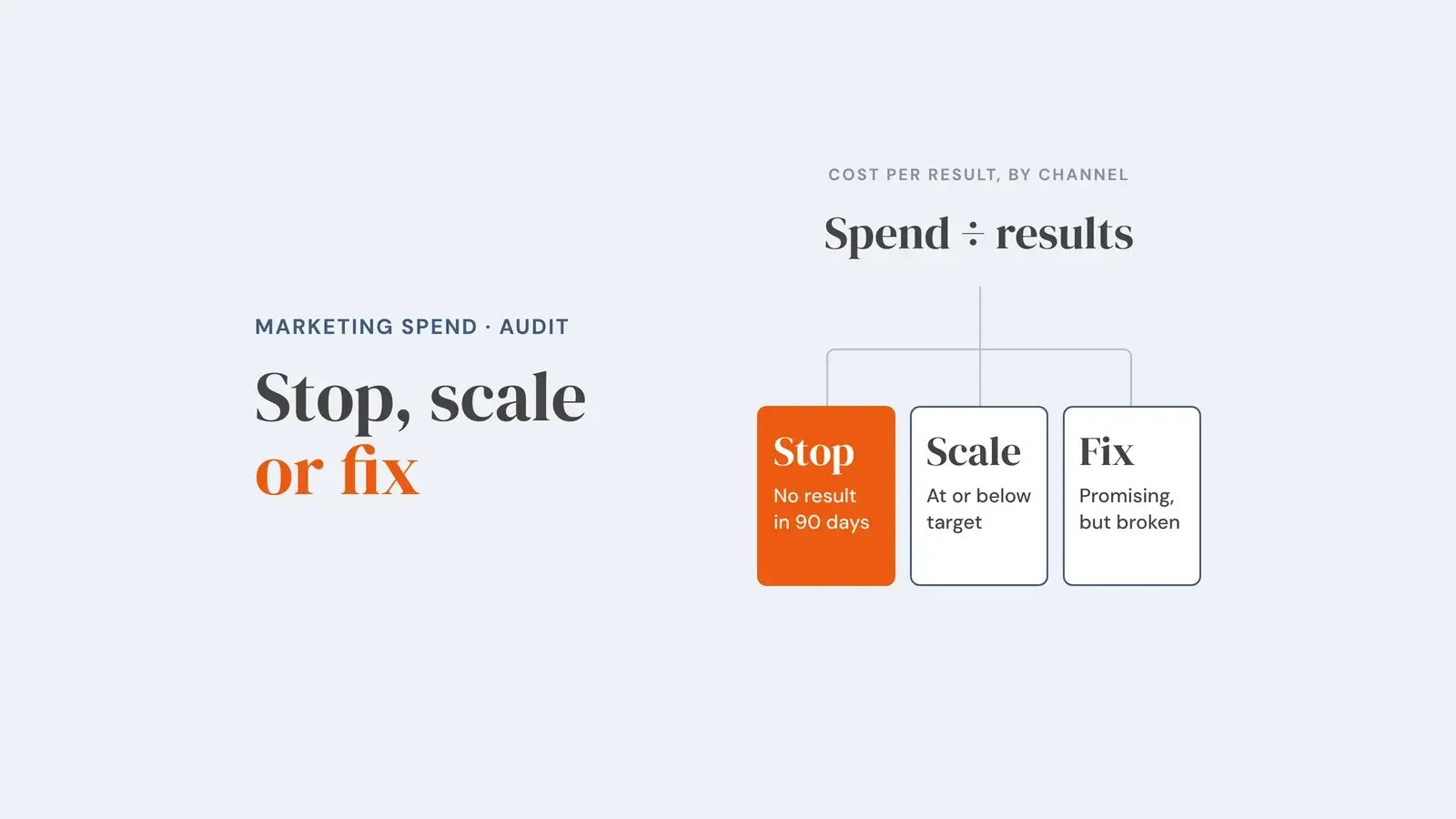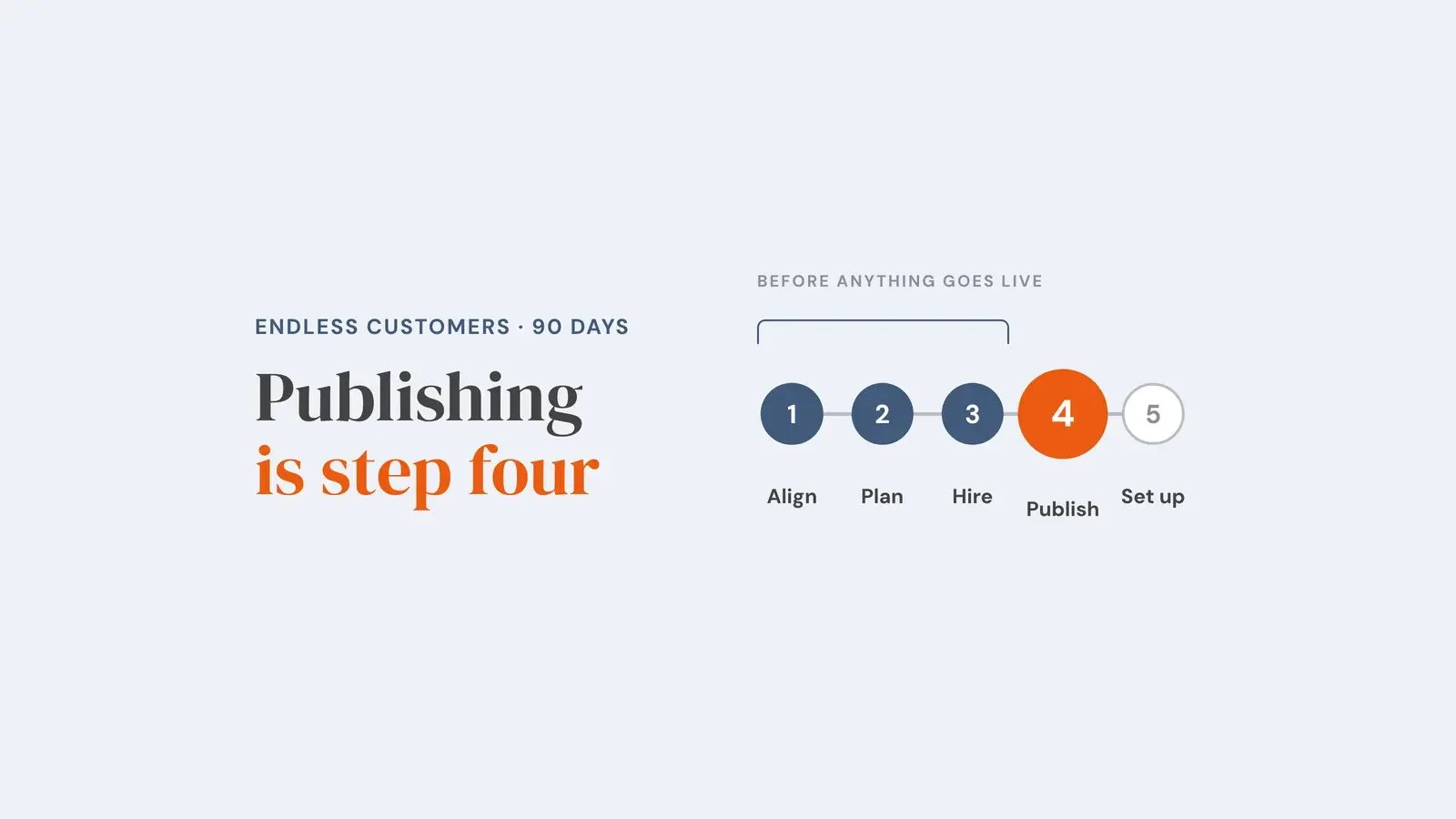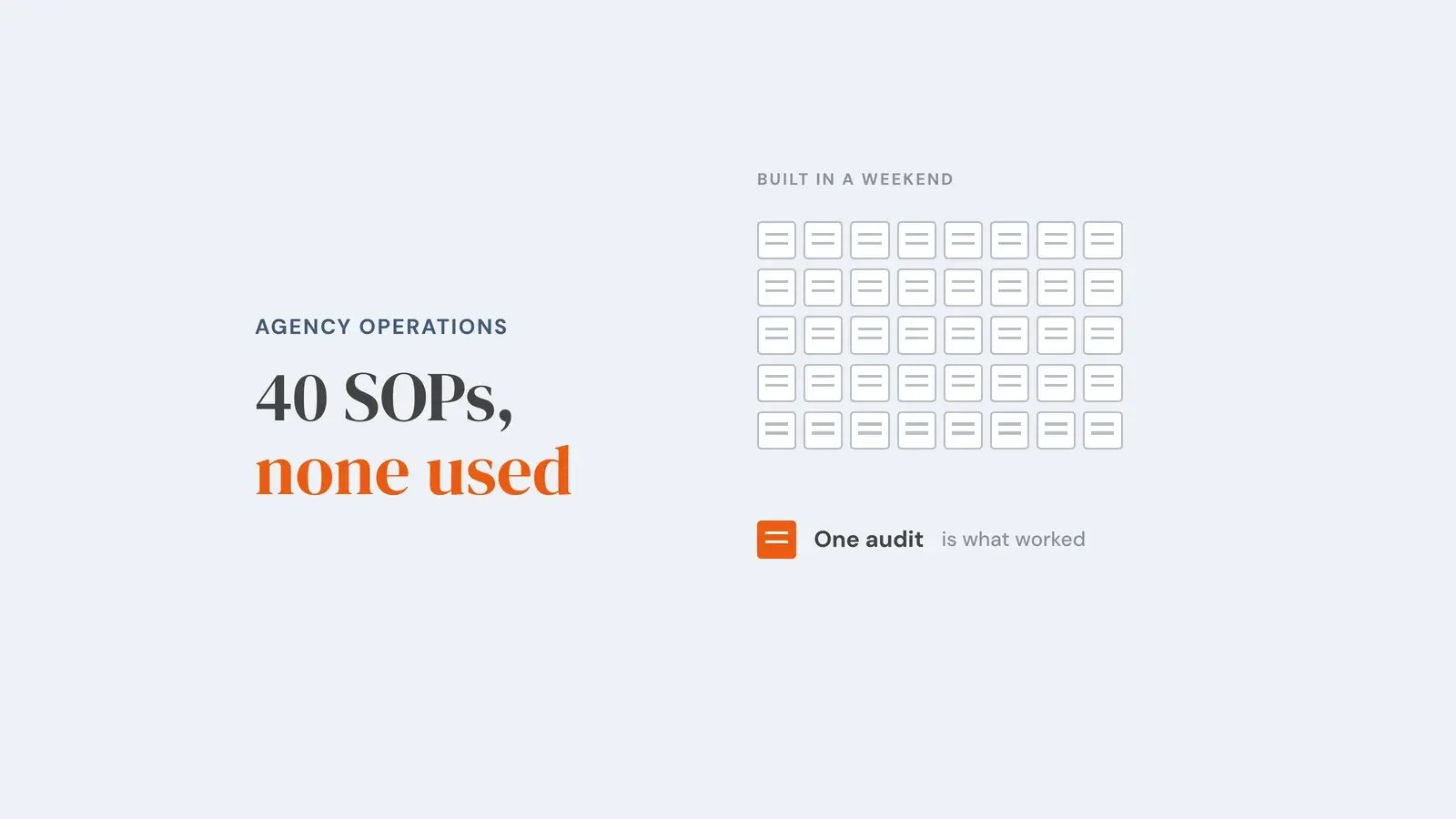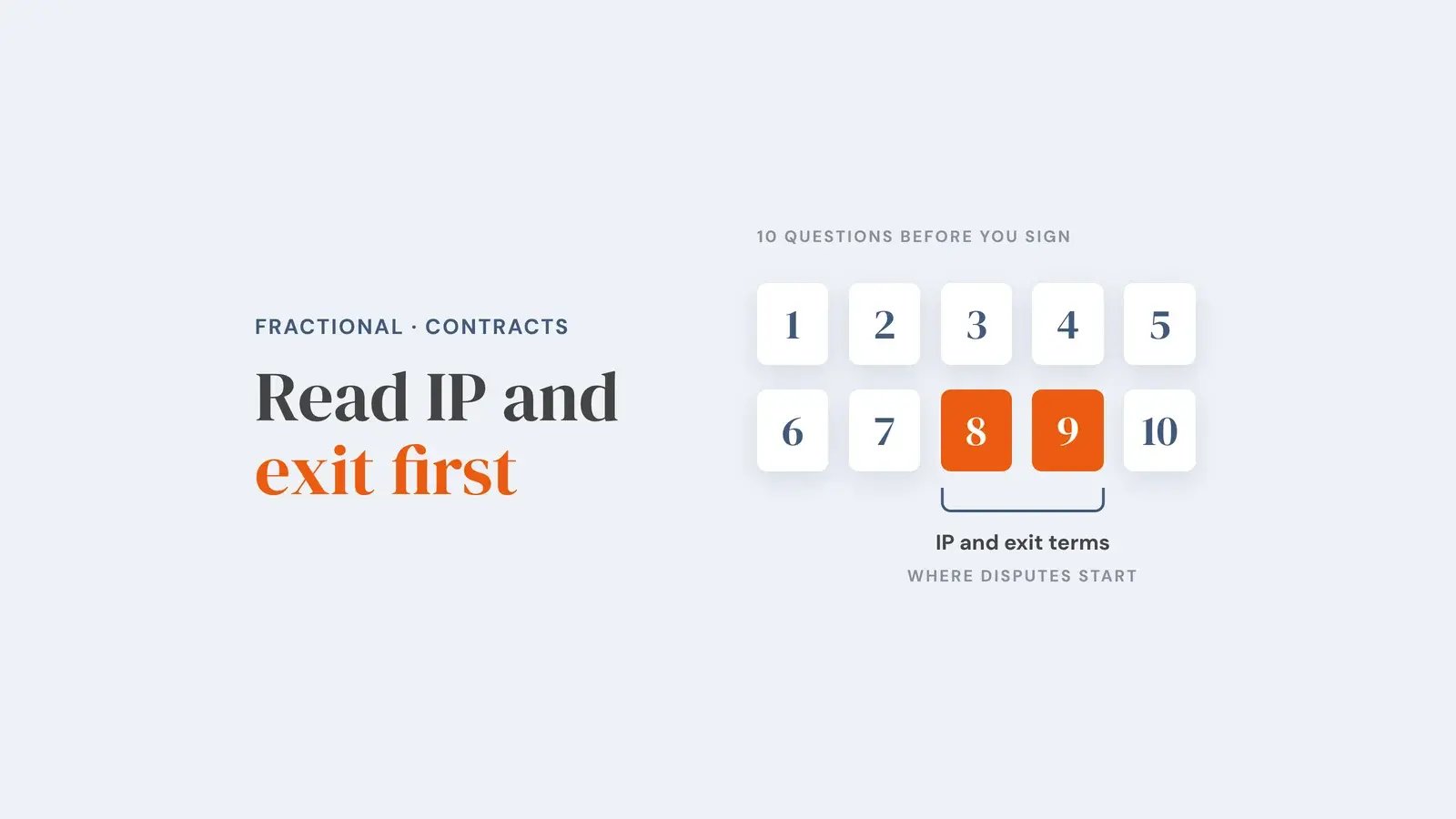


Why is your content getting read but not shortening your sales cycle? And why does publishing more of it never seem to help?
This article explains the fault behind both questions and gives you a five-step fix. It covers what the gap costs, when the content itself is to blame, and how to tell the two apart.
I install content and sales systems inside founder-led B2B businesses, mostly in professional services, manufacturing and SaaS. This is the most common fault I find. The content is rarely the problem. The gap between it and the sales conversation is.
Key takeaways
- Trust-building content replaces repeated sales conversations. If sales never sends it, no replacement happens and the cycle stays the same length.
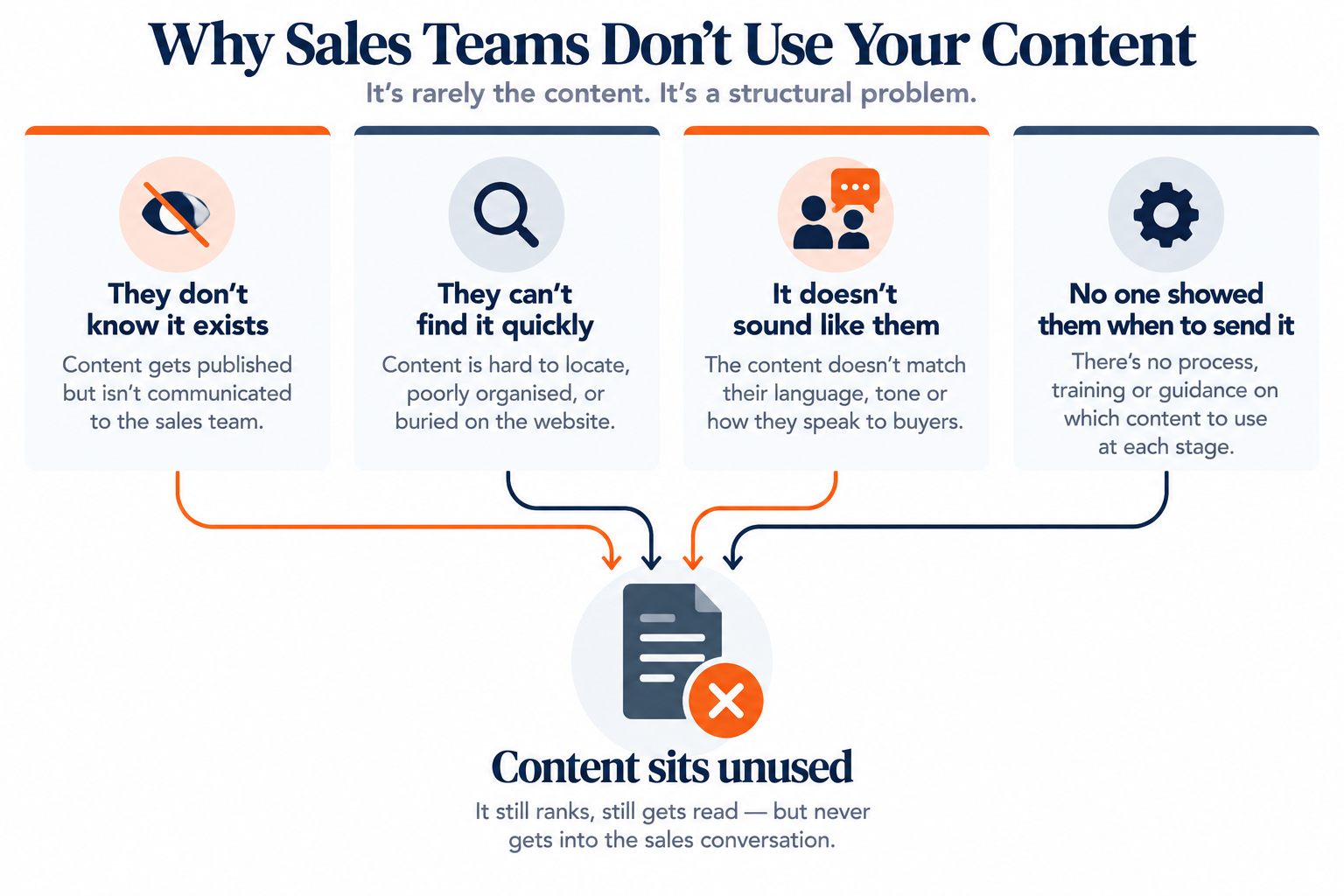
- Sales teams ignore content for four structural reasons: they do not know it exists, cannot find it quickly, it does not sound like them, or nobody showed them when to send it.
- Research from SiriusDecisions, now part of Forrester, puts the share of B2B marketing content sales never uses at 60–70%.
- Assignment selling, defined as sending a specific article before a specific meeting, converts content from a marketing asset into a sales instrument.
- Adoption is a leadership responsibility. Marketing alone makes it a publishing schedule. Sales alone makes it an occasional forwarded link.
What is trust-building content, and what is it for?
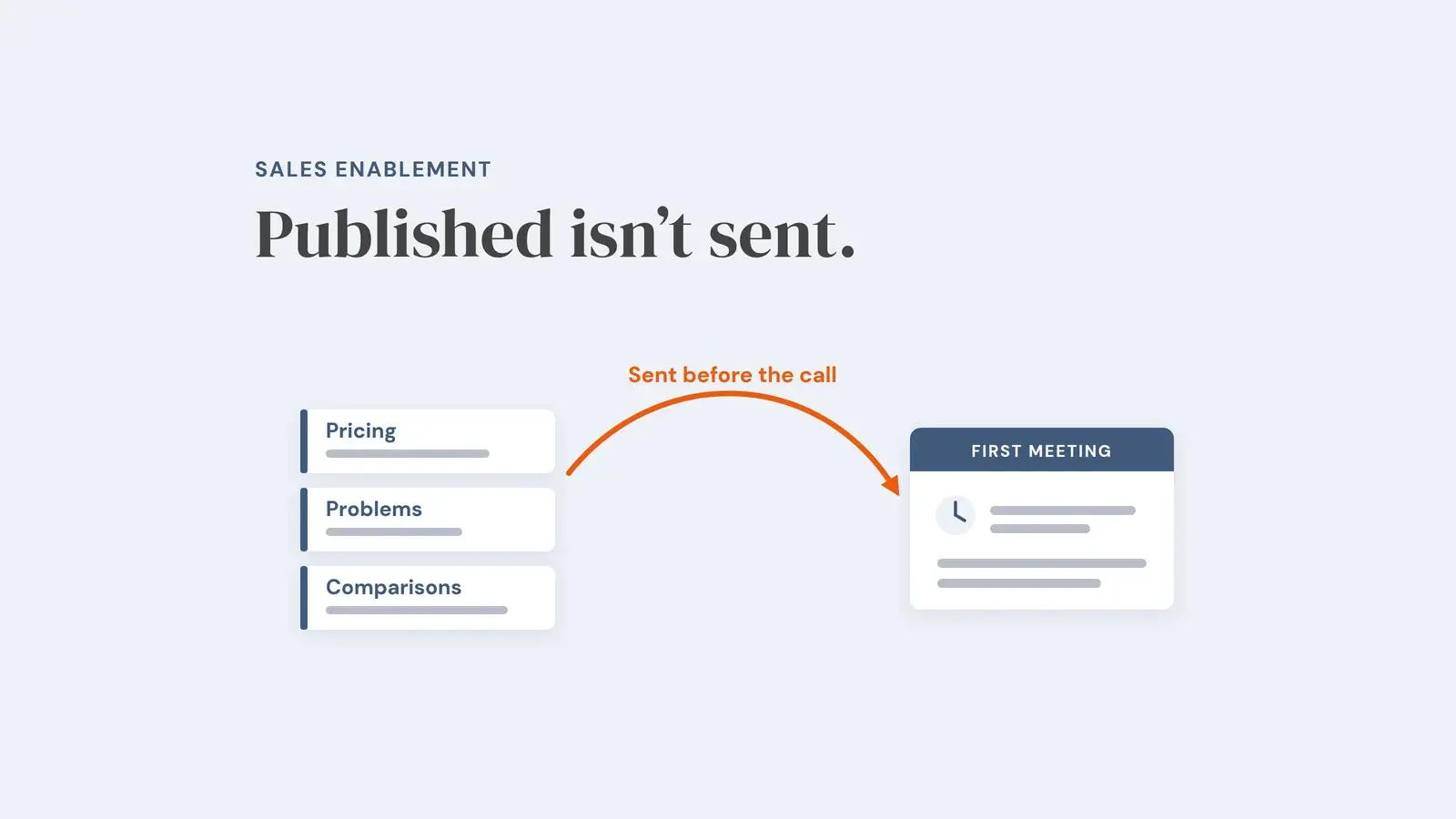
Trust-building content answers the honest, awkward questions buyers ask before they buy, such as cost, problems, comparisons, reviews, and best in class, so those answers exist before the sales call rather than during it.
This is the Big 5 model from Marcus Sheridan's They Ask, You Answer. The purpose is not traffic. It is to shorten the distance between a stranger and a signed contract. An article about your pricing is a 20-minute objection, handled in advance.

What happens when sales does not use your content?
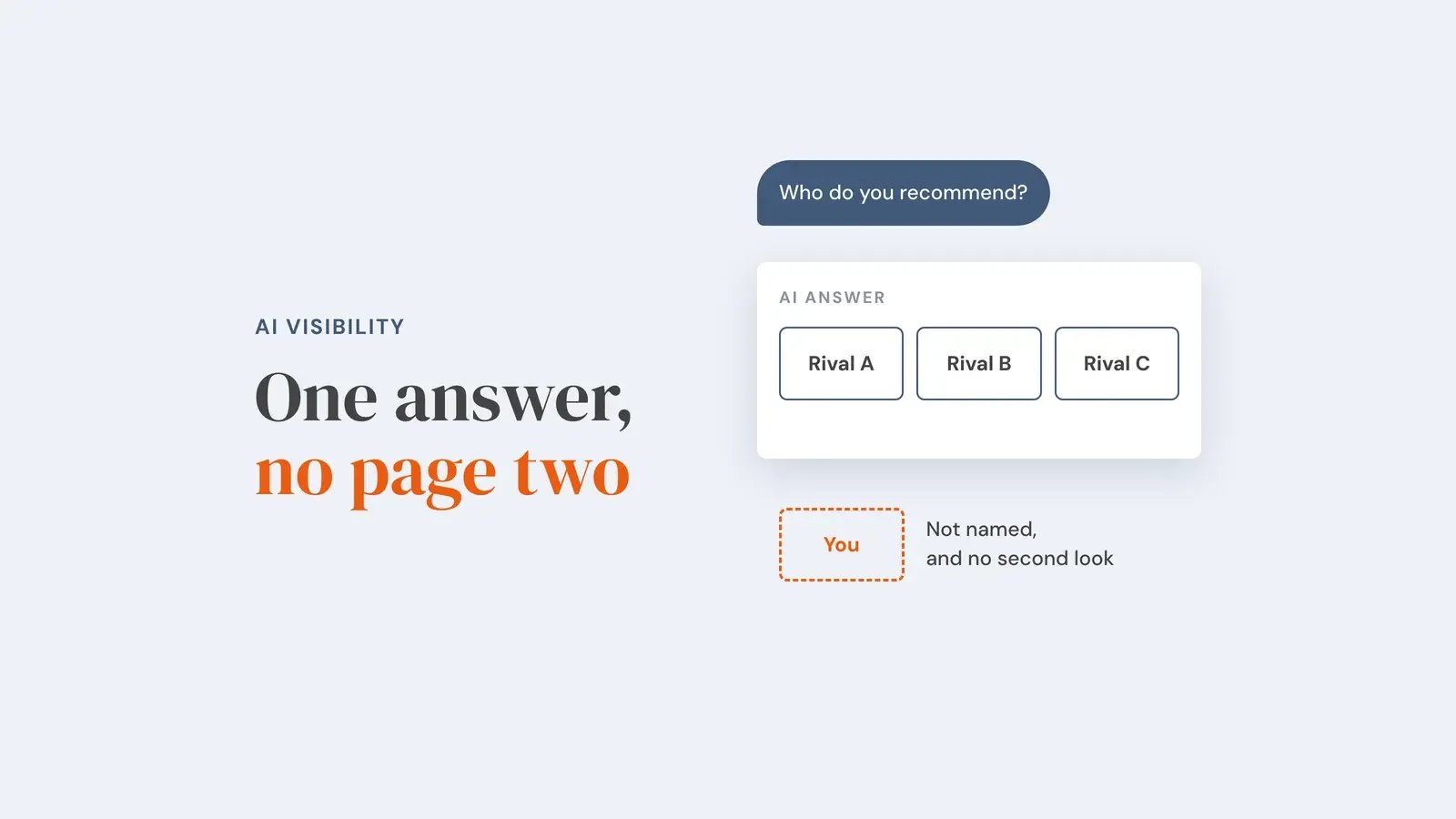
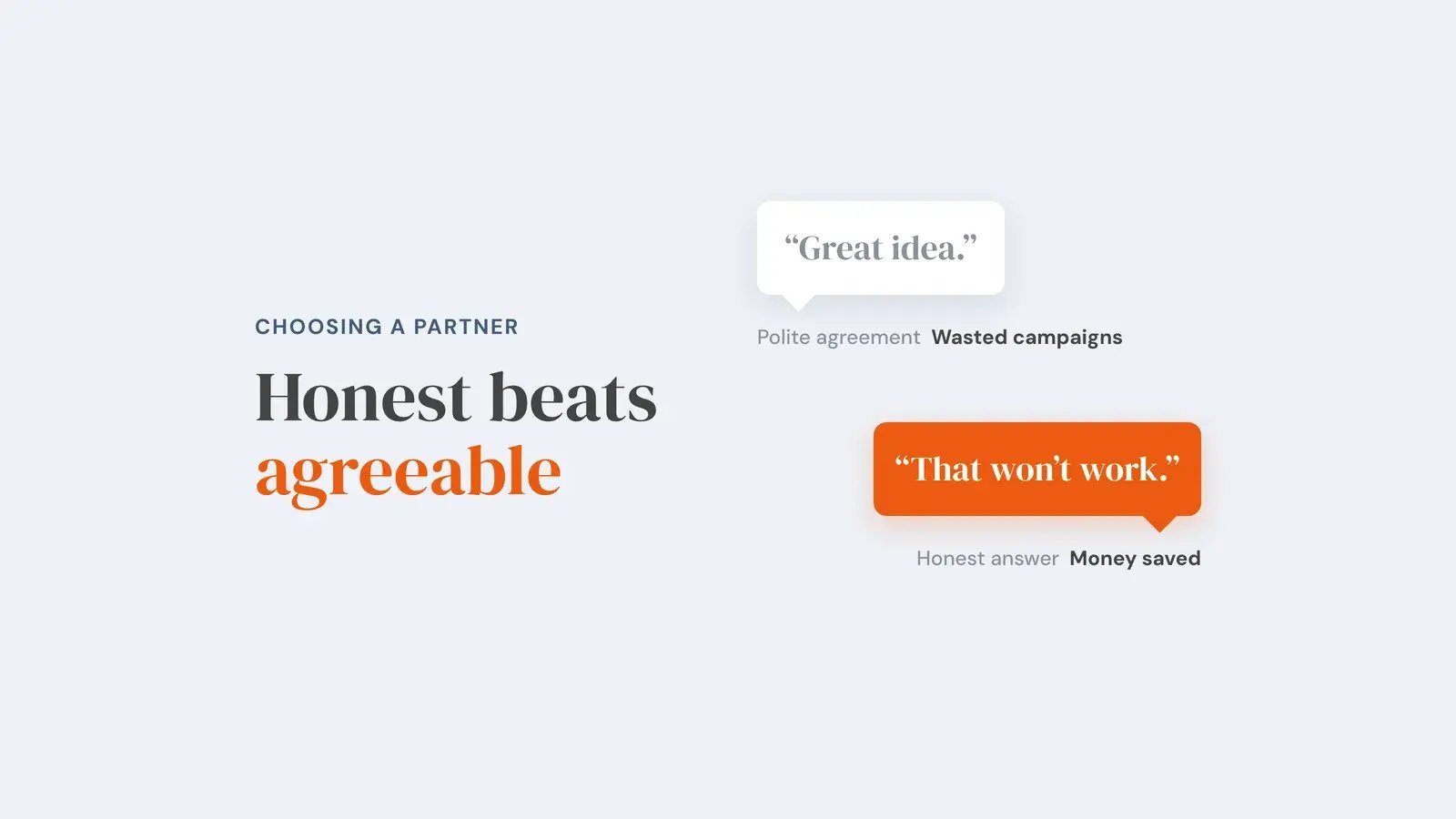
Trust-building content stops working when sales does not use it, because it was built to replace repeated conversations, and a replacement nobody deploys changes nothing. The article still ranks, still gets read, still gets cited by AI tools.
But the buyer arrives as unprepared as before. Your salesperson answers the pricing question live, for the eleventh time this quarter, while a written answer sits unopened on your website.
Research first published by SiriusDecisions, now part of Forrester, estimates that 60–70% of B2B marketing content is never used by sales. That figure is over a decade old and widely quoted, so treat it as an order of magnitude, not a precise number.
The business draws the wrong conclusion: content does not work for us. The distribution mechanism was never installed.
When is the content itself the problem?
Sometimes the content is genuinely at fault, and it is worth ruling that out before blaming adoption. Three signs point that way.
- Wrong topics: Industry trends and company news rather than cost, problems, comparisons, reviews, and best in class. Sales cannot send what does not answer a buyer question.
- Wrong audience: The content speaks to practitioners while your buyer is a finance director. Traffic, no deals.
- Thin execution: The pricing article names no number. The comparison never says when a competitor is the better choice.
The diagnostic: ask two salespeople whether they would send each of your last three articles to a live opportunity. If they say no and can explain why, fix the content. If they say yes but have never sent one, you have an adoption problem.
What does the disconnect actually cost?
The cost of unused trust-building content is the production cost plus the sales time it was meant to save. Both are paid. Neither is recovered.
| Content sales never uses | Content sales sends before every call | |
|---|---|---|
| Production cost | Paid in full | Paid in full |
| Sales time saved | None | 1–3 objections handled pre-call |
| Effect on cycle length | None | Shorter, measurably |
| What you own after 12 months | An archive | A sales asset |
Assume a content investment of £2,000 per month ($2,500). Over a year that is £24,000 ($30,000) producing traffic reports and nothing attributable to revenue. These figures are illustrative, based on typical in-house content costs in the £1m–£20m band, not a published benchmark.
It is a pattern that appears whenever activity is measured instead of outcomes.
Related Reading: The Real Cost of Busy Marketing With No Clear Results
Why do sales teams ignore content written for them?
Sales teams ignore trust-building content for four predictable reasons, and none of them is motivation.
- They did not know it existed: Publishing to the website is not distribution to your own team.
- They cannot find it fast enough: If finding the article takes longer than answering the question, the article loses.
- It does not sound like them: Content written without sales input reads like marketing.
- Nobody showed them when to send it: Knowing an article exists is not knowing it belongs in the email confirming a first meeting.
Each is a system problem, which is the good news. Systems can be installed.
Publishing more content will not fix any of them. If your team is not using the 12 articles you have, the thirteenth will not change their behaviour. More publishing feels like progress because output is visible and adoption is not.
Structure before scale.
What is assignment selling, and where does it fail?
Assignment selling is the practice of sending a specific piece of content to a buyer before a meeting, and expecting them to have read it when they arrive.
It changes what the meeting is for. The buyer has already seen your pricing, your process, and where you are the wrong choice. The conversation starts where most sales calls finish.
It also qualifies, though not perfectly. A buyer who reads nothing beforehand is usually less committed, but a technical buyer may have forwarded it to procurement, and a champion may read it without clicking your tracked link. Non-engagement is a question, not a verdict.
The main failure mode is tone. Sent badly, it reads as homework, and senior buyers resent being set tasks by a supplier. The fix is framing: send it as a courtesy that protects their time, name what it covers, keep it short. Sales enablement comes first, then content.
How do you get sales using your content?
Getting sales to use trust-building content takes five steps, in this order.
- Source topics from real sales calls: The next 10 articles come from objections your team heard this month, not a keyword tool.
- Give sales a say in the brief: Two people, 15 minutes, before writing begins. This is what makes it sound like them.
- Make the library findable: One shared document: the article, the objection it answers, when to send it. A tool is optional. Findability is not.
- Script the send: Write the email sentence that accompanies the link. Salespeople adopt sentences, not principles.
- Review usage weekly: Which articles were sent, to whom, and what happened. Behaviour never reviewed reverts within a month.
Related Reading: Sales-Enabled Content System: What It Is and How to Audit Yours
How do you know it is working?
You know trust-building content is working when sales cycle length falls and unqualified calls drop, not when traffic rises.
Track content sends per open deal, read-through before the first call, and time from first touch to close. Compare deals where content was sent against deals where it was not.
Who owns content adoption?
Ownership sits with leadership, because leadership is the only role that can require both functions to change behaviour at once. Left to marketing, this becomes a publishing schedule. Left to sales, an occasional forwarded link. Alignment is decided above both, which is why a Growth Alignment Intensive™ puts all three in one room before anything is built.
Frequently asked questions
How long before assignment selling shows results?
Most teams see shorter, better-qualified first calls within 30–60 days. Movement in cycle length takes one full sales cycle: 3–6 months for most B2B businesses.
What if our sales team says the content does not sound like them?
That is accurate feedback, not resistance. Bring two of them into the brief for the next three articles.
Does this work for long, complex B2B sales cycles?
It works best there. A 9-month cycle includes a technical evaluation and an internal business case, both built without you in the room. Content sent before those stages is the only way to influence them.
What is the minimum number of articles needed to start?
Five: your pricing, your two most common objections, an honest comparison, and who you are not right for.
Do we need a content library tool?
No. A shared document listing each article, the objection it answers, and when to send it is enough to start. Add tooling once the habit exists.
Fix the mechanism, not the calendar
You started with a content programme producing activity but no commercial movement. You now have a way to tell whether the fault sits in the content or in the handover to sales, and a sequence for fixing the second: a distribution habit, owned by leadership and measured against cycle length.
How to take action now
- List every article published in the last 12 months and mark which ones sales has sent.
- Run the two-salespeople diagnostic to separate a content problem from an adoption problem.
- Check an article exists for the three questions your salespeople answer most often.
- Write the send script for your top article this week.
- Add content sends per deal to your pipeline review.

About the author
Tom Wardman is a Growth Independence Architect who helps founder-led B2B businesses replace agency dependency with growth systems their teams own and operate. He is the author of Build a Trusted Brand and one of the first five UK coaches certified in the Endless Customers System™, trained directly under Marcus Sheridan.
Pricing disclaimer: All GBP–USD price conversions are rounded estimates and correct at the time of publishing. Exchange rates fluctuate and figures should be treated as indicative only.