

Is your HubSpot portal working for your business, or against it? And do you know what you have truly spent getting to where you are now?
Most businesses treat HubSpot as a licence cost. They miss how much a poor setup costs them quietly in wasted hours, broken workflows, and data they cannot trust.
This article breaks down every category of hidden cost, explains why each one occurs, and gives you a structured framework to avoid them before they multiply further.
Over several years implementing HubSpot for founder-led B2B businesses, and auditing portals that were built by others, I have seen the same avoidable costs appear again and again. This is what most implementation guides do not cover.
It is written for B2B founders, marketing leaders, and operations managers who are deciding whether to implement HubSpot themselves, bring in a partner, or fix what is already broken.
Key takeaways
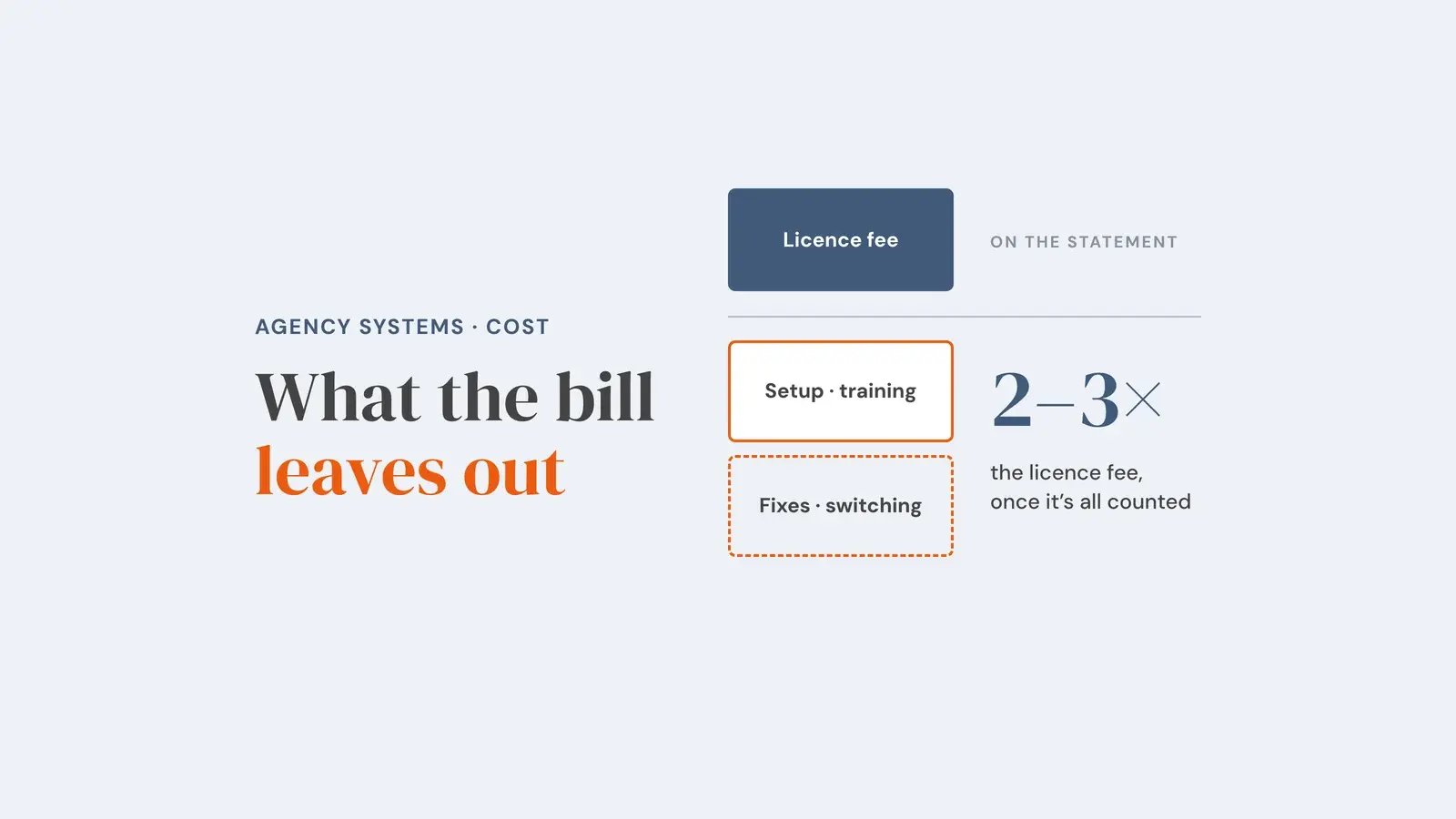
- Most businesses budget for HubSpot's licence fee, but the true first-year cost is typically 2–3× higher once implementation, data migration, and lost productivity are included.
- A misconfigured HubSpot portal gets harder to fix over time; broken automations, dirty data, and low adoption drive up the original setup cost.
- DIY implementation works for simple setups; complex CRM needs carry a significantly higher risk of rework and technical debt.
- Your true total cost of ownership (TCO) includes licence fees, setup, integrations, internal staff time, and a rework contingency.
- The most common HubSpot mistake is configuring the platform before defining your sales process and data architecture.
What does 'getting HubSpot wrong' actually mean?
'Getting HubSpot wrong' refers to any implementation, configuration, or adoption pattern that prevents the platform from delivering its intended ROI, whether through poor data architecture, misaligned hub selection, or no defined strategy behind the setup.
HubSpot's flexibility is its greatest strength and its most common failure point. Without a clear structure, the platform accumulates technical debt quickly.
The most common failure patterns are:
- Buying hubs you do not use
- Migrating dirty data without cleaning it first
- Building automations before lifecycle stages are defined
- Configuring the tool before aligning it with your sales process
- Skipping training and wondering why adoption fails
Most businesses only recognise the problem months later, when reporting looks unreliable, sales teams return to spreadsheets, or a second consultant is brought in to rebuild what the first one built.
What are the hidden costs beyond the HubSpot licence fee?
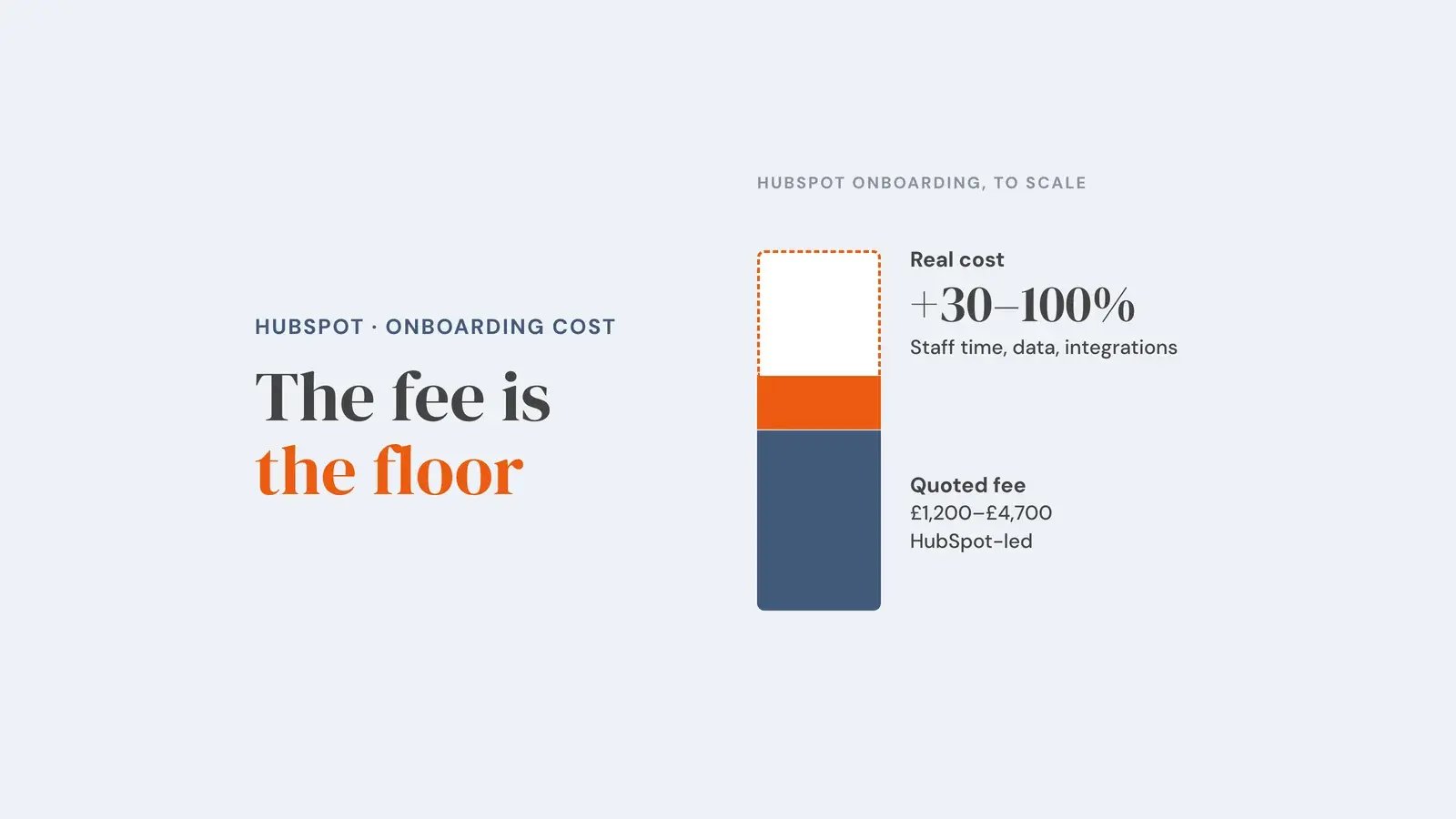
The hidden costs of a HubSpot implementation typically include setup labour, data migration, integrations, internal staff time, training, and the accumulating cost of rework, none of which appear on the licence invoice.
For a mid-market B2B business, these costs can easily double or triple the apparent annual licence fee.
All ranges are estimates based on typical UK B2B implementations. No single published benchmark covers all categories. Figures vary by team size, portal complexity, and hubs selected.
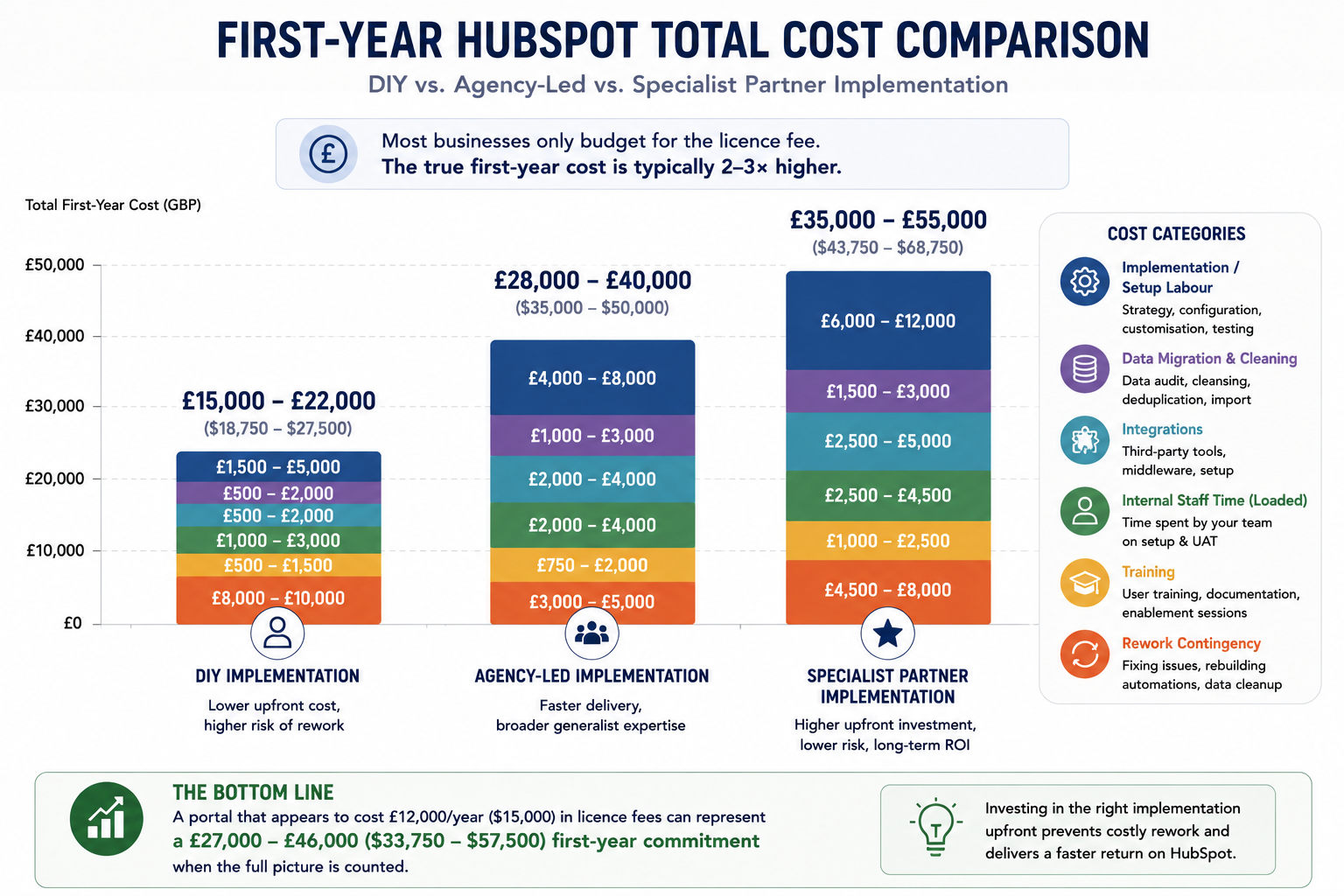
The table below shows typical cost ranges for each hidden category, based on UK B2B implementations:
| Hidden cost category | Typical range |
|---|---|
| Implementation / setup labour | £2,000–£8,000 ($2,500–$10,000) |
| Data migration and cleaning | £500–£3,000 ($625–$3,750) |
| Integrations | £1,000–£5,000 ($1,250–$6,250) |
| Internal staff time (loaded) | £1,000–£3,000 ($1,250–$3,750) |
| Training | £500–£2,000 ($625–$2,500) |
| Rework contingency | £1,500–£5,000 ($1,875–$6,250) |
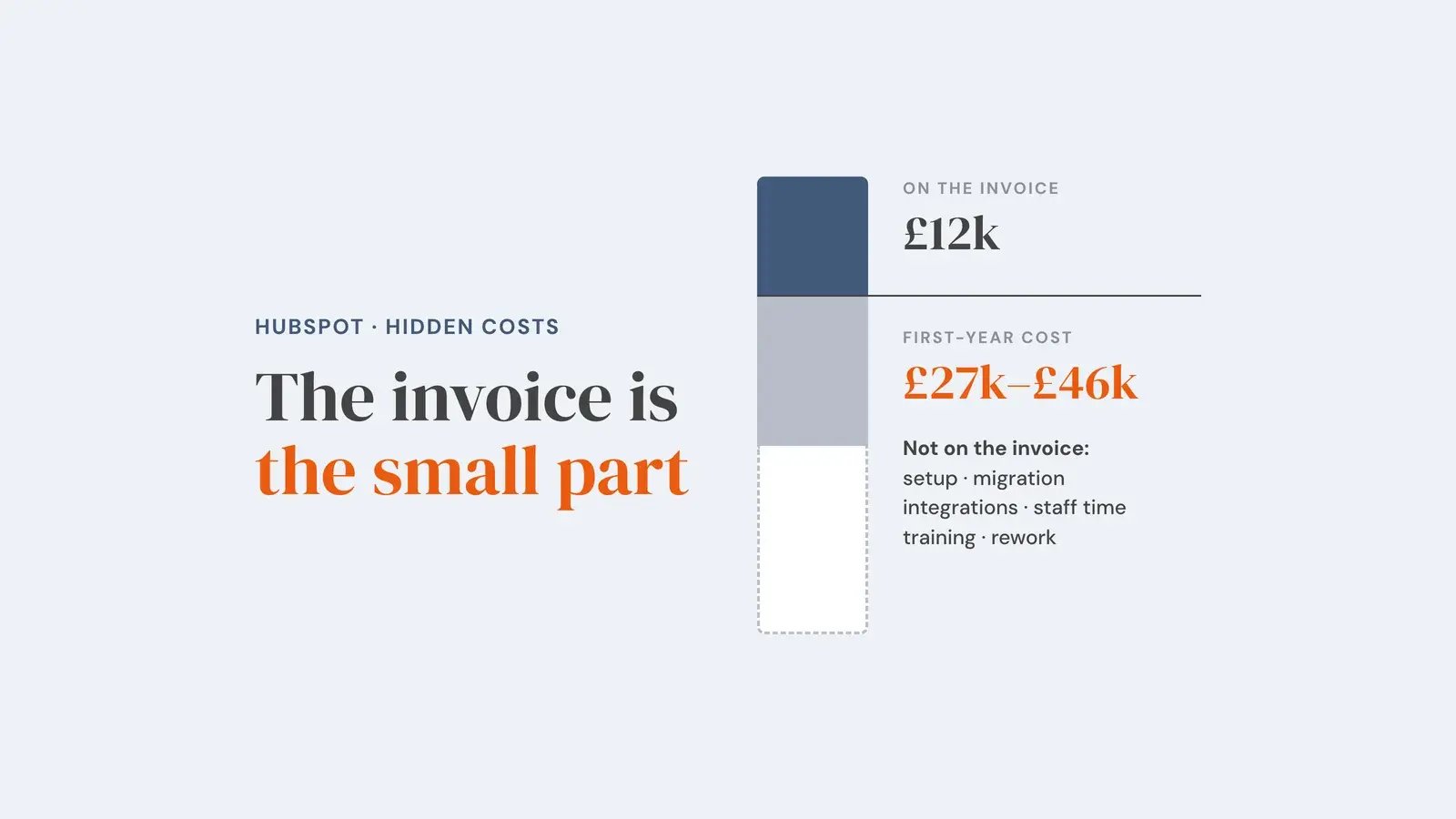
A portal that appears to cost £12,000/year ($15,000) in licence fees can represent a £27,000–£46,000 ($33,750–$57,500) first-year commitment when the full picture is counted.
What problems does a poor HubSpot setup cause over time?
A misconfigured HubSpot portal does not just waste the initial setup budget; it worsens through unreliable reporting, broken automations, low adoption, and the eventual cost of a full rebuild.
The longer a broken portal runs, the more it costs to fix, and the harder it becomes to trust the data it produces.
The most damaging long-term effects are:
- Dirty data distorts your pipeline: Duplicate contacts and unmapped lifecycle stages make pipeline reporting untrustworthy
- Broken automations fire incorrectly: Leads fall through gaps and no one notices until the damage is downstream
- Sales teams abandon the CRM: When HubSpot is unreliable, teams revert to spreadsheets, creating two parallel systems and doubling admin
- Reporting loses credibility: Decisions get made on metrics that do not reflect what is actually happening
- Rework costs accumulate: Cleaning a broken portal typically costs more than building it correctly from the start
The average cost to audit and rebuild a misconfigured HubSpot portal is £4,000–£8,000 ($5,000–$10,000), a cost that is almost entirely avoidable with the right setup. (Estimate based on typical portal rebuild scope; no single published benchmark source.)
DIY vs. implementation partner: which costs more overall?
DIY HubSpot implementation has lower upfront costs but carries significantly higher risk of rework, delayed adoption, and long-term technical debt compared to using a qualified implementation specialist.
The upfront saving of a DIY approach frequently disappears in the cost of fixing what breaks in the first six months.
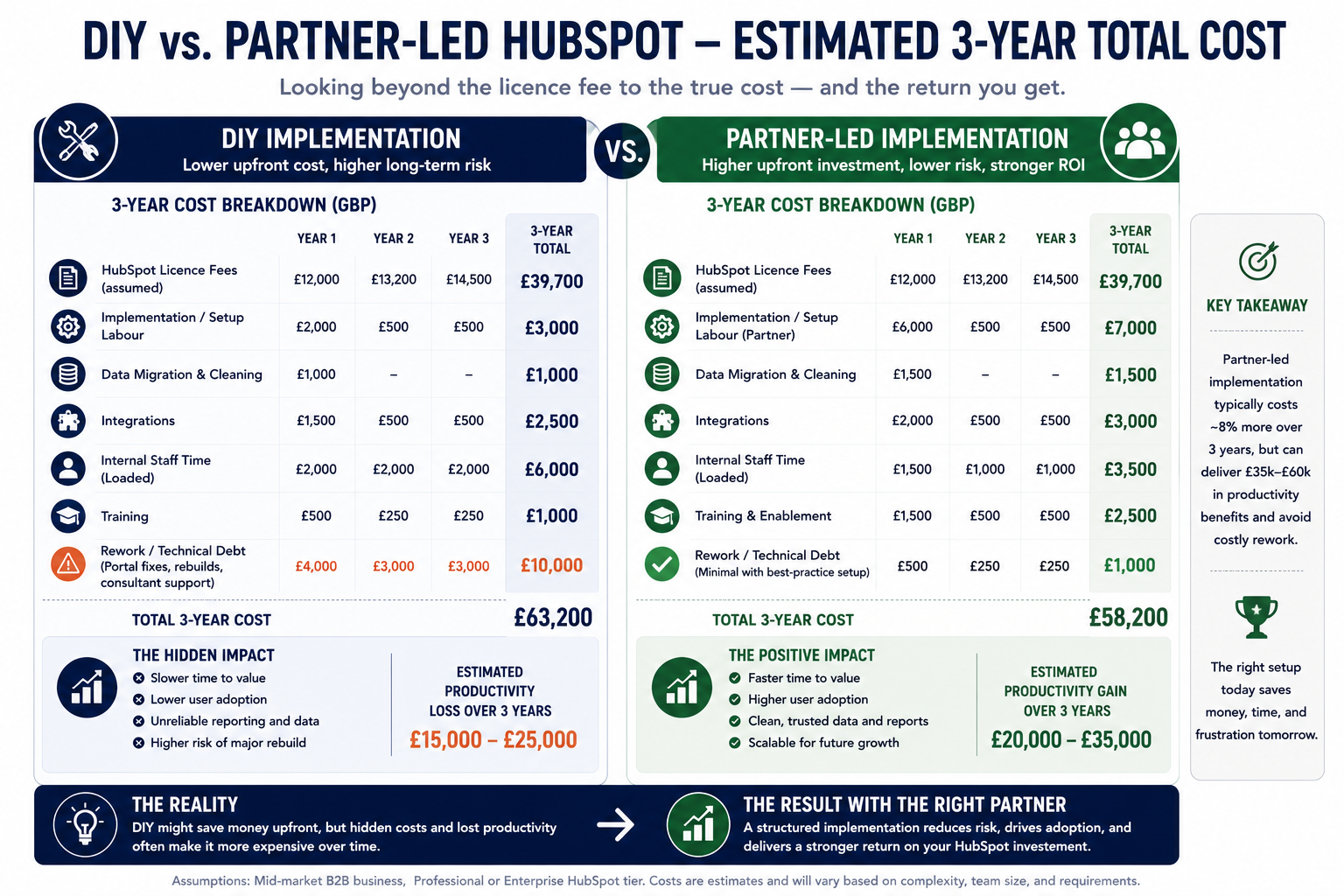
DIY is genuinely the right choice for a small team with a clearly defined sales process, a single hub, and no active CRM integrations. For businesses with multiple hubs, active pipelines, and complex integrations, the cost of getting it wrong without support usually exceeds the cost of getting it right with help.
Disclosure: I offer a fixed-scope HubSpot implementation service. What follows is my honest assessment of when professional support is and is not worth the cost.
My HubSpot Strategy & Implementation service is a fixed-scope project, not an open-ended retainer, with full handover and documentation your team owns from day one.
How do you calculate your true HubSpot total cost of ownership?
Your true HubSpot TCO combines five inputs: annual licence, setup and implementation, integration costs, internal staff hours at a loaded hourly rate, and a rework contingency.
Most businesses only see the licence line on their budget. The four hidden inputs are where the real cost sits.
Total cost of ownership (TCO) formula
Year 1 TCO = Licence + Setup + Integrations + (Internal hours × loaded hourly rate) + Rework buffer
Example: 20-person B2B business
| Cost category | GBP | USD |
|---|---|---|
| Licence (Marketing Hub Pro + Sales Hub Pro) | £14,400 | $18,000 |
| Implementation partner | £6,000 | $7,500 |
| Integration (e.g. accounting system) | £2,500 | $3,125 |
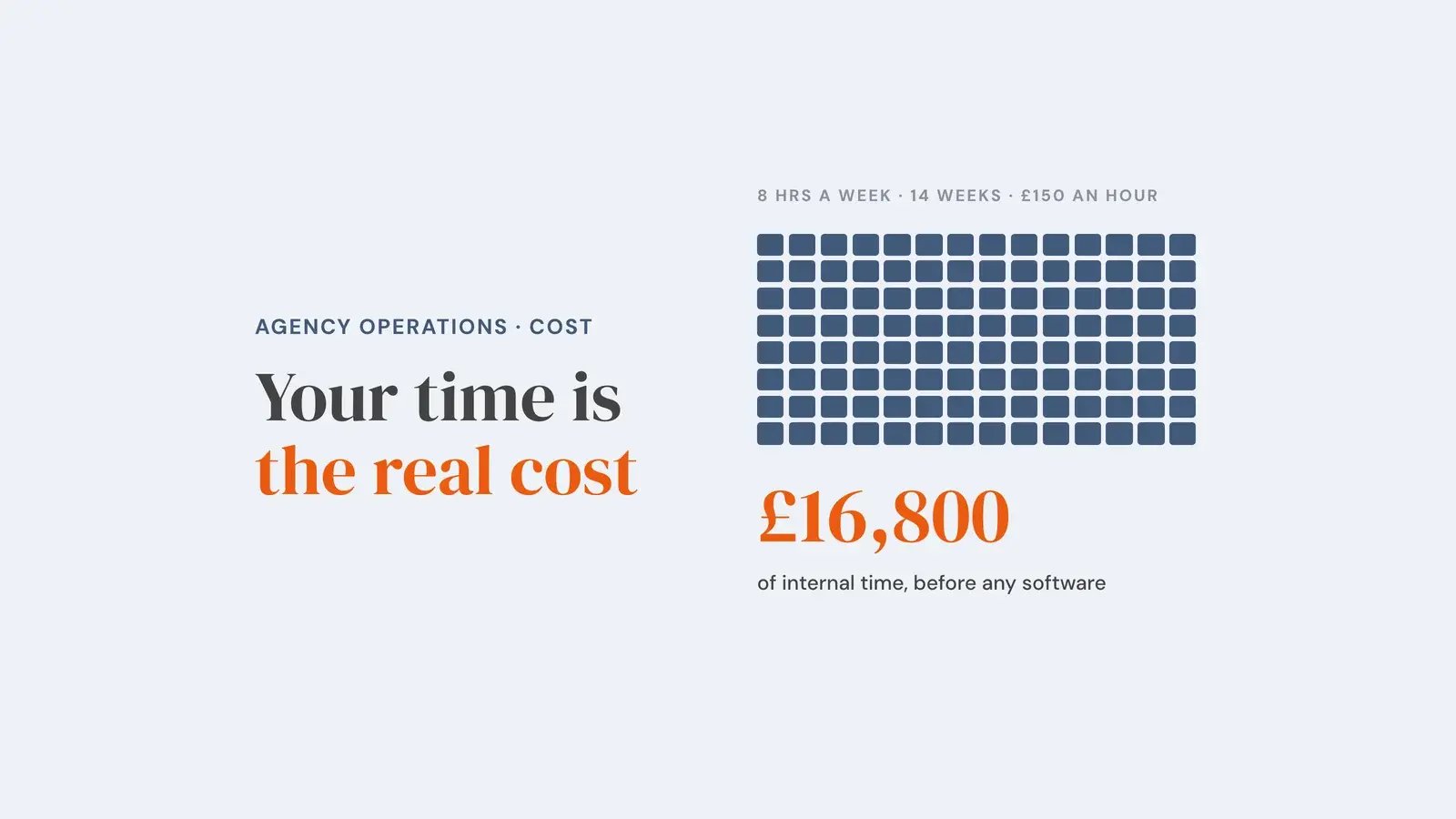
| Internal hours (40 hrs × £50/hr loaded rate) | £2,000 | $2,500 |
| Rework contingency (10%) | £2,500 | $3,125 |
| Total year one | £27,400 | $34,250 |
This is nearly double the licence fee alone, and assumes a clean, well-managed implementation.
Use this formula with your own numbers before committing to any new HubSpot investment or expansion.
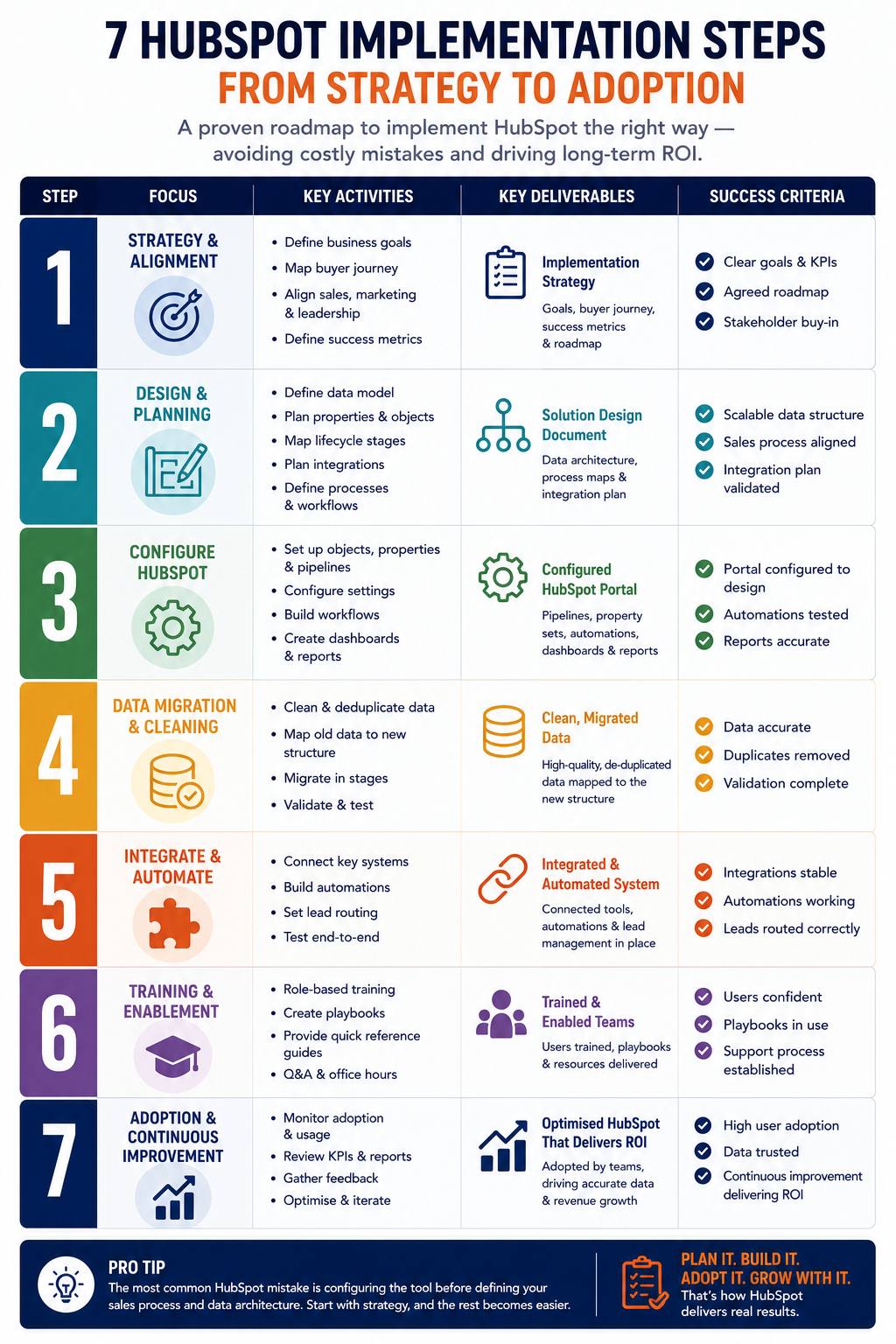
How do you avoid HubSpot's hidden costs? 7 steps to follow
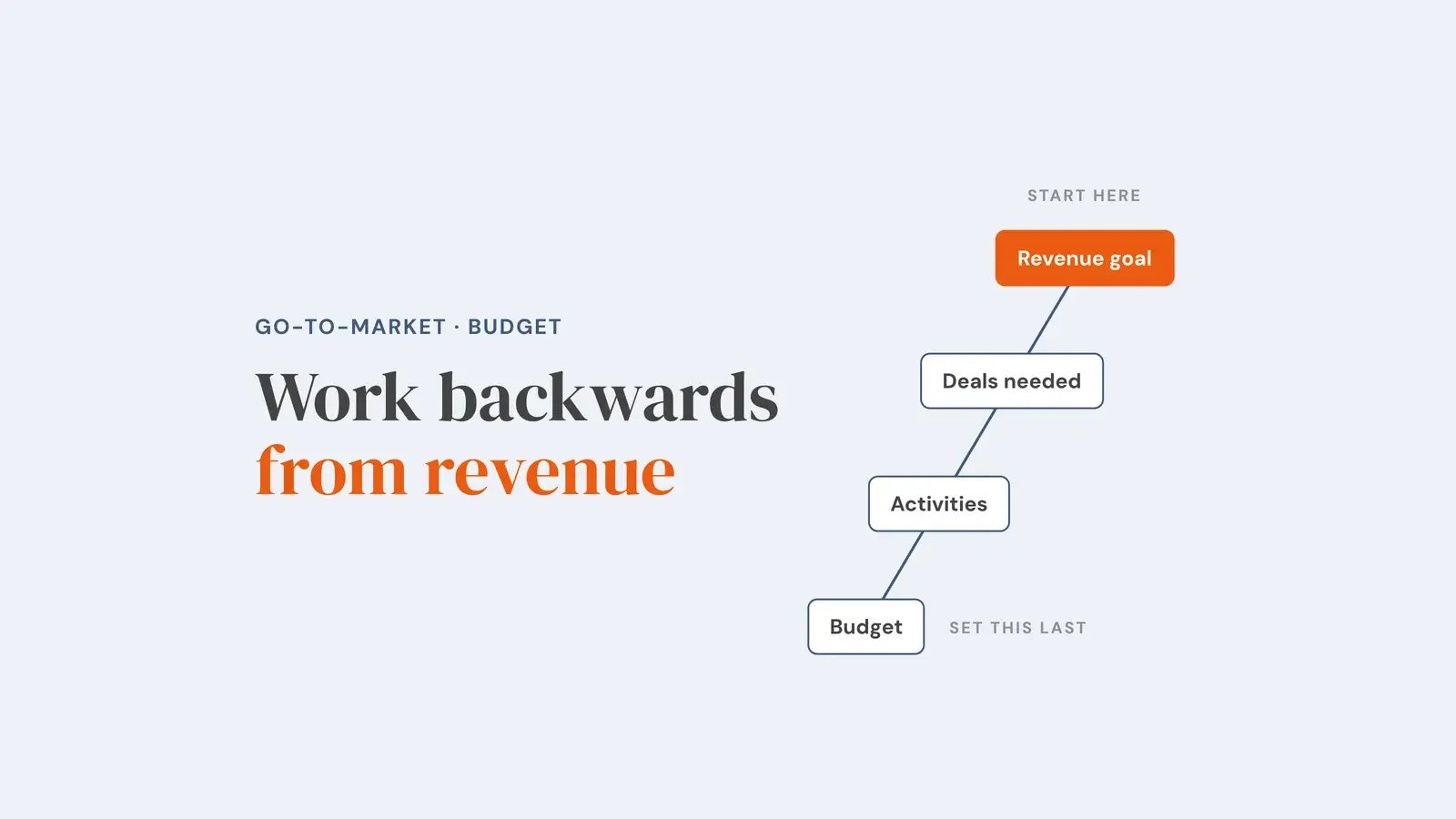
The most reliable way to avoid HubSpot's hidden costs is to define your sales process and data architecture before configuring anything in the platform.
Getting the sequence right matters more than getting the configuration perfect.
Follow this sequence:
- Define your growth goals: What does HubSpot need to do for your pipeline and reporting?
- Map your sales process: document lifecycle stages before touching HubSpot's defaults
- Clean your data: De-duplicate and audit before migrating, not after
- Provision only what you will use: Over-buying hubs is one of the most avoidable costs
- Choose your implementation approach: Use the DIY vs. partner table above to make the call
- Build an adoption plan: Training at setup, not three months after going live
- Schedule a 90-day portal review: Catch drift before it becomes a rebuild
If your portal is already live but underperforming, my HubSpot Portal Management service keeps it maintained and clean, without requiring your team to monitor it constantly.
Frequently asked questions
How much does HubSpot implementation really cost in the UK?
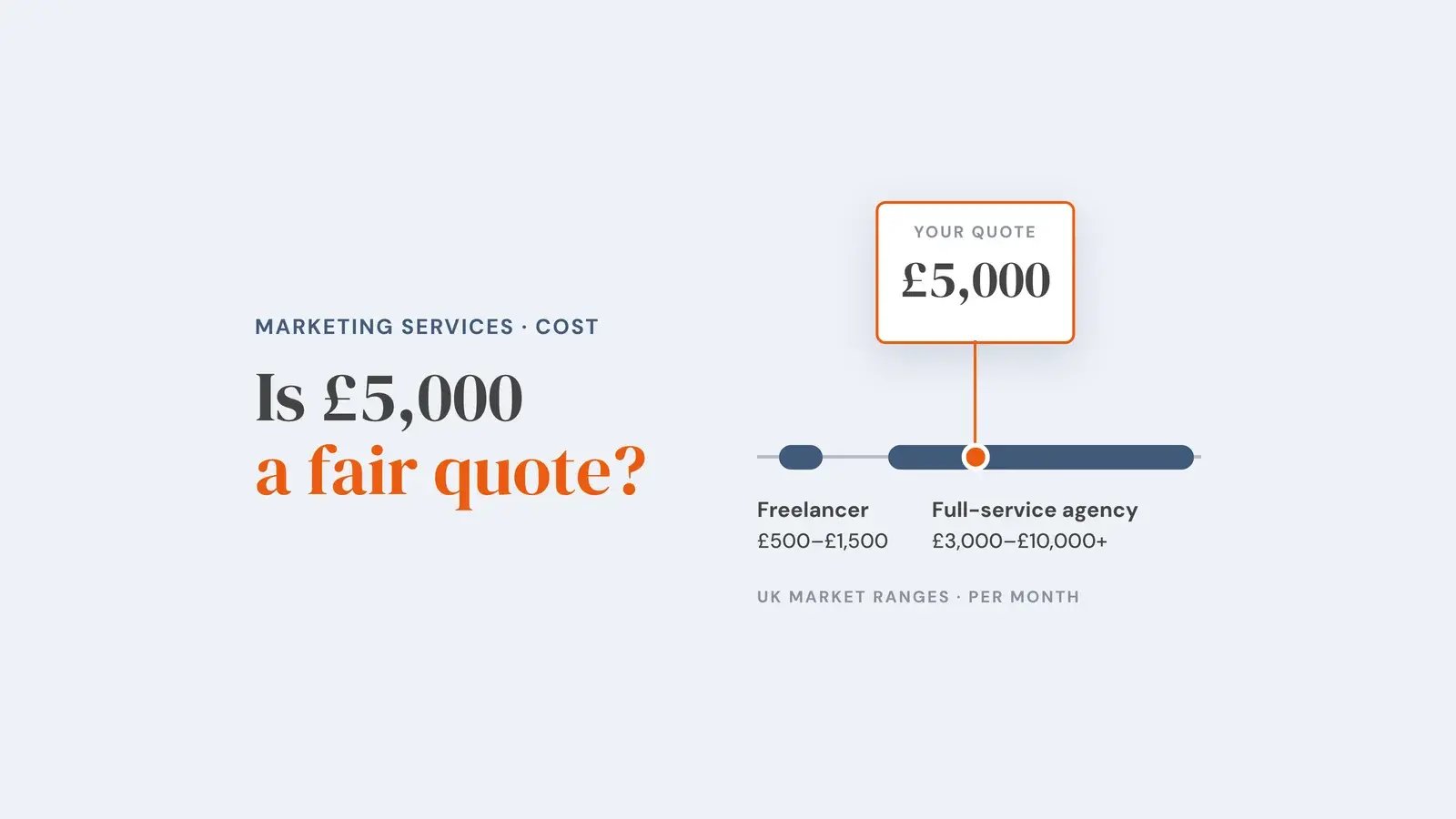
For a mid-market B2B business, expect £3,000–£10,000 ($3,750–$12,500) for professional implementation on top of licence fees. Simple setups cost less. Multi-hub builds with integrations cost more.
Is HubSpot's mandatory onboarding fee avoidable?
HubSpot charges an onboarding fee on most paid plans. A certified Solutions Partner can fulfil this requirement, often delivering more practical value at a comparable cost. See HubSpot's official pricing here.
What happens if I skip professional onboarding?
Most businesses that skip onboarding spend more later, through rework, external audit costs, or low adoption that reduces the ROI of the licence they are already paying for.
Where to go from here
You now have a clear picture of what HubSpot actually costs when it is not set up correctly, and a structured framework to calculate your own true cost before spending further.
If you are evaluating your options or your current portal is underperforming, this is the point where a clear diagnosis matters more than another round of configuration. I work with founder-led B2B businesses as a fractional marketing director and HubSpot specialist. The work is fixed-scope, fully documented, and handed over to your team to run without ongoing dependency on me.
What to do next
- Audit your current portal: Check for broken workflows, duplicate contacts, and unused lifecycle stages
- Calculate your TCO: Use the formula above with your real numbers
- Decide your implementation approach: Use the DIY vs. partner table to make an honest assessment
- Fix what exists: If your portal needs a rebuild, start with a 90-Minute Marketing Triage™ to diagnose exactly what is broken before spending more
- Book a conversation if you want a fixed-scope implementation that your team owns from day one
Related reading: How Much Does HubSpot Onboarding Really Cost in 2026?

About the author
Tom Wardman is a fractional marketing director and growth independence architect working with founder-led B2B businesses. Having worked across agencies and in-house teams, he designs and implements growth systems, including HubSpot strategy and CRM architecture, that businesses own and operate without ongoing external dependency. Tom is one of the UK's first five certified coaches in the Endless Customers methodology, trained directly under Marcus Sheridan.
Pricing disclaimer: All GBP–USD price conversions use a fixed house rate of £1 = $1.25 and are rounded to the nearest £25 for readability.
Topics: