

You have bought HubSpot, or you are about to, and now you need someone to make it work. The choice usually narrows to two: a single HubSpot consultant, or an agency with a team behind it.
This is written for founders and marketing leads at UK B2B companies of roughly 10–250 people spending real money on HubSpot. I install HubSpot inside businesses like yours for a living, and I have watched both models succeed and both waste serious money.
Here is the honest comparison, what each costs, where each fails, and a four-question test that settles it.
Transparency note: I offer HubSpot Strategy & Implementation as a fixed-scope service, which puts me closer to the consultant model. I have presented both fairly, including where agencies win, but weigh my perspective accordingly.
Key takeaways
- A HubSpot consultant is one specialist who configures your portal directly; an agency is a team that also delivers ongoing content, campaigns, and design.
- In the UK/US, a consultant-led implementation typically costs £3,000–£12,000 ($3,800–$15,000) one-off; agency retainers run £3,000–£10,000+ ($3,800–$12,700+) per month.
- Choose a consultant when the work is defined, time-boxed, and someone internal can run the portal afterwards; choose an agency when you need continuous output across three or more disciplines.
- Return depends on knowledge transfer, not team size: insist on documentation and a named internal owner before you sign, because that owner is the difference between a build that sticks and one you pay to redo.
What is the difference between a HubSpot consultant and a HubSpot agency?
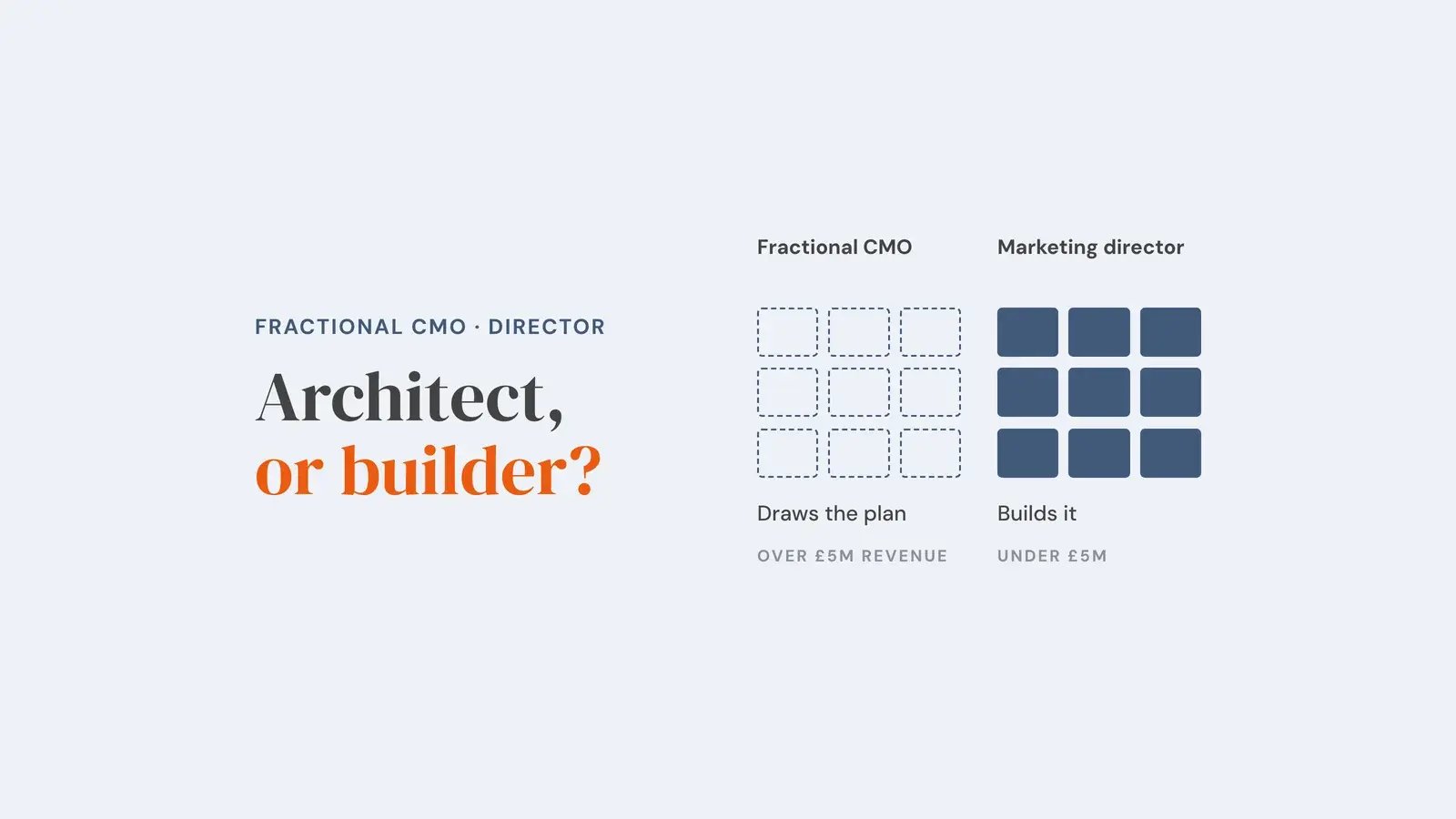
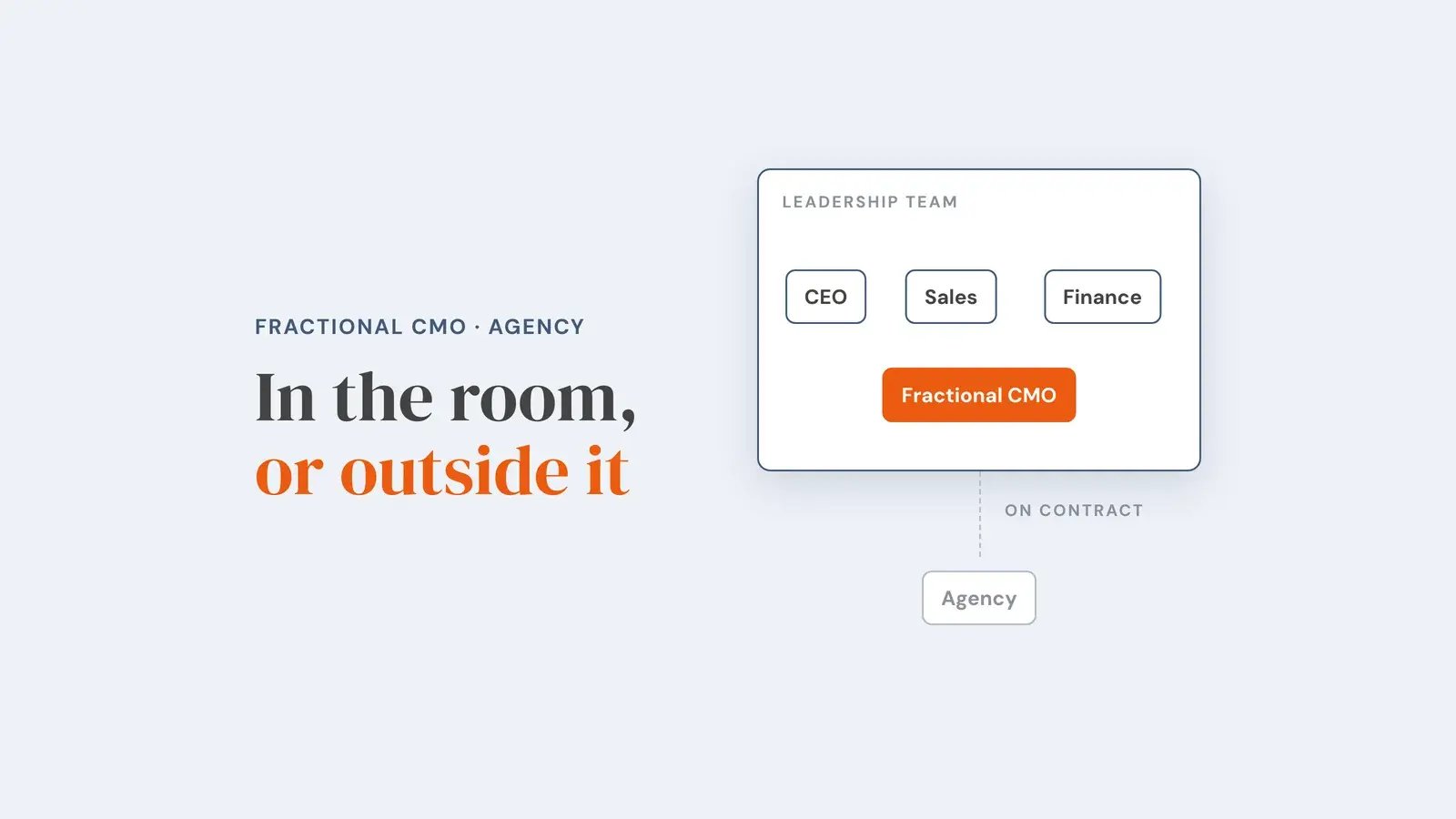
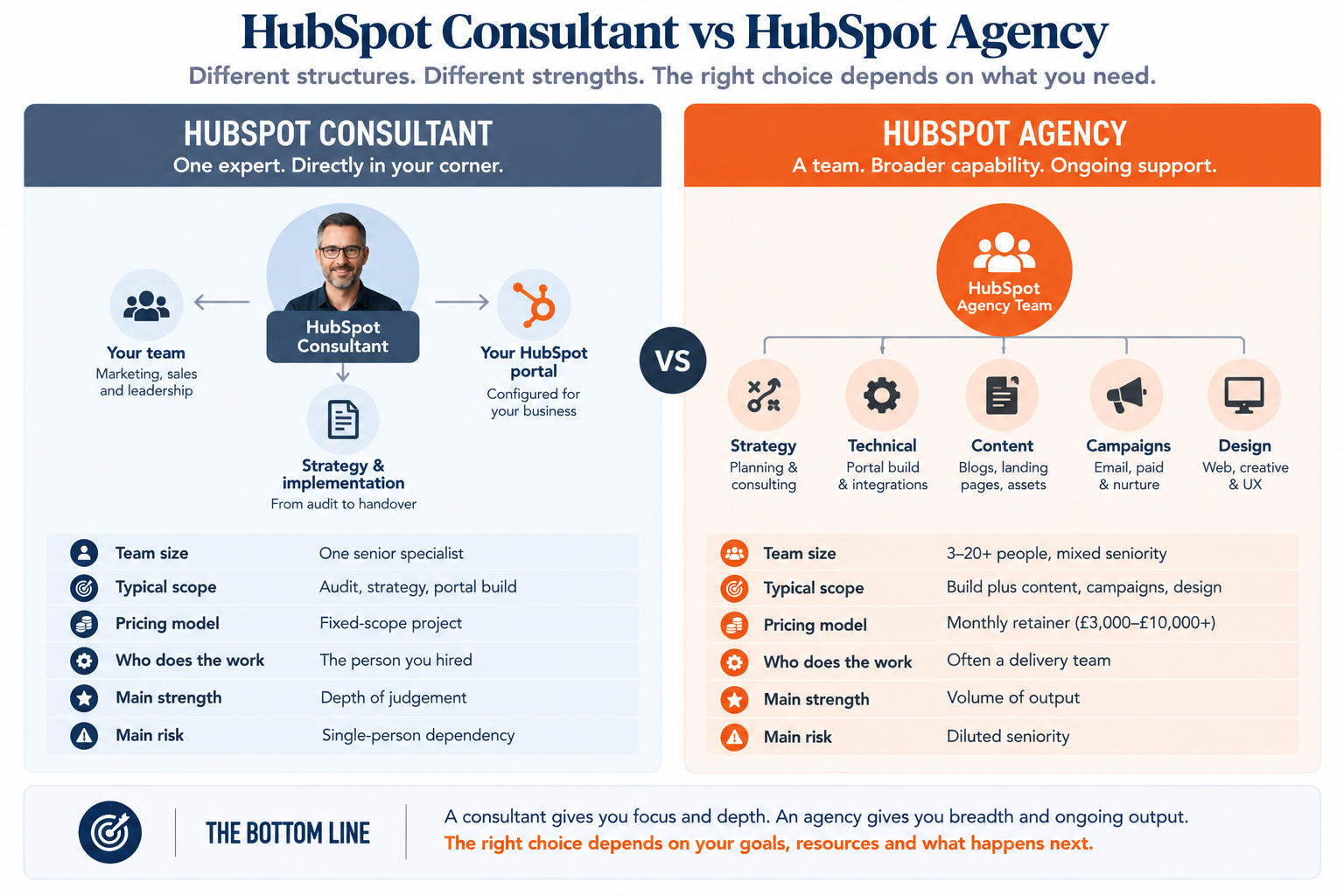
A HubSpot consultant is an individual specialist who diagnoses how your business should use HubSpot and configures the portal themselves, while a HubSpot agency is a multi-person team that delivers strategy, build, and ongoing execution across several disciplines. The difference is not skill level — it is capacity, breadth, and who actually touches your portal.
| HubSpot consultant | HubSpot agency | |
|---|---|---|
| Team size | One senior specialist | 3–20+ people, mixed seniority |
| Typical scope | Audit, strategy, portal build | Build plus content, campaigns, design |
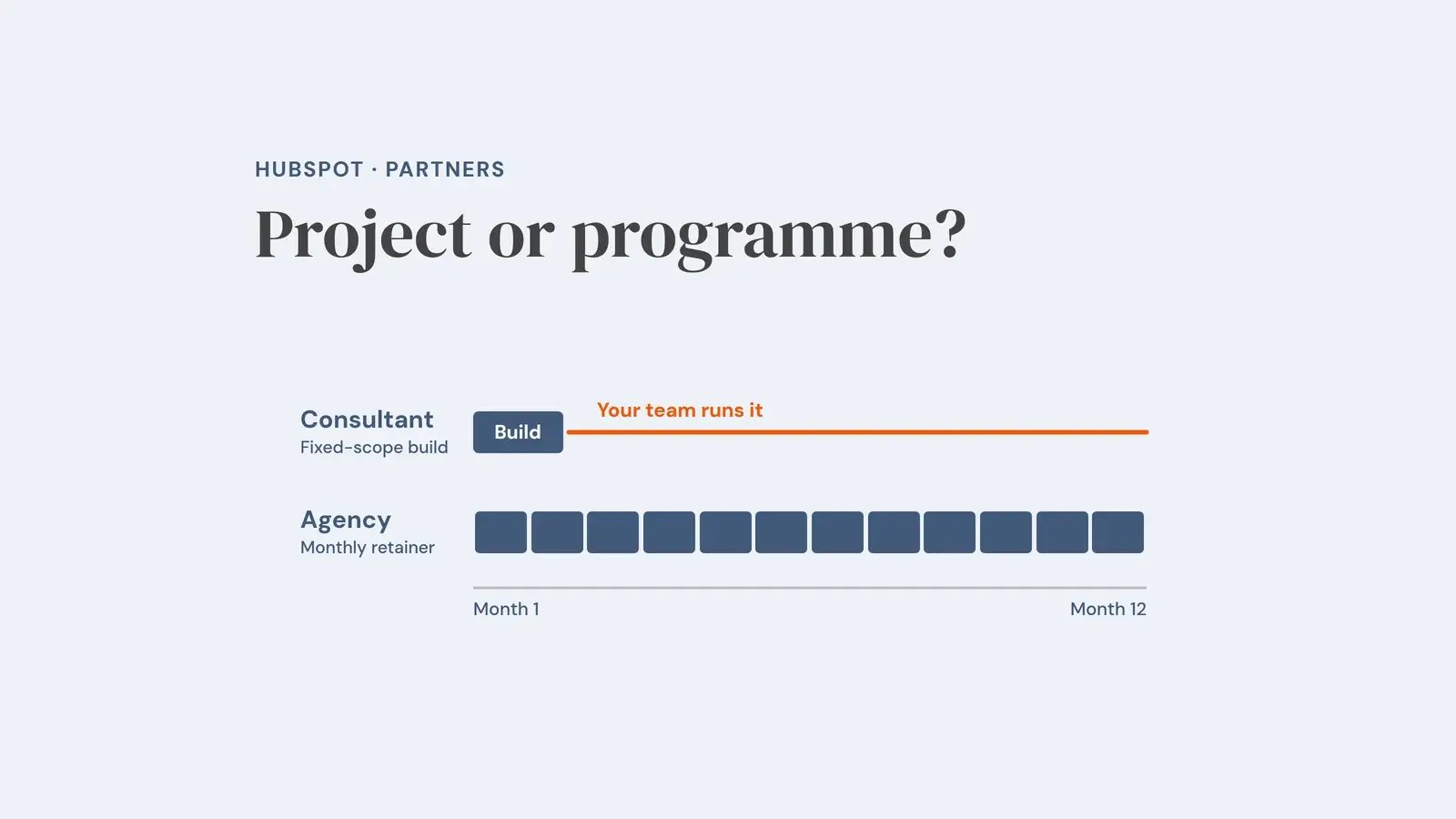
| Pricing model | Fixed-scope project | Monthly retainer |
| Who does the work | The person you hired | Often a delivery team |
| Main strength | Depth of judgement | Volume of output |
| Main risk | Single-person dependency | Diluted seniority |
What does a HubSpot consultant actually do?
A HubSpot consultant maps your sales process, then builds it into the portal, including objects, properties, pipelines, lifecycle stages, automation, and reporting, so the system reflects how your business actually sells.
Most work in fixed-scope blocks rather than open-ended monthly hours. A consultant suits you when the problem is design rather than volume: a first implementation, a rescue of a badly set-up portal, a CRM migration, or a reporting rebuild.
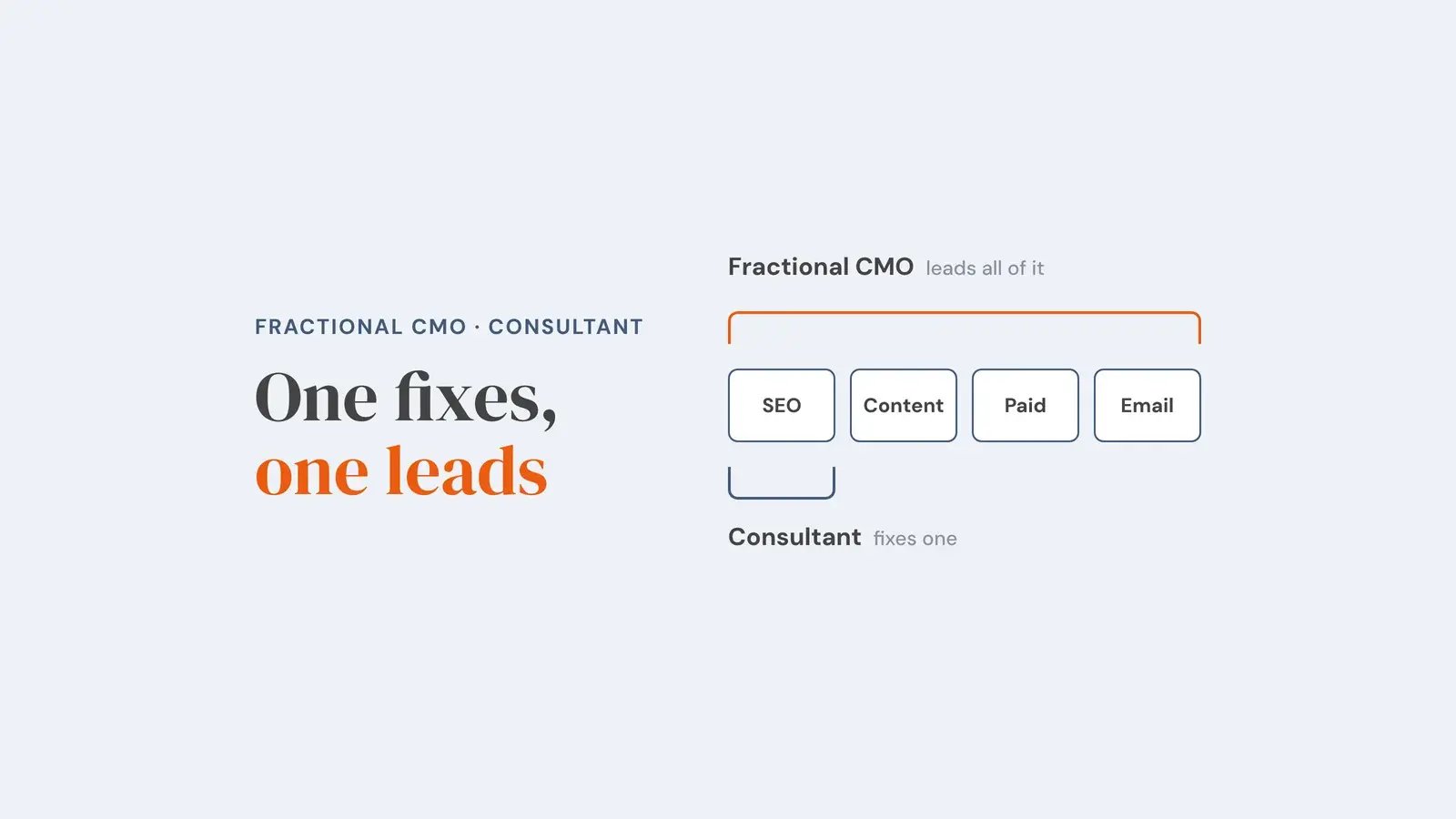
Consultants hit a ceiling when the work needs sustained output. One person cannot write your content, build your landing pages, run paid campaigns, and manage your portal at once.
What does a HubSpot agency actually do?
A HubSpot agency delivers HubSpot work as a team, bundling strategy, technical build, content, design, and campaign execution into a single monthly retainer. The value is throughput across disciplines, not one person's judgement.
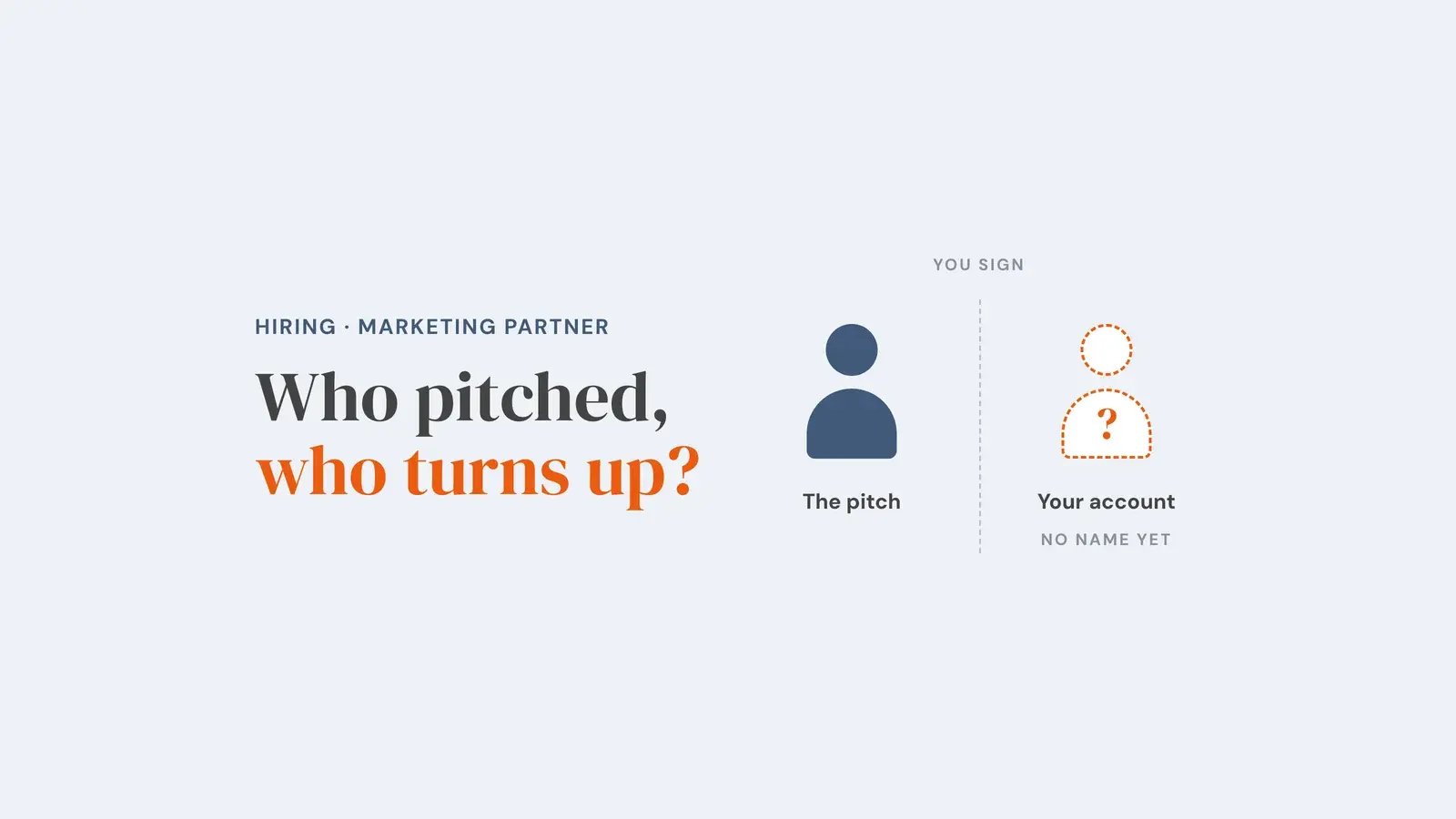
An agency suits you when you have no internal marketing team and need someone to produce the work as well as direct it. Where weaker agencies disappoint is seniority. You meet a senior strategist during the pitch, then get handed to an account manager once you sign. The better ones name the delivery team in the proposal. Pricing is often opaque too, which I cover in this blog post.
What about hiring in-house or doing it yourself?
Hiring in-house or configuring HubSpot yourself is a real third option, and it is the cheapest route only if you already have someone with genuine HubSpot experience. A bad DIY build costs more to unpick than a consultant would have charged to do it once.
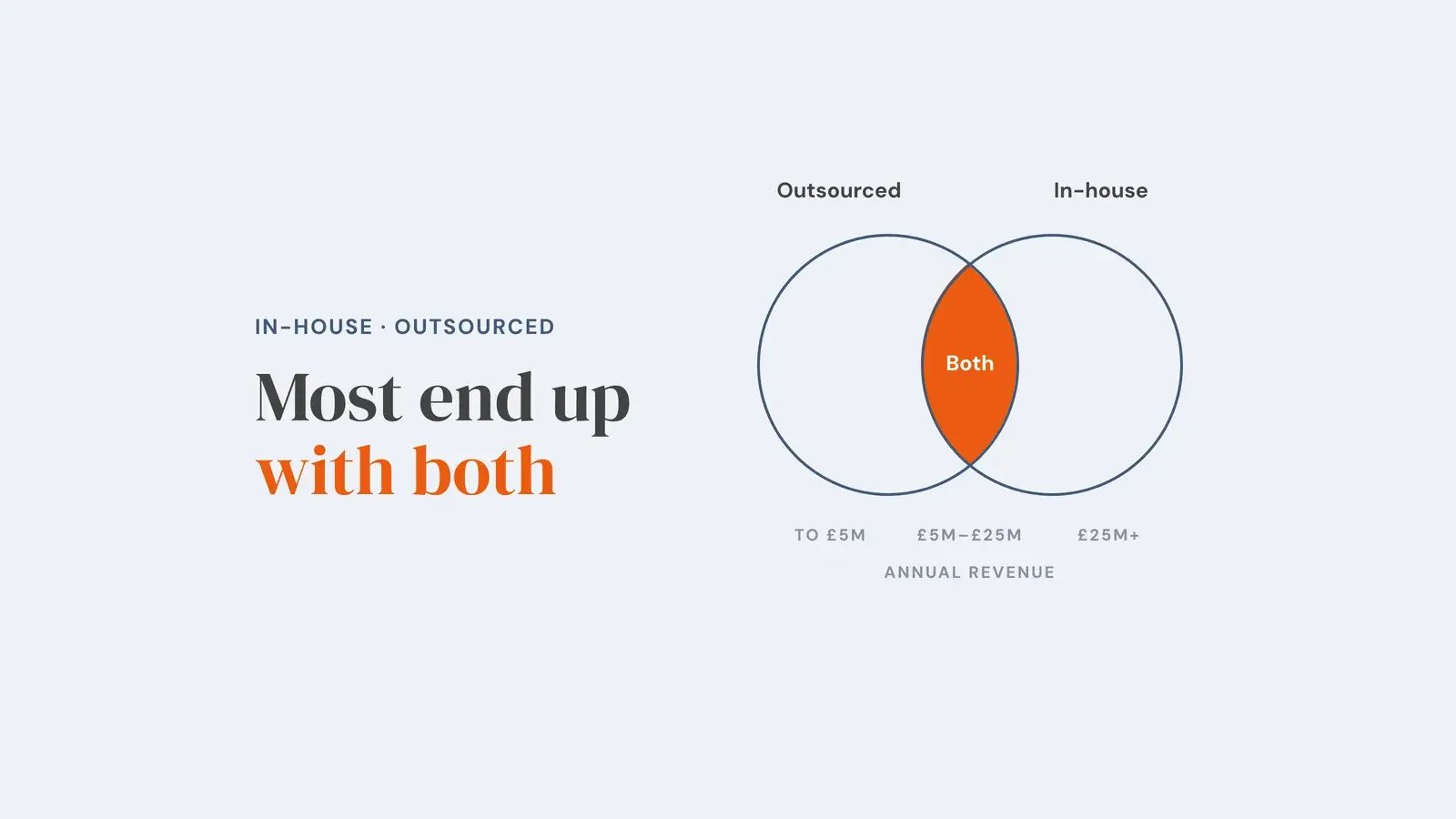
An in-house HubSpot manager in the UK earns roughly £35,000–£55,000 ($44,000–$70,000) a year on my estimate of advertised UK salaries, so it makes sense when portal work is permanent rather than a project. Most businesses land on a hybrid: a consultant builds the architecture, an internal owner runs it. HubSpot Onboarding Cost in 2026 compares all three routes.
How much does a HubSpot consultant or agency cost in 2026?
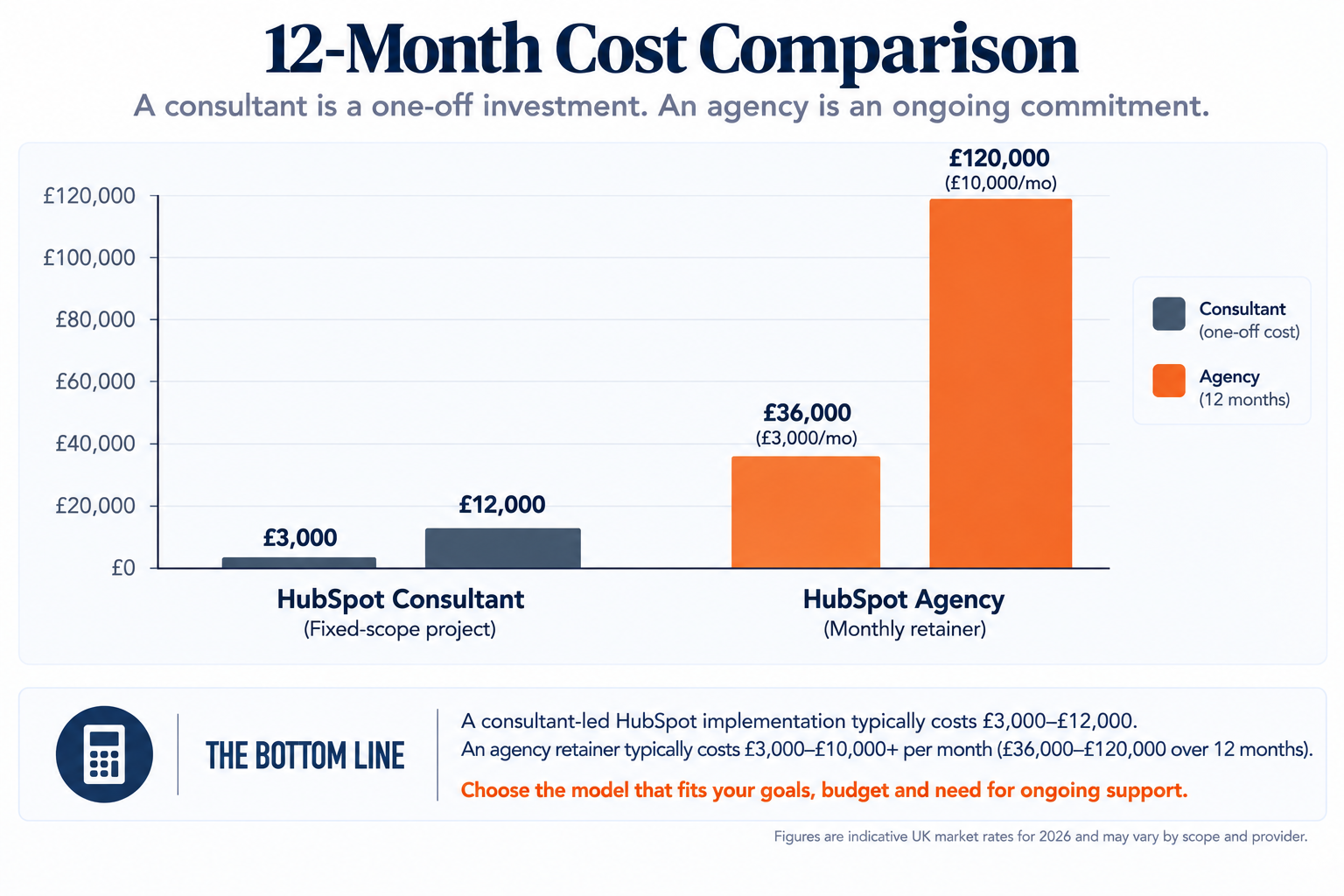
Expect a consultant-led HubSpot implementation to cost £3,000–£12,000 ($3,800–$15,000) as a one-off project, and a HubSpot agency retainer to run £3,000–£10,000+ ($3,800–$12,700+) per month.
| Engagement | HubSpot consultant | HubSpot agency |
|---|---|---|
| Portal audit | £750–£2,500 ($950–$3,200) | £1,500–£4,000 ($1,900–$5,000) |
| Implementation or rebuild | £3,000–£12,000 ($3,800–$15,000) | £6,000–£25,000 ($7,600–$32,000) |
| Ongoing portal management | £800–£2,500 ($1,000–$3,200) per month | Bundled into retainer |
| Full marketing retainer | Rarely offered | £3,000–£10,000+ ($3,800–$12,700+) per month |
These ranges are estimates from roughly 40 UK proposals and portals I have reviewed in the past two years, not survey data. HubSpot's own onboarding fees sit outside both (HubSpot's published pricing).
To compare over a year: 12-month cost = implementation fee + (monthly fee × 12). An £8,000 build plus £1,200 per month is £22,400; a £5,000 per month retainer is £60,000. At that level an agency typically delivers the build plus around 12 articles a quarter, landing page design, and a managed paid programme.
What are the real risks of each model?
The biggest risk with a consultant is single-person dependency; the biggest risk with an agency is that your portal is built by people more junior than whoever sold you the work.
- Consultant: availability. Illness or a full diary stalls your project with no cover.
- Consultant: narrow range. Deep on CRM architecture, thin on design and paid media.
- Consultant: no continuity. The knowledge leaves when the project ends unless it was documented; see Bad HubSpot Implementation.
- Agency: diluted seniority. The strategist you bought is spread across other accounts.
- Agency: upward scope creep. Retainers rarely shrink once execution is bundled in.
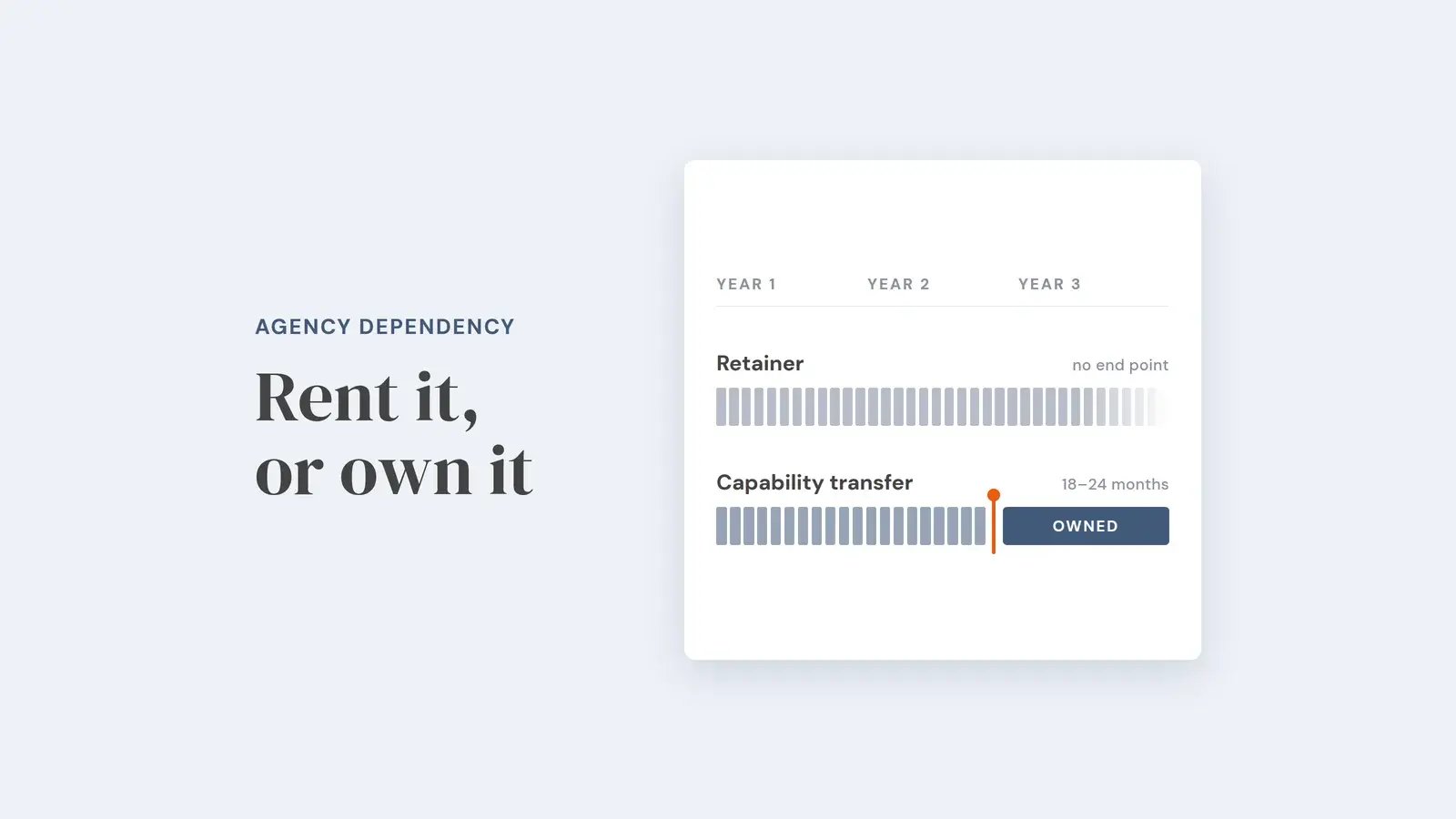
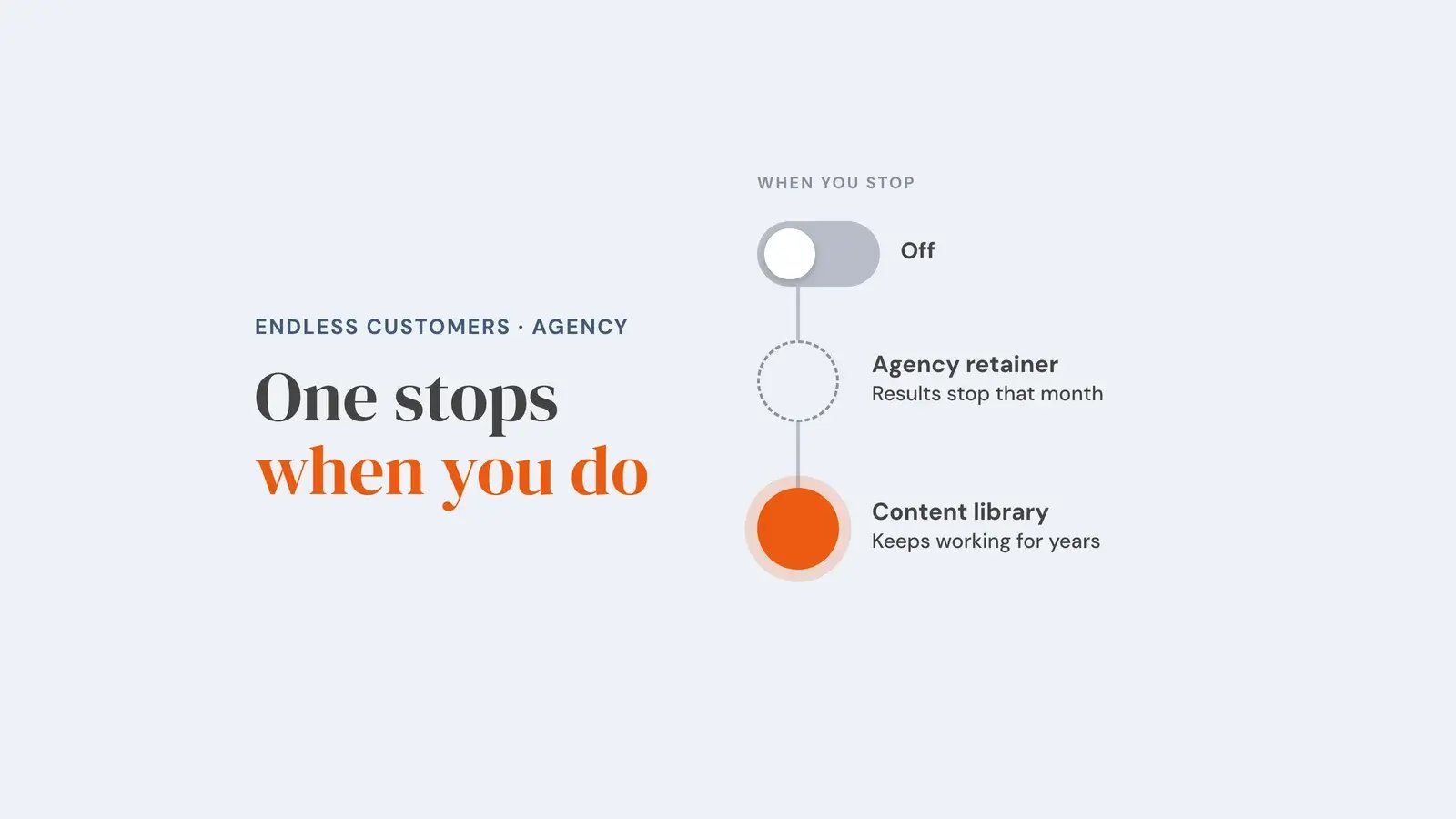
- Agency: dependency by design. The longer they run your portal, the less your team knows it — see Agency Dependency.
How do you choose between a HubSpot consultant and an agency?
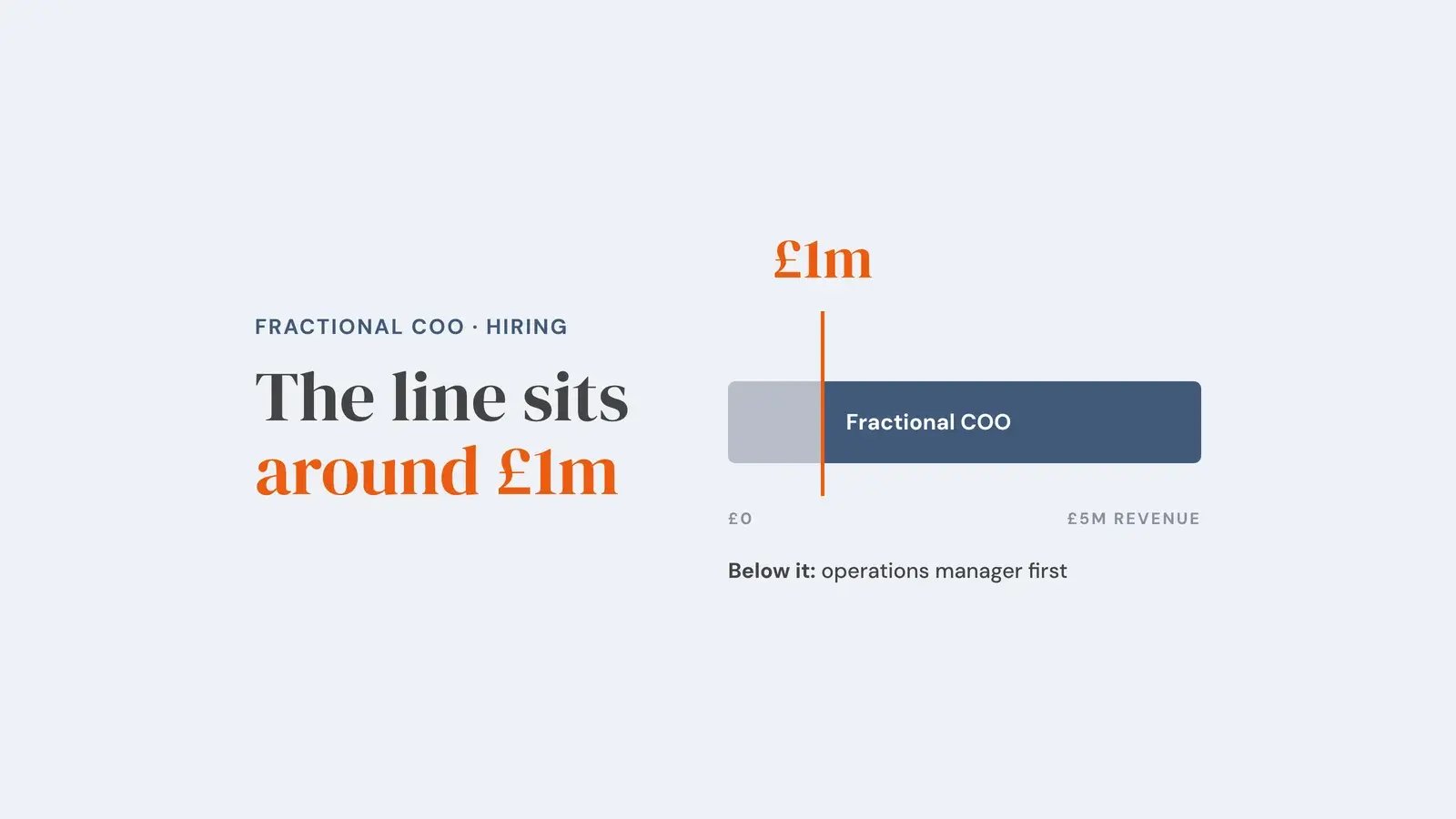
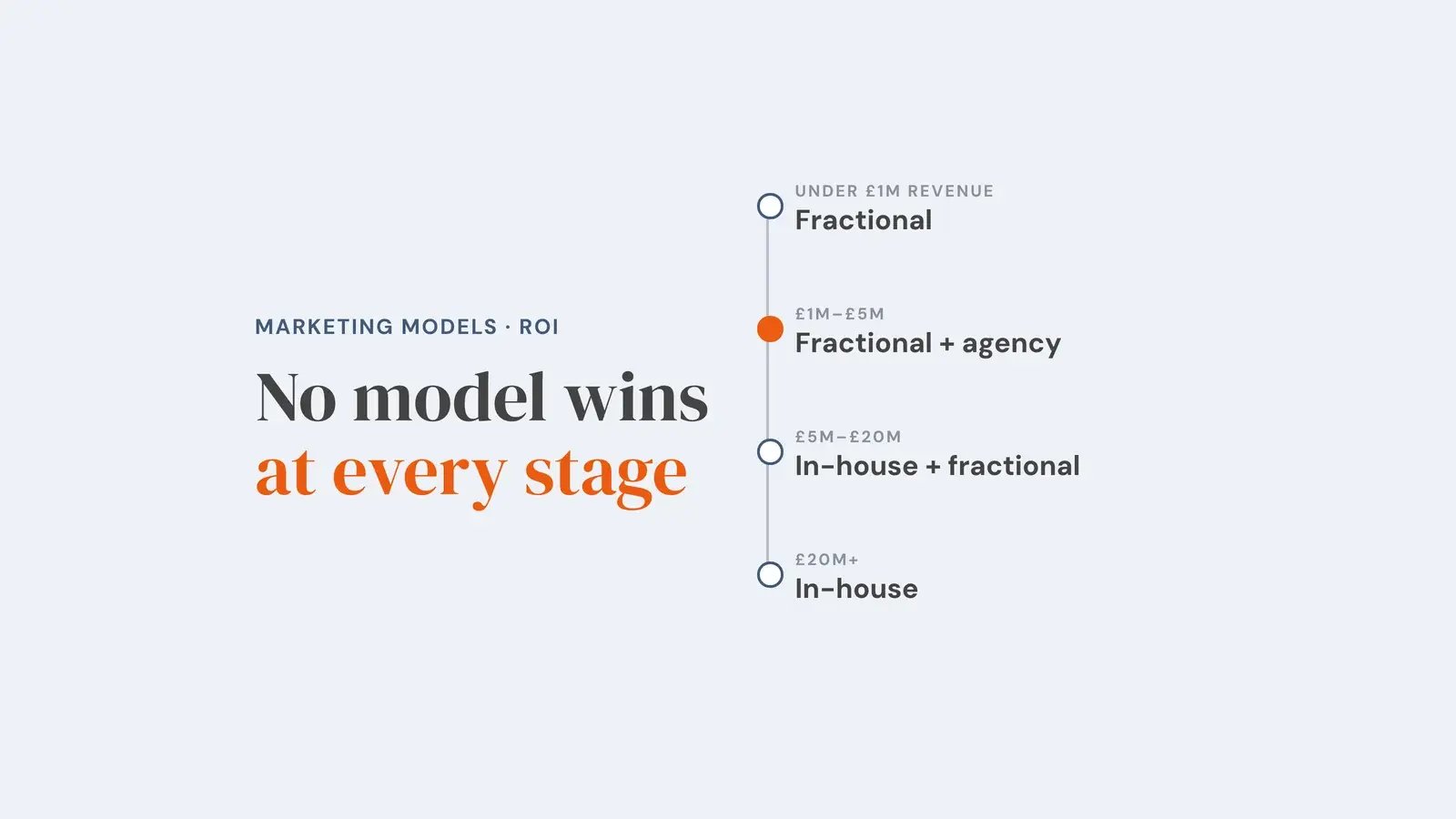
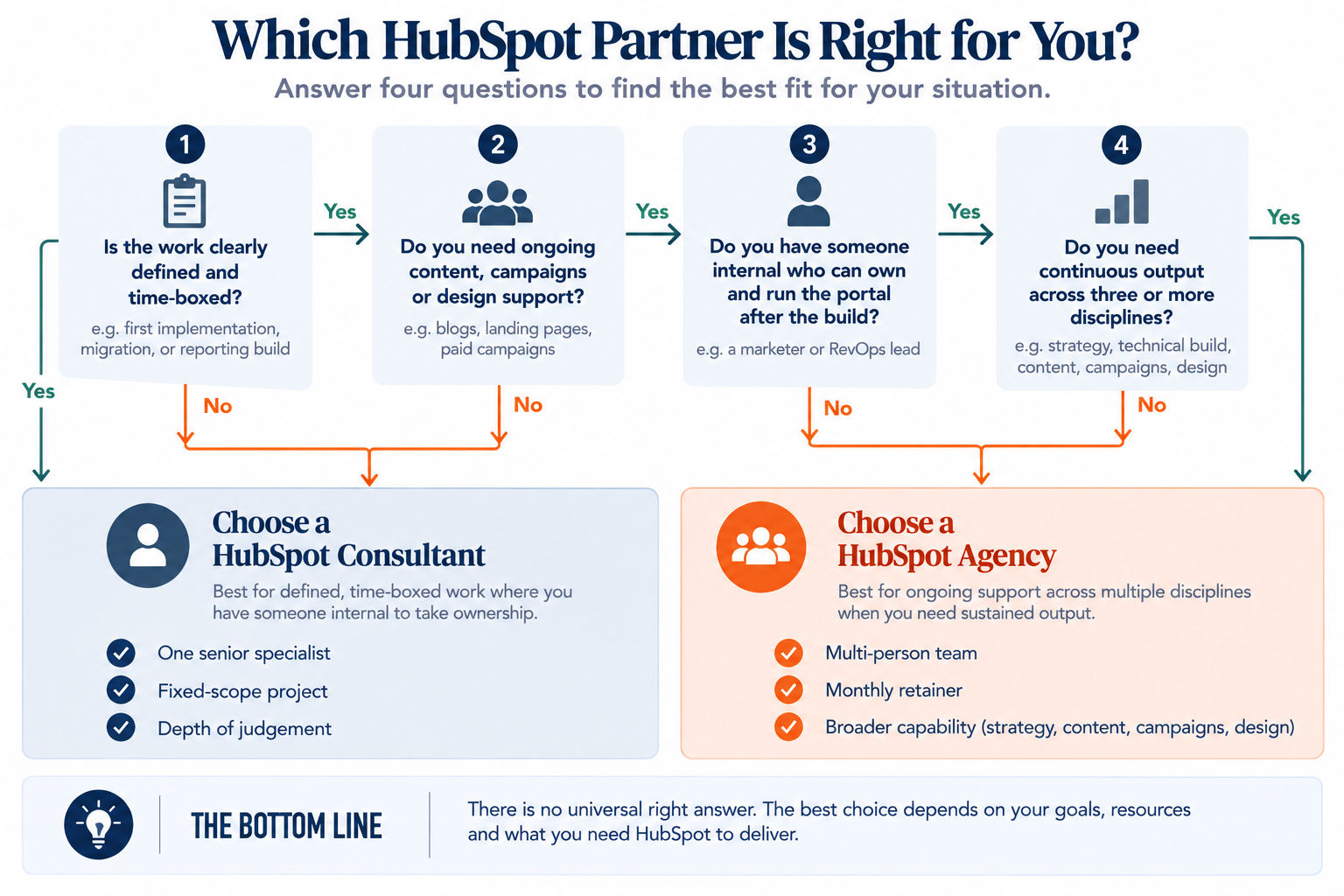
Choose a consultant when the work is defined and someone internal can execute afterwards; choose an agency when you need continuous output your team cannot produce. Neither wins on return by default; a £40,000 retainer and a £9,000 build both fail if your sales team keeps working from a spreadsheet. Four questions settle it:
- Project or programme? A fixed end point points to a consultant. Ongoing output points to an agency.
- How many disciplines? One or two, use a consultant. Three or more, use an agency.
- Who runs HubSpot after handover? If the answer is nobody, you need an agency or a hire.
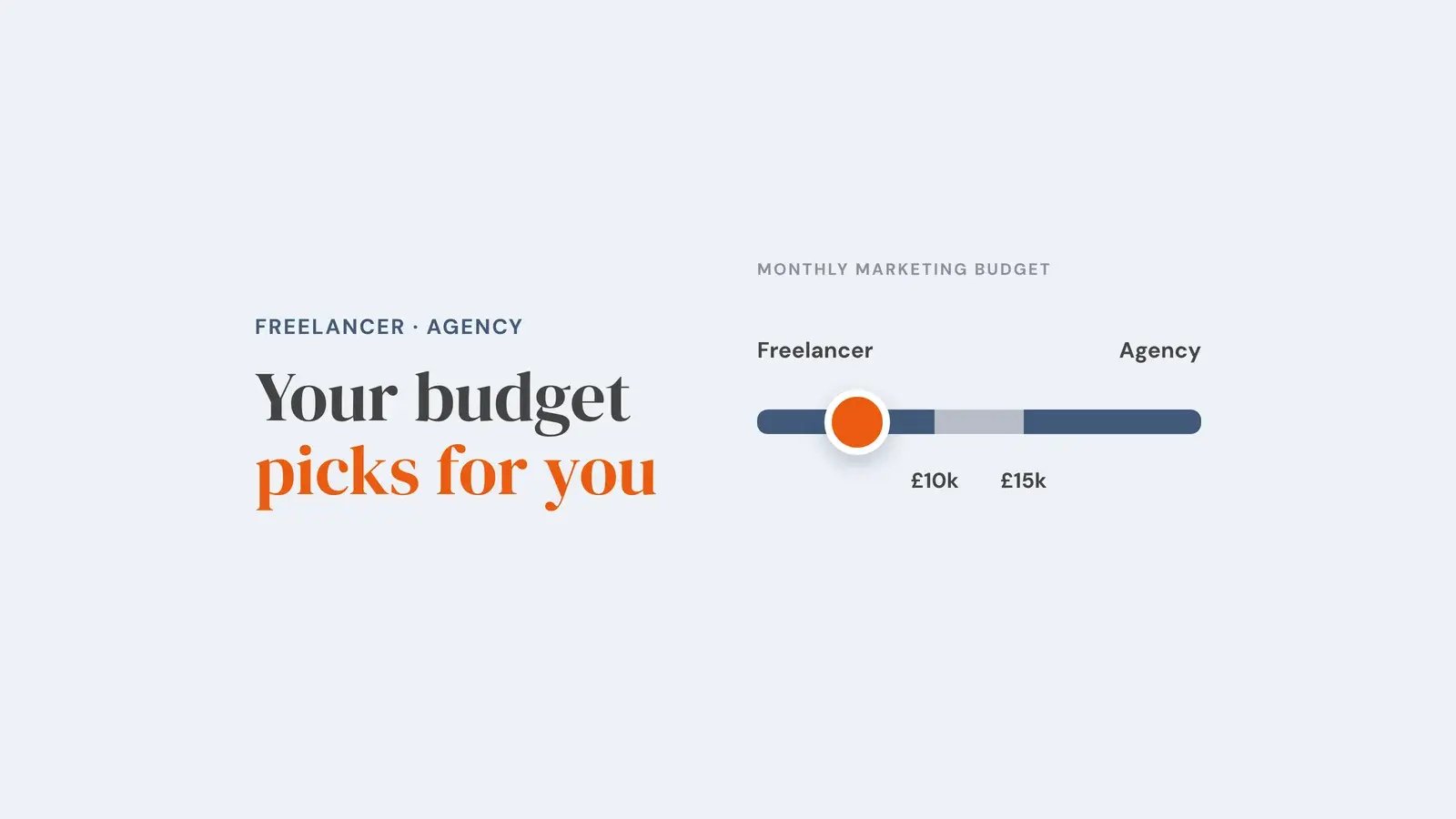
- What is your twelve-month budget? Under £25,000 ($32,000), a consultant stretches further. Above that, an agency becomes viable.
What should you ask before you hire either one?
Ask any HubSpot consultant or agency to show you a portal they have built and explain three specific configuration decisions in it. Vague answers predict vague delivery.
- Who, by name, will do the build work?
- What is in scope, what is out, and what triggers a change fee?
- What documentation and training do we get at handover?
- What happens to our portal if we stop working with you?
- Are you a certified HubSpot Solutions Partner, and at what tier?
On that last point: HubSpot ranks partners Gold, Platinum, Diamond, and Elite, based largely on revenue brought to HubSpot rather than build quality. Tier tells you scale, not craft. Transparent Marketing Investment covers the reporting standards worth insisting on either way.
Frequently asked questions
How long does a HubSpot implementation take?
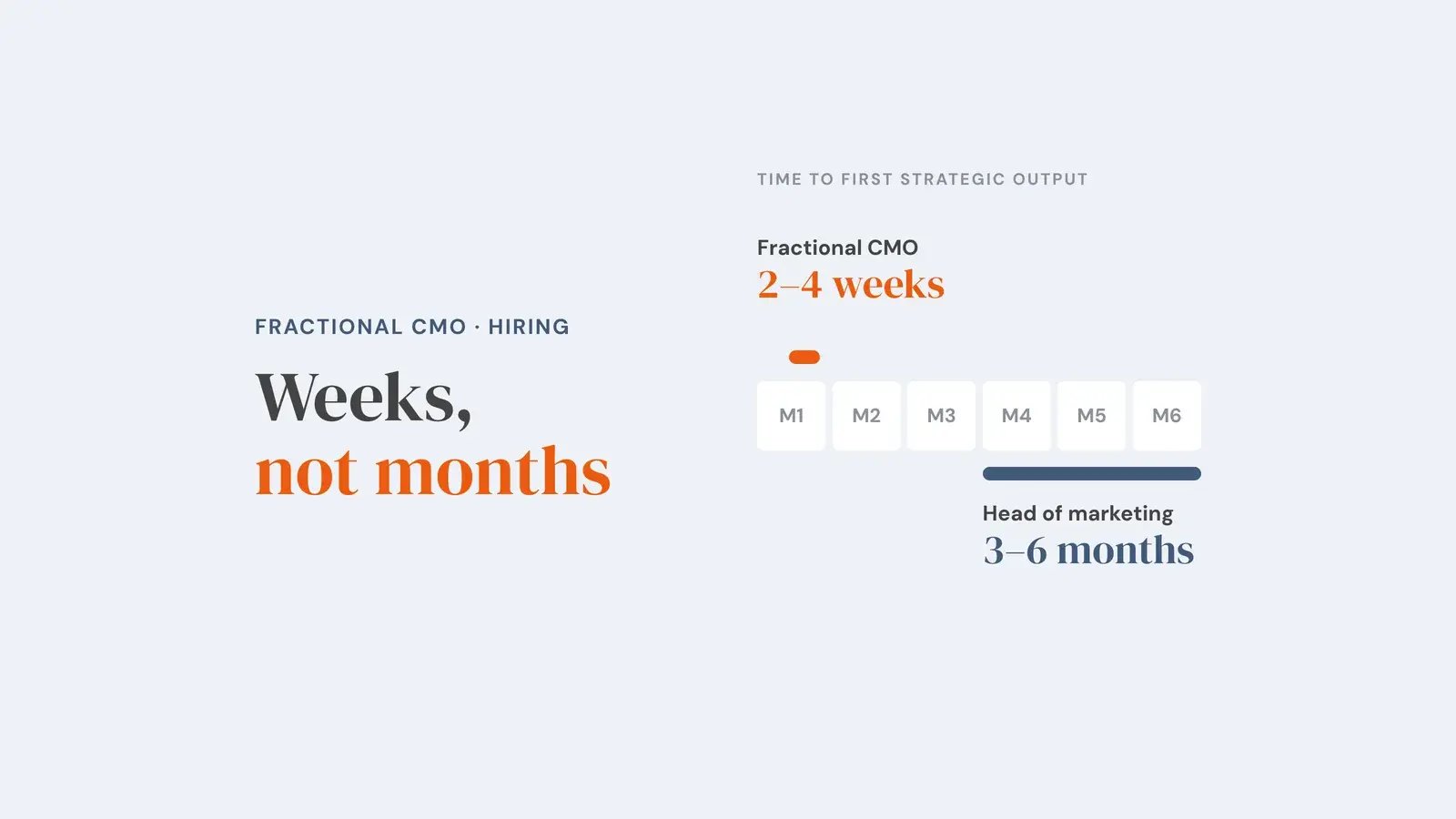
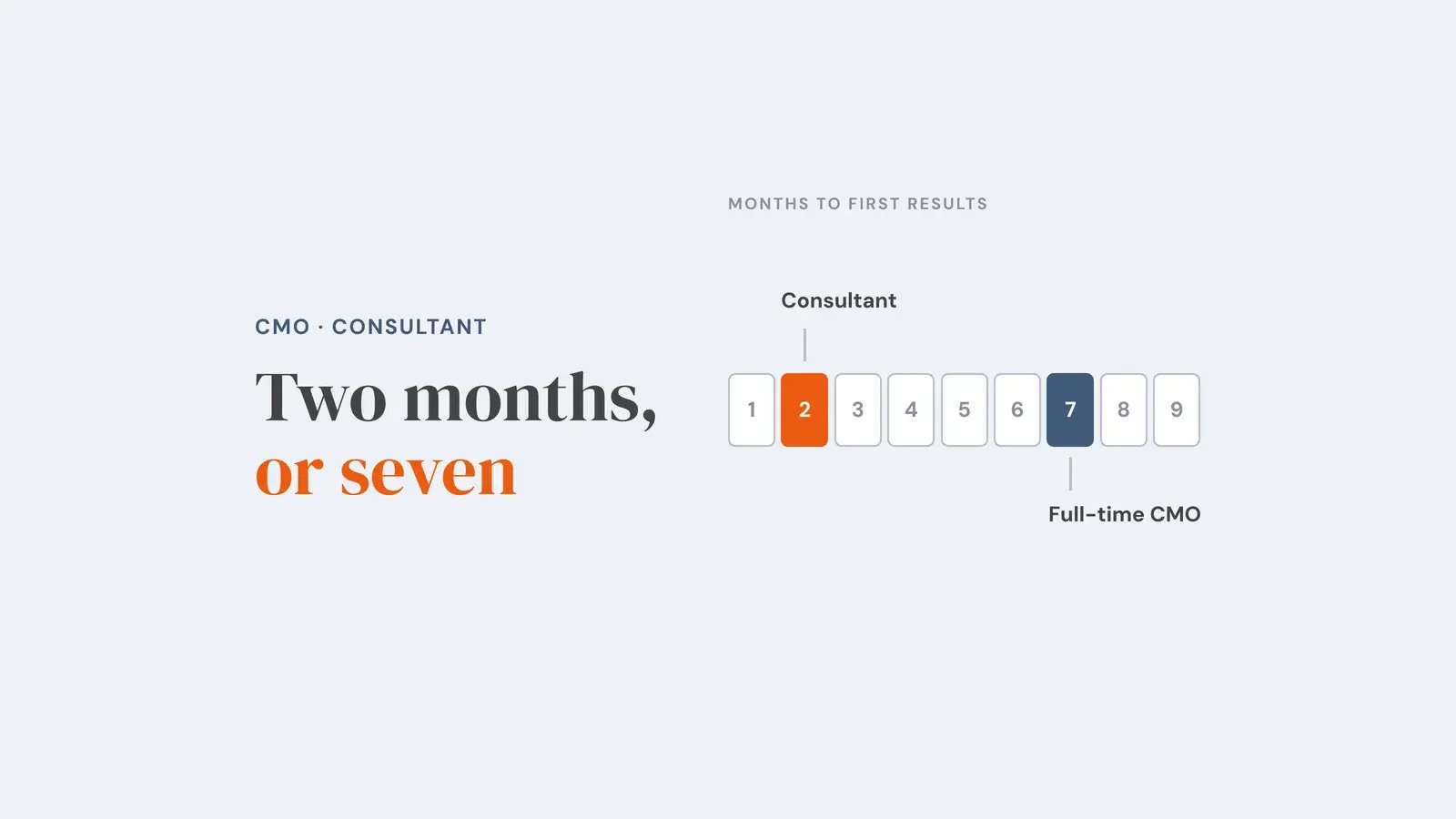
A focused consultant-led build usually runs four to eight weeks from kick-off to handover. Agency implementations often take eight to sixteen weeks, because more people and scope mean more coordination.
What if I already have a badly configured portal?
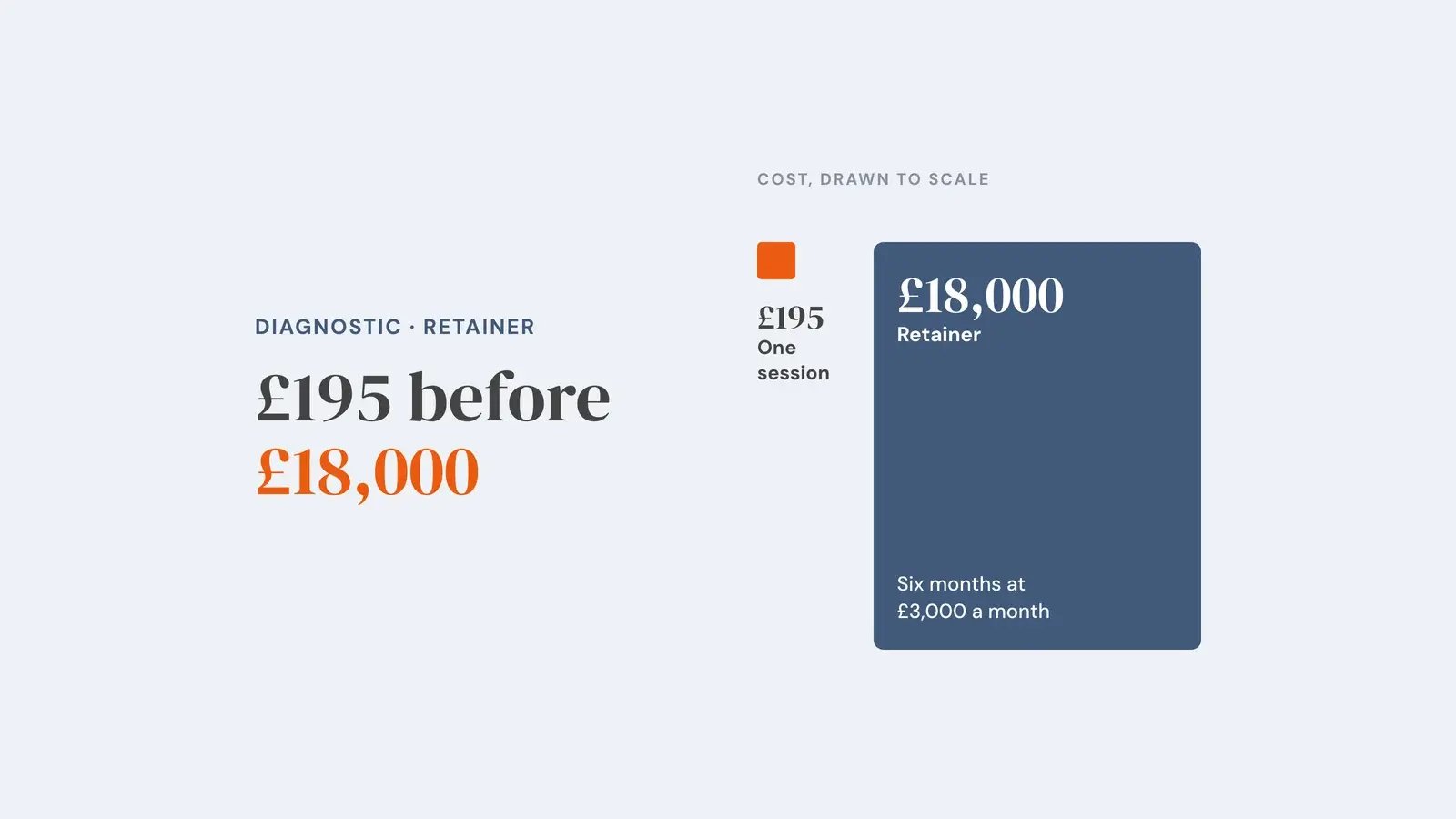
Start with a paid audit. A £750–£2,500 ($950–$3,200) audit tells you whether it needs repair or a rebuild, and stops you buying a year-long retainer to fix a six-week problem. HubSpot Implementation: The Hidden Costs Most Businesses Miss explains what audits find.
Should you hire a HubSpot consultant or an agency?
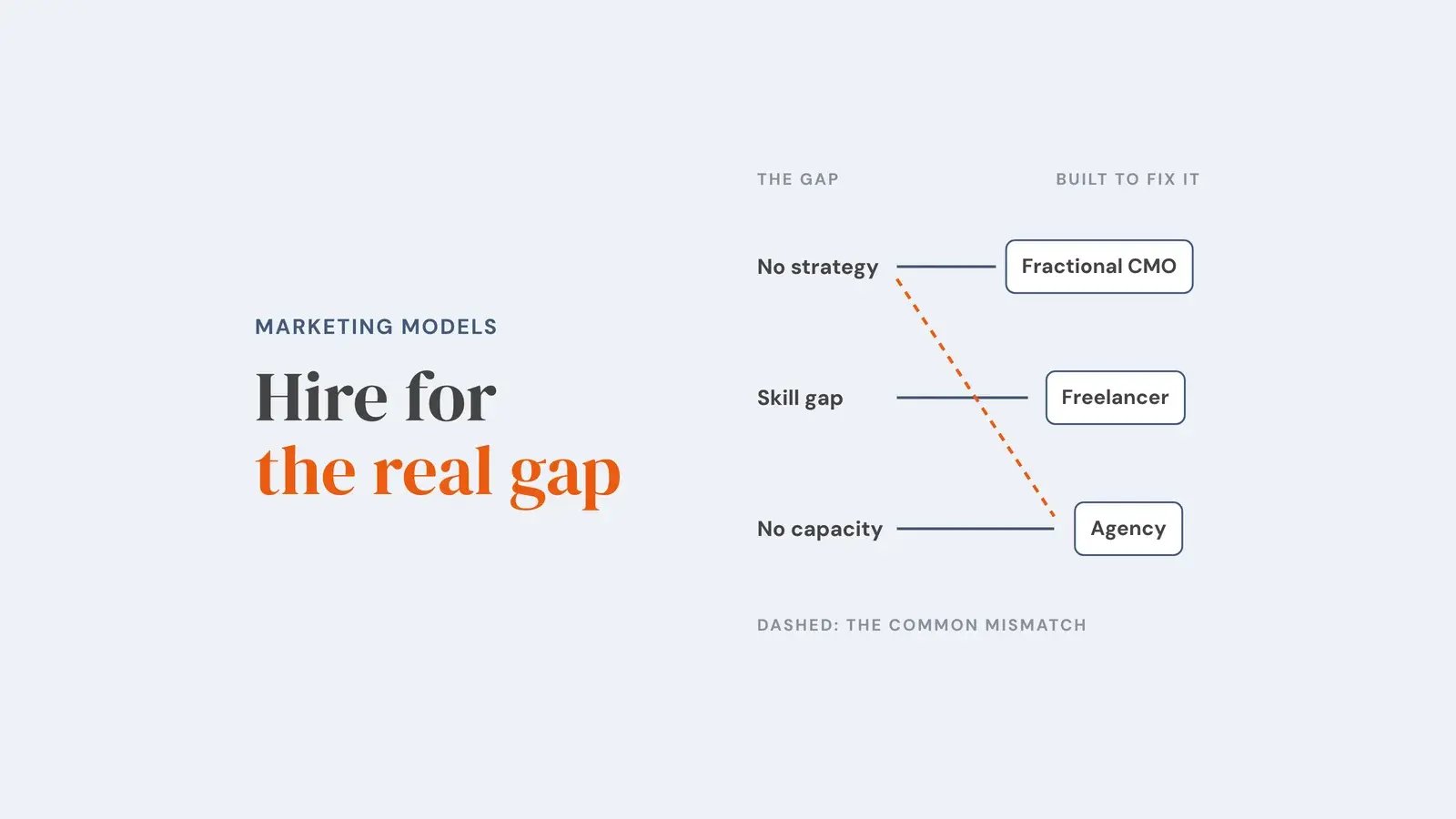
You came in choosing between two suppliers. The better question is what you are buying: a consultant sells you a system, an agency sells you capacity, an in-house hire sells you permanence. Match the purchase to the gap in your business and the choice makes itself.
How to take action now
- List every HubSpot task you need in the next twelve months, then count the disciplines involved.
- Name the person who will own the portal after handover. No name means fix that first.
- Set your twelve-month budget before you take any sales calls.
- Ask a consultant and an agency to quote the same written scope, then compare on knowledge transfer as well as price.
If you want a second opinion on which model fits your scope, that is what the 90-Minute Marketing Triage™ is for, including when the honest answer is that you need an agency, not me.

About the author
Tom Wardman is a Growth Independence Architect™. He designs marketing and revenue systems, installs them inside B2B businesses, and trains internal teams to run them without outside help. He delivers HubSpot Strategy & Implementation and Portal Management as fixed-scope services.
Pricing disclaimer: All GBP–USD price conversions are rounded estimates and correct at the time of publishing. Exchange rates fluctuate and figures should be treated as indicative only.
Topics: