

Are you spending thousands on marketing without clear direction on whether to build an internal team or outsource to experts? Do you wonder if your current approach actually delivers the sustainable growth your B2B business needs?
Most growing companies face this crossroads, and the decision shapes everything from your marketing budget to your long-term competitive advantage.
In this article, you'll learn how to evaluate which marketing model (internal, outsourced, or hybrid) best fits your stage of growth, budget, and strategic goals. We'll cover budget benchmarks, control factors, scalability, and real-world pros and cons so you can make a confident decision that drives measurable results for your business.
In-house vs outsourced marketing: Key differences for B2B companies
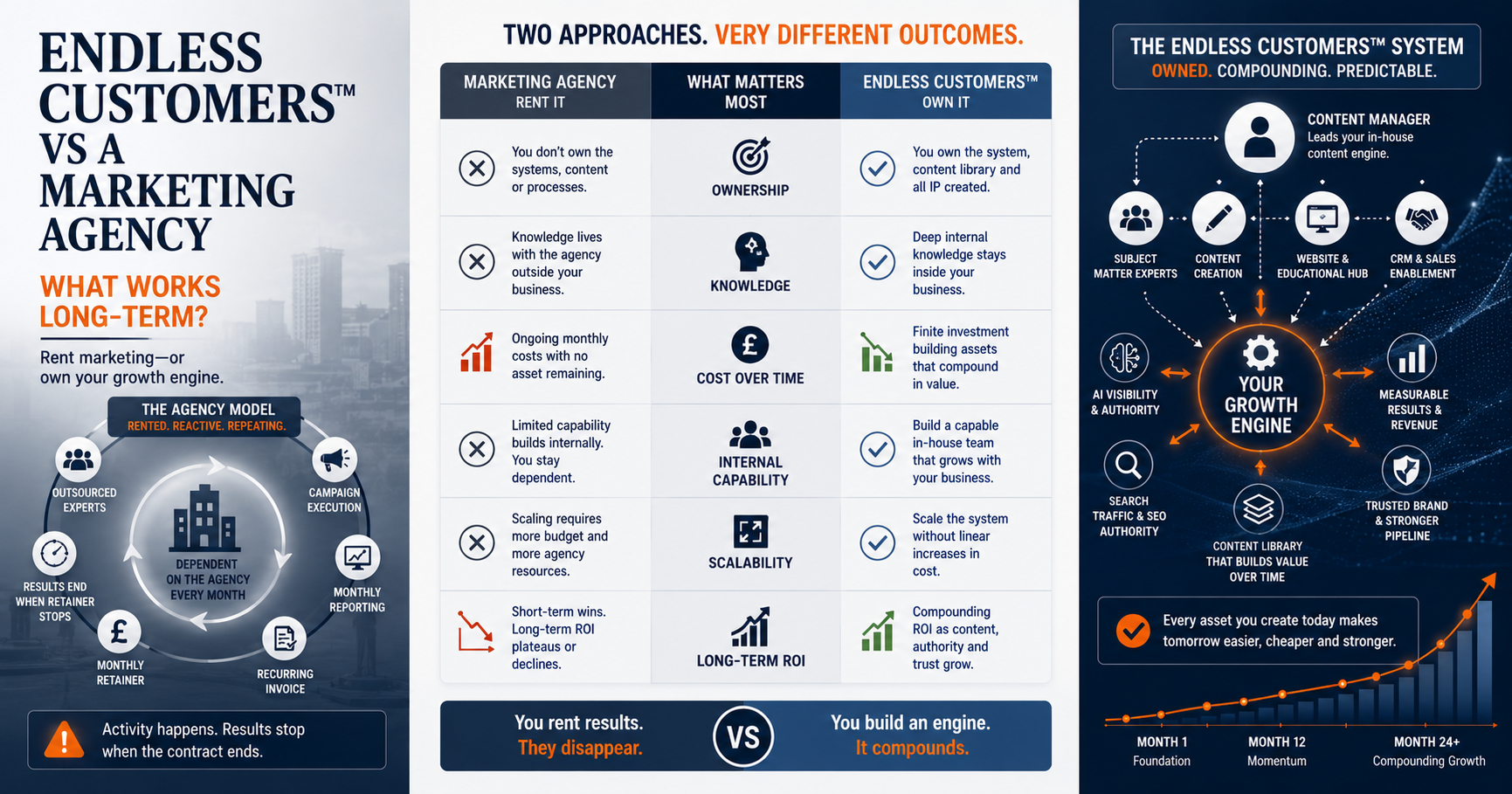
In-house marketing involves building and managing your marketing team internally, while outsourced marketing means partnering with external agencies or consultants to handle your marketing functions.
The choice between these approaches impacts your company's marketing strategy, budget allocation, and long-term growth trajectory. In-house teams become full-time employees focused exclusively on your business, developing deep product knowledge and company culture alignment. They report directly to your leadership and work within your existing systems and processes.
Outsourced marketing provides access to external experts who bring cross-industry experience and specialised skills. These partners offer flexibility in engagement levels—from complete marketing management to strategic guidance or focused project work.
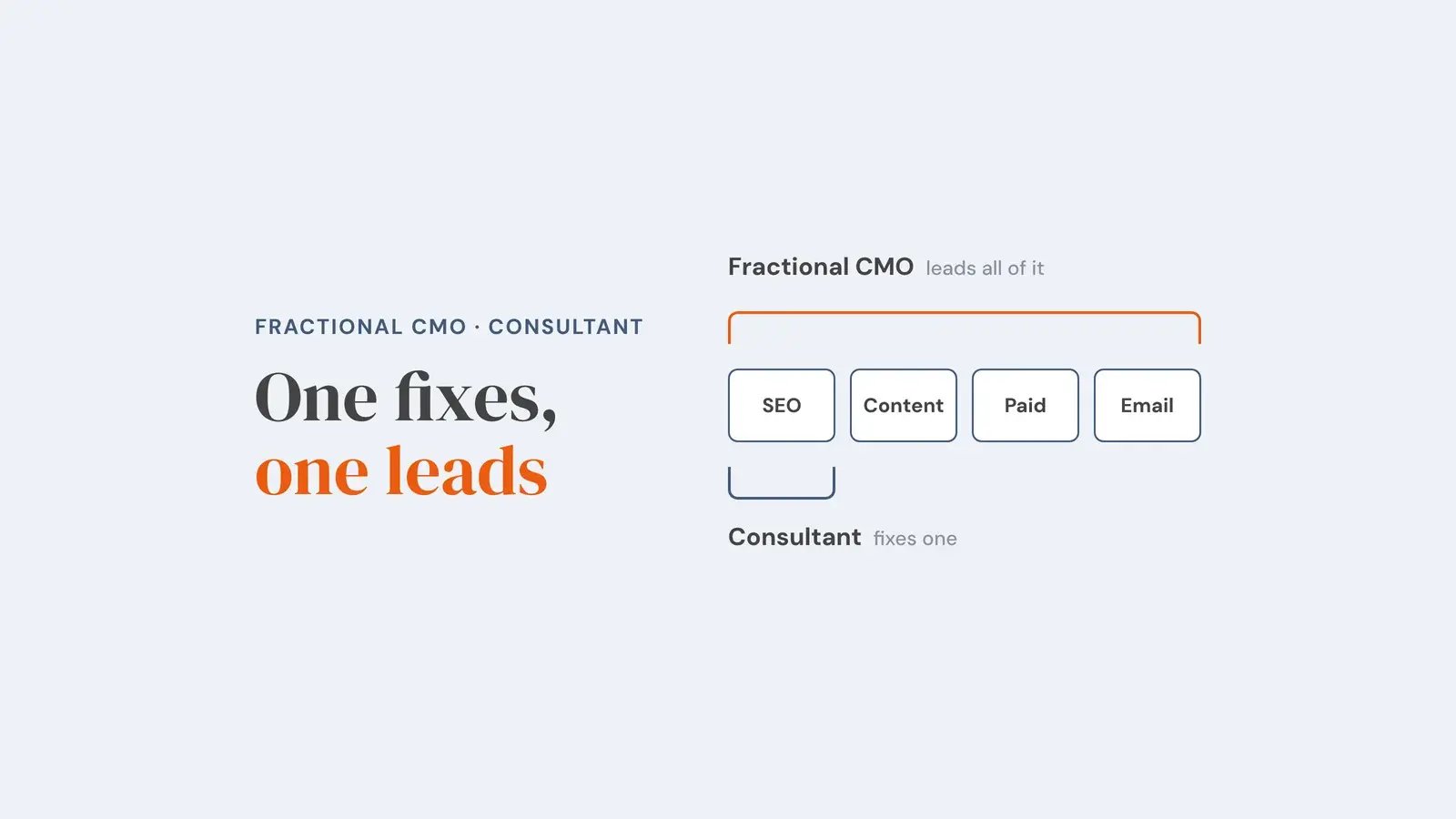
The fundamental difference lies in control versus expertise. In-house teams give you complete control over strategy, messaging, and execution timelines. Outsourced teams bring proven expertise and advanced tools that would be cost-prohibitive to develop internally.
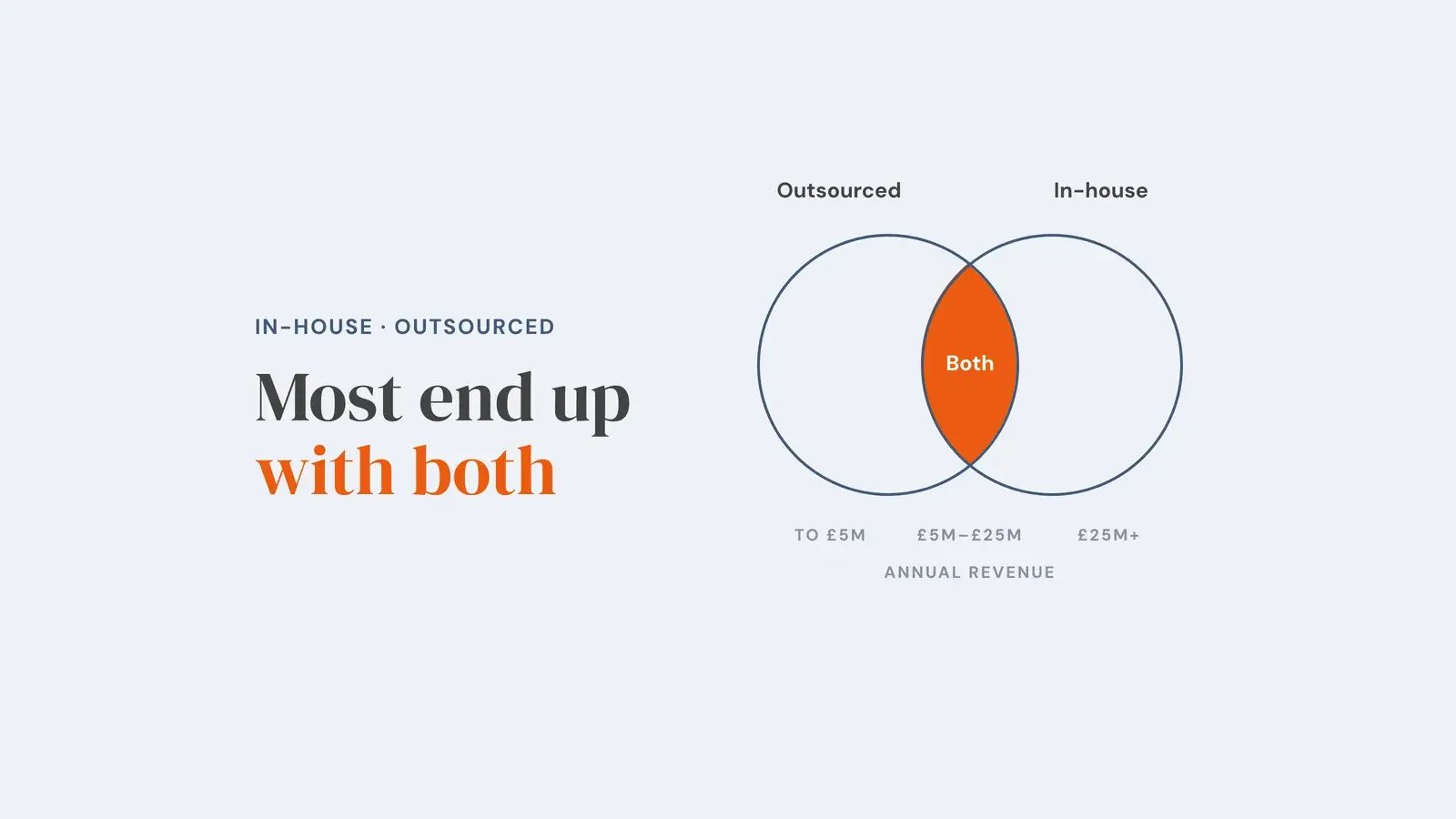
Most successful B2B companies eventually adopt hybrid approaches, combining core in-house capabilities with specialised outsourced functions based on their growth stage and strategic priorities.
When should B2B companies choose in-house marketing teams?
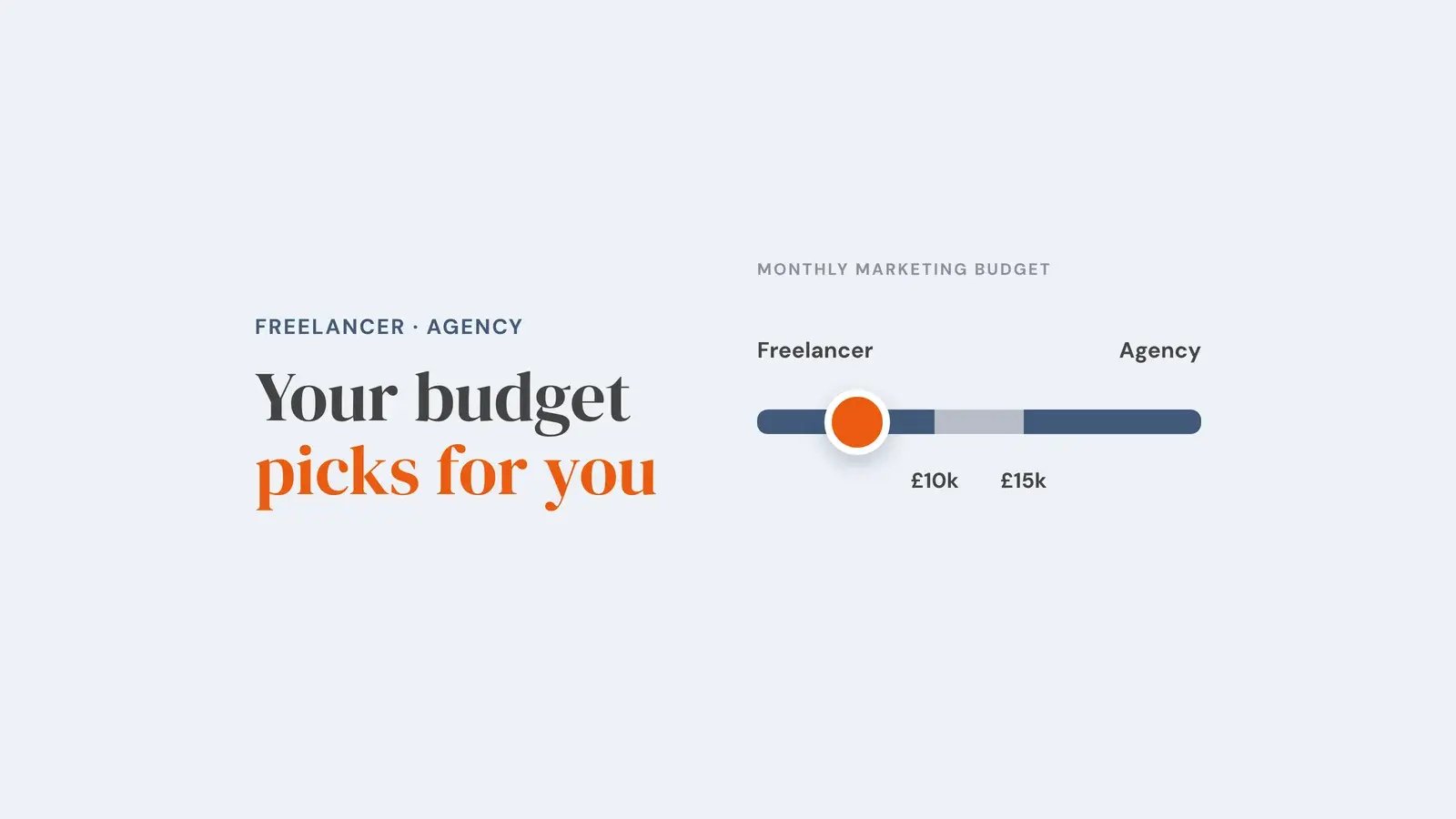
In-house marketing works best for B2B companies with consistent marketing budgets over £500,000 ($625,000) annually, complex products requiring deep industry knowledge, or those prioritising complete control over their marketing strategy.
Companies in highly regulated industries often find in-house teams more effective for long-term growth. Financial services, healthcare, and legal sectors benefit from dedicated staff who understand compliance requirements and can navigate complex approval processes quickly.
Businesses with unique value propositions requiring extensive product expertise also favour internal teams. SaaS companies with complex technical products, manufacturing firms with intricate specifications, and consultancies selling specialised knowledge often need marketers who can speak authentically about detailed product features.
Consider in-house marketing when:
- Your marketing budget exceeds £40,000 ($50,000) monthly
- Product complexity requires 6+ months to understand fully
- Brand messaging needs frequent, rapid adjustments
- Compliance or security concerns limit external partnerships
- Company culture is central to your value proposition
In-house teams provide the deepest product knowledge and fastest response times for companies with sufficient budget and strategic need for complete control.
Benefits of outsourced marketing for B2B growth
Outsourced marketing provides immediate access to specialised expertise, advanced tools, and proven strategies without the overhead costs and time investment of building an internal team.
B2B companies can typically scale their marketing efforts 40-60% faster through outsourcing while maintaining flexibility to adjust strategies based on market conditions. External teams bring established processes, cutting-edge tools, and cross-industry insights that accelerate results.
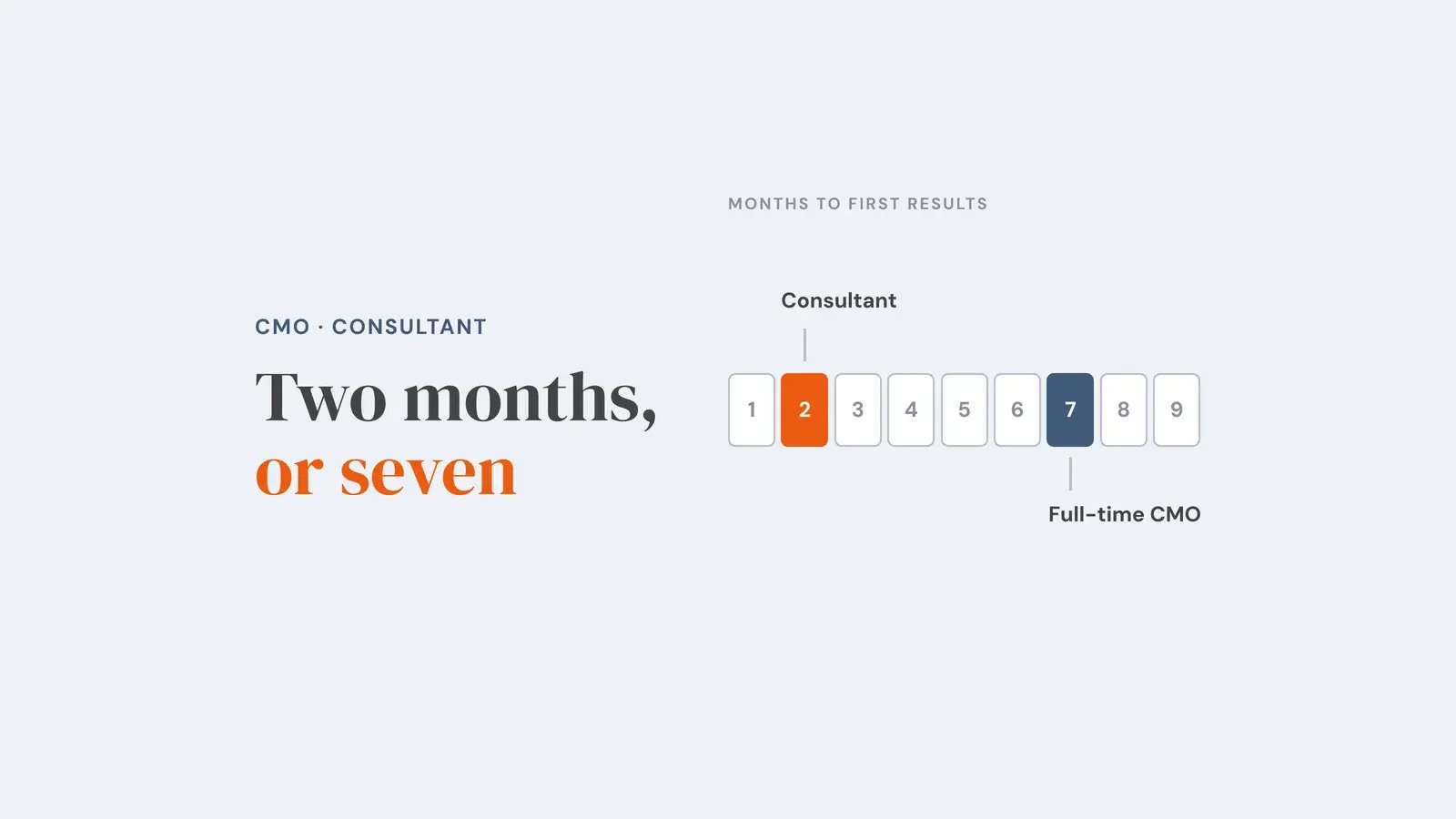
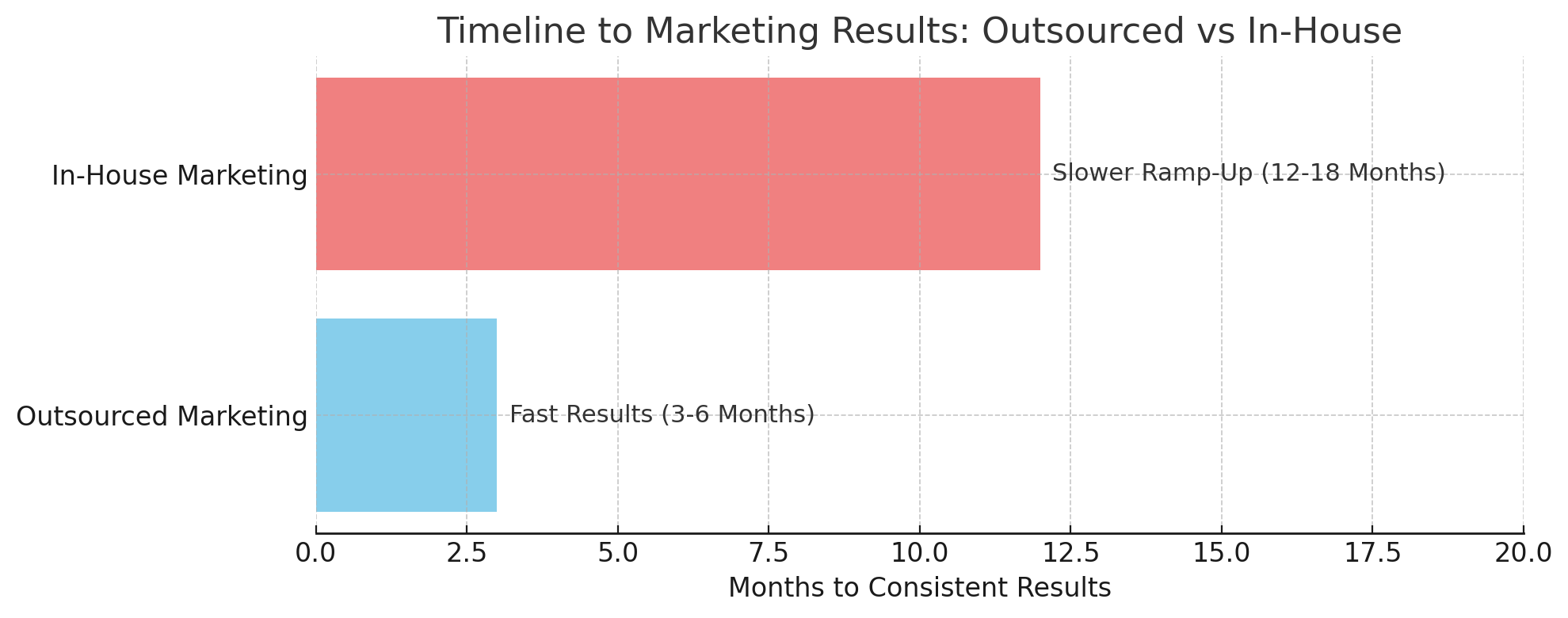
The primary advantage is speed to competency. Building an effective in-house marketing team requires 12-18 months of hiring, training, and system development. Outsourced partners deliver expert-level execution from day one, using proven frameworks and established workflows.
Key outsourcing benefits include:
- Access to senior-level strategists without executive salaries
- Advanced marketing technology stacks (often £10,000+ [$12,500+] monthly value)
- Cross-industry experience and proven methodologies
- Scalable resources that adjust to your growth needs
- Objective external perspective on messaging and strategy
Outsourced marketing particularly benefits companies in growth phases under £50M ($62.5M) annual revenue, where building comprehensive internal capabilities would consume disproportionate resources relative to business size.
In-house vs outsourced marketing costs: Full comparison
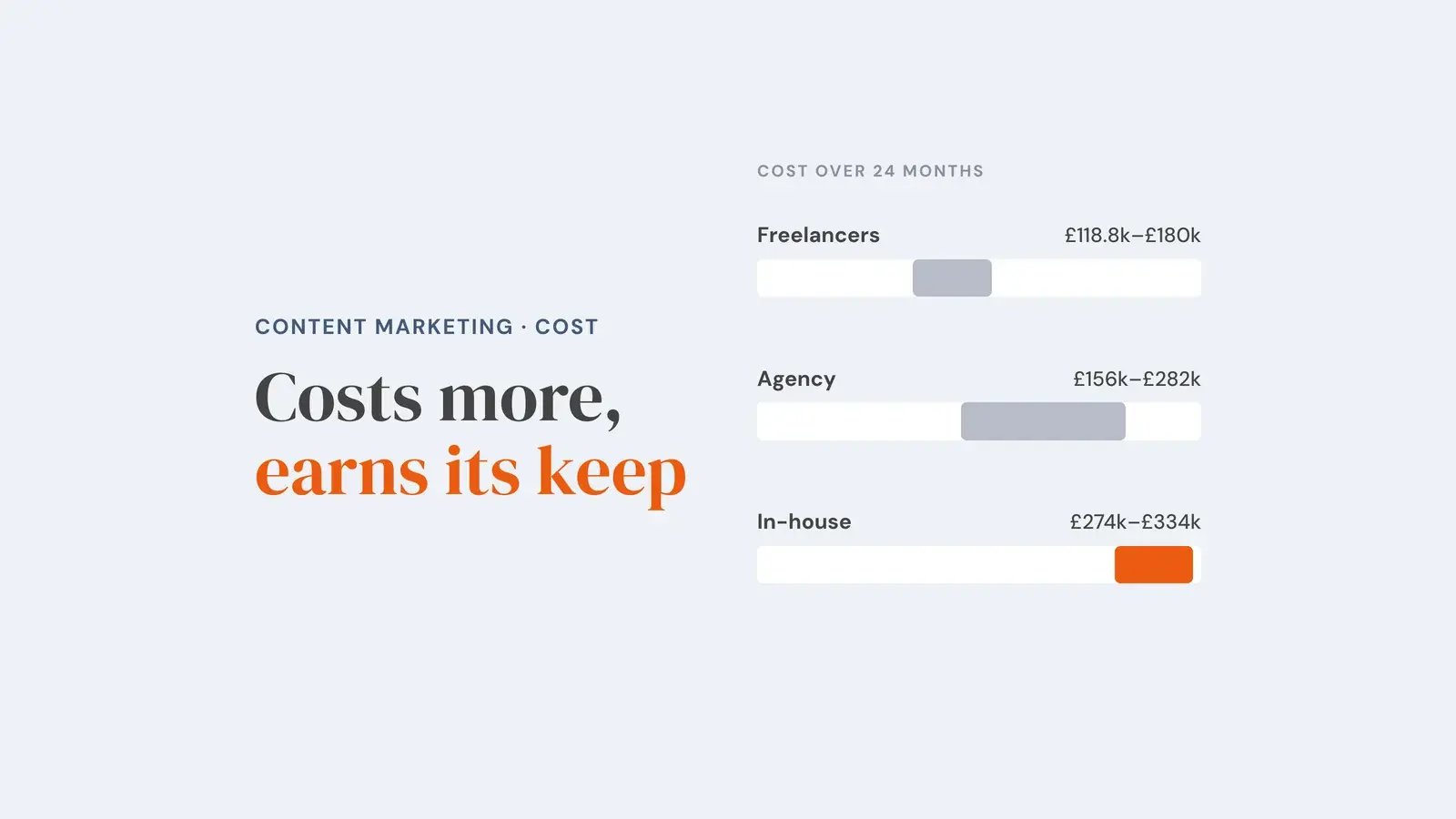
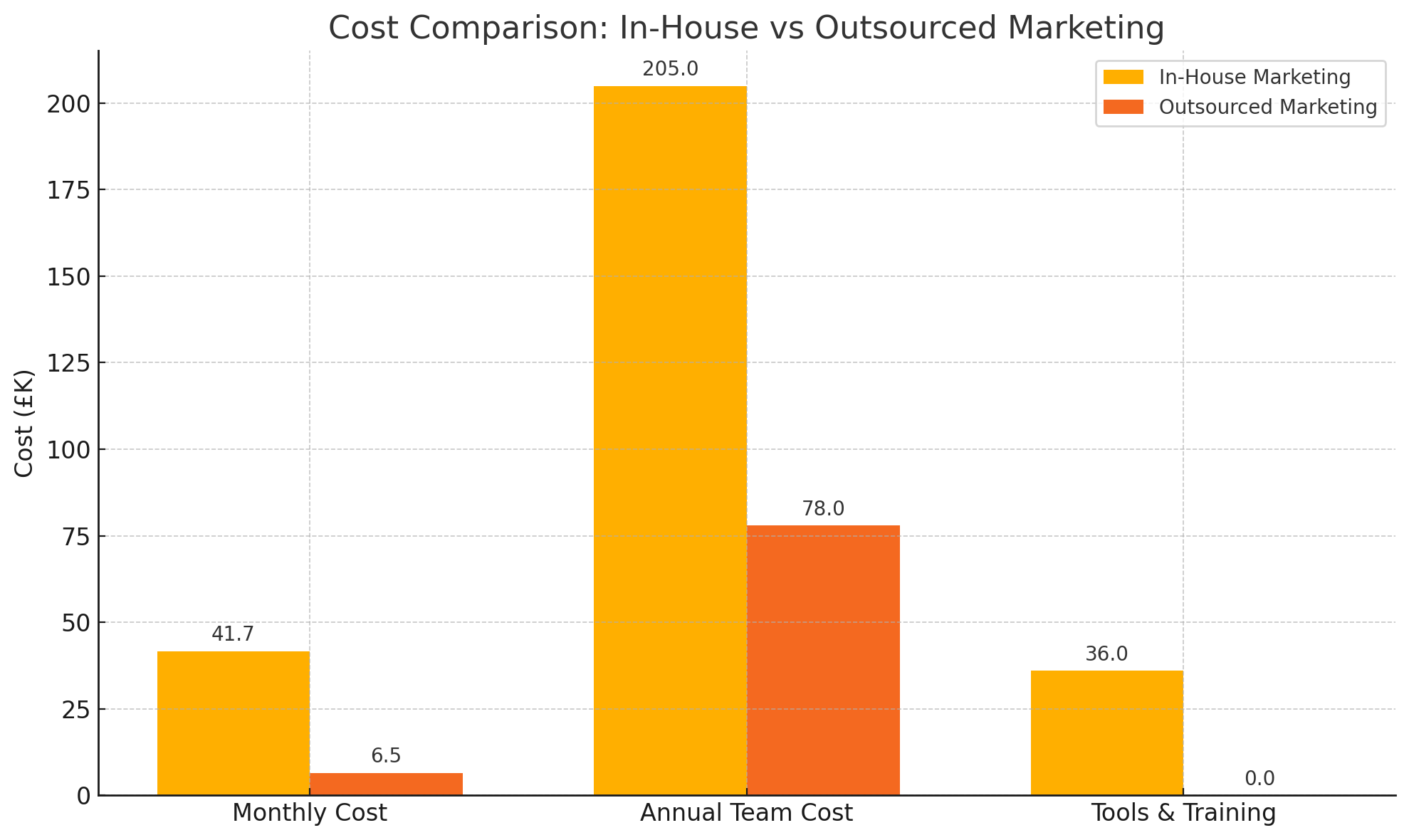
In-house marketing teams typically cost 20-30% more than outsourced solutions when factoring in salaries, benefits, tools, training, and overhead expenses.
The total cost comparison depends heavily on your company size, required expertise level, and whether you need full-time or project-based marketing support. Many companies underestimate the true cost of in-house teams by focusing only on salaries while ignoring benefits, training, tools, and management overhead.
A comprehensive in-house marketing team requires multiple specialists:
| Role | Annual Cost (GBP) | Annual Cost (USD) | Key Responsibilities |
|---|---|---|---|
| Marketing Director | £60,000-£90,000 | $75,000-$112,500 | Strategy, team management, reporting |
| Content Manager | £35,000-£50,000 | $43,750-$62,500 | Blog posts, guides, email campaigns |
| Digital Specialist | £40,000-£60,000 | $50,000-$75,000 | SEO, PPC, social media, analytics |
| Designer | £30,000-£45,000 | $37,500-$56,250 | Graphics, presentations, website updates |
| Total Team Cost | £165,000-£245,000 | $206,250-$306,250 | Plus benefits, tools, training |
Additional costs include:
- Benefits and insurance: 20-30% of salaries
- Marketing tools and software: £2,000-£5,000 ($2,500-$6,250) monthly
- Training and professional development: £2,000-£5,000 ($2,500-$6,250) per person annually
- Office space and equipment allocation
- Recruitment and onboarding costs
Outsourced marketing typically ranges from £3,000-£10,000 ($3,750-$12,500) monthly for comprehensive support, delivering equivalent expertise at significantly lower total investment.
According to Glassdoor salary data, marketing salaries in the UK continue to rise, making the total cost of in-house teams increasingly substantial for mid-market B2B companies.
Skills and expertise: In-house vs outsourced marketing teams
In-house teams excel at deep product knowledge and company culture alignment, while outsourced teams bring cross-industry experience and specialised technical skills across multiple marketing disciplines.
Agencies typically offer access to senior-level strategists and cutting-edge tools that would be cost-prohibitive for most companies to hire or purchase internally. A single agency relationship can provide expertise equivalent to 5-7 specialist roles, from content strategy to marketing automation to performance analytics.
In-house team strengths:
- Deep product knowledge and technical expertise
- Complete understanding of company culture and values
- Direct access to sales teams and customer feedback
- Long-term commitment to brand development
- Immediate availability for urgent projects
- Industry-specific knowledge and relationships
Outsourced team strengths:
- Cross-industry experience and proven methodologies
- Access to expensive tools and advanced technology stacks
- Specialised expertise across multiple disciplines
- Objective perspective on messaging and positioning
- Established processes and quality frameworks
- Continuous learning from diverse client challenges
Most effective B2B marketing combines both approaches; core in-house team members who understand your business deeply, supported by outsourced specialists who bring advanced skills and fresh perspectives.
The expertise gap often becomes apparent in technical areas like marketing automation, SEO, and performance analytics, where agencies maintain cutting-edge knowledge across multiple platforms and industries.
How control and communication differ between in-house and outsourced marketing
In-house marketing provides complete control over strategy, messaging, and execution timelines, with direct communication channels and immediate availability for urgent projects.
Outsourced marketing requires more structured communication processes and shared control over strategic decisions, but offers objective external perspectives and accountability through performance contracts.
Control factors:
In-house control:
- Direct management of daily priorities and resource allocation
- Immediate strategy pivots without external approval processes
- Complete access to proprietary information and systems
- Direct integration with sales and customer service teams
Outsourced control:
- Shared strategic decision-making with expert external perspective
- Structured approval processes that ensure quality and alignment
- Performance-based contracts that drive accountability
- Access to broader industry insights and competitive intelligence
Communication considerations:
In-house teams enable spontaneous collaboration; quick hallway conversations, immediate feedback loops, and real-time strategy adjustments. This works well for companies requiring rapid response to market changes or internal developments.
Outsourced teams operate through structured communication frameworks—regular review meetings, documented strategy sessions, and formal reporting cycles. While less spontaneous, this structure often produces better strategic thinking and measurable results.
The communication challenge with outsourced teams centres on ensuring external partners understand your business context as deeply as internal staff. Successful partnerships require significant upfront investment in briefing and ongoing education about company culture, customer nuances, and market positioning.
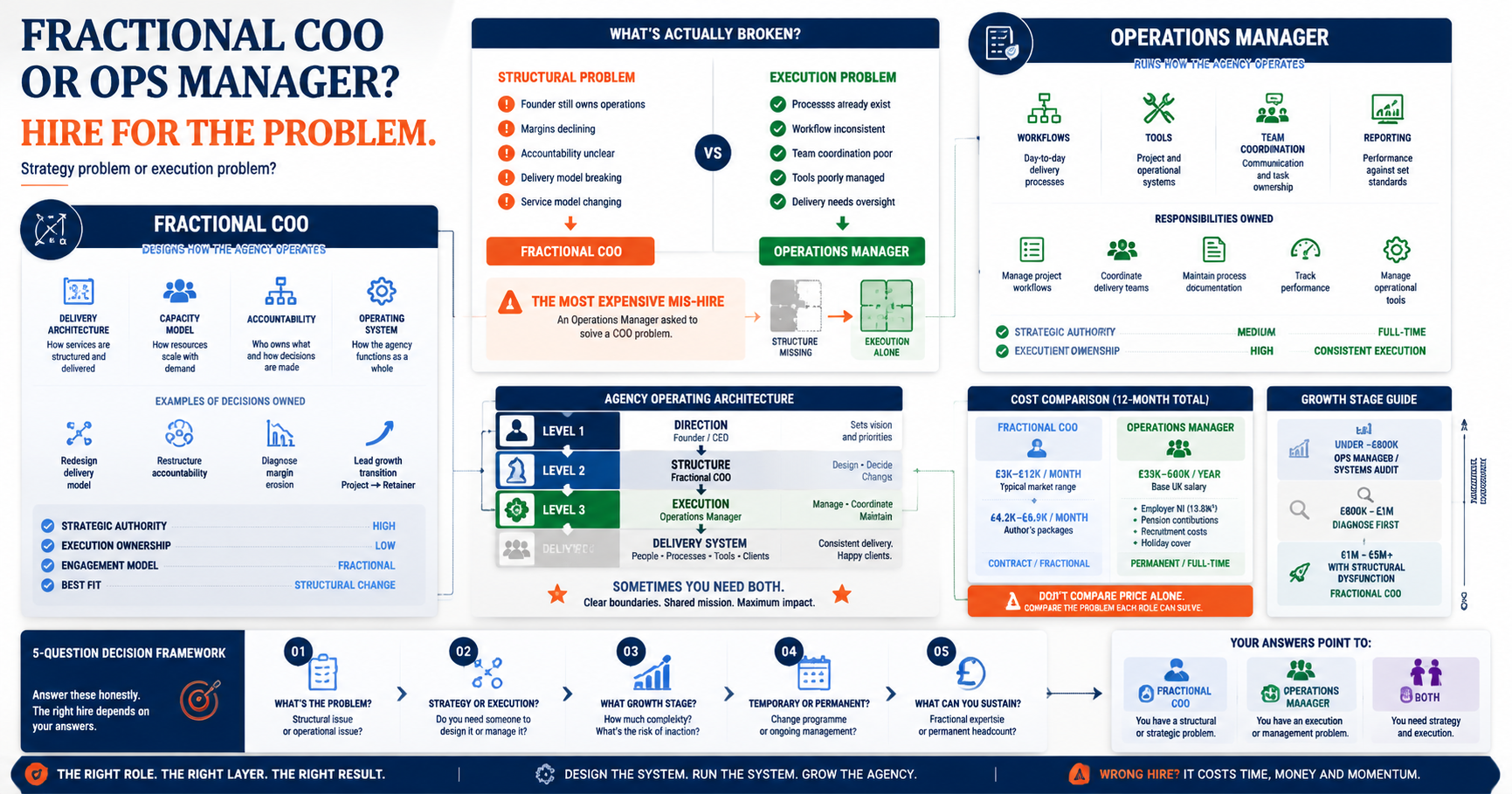
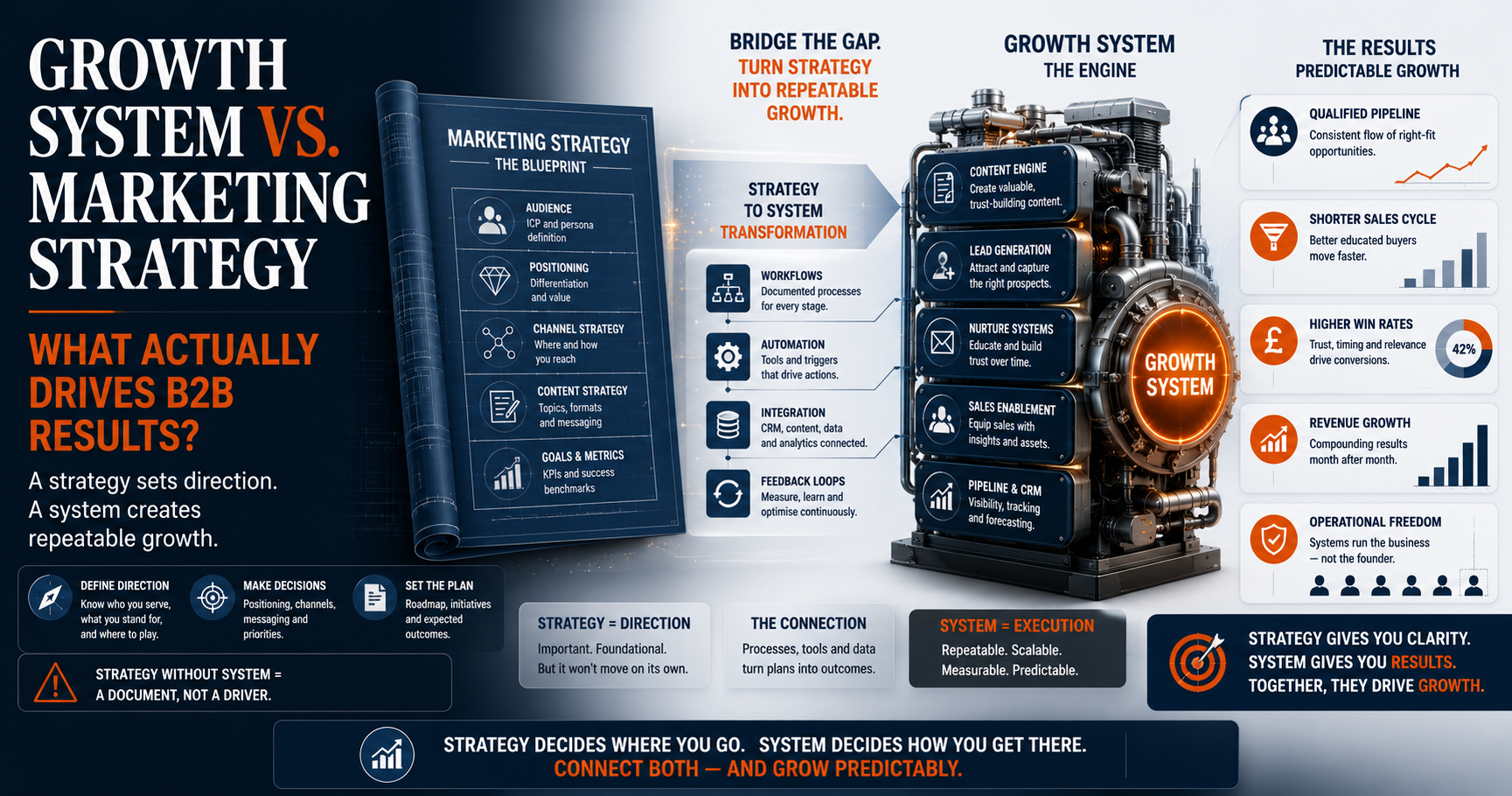
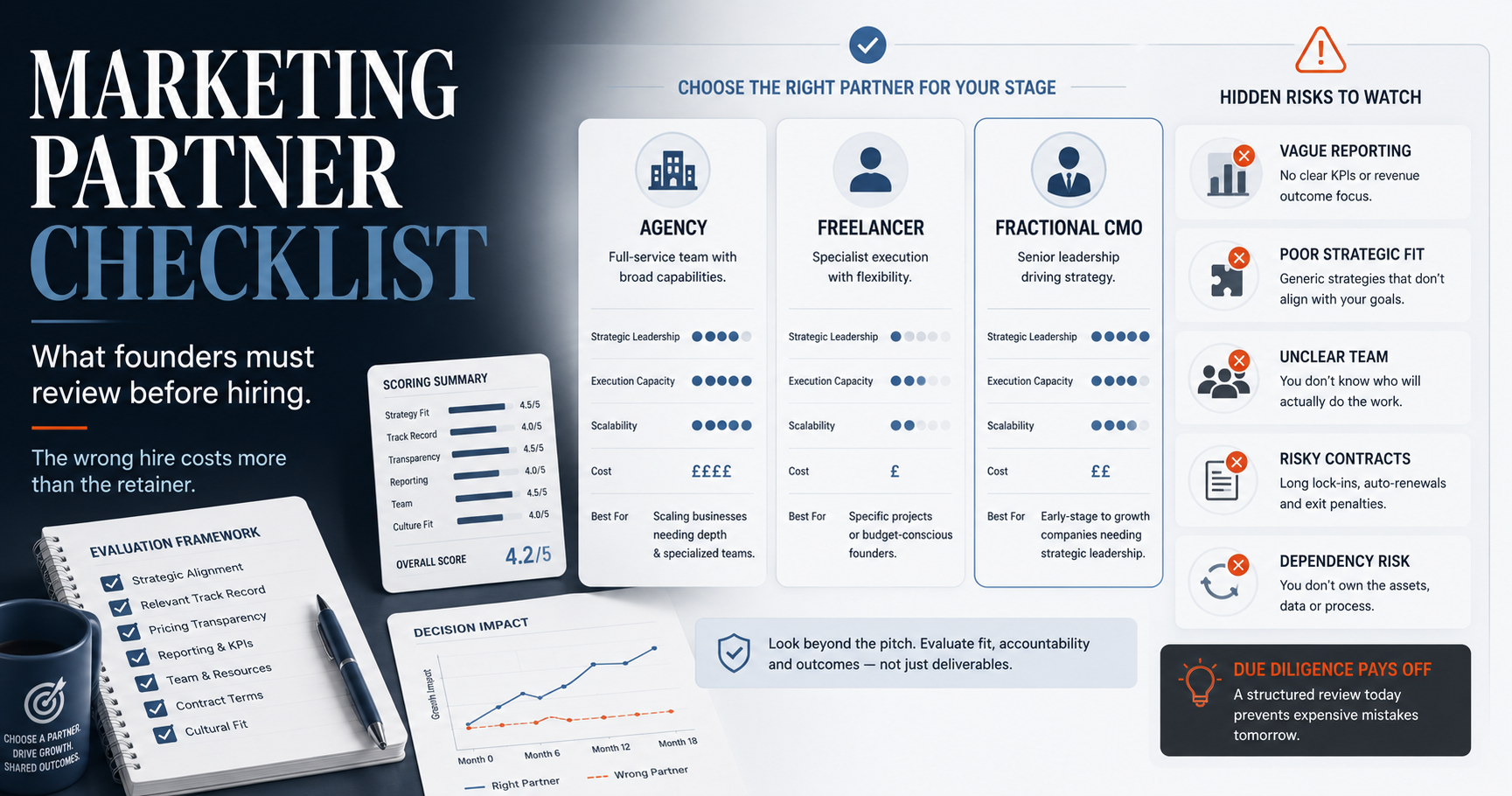
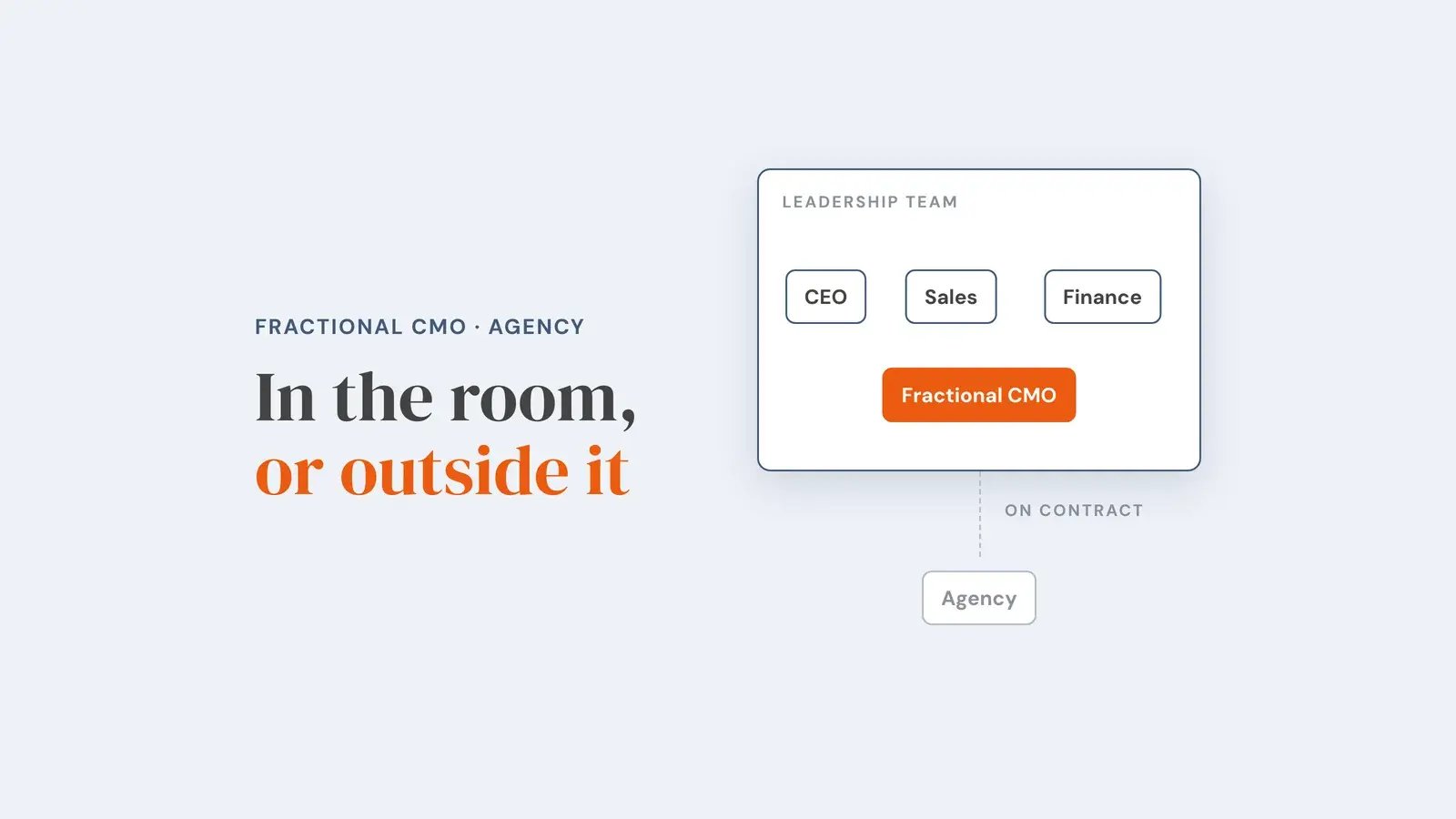
If you need strategic leadership without building an entire team, my Fractional Marketing Director service bridges this gap by providing senior-level expertise with flexible engagement.
Which approach scales better for growing B2B companies?
Outsourced marketing typically scales more efficiently in the early to mid-growth stages (under £50M [$62.5M] revenue), while in-house teams become more cost-effective and strategic for larger enterprises with established market positions.
The optimal approach often involves a hybrid model that combines core in-house capabilities with specialised outsourced functions based on specific growth objectives and resource constraints.
Scaling considerations by business stage:
Startup to £5M ($6.25M) revenue:
- Outsourced marketing provides fastest path to professional execution
- Limited budget requires maximum expertise per pound invested
- Flexibility to adjust strategies based on rapid market learning
- Access to proven frameworks without development time
£5M to £25M ($6.25M to $31.25M) revenue:
- Hybrid approaches become optimal—core in-house staff with outsourced specialists
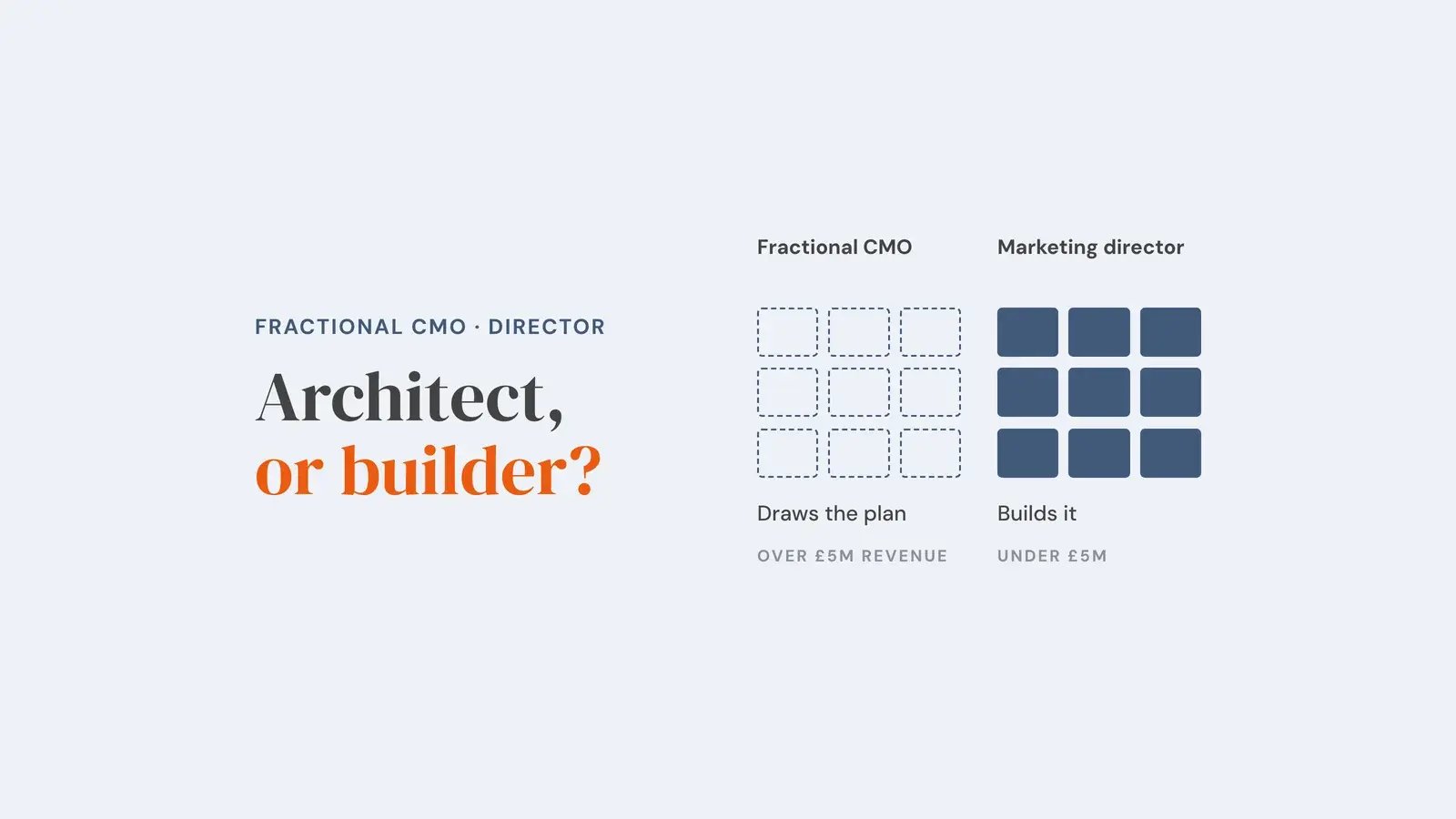
- Sufficient scale to justify key internal hires (Marketing Director level)
- Specialised outsourcing for technical functions (SEO, PPC, automation)
- Balance of control and expertise drives sustainable growth
£25M+ ($31.25M+) revenue:
- In-house teams become cost-effective for core functions
- Outsourced partners focus on strategic consulting and specialist projects
- Internal capabilities support company-specific competitive advantages
- Scale enables investment in advanced tools and senior talent
Scalability factors that favour outsourcing:
- Rapidly changing market conditions requiring agile response
- Multiple geographic markets needing local expertise
- Complex B2B sales cycles requiring sophisticated nurturing
- Technical products needing varied specialist knowledge
The most successful scaling approach combines internal strategic leadership with external execution expertise, evolving the balance as companies grow and develop internal capabilities.
.png?width=2379&height=979&name=Team%20Structure%20%26%20Costs%20by%20Business%20Size%20(GBP).png)
Key decision factors for choosing your B2B marketing approach
The decision should be based on your current revenue stage, marketing budget, industry complexity, required speed to market, and long-term strategic goals.
Most successful B2B companies evaluate factors including available internal talent, budget predictability, competitive situation, and the importance of marketing to their overall business strategy.
Primary decision framework:
Financial readiness:
- Can you sustain £200,000+ ($250,000+) annually in total marketing team costs?
- Do you have 12-18 months to build internal capabilities?
- Is your marketing budget predictable and growing?
Strategic requirements:
- Does your product require deep technical knowledge to market effectively?
- Are compliance or security concerns central to your business?
- Do you need rapid pivots based on market feedback?
Organisational factors:
- Do you have leadership capacity to manage marketing teams?
- Can you attract senior marketing talent in your location?
- Is marketing a core competitive advantage for your business?
Market dynamics:
- How quickly are your competitors developing their marketing?
- Do you need to scale marketing efforts rapidly?
- Are there seasonal or cyclical demands affecting your marketing?
Decision matrix:
| Factor | In-House Better | Outsourced Better |
|---|---|---|
| Budget | £500K+ ($625K+) annually | £3K-£15K ($3.75K-$18.75K) monthly |
| Timeline | 18+ month horizon | 3-6 month results needed |
| Product Complexity | Highly technical/regulated | Standard B2B offerings |
| Control Needs | Complete oversight required | Results-focused approach |
| Talent Access | Strong local market | Limited internal expertise |
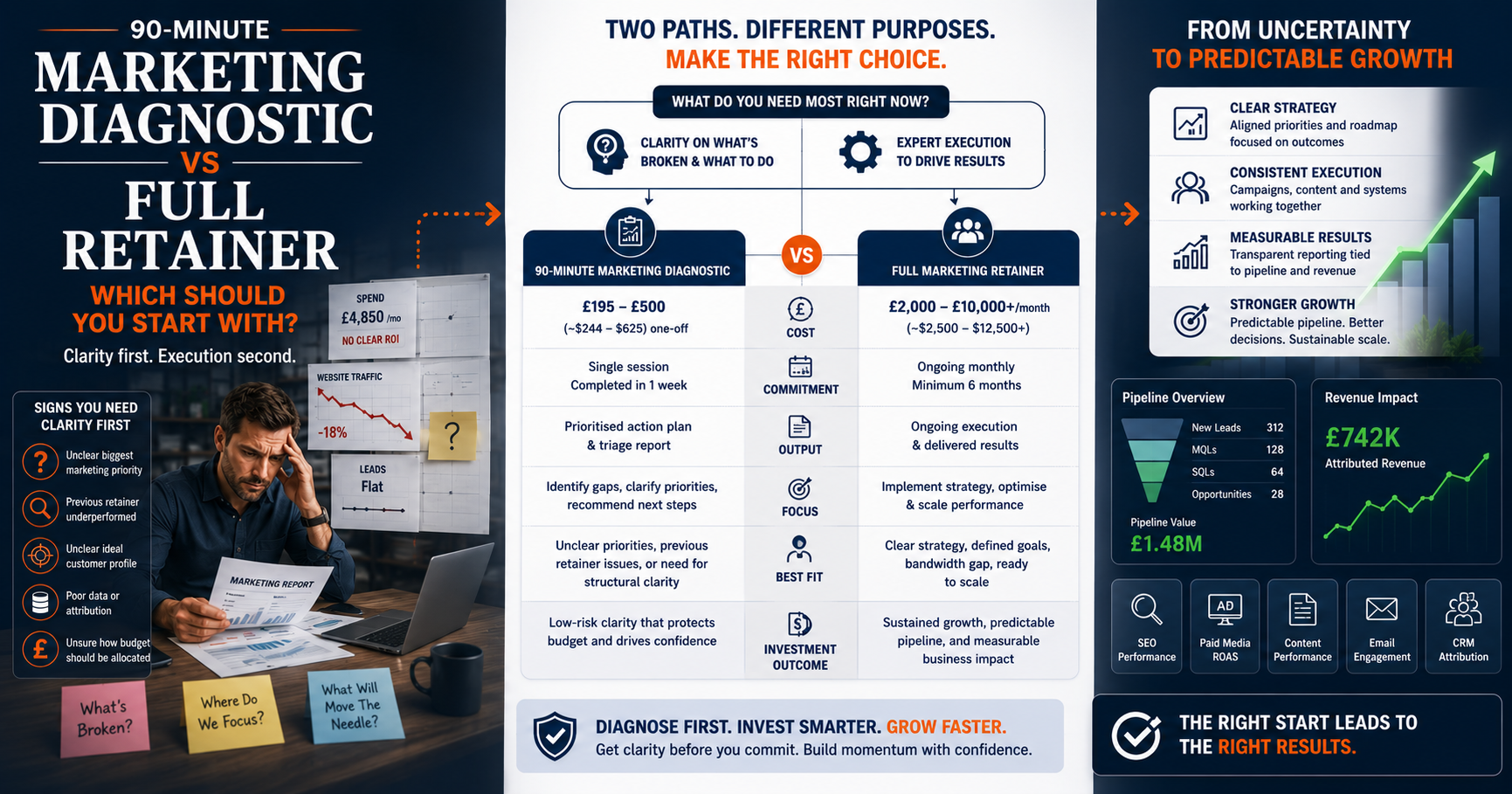
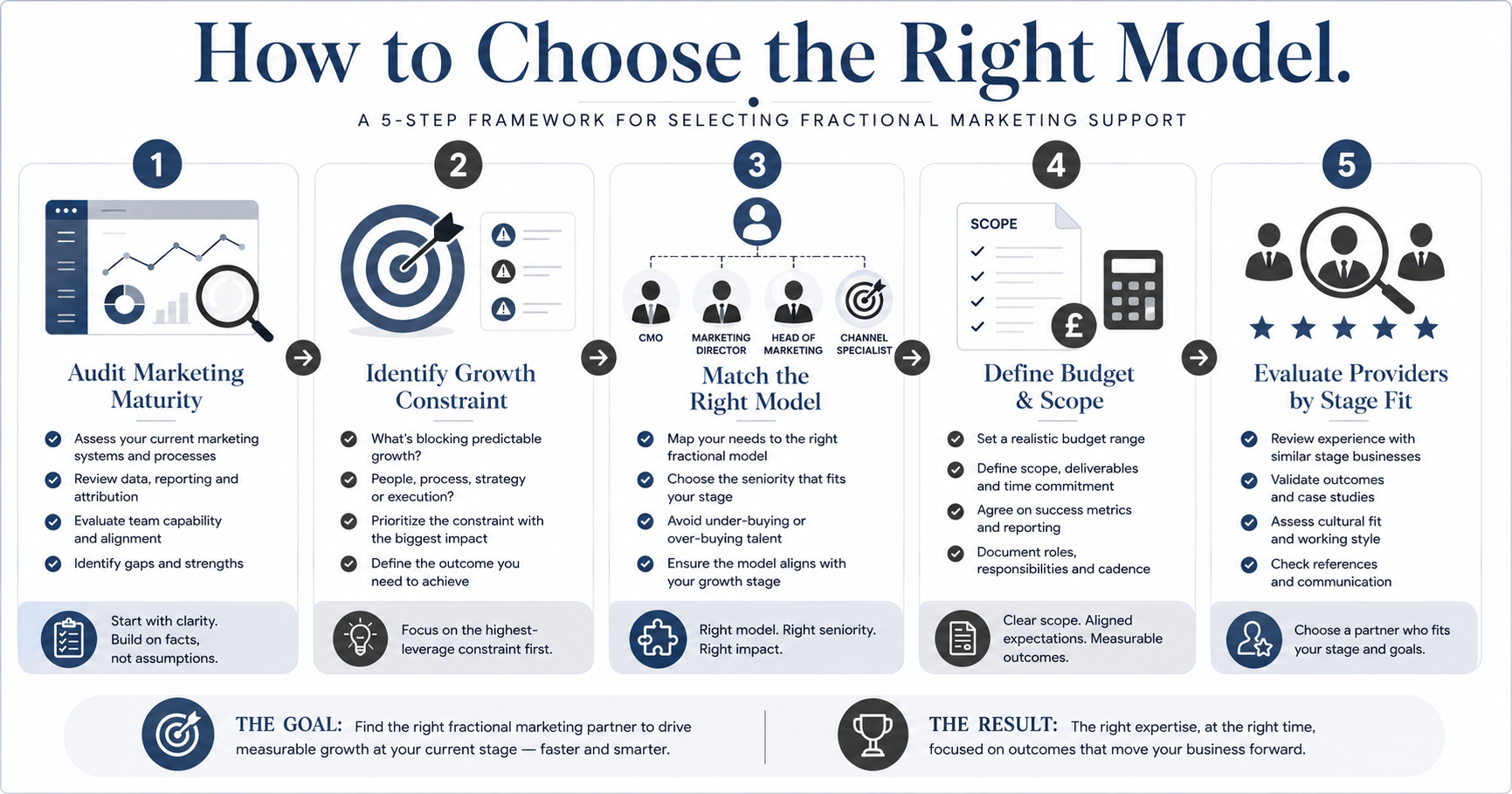
The most effective decision process involves assessing your current capabilities honestly, defining clear success metrics, and choosing the approach that best aligns with your growth timeline and budget constraints.
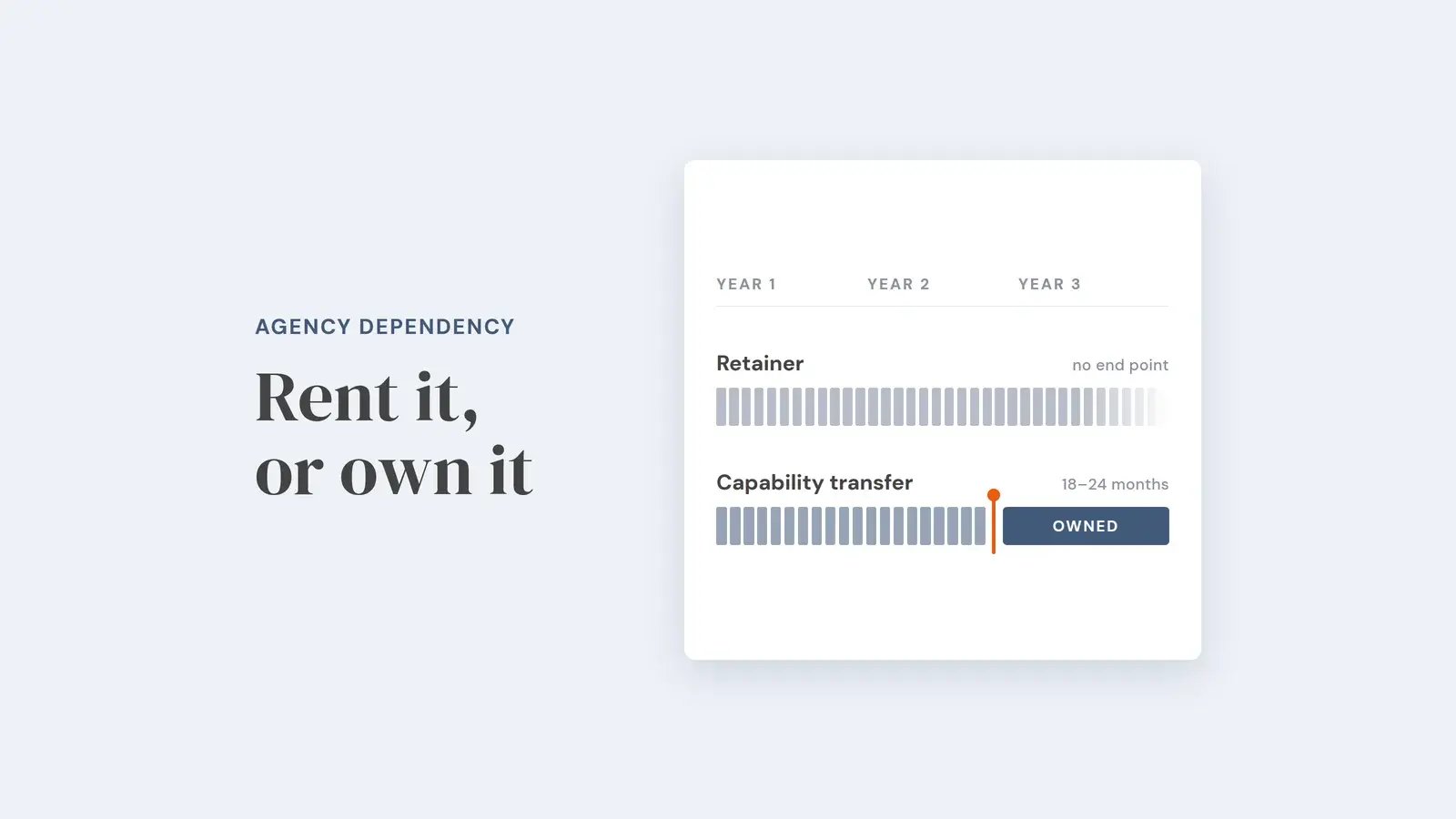
Many companies find that starting with outsourced support while building internal strategic capabilities provides the optimal balance of speed, expertise, and long-term control.
My Company Alignment Workshop helps you evaluate exactly which structure works best for your business stage and growth objectives.
Which approach is right for you? It depends!
You've seen the real differences between in-house and outsourced marketing, from costs and expertise to control and scalability. The truth is, most B2B companies hit this decision point when they're spending money on marketing but not seeing clear returns or sustainable growth.
Now you know the budget thresholds, the hidden costs, and the strategic factors that matter. These three factors, your business stage, product complexity, and growth timeline, will guide your decision.
Here's what to do next: Assess your current situation honestly. Where are you today? Where do you want to be in 12 months? What budget can you commit consistently? Those answers will show you whether in-house, outsourced, or hybrid makes sense right now.
If you're unsure about the best path forward, my Company Alignment Workshop can help you define the right strategy and structure for scalable growth. We'll look at your specific situation and map out exactly what marketing support will deliver the results your business needs.
The right marketing structure creates trust and drives measurable revenue growth. Whether you build internally, partner externally, or combine both, the goal stays the same: marketing that works for your business and brings you the customers you deserve.
My marketing services help B2B companies build trust and drive sustainable growth, whether through hands-on execution, strategic guidance, or team training. Let's explore how strategic marketing support could accelerate your B2B growth while building lasting customer relationships.

Topics: