

Has your team published a handful of articles and then gradually gone quiet? Are you wondering why a strategy that started with real energy has run out of steam before it built any meaningful traction?
Here is what most businesses discover too late: three articles followed by silence is not a content strategy; it is a content experiment, and one that quietly costs you buyer trust, search visibility, and AI discoverability every week it sits idle.
I've seen this pattern play out with founder-led B2B businesses more times than I can count. As one of the UK's first five certified Endless Customers™ coaches, trained directly under Marcus Sheridan, diagnosing and rebuilding stalled content programs is core to my work.
This article is for founders and marketing leads who have launched a content program and hit a wall. You will leave with a diagnosis of why it happened, what it is costing you, and a five-step plan to fix it.
Key takeaways
- A content program stall happens when a team publishes a burst of articles and then stops, often within weeks of launching, and it is extremely common.
- The six root causes are: no dedicated owner, no content backlog, no fixed cadence, no subject matter expert (SME) involvement, a perfectionism mindset, and over-reliance on outsourced writers.
- Outsourced content almost always leads to stalls because external writers lack the internal knowledge buyers are looking for.
- A minimum of three published pieces per week is required to build compounding search and AI visibility.
- Restarting a stalled program requires structural fixes, not more motivation.
What is a content program stall, and why is it so common?
A content program stall happens when a team publishes an initial burst of articles and then loses momentum, falling back to sporadic or zero output within weeks or months of launching.
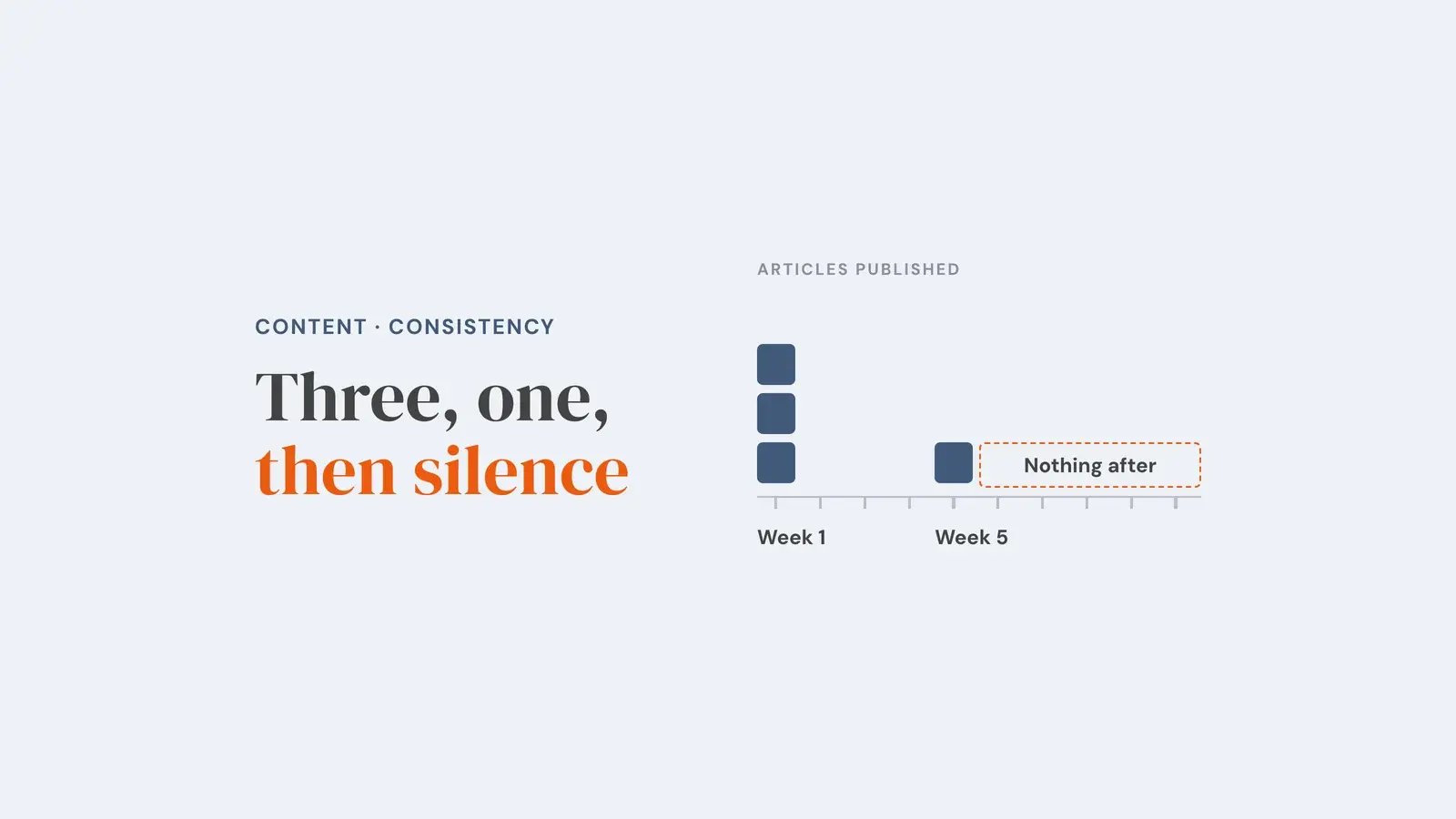
It follows a recognisable pattern:
- 3 articles in week one
- One more four weeks later
- Nothing after that
It is one of the most predictable failure patterns in content marketing, not because the strategy is flawed, but because the operational infrastructure to sustain it was never built in the first place.
Content creation looks like a project. It is not. It is a permanent function that needs ownership, structure, and a consistent rhythm, the same way sales or customer service does. Without those foundations, even the most committed team will grind to a halt.
-3.png?width=1693&height=929&name=Generated%20image%201%20(1)-3.png)
Why do most teams stop publishing after the first few articles? The 6 root causes
Most teams stall because content was launched as a one-time project rather than a permanent function, with no dedicated owner, no editorial calendar, and no system to keep production moving when business gets busy.
The six root causes of a content stall are:
- No dedicated owner: Content gets distributed across people who already have full-time roles
- No content backlog: Teams start thinking about the next article only after the last one is live
- No locked-in publishing cadence: Content production has to compete with everything else
- No subject matter expert (SME) involvement: Writers have no access to the front-line knowledge buyers are actually looking for
- A perfectionism mindset: Teams wait for perfect before publishing, which slows output to a trickle
- Over-reliance on outsourced writers: External writers lack the authenticity, speed, and first-hand expertise that in-house production provides
Each of these root causes can stall a program on its own. All six together guarantee it.
What does a content stall actually cost your business?
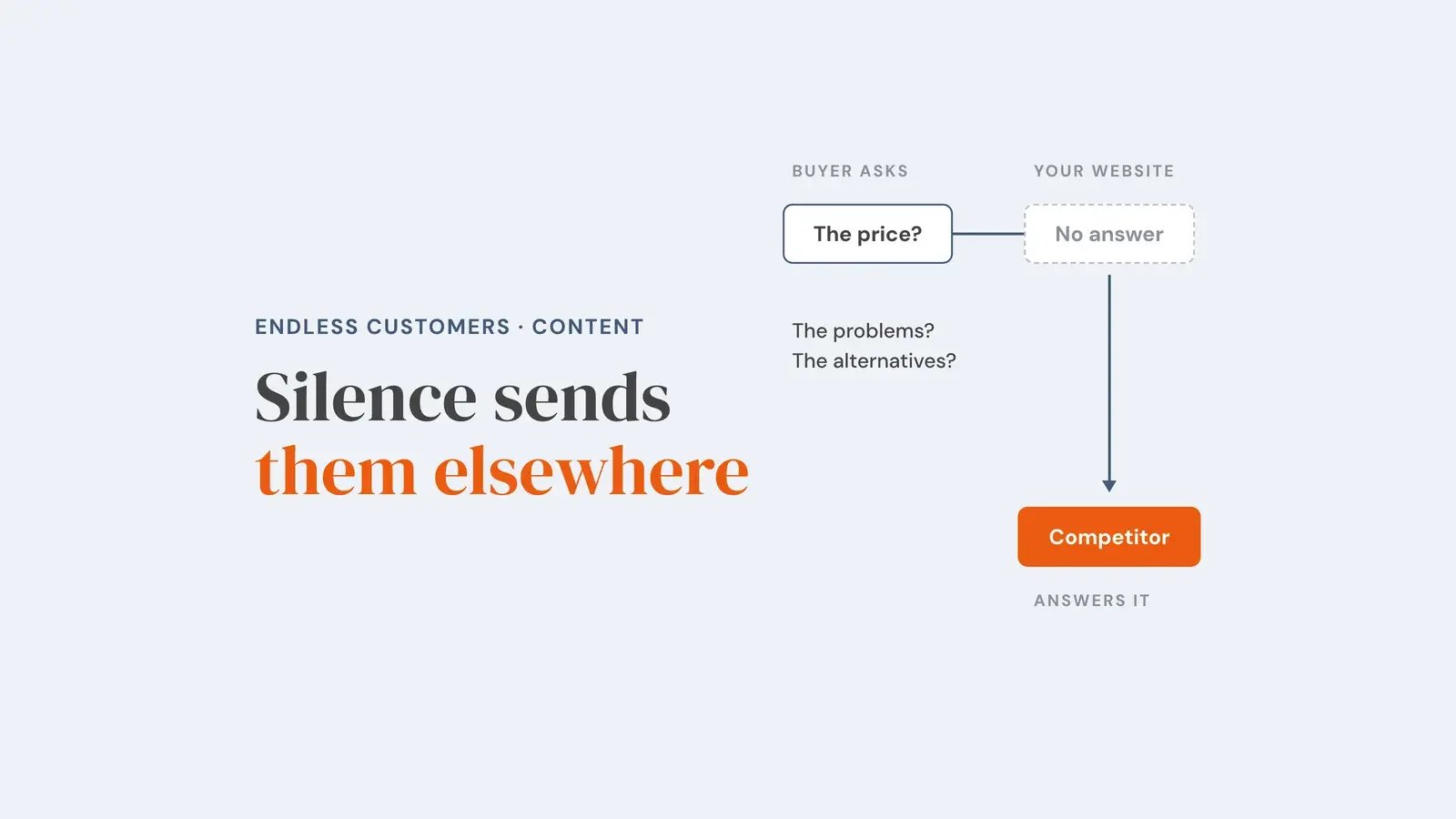
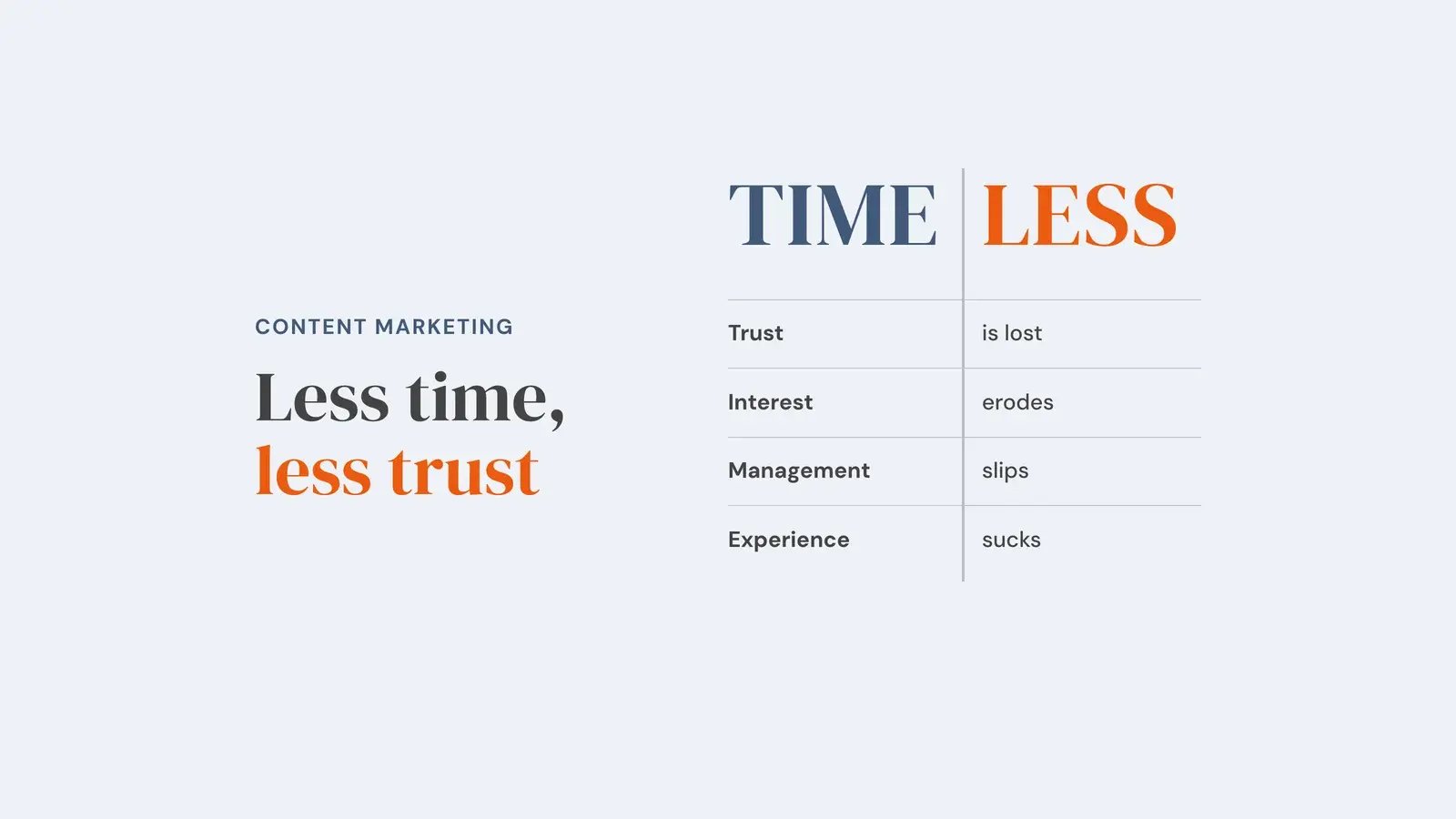
Every week a content program goes dark, your business loses ground; buyers who cannot find answers from you will find them from a competitor who is still publishing.
-3.png?width=1536&height=1024&name=Generated%20image%201%20(2)-3.png)
The cost is threefold: reduced search visibility, diminished AI recommendation engine presence, and eroded buyer trust that takes far longer to rebuild than it took to lose.
There is no neutral position. While your program is paused, your competitors are compounding.
Related reading: The Hidden Costs of Ignoring the Endless Customers System
Outsourcing vs. in-house content: Which approach keeps momentum?
Outsourcing content creation almost always leads to stalls, because external agencies and freelancers lack the subject matter expertise, authenticity, and speed that only your internal team can provide.
That's a strong claim, and it's worth naming: my work is built around helping teams take content in-house, so I have a clear point of view here. But it's a pattern I've watched repeat consistently across founder-led businesses, not a sales pitch dressed as an insight.
-2.png?width=1536&height=1024&name=Generated%20image%201%20(3)-2.png)
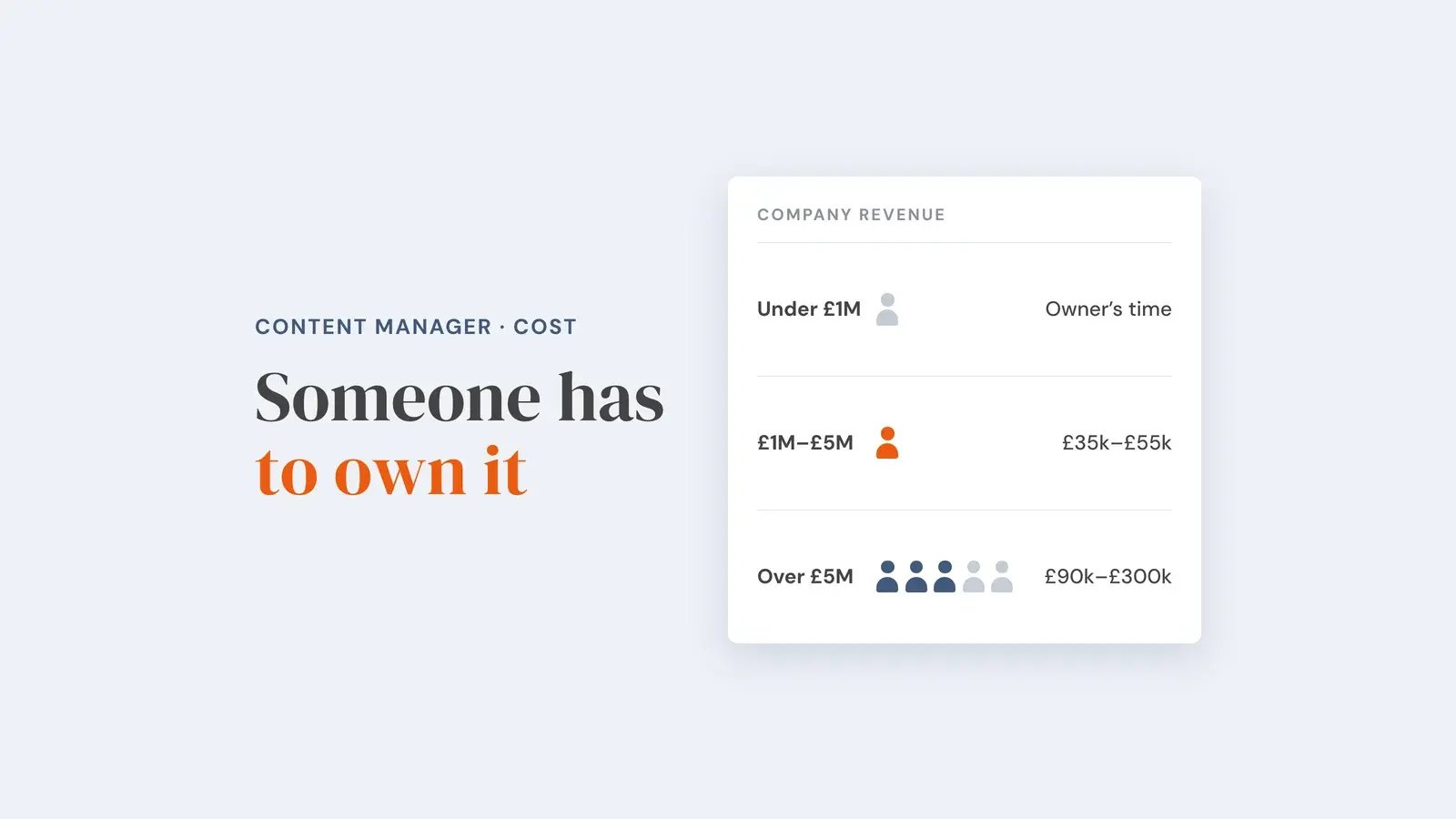
In-house production, led by a dedicated Content Manager who interviews internal SMEs, is consistently the approach that sustains publishing momentum. The Content Manager's job is not to know everything; it is to extract what your team knows and turn it into content your buyers are already searching for.
Related reading: Endless Customers First Hire: Why a Content Manager Always Wins
How do you restart a stalled content program? A 5-step plan
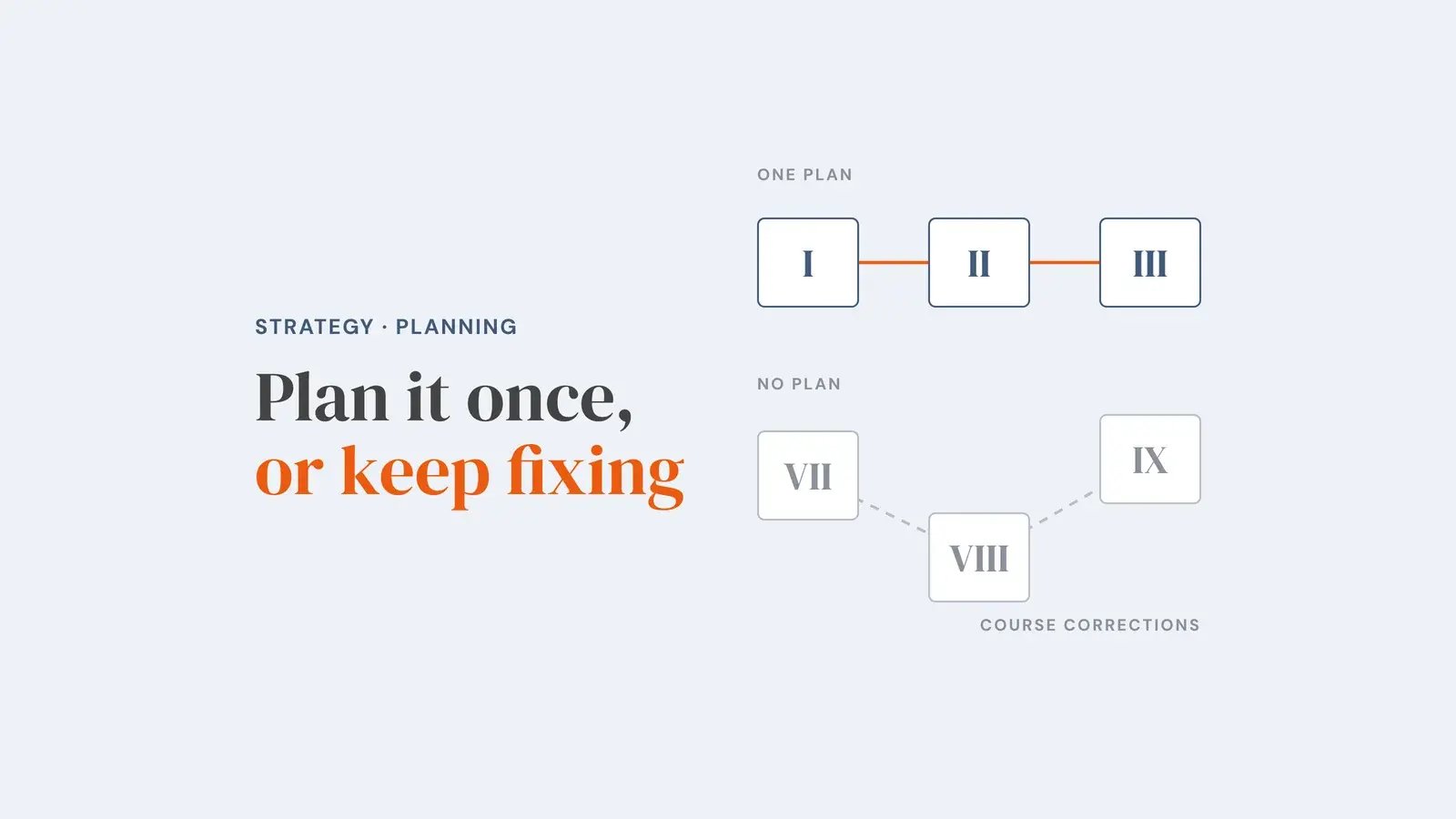
Restarting a stalled content program requires five concrete steps; each one directly eliminates a root cause of stalling, giving the program structural support rather than relying on willpower.
- Assign a single dedicated owner: One person is accountable for content production end to end. No shared ownership.
- Build a 5–10 article backlog before resuming publication: Never publish live without scheduled articles already queued behind it.
- Lock in three articles per week as a minimum: Non-negotiable, regardless of workload elsewhere in the business.
- Activate your sales team as SMEs: Structured interviews between the Content Manager and salespeople replace the need for external writers to have expert knowledge.
- Run a weekly Revenue Team meeting: A regular rhythm across marketing, sales, and leadership that aligns content priorities to buyer questions and pipeline reality.
.png?width=1672&height=941&name=Generated%20image%201%20(4).png)
What does a sustainable content publishing system actually look like?
A sustainable content system publishes at least three new pieces per week, maintains a rolling 5–10 article backlog at all times, and is anchored by a full-time Content Manager extracting insight from internal SMEs.
Companies that maintain this pace will publish over 150 pieces of content in their first year, building a trust-generating content library that compounds in both search rankings and AI recommendation engine visibility.
The goal is not more content. It is a system that makes consistent publishing the default, so output does not depend on whoever had spare time that week.
FAQ: Common questions about content program stalls
How long before content starts producing results?
Most businesses see early traction in search and AI visibility within 3–6 months of consistent publishing. The compounding effect accelerates from month six onwards as each new piece builds on existing authority.
What if we cannot afford a full-time Content Manager?
A dedicated Content Manager in the UK/US typically costs between £28,000–£40,000 ($35,000–$50,000) per year; this is an estimate based on mid-level marketing hire benchmarks and should be verified against current market data for your sector. Compare that figure against what you are currently spending on agencies that are not delivering sustained output. The case for in-house usually becomes clear quickly.
How many articles do we need before we have a real content program?
Fewer than 50 published articles is unlikely to generate meaningful, consistent traffic. Target 20 pieces in the first 90 days as a foundation and build steadily from there.
What topics should we prioritise when restarting?
Start with The Big 5 categories: Cost, problems, comparisons, best-in-class, and reviews. These are the questions buyers are already searching for and that your sales team already answers on every call.
Can AI tools help maintain publishing consistency?
AI tools can support research and first-draft production, but they cannot replicate content grounded in genuine team expertise. Use them to speed things up, not to replace SME input; buyers can tell the difference.
Where to go from here
You now understand the six root causes, what a stall costs your business in trust and visibility, and why outsourced content rarely solves the problem. Build the structure that makes consistent publishing the default, not the exception.
How to take action now
- Identify who will own content in your business, full-time, from today
- Schedule your first SME interview with a member of your sales team this week
- Build a 5–10 article backlog before publishing anything new
- Set a minimum of three articles per week and protect it from competing priorities
- Book a Growth Alignment Intensive™ to align your leadership, sales, and marketing teams before building the content engine on a fractured foundation
Related reading: Endless Customers First 90 Days: The Proven Implementation Structure
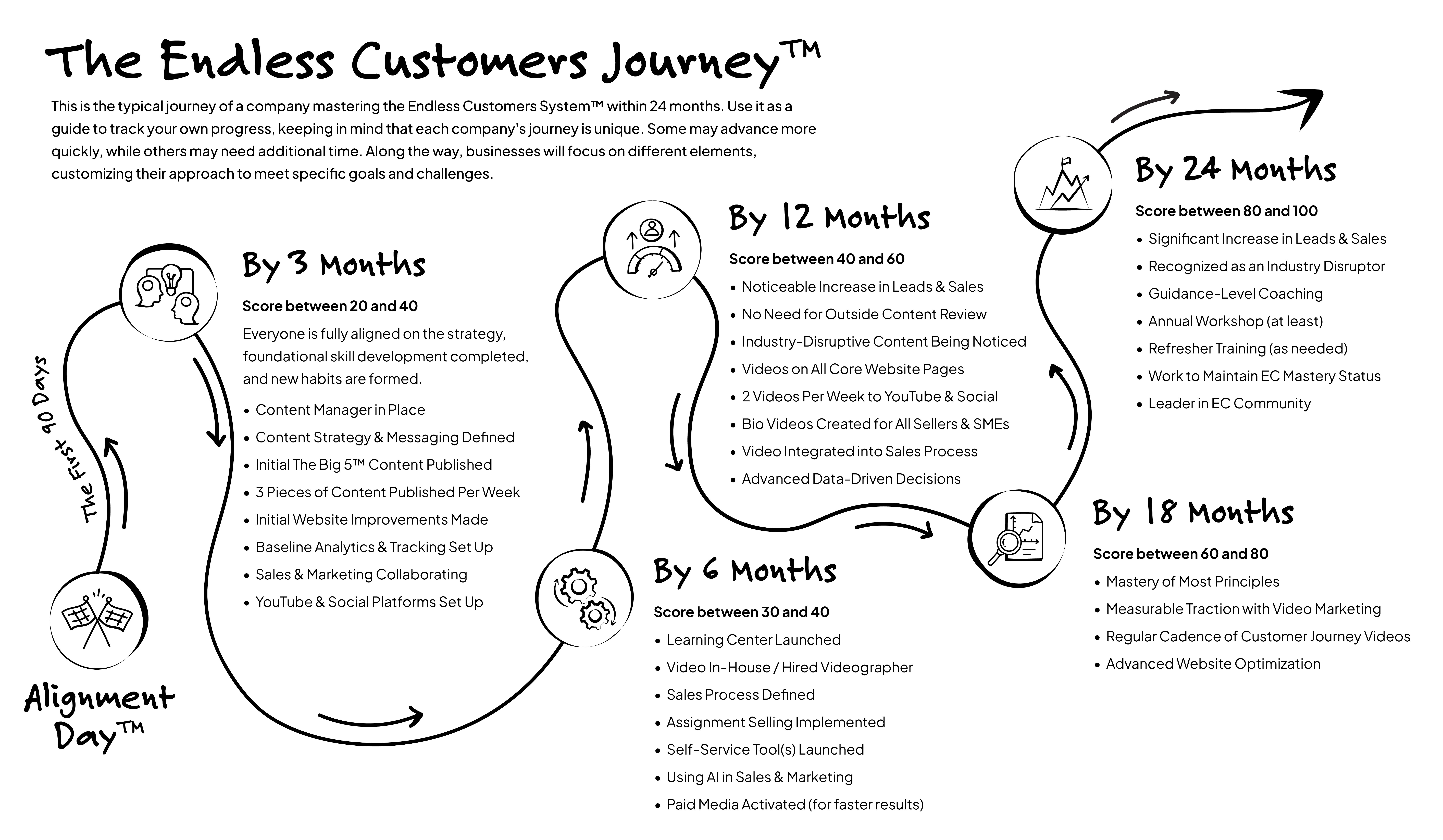
If you are ready to build a content system your team owns and sustains, rather than one that stalls every time business gets busy, my Endless Customers™ Implementation programme installs the structure, trains your people, and transfers full capability in-house over 18–24 months.

About the author
Tom Wardman is a fractional marketing consultant and one of the UK's first five certified Endless Customers coaches, trained directly under Marcus Sheridan. He works with founder-led B2B businesses to replace agency dependency with self-sufficient growth systems their teams own and operate. His services include the Endless Customers™ Implementation programme and the Growth Alignment Intensive™.
Pricing disclaimer: All GBP–USD price conversions are rounded estimates and correct at the time of publishing, converted at £1 = $1.25. Exchange rates fluctuate and figures should be treated as indicative only.
Topics: