

Can your team run the Endless Customers System™ without outside help? And what does it cost you if you start, stall, and lose a year finding out?
This article compares DIY and coached execution across cost, internal time, speed and stall risk. You will get an honest comparison table, the three levels of support that sit between the two extremes, and a decision framework you can apply to your own business this week.
It is written for in-house teams who already have full diaries, whether you have read the book or are still deciding whether the system is right for you.
Key takeaways
- You can implement the Endless Customers System™ yourself. The book is deliberately simple, and many businesses have run it with no outside help.
- DIY and coached execution are two ends of a spectrum, not two options. Most businesses sit somewhere in the middle.
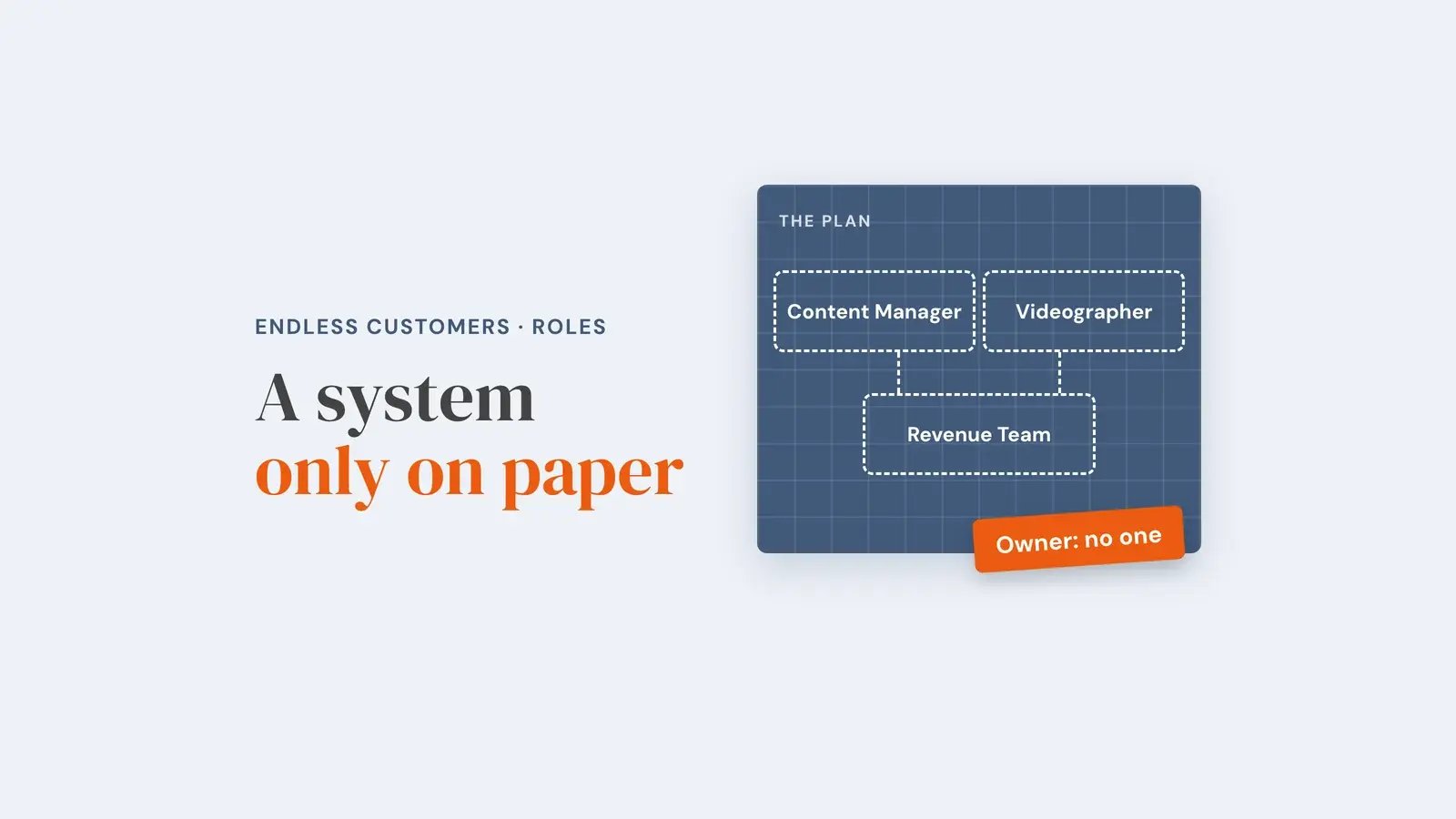
- Busy teams rarely fail on understanding. They fail on ownership; when nobody owns content production, it stops.
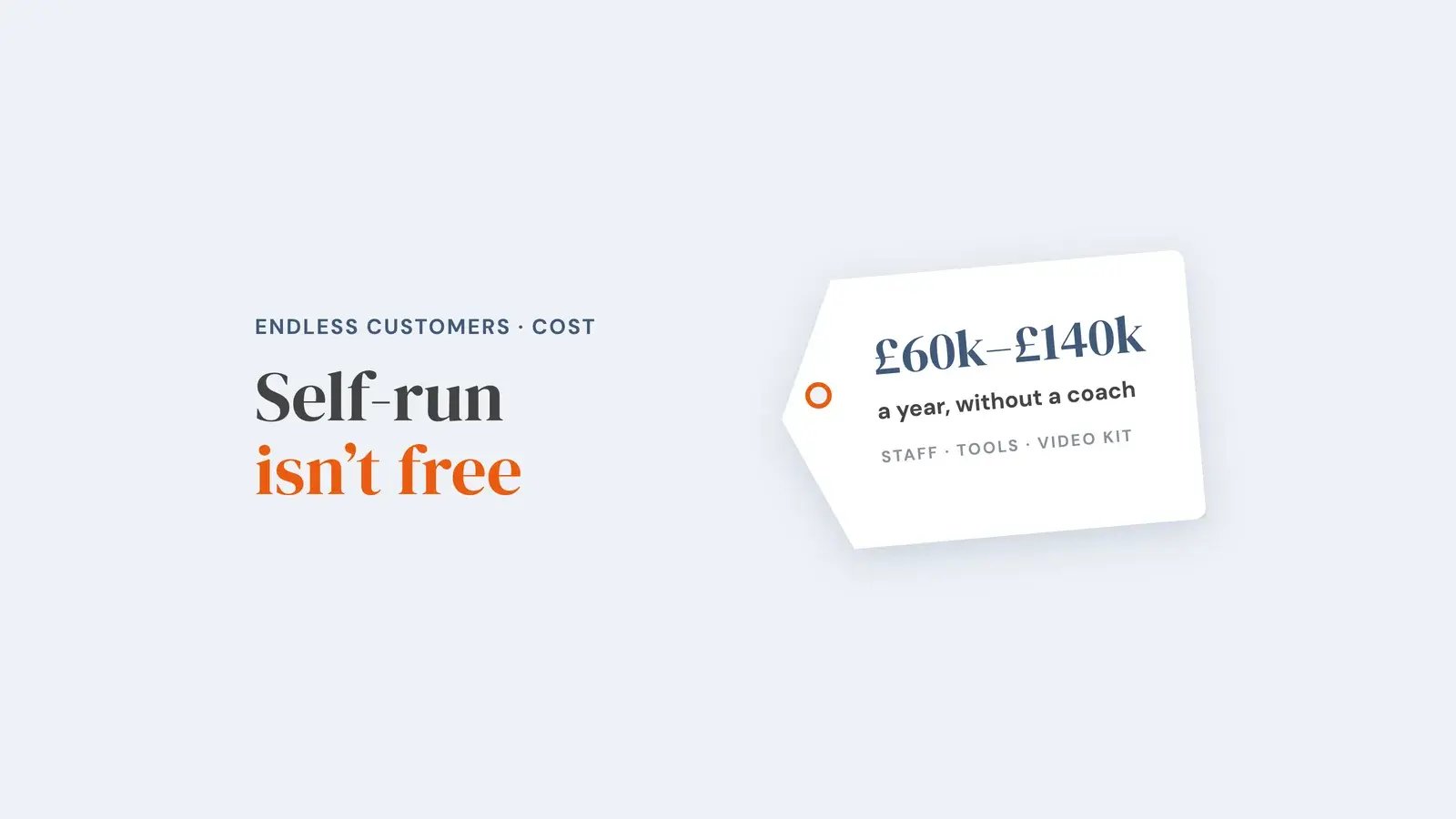
- DIY is not free. The real cost is internal salary and time, typically at least one person dedicated to content production.
- Coached implementation with me starts with a Growth Alignment Intensive™ at £3,200 ($4,000) virtual or £4,000 ($5,000) in-person, then £2,200–£4,400 ($2,800–$5,600) per month.
What does DIY Endless Customers execution actually involve?
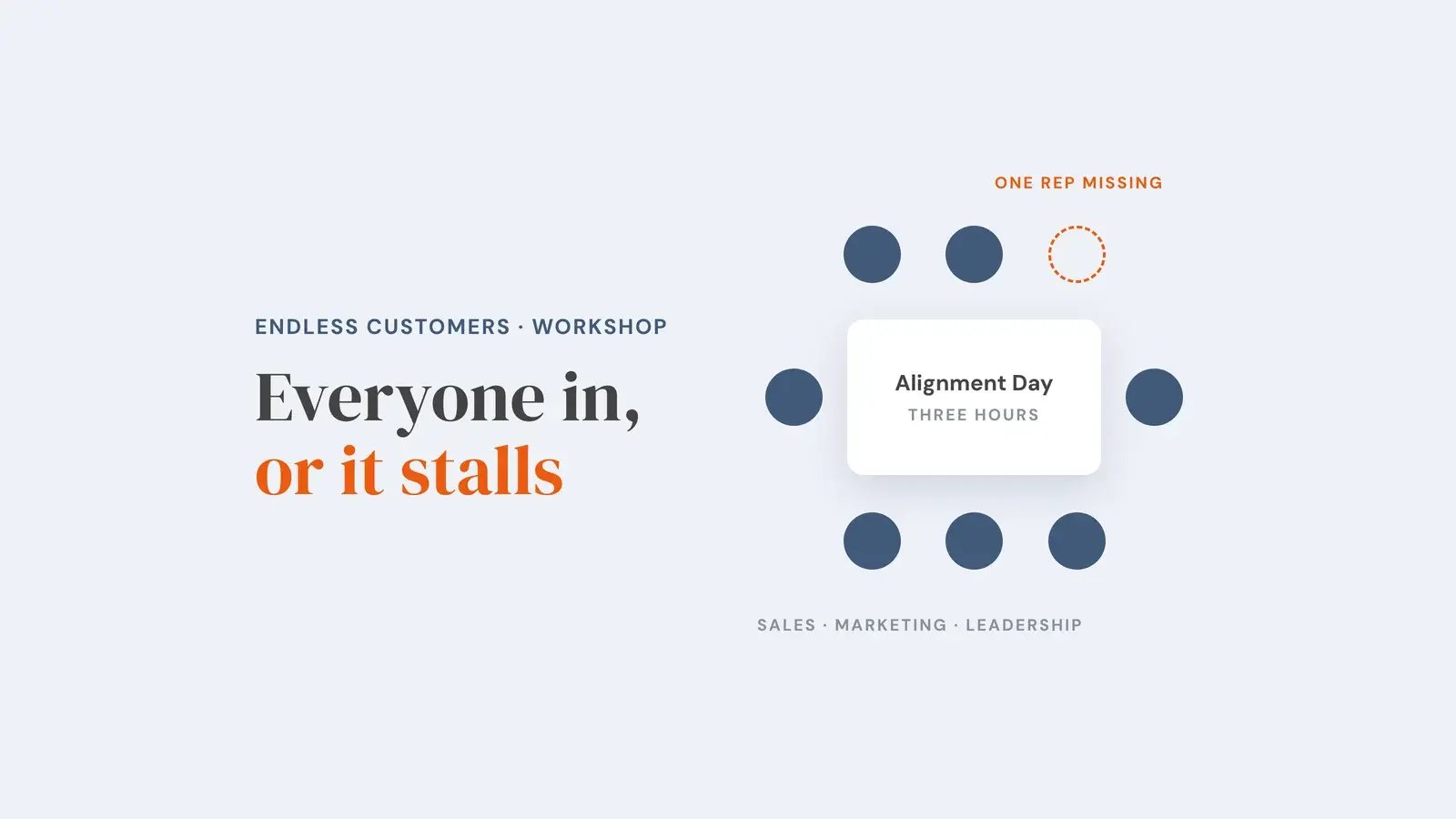
DIY execution means your team installs the system directly from the book, running your own Alignment Day, setting your own 90-day Focus Areas, and correcting your own course when results stall.
It is entirely viable, and the book says so plainly. The system is simple, straightforward and rooted in common sense. That is why its predecessor, They Ask, You Answer, worked for so many businesses with no outside help.
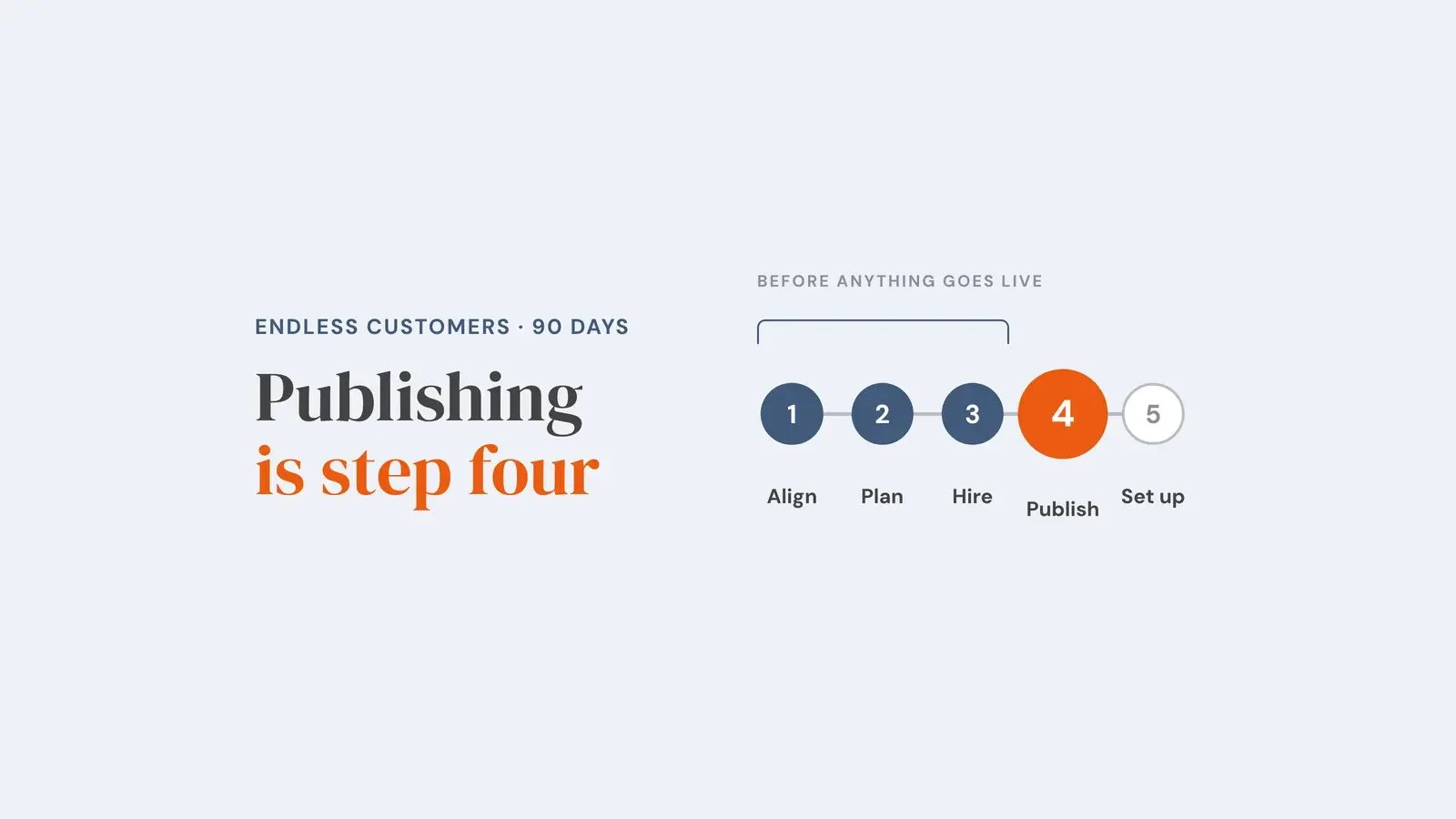
What DIY does not remove is the work. You still need an Alignment Day, quarterly Planning Sessions, a Game Plan with named owners, and a quarterly Scorecard review. The structure is not optional. Only the guidance is.
How does an Endless Customers coach work with your team?
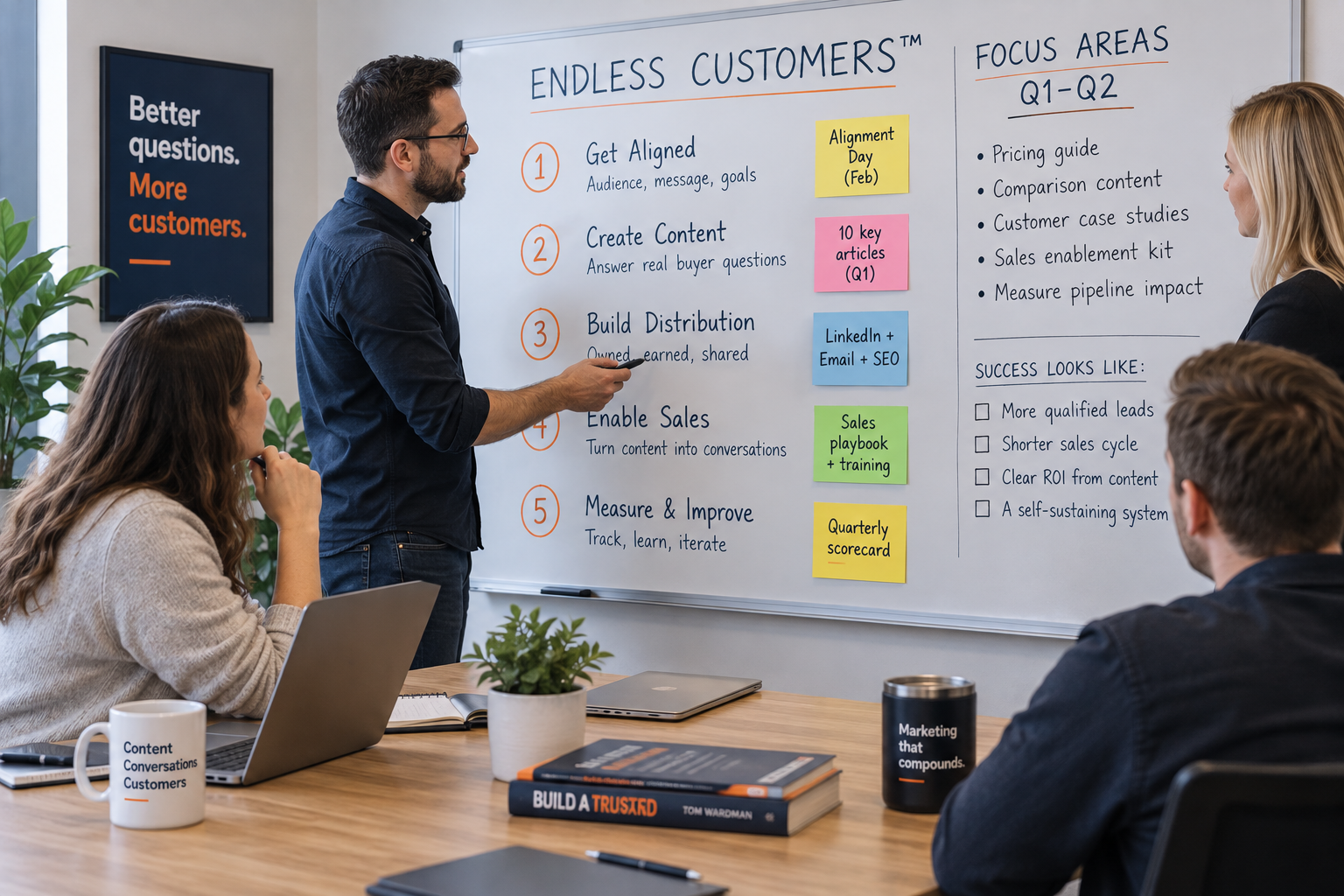
A coach guides your team through the system, facilitating alignment, setting the pace, reviewing the work and flagging detours before you take them.
A coach does not do the work for you. The best athletes have coaches. Musicians have instructors. Writers have editors. None of them outsource the performance.
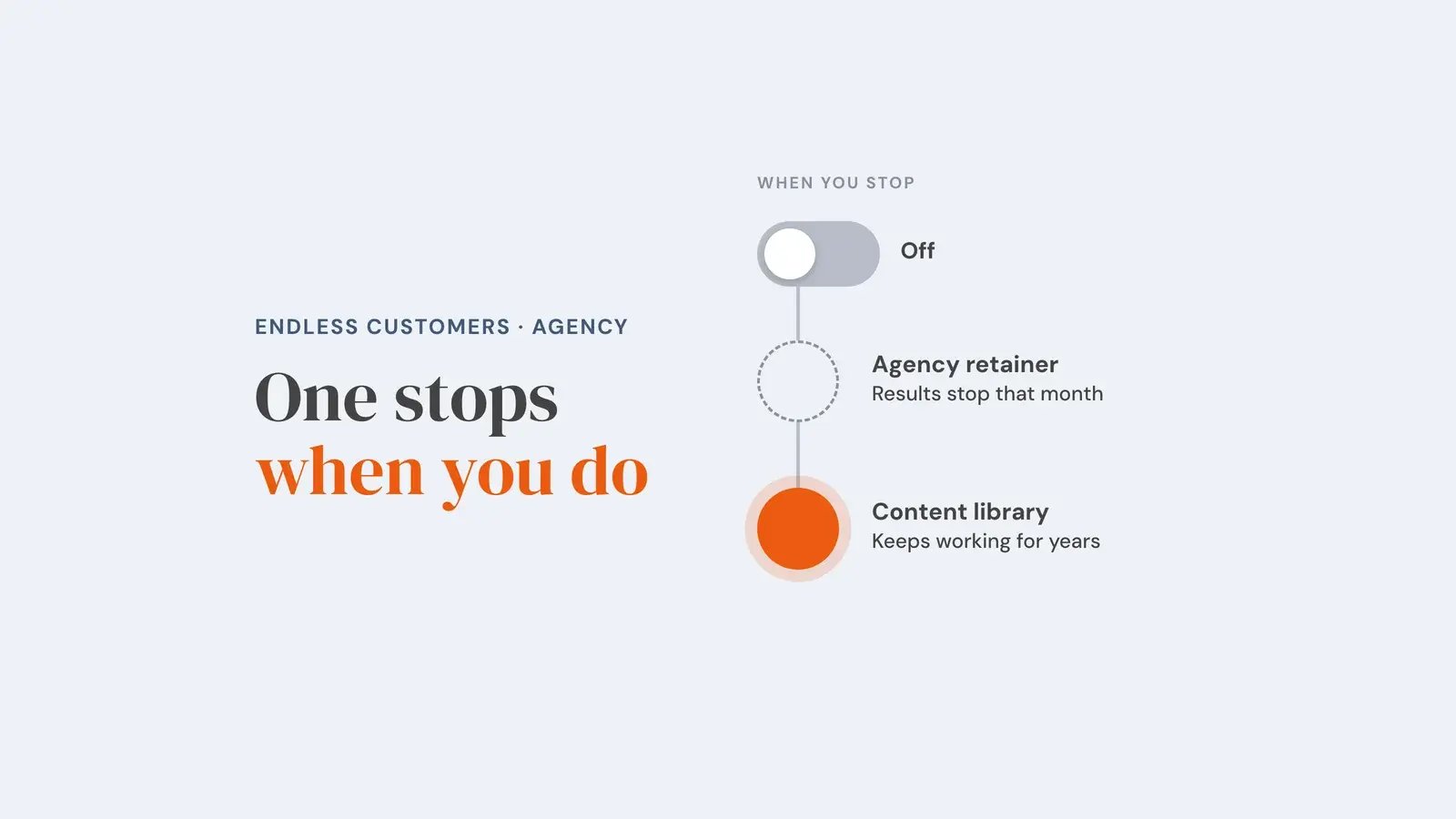
That distinction matters commercially. Every amount you spend should move you closer to self-sufficiency, not deeper into dependency. An agency retainer that produces your content indefinitely fails that test. A coaching engagement designed to end passes it.
DIY vs coached: how do the two compare?
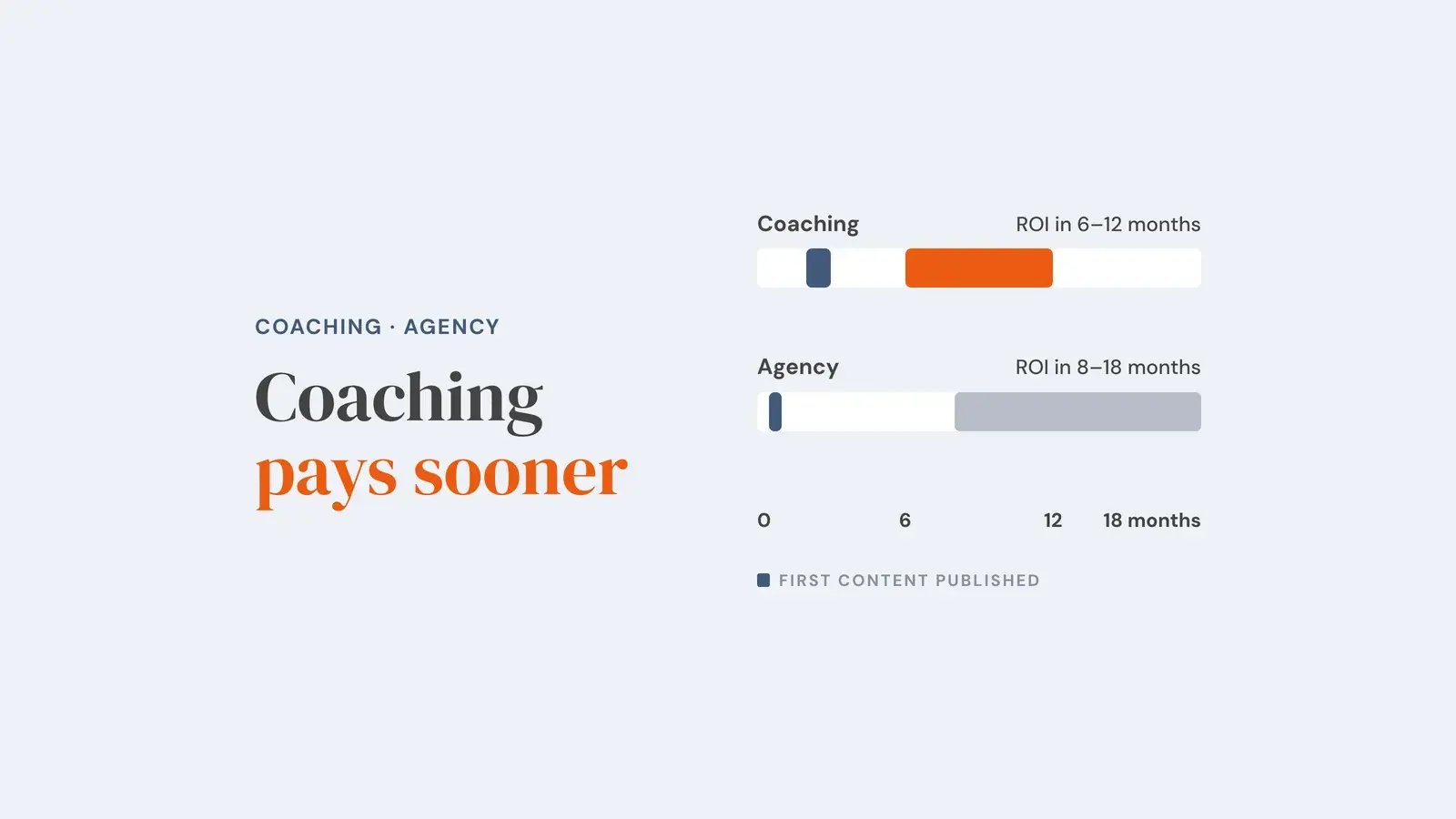
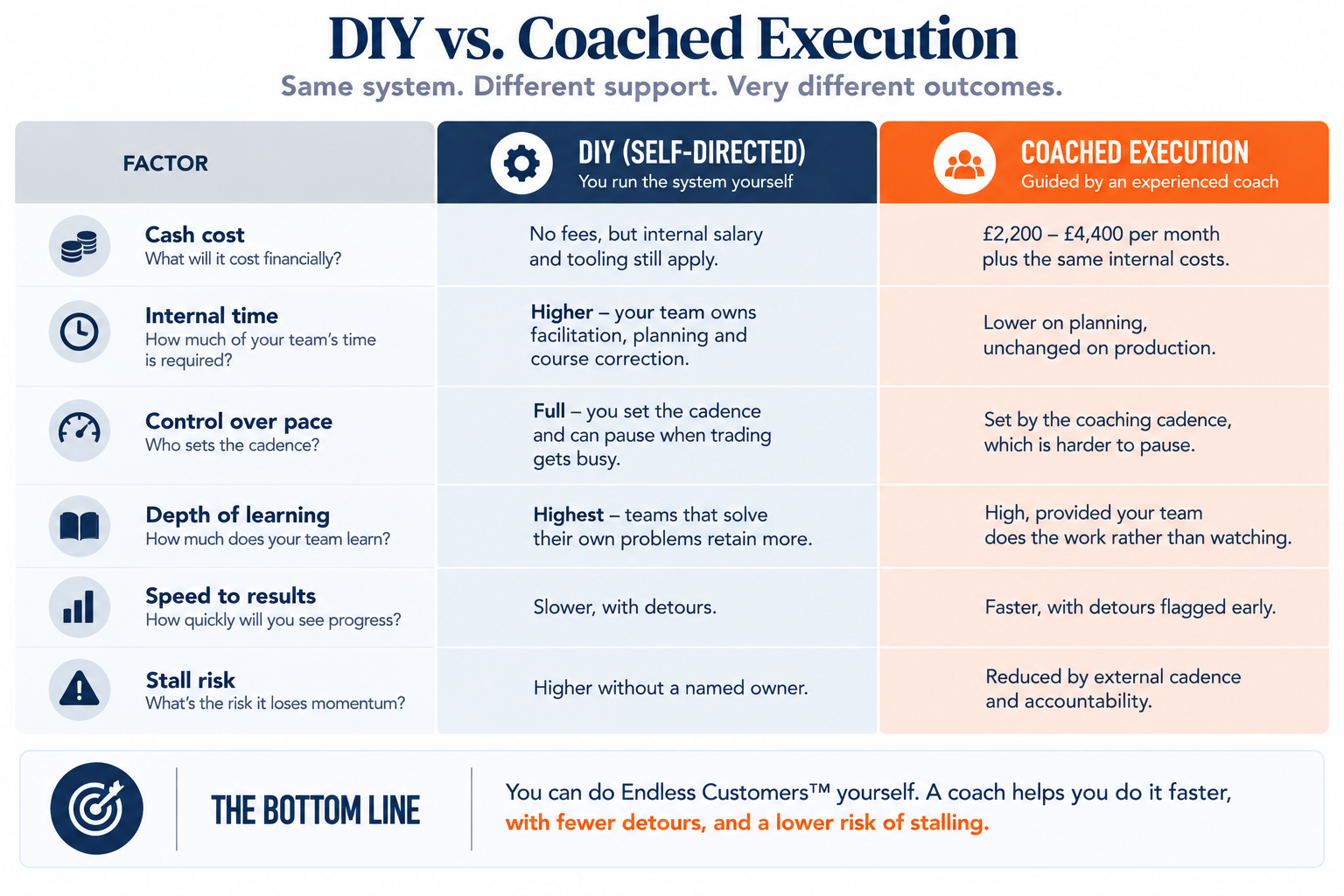
DIY costs you time and detours. Coaching costs money and is intended to shorten the timeline.
| Factor | DIY (self-directed) | Coached execution |
|---|---|---|
| Cash cost | No fees, but internal salary and tooling still apply | £2,200–£4,400 ($2,800–$5,600) per month, plus the same internal costs |
| Internal time | Higher; your team owns facilitation, planning and course correction | Lower on planning, unchanged on production |
| Control over pace | Full; you set the cadence and can pause when trading gets busy | Set by the coaching cadence, which is harder to pause |
| Depth of learning | Highest; teams that solve their own problems retain more | High, provided your team does the work rather than watching |
| Speed to results | Slower, with detours | Faster, with detours flagged early |
| Stall risk | Higher without a named owner | Reduced by external cadence and accountability |
It is not a binary choice; what are the three support levels?
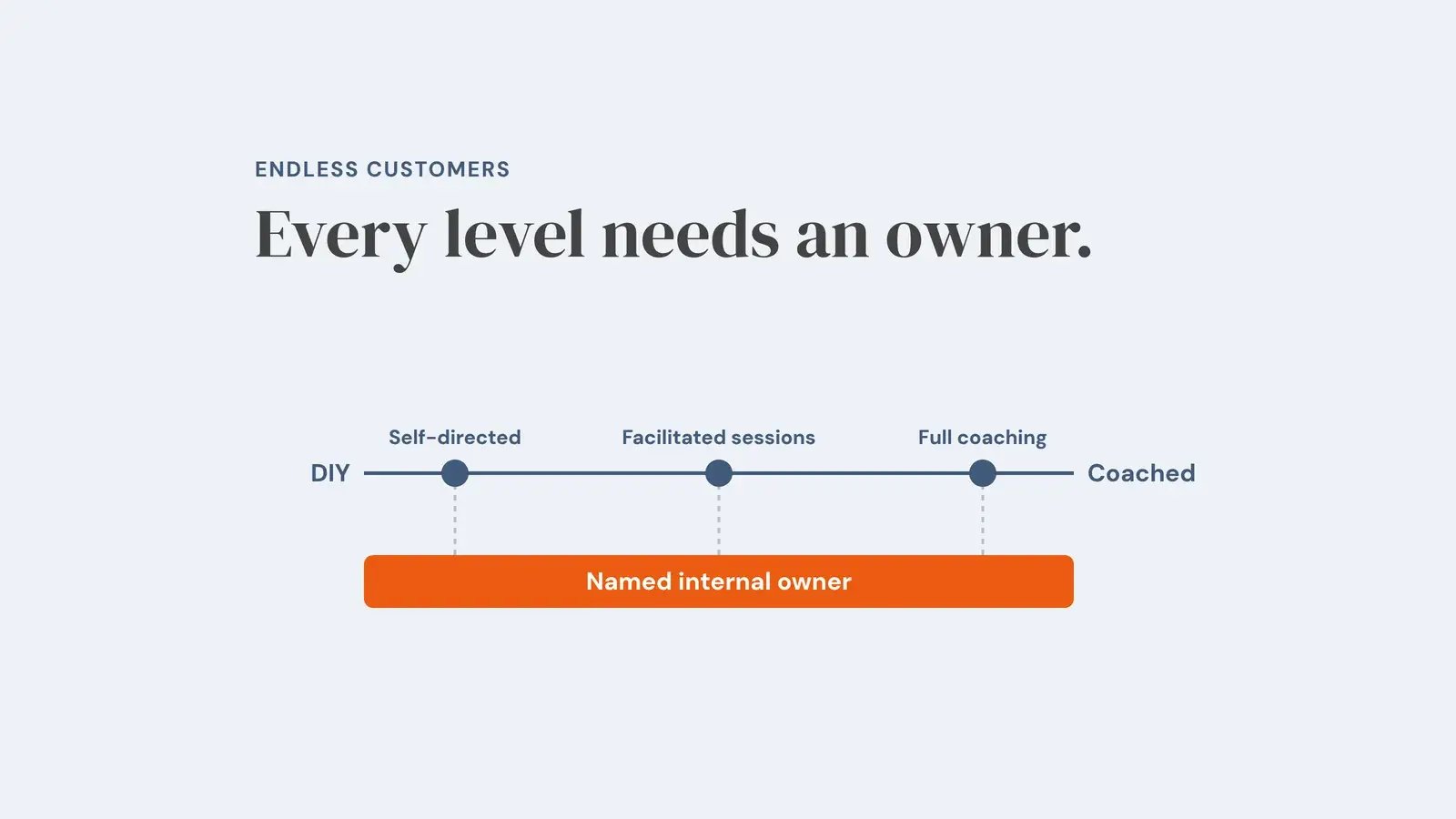
Most businesses do not choose DIY or coached. They choose a level of support, and adjust it as capability grows.
- Self-directed: You run everything, using the book and the Endless Customers community. Peer accountability from businesses further along is the cheapest external support available.
- Facilitated key sessions: You execute independently but bring in a coach for Alignment Day and quarterly Planning Sessions, where an outside voice does the most work.
- Full coached implementation: A coach guides strategy, cadence, content review and sales enablement until your team owns the engine outright.
The question is not whether you could do this yourself. It is which level of support produces the greatest impact from where you are standing now.
Why do busy teams stall on DIY execution?
Busy teams rarely stall because they misunderstood the framework. They stall because nobody owns it.
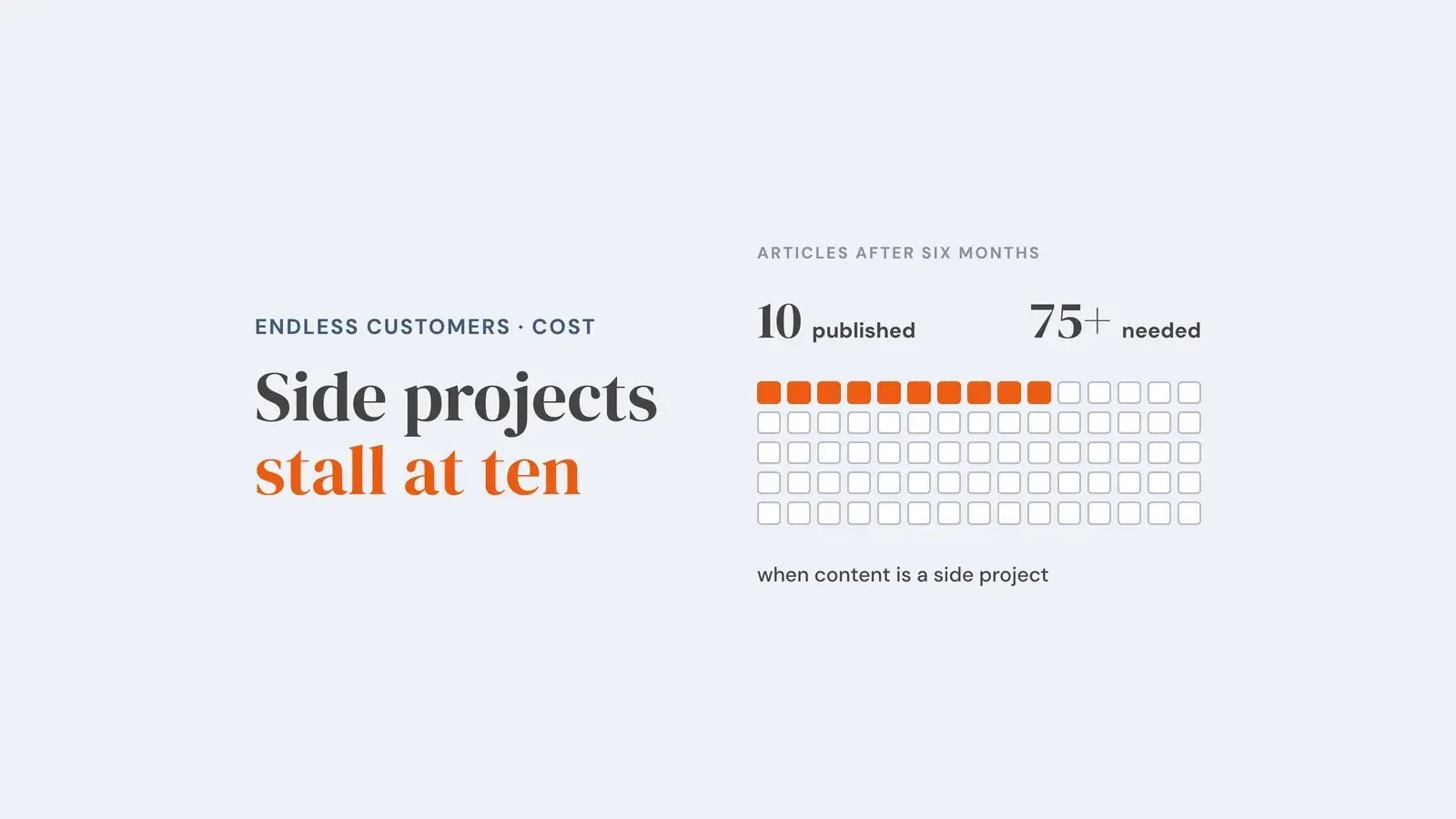
Content is a full-time job. It takes time to plan, write, edit, publish, distribute and analyse. When content is added to an already full plate, it is the first thing to fall off.
The book is direct about this. You do not need a large team, but someone must own content production from start to finish. It prescribes two roles, a Content Manager and a Videographer, and sets the goal of at least one full-time person committed to production.
Four stall points account for most failed DIY implementations.
- No named owner, so production is everyone's job and nobody's priority.
- No fixed cadence, so Alignment Day happens once and quarterly planning never does.
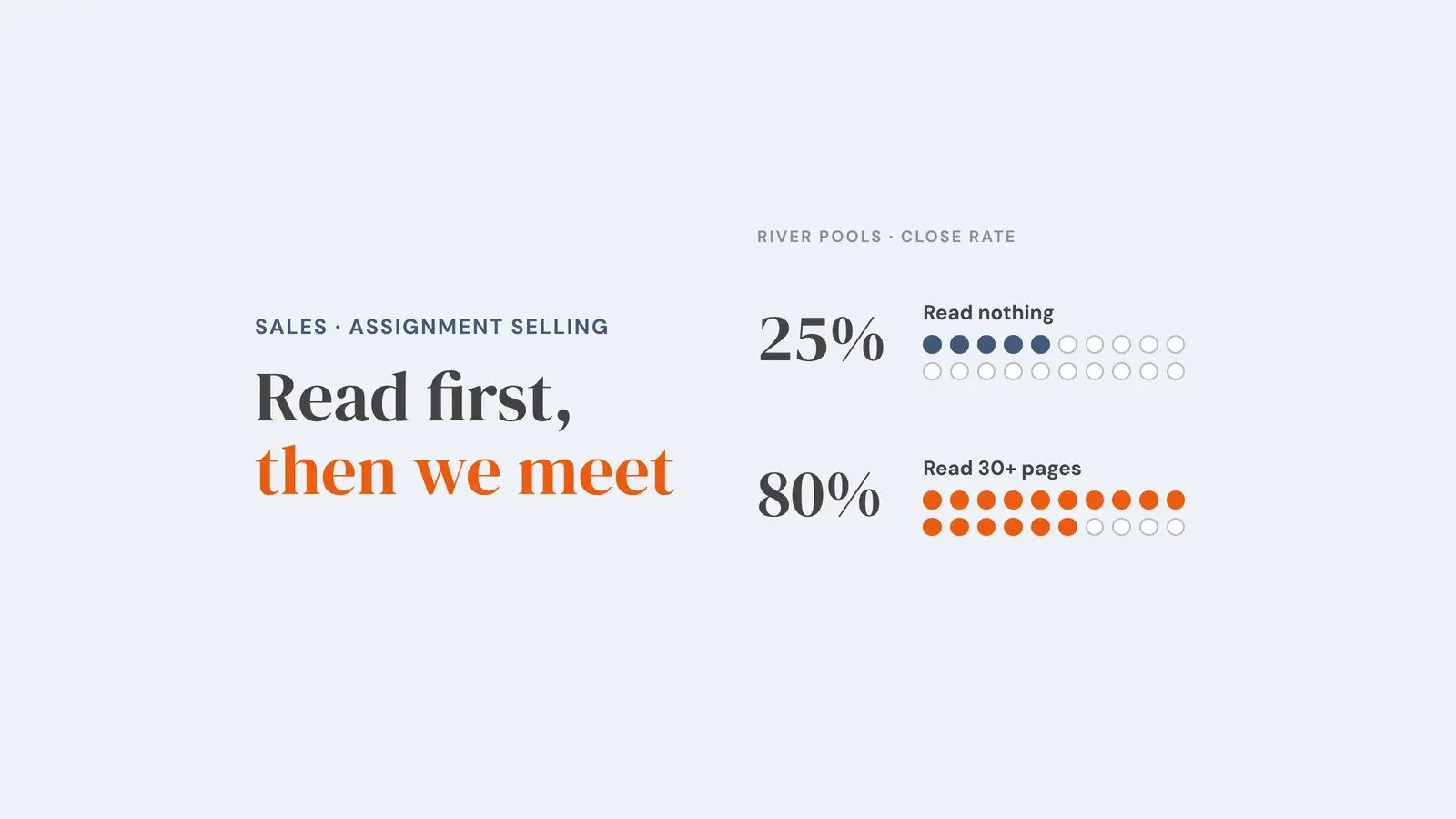
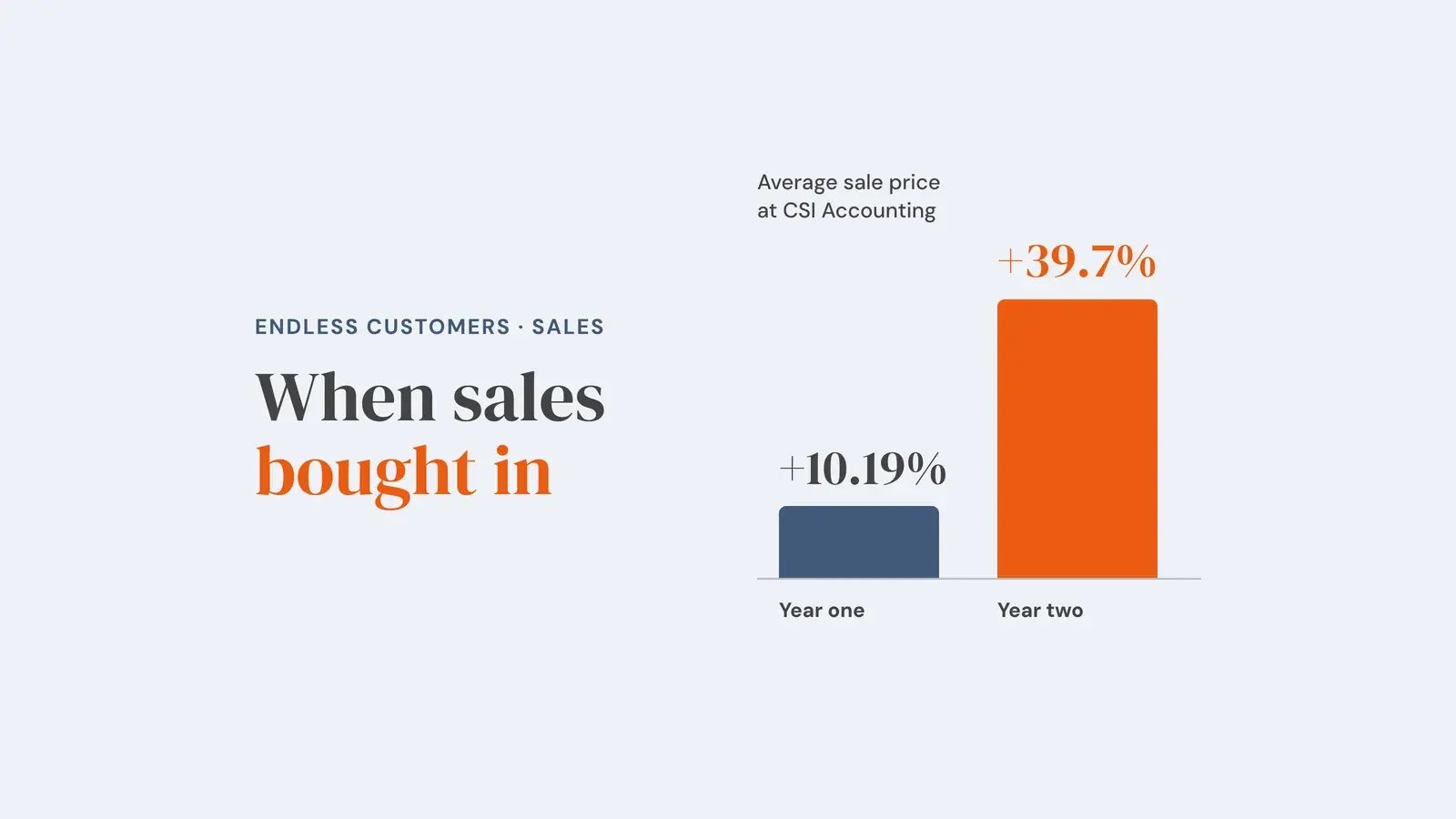
- Sales never bought in, so content is written and never used.
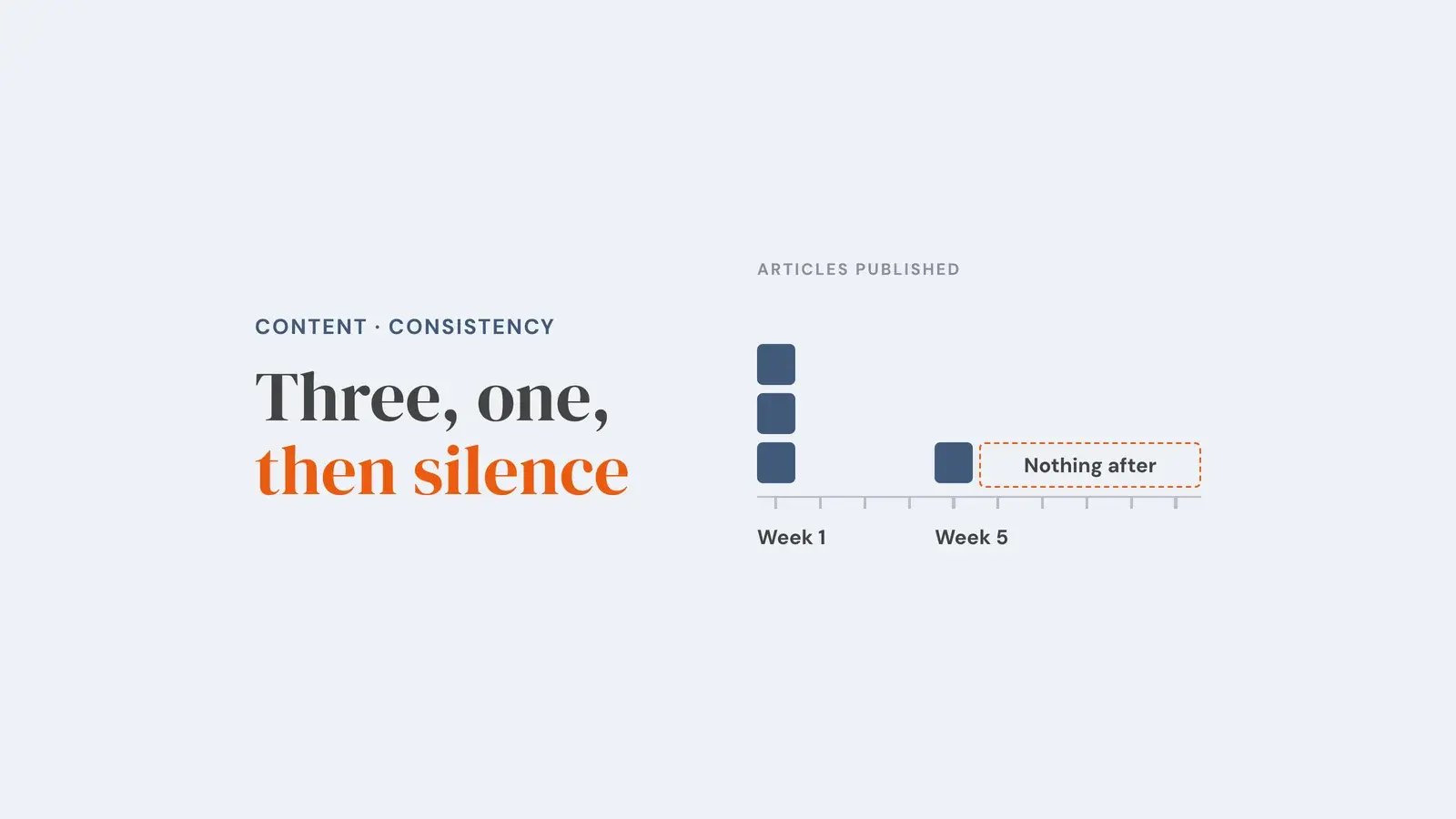
- Perfection paralysis, where the first three articles take three months.
Related reading: Why most content programs stall after 3 articles (and how to fix it) / Endless Customers first hire: why a content manager always wins
What does resourcing look like by company size?
The book sets team composition by revenue band, and it is a useful sanity check before you commit to DIY.
These are the book's US figures, shown with approximate GBP equivalents.
- Under $1m (roughly £800k): the work usually falls to a key leader or the owner personally.
- $1m–$5m (roughly £800k–£4m): at least one full-time hybrid role covering writing, editing and video.
- Over $5m (£4m or more): a team of three to five, including a content owner and a videographer.
If you cannot point at the person filling that role on Monday morning, you are not resourced for DIY yet.
Related Reading: How much time and team resource do you really need to make Endless Customers work?
Where does DIY work well, and where does it struggle?
DIY works when the owner or a senior leader personally drives the content, and it struggles when alignment is the missing piece.
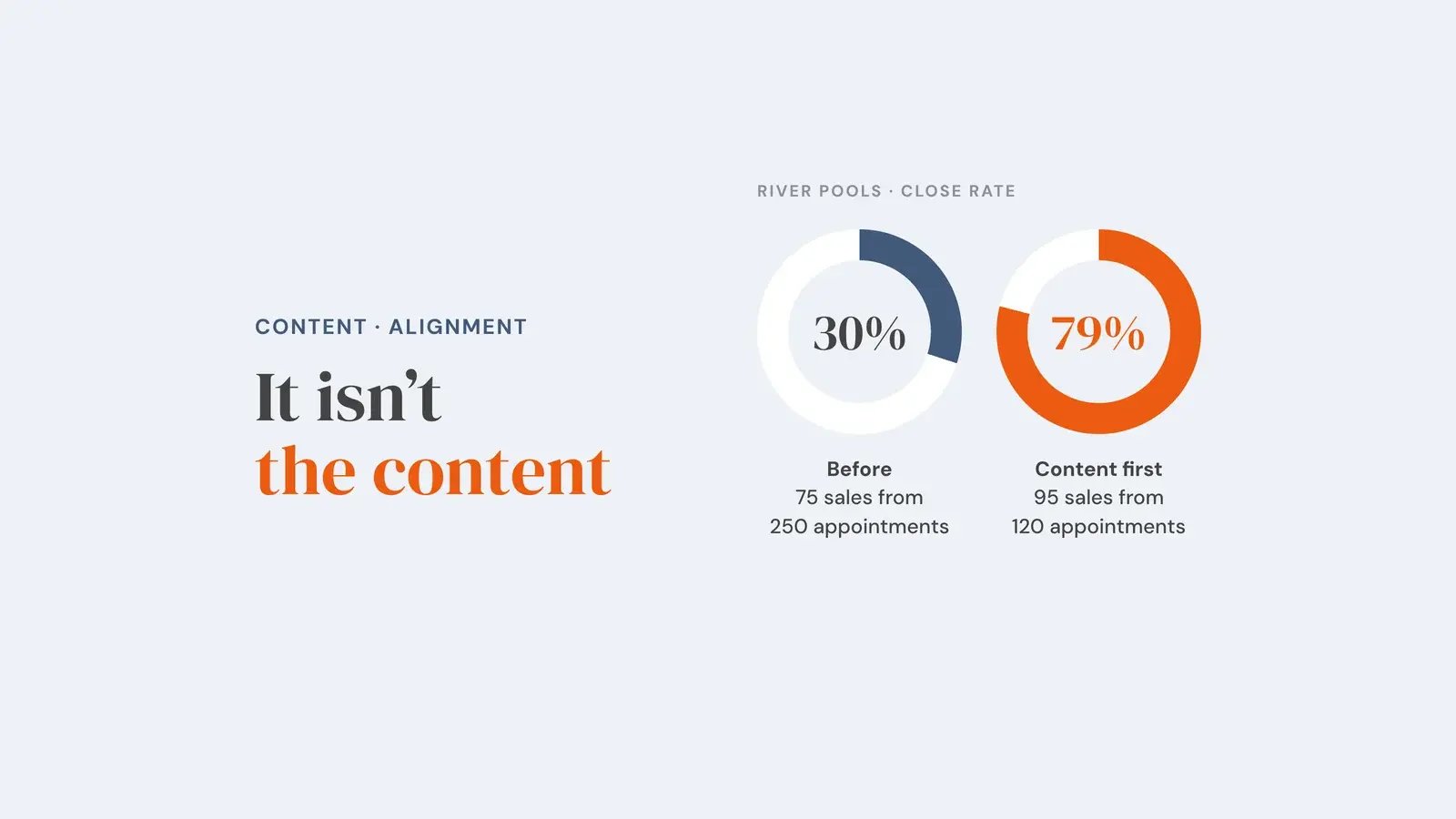
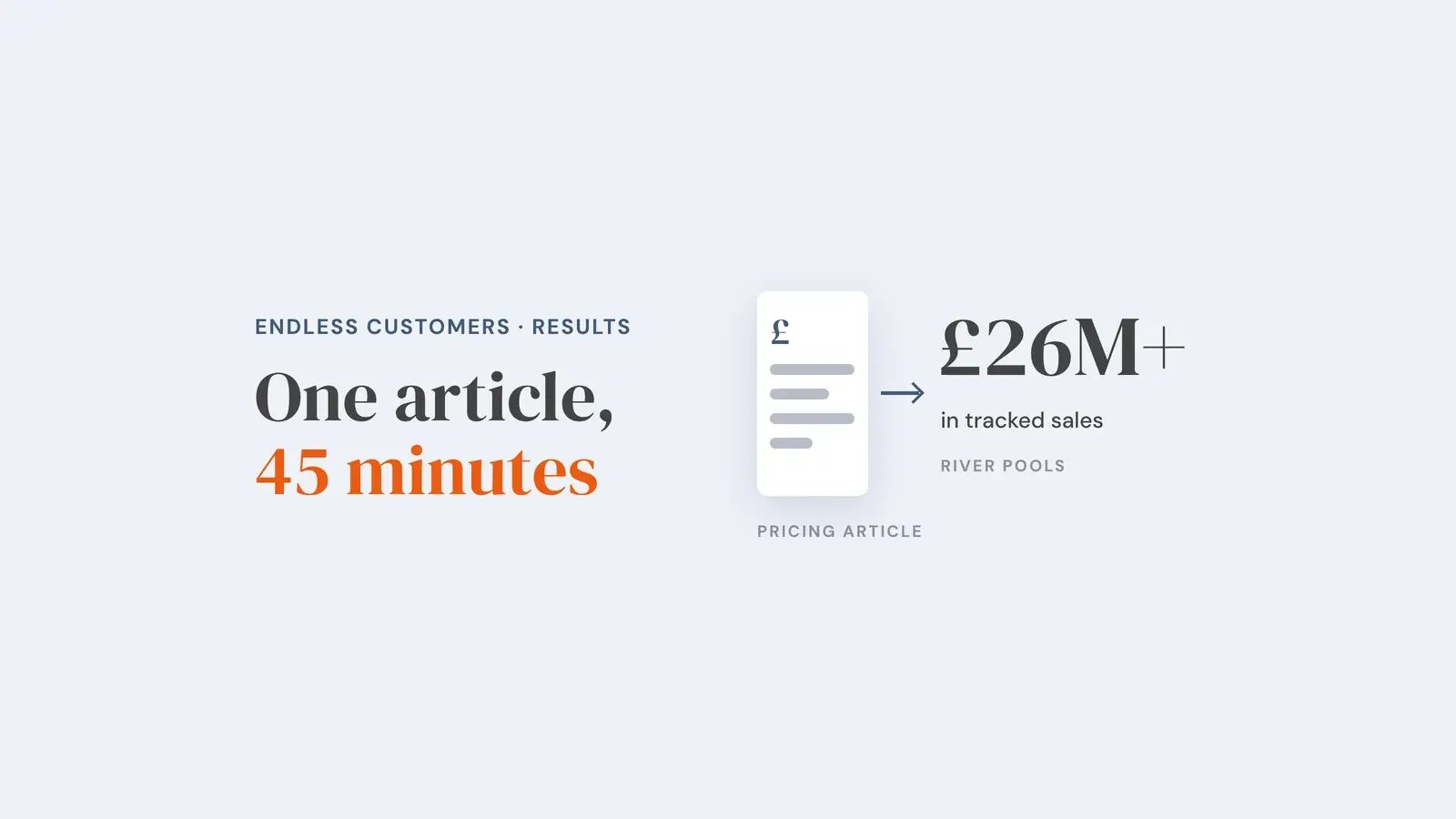
The clearest example of DIY working is the origin of the system itself. Marcus Sheridan saved River Pools by answering customer questions himself, with no coach, no agency and no budget. Thousands of businesses have since run They Ask, You Answer the same way. The pattern is usually the same: a leader who owns the content personally and refuses to let it slide.
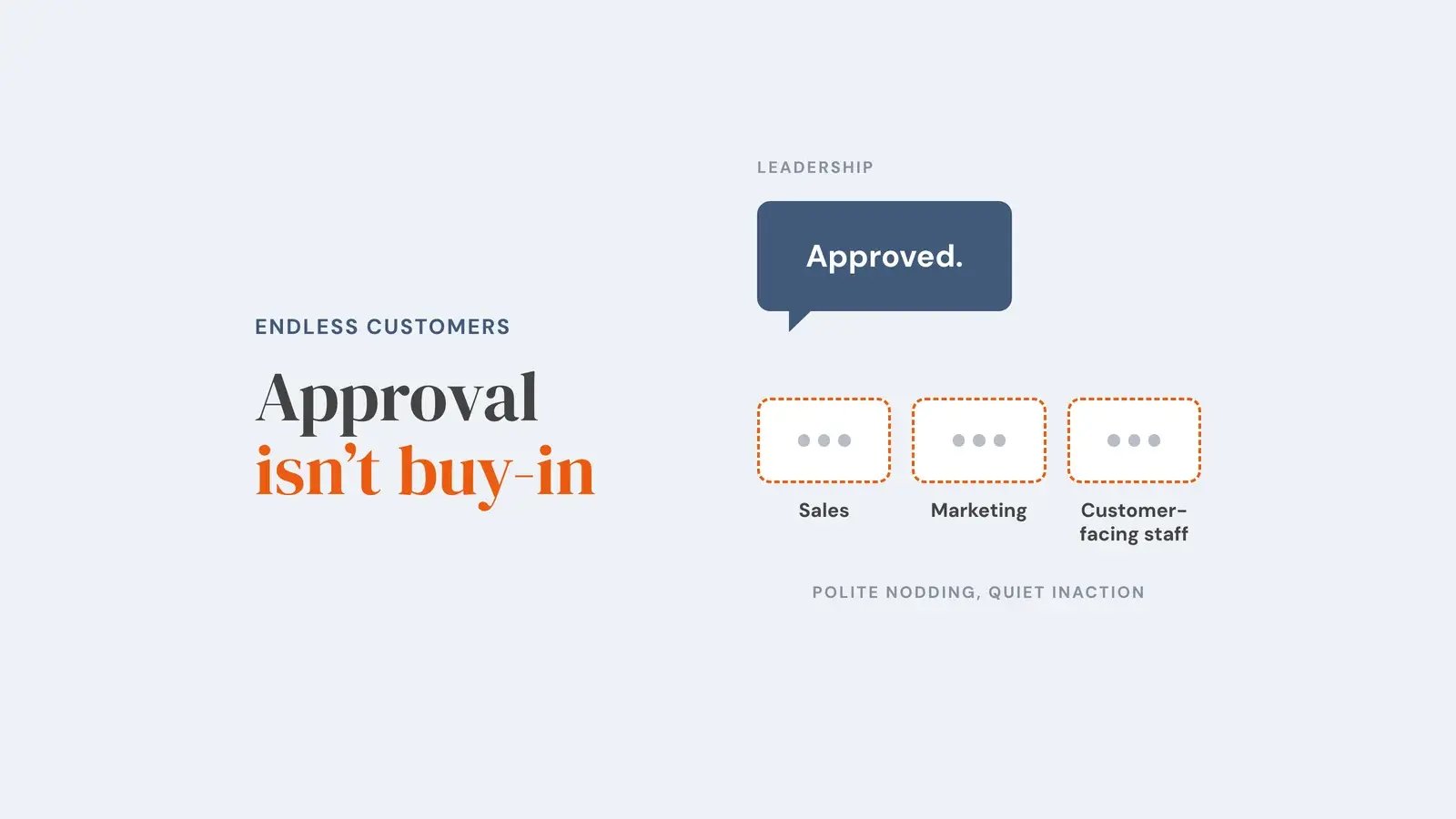
Alignment is where DIY struggles, because being the insider works against you. You can be a prophet to the world, but no one listens to you in your own hometown. Your team hears from you constantly, and familiarity dulls the impact. When you introduce a bold strategy, they nod along without feeling the urgency.
The documented case study in the book is Patrick Accounting. They struggled implementing parts of the strategy alone, with sales and marketing working in silos. After bringing in a Certified Coach to facilitate Alignment Day, Matt Patrick said: "We went from talking past each other to truly collaborating. If we hadn't done that Alignment Day, we'd still be spinning our wheels."
How much does coached Endless Customers implementation cost?
My Endless Customers™ Implementation programme starts with a Growth Alignment Intensive™ — £3,200 ($4,000) virtual or £4,000 ($5,000) in-person, then moves into monthly coaching at £2,200–£4,400 ($2,800–$5,600) per month.
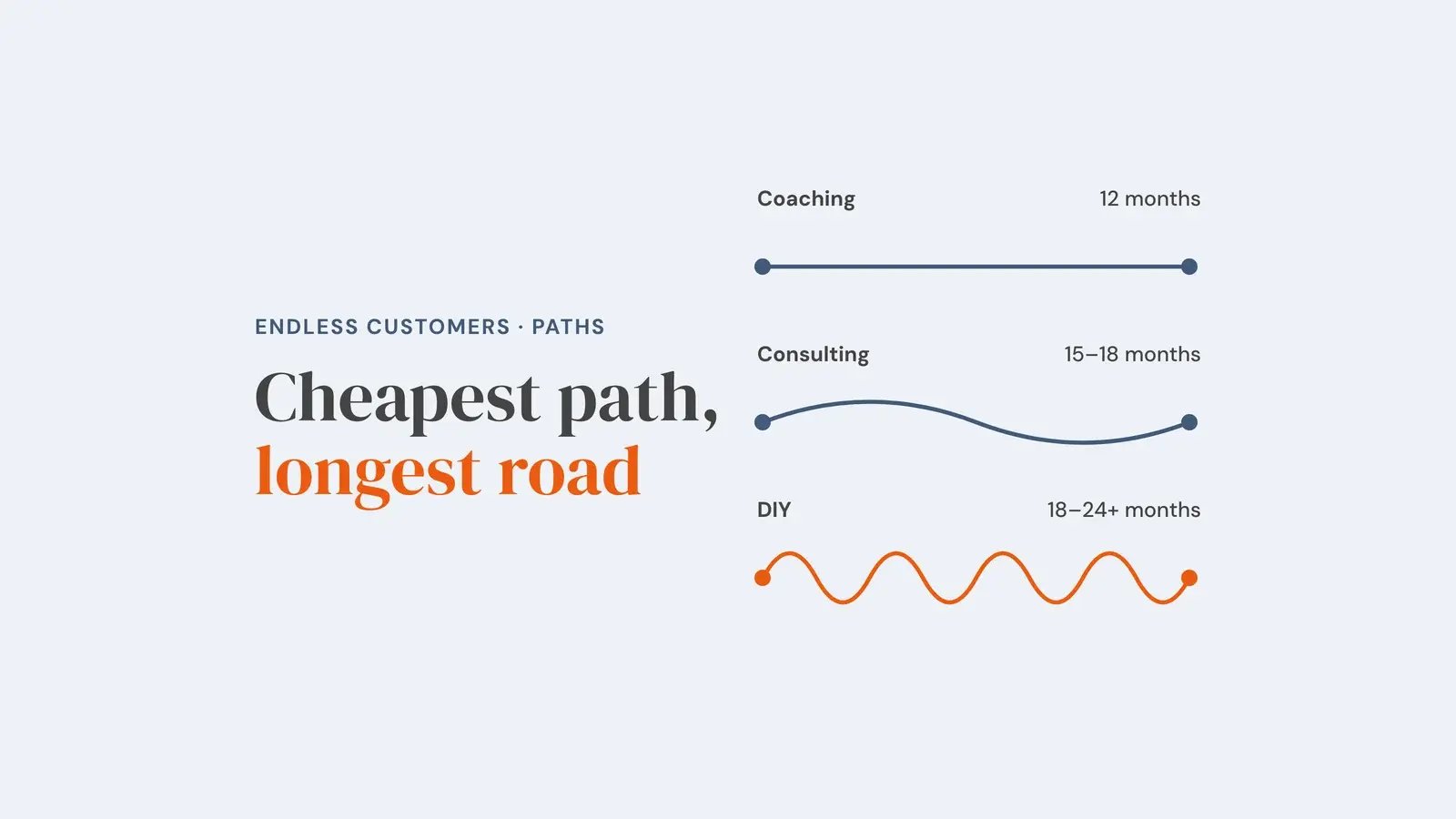
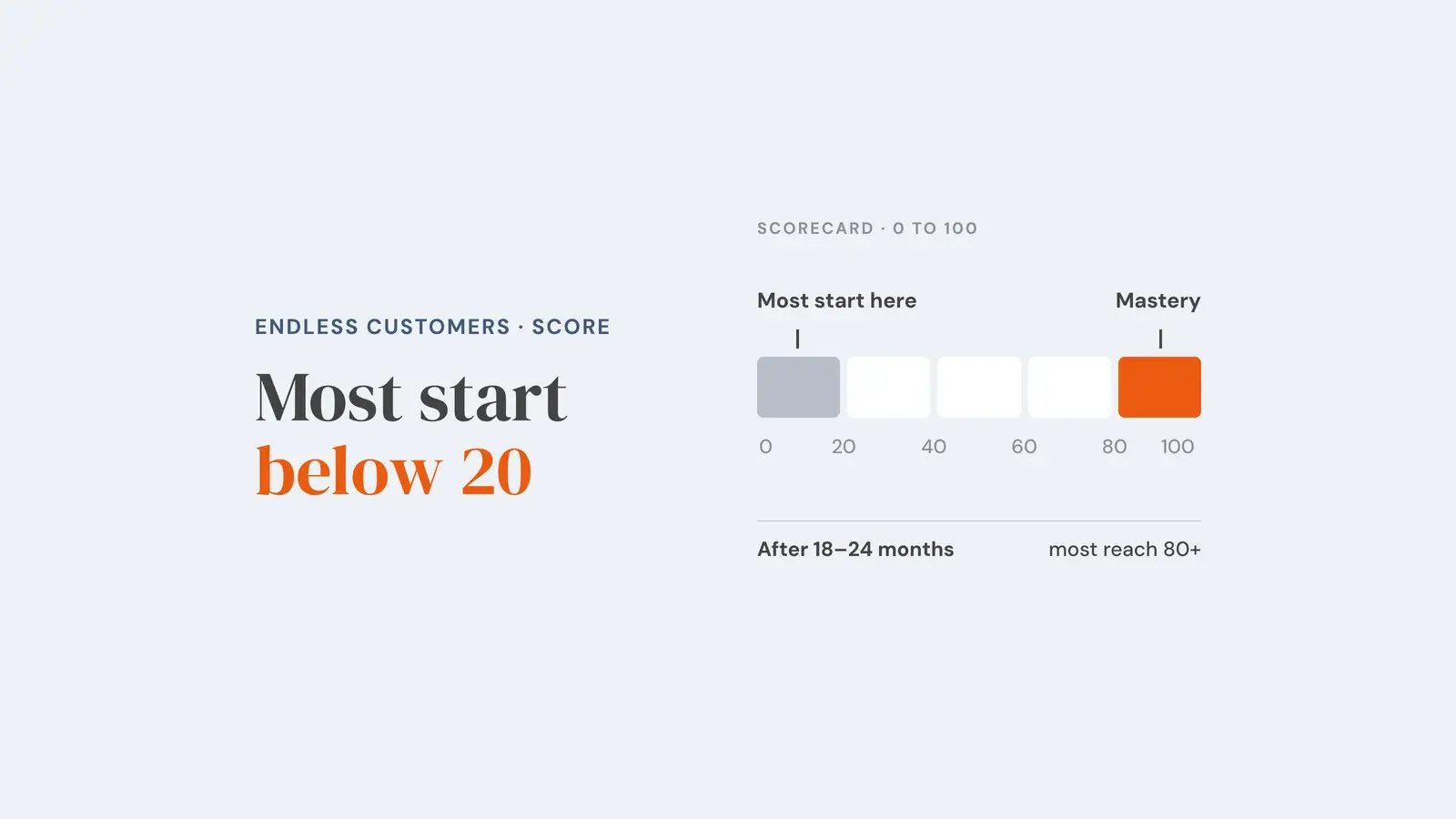
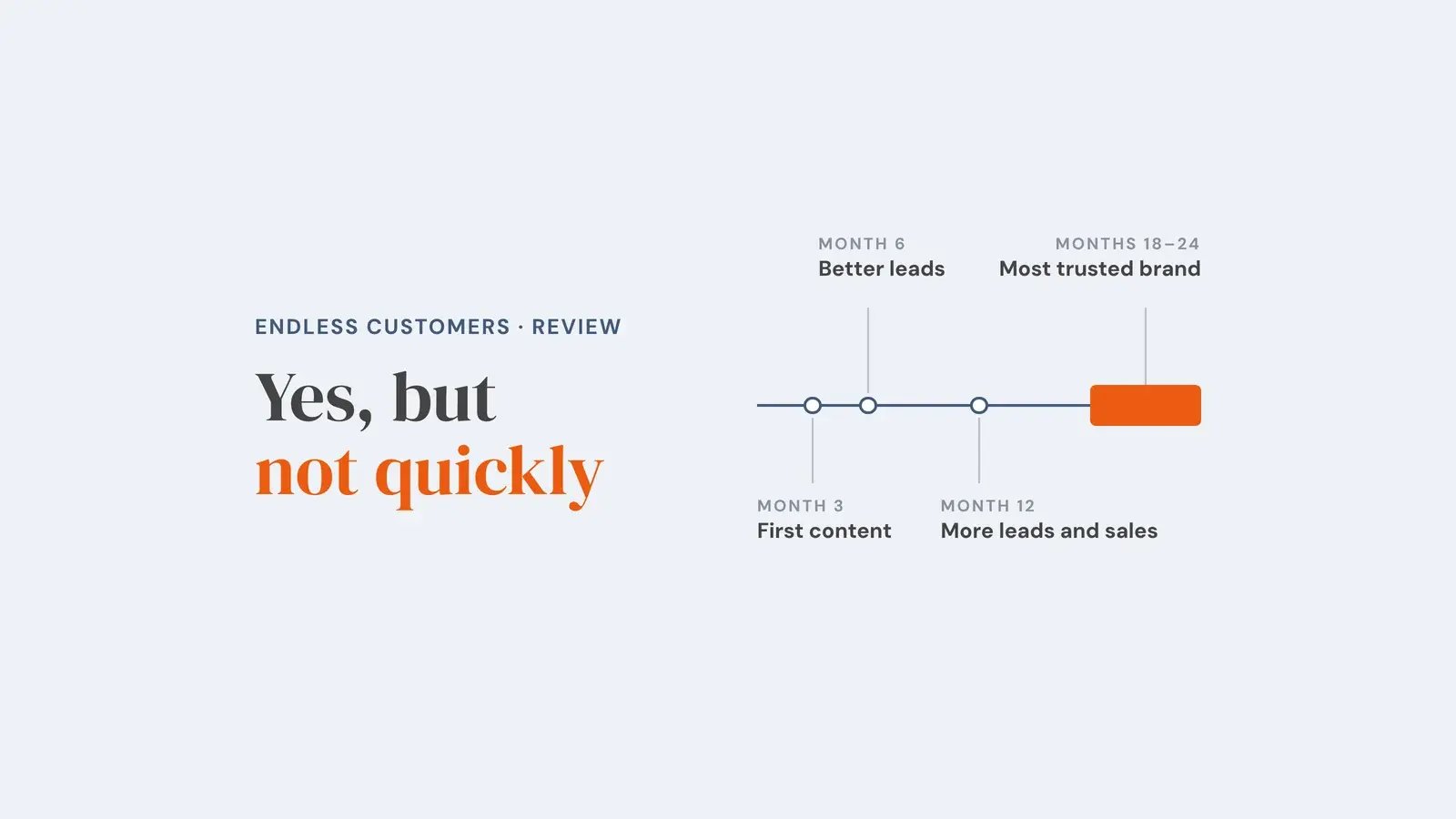
Most businesses finish in 18–24 months and graduate with full in-house ownership. The positioning is deliberate: transfer ownership, end dependency, run the engine yourself.
For context on who you would be working with, I am one of fewer than 35 Endless Customers Certified Coaches worldwide.
Related Reading: What does it actually cost to implement the Endless Customers System™?
Which should you choose? A three-step decision framework
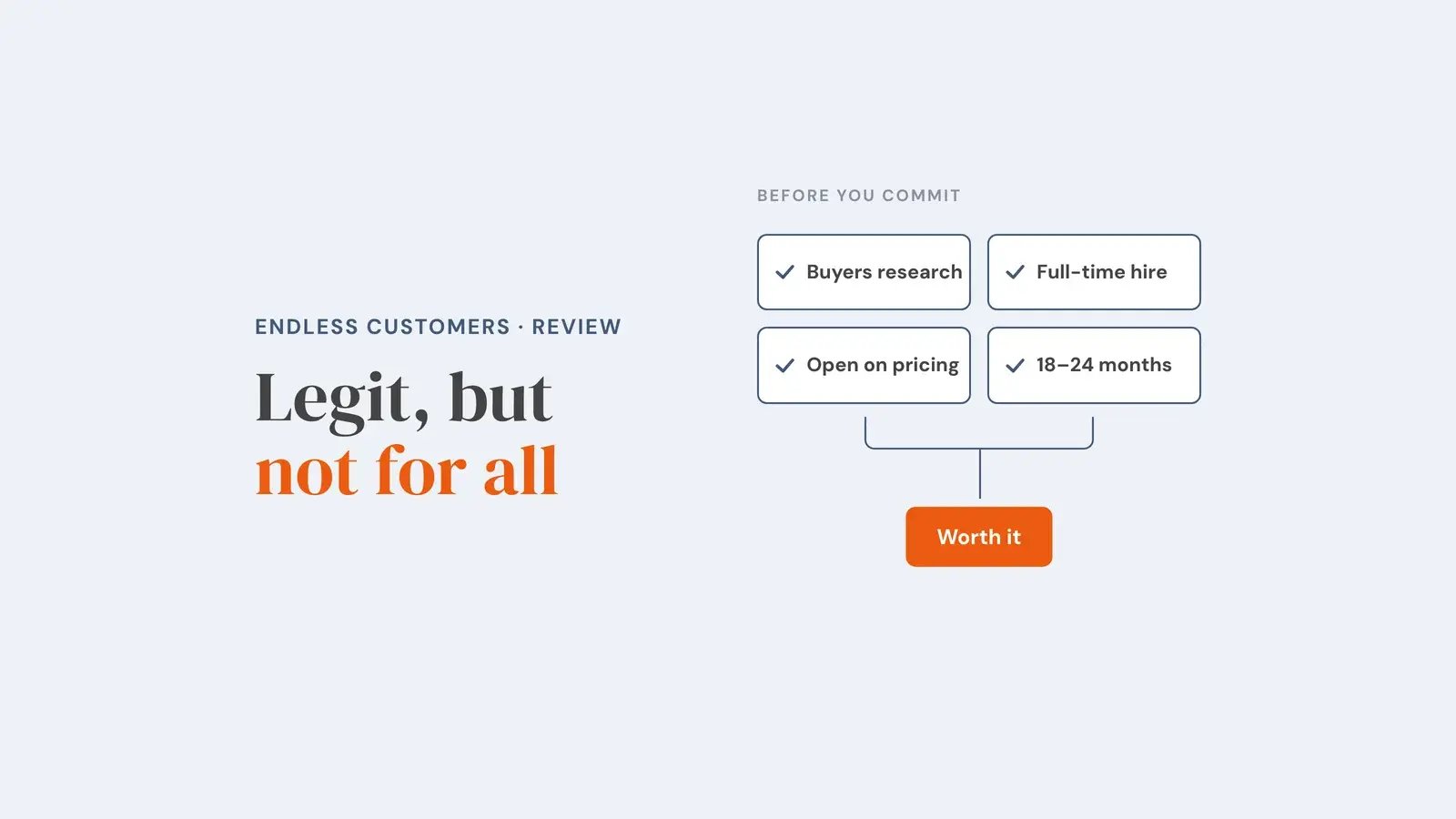
Choose DIY if you have a named owner with genuine capacity, leadership already aligned, and patience for a slower learning curve. If one of those is missing, buy support for that gap specifically rather than for everything.
- Assess ownership: Name the person accountable for content production. If you cannot name them, fix that before anything else.
- Assess capacity: Calculate their realistic weekly hours after existing duties. In my own client work, teams giving this under 15 hours a week consistently stall; treat that as an observed benchmark, not a rule.
- Assess appetite for detours: DIY trades time for money and money for time. If 12 months of trial and error is an acceptable price for full internal learning, run it yourself. If that year matters commercially, the fee is the cheaper of the two costs.
Frequently asked questions
Can we implement Endless Customers without a coach?
Yes. The book is designed for DIY implementation. A coach accelerates results and removes detours rather than making execution possible.
What happens if we start on our own and it does not work?
Nothing is wasted. The content you produced still exists, and the gaps you hit tell a coach exactly where to start. The book is explicit that it is never too late to bring in a coach, whether you are at the starting line or six months in.
When is the right moment to bring in a coach?
Whenever the gap appears. Some engage from day one, others after six months. It is never too late to add support.
How long does coached implementation take?
Typically 18–24 months to full in-house ownership, structured around annual Alignment Days and 90-day planning cycles.
Do we still need a content manager if we have a coach?
Yes. A coach guides the system. Someone internal still has to run it.
How to take action now
- Name the person who owns content production, this week.
- Calculate their realistic weekly capacity after existing duties.
- Book your Alignment Day and put four quarterly Planning Sessions in the calendar.
- Complete the Endless Customers Scorecard as a team to set your baseline.
- Match your answers to one of the three support levels above, then take the matching next step below.

About the author
Tom Wardman is a Fractional Marketing Director, CMO and HubSpot consultant based in Hull, England. He was hand-selected as an Endless Customers Certified Coach, one of fewer than 35 worldwide, and installs growth systems his clients' teams can run without him.
Pricing disclaimer: All GBP–USD price conversions are rounded estimates and correct at the time of publishing. Exchange rates fluctuate and figures should be treated as indicative only.
Topics: