

If your current marketing efforts feel like they’re treading water—bringing in some leads, but few that convert or stick around—you’re not alone. Many businesses following traditional inbound marketing are noticing the same thing: rising content costs, shrinking engagement, and leads that disappear before the first sales call.
That’s because the inbound playbook, once revolutionary, is now standard practice. Everyone’s doing it—and that’s exactly the problem.
I've worked with hundreds of businesses to help them escape this cycle by shifting to the Endless Customers System™. This isn’t just another marketing framework; it’s a complete transformation in how companies build trust, shorten sales cycles, and scale with confidence.
In this article, you’ll learn exactly how the Endless Customers System compares to traditional inbound marketing across content strategy, sales alignment, technology, costs, and ROI. Most importantly, you’ll discover which approach is better suited for your business—both right now and in the long run.
What is the Endless Customers System™?
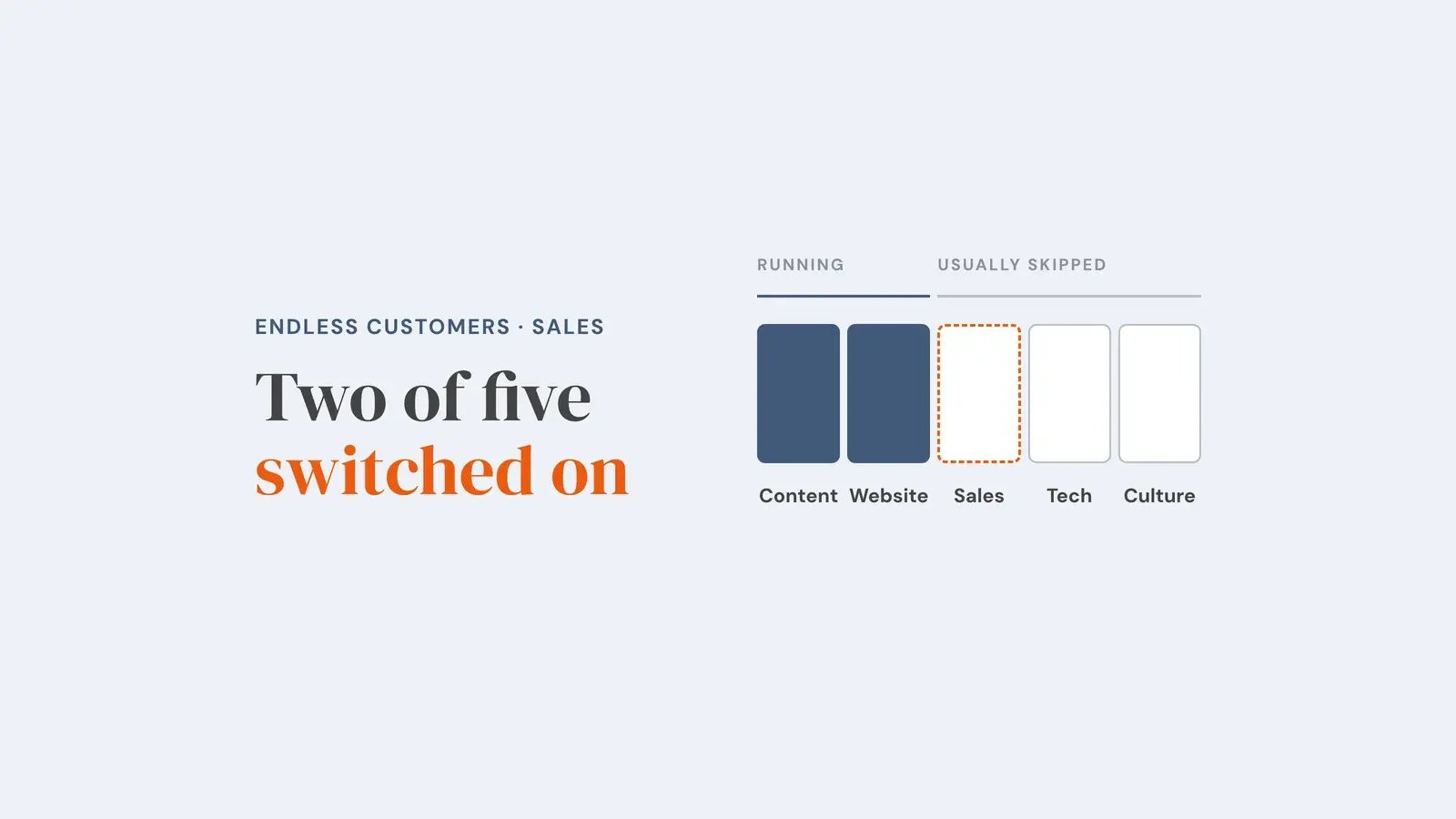
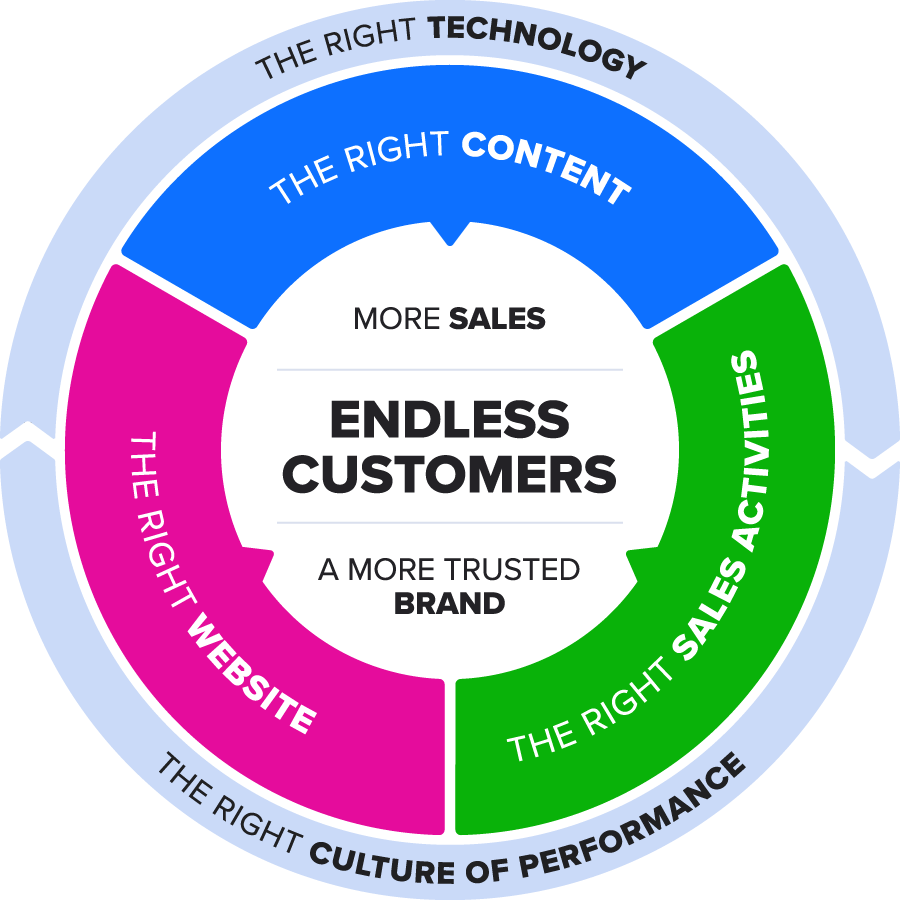
The Endless Customers System™ is a comprehensive marketing methodology built on five core components designed to transform businesses into the most known and trusted brands in their markets.
Unlike traditional approaches that focus primarily on lead generation, this system emphasises becoming a media company that consistently produces trust-building, transparent content.
The five core components work together to create sustainable competitive advantage:
- The Right Content: Transform your organisation into a media powerhouse producing high-quality, trust-building content
- The Right Website: Create an educational hub that actively participates in your sales process
- The Right Sales Activities: Equip your team with content-driven processes that position them as trusted advisors
- The Right Technology: Centralise clean customer data and create exceptional brand experiences
- The Right Culture of Performance: Build accountability around growth metrics and continuous learning
This isn't just about generating more leads, but instead it's about becoming the company buyers turn to when they're ready to make a decision.
How does traditional inbound marketing work?
Traditional inbound marketing focuses on attracting customers through content creation, SEO optimisation, and lead nurturing to convert prospects into customers over time.
This approach typically relies on blog posts, landing pages, email sequences, and marketing automation to guide prospects through a predetermined sales funnel.
The traditional inbound methodology follows these stages:
- Attract: Use content and SEO to draw visitors to your website
- Convert: Capture leads through forms and gated content
- Close: Nurture leads through email sequences until they're sales-ready
- Delight: Keep customers happy to encourage referrals and repeat business
Most traditional inbound strategies avoid controversial topics and focus on educational content that captures contact information. The goal is building a database of prospects you can market to over time.
The challenge? Everyone's doing the same thing, making it increasingly difficult to stand out.
What are the key differences in content strategy?
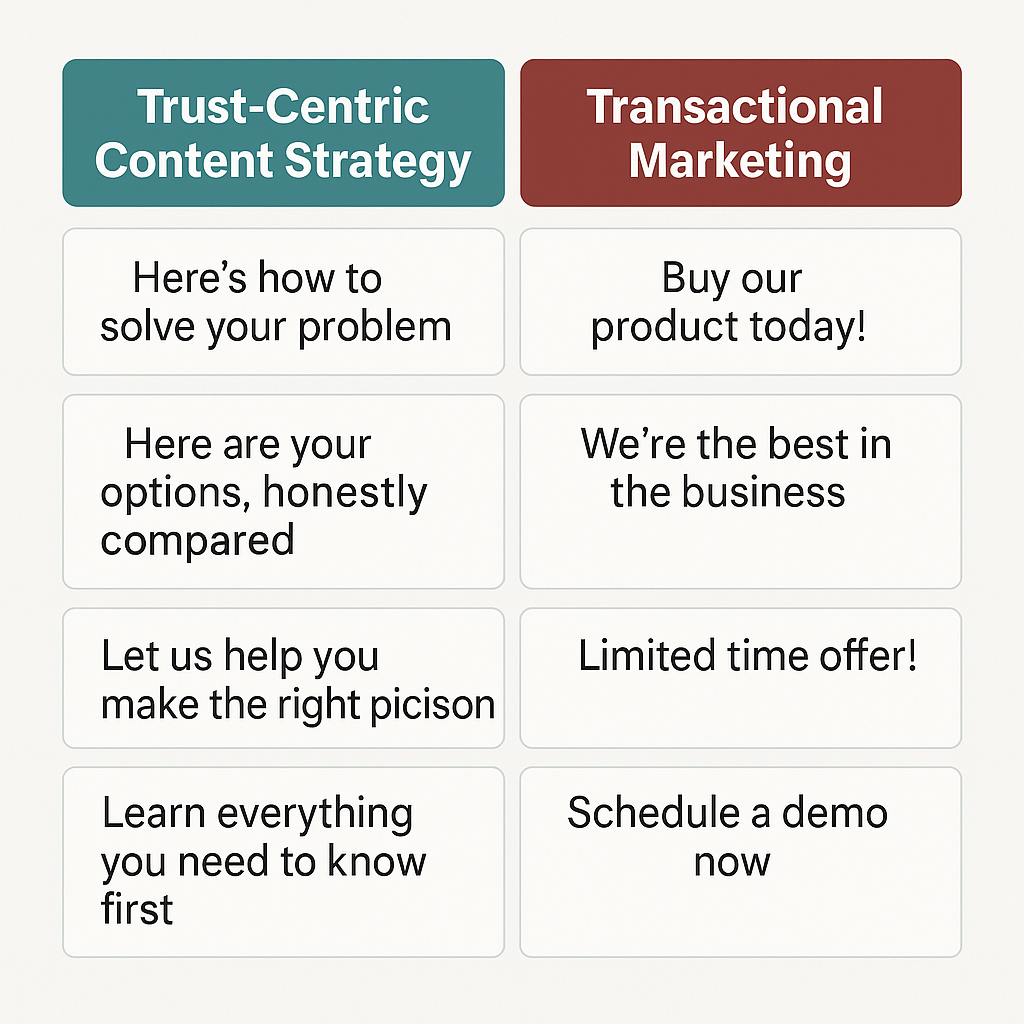
The Endless Customers System prioritises radical transparency by addressing what others won't say, while traditional inbound marketing often avoids controversial or sensitive topics.
Where inbound marketing creates educational content to capture leads, Endless Customers focuses on disruptive, trust-building content that positions the company as an industry authority.
Here's how the content strategies differ:
| Endless Customers | Traditional Inbound |
| Addresses "The Big 5" topics (cost, problems, comparisons, reviews, best-in-class) | Avoids pricing discussions until prospects contact sales |
| Says what others won't say | Sticks to safe, educational topics |
| Brings content production in-house | Often outsources to agencies |
| Content directly supports sales process | Content primarily captures leads |
| Embraces controversy to build trust | Avoids potentially divisive subjects |
The biggest difference? Endless Customers treats every piece of content as a trust-building opportunity, not just a lead magnet.
Traditional inbound content often follows predictable formulas—"How to" guides, industry trends, and surface-level educational pieces. Endless Customers content tackles the questions buyers really have: "How much will this cost?" "What could go wrong?" "How does this compare to alternatives?"

Which approach handles pricing and competitor comparisons better?
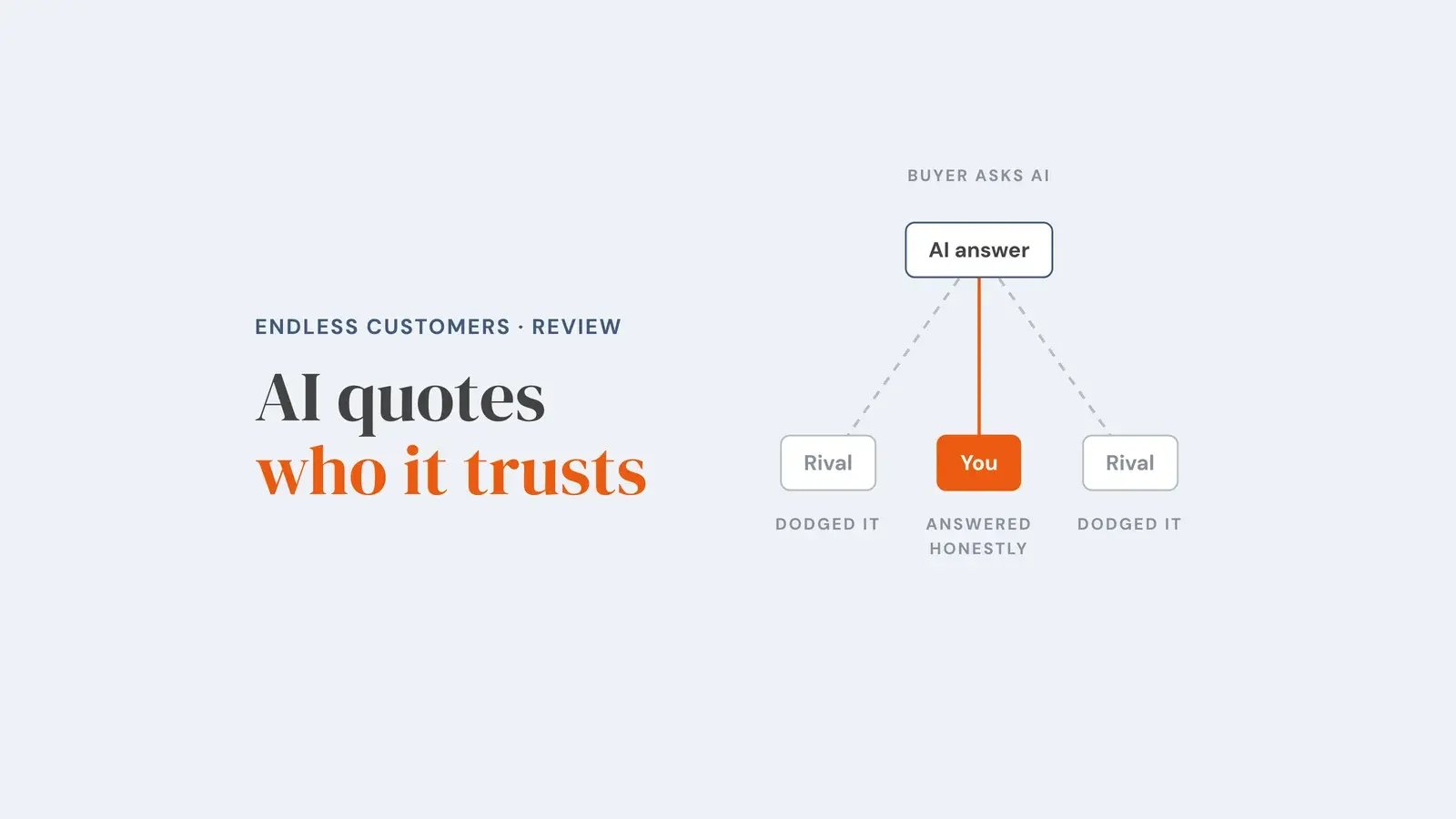
The Endless Customers System embraces "The Big 5" topics (cost, problems, comparisons, reviews, and best-in-class) that traditional inbound marketing typically avoids or handles superficially.
While most companies using traditional inbound marketing require prospects to contact sales for pricing, Endless Customers advocates for transparent pricing discussions to build immediate trust.
Consider your own buying behaviour. When you can't find pricing information on a website, what emotion do you experience? Frustration. That's what we call the "F-word of the internet."
Most website visitors will leave in less than 10 seconds if they're looking for pricing information and can't find it.
Traditional inbound marketing avoids these topics because they're seen as "sales conversations." But buyers are researching these questions whether you address them or not. When you don't provide answers, they'll find a competitor who will.
The Endless Customers approach means:
- Publishing content about pricing ranges and factors that influence cost
- Creating honest comparisons between you and competitors
- Addressing problems and limitations upfront
- Sharing genuine customer reviews (both positive and negative)
- Defining what makes solutions "best-in-class" for different situations
This transparency doesn't hurt your sales prospects—it builds trust with the buyers who are the best fit for your services.
Recommended reading: HubSpot's State of Inbound Marketing Report
How do the sales processes differ between these approaches?
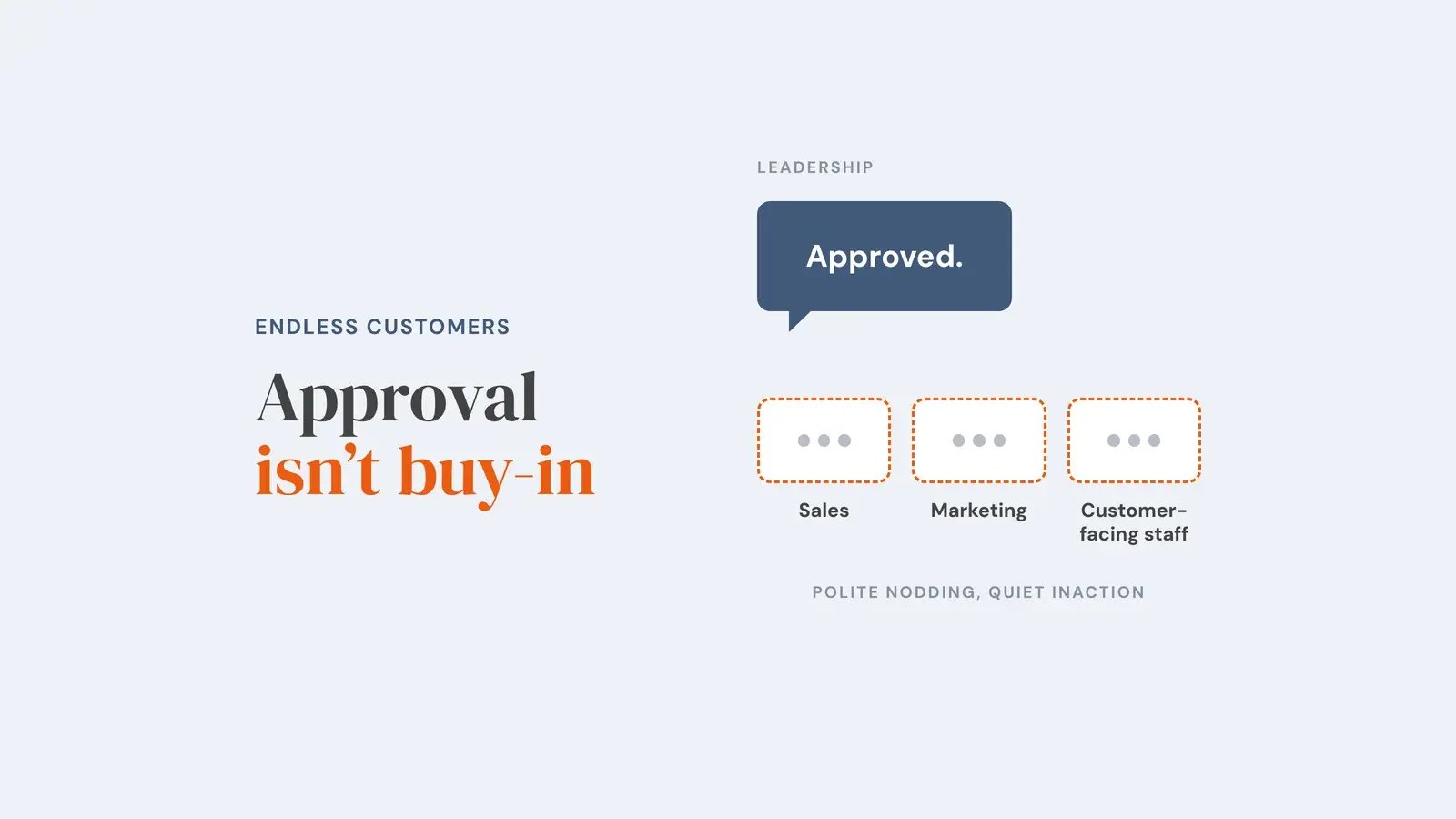
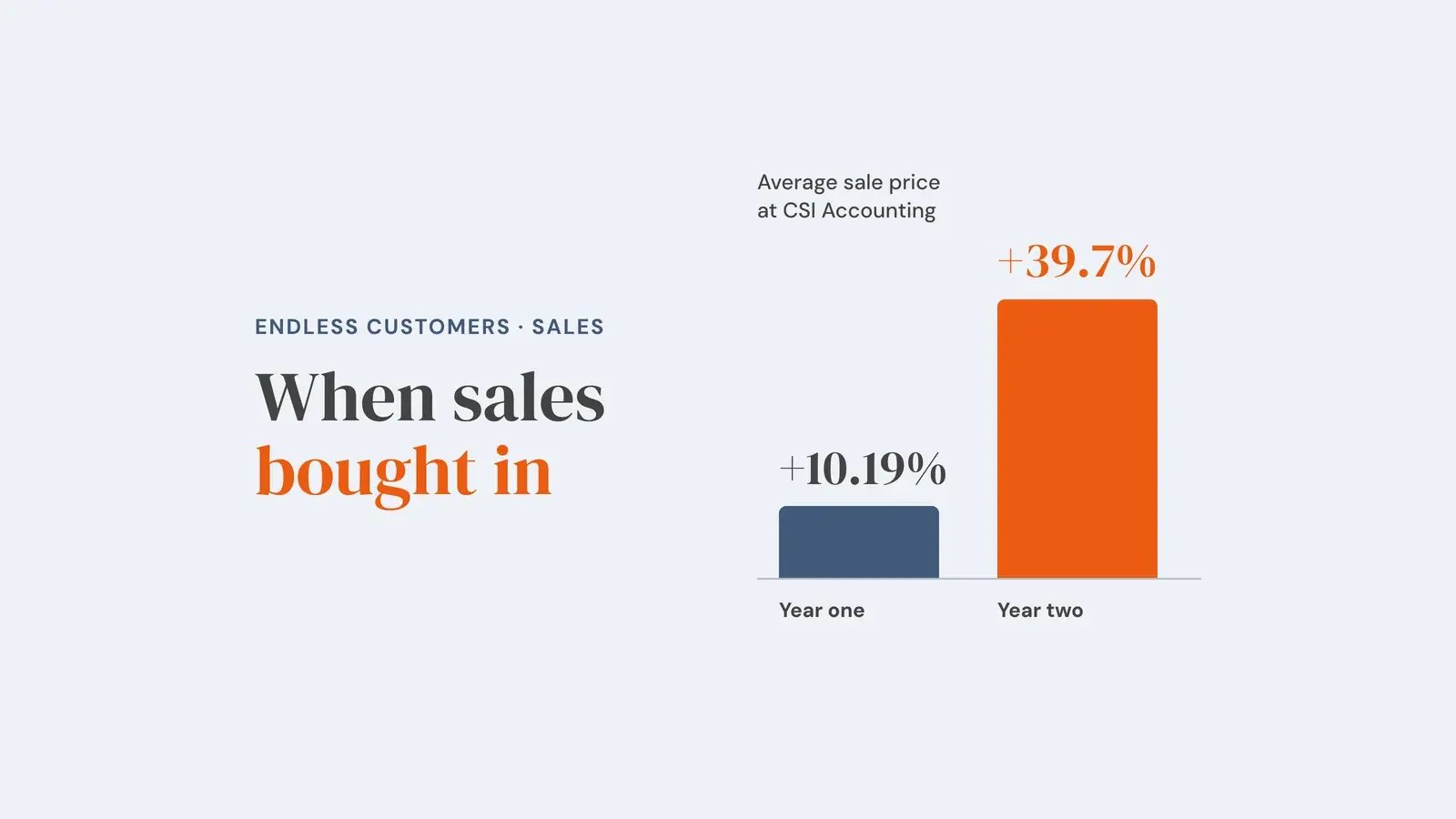
Endless Customers integrates content directly into the sales process, positioning sales teams as trusted advisors rather than traditional closers.
Traditional inbound marketing typically separates marketing and sales activities, with marketing generating leads that sales teams then nurture through separate processes.
In a traditional inbound approach, the handoff looks like this:
- Marketing creates educational content and captures leads
- Sales receives leads and begins separate nurturing process
- Sales conversations start from scratch, often repeating information
- Prospects may still have basic questions that content should have answered
The Endless Customers sales process looks completely different because prospects arrive already educated and trusting your expertise.
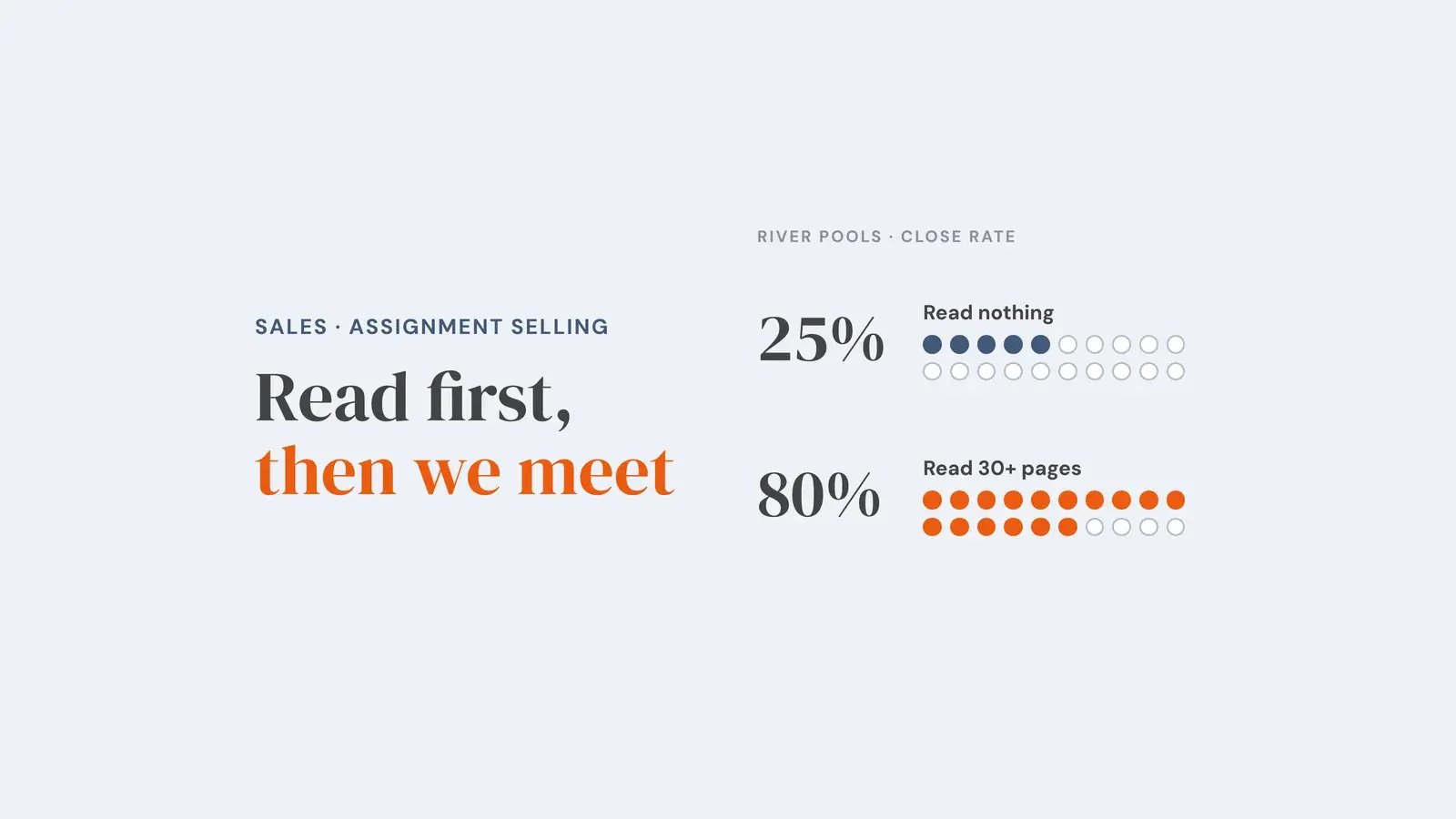
When prospects have consumed your transparent content addressing their real concerns, sales conversations become consultative discussions about fit and implementation rather than basic education sessions.
Sales teams using the Endless Customers approach:
- Reference specific content pieces during conversations
- Build on trust already established through transparent content
- Focus on consultative selling rather than overcoming objections
- Close deals faster because prospects arrive pre-qualified and educated
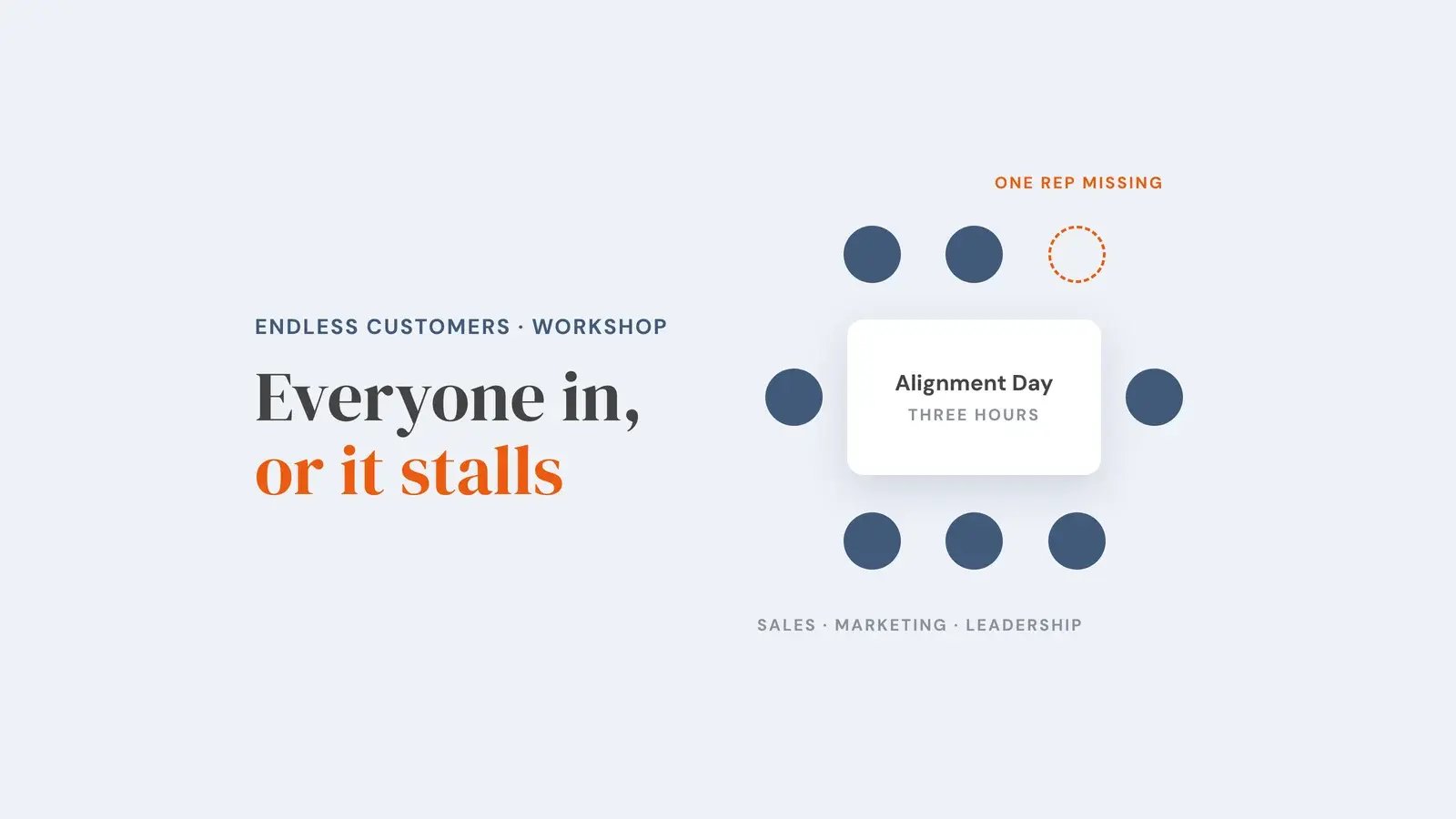
This integration means your website actually participates in the sales process rather than simply generating leads for sales to handle separately. Learn more about my Company Alignment Workshop to unite your sales and marketing teams
What are the website and technology requirements?
The Endless Customers approach transforms websites into educational hubs that actively participate in the sales process, going beyond traditional lead capture pages.
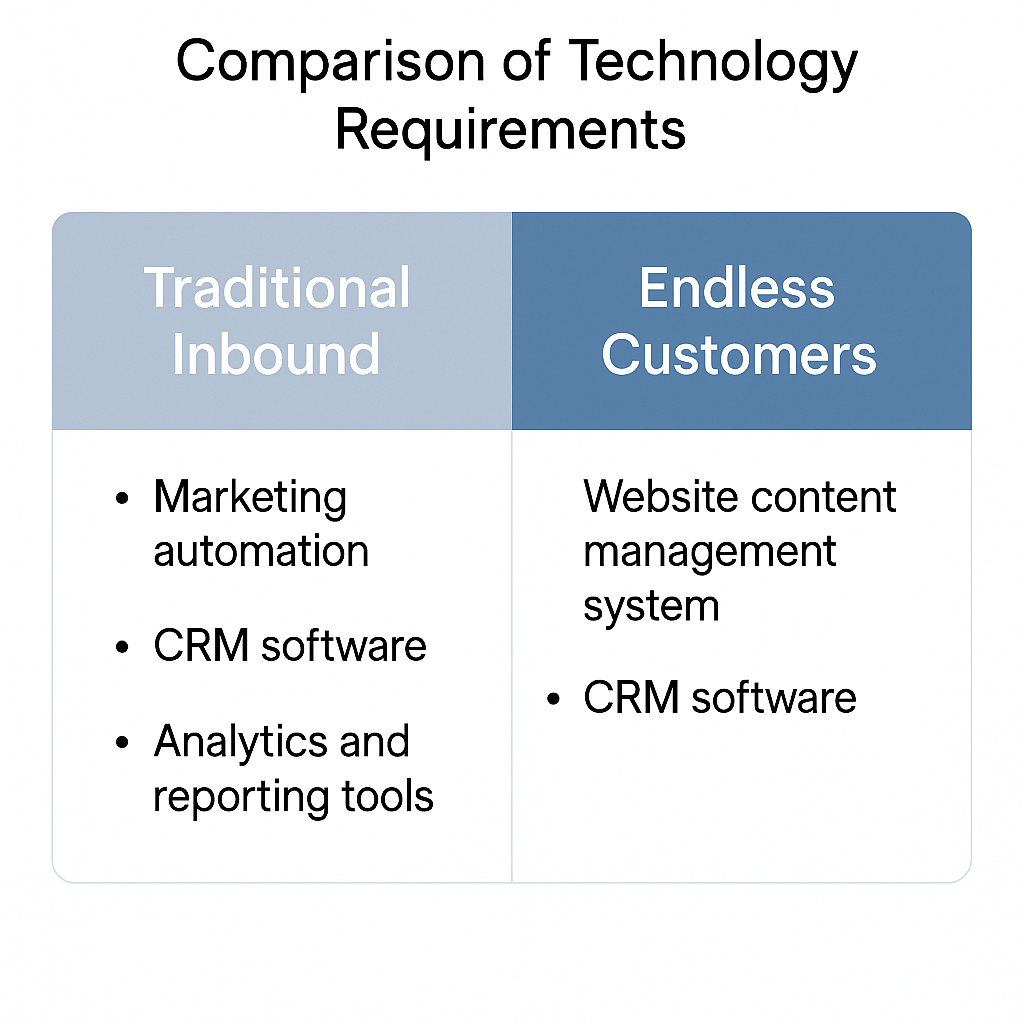
While both approaches require marketing technology, Endless Customers emphasises creating exceptional customer experiences through integrated, clean data systems.
Traditional inbound marketing websites typically feature:
- Landing pages designed to capture contact information
- Gated content requiring form completion
- Blog sections separate from product/service pages
- Standard "contact us for pricing" messaging
Endless Customers websites become educational powerhouses that answer questions buyers actually have.
These websites include:
- Transparent pricing discussions and cost factors
- Detailed comparisons with competitors
- Honest reviews and case studies showing fit
- Problems and limitations clearly explained
- "Best-in-class" definitions for different situations
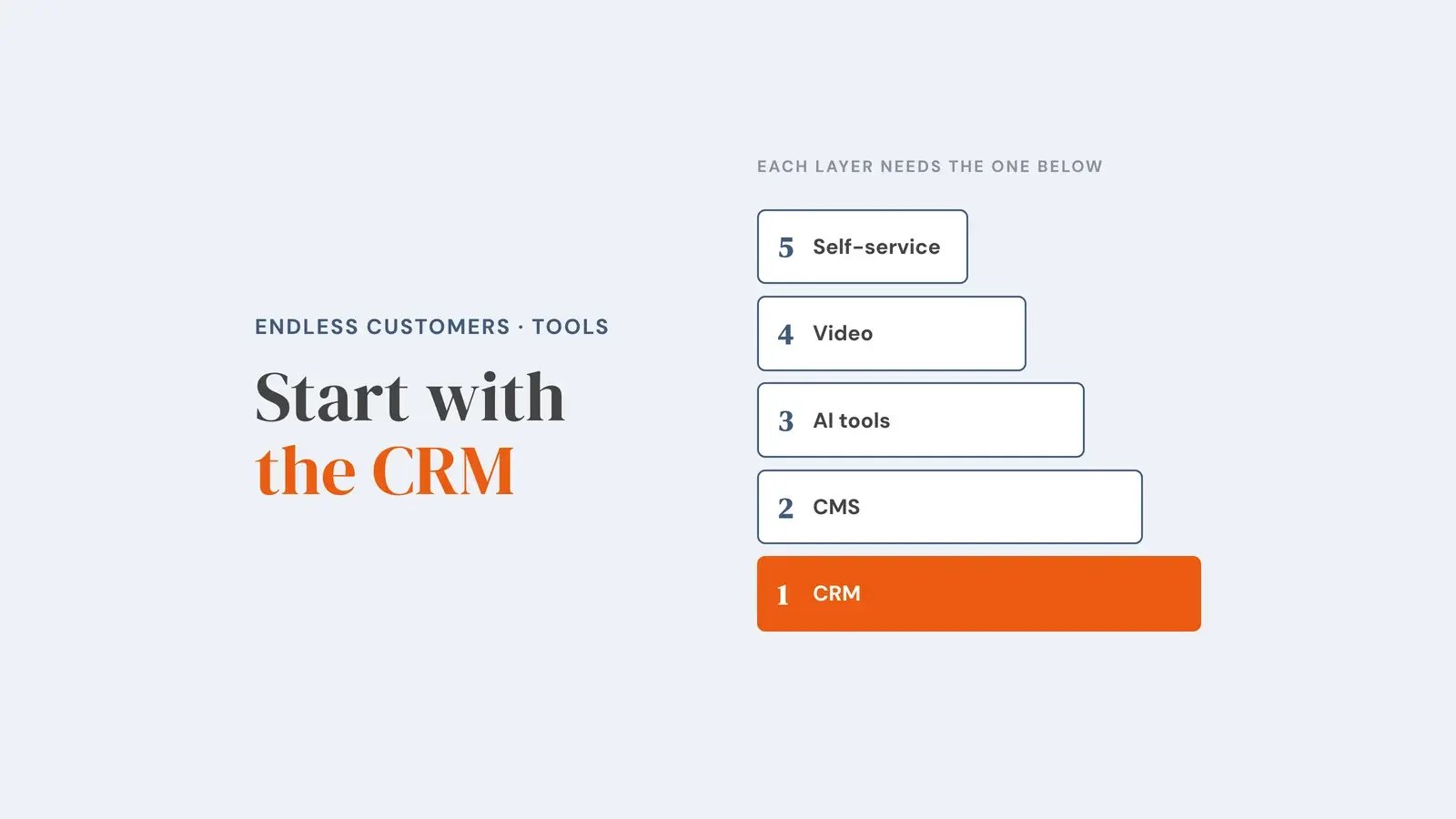
The technology stack focuses on creating seamless experiences rather than just capturing data. This means cleaner CRM integration, better content management systems, and tools that support the sales team's consultative conversations.
From my experience with the In-House Sales and Marketing Mastery programme, companies that succeed focus on systems that support their entire team rather than just marketing automation.
Which strategy works better for different business types?
Endless Customers performs best for businesses with £1-100 million in annual revenue where buyers conduct significant research before purchasing, particularly in B2B services, construction, and healthcare.
Traditional inbound marketing can work across various business sizes and industries, but may be less effective for companies requiring high-trust, consultative sales processes.
Endless Customers works exceptionally well for:
- B2B professional services where trust and expertise matter most
- Construction and home improvement companies where projects are significant investments
- Healthcare providers where buyers research extensively before choosing
- Manufacturing companies selling complex products requiring education
- Insurance and financial services where transparency builds confidence
The common thread? These industries involve purchases where buyers do extensive research and value expertise over price alone.
Traditional inbound marketing may be sufficient for:
- E-commerce businesses with shorter sales cycles
- SaaS companies with clear value propositions
- Service businesses where price is the primary consideration
- Industries with impulse or repeat purchases
The key difference is research intensity. If your buyers spend weeks or months researching before purchasing, Endless Customers will likely deliver better results. If they make quick decisions based on convenience or price, traditional inbound might work.
How do the implementation timelines compare?
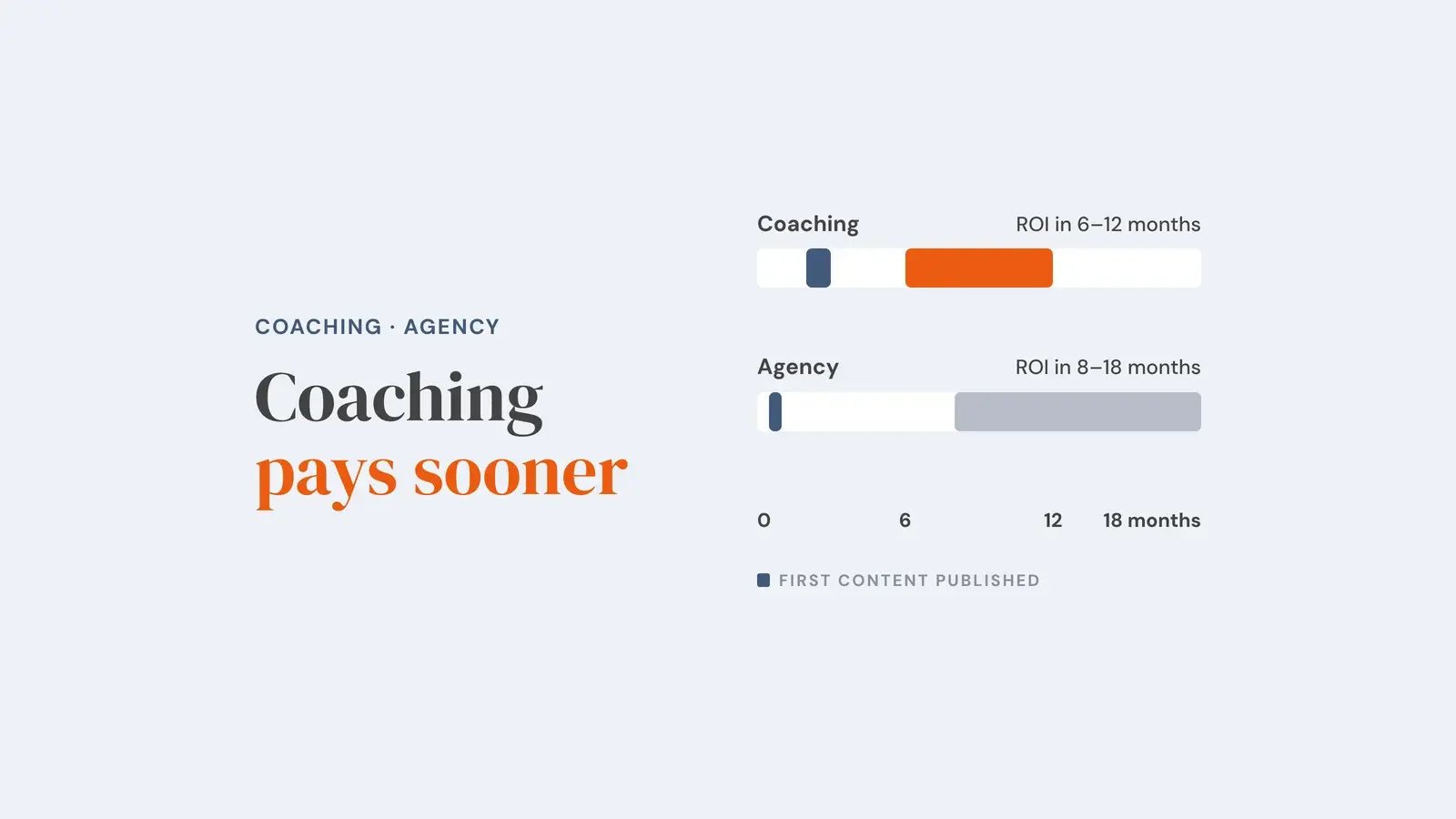
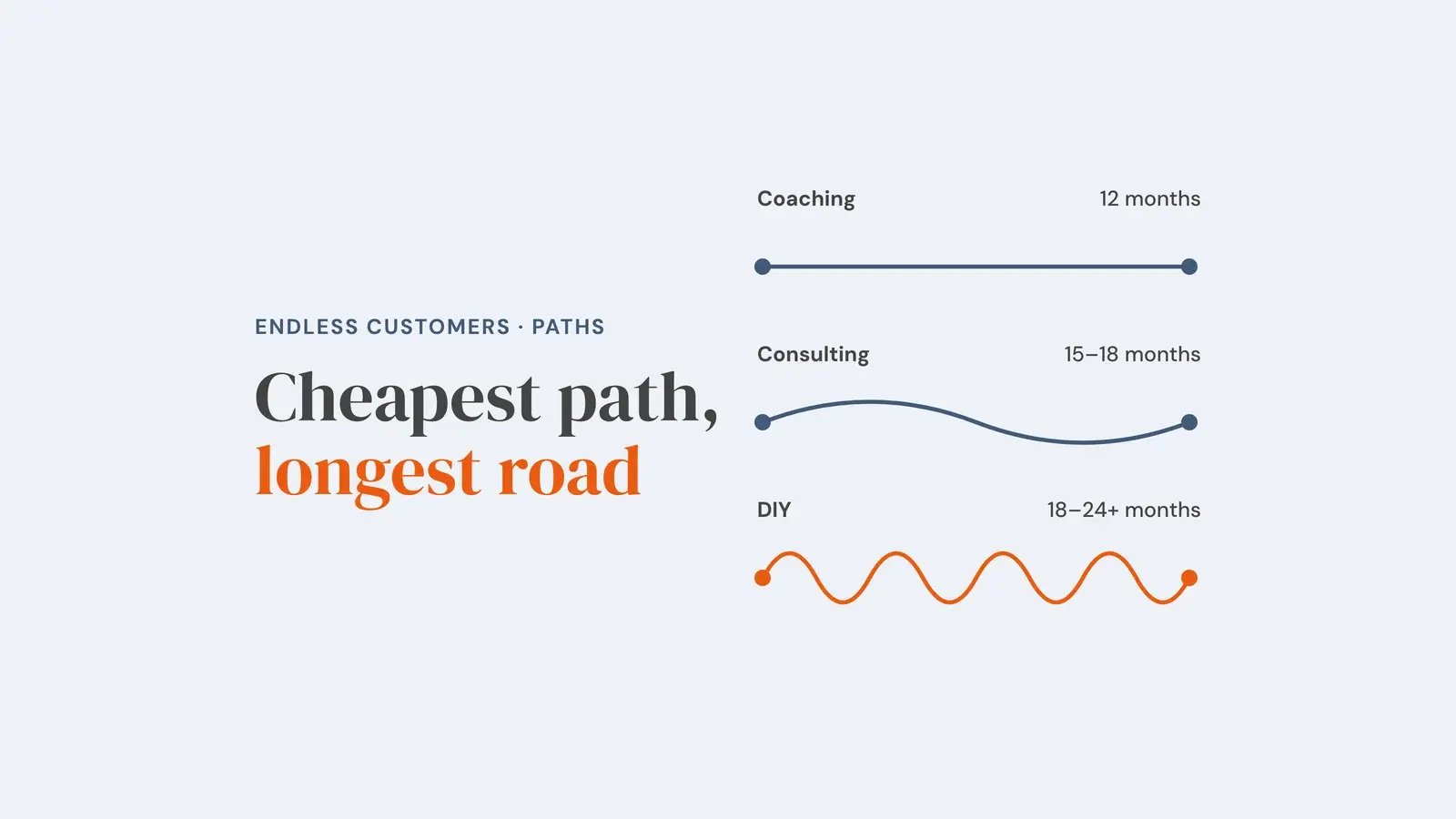
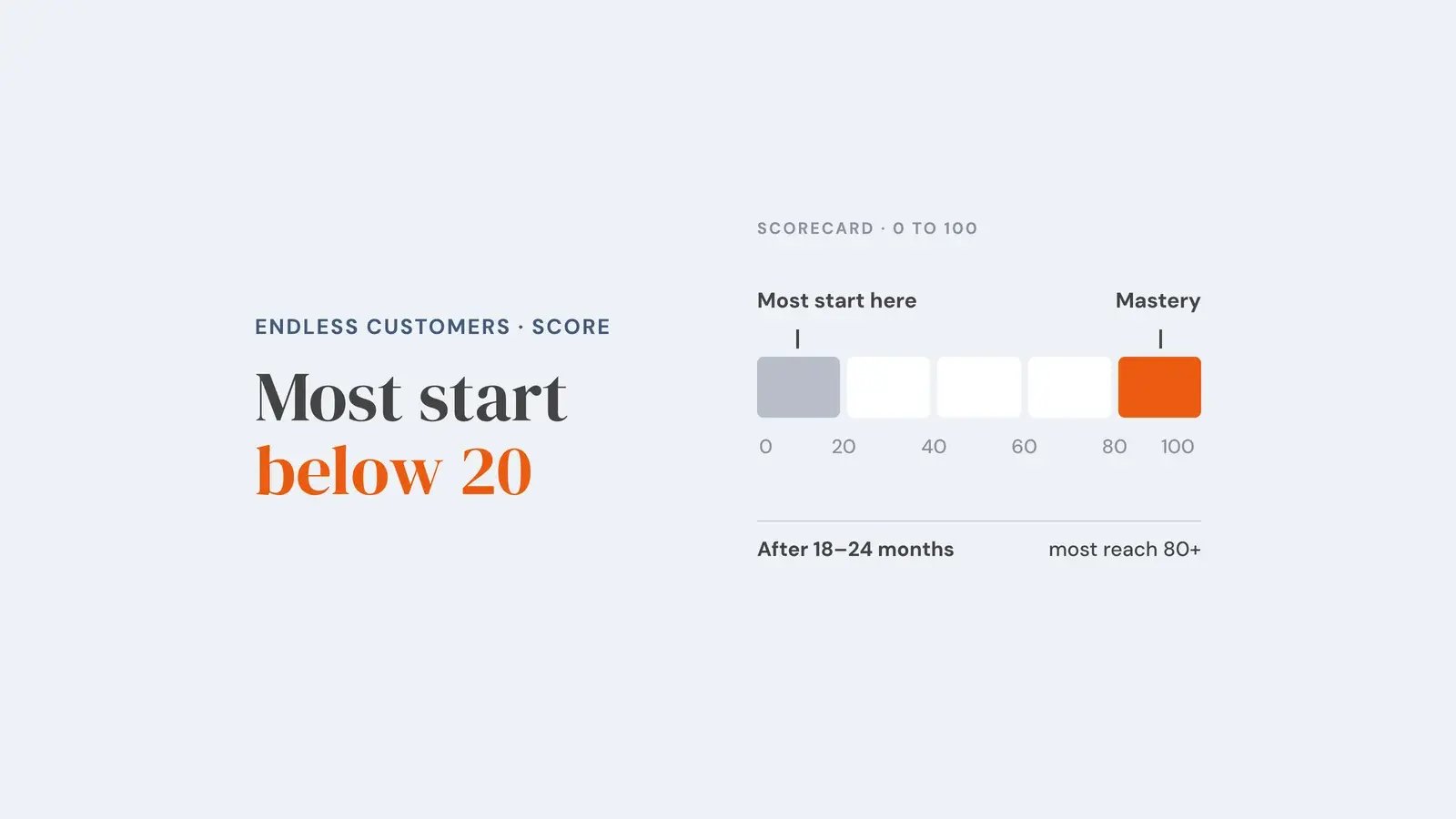
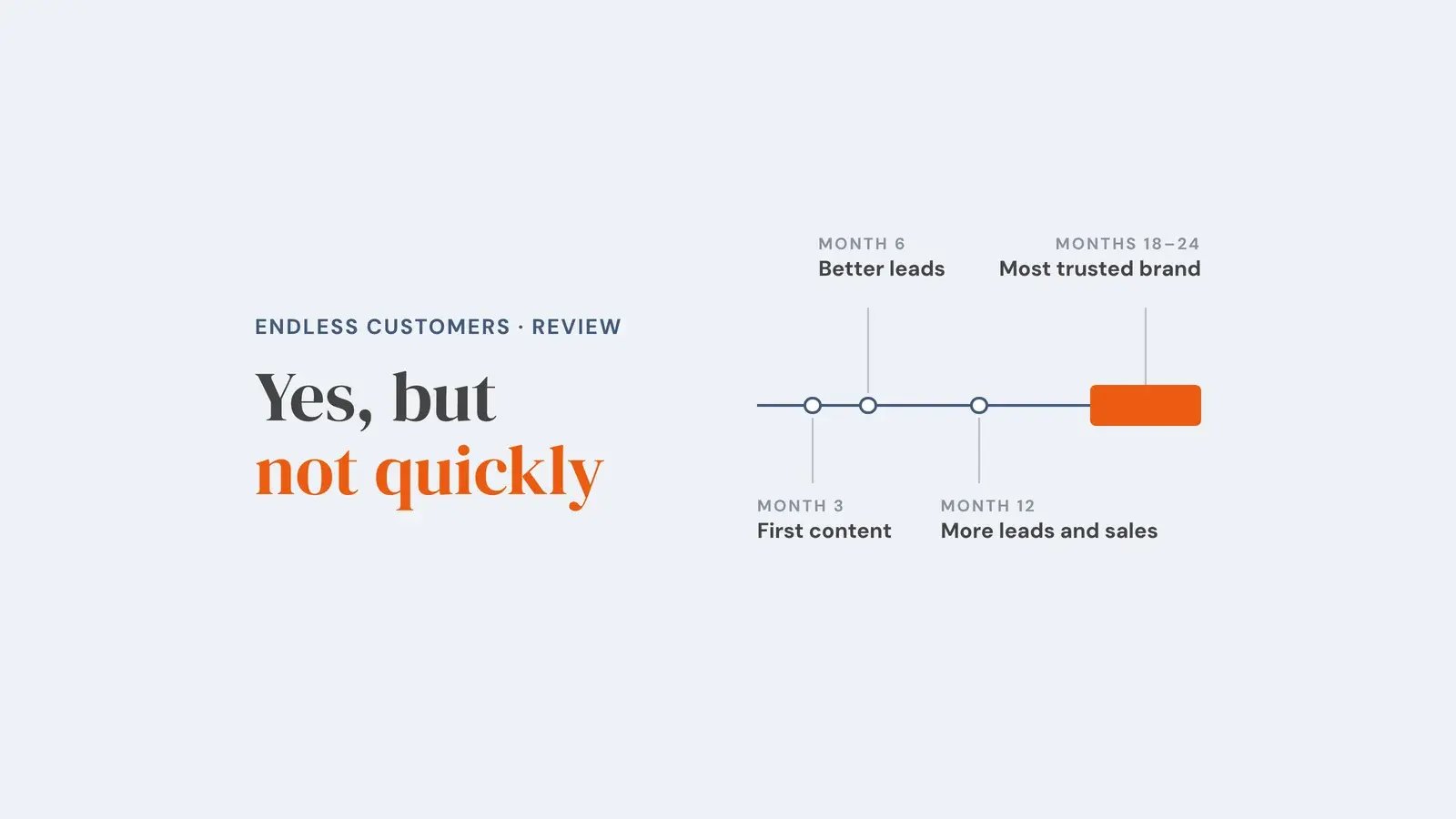
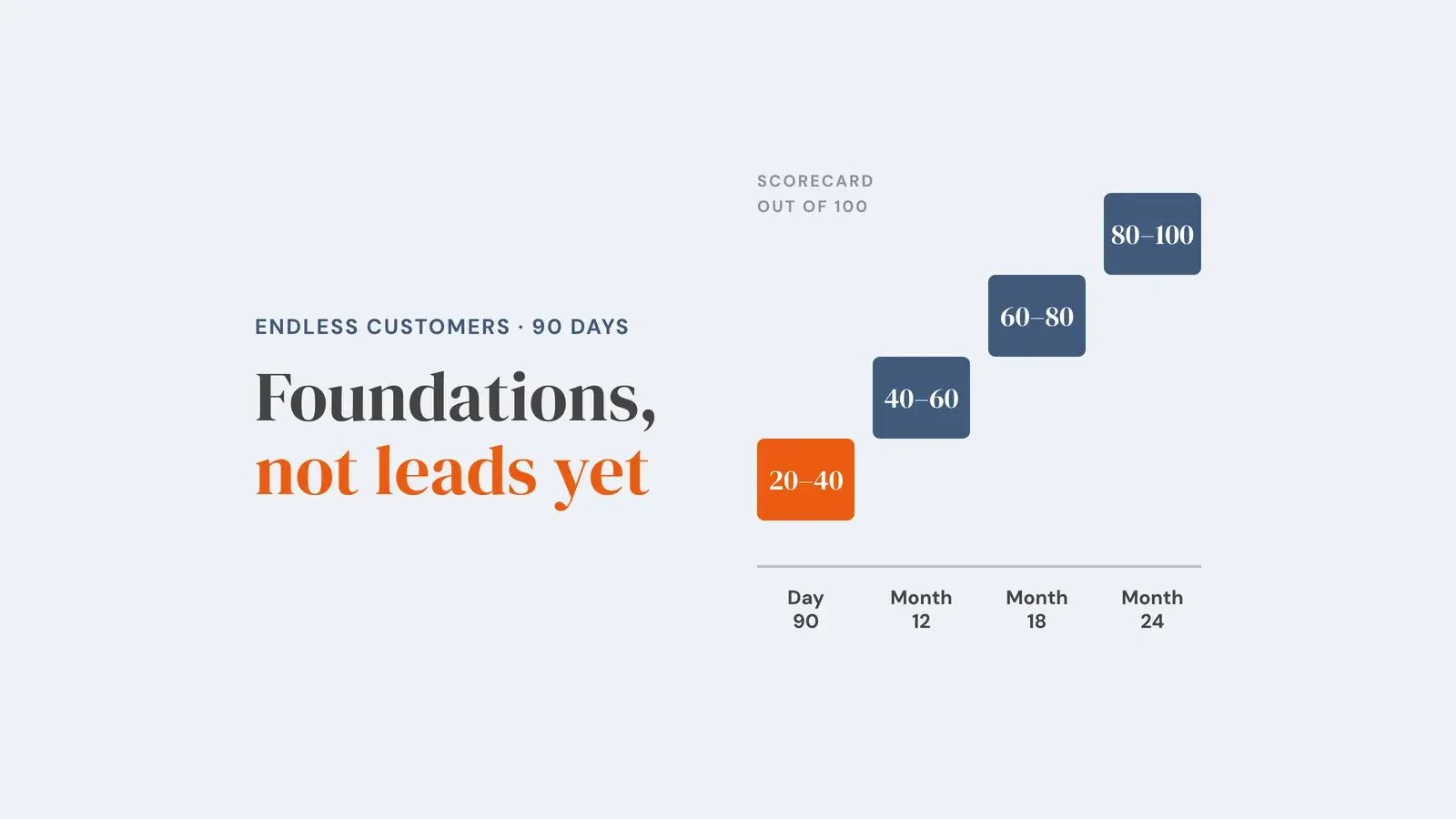
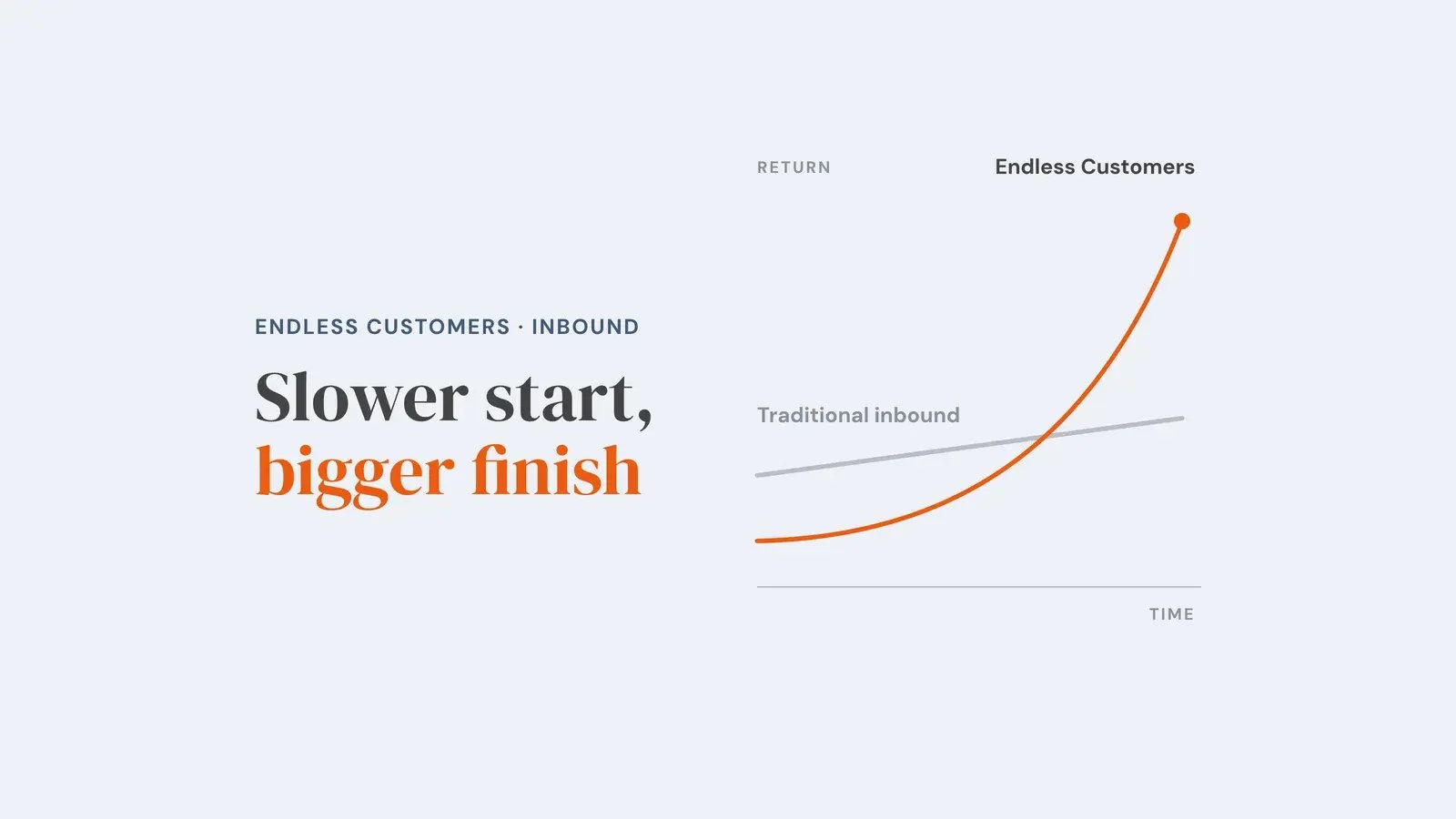
The Endless Customers System requires a long-term commitment to cultural change and consistent content production, typically showing significant results within 6-12 months.
Traditional inbound marketing can show quicker initial results through tactical execution but may plateau without the deeper trust-building elements that drive sustainable growth.
Here's what implementation looks like:
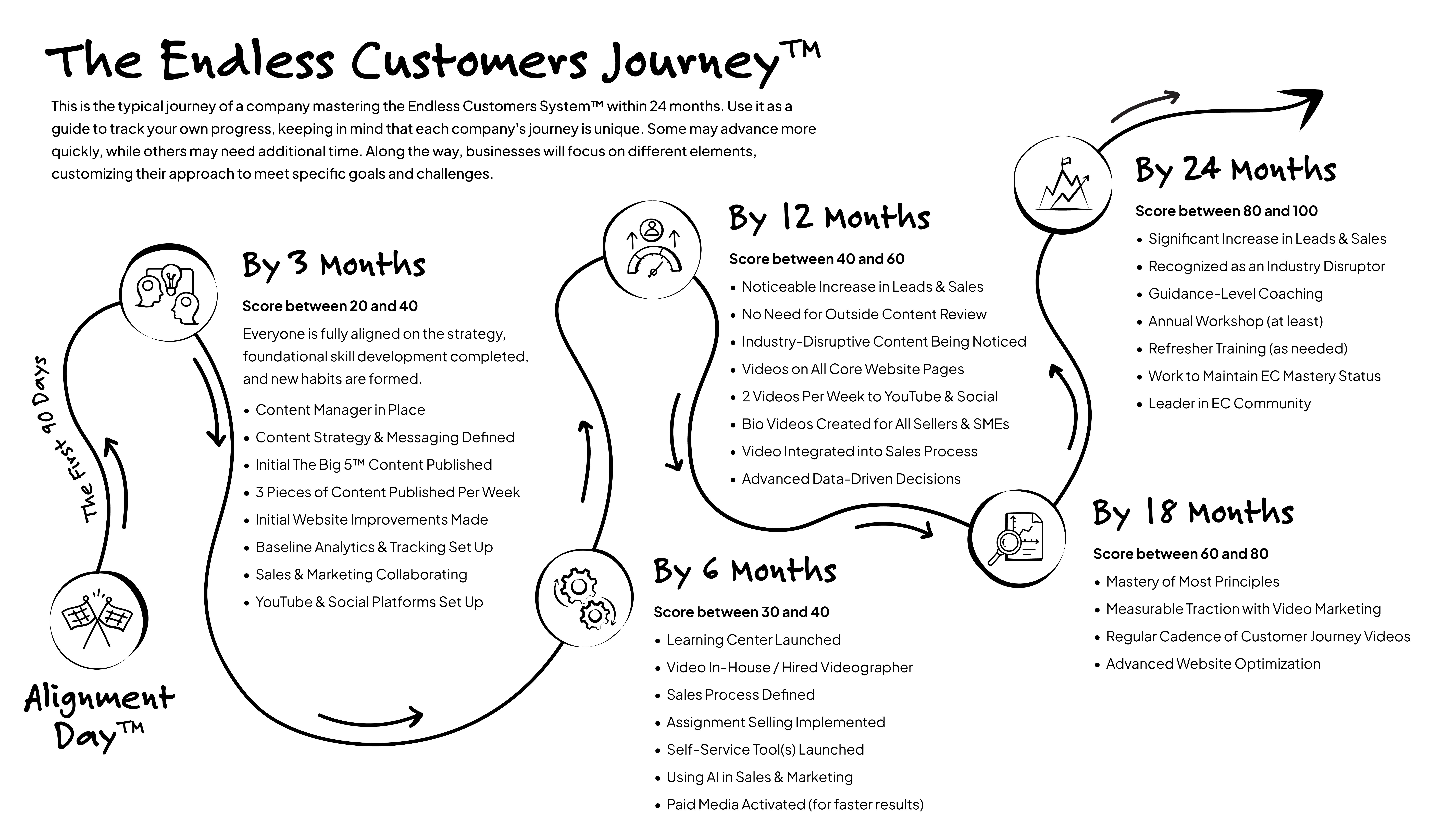
The Endless Customers approach takes longer to show initial results because you're building something more valuable than lead flow; you're building market authority.
Traditional inbound can generate leads within weeks of launching campaigns. But these leads often require extensive nurturing because they haven't built trust with your brand yet.
With Endless Customers, prospects who contact you have already consumed your transparent content, making them more qualified and easier to close. This creates better long-term economics even though initial results take longer.
What are the costs associated with each approach?
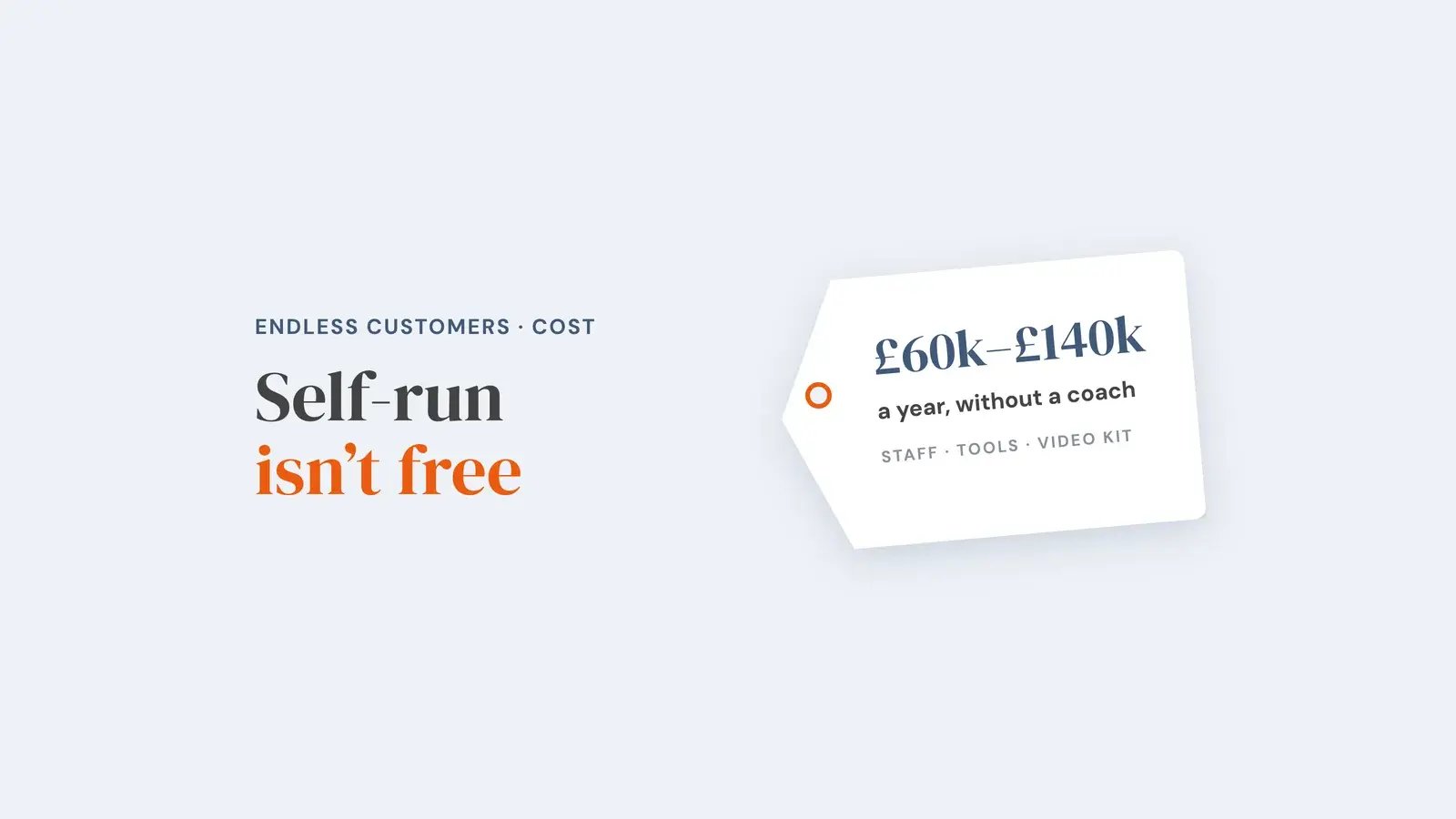
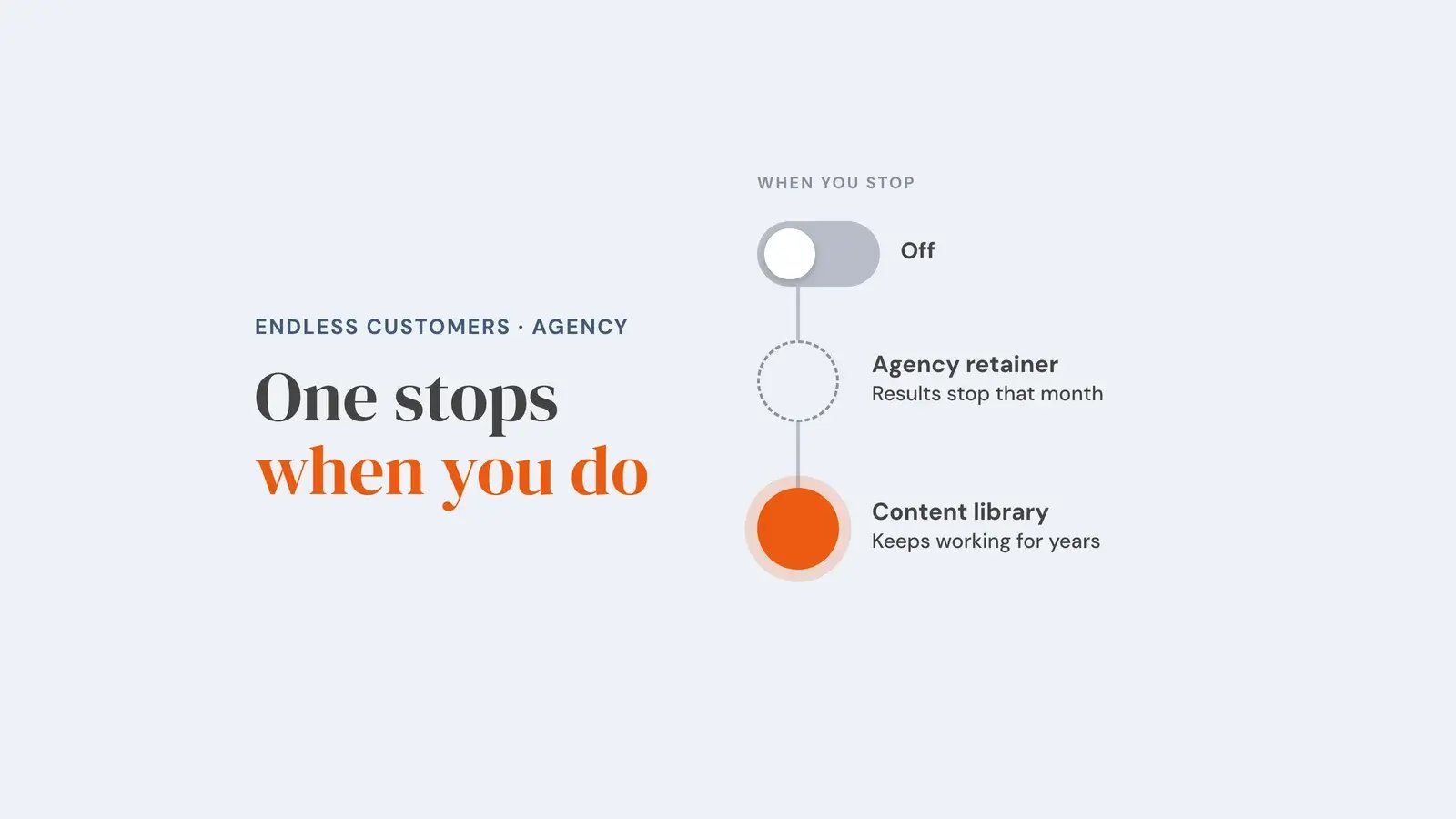
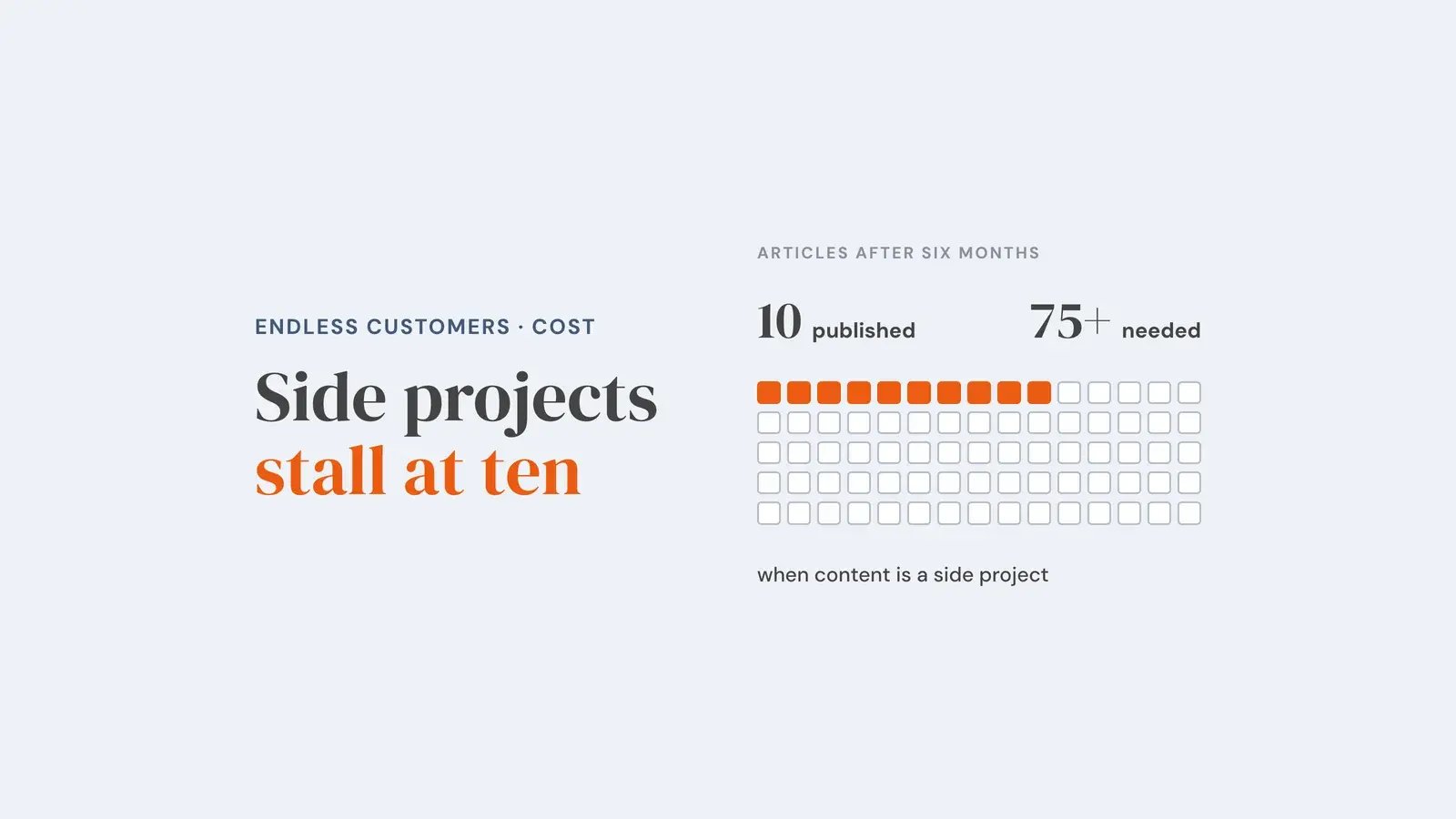
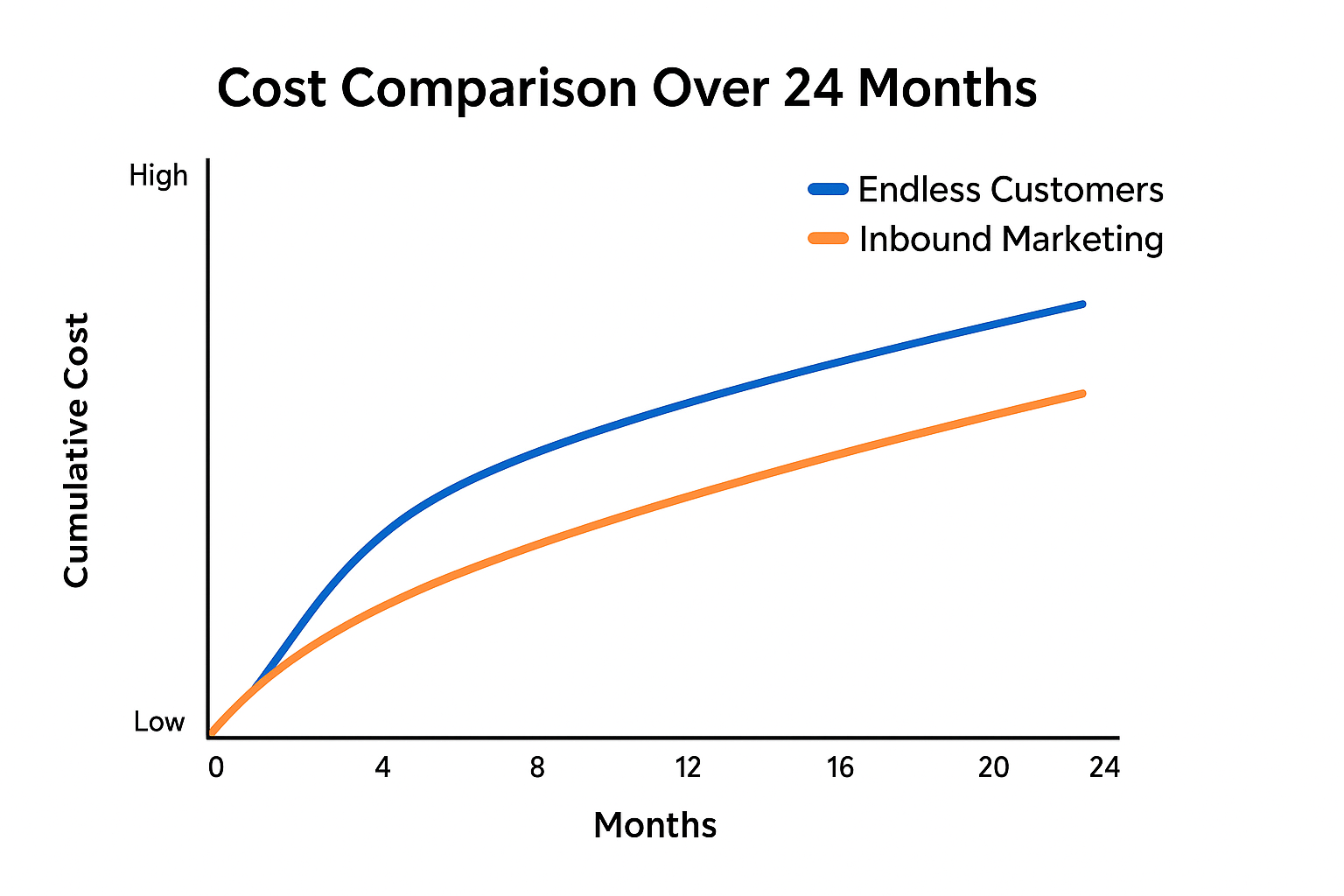
Endless Customers emphasises bringing content production in-house, which requires initial investment in talent and training but reduces long-term dependency on external agencies.
Traditional inbound marketing often relies on external agencies and software subscriptions, with costs varying based on the complexity of campaigns and lead volume targets.
Cost considerations for each approach:
Endless Customers Investment:
- In-house content team (salary costs)
- Video production equipment and training
- Website redesign focused on transparency
- Sales team training on consultative selling
- Technology for content management and CRM
Traditional Inbound Investment:
- Agency fees or freelancer costs for content creation
- Paid advertising budgets for lead generation
- Marketing automation software subscriptions
- Lead nurturing sequences and email marketing
- Landing page creation and A/B testing tools
The key difference? Endless Customers builds internal capabilities that compound over time, while traditional inbound often requires ongoing external investment.
Through my In-House Sales and Marketing Mastery programme, I help companies build these internal capabilities systematically. The initial investment in team development pays dividends as your expertise grows and external dependencies decrease.
Most companies find that whilst Endless Customers requires higher upfront investment, the long-term cost per customer acquisition decreases as trust and authority build.
Which approach delivers better ROI for most businesses?
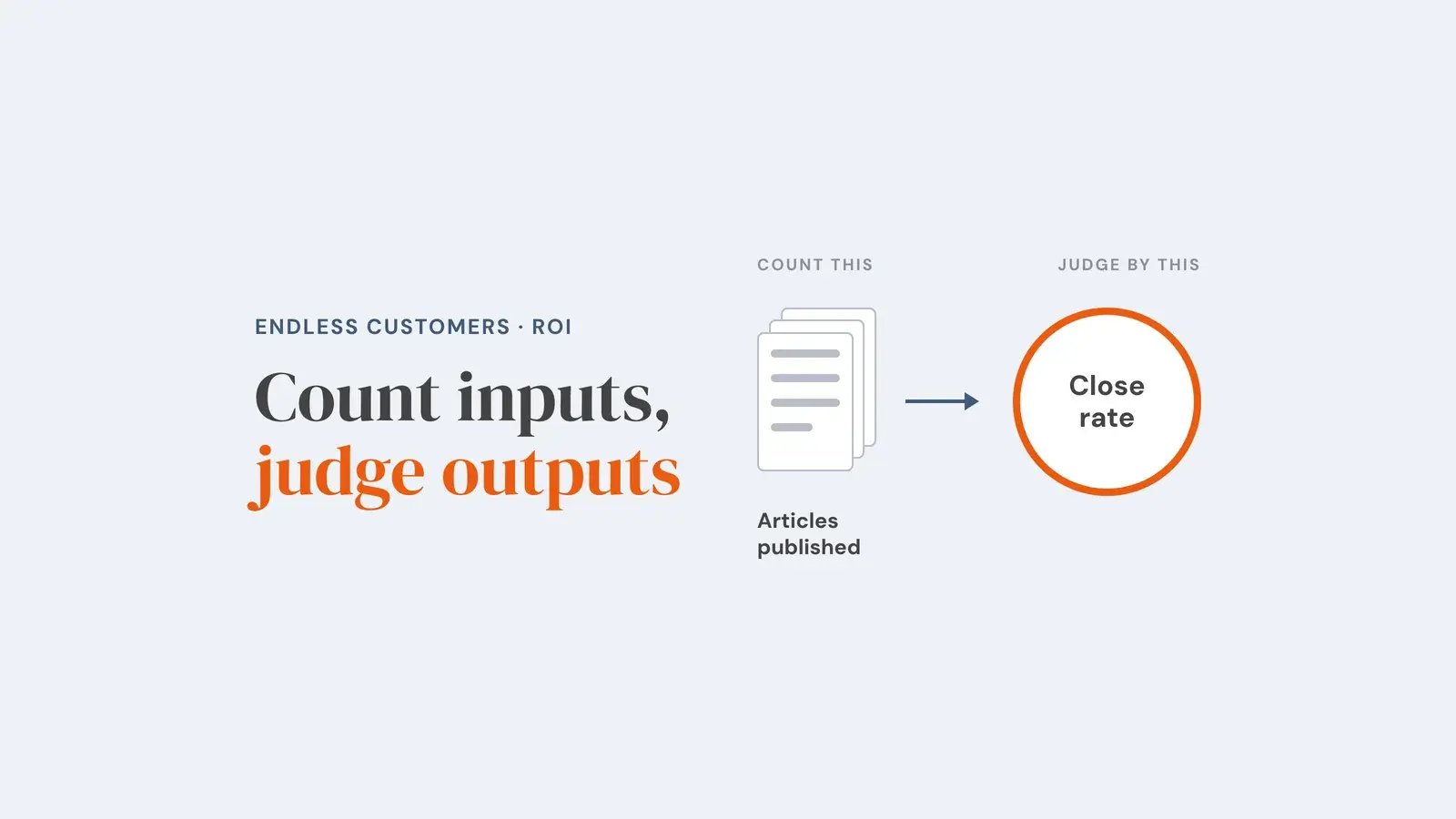
The Endless Customers System typically delivers higher ROI for businesses willing to commit to the cultural changes required, as it builds lasting brand recognition and trust that compounds over time.
Traditional inbound marketing may provide more predictable short-term results but often requires continuous investment to maintain lead flow without building sustainable competitive advantages.
The ROI difference comes down to compounding effects versus linear growth.
Traditional inbound marketing delivers fairly predictable returns:
- Spend £X on content and ads
- Generate Y leads
- Convert Z% to customers
- Scale by increasing spend
Endless Customers creates compounding returns:
- Initial investment in transparency and trust-building
- Authority grows over time
- Sales cycles shorten as trust increases
- Word-of-mouth referrals multiply
- Competitive differentiation becomes sustainable
Here's what I've observed: companies using Endless Customers principles see their cost per acquisition decrease over time, whilst traditional inbound often sees costs increase as competition intensifies.
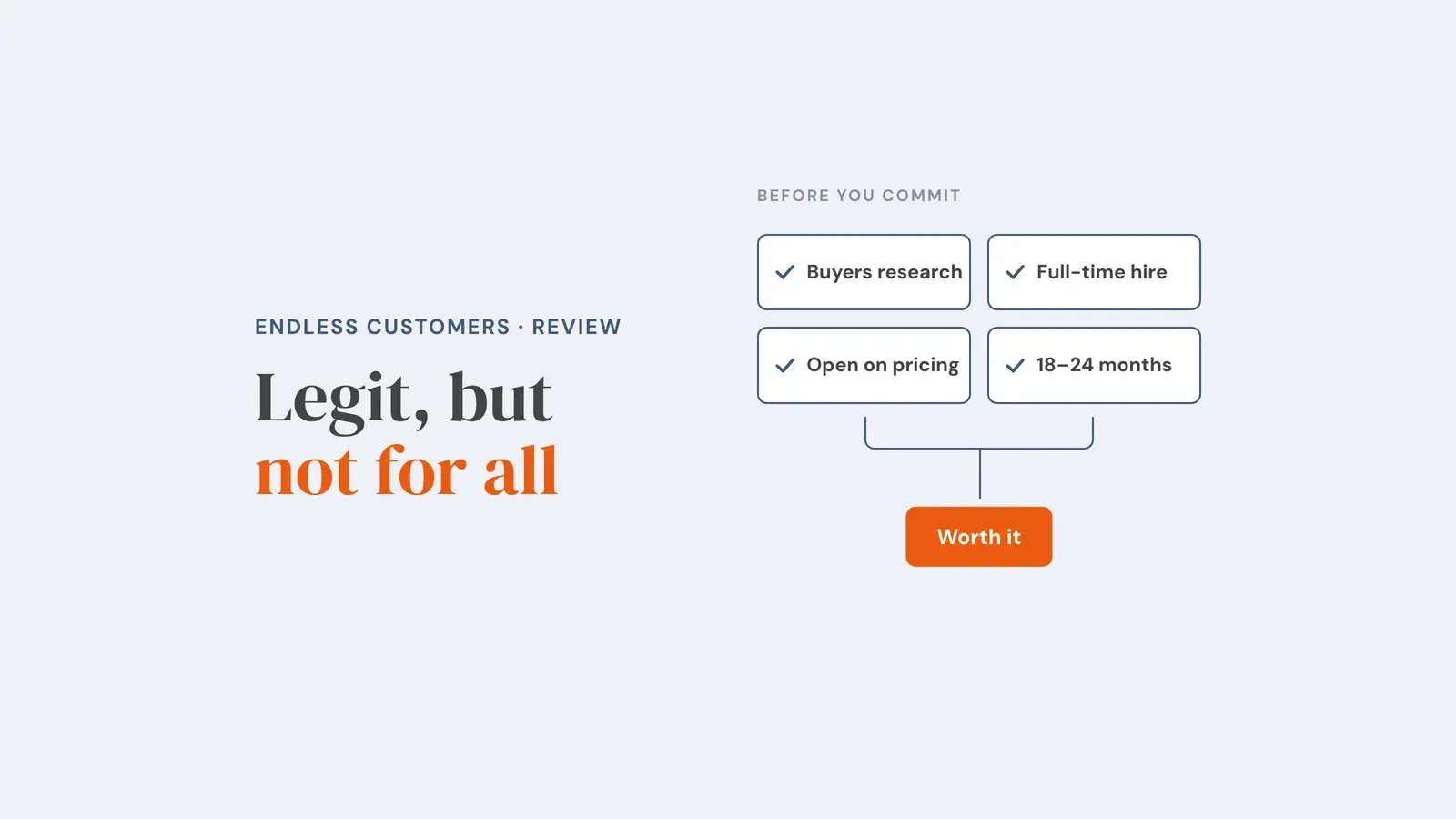
The businesses that succeed with Endless Customers share common characteristics:
- Leadership commitment to transparency
- Willingness to address difficult topics
- Long-term perspective on growth
- Focus on becoming genuinely helpful to buyers
If your business fits this profile, Endless Customers will likely deliver superior ROI. If you need immediate lead generation and aren't ready for cultural change, traditional inbound might be your starting point.
Ready to build trust that drives growth?
After years of doing “all the right things” in inbound—creating content, optimizing for SEO, running lead-gen campaigns—you might still be wondering why your pipeline feels unpredictable and your brand indistinguishable.
Now, you understand the real difference: inbound generates leads; the Endless Customers System builds trust. And trust is what turns browsers into buyers and customers into advocates.
The next step is choosing whether your business continues chasing leads, or begins building a brand that buyers seek out, refer, and return to. That choice starts with aligning your team around a trust-first approach that works across content, sales, and technology.
If you’re ready to take the first step, start by exploring how my Company Alignment Workshop brings your sales and marketing teams together under one system—and if you’re serious about long-term change, my In-House Sales and Marketing Mastery programme gives you the roadmap and coaching to own your marketing internally.
You’ve seen what Endless Customers can do. Now it’s your turn to become the most trusted voice in your space.
Book a friendly chat to see if Endless Customers is right for your team.

Topics: