


Are you tired of spending thousands on marketing agencies that deliver no ROI? Frustrated by wasting hours chasing unqualified leads while your website sits quietly and competitors somehow attract all the attention?
If you've been searching for a proven system to become the most trusted brand in your market, the Endless Customers methodology deserves your attention. As a marketing consultant who's helped dozens of businesses implement content-driven strategies, I've seen firsthand what separates companies that transform their marketing from those that struggle with yet another "new approach."
In this article, you'll learn:
- What Endless Customers is and how it works
- What kind of businesses thrive with this system
- The real costs and timeframes involved
- Whether it's the right fit for your business
Endless Customers explained: How the system works and drives results
The Endless Customers System™ is a sales and marketing methodology that helps businesses become the most known and trusted brand in their market through radical transparency and content-driven strategies.
Rather than relying on traditional advertising or outsourced agencies, this approach teaches companies to answer every question buyers have through honest, helpful content. The system operates on 4 foundational pillars and 5 key components that work together to generate qualified leads, shorten sales cycles, and increase close rates.
At its core, Endless Customers addresses a simple truth: today's buyers conduct extensive research before ever speaking with sales. They're searching for answers about cost, problems, comparisons, and reviews. Companies that provide these answers transparently earn trust faster and win more business.
The methodology requires bringing marketing in-house, creating video-first content, and modernising your sales process to meet buyers where they actually are in their journey.
Who benefits most from the Endless Customers System
The Endless Customers System™ works best for companies with annual revenues between £1 million ($1.25 million) and £100 million ($125 million) who are ready to bring marketing in-house and implement cultural change.
This revenue range typically indicates businesses capable of staffing at least one dedicated marketing role and nimble enough to challenge industry conventions. However, success depends less on size and more on mindset.
You'll thrive with this system if:
- You aspire to become the most known and trusted brand in your market
- Your buyers conduct significant research before purchasing
- You're willing to embrace radical transparency about pricing, problems, and comparisons
- Leadership is committed to long-term change, not quick fixes
- You want to control your marketing destiny rather than outsourcing it
This system excels in industries where trust matters most: B2B services, construction, healthcare, home improvement, insurance, manufacturing, and real estate. These sectors feature longer sales cycles where buyers actively research options and seek expertise before making decisions.
Conversely, businesses with impulse-purchase products, very short sales cycles, or leadership unwilling to embrace transparency will struggle with this methodology. If you're operating a restaurant or convenience store, other marketing approaches may serve you better.
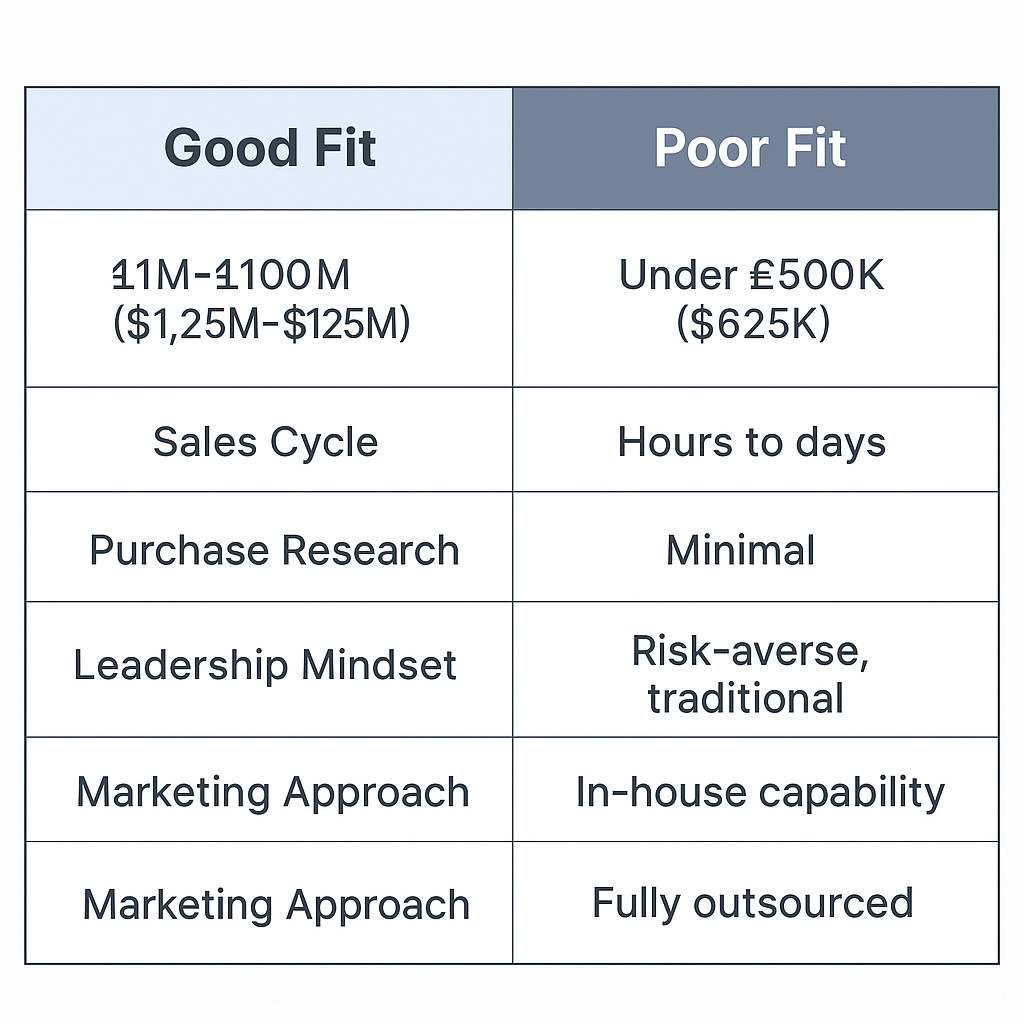
| Business Characteristic | Good Fit | Poor Fit |
|---|---|---|
| Annual Revenue | £1M-£100M ($1.25M-$125M) | Under £500K ($625K) |
| Sales Cycle | Weeks to months | Hours to days |
| Purchase Research | Extensive | Minimal |
| Leadership Mindset | Disruptive, transparent | Risk-averse, traditional |
| Marketing Approach | In-house capability | Fully outsourced |
The 4 pillars that make Endless Customers different
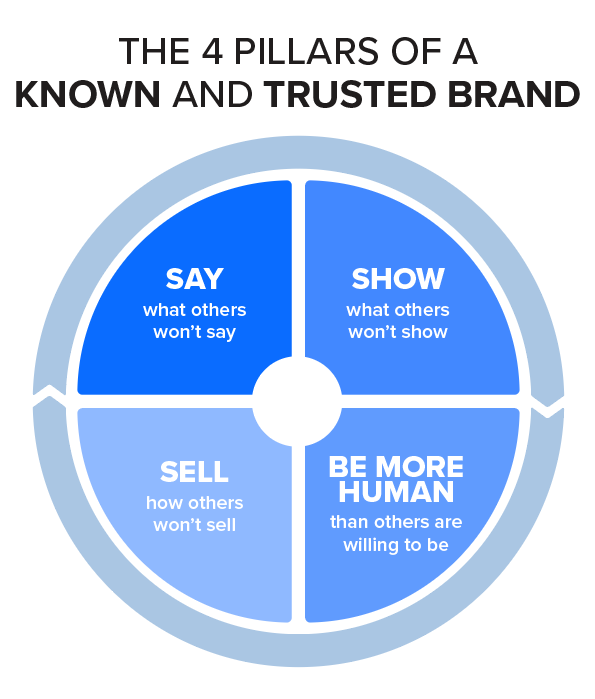
The Endless Customers system is built on 4 foundational pillars: say what others won't say, show what others won't show, sell differently than others, and be more human than competitors.
These pillars represent the mindset shift required to become the most trusted brand in your market. Each pillar challenges conventional marketing wisdom by demanding transparency most businesses are too afraid to embrace.
Pillar 1: Say What Others Won't Say
Most companies avoid discussing pricing, problems, and comparisons online. The Endless Customers approach requires addressing these topics head-on. When you answer the questions buyers are actively searching for, questions your competitors ignore, you build trust faster and attract higher-quality leads.
Pillar 2: Show What Others Won't Show
Video brings transparency to life. Showing your products, people, processes, and facilities through video creates connection and credibility that written content alone cannot achieve. Competitors who hide behind stock photos and generic messaging lose to businesses willing to show the reality of working with them.
Pillar 3: Sell Differently Than Others
Traditional sales processes waste time educating unqualified prospects. The Endless Customers methodology uses content to pre-educate buyers before sales conversations, resulting in shorter sales cycles and higher close rates. Sales teams spend less time teaching and more time solving specific client needs.
Pillar 4: Be More Human Than Competitors
Buyers want to work with real people, not faceless corporations. Featuring your team in content, particularly video, builds relationships before the first meeting. When prospects feel they already know your team, trust accelerates and objections diminish.
These four pillars work together to position your business as fundamentally different from competitors. The question underlying every decision becomes: "Will this induce more trust?"
The "Big 5" content framework: Meeting buyers where they research
The Big 5 framework focuses on the five topics buyers research most before purchasing: cost and pricing, problems and challenges, comparisons versus competitors, reviews, and best-in-class content.
Research shows buyers consistently search for these five subject areas regardless of industry. Yet most businesses avoid addressing them until a sales conversation—if they address them at all.
By creating content around The Big 5, you meet buyers where they're actively researching:
- Cost & Price: Everyone wants to know what they'll pay and what drives pricing up or down. Addressing this transparently builds immediate trust.
- Problems: Buyers worry about what could go wrong. Openly discussing drawbacks and challenges positions you as honest rather than salesy.
- Versus & Comparisons: Prospects compare options to make informed decisions. Providing unbiased comparisons—even when competitors might win—establishes credibility.
- Reviews: Buyers want the good, the bad, and the ugly. Sharing customer experiences and clearly stating who you're right for (and who you're not) helps prospects self-qualify.
- Best in Class: Searchers want to know what "the best" looks like, even if they don't buy the premium option.
Companies publishing Big 5 content report attracting leads who are further along in their buying journey, more educated about options, and more likely to close. These topics transform your website from a digital brochure into a learning centre that answers real buyer questions.
Amazon demonstrates The Big 5 perfectly: prices displayed prominently, customer Q&A sections highlighting problems, comparison tools, thousands of unfiltered reviews, and "Best Seller" badges. This approach has made Amazon the most trusted retailer in history.
Video strategy: The "Selling 7" framework explained
Video is central to the Endless Customers strategy through The Selling 7 framework, which identifies seven types of videos proven to drive leads and sales more effectively than any other content format.
Buyers increasingly prefer video over text for learning about products and services. The Selling 7 provides a roadmap for creating videos that directly impact sales outcomes:
- Cost and Pricing Videos: Visually explain what drives pricing and your value proposition
- The 80% Video: Address the most common questions prospects ask, preparing them before sales calls
- Product/Service Videos: Showcase what you offer in action, highlighting features and benefits
- Landing Page Videos: Increase conversions by quickly communicating value
- Customer Journey Videos: Build trust through real customer success stories
- Bio Videos: Introduce your team in personal, relatable ways
- Claims We Make Videos: Back up your promises with clear evidence
The system requires bringing video production in-house rather than outsourcing to agencies. Why? Because authentic, transparent video content needs to be created quickly and frequently, something external vendors struggle to deliver consistently.
An in-house videographer enables your team to produce 2+ videos weekly, featuring real team members answering real buyer questions. This volume and authenticity give you a competitive advantage that's difficult to replicate.
Companies using video effectively report prospects arriving at sales meetings already feeling they know the team, shorter sales cycles, and higher close rates.
Timeline for results: What to expect and when
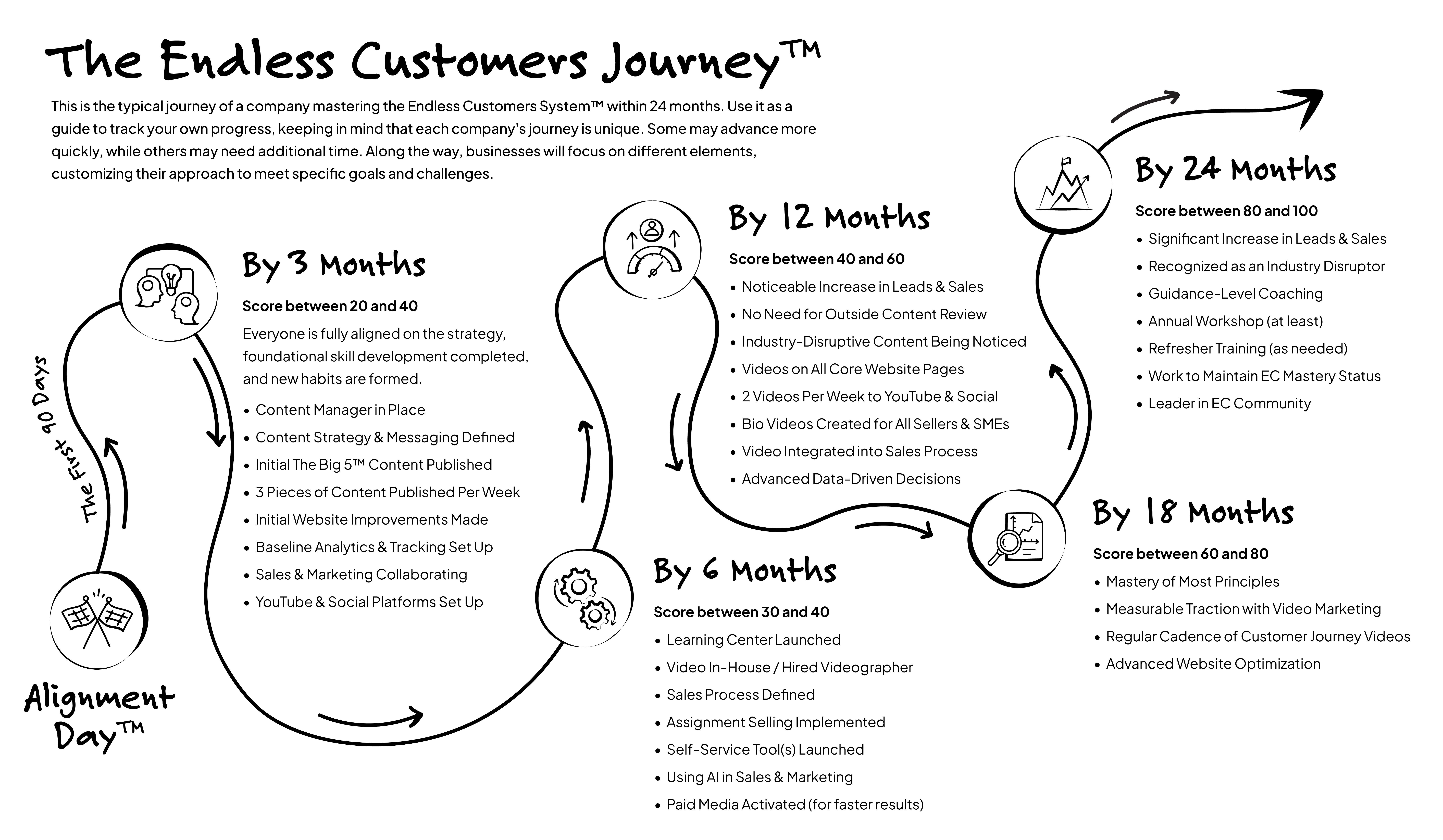
Most businesses implementing the Endless Customers system see initial traction within the first 90 days and measurable increases in leads and sales by the 12-month mark.
The journey unfolds in predictable phases:
By 3 Months:
- Content manager in place
- Publishing 3+ articles weekly
- First Big 5 content live
- Baseline analytics established
- Sales and marketing collaborating
By 6 Months:
- Learning centre launched on website
- Videographer hired or video production in-house
- Sales process documented with Assignment Selling integrated
- Self-service tools launched
- Noticeable improvement in lead quality
By 12 Months:
- Significant increase in leads and sales
- Industry-disruptive content gaining attention
- Videos on all core website pages
- 2+ videos weekly to YouTube and social platforms
- Sales team effectively using content in their process
By 18-24 Months:
- Mastery of most principles achieved
- Recognised as industry disruptor
- Measurable traction with video marketing
- Most known and trusted brand status in market
The typical journey to full implementation takes 18-24 months, with businesses progressing through 90-day cycles measured by the Endless Customers Scorecard. Companies reaching scores of 80-100 have achieved mastery and can maintain momentum with minimal external support.
The scorecard evaluates 10 key areas across content, website, sales activities, technology, and culture. Most businesses start with scores below 20 and reach 80+ within two years of committed implementation.
This isn't a quick fix. Success requires consistent execution, cultural buy-in, and leadership commitment throughout the journey.
| Timeline | Key Milestones | Expected Scorecard Score |
|---|---|---|
| 3 Months | Content manager hired, publishing 3x/week, first Big 5 content | 20-40 |
| 6 Months | Video in-house, learning centre launched, Assignment Selling active | 30-40 |
| 12 Months | Noticeable lead increase, industry-disruptive content, video integrated | 40-60 |
| 18 Months | Mastery of most principles, regular customer journey videos | 60-80 |
| 24 Months | Most known and trusted brand status, significant sales growth | 80-100 |
Resource requirements and financial investment
Implementing Endless Customers requires dedicating team members to content creation and video production, with smaller businesses (£1-5M/$1.25-6.25M revenue) typically starting with one hybrid role and larger companies building teams of 3-6 specialists.
The system emphasises in-house capability over outsourcing. Your primary investments are people and technology:
Staff Investment:
- £1-5M ($1.25-6.25M) Revenue: At least one full-time hybrid role (content + video), often requiring £30K-45K ($37.5K-56K) annually
- £5M+ ($6.25M+) Revenue: Dedicated content manager and videographer, plus web management support (3-5 people total)
- £10M+ ($12.5M+) Revenue: Full marketing team of 3-6 specialists including content, video, web, design, and analytics
Key Roles:
- Content Manager: Writes and publishes 3+ articles weekly, manages SEO, oversees analytics, handles email marketing
- Videographer: Produces 2+ videos weekly, coaches team on camera performance, manages YouTube and social video
Technology Investment:
- Website CMS with in-house management capability
- CRM system (HubSpot commonly recommended)
- Analytics and tracking tools
- Video production equipment (camera, lighting, microphones)
- Design and editing software
Training and Coaching:
- Many businesses work with certified Endless Customers coaches for 18-24 months
- Investment varies but typically ranges from several thousand to tens of thousands annually
The financial commitment is significant but delivers ROI through increased leads, higher close rates, and marketing independence. Companies report that building in-house expertise costs less than ongoing agency retainers while delivering superior results.
Potential challenges and limitations to consider
The Endless Customers system is not a quick fix and requires long-term leadership commitment, cultural change, and willingness to challenge industry norms—factors that cause many companies to resist implementation.
Understanding the challenges helps set realistic expectations:
Leadership Resistance:
The biggest barrier is leadership unwilling to commit long-term or embrace transparency. If your managing director won't discuss pricing online or feature the team in video, this system won't work. The methodology demands top-down buy-in and active participation from leadership.
Cultural Change:
Shifting from traditional marketing to radical transparency challenges how most companies operate. Sales teams may initially resist sharing prospects' "homework" before meetings. Marketing teams comfortable with fluffy content must learn to address difficult topics head-on.
Resource Commitment:
Building in-house capabilities requires hiring, training, and managing dedicated marketing staff. Businesses accustomed to outsourcing everything struggle with this shift. The upfront investment in people and systems can feel daunting, though long-term benefits outweigh initial costs.
Timeline Expectations:
Companies seeking immediate results become frustrated with the 12-24 month timeline for full implementation. This methodology rewards patience and consistency, not shortcuts.
Industry Conventions:
Some businesses worry that transparency about pricing or problems will hurt them competitively. Breaking industry norms requires courage. Companies unwilling to be disruptors won't achieve the transformational results this system delivers.
Best-Fit Limitations:
The system works brilliantly for considered purchases with longer sales cycles. Businesses with impulse buys, very short cycles, or minimal customer research will find limited success with content-heavy strategies.
The companies that succeed share common traits: committed leadership, willingness to be vulnerable, patience for the journey, and genuine desire to be the most helpful resource in their industry.
Assignment Selling: How content improves close rates
Assignment Selling is a sales technique where prospects are required to review specific content before sales calls, ensuring they arrive educated and qualified.
Traditional sales processes waste time answering basic questions prospects should already know. Assignment Selling solves this by using content as a qualifying mechanism.
How It Works:
Before scheduling appointments or advancing through your sales process, salespeople assign specific content for prospects to consume. This might include:
- Pricing videos before initial consultations
- The 80% Video before discovery calls
- Product/service videos before presentations
- Comparison content before proposal meetings
The Assignment Selling Script has three components:
- WHY it matters: Explain the risk of being uneducated about the purchase
- WHAT the assignment is: Be explicit about the content to review
- WHEN to complete it: Set clear expectations for timing
Results from businesses using Assignment Selling consistently show:
- Close rates increasing from industry average (25-30%) to 70-80%
- Average sale prices increasing up to 39.7%
- Dramatically reduced time wasted on unqualified leads
- Shorter sales cycles with better-educated prospects
- Sales teams working fewer hours while closing more deals
Marcus Sheridan's River Pools increased from selling 75 pools in 250 appointments (30% close rate) to 95 pools in 120 appointments (79% close rate) in one year using Assignment Selling.
The key insight: A prospect's willingness to consume content directly correlates with their readiness to buy. Those who won't do the "homework" aren't serious buyers, saving your sales team valuable time.
Implementation requires clear sales process documentation, content mapped to each stage, and team training on how to assign content effectively rather than weakly suggesting prospects "take a look" at materials.
What makes businesses successful with this System
The most successful Endless Customers implementations share three characteristics: leadership fully committed to the methodology, teams willing to act as industry disruptors, and a mindset shift to viewing the company as a media company first.
Success Factor 1: Leadership Commitment
Leaders must champion transparency, participate in content creation, and maintain focus when results take time. Businesses where leadership treats this as "just a marketing initiative" rather than a business transformation consistently underperform.
Success Factor 2: Disruptor Mindset
Top performers embrace being different from competitors. They publish pricing when others don't. They discuss problems openly. They take risks that feel uncomfortable because they understand trust requires vulnerability.
Success Factor 3: Media Company Identity
The most successful businesses think of themselves as media companies that happen to sell products or services. They prioritise content creation, invest in video capabilities, and view their website as their #1 salesperson.
Success Factor 4: Consistent Execution
The system requires publishing 3+ articles and 2+ videos weekly, maintaining sales process discipline, and continuous improvement through 90-day planning cycles. Companies that start strong but lose momentum after 6-12 months never achieve breakthrough results.
Success Factor 5: Integration of the 5 Components
- The Right Content: Creating Big 5 and Selling 7 content consistently
- The Right Website: Learning centre, self-service tools, optimised for conversion
- The Right Sales Activities: Assignment Selling integrated, team collaboration
- The Right Technology: CRM mastery, analytics tracking, AI adoption
- The Right Culture: Alignment around principles, continuous training, accountability
Businesses succeeding with Endless Customers don't just implement tactics; they transform how they operate. They become obsessed with answering buyer questions, building trust, and earning their position as the most known brand in their market.
Real results: What outcomes small businesses achieve
Businesses implementing the Endless Customers system report becoming recognised as industry leaders, generating significantly more qualified leads, and achieving sales growth beyond their initial expectations.
While specific results vary by industry and commitment level, common outcomes include:
Lead Generation:
- 300-600% increases in organic website traffic within 18-24 months
- Higher percentage of sales-qualified leads versus general enquiries
- Prospects arriving at sales meetings already favouring your company
Sales Performance:
- Close rates increasing from 25-35% to 70-80% when Assignment Selling is implemented
- Average sale prices increasing as better-educated buyers understand value
- Sales cycles shortening by weeks or months as prospects arrive pre-educated
Market Position:
- Recognition as the go-to authority in your market
- Competitors copying your approach (after you've built significant lead)
- Prospects specifically requesting to work with team members featured in videos
Operational Impact:
- Marketing independence from agencies, reducing costs while improving results
- Sales teams working more efficiently with fewer but higher-quality opportunities
- Company culture shift toward education, transparency, and customer obsession
Financial Results:
- Businesses report steady revenue growth tied directly to content efforts
- Improved profitability as leads cost less to acquire and close at higher rates
- Sustainable growth rather than dependence on paid advertising or external agencies
Marcus Sheridan's River Pools grew from near-bankruptcy in 2008 to selling 95 pools annually with an 80% close rate by 2010, during the worst recession in decades, purely through implementing these principles.
The transformation extends beyond numbers. Companies report improved team morale, clearer competitive differentiation, and confidence in their ability to drive sustainable growth.
Success requires the full 18-24 month commitment, but businesses that persist consistently report that becoming the most known and trusted brand in their market was worth the journey.
Final verdict: Is Endless Customers worth the investment?
The Endless Customers system is a proven, comprehensive methodology that delivers transformational results for businesses willing to commit to transparency, cultural change, and challenging industry conventions.
This isn't a magic formula or quick fix. The system requires significant investment in people, time, and mindset shifts. You'll need to hire dedicated marketing staff, embrace vulnerability through radical transparency, and maintain consistent execution for 18-24 months before achieving mastery.
You should implement Endless Customers if:
- You're committed to becoming the most known and trusted brand in your market
- Your buyers conduct research before purchasing (longer sales cycles)
- Leadership is prepared to champion transparency and model the behaviours required
- You're willing to invest in building in-house marketing capabilities
- You can maintain focus and consistency for the 18-24 month journey
Look for alternatives if:
- You need immediate results (next 30-90 days)
- Your products feature impulse purchases or very short sales cycles
- Leadership is risk-averse and unwilling to embrace transparency
- You prefer outsourcing all marketing rather than building internal expertise
- Your industry genuinely prohibits discussing pricing, problems, or comparisons
The verdict: For growth-minded small businesses prepared to play the long game, Endless Customers provides a clear roadmap to market dominance. The methodology works across industries, revenue ranges, and market conditions—but only when implemented fully and consistently.
Rather than chasing the latest marketing tactic or hoping agencies will finally deliver, you build your own marketing engine that generates predictable leads, shortens sales cycles, and positions you as the obvious choice in your market.
Is Endless Customers worth it? If you're ready to commit, the answer is absolutely yes.
Take the next step toward marketing transformation
You now understand exactly how the Endless Customers system works, the resources required, and the results businesses achieve when they commit fully.
If your current marketing feels scattered, agency-dependent, or ineffective at generating qualified leads, this methodology offers a proven alternative. The path to becoming the most trusted brand in your market starts with alignment: getting your leadership, sales, and marketing teams on the same page about what great marketing looks like.
My Company Alignment Workshop unites your team behind a clear strategy in just one day; no fluff, just alignment, clarity, and momentum. You'll leave with a shared roadmap, common language, and the foundation needed to transform your marketing approach.
From there, my In-House Marketing Mastery programme provides complete training and coaching to build the capabilities your team needs: content creation, video production, website optimisation, sales alignment, and technology integration; all five components working together to drive sustainable growth.
Your buyers are searching for answers right now. The companies that provide those answers transparently will earn their trust and their business.